
Recent Robot News
Stay up to date with robotics, AI breakthroughs, and product launches.
543 news found • Page 6 of 12

Major US Airlines Ban Humanoid and Animal Robots from Passenger Cabins and Cargo
Delta and United Airlines have joined Southwest in banning humanoid and pet-like robots from flying in passenger cabins or checked luggage. The carriers cite significant safety concerns regarding large lithium-ion batteries and potential evacuation hazards as advanced consumer robotics become more prevalent.
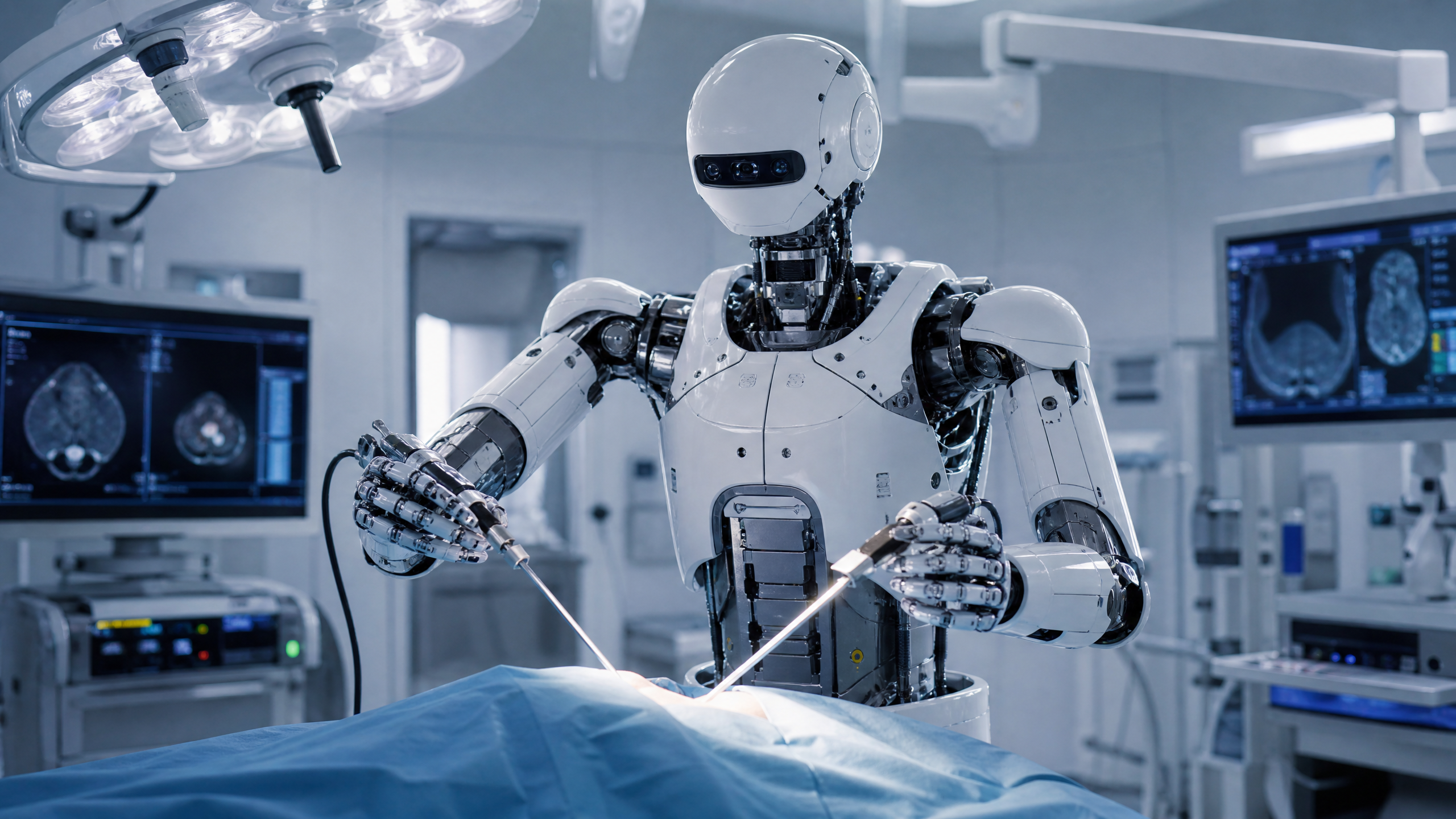
Teleoperated Humanoid Robots Successfully Perform Laparoscopic Surgery in Animal Trials
A research team at UC San Diego has successfully used a teleoperated humanoid robot to perform laparoscopic gallbladder removal in pigs, as highlighted in Nature Medicine on July 31, 2026. The research demonstrates the feasibility of using general-purpose humanoid morphology with standard surgical instruments for complex procedures, challenging the dominance of purpose-built surgical robots like Intuitive Surgical's Da Vinci system and potentially enabling surgical access in standard operating rooms without specialized equipment.
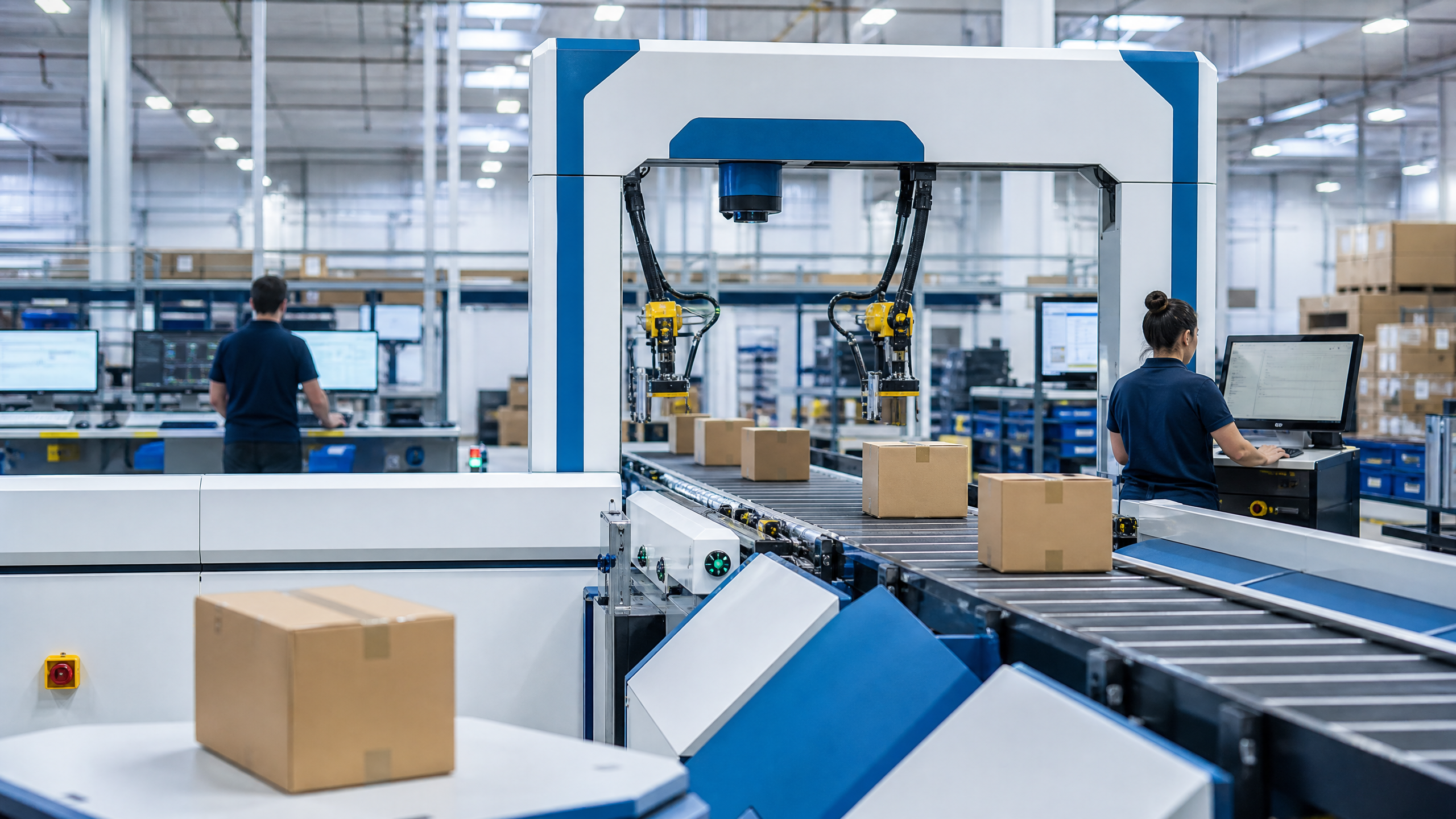
UNIT AI Secures US$12 Million to Scale Modular E-Commerce Automation Platform
UNIT AI has secured US$12 million in a funding round co-led by Prologis Ventures, Dynamo Ventures, and Ground Up Ventures to scale its modular e-commerce automation platform. Founded by industry veterans Guy Glass (formerly Caja Robotics, acquired by Fives) and Avihou Barkay (formerly Plus One Robotics), the company provides rapidly deployable robotic sorting systems for fulfillment and returns processing that can be installed in weeks without requiring full facility redesigns.
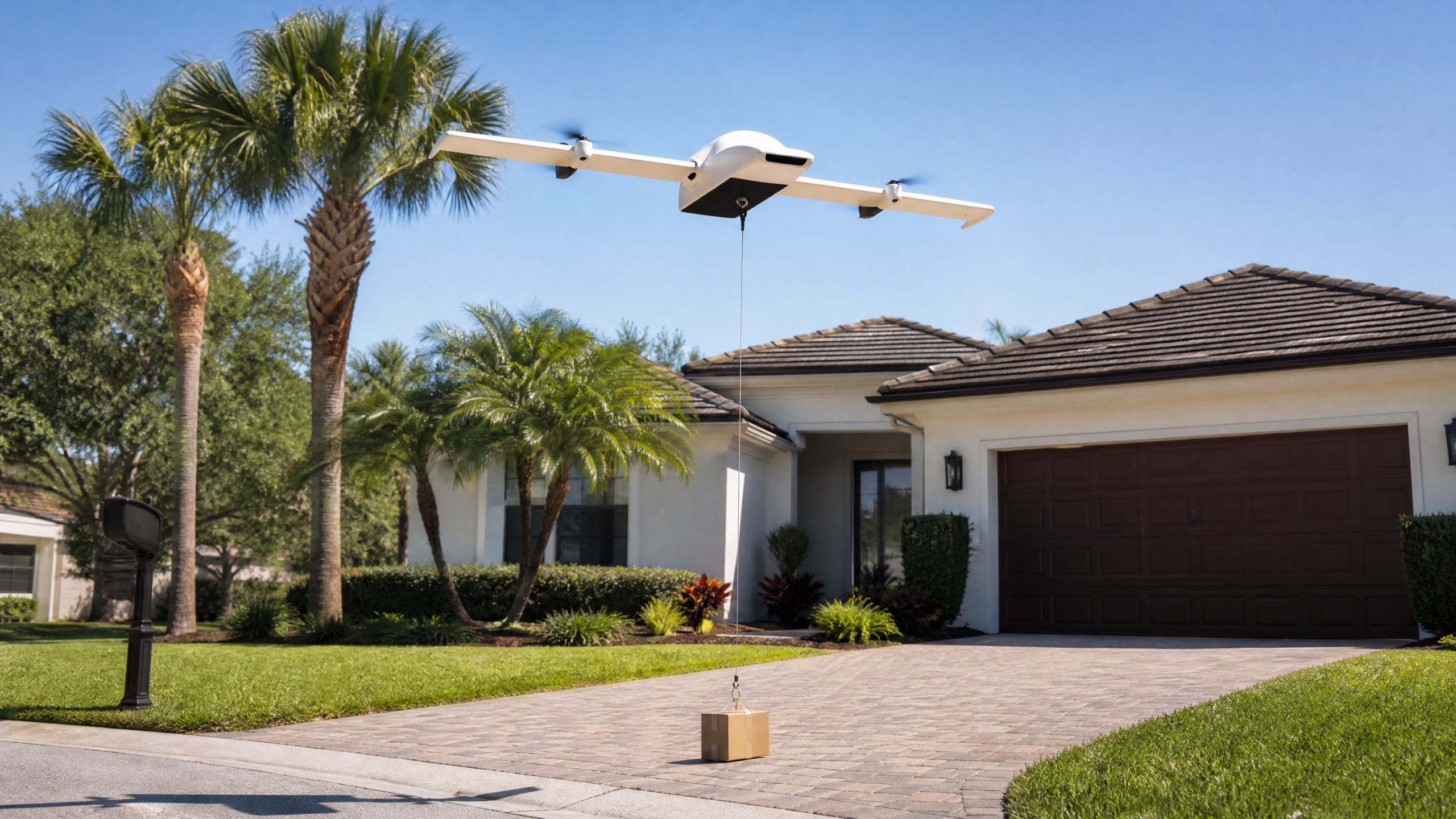
Wing and Walmart Launch 30-Minute Drone Delivery in Greater Orlando
Alphabet subsidiary Wing has expanded its drone delivery partnership with Walmart, launching 30-minute delivery services in the Greater Orlando, Florida area. The service utilizes Wing's fixed-wing hybrid VTOL aircraft and tether-drop system to deliver packages up to 2.5 pounds for a flat fee of US$3.99. The launch replaces Walmart's previous Orlando drone partnership with DroneUp and extends Wing's US footprint beyond its existing Dallas-Fort Worth operations.
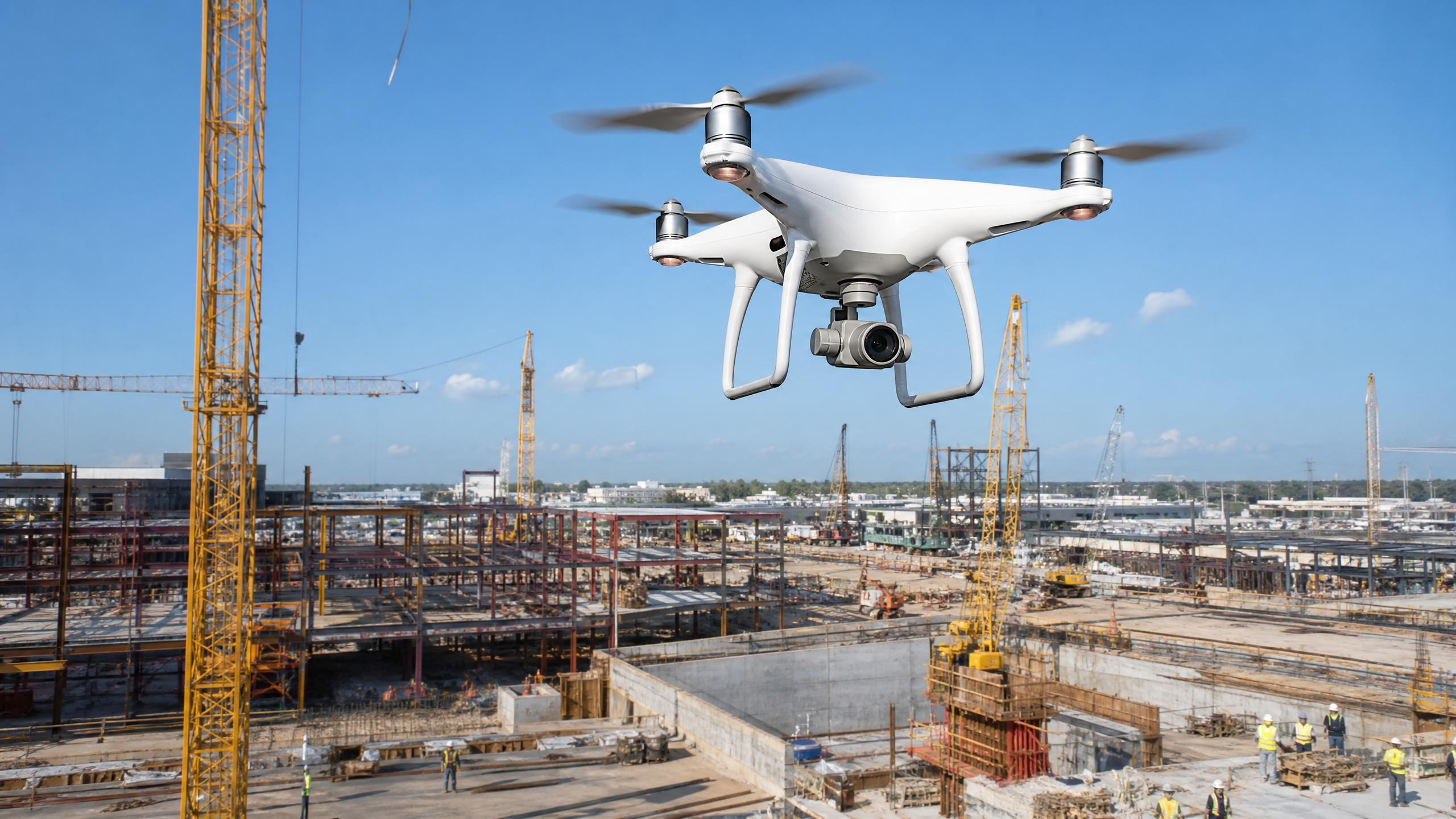
Procore Acquires DroneDeploy for US$845 Million to Integrate Visual AI in Construction
Construction management software giant Procore Technologies (NYSE: PCOR) has agreed to acquire reality capture and robotics platform DroneDeploy for US$845 million in cash. The acquisition integrates DroneDeploy's 20 trillion square feet of visual data across 3 million jobsites in 180 countries with Procore's project management platform serving over 400 million photos and 126 million drawings. Goldman Sachs advised Procore; Citi advised DroneDeploy. The deal is expected to close later in 2026.
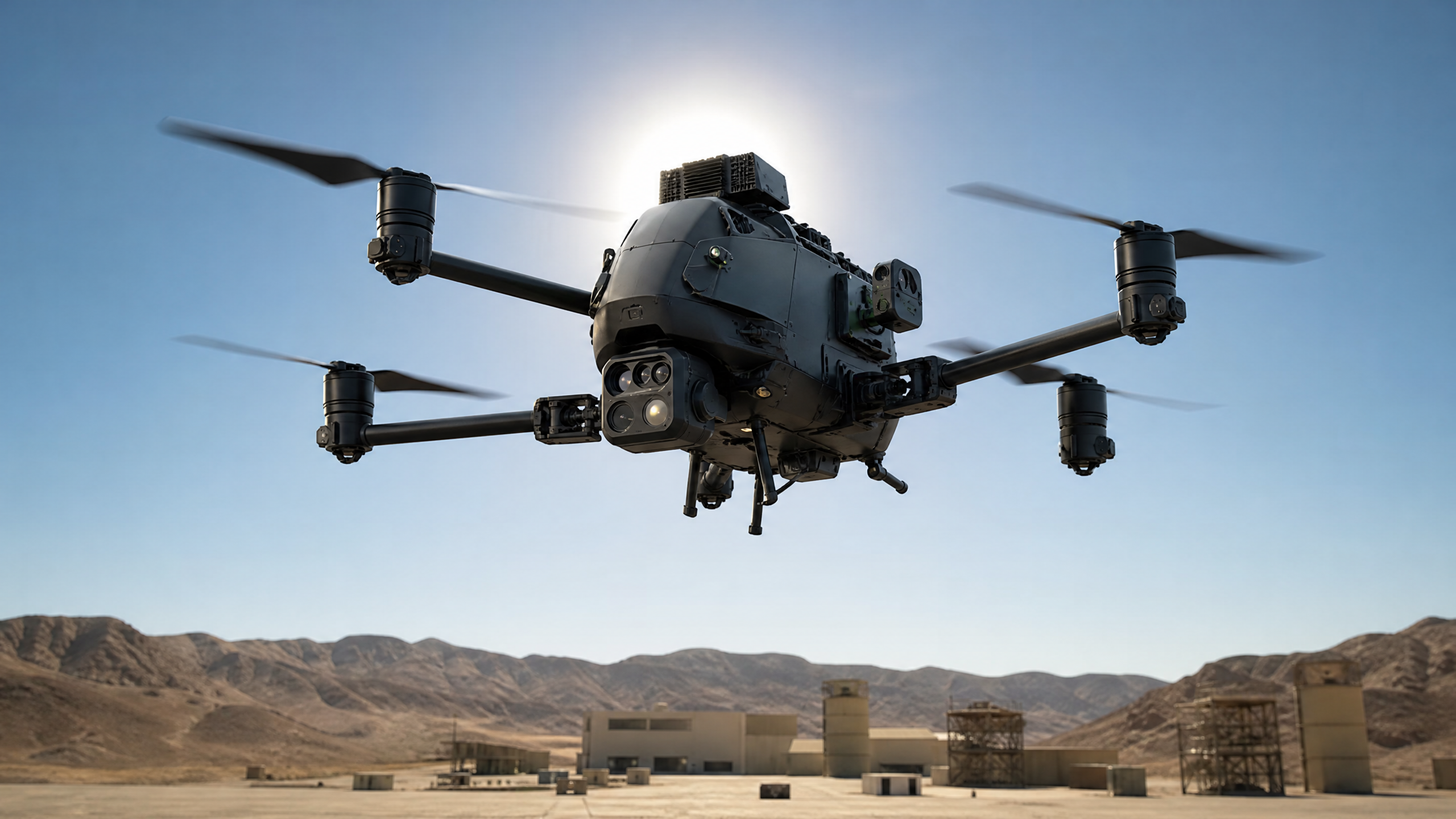
XTEND Secures US$27 Million in Defense Orders and Advances in US$1 Billion Drone Program
XTEND has secured over US$27 million in defense orders since February 2026 and advanced to Gauntlet II of the US$1 billion Drone Dominance Program. The company, which provides the XOS operating system for tactical drones deployed across 30+ countries and 5 combat zones, is preparing for a Q3 2026 NYSE listing under the ticker XTND following its business combination with JFB Construction Holdings. With a US$500 million active pipeline and 12,500+ systems already deployed, XTEND is positioning itself as a foundational layer of allied autonomous defense infrastructure.
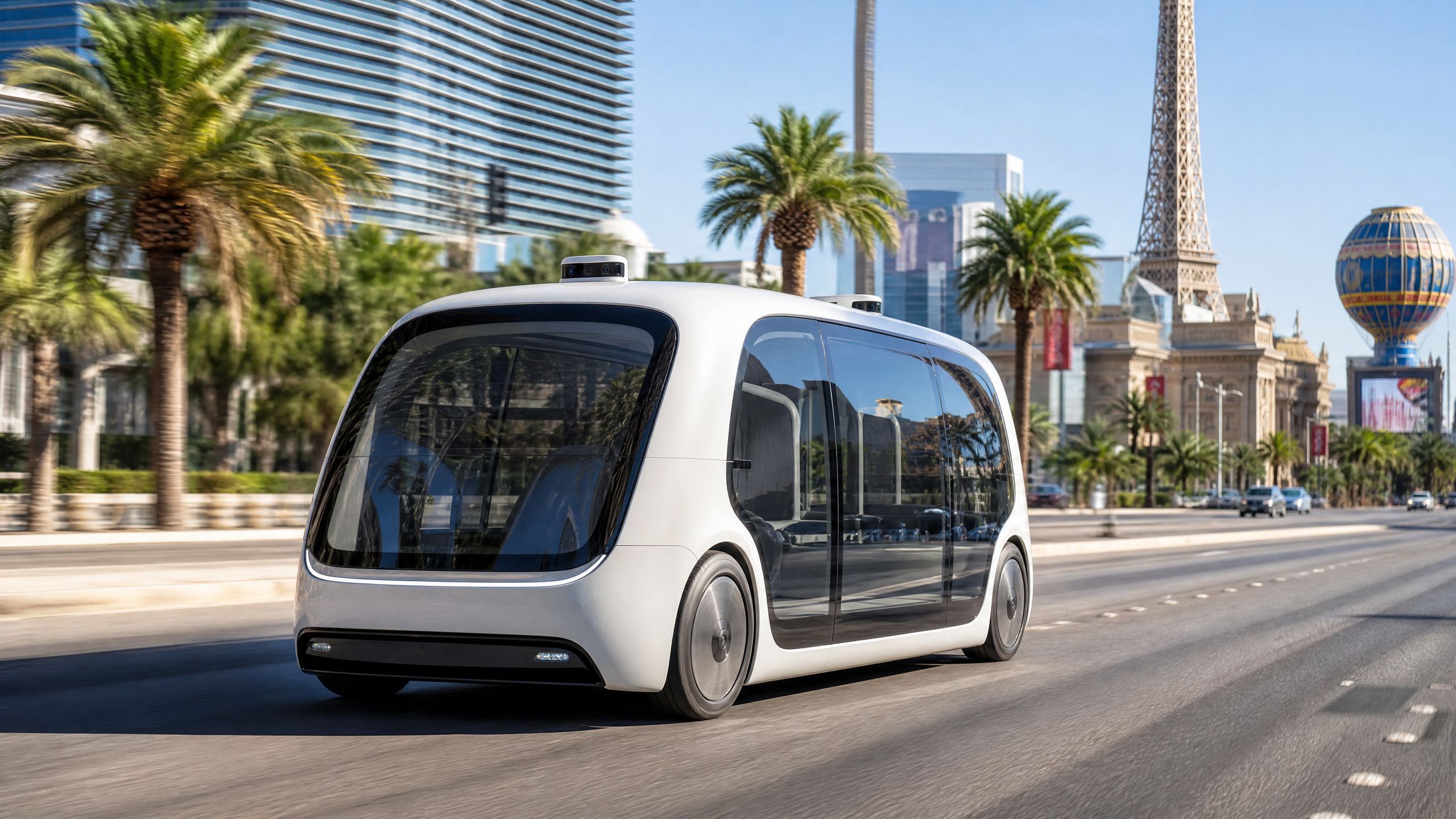
Zoox Secures First NHTSA Part 555 Commercial Exemption for Purpose-Built Robotaxis
Amazon's Zoox has received the first-ever NHTSA Part 555 commercial exemption for a purpose-built autonomous vehicle without a steering wheel or pedals. The approval allows Zoox to deploy up to 2,500 robotaxis annually for two years and begin charging fares, starting in Las Vegas next month. The decision marks a watershed moment for the autonomous vehicle industry, establishing a federal precedent for vehicles that do not conform to traditional motor vehicle safety standards.
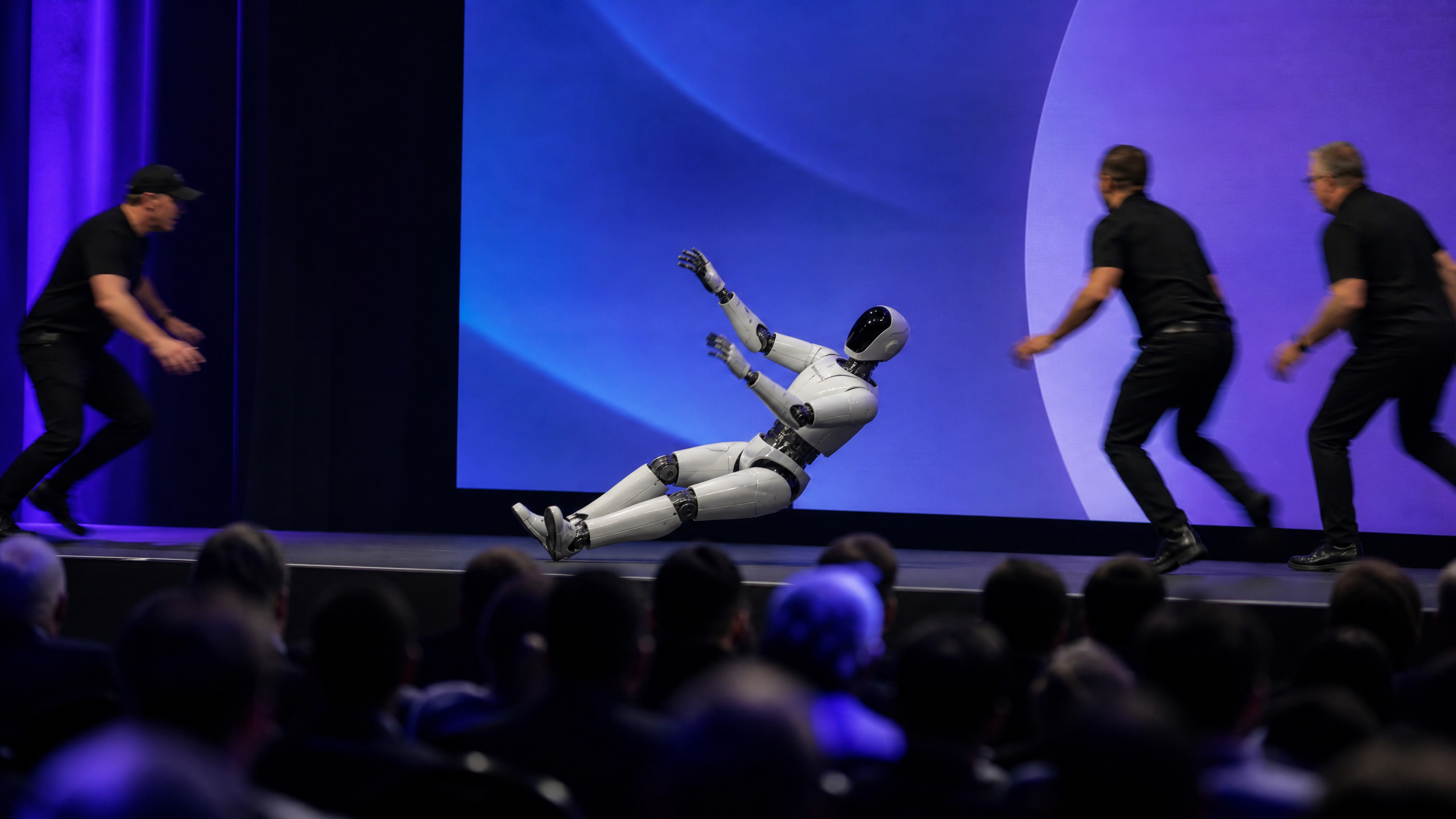
Qualcomm’s 700 TOPS Dragonwing IQ10 Robotics Platform Debuts with Spectacular On-Stage Failure
Qualcomm’s Computex 2026 keynote in Taipei featured the launch of the Dragonwing IQ10, a 700 TOPS robotics reference design positioned as a production-ready brain for humanoid robots. The presentation became one of the most discussed tech demos of the year when NEURA Robotics’ 4NE-1 humanoid, powered by the chip, collapsed on stage seconds after delivering a demonstration payload. Qualcomm says the robot performed its designed “safe-collapse” sequence after a communication glitch.

Harper Adams University Tests Humanoid Robots for General Farm Labor
Harper Adams University in Shropshire, England, is researching the use of humanoid robots in agriculture to address persistent seasonal labor shortages. Led by Professor Fernando Auat Cheein, the project argues that general-purpose humanoids, with degrees of freedom matching the human body, can perform multiple tasks like harvesting, planting, and weeding, unlike today's single-task farm robots. The research aims for collaboration with the human workforce, leveraging software economics where a perfected task can be replicated across thousands of robots.
Tau Robotics Launches US$30 Per Hour Humanoid Home Cleaning Service in San Francisco
Tau Robotics, a San Francisco startup building teleoperated humanoid cleaning services, has launched an invite-only home cleaning service for US$30 per hour. The service relies on human operators controlling the robots remotely with artificial intelligence assistance, as current AI cannot fully control a humanoid on its own. While the company aims to expand the cleaning market to those who do not currently employ house cleaners, experts like UC Berkeley's Ken Goldberg remain skeptical about the technology's readiness. In addition, the service's privacy terms grant the company a perpetual license to footage recorded inside customers' homes, raising significant privacy concerns.
KDDI and AVITA Debut Japan's First Gemini-Powered Emotion-Aware Android
KDDI and AVITA have unveiled Japan's first android powered by Google's Gemini 3.1 Flash Live Preview model at Google Cloud Next Tokyo. The system processes audio natively, allowing the android to respond to the emotional nuance and tone of a customer's voice without the lag of traditional speech-to-text pipelines. AVITA, an Osaka-based startup founded in June 2021 by robotics professor Hiroshi Ishiguro, specializes in remote human-plus-AI customer service platforms. The partnership aims to address Japan's severe service-sector labor shortage, with field trials planned for autumn 2026 in retail, healthcare, and entertainment venues.
ESTUN Tops China Industrial Robot Shipments in First Half of 2026
ESTUN Automation has ranked number one in China industrial robot shipments across all brands for the first half of 2026, becoming the first domestic brand to ship more than 10,000 units in a single quarter. Headquartered in Nanjing, ESTUN's core technology spans industrial robots and motion control systems, targeting manufacturing sectors such as automotive, electronics, and new energy. This milestone marks a structural shift in the world's largest industrial robot market, which has been historically dominated by foreign incumbents. The data, released by MIR DATABANK, highlights the growing influence of domestic brands in China and their expansion into global markets, including ESTUN's manufacturing base in Poland.
DoorDash Wins FAA Certification to Fly Its Own Delivery Drones
DoorDash has secured a Federal Aviation Administration (FAA) Part 135 air carrier certificate, launching its in-house drone delivery program, DoorDash Air. The San Francisco-headquartered company, known for its vast network of independent delivery drivers, is now one of only eight drone operators in the United States to hold this critical regulatory clearance. The certification allows DoorDash to operate commercial air delivery beyond visual line of sight at scale, shifting its drone strategy from vendor partnerships to owned logistics capacity. Initial operations will focus on pilot programs around Dallas-Fort Worth, Texas, targeting the three-to-five-mile delivery radius that accounts for more than 20 percent of its total order volume. In this specific distance band, drones offer a faster and cheaper alternative to car-based delivery. The move positions DoorDash to capture better unit economics in suburban markets while navigating the complex regulatory and operational hurdles that have historically slowed the expansion of commercial drone delivery networks.
World Labs Launches R2S2R Engine, Claiming Zero-Data Robot Training
World Labs, the San Francisco spatial-intelligence startup founded by Stanford professor Fei-Fei Li, has launched Real-to-Sim-to-Real (R2S2R), a robot policy training and evaluation engine. Powered by technology from its recent acquisition of robotics simulation startup SceniX, R2S2R aims to solve the robotics data bottleneck by reconstructing real environments into interactive virtual worlds. The company claims policies trained with zero real-world data ran autonomously for one hour on tasks like cable routing and test-tube transfer. As an embodiment-neutral infrastructure play, World Labs is positioning itself as a critical layer between robot hardware and foundation models, targeting early deployments in warehouses, laboratories, and electronics assembly.
Google DeepMind Launches Gemini Robotics 2 for Whole-Body Humanoid Control
Google DeepMind has launched the Gemini Robotics 2 family, a suite of three foundation models designed to bring whole-body control and advanced reasoning to humanoid robots. The release includes a vision-language-action (VLA) model capable of controlling 22-degree-of-freedom multifingered hands, an embodied reasoning (ER) model for multi-robot coordination, and an on-device variant that adapts to new hardware in hours. Demonstrated on platforms from Apptronik, Franka, and others, the models show significant progress in intricate manipulation tasks, though published benchmarks reveal the persistent difficulty of fine motor skills like screwing in a light bulb. The ER 2 model is now available in public preview via Google AI Studio, signaling a shift toward broader developer access in the robotics foundation model space.
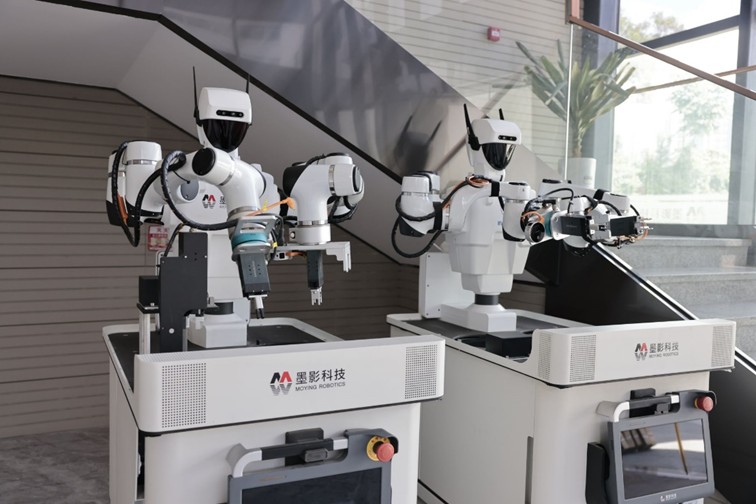
Alibaba and Tencent Just Wrote Angel Checks to the Same Robot Startup
Morphi, a Shenzhen humanoid robotics startup founded in August 2025, disclosed on July 29 that it has closed an angel-round series exceeding RMB 1 billion (US$140 million) at a post-money valuation above RMB 7 billion (US$980 million). Alibaba and Tencent co-led the round, a rare joint appearance by China's two largest internet groups at the angel stage. Nine additional institutions participated, including Legend Capital, Source Code Capital, and Gaorong Capital. The company is led by ex-Huawei executives, with its CTO drawn from Huawei's autonomous driving AI leadership. It is the largest publicly disclosed first-round financing in China's embodied intelligence sector.
The First US Robotics Earnings After the China Ban Show a 33 Percent Jump
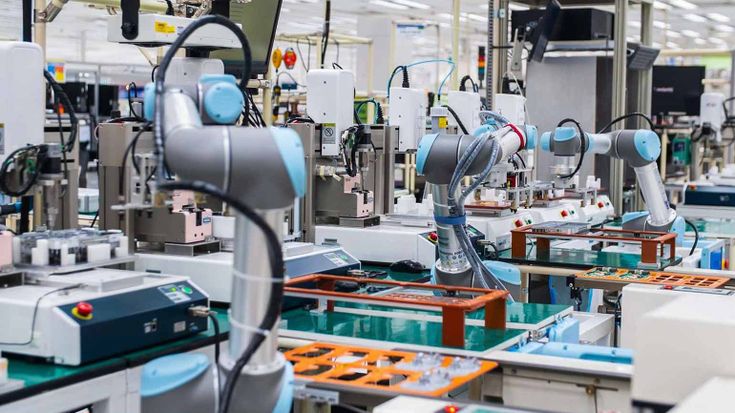
Teradyne reported second-quarter revenue of US$1.33 billion on July 28, up 104 percent year over year and ahead of the US$1.22 billion consensus. Its robotics segment, comprising Danish cobot maker Universal Robots and mobile robot maker MiR, generated roughly US$100 million, up 33 percent from a year earlier and 9 percent sequentially. The print marks the first earnings report from a major US-listed robotics owner since Washington banned Chinese humanoid imports, and the first clean growth quarter for Universal Robots since its 2025 restructuring. Robotics remains under 8 percent of Teradyne's revenue, but the growth signal lands in a Western cobot market that has been contracting for two years.
A Korean Province Just Bet US$15 Billion That Factory Data Beats Silicon Valley
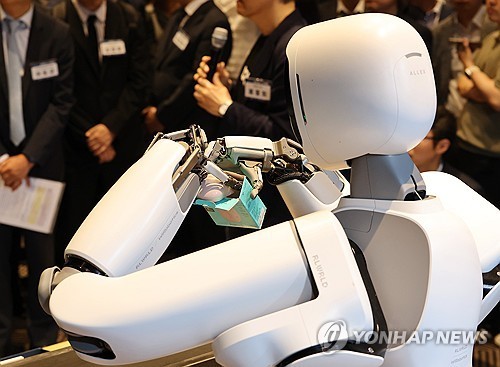
South Gyeongsang Province announced on July 29 a ten-year plan to invest KRW 21 trillion (US$15.5 billion) in physical AI, the umbrella term for robots and AI systems that act in the physical world. The plan spans 55 projects through 2035 and targets 200 physical AI demonstration companies, 500 AI factories, 30 robot system integrators, 1,000 AI solution firms, and at least six AI data centers. Hanwha will build a defense-focused data center in Changwon. The province is wagering that its existing base of more than 3,000 smart factories gives it the manufacturing data that physical AI models need most.

Android's Creator Is Building a Robot Operating System in Tokyo
Andy Rubin, the co-creator of Android and former head of Google's robotics division, confirmed in a Nikkei Asia interview published July 29 that his Tokyo-based startup Genki Robotics will ship its first product before the end of 2026. The company is building an open operating system for humanoid robots paired with a marketplace where developers can sell downloadable behaviors. Genki raised roughly US$50 million in a Series A round earlier this year at a valuation near US$1 billion. The strategy mirrors the horizontal platform model that made Android dominant in smartphones.
A German Gas-Spring Maker Just Claimed the Most Valuable Part of the Humanoid Robot
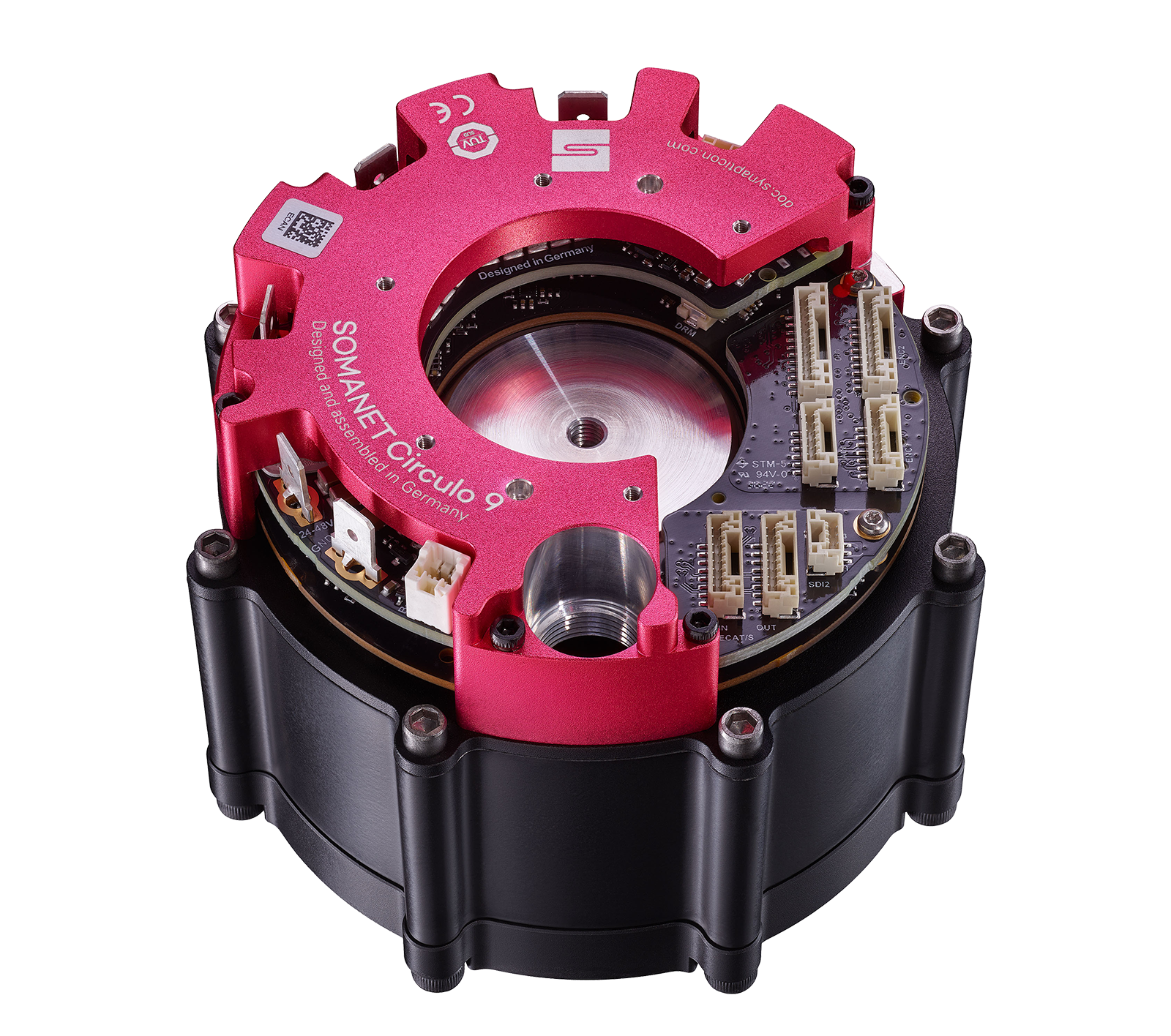
Germany's Stabilus and drive-technology specialist Synapticon announced a strategic partnership on July 29 to jointly mass-produce integrated actuators for humanoid robot joints. Small-series production begins at Stabilus plants in Europe in 2027. Large-scale output follows in North America from 2028, close to the leading humanoid makers. Actuators account for roughly half of a humanoid's material value, and Europe's automotive industrial base is now moving to claim that layer.
The Robot Company That Builds No Robots Just Raised Its Sixth Round in Six Months
Delta Intelligence, a humanoid foundation model startup founded in January 2026, announced a near-RMB 500 million (US$70 million) angel++ round on July 28, its sixth funding round in six months. Uniquely backed by rival OEMs AgiBot, Leju, and Galaxea plus Lenovo Capital, the company also launched Delta D1, a head-mounted device that records a human worker's first-person vision and whole-body joint trajectories for robot training, accurate to within 2 centimeters.
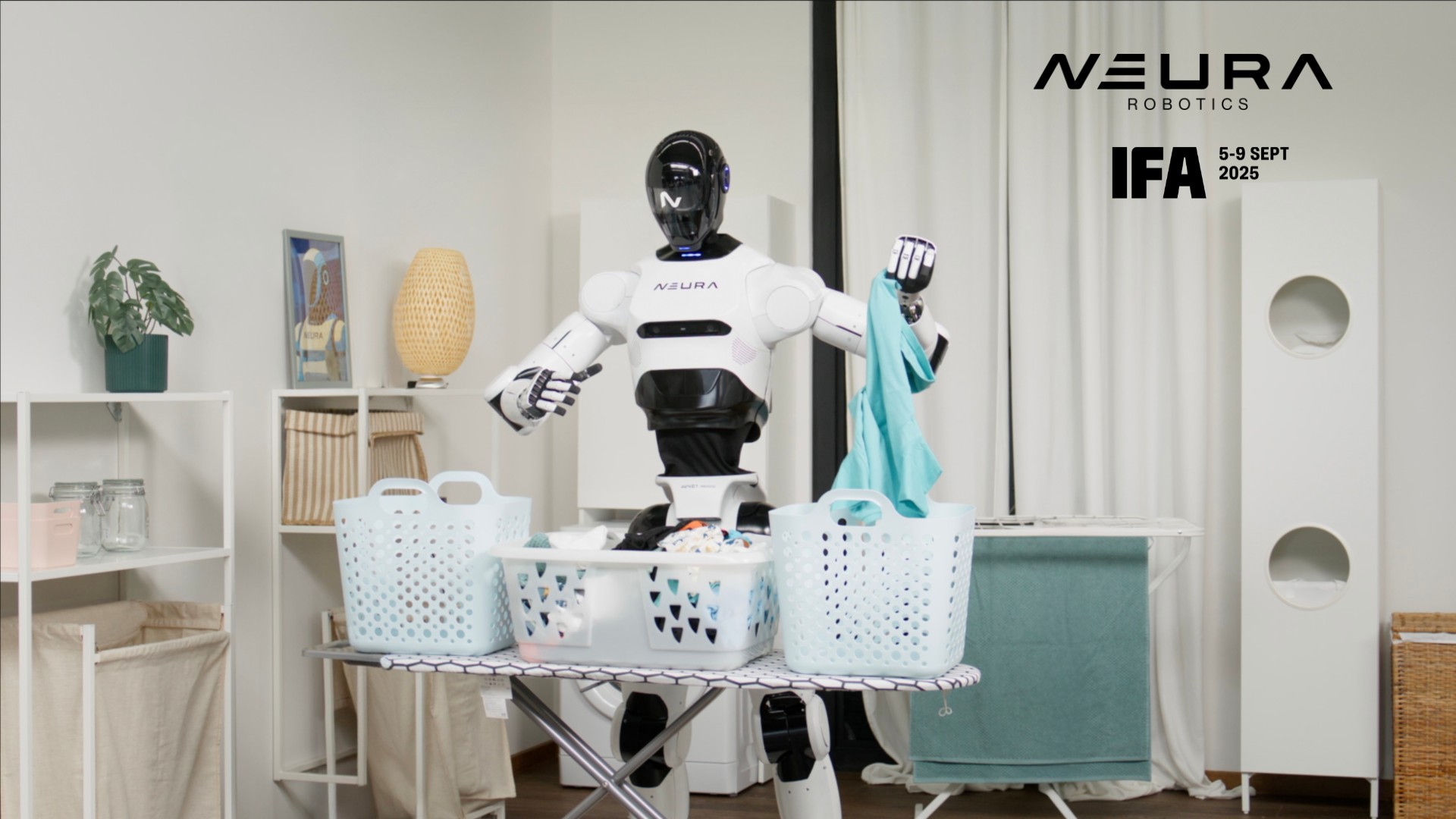
Europe's Biggest Tech Show Is Building a Catwalk for Humanoids, and Chinese Robots Get the Runway
IFA Berlin announced on July 27-28 that its IFA Next innovation zone will host the event's largest-ever humanoid showcase this September 4-8, with around 300 exhibitors from 25 countries and a first-ever "Robots on the Runway" catwalk. The exhibitor list is dominated by Chinese makers, including Unitree, AgiBot, Galbot, and Deep Robotics, days after Washington banned their newest models.
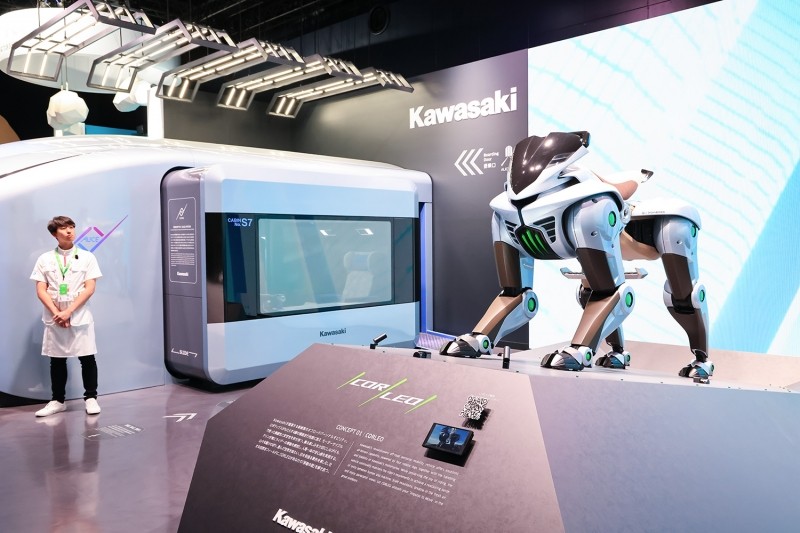
Kawasaki Wants You to Ride a Hydrogen Robot Horse, and It Just Told Investors How
Kawasaki Heavy Industries held its first business briefing for CORLEO, the rideable quadruped robot, on July 28 in Tokyo. The plan calls for a working prototype in 2028, a walking model at Riyadh Expo 2030, and a theme-park-style facility by 2035. CORLEO will have no steering or brakes, reads its rider's body movements like a horse, runs a hydrogen hybrid powertrain, and is trained with Nvidia at Kawasaki's San Jose Physical AI Center.
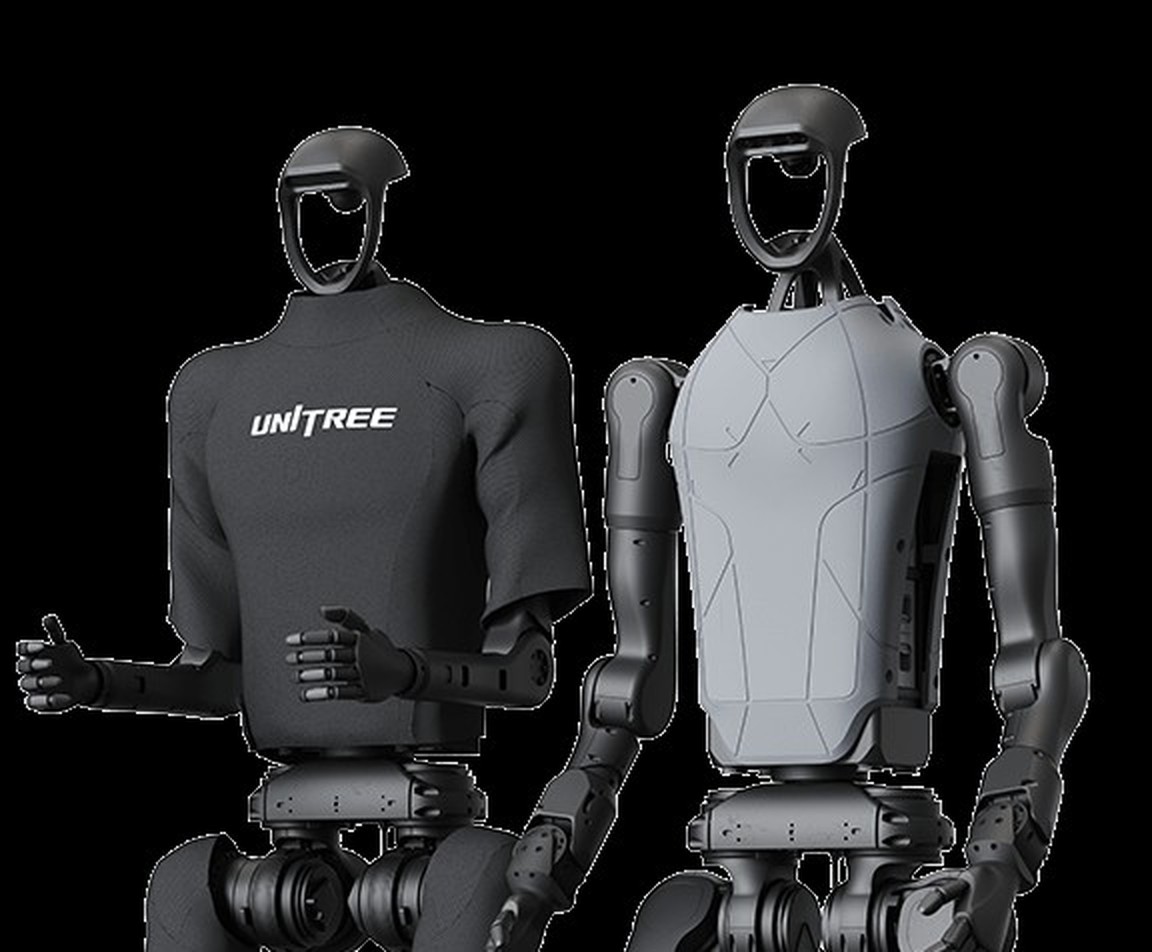
Washington Just Locked Its Door to Chinese Humanoids, and Unitree Was Standing on the Porch
The FCC on July 28 barred new Chinese humanoid and quadruped robots and connected power inverters from the US equipment authorizations they need to be imported or sold, effective immediately upon publication. Already-authorized models stay legal for now. The move blocks Unitree's planned August North America launch and formalizes the robot trade's split into rival blocs.
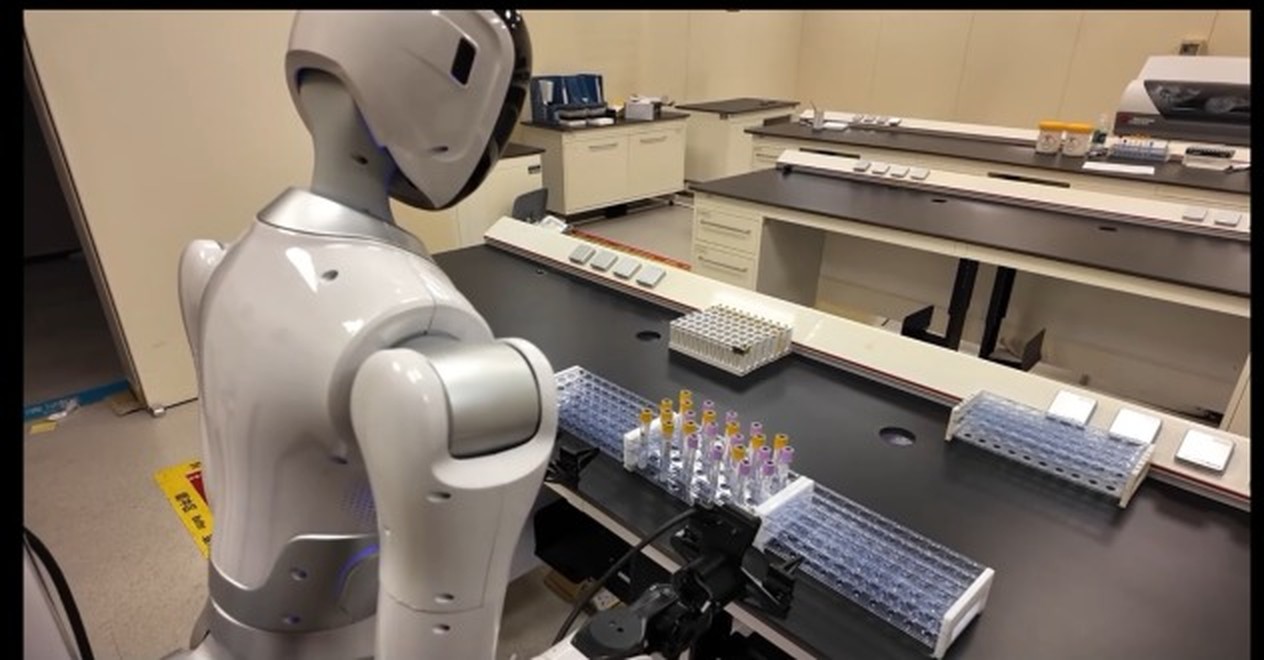
China's Hospitals Are Becoming Robot Training Grounds, Starting With the Pharmacy Shelf
Shenzhen’s Chaowei Dynamics and PKU Healthcare announced cooperation on embodied AI for hospitals: a medical digital asset library reproducing pharmacy sorting and grasping in simulation, enabling consumables-free training. State-media placement (S&T Daily) read as policy signal. The 日前 dating caveat is disclosed in the body.
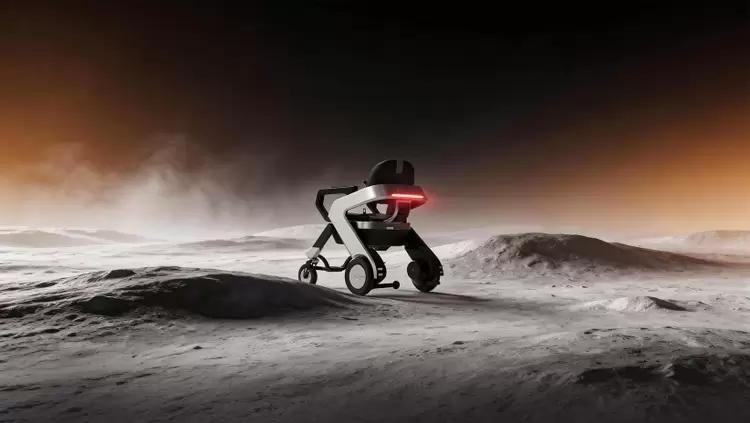
SAIC, CATL, and BYD Money Just Backed a Huawei Veteran's Bet That Robots Should Carry People First
Physical AI company founded by Huawei/Baidu-Apollo veteran Wu Shulin closed several hundred million yuan across angel rounds from CDH VGC, Linear Capital, and SAIC-, CATL-, and BYD-affiliated funds plus Chow Tai Fook. Product: Quorra X5 personal mobility vehicle with autonomous following. Thesis: the autonomous-driving diaspora and auto capital claiming personal mobility as physical AI’s near-term wedge.
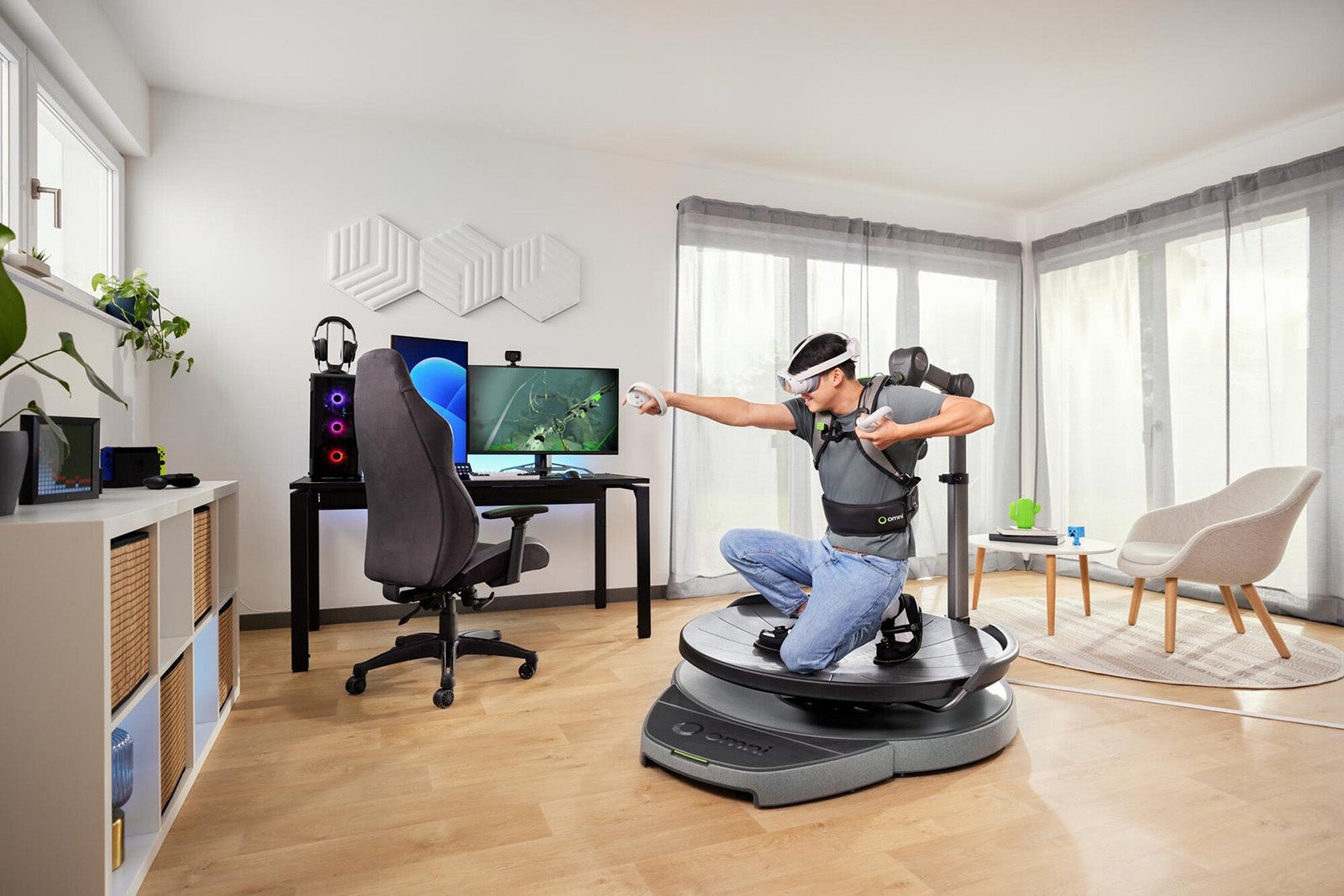
Tesla Just Bought a VR Treadmill for Optimus and It Quietly Explains How Humanoids Learn to Walk
Virtuix disclosed Tesla’s Optimus division bought its first Omni One Enterprise omnidirectional treadmill, positioned for whole-body humanoid teleoperation. Deliberately conservative framing: one unit, seller-disclosed, pilot reading; broker chatter about a Tesla Optimus app excluded. Significance: locomotion training data is becoming a procurement category.
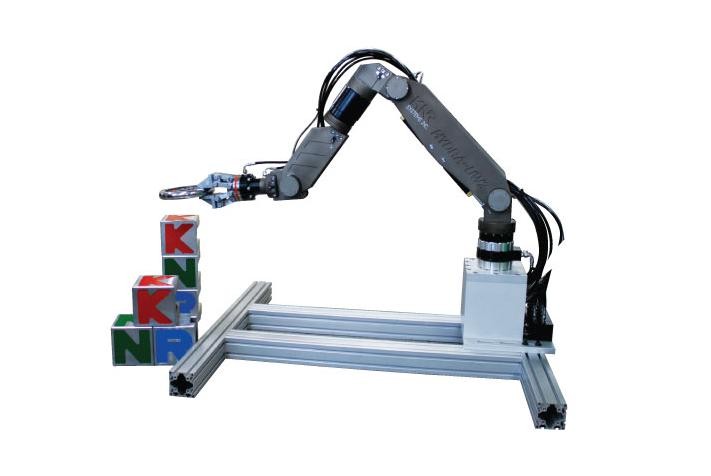
While Everyone Chases Nimble Robot Fingers, Korea Just Built a Hand That Grips 300 Kilograms
KOSDAQ-listed KNR Systems hit the daily limit after unveiling a hydraulic dual-drive robot hand rated for 300 kilograms of grip, with a Super Humanoid unveiling promised by year-end. Framed as Korea’s contrarian bet on strength over dexterity and as a component play; skepticism applied to unverified load claims.
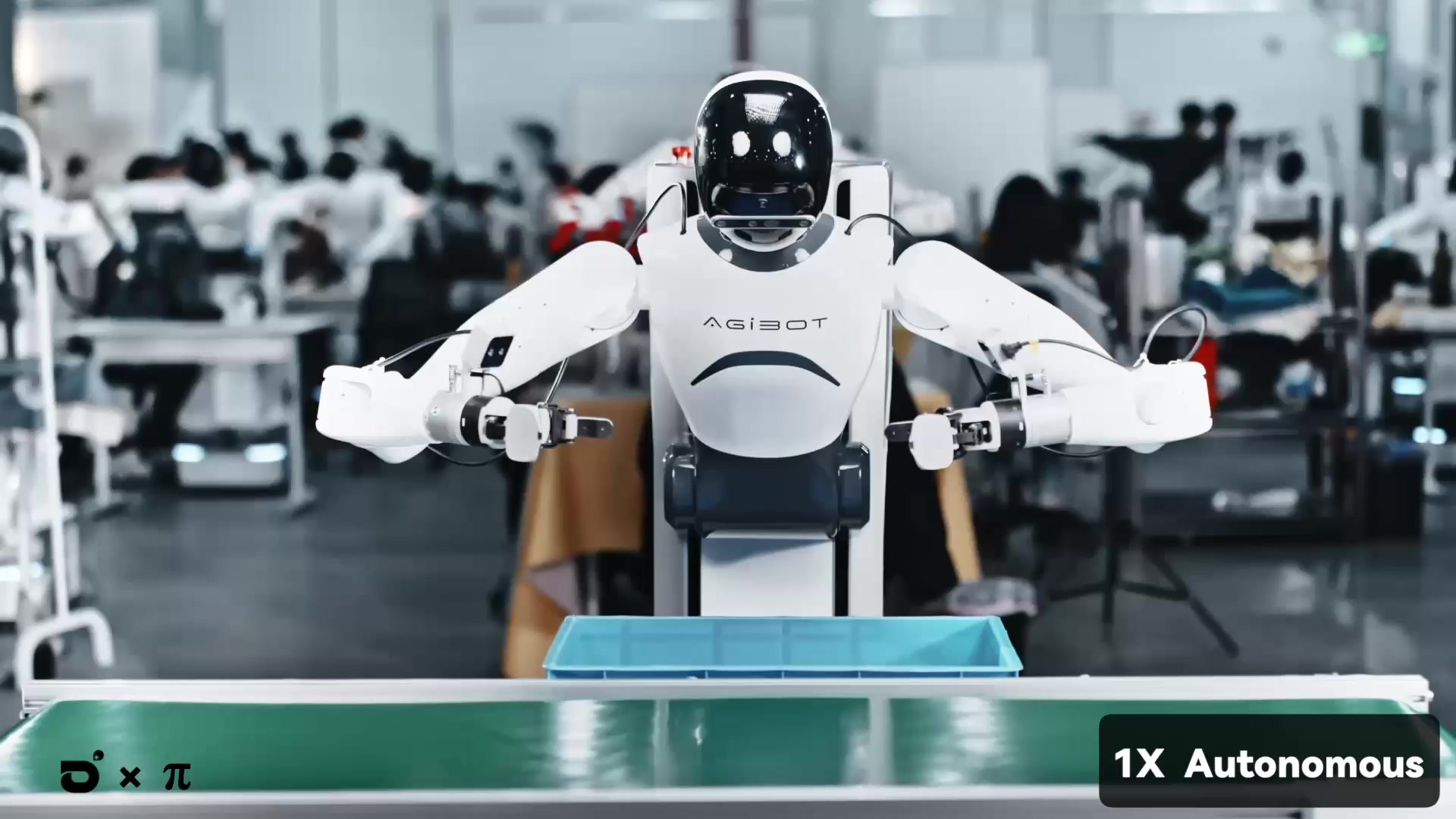
China Just Gave Robots a Slow-Thinking Brain, and Then Gave It Away for Free
Shanghai Innovation Institute with AgiBot released τ0-VLA, a long-horizon vision-language-action model claiming state-of-the-art results above Google and Physical Intelligence baselines, trained on a claimed 40,115-hour real-robot corpus, released with weights and training recipe. Positioned as embodied AI’s potential DeepSeek moment; adoption metrics (forks, downloads) named as the verification to watch.
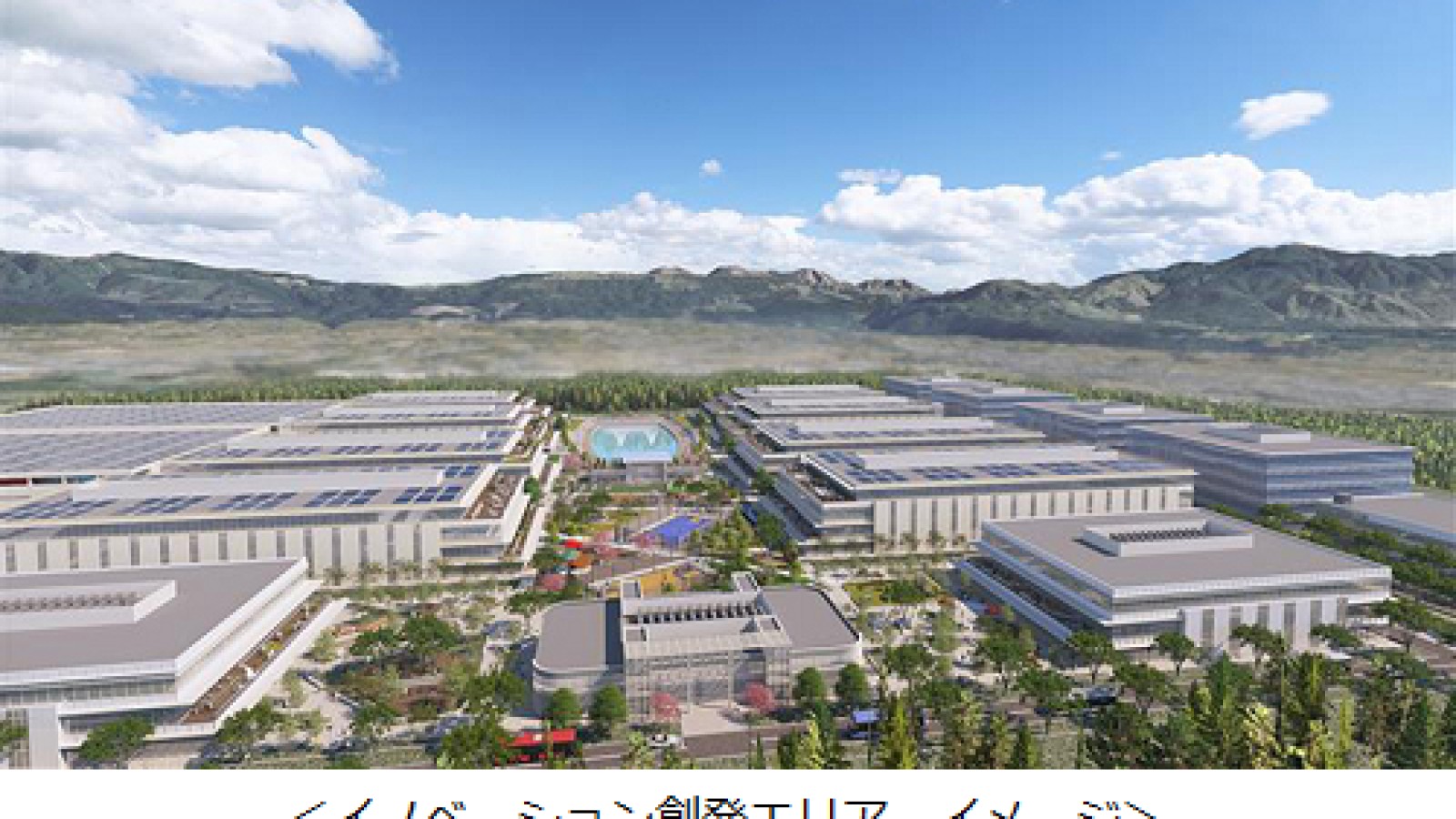
Japan's Biggest Landlord Is Building the Chip Lab for Robots, Next Door to TSMC
Mitsui Fudosan and Kumamoto Prefecture launched Japan’s first physical AI semiconductor centre (KSCM/PASTEC) adjacent to TSMC’s JASM fabs, with seven founding MOUs including Taiwan’s ITRI and Hsinchu Science Park, opening FY2027. Read as real-estate capital and regional government financing the robot economy’s chip-integration layer, and as a Japan-Taiwan industrial corridor milestone.

Two Hackers Raised US$71 Million to Put 100 Robots on the Internet and Let Strangers Drive Them
Unit 8200 alumni Jonathan Jacobi and Gal Niv emerged from stealth with Index Ventures and Ribbit Capital leading, plus angels from OpenAI, Anthropic, xAI, Thinking Machines, and Cognition. Over 100 in-house robots are publicly drivable online, doubling as an interaction-data flywheel. Thesis: the human-robot interface layer is the industry’s missing GUI moment. Skeptical frame preserved: no disclosed business model.

Nvidia Just Became One of Naver's Biggest Shareholders, and Korea's AI Factory Got a US$10 Billion Price Tag
Naver shares jumped more than 10 percent after disclosing Nvidia will take 7.2 million new shares at KRW 204,500, a 4.5 percent stake making it a top-three shareholder. Brookfield adds up to US$9 billion as capital partner for the GAK Sejong expansion to 200 MW by 2028 on Vera Rubin and Blackwell platforms. Framed as vendor financing with equity upside and the clearest receipt yet of the sovereign-AI buildout. Robotics angle: Naver Labs’ 1784 robotics program and the AI-factory substrate for physical AI.

Hotpot Is Out, Humanoids Are In: What Celebrity Money Says About China's Robot Boom
Chinese entertainment celebrities who once parked their wealth in hotpot chains and milk-tea franchises are now investing in embodied AI. Actor Huang Xiaoming's family office has backed an AgiBot-incubated robot rental platform now valued near RMB7 billion and a dexterous-hand spinoff valued near US$1 billion; Yuehua Entertainment took an angel stake in the same rental venture; and Giant Star Legend, the Hong Kong-listed company built on Jay Chou's brand, formed a 50/50 joint venture with a Unitree subsidiary that has already booked roughly RMB120 million in consumer robot orders. This Article examines what celebrity capital's arrival says about China's embodied AI cycle: distribution power meets hard tech, late-cycle froth meets genuine consumer demand, and the history of celebrity restaurant failures offers both a warning and a surprisingly instructive playbook.
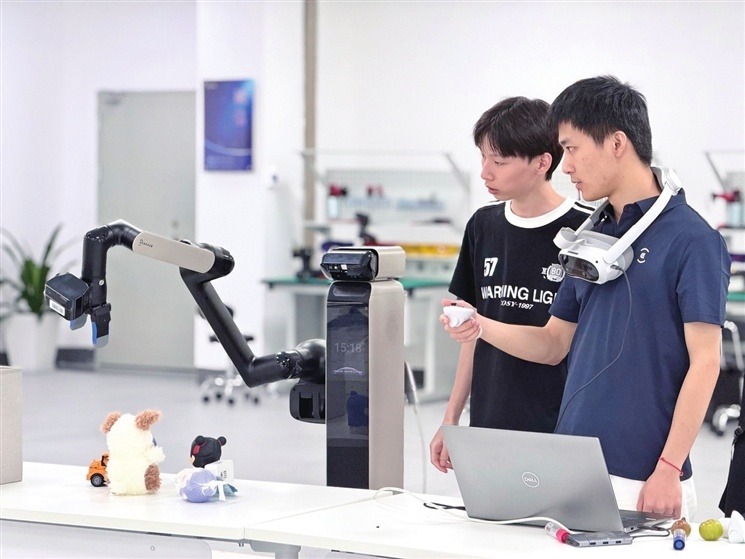
The World's Biggest Robot Vacuum Maker Just Gave Away Its Home Robot, and Its Reasons Are a Manifesto
Ecovacs, the Suzhou company that leads the world in robot vacuums, has fully open-sourced its Bajie embodied robot, from hardware design to the underlying system, and opened a physical Bajie Open-Source Innovation Space in Suzhou, with the announcement covered by QbitAI from the July 25 event. The wheeled, one-armed home robot runs a 7-billion-parameter model locally on dual RK3588 chips, and chairman Qian Dongqi paired the giveaway with a contrarian argument: household robots do not need to be humanoid, end-to-end VLA models are overrated for homes, and embodied AI's ChatGPT moment has not arrived.
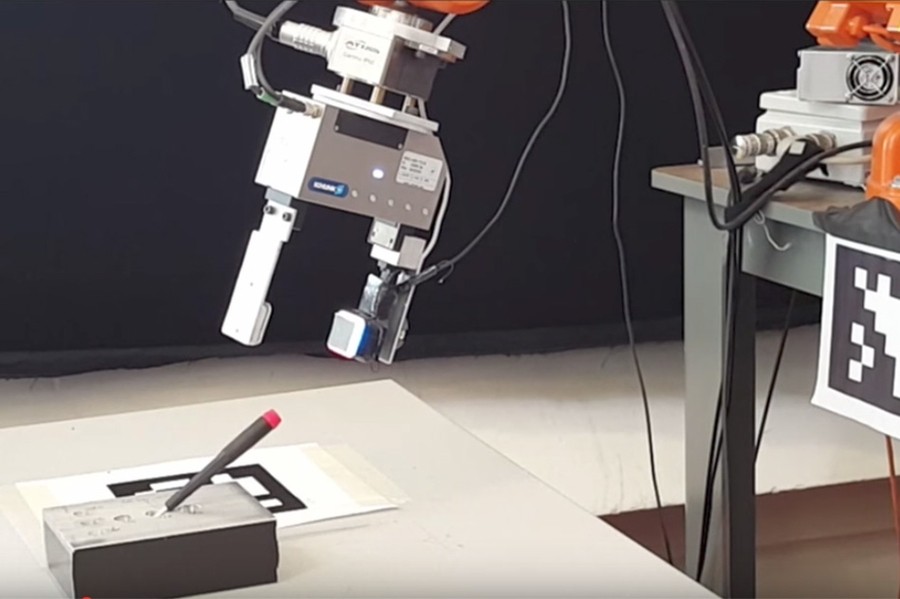
Robots Can See. This Shanghai Lab Just Published 30,000 Hours of Teaching Them to Feel
Shanghai startup NeoteAI (Xinzhi Embodied Intelligence) and Fudan University's Institute of Trustworthy Embodied AI released three technical reports on July 26 built on what they describe as more than 30,000 hours of visual-tactile interaction data, around 1.4 million manipulation clips across 450 real long-horizon tasks. The stack spans a tactile dataset (NeoData), a unified tactile representation model (NeoForce), an anticipatory visuo-tactile-language-action model (VTLA) reporting 85 to 99 percent success on contact-rich tasks, and a tactile world model (TWAM), with data and models pledged as open source. It is the most aggressive public claim yet that touch, not vision, is the next scaling frontier in robot learning.
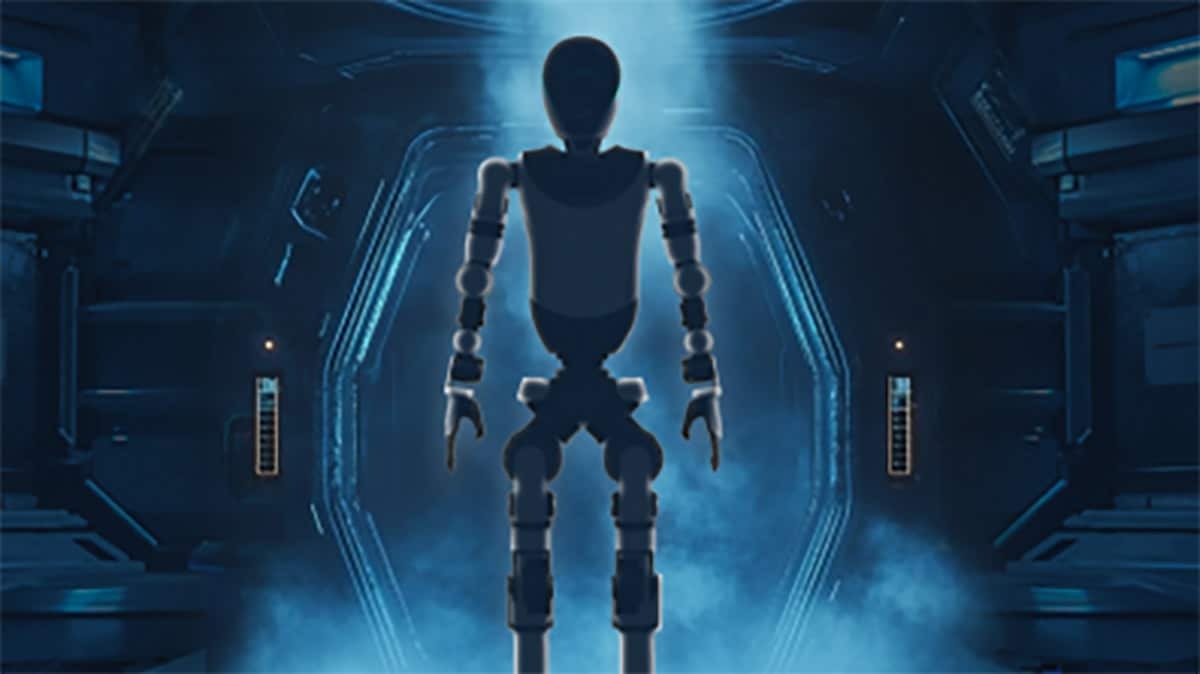
BYD Teases Its First Humanoid, and the World's Biggest EV Maker Picks a Side
A teaser poster published on July 25 by the WeChat account of BYD's Di Space experience venue in Zhengzhou shows a humanoid robot silhouette and promises a debut in early August. BYD has not confirmed details, but the signal fits a documented buildup: a dedicated embodied AI team under its 15th Business Division since late 2024, executive vice president Stella Li's stated goal of putting two or three robots in every BYD store, and a planned open robot platform. The world's largest EV maker appears weeks from showing its first humanoid.
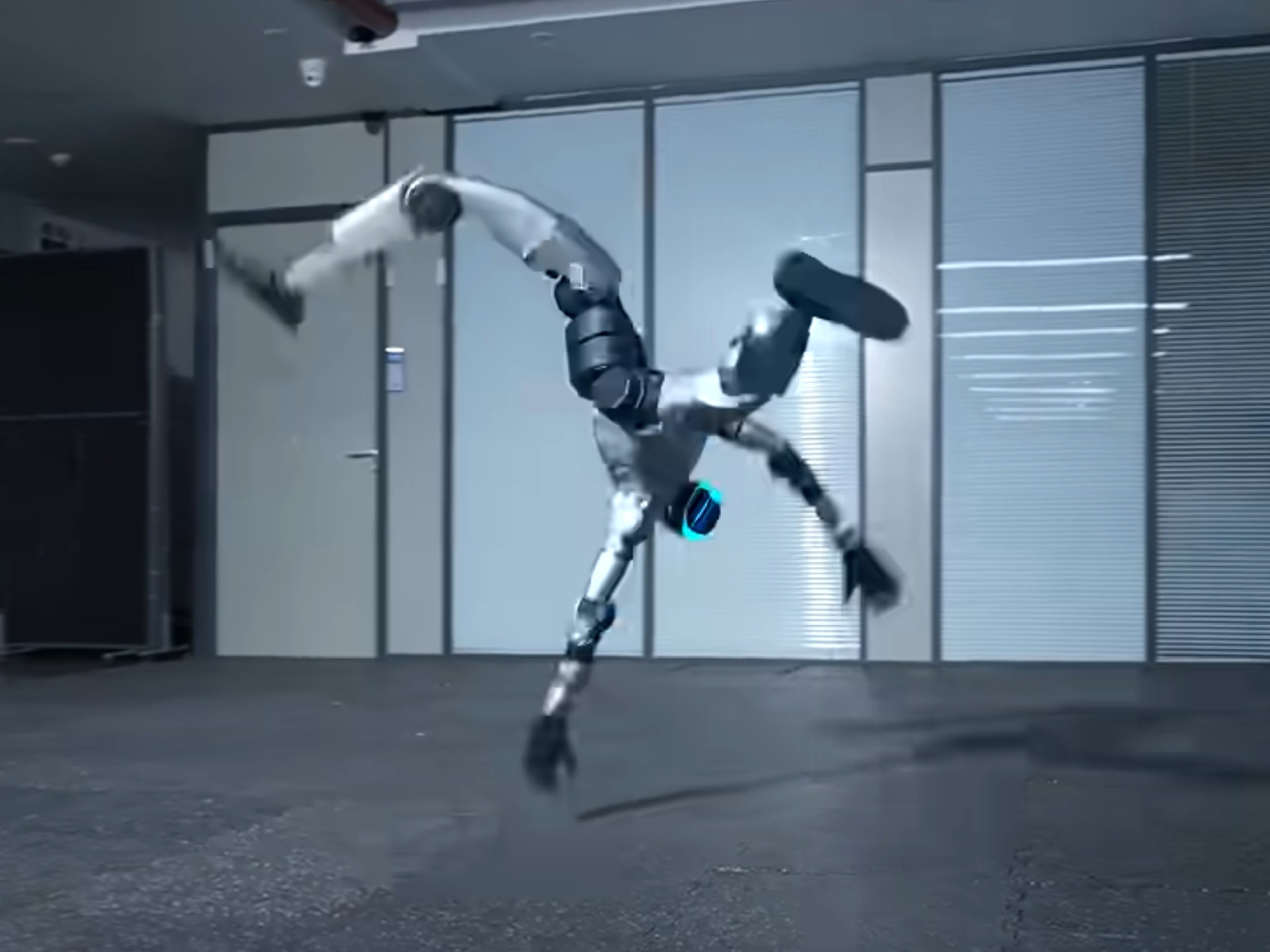
Japan Took a Chinese Robot Apart. What It Found Inside Rewrote the Scoreboard
Nikkei xTECH published a filmed teardown of Unitree's G1 humanoid on July 23, in which Japanese engineers disassembled the RMB85,000 (about US$11,900) robot and concluded that closing the gap with China in humanoids in the short term is probably not realistic. Chinese state media amplified the verdict within 48 hours, with CCTV News and Global Times pushing the story worldwide by July 26. The engineering findings, from four-in-one joint modules to hidden wiring, matter more than the theater, and one detail cuts both ways: the analysis points to Japanese components inside.

KAIST and Nvidia Bet That the Next Foundation Model Learns From Muscles, Not the Internet
KAIST announced on July 26 a joint center with Nvidia to develop physical AI that learns from real human motion data. The Human Physical Intelligence Technology Center, co-directed by wearable-robot expert Kong Kyoung-chul and bio-robot expert Kim Jung, will build a Human Motion Foundation Model that predicts and generates human movement, with applications spanning wearable robots, humanoids, rehabilitation, and digital healthcare. It is the second KAIST-Nvidia institution announced in three days, and its raw material is a data asset that internet-trained models cannot replicate.
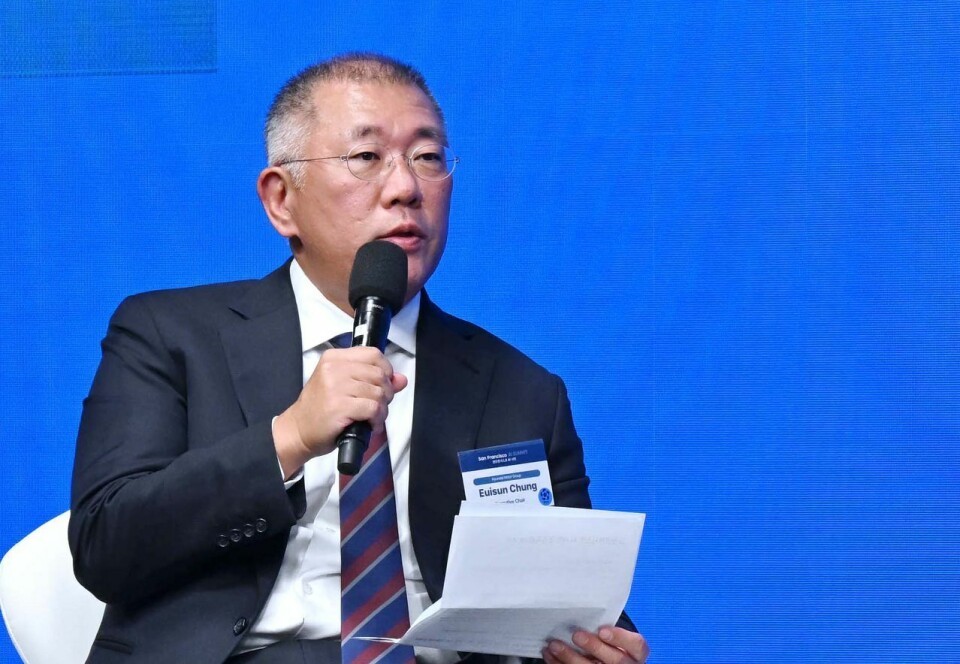
Hyundai Puts a Number on Its Robot Future: 30,000 Units a Year in America by 2028
Hyundai Motor Group Executive Chair Chung Euisun used the San Francisco AI Summit to declare the group's evolution into a physical AI solutions company, backed by the most specific capacity commitment any automaker has made in humanoid robotics: a United States production system capable of building 30,000 robots a year by 2028. The plan centers on Boston Dynamics' electric Atlas humanoid, 50,000 Nvidia Blackwell GPUs, a Google DeepMind model partnership, and roughly US$5.97 billion for a Saemangeum AI Valley in Korea that includes contract robot manufacturing for smaller firms.

Korea Signs Its AI Alliance in Ink: US$950 Billion in Deals and a Declaration in San Francisco
South Korea converted last week's San Francisco summit diplomacy into signed commitments. President Lee Jae Myung unveiled the San Francisco AI Declaration on July 24 US time, and the presidential office put the total planned cooperation at nearly US$950 billion spanning semiconductors, AI infrastructure, robotics, and autonomous driving. SK Group signed deals worth US$750 billion, anchored by an SK Hynix partnership with Nvidia valued above US$500 billion, while Samsung agreed to up to US$200 billion of cooperation with Broadcom through 2030. For robotics buyers, the deals lock Korean memory, compute, and physical AI capacity into the American stack for years.
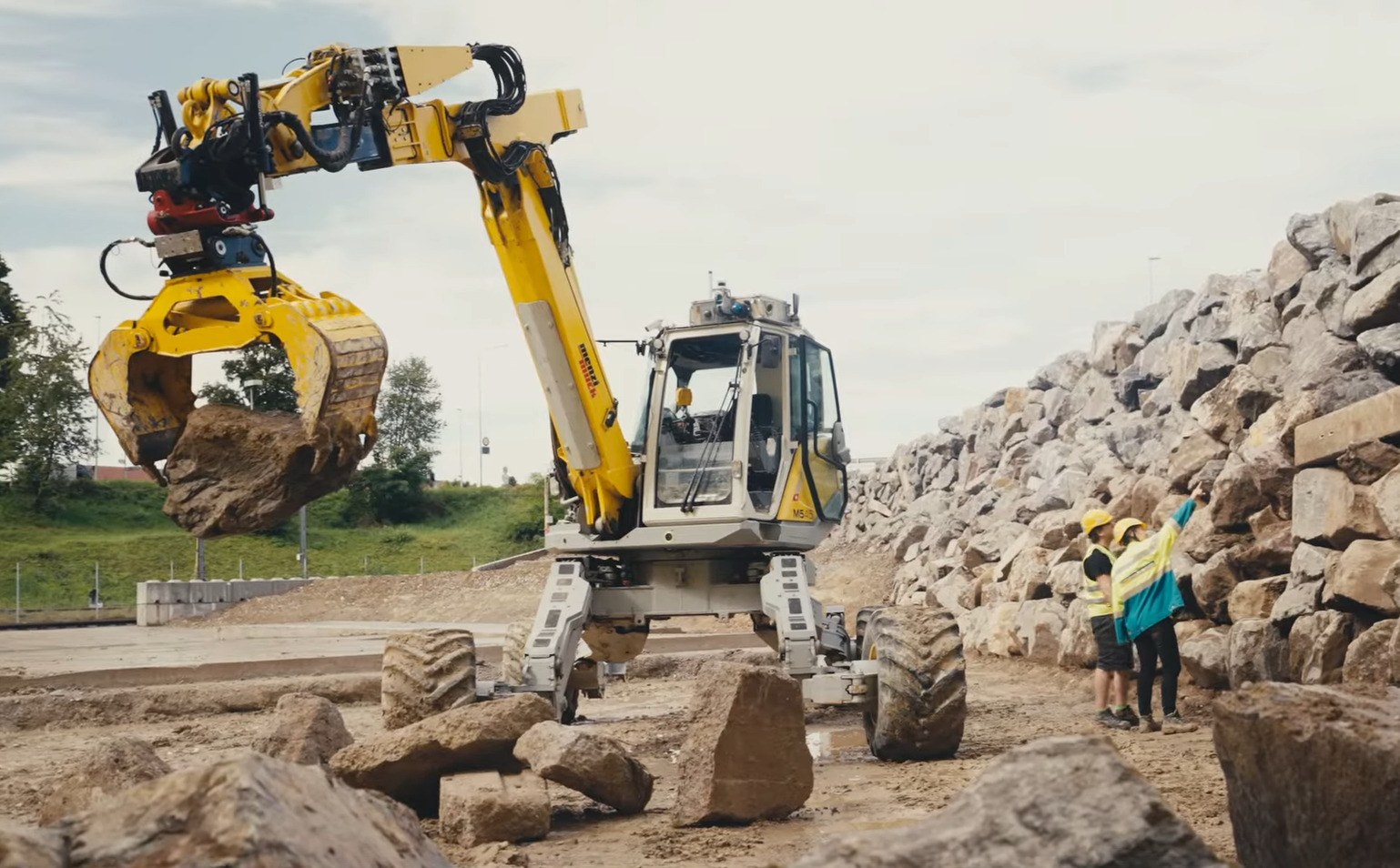
SoftBank Is Assembling a Robot Conglomerate, and a Swiss Excavator Startup Is Next on the List
Masayoshi Son is shopping in Switzerland again. SoftBank is weighing an acquisition of Gravis Robotics, the ETH Zurich spinout that retrofits excavators and earthmoving equipment with autonomy, in a staged deal that could value the four-year-old company at more than US500million,accordingtoBloomberg.ThestakewouldsitinsideRoze,thenewAI-and-roboticscompanySoftBankplanstolistintheUnitedStates.EightmonthsagoGravisraisedUS23 million; the reported price is more than twenty times that round's implied scale. For Europe's deep-tech founders, the message lands harder than the number: the continent builds the robots, and Asian capital buys them.
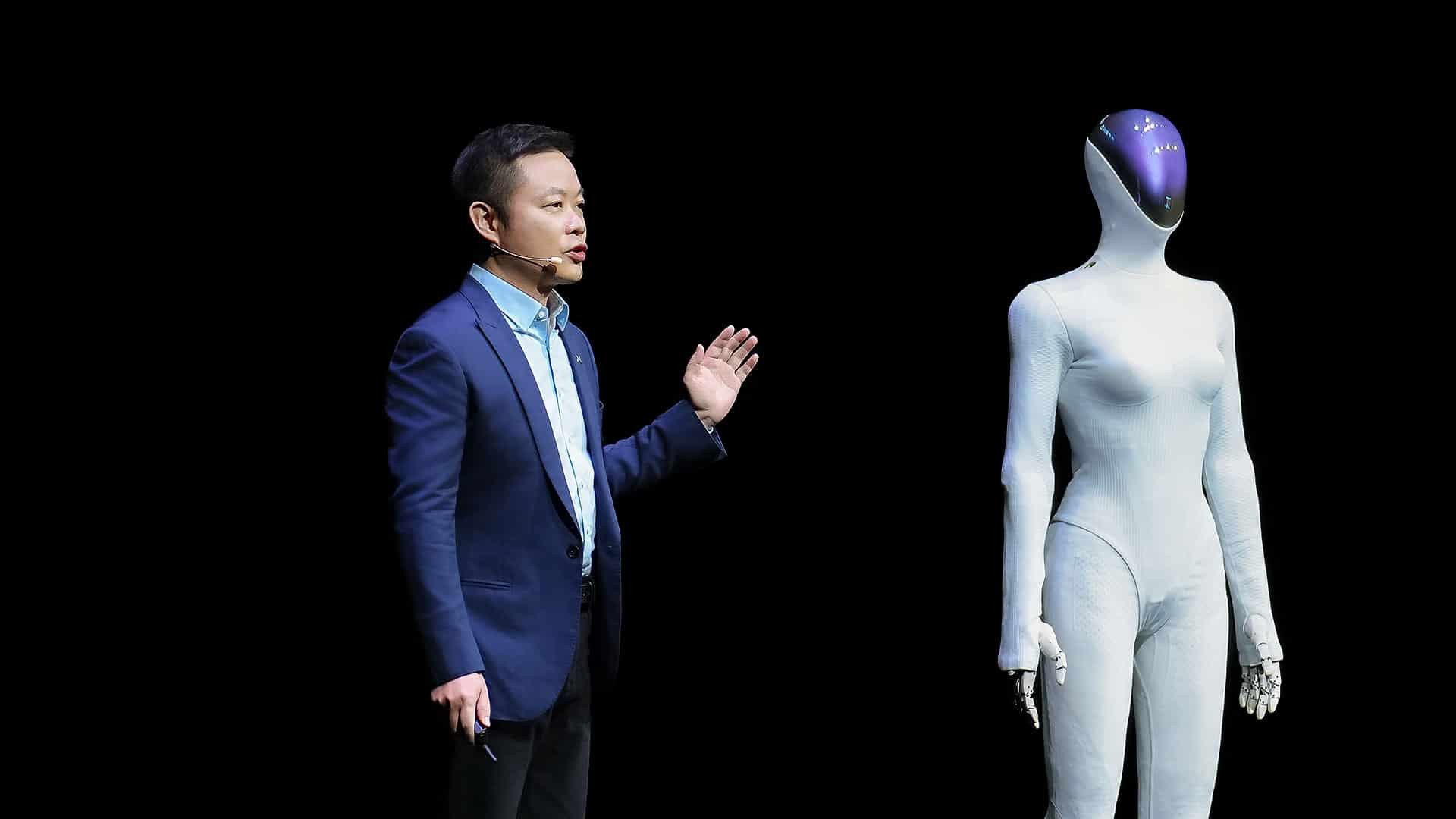
XPeng Starts Building Its Humanoid the Way It Builds Cars, and the Countdown to Mass Production Is On
XPeng's humanoid robot IRON has formally entered small-batch trial production at the company's Guangzhou factory, People's Daily Online and Sina Tech reported on July 24, with the dedicated mass production line now in final systems integration. An internal mobilization meeting fixed the timeline: mass production in 2026, then deployment across XPeng's global stores from 2027 as sales guides and product explainers, with a stated ambition to lift monthly capacity beyond 1,000 units. The EV maker is systematically reusing its automotive supply chain, AI stack, and manufacturing muscle for robots, making IRON the clearest test yet of whether carmakers are the natural winners of the humanoid production race.

The First Robot Teaching Assistant in America Just Got Held Back Before Its First Class
America's first humanoid robot teaching assistant will not start school in September. Salamanca City Central School District in western New York announced on July 24 that its US$57,590 pilot with Realbotix, which would have placed a silicone-skinned conversational robot named Sally in high school technology classes, is on hold amid parental backlash, union opposition, and a pointed letter from the state education commissioner. The pause is a small contract with large implications: it is the clearest demonstration yet that the social license for humanoid robots will be negotiated one community at a time, and that the education market, projected as a major deployment frontier, has a gatekeeping problem the industry has barely begun to price.

Seoul Flies Its Entire AI Supply Chain to San Francisco for a Week of Deal-Signing
South Korean President Lee Jae Myung landed in San Francisco on July 24 to open an eleven-day tour with the most concentrated schedule of AI diplomacy any head of state has attempted: back-to-back one-on-ones with the chief executives of Anthropic, OpenAI, Nvidia, and Broadcom, followed by a 150-person AI summit where Samsung's Lee Jae-yong, SK's Chey Tae-won, and Hyundai's Chung Eui-sun will sign memoranda with American big tech. Lee will unveil a San Francisco AI Declaration extending his government's three AI mega projects, a program in which physical AI and robotics carry much of the industrial weight. Korea is placing a state-orchestrated bet that its chaebol hardware base plus American compute equals a seat among the AI superpowers.
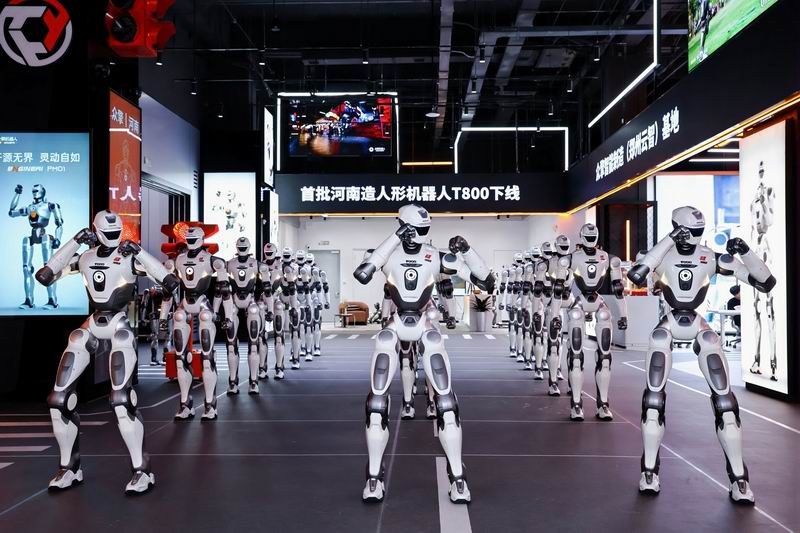
China's Robot Boom Has Reached the Wheat Belt: Henan's First Homegrown Humanoids Ship Out
At 11:00 a.m. on July 24, the first Henan-made T800 humanoid robots rolled off EngineAI's new line in Zhengzhou High-Tech Zone, a facility that went from empty floor to functioning production in roughly two months with Henan state capital behind it. The 1.73-meter T800 targets traffic management, commercial service, industrial manufacturing, and education. The line-off makes Henan, an inland province better known for wheat and iPhones, home to three humanoid production lines assembled in under a year, and it showcases a new industrial playbook: recruit the robot brand first, then pull the supply chain inland to meet it.
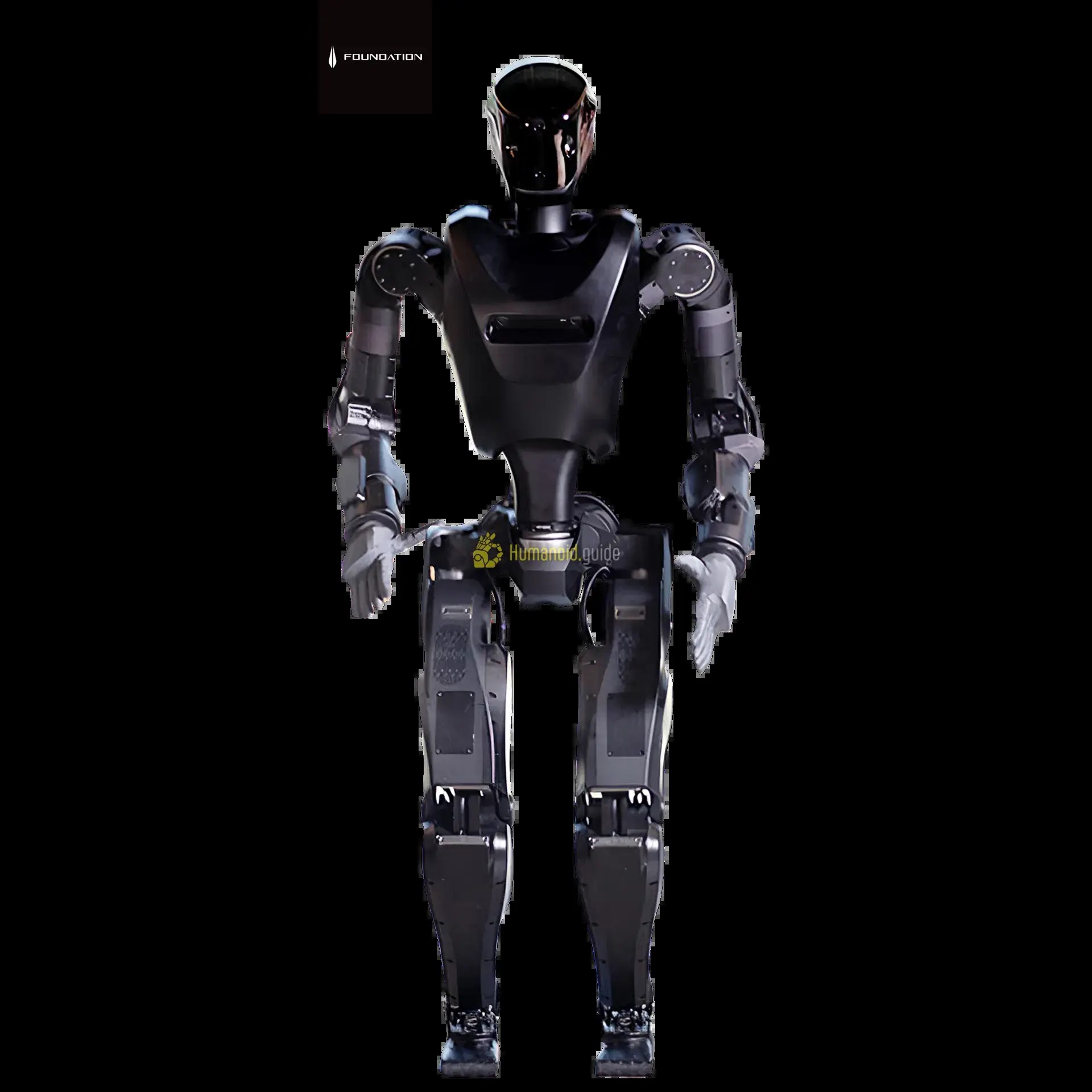
AMD Picks Its Horse in the Humanoid Race, and It Is Built for the Battlefield
AMD has found its beachhead in humanoid robotics. Foundation Future Industries, the Eric Trump-backed robot maker with Pentagon contracts and US$100 million in contracted annual recurring revenue, announced on July 23 that its next-generation Phantom MK-2 humanoid will be built around AMD's Ryzen AI Embedded X100 processors, with AMD CPUs, graphics, and FPGA-based adaptive computing handling perception, reasoning, and motor control on a single platform. The deal hands AMD a marquee design win in a robot-compute market Nvidia has dominated through its Jetson modules and Isaac simulation stack, and it binds the chipmaker to a company whose dual-use, military-and-industrial positioning is as politically charged as it is commercially ambitious.
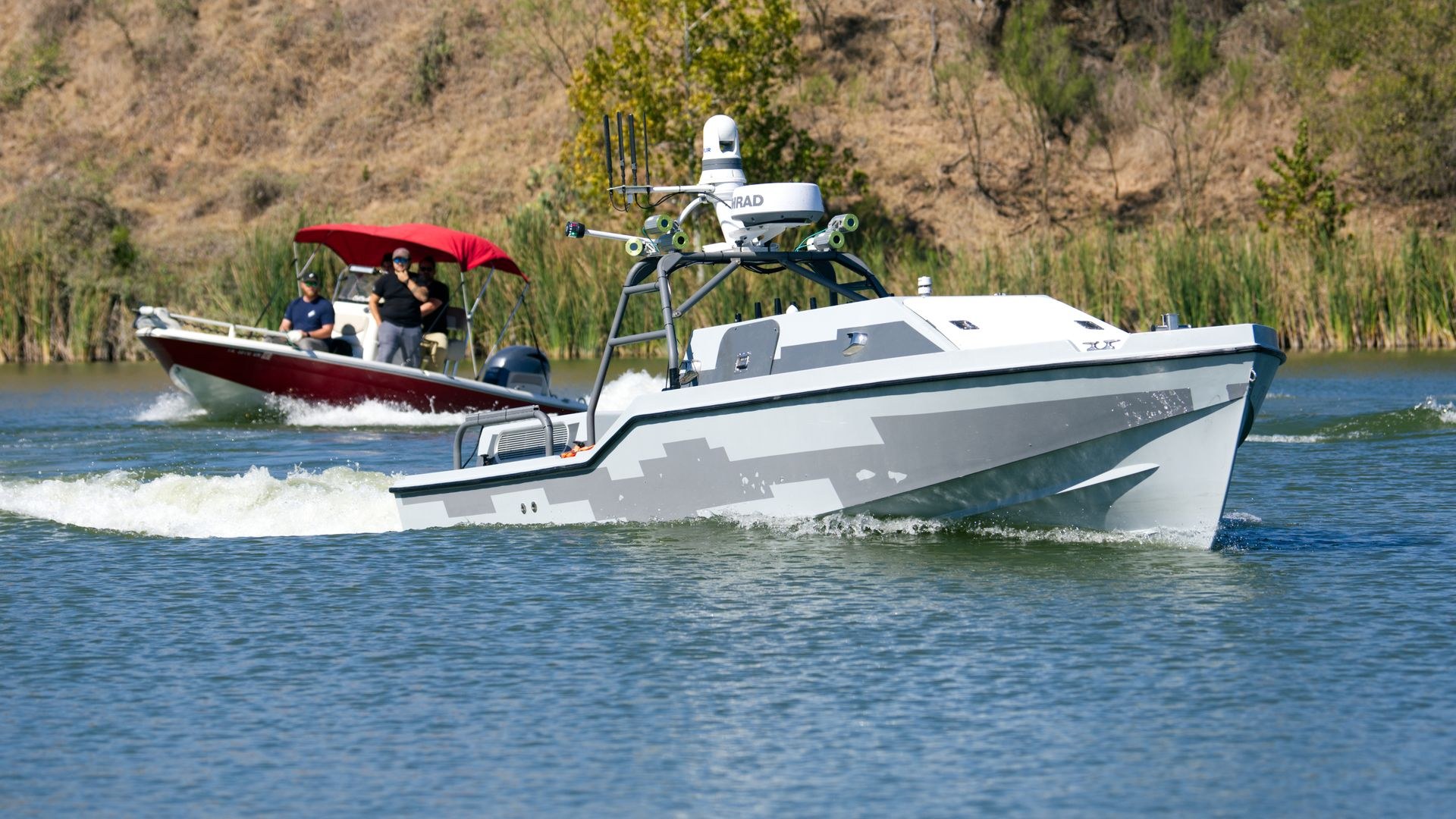
America’s Drone-Boat Champion Just Hired Korea’s Shipbuilding Muscle, and Robots Are the Fine Print
Defense technology company Saronic and Korea’s Samsung Heavy Industries have signed an agreement to bring Korean shipbuilding automation into Port Alpha, the robot-first autonomous shipyard Saronic is building in Brownsville, Texas. The pairing joins American defense capital with the production engineering of one of the world’s most advanced shipbuilders, aimed squarely at China’s overwhelming lead in launch tonnage. For the robotics industry, it signals a national-security-funded procurement wave in welding automation, mobile manipulation, and autonomous material transport. And its labor story inverts the usual automation script: a greenfield robotic yard promising 10,000 jobs created from zero, with robots as the precondition rather than the threat.

Horizon Robotics Raises US$450 Million at Zero Interest, and Most of It Is Already Spoken For
Horizon Robotics has priced US$450 million of zero-coupon convertible bonds due 2031, with conversion set at HK$5.55 per share, its third major capital raise since listing in Hong Kong. Investors are lending the smart-driving chip maker half a billion dollars for free, in exchange for the right to convert into equity at a premium, a structure that signals credit-market conviction in the sector’s upside. Proceeds fund research, the CARIZON joint venture with Volkswagen’s CARIAD, and a war chest that positions Horizon as a buyer when the sector’s predicted consolidation arrives. The deal marks a maturing funding channel: listed robotics platforms now out-raise their private rivals on speed and price. ________________________________________