While Everyone Chases Nimble Robot Fingers, Korea Just Built a Hand That Grips 300 Kilograms
KOSDAQ-listed KNR Systems hit the daily limit after unveiling a hydraulic dual-drive robot hand rated for 300 kilograms of grip, with a Super Humanoid unveiling promised by year-end. Framed as Korea’s contrarian bet on strength over dexterity and as a component play; skepticism applied to unverified load claims.
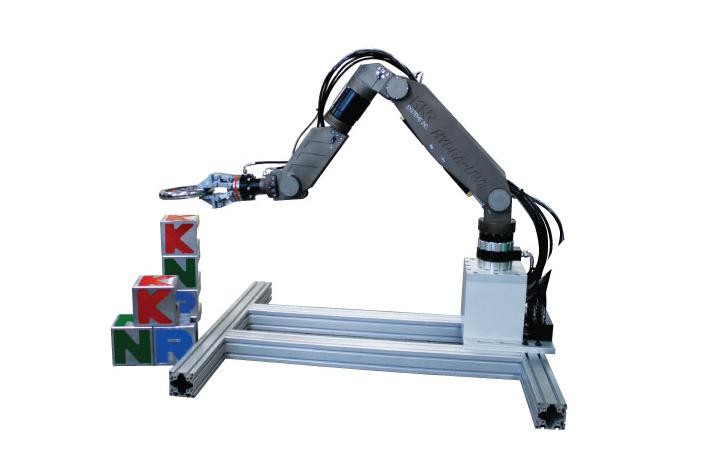
The global humanoid industry has spent 2026 obsessing over whether robot fingers can thread a needle. A mid-cap Korean hydraulics specialist just asked a different question: can a robot hand crush 300 kilograms and hold it there while the other arm works? KNR Systems announced on July 27 that it has succeeded in developing what it calls a Super Humanoid robot hand with 300 kilograms of grip force, and the Seoul market's answer was immediate, sending the KOSDAQ-listed stock to its daily upper limit.
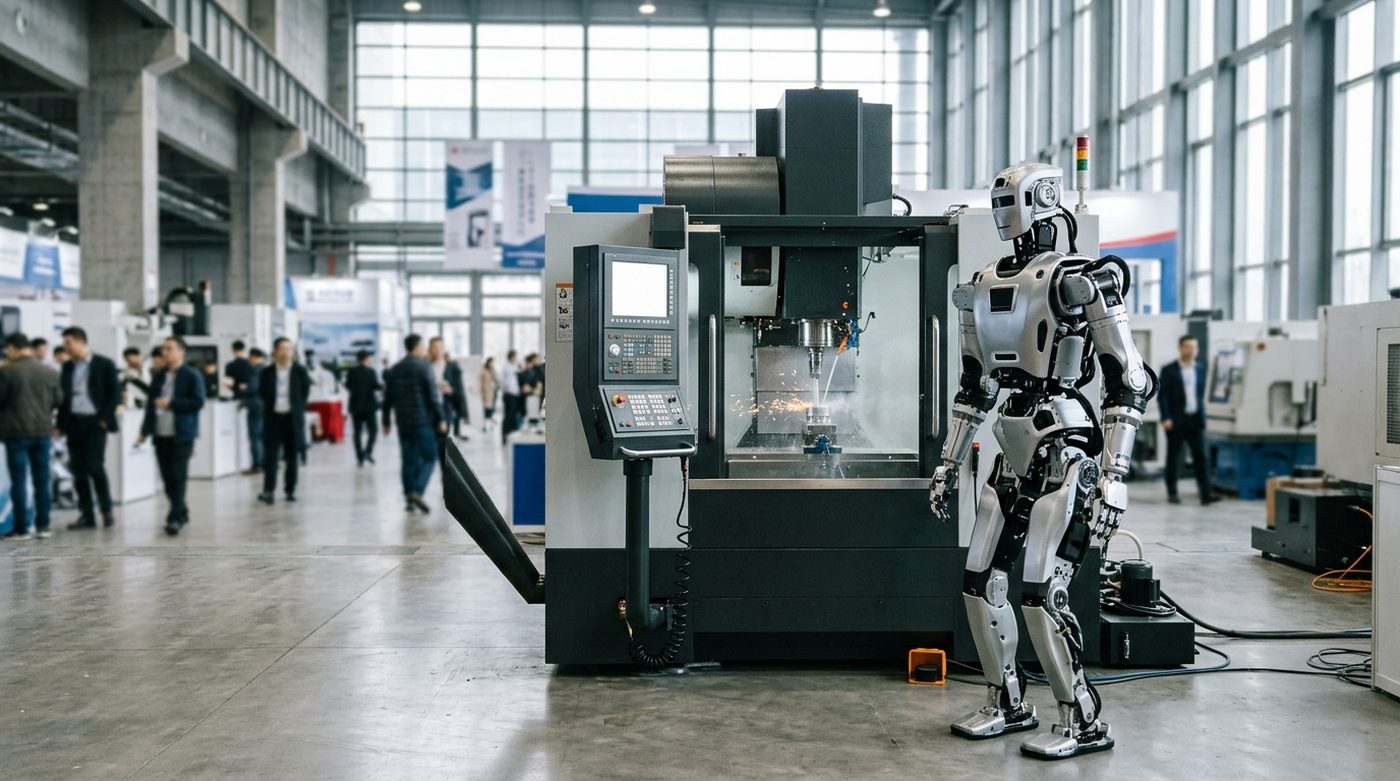
The company says the hand uses a proprietary optimised design that controls the finger joints simultaneously with a minimal number of actuators, and, unusually for the category, is compatible with both hydraulic and electric drive systems. A patent for the core drive mechanism was filed in April. The hand is destined for the Super Humanoid that KNR plans to unveil at the end of this year, a machine that, per the company's earlier design-patent claims, targets handling around 300 kilograms with a single arm. The intended use case is two-arm cooperative work of a bluntly industrial kind: one hand grips and immobilises a heavy object while the other cuts, fastens, or welds.
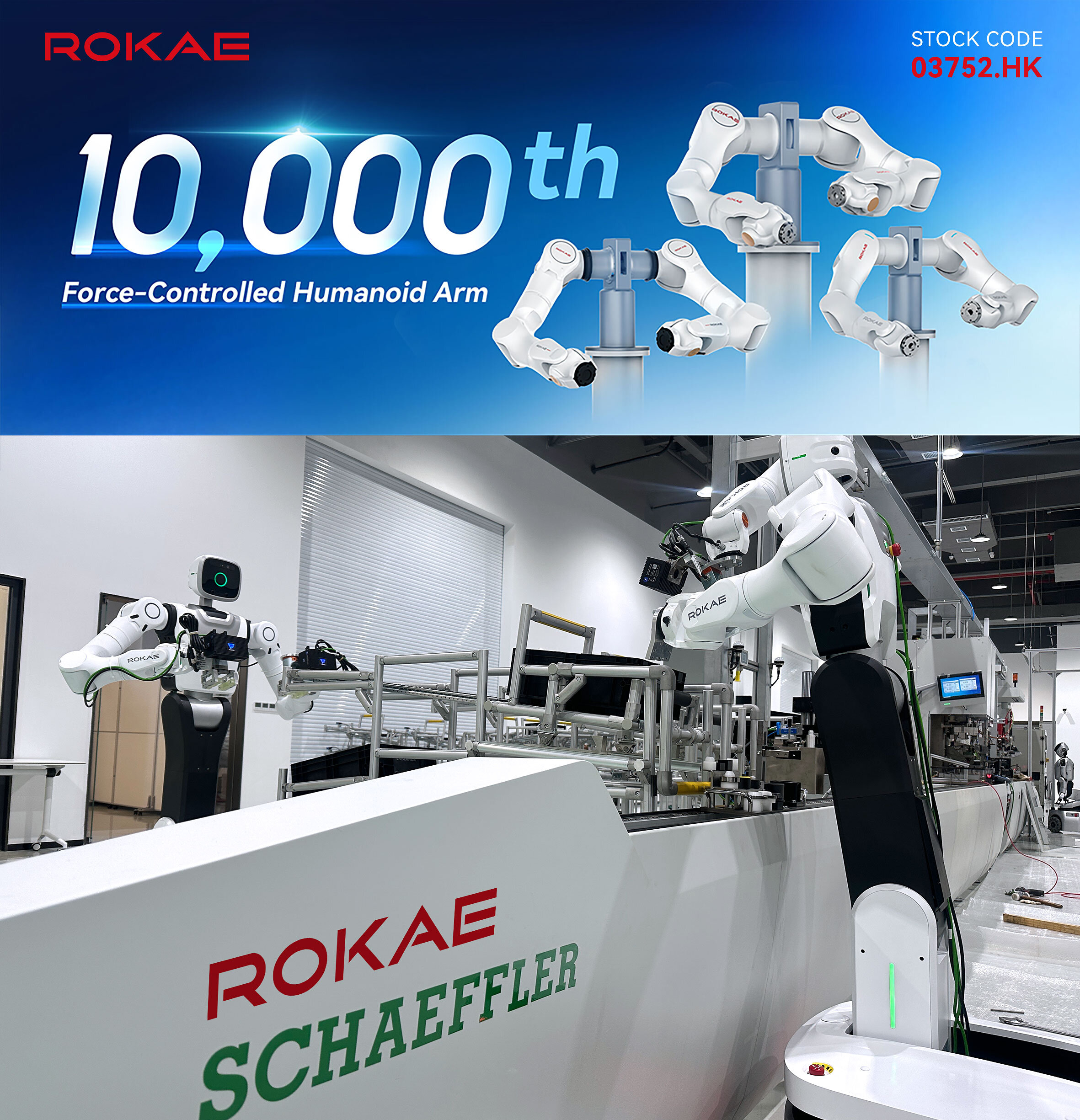
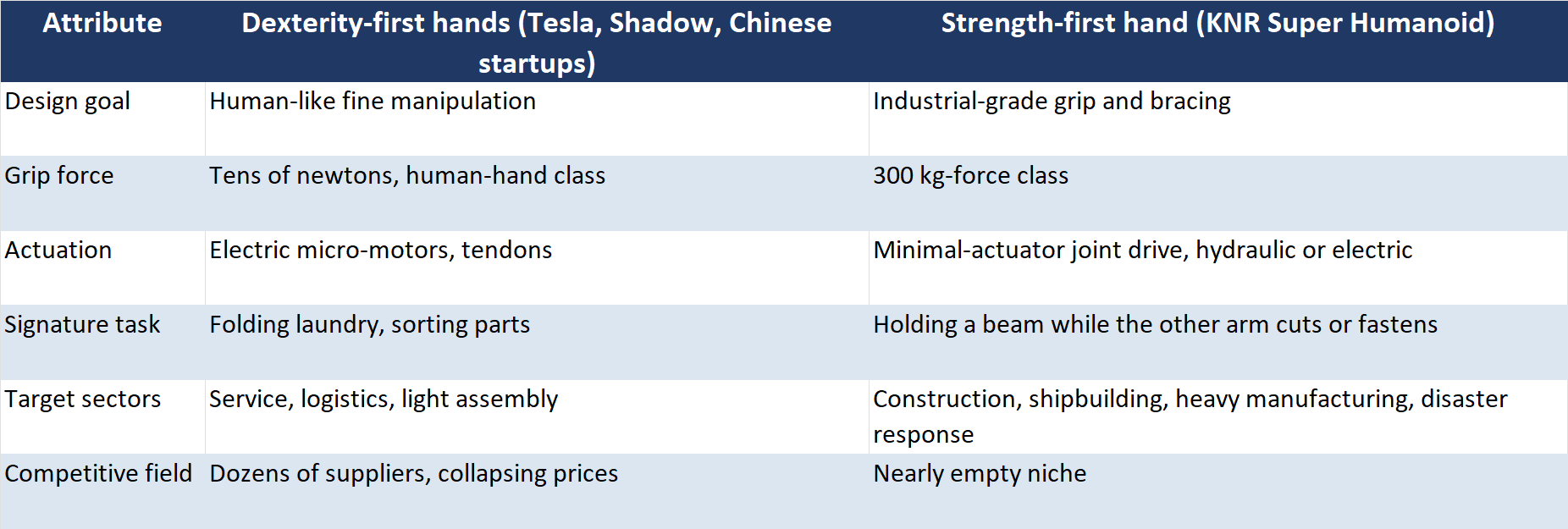
For readers who have followed the dexterous-hand gold rush, the contrast is the story. The reference products in the category, Shadow's research hands, Tesla's 22-degree-of-freedom Optimus hand, and the tactile-rich fingers coming out of Chinese startups, optimise for human-like fine manipulation, folding laundry and picking berries. Their grip forces are measured in tens of newtons. KNR is building the opposite artifact: a hand measured in hundreds of kilograms-force, closer to a controllable industrial clamp with fingers than to a prosthetic. Both are called robot hands. They are different species answering different economics.
The Case for Brute Strength
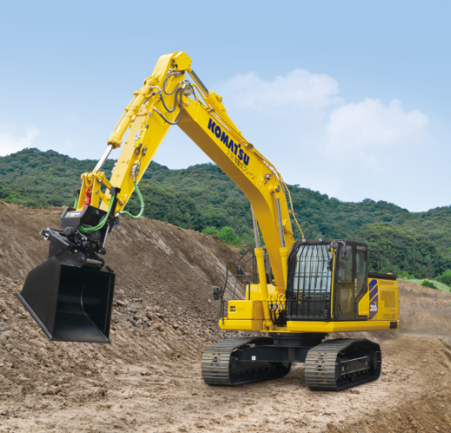
KNR Systems is not a newcomer chasing a trend. The company is one of Korea's few dedicated hydraulic robotics specialists, with a product line of hydraulic robot arms, mobile robot platforms, and hydraulic components built over years of supplying industries where forces are unforgiving: construction, defense, heavy manufacturing, and disaster response. Hydraulics fell out of fashion in the humanoid era, Boston Dynamics famously retired its hydraulic Atlas in favour of an electric successor, because oil-driven actuation is heavy, hot, and hard to maintain. What hydraulics never lost is power density: nothing electric at comparable size matches the force a hydraulic actuator delivers, which is why excavators are not battery-powered levers.
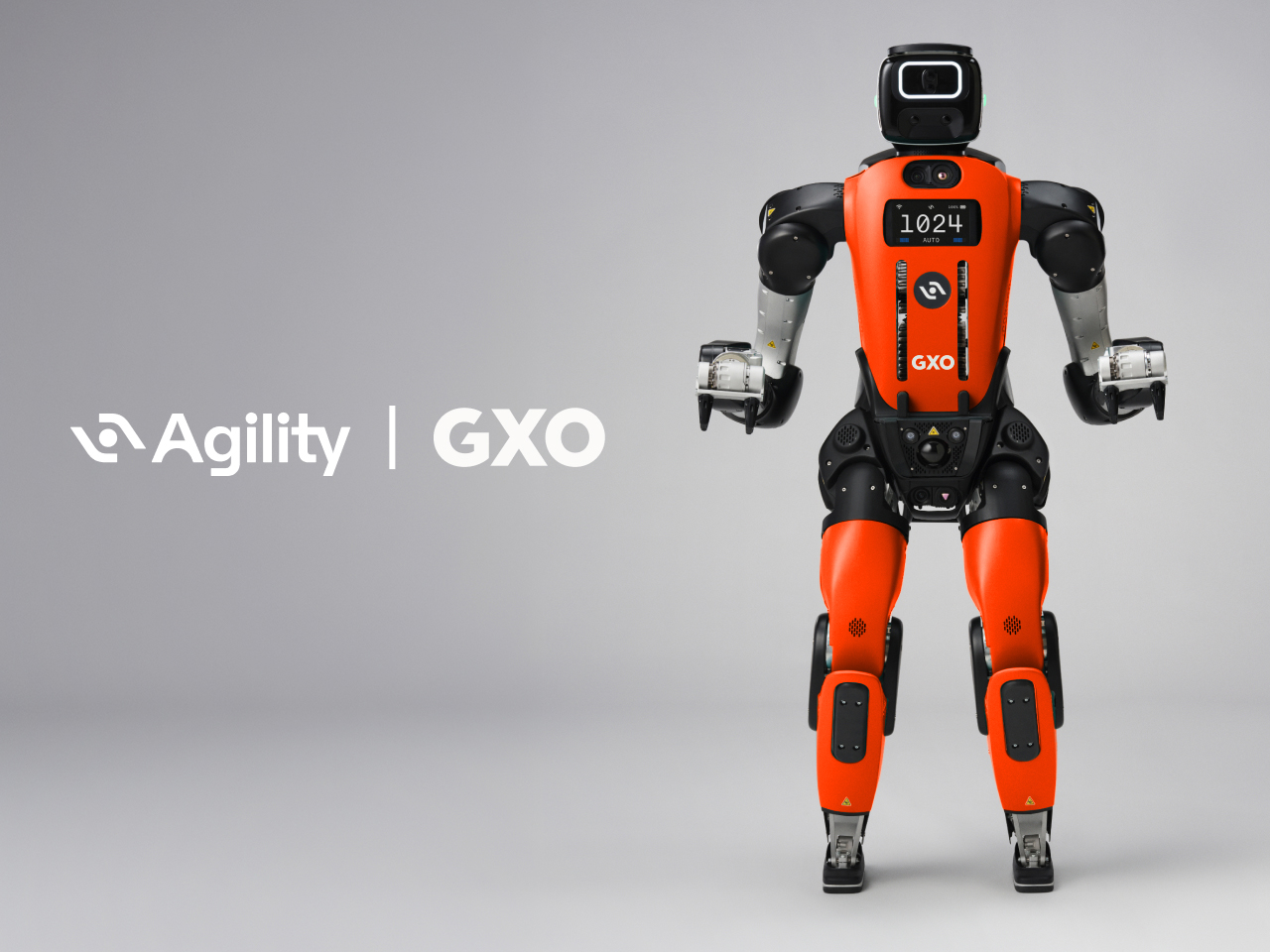
The company's registered design patent from May for the Super Humanoid staked out the heaviest-lift claims in the humanoid category. A hand that grips 300 kilograms is the enabling component for that machine, and the dual-drive compatibility is the commercially shrewd detail: an electric-drive version can serve the mainstream humanoid platforms now standardising on electric actuation, while the hydraulic version serves KNR's home turf, where a robot may need to hold a steel beam steady in wind while a second effector torques bolts.
The analogy that makes the strategy legible is the forklift and the surgeon. The industry's dexterity race is producing robotic surgeons, machines with exquisite fine motor control and modest strength. But most of the physical work that injures and kills human workers is forklift work at hand scale: holding, bracing, clamping, and repositioning objects between 50 and 500 kilograms in places forklifts cannot reach, on scaffolding, inside ship hulls, under machinery. That work has no robotic answer today precisely because it demands strength that electric hands do not have and positioning intelligence that cranes do not have. A strong-grip humanoid hand aims at that vacant middle.
The two philosophies of the robot hand now on the market compare roughly as follows.
Hydraulics itself is quietly staging a rehabilitation. The knock on oil-driven robots, weight, leaks, maintenance, is real, but so is the fact that the highest-force applications in robotics never actually left hydraulics; they left the humanoid conversation. Excavator retrofits, the segment SoftBank is reportedly buying into via Switzerland's Gravis Robotics, disaster-response manipulators, and defense platforms all remain hydraulic because physics gives them no alternative. KNR's dual-drive hand is a bridge between those two worlds: electric where the market is standardising, hydraulic where the loads are honest.
What the Limit-Up Says About Korea's Robot Trade
The stock reaction deserves its own reading. A daily limit move on a component announcement, before any robot exists to mount it on, extends a pattern in Seoul's markets that this publication documented when Korean robotics stocks erupted earlier this summer around the army's robot-dog deployment and Samsung's new robotics division. Korean retail investors have identified the humanoid supply chain as the next semiconductor-style national trade, and every verifiable technical milestone from a listed supplier gets repriced instantly. The enthusiasm is a financing mechanism: limit-up days give small-cap robotics firms like KNR currency to fund development that venture capital in Korea has historically underfunded relative to the US and China.
The skeptical checklist writes itself, and investors should run it. Grip force is a laboratory number until it is demonstrated holding a rated load through vibration, temperature, and duty cycles; a 300-kilogram static grip does not guarantee 300-kilogram dynamic manipulation, which stresses wrists, arms, and the whole kinematic chain. The Super Humanoid remains unrevealed, its actuation, balance, and control questions unanswered, and year-end unveilings have a way of becoming next-spring unveilings. KNR's announcement also arrives through Korean financial media rather than a peer-reviewed venue or third-party test, so the claims are the company's own. None of that is disqualifying; all of it is the difference between a component milestone and a product.
What is not in doubt is the direction of specialisation. The humanoid market is fragmenting into weight classes the way vehicles did: lightweight service humanoids for retail floors, mid-weight logistics machines for warehouses, and now a nascent heavy class for construction, shipbuilding, and disaster work, the segments where Korea's industrial base is strongest and its labour shortage most acute. Korean shipyards are already the anchor customers for welding automation, as the Saronic and Samsung Heavy Industries pairing showed last week, and Korea's construction sector faces a demographic cliff that no volume of nimble-fingered service robots addresses. A heavy-lift humanoid is, in effect, a bet that Korea's robot market will look like Korea's economy.
The Component Angle Matters More Than the Robot
Even if KNR's own Super Humanoid never ships in volume, a dual-drive 300-kilogram hand is a component with a market. Every heavy-industry humanoid program, and several are now funded across Korea, Japan, the US defense ecosystem and China's construction-robot push, needs end-effectors that survive real loads. The dexterous-hand boom produced dozens of suppliers competing on degrees of freedom and tactile resolution, with Chinese entrants collapsing prices; the strength-hand niche has almost no one in it. Being the first KOSDAQ-listed pure play on robotic grip strength is a defensible, if narrowly positioned, the April patent filing on the drive mechanism suggests KNR understands the component play is where the enterprise value sits.
The milestones to watch are concrete. First, the year-end Super Humanoid unveiling: whether it is a staged render or a load-bearing demonstration will settle much of the skepticism. Second, third-party validation, ideally a live demonstration gripping and manipulating rated loads of the 300-kilogram figure. Third, the design has to work on any robot. Korea's humanoid ecosystem, from Rainbow Robotics under Samsung's wing to Doosan's industrial arms, has been searching for its distinctive contribution to a race led by American brains and Chinese bodies. Brute, reliable, hydraulic-grade strength, the thing Korean heavy industry has always exported, is a plausible answer, and on Monday the market voted that it might be worth the limit. If the year-end unveiling delivers a machine that actually holds what the patent drawings promise, the humanoid weight-class taxonomy will need a new top division, and Korea will have named it first. If it does not, KNR will still have taught the industry a useful lesson: in a market saturated with robots that imitate human delicacy, the fastest way to stand out is to build one that exceeds human strength by an order of magnitude and prove it on camera.
This article is for informational purposes only and does not constitute investment advice. Readers should conduct their own research before making investment decisions.