Major US Airlines Ban Humanoid and Animal Robots from Passenger Cabins and Cargo
Delta and United Airlines have joined Southwest in banning humanoid and pet-like robots from flying in passenger cabins or checked luggage. The carriers cite significant safety concerns regarding large lithium-ion batteries and potential evacuation hazards as advanced consumer robotics become more prevalent.
Aviation Safety Meets Advanced Robotics
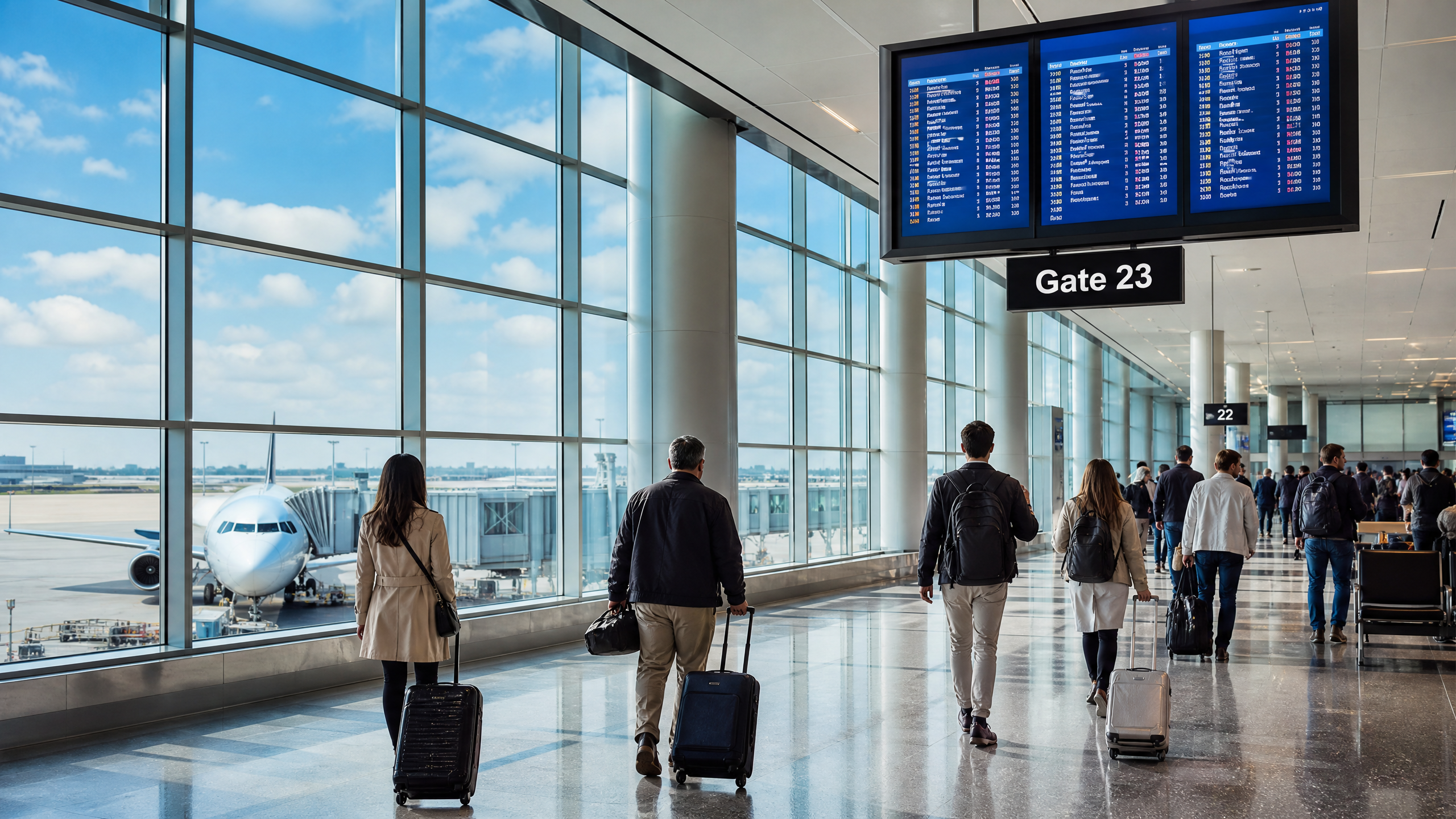
As consumer-grade humanoid and advanced companion robots edge closer to commercial reality, with companies like Tesla, Unitree, and numerous startups preparing products for household use, the aviation industry is taking preemptive action to mitigate potential safety risks. On July 30, 2026, major US carriers Delta Air Lines and United Airlines announced total bans on the transport of humanoid and animal-like robots on their aircraft.
The sweeping policy prohibits passengers from bringing these advanced robotic systems into the passenger cabin as carry-on items, and also bans them from being transported in the cargo hold as checked luggage. The airlines cited two primary concerns driving the decision: the fire hazard associated with large, high-capacity lithium-ion batteries that power these devices, and the potential for these heavy, rigid, oddly-shaped devices to impede emergency evacuations if they block aisles or exits.
The announcements were made through updates to each airline's restricted items policy, effective immediately. The policies specifically target robots with humanoid (human-shaped) or animal-like (quadruped, biped) form factors, distinguishing them from smaller consumer electronics, standard laptops, and traditional assistive devices that remain permitted under existing regulations.
The Lithium-Ion Battery Challenge
The aviation industry has long struggled with the fire risks posed by lithium-ion batteries, leading to strict regulations on the size and quantity of batteries permitted on aircraft. Laptops, smartphones, and portable chargers are subject to watt-hour limits (typically 100 Wh for carry-on, with airline approval required for 100-160 Wh devices), and e-cigarettes are banned from checked luggage entirely due to thermal runaway risks in unpressurized cargo holds.
However, the batteries required to power a dynamic humanoid or quadruped robot are in an entirely different category of energy density and capacity. A typical consumer humanoid robot requires battery packs ranging from 500 Wh to over 2,000 Wh to achieve meaningful operational runtime, far exceeding the limits currently permitted for any passenger-carried device. Even a small robotic pet or companion device may contain batteries in the 200-500 Wh range.
A thermal runaway event involving a battery pack of that size in a pressurized aircraft cabin presents a catastrophic risk that current onboard fire-suppression equipment is not designed to handle. The halon-based suppression systems in cargo holds are calibrated for the thermal output of conventional luggage fires, not the intense, self-sustaining chemical fires produced by large lithium-ion battery failures. Furthermore, placing these high-capacity batteries in the cargo hold, where they cannot be actively monitored by the flight crew, violates the fundamental principle of hazardous materials management in aviation.
The Evacuation Concern
Beyond the battery fire risk, airlines have identified a secondary safety concern related to emergency evacuations. Federal Aviation Administration regulations require that all passengers be able to evacuate an aircraft within 90 seconds using only half of the available exits. This stringent requirement drives strict rules about carry-on baggage size, aisle width, and exit row seating.
A humanoid robot, which may weigh 20 to 70 kilograms depending on its size and construction, presents a unique evacuation hazard. If stored in an overhead bin (assuming it could fit), it could fall during turbulence or an emergency, injuring passengers. If placed on the floor or in a seat, it could block egress routes. Unlike a standard piece of luggage, a robot's rigid, articulated structure does not compress or deform easily, making it more likely to create an obstruction in narrow aisles during a panicked evacuation.
Airlines have also noted that in an emergency scenario, passengers may instinctively attempt to retrieve expensive robotic devices rather than evacuating immediately, similar to the well-documented problem of passengers grabbing carry-on luggage during evacuations despite crew instructions to leave all belongings behind.
Competitor Comparison: Airline Robot Policies

As shown in the comparison table, Delta and United are not the first US carriers to implement such restrictions. Southwest Airlines issued a similar ban in May 2026, acting as a first mover after a widely reported incident where a passenger attempted to board a flight with a large robotic companion device, creating confusion among gate agents and fellow passengers about whether the device was permitted.
Currently, American Airlines has not issued a specific policy regarding humanoid robots, relying instead on its standard hazardous materials and lithium battery regulations to address the issue on a case-by-case basis. However, industry analysts expect American and other global carriers to quickly adopt similar explicit bans to ensure policy consistency across the aviation network and to provide clear guidance to gate agents who may otherwise be uncertain how to handle these novel devices.
International carriers, particularly in Asia where consumer robotics adoption is more advanced, may face this policy question sooner and more frequently than their US counterparts. Airlines in Japan, South Korea, and China, where companion robots and humanoid assistants are already commercially available, will likely need to develop their own policies in the near term.
Implications for the Robotics Industry
The airline bans highlight a significant logistical hurdle for the consumer robotics industry that has received relatively little attention in the excitement around humanoid development. As companies develop humanoid assistants, robotic pets, and companion devices for personal use, the inability to easily transport these devices via commercial air travel could limit their utility for frequent travelers, business users, and anyone who needs their robotic assistant to accompany them on trips.
For robotics manufacturers, this policy underscores the urgent need for innovation in battery technology and modular design. Developing safer, non-flammable power sources (such as solid-state batteries, which eliminate the liquid electrolyte that fuels thermal runaway) could eventually resolve the fire safety concern. Alternatively, designing modular systems where the high-capacity battery pack can be safely removed, shipped via specialized ground freight or certified hazmat air cargo, while the inert robot chassis flies with the passenger in the cabin, may be a near-term workaround.
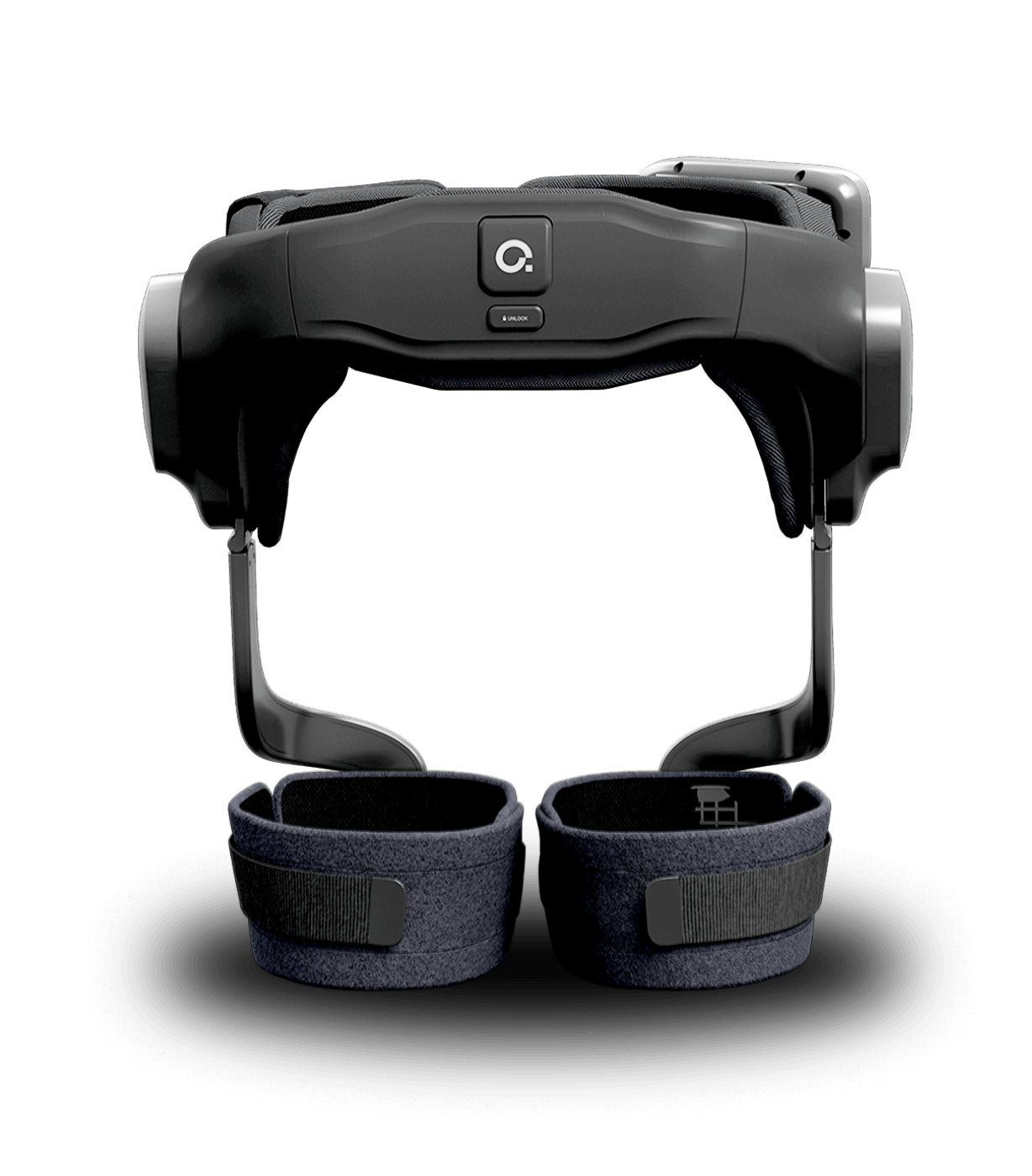
The bans also raise questions about the future of robotic assistive devices for people with disabilities. As humanoid and animal-like robots are increasingly developed as mobility aids, emotional support companions, or caregiving assistants, blanket bans based on form factor may eventually conflict with accessibility requirements and disability rights legislation. Airlines will likely need to develop more nuanced policies that distinguish between consumer entertainment robots and medically necessary assistive devices.
For the broader robotics industry, the airline bans serve as an early warning that the physical infrastructure of modern life, from transportation to housing to public spaces, was designed for humans and their relatively small, lightweight personal belongings. As robots become larger, heavier, and more prevalent, the regulatory and infrastructure adaptations required to accommodate them will create both challenges and opportunities across multiple sectors.
International Regulatory Coordination
The airline bans also raise questions about international regulatory coordination. As robotics companies prepare to sell consumer humanoid products globally, inconsistent policies across airlines and jurisdictions could create significant confusion for travelers and logistics challenges for manufacturers shipping products internationally. The International Air Transport Association and the International Civil Aviation Organization may need to develop standardized guidance for the transport of advanced robotic systems, similar to existing frameworks for lithium batteries and other dangerous goods.
For robotics manufacturers planning global product launches, the airline restrictions add a new consideration to their go-to-market strategy. Companies may need to develop specialized shipping solutions, regional service centers, or modular designs that allow the battery and chassis to be transported separately through different channels. These logistical challenges, while solvable, add cost and complexity to the consumer robotics value chain that manufacturers must factor into their pricing and distribution models.
These developments collectively signal that the consumer robotics industry must engage proactively with aviation regulators and airline safety committees well before products reach market. Designing for transportability, including modular battery architectures and compact stowage configurations, will become a competitive differentiator for robotics manufacturers targeting consumers who travel frequently.
Disclaimer: This article is for informational purposes only and does not constitute financial, investment, or technical advice. Readers should conduct their own due diligence before making procurement or investment decisions based on this information.