Tau Robotics Launches US$30 Per Hour Humanoid Home Cleaning Service in San Francisco
Tau Robotics, a San Francisco startup building teleoperated humanoid cleaning services, has launched an invite-only home cleaning service for US$30 per hour. The service relies on human operators controlling the robots remotely with artificial intelligence assistance, as current AI cannot fully control a humanoid on its own. While the company aims to expand the cleaning market to those who do not currently employ house cleaners, experts like UC Berkeley's Ken Goldberg remain skeptical about the technology's readiness. In addition, the service's privacy terms grant the company a perpetual license to footage recorded inside customers' homes, raising significant privacy concerns.
A humanoid robot steps out of a minivan, walks up to a San Francisco home, and begins vacuuming the living room floor. This is not a scene from a science fiction movie, but the reality presented by Tau Robotics, a San Francisco startup building teleoperated humanoid cleaning services. The company, whose market niche focuses on providing humanoid labor as an hourly service, made its home cleaning service public on July 29, 2026. The service offers humanoid robot home cleaning at US$30 per hour and is currently invite-only for selected applicants in San Francisco.
The introduction of humanoid robots into the domestic sphere represents a significant shift in how we approach household chores. For decades, the promise of robotic assistants has been largely confined to single-task devices like robotic vacuums. Now, companies are attempting to bridge the gap between specialized machines and general-purpose helpers. However, the reality of this transition is far more nuanced than promotional videos might suggest. The current state of the technology requires a delicate balance between artificial intelligence and human intervention, raising questions about scalability, privacy, and the true cost of automation.
The Mechanics of Teleoperated Cleaning
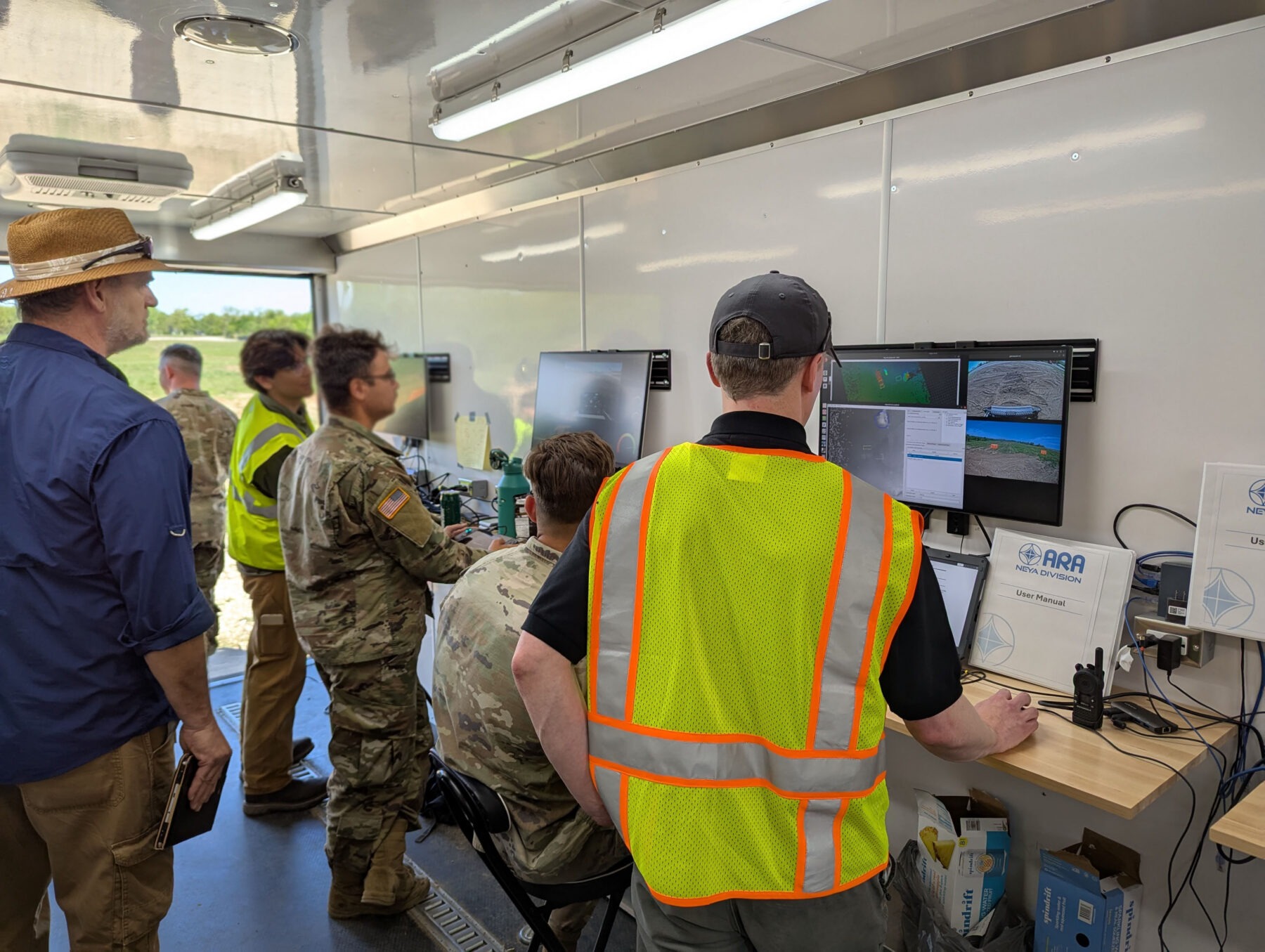
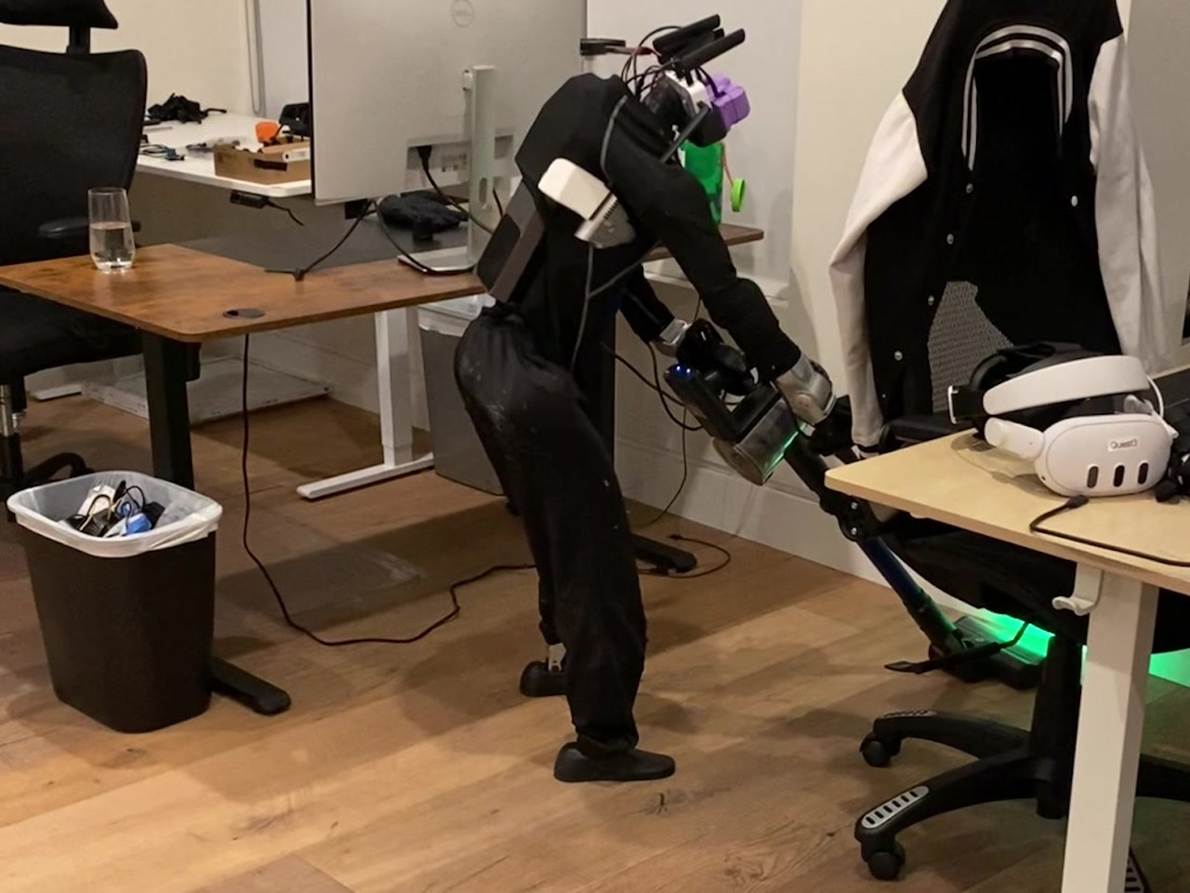
The core of the Tau Robotics service relies on a hybrid approach to control. According to CEO Alex Koch, current artificial intelligence cannot fully control a humanoid on its own. Instead, a human operator controls the robot from a central location with artificial intelligence assistance. This teleoperation model allows the robot to perform tasks that would otherwise be too complex for current autonomous systems. Koch stated that vacuuming and wiping kitchen counters are "pretty doable" tasks today, and video from the company shows the robot exiting a minivan and vacuuming inside a home.
This hybrid model highlights the current limitations of robotic autonomy in unstructured environments like homes. While industrial robots excel in highly controlled settings, domestic spaces are filled with unpredictable variables, from misplaced toys to varying floor textures. By keeping a human in the loop, Tau Robotics can offer a service that appears autonomous to the end-user while relying on human judgment to navigate complex situations. This approach, however, introduces its own set of challenges, particularly regarding the cost of human labor required to operate the robots remotely.
Teleoperation as Data Capture: Tau Robotics’ Low-Cost Cleaning Model
The pricing strategy of Tau Robotics is a critical component of its market entry. At US$30 per hour, the service significantly undercuts the cost of a human house cleaner in San Francisco, which typically ranges from US$150 to US$300 per visit. If the robot works at a comparable speed, the cost savings for the consumer are substantial. Even if the robot is slower, a four-to-five-hour cleaning session at US$30 per hour would still be competitive with the baseline cost of human labor. Koch's stated aim is to expand the cleaning market to people who do not currently employ house cleaners, tapping into a previously unserved demographic.
However, the economics of this model warrant closer examination. The teleoperation model means that a human operator is still required, and that operator must be paid a wage. If the service is priced at US$30 per hour, the company must balance the cost of the operator, the maintenance of the robot, and the overhead of the central location. It is highly likely that the US$30 price point runs below cost, serving as a loss leader to acquire customers and, more importantly, data. The teleoperation model doubles as a training-data business: every cleaned home generates manipulation data, which is likely the real asset for the company as it seeks to improve its autonomous capabilities.
The Privacy Implications of Remote Operation
The reliance on human teleoperation introduces significant privacy concerns for consumers. Tau's service terms grant the company a perpetual license to footage recorded inside customers' homes. Because the robot is teleoperated, a remote human sees inside the home by design. This level of intrusion is unprecedented in the realm of home services, where trust and discretion are paramount. The privacy terms deserve as much scrutiny as the robotics themselves, as consumers must weigh the convenience of a US$30-per-hour cleaning service against the potential exposure of their private lives.
The privacy debate is not unique to Tau Robotics. 1X's NEO home humanoid, based in Palo Alto and Oslo, opened United States orders at US$20,000 or US$499 per month with a teleoperation fallback, raising similar privacy questions. As these companies push the boundaries of what is acceptable in domestic spaces, regulators and consumers alike will need to grapple with the implications of having remote operators navigating their living rooms and bedrooms. The trade-off between affordable automation and personal privacy will likely become a central theme in the adoption of humanoid robots in the home.
The Reality Check on Robotic Capabilities
Despite the optimism surrounding the launch, experts in the field remain cautious about the readiness of humanoid robots for domestic tasks. Ken Goldberg, a University of California, Berkeley robotics professor with four decades in the field, says it is "too early" for such services. He notes that picking objects up off the floor remains a hard problem and raises questions about robot demonstration videos that are sped up. Goldberg's skepticism serves as an anchor for understanding the current state of the technology: the hardest 20 percent of cleaning tasks, such as navigating clutter, climbing stairs, and handling delicate objects, remain unsolved.
The challenge of robotic manipulation in unstructured environments cannot be overstated. Think of it like trying to play a piano while wearing thick winter gloves; the robot has the strength and the basic movements, but it lacks the fine motor skills and tactile feedback necessary to handle delicate or unpredictable objects safely. This limitation is why teleoperation is currently necessary, and why fully autonomous humanoid cleaners are still a distant goal. The industry must overcome significant technical hurdles before these robots can operate independently in the chaotic environment of a typical home.
How the Home Robotics Options Stack Up
To understand where Tau Robotics fits into the broader market, it is helpful to compare its offering with other available options. The home robotics market is moving quickly, with various companies taking different approaches to the challenge of domestic automation.
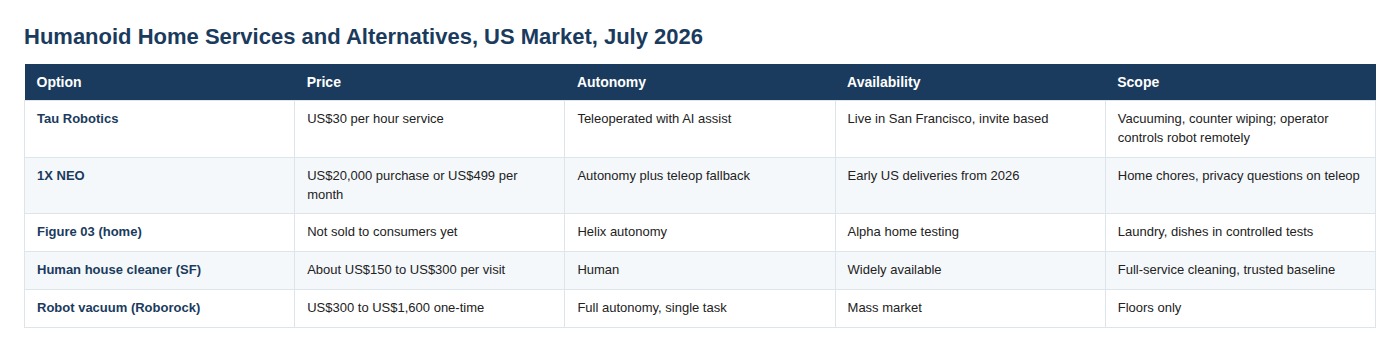
As the table illustrates, Tau Robotics occupies a unique position by offering a low-cost, service-based model, contrasting with the high upfront costs of purchasing a humanoid robot like the 1X NEO or the limited scope of traditional robot vacuums. However, the reliance on teleoperation and the associated privacy concerns remain significant differentiators.
The Path Forward for Domestic Humanoids
The launch of Tau Robotics' service, even in its limited, invite-only form, signals a growing interest in bringing humanoid robots into the home. The invite-only nature of the launch likely signals capacity constraints rather than demand testing, suggesting that there is a market for affordable, robotic cleaning services. However, the success of this model will depend on the company's ability to transition from teleoperation to true autonomy, reducing the reliance on human labor and addressing the privacy concerns associated with remote operation.
As the technology matures, we can expect to see more companies entering this space, each with its own approach to balancing cost, capability, and privacy. The competition will likely drive innovation, pushing the boundaries of what is possible in domestic robotics. For now, however, consumers face a market where the promise of automation is tempered by the realities of teleoperation and the need for human oversight. The true test for companies like Tau Robotics will be their ability to deliver on the promise of affordable, autonomous cleaning without compromising the privacy and security of their customers.
The broader implications of this shift extend beyond the immediate convenience of automated cleaning. The integration of humanoid robots into daily life represents a fundamental change in our relationship with technology. As these machines become more capable and more ubiquitous, they will inevitably reshape our expectations of domestic labor and personal privacy. The challenge for society will be to navigate this transition thoughtfully, ensuring that the benefits of automation are realized without sacrificing the values that underpin our homes and communities.
Disclaimer: This article is for informational purposes only and does not constitute investment advice, endorsement, or verification of any claims made by the companies mentioned.