ESTUN Tops China Industrial Robot Shipments in First Half of 2026
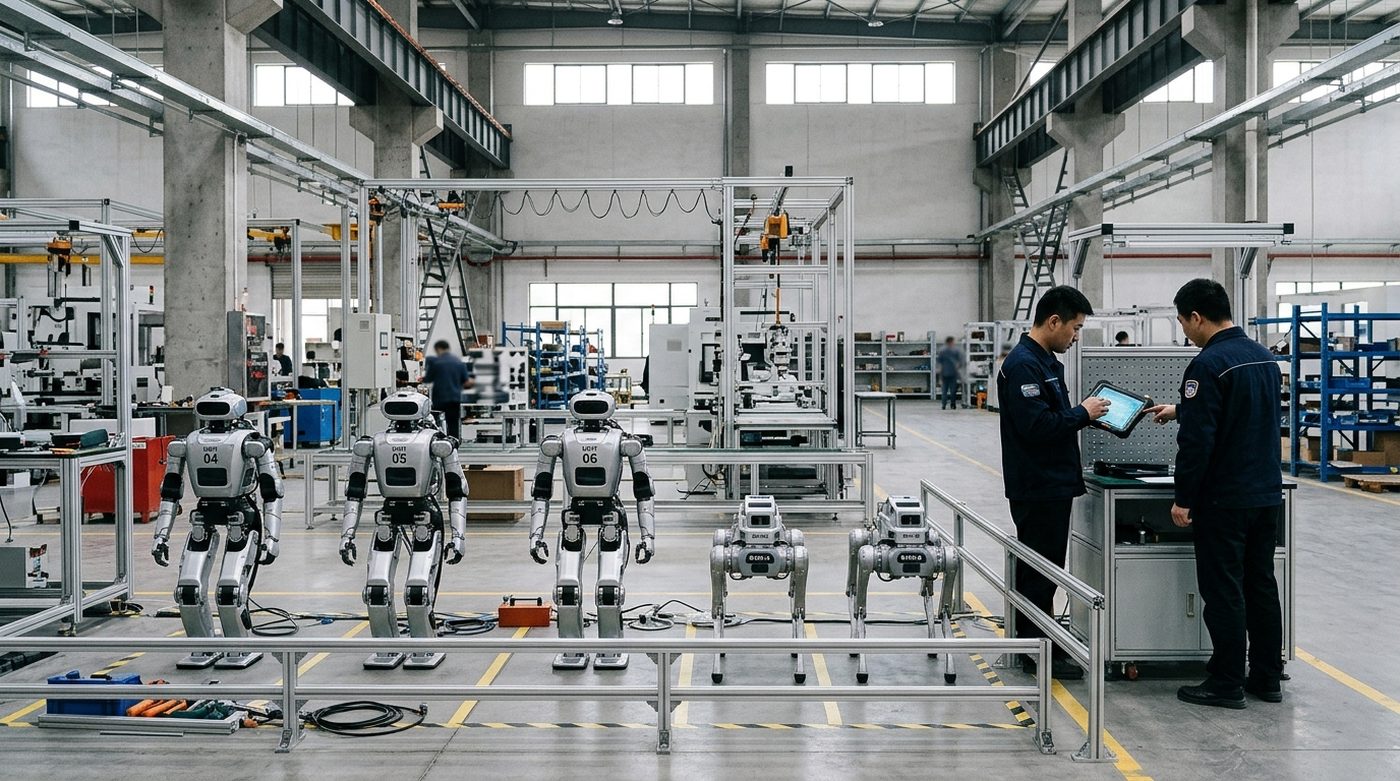
ESTUN Automation has ranked number one in China industrial robot shipments across all brands for the first half of 2026, becoming the first domestic brand to ship more than 10,000 units in a single quarter. Headquartered in Nanjing, ESTUN's core technology spans industrial robots and motion control systems, targeting manufacturing sectors such as automotive, electronics, and new energy. This milestone marks a structural shift in the world's largest industrial robot market, which has been historically dominated by foreign incumbents. The data, released by MIR DATABANK, highlights the growing influence of domestic brands in China and their expansion into global markets, including ESTUN's manufacturing base in Poland.
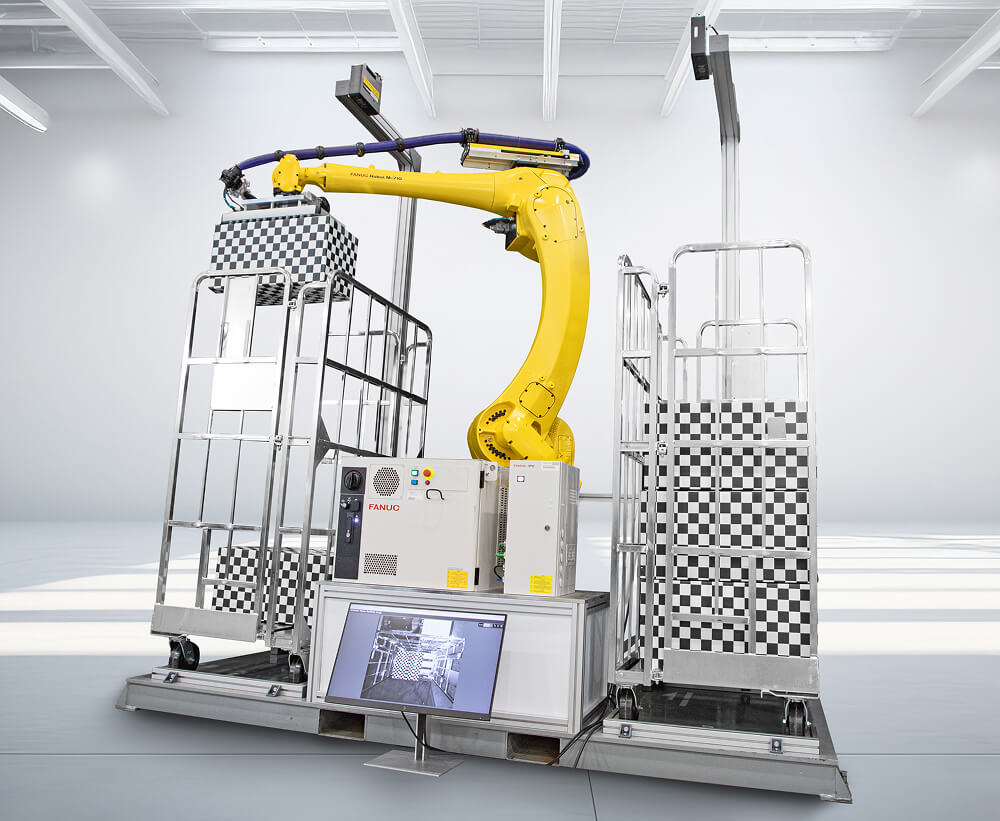
For four decades, the factory floors of the world's largest manufacturing base were built on a foundation of imported automation. The industrial robot market in China was historically dominated by the "four families", FANUC Corporation, ABB Group, KUKA AG, and Yaskawa Electric Corporation. These foreign incumbents set the standards, commanded the premium pricing, and dictated the pace of technological adoption across automotive assembly lines and electronics manufacturing hubs. However, a profound structural shift has materialized in the first half of 2026, signaling a new era of regional competition and supply-chain realignment. A domestic brand has not only challenged the established hierarchy but has fundamentally rewritten the shipment leaderboards, out-shipping the foreign giants that once seemed unassailable.
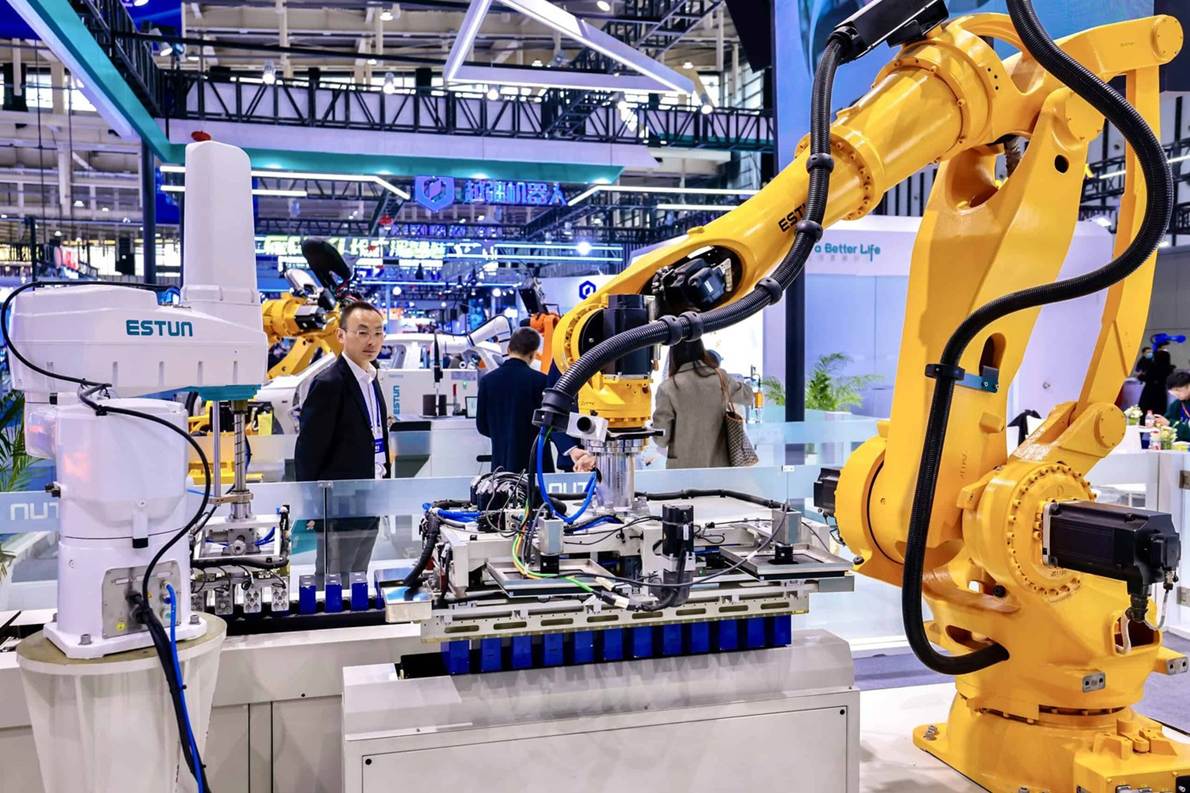
The latest data release from MIR DATABANK, the Beijing-based industrial automation market research firm whose shipment rankings serve as the standard reference for the Chinese robot market, confirms this transition. According to the figures published this week, ESTUN Automation ranked number one in China industrial robot shipments across all brands, both domestic and foreign, for the first half of 2026. Headquartered in Nanjing, ESTUN's core technology encompasses a broad portfolio of industrial robots, collaborative robots, and motion control systems, carving out a significant market niche in sectors ranging from new energy to general manufacturing. This achievement is not an isolated spike but the continuation of a trend that began when ESTUN first topped the full-year all-brand China ranking in 2025 with a 10.6 percent unit share, marking the first time a domestic brand led the annual ranking.
The momentum accelerated in the second quarter of 2026, when ESTUN achieved a historic milestone: it became the first domestic brand to ship more than 10,000 industrial robot units in a single quarter. This volume of production and deployment represents a maturation of the domestic supply chain, reflecting both the scale of Chinese manufacturing demand and the increasing capability of local providers to meet rigorous industrial standards. For procurement teams and operations leaders, a domestic brand operating at a scale of 10,000-plus units per quarter translates directly into intense price pressure on the traditional four families and significantly shorter lead times for deployments inside China.
Scale, Pricing and Value Migration in Industrial Robot Markets
The sheer volume of robots moving from ESTUN's production lines to factory floors introduces a new economic reality for industrial automation. When a manufacturer can deploy thousands of units rapidly, the cost calculus for automation changes from a capital-intensive, long-term investment to a more flexible, scalable operational expense. This shift is particularly relevant in industries where product lifecycles are shortening and production lines must be reconfigured frequently. The ability to source reliable, cost-effective robots locally reduces the financial risk associated with automation projects and accelerates the return on investment.
However, the narrative of domestic triumph must be contextualized within the broader financial realities of the industry. While unit share is a critical metric of market penetration, it is not synonymous with revenue share. Foreign brands still command higher average selling prices and maintain a dominant position in high-precision, high-margin segments of the market. Shipment crowns built primarily on aggressive price competition tend to compress margins across the entire industry. The critical metric to watch in the coming quarters is whether ESTUN can hold its market share while simultaneously restoring profitability and moving up the value chain into more complex applications.
To understand the stakes of this transition, consider the difference between buying a bespoke, high-end sports car and a fleet of reliable delivery vans. The foreign incumbents have traditionally sold the sports cars, highly specialized, incredibly precise machines designed for the most demanding tasks, like welding the chassis of a luxury vehicle. ESTUN and other domestic challengers are increasingly providing the delivery vans, versatile, cost-effective robots that can handle the vast majority of standard manufacturing tasks, from machine tending to packaging. As the quality of the "vans" improves, fewer factories feel compelled to pay the premium for the "sports cars," fundamentally altering the revenue dynamics of the robotics industry.
What Does ESTUN's Q2 2026 Milestone Mean for Global Supply Chains?
ESTUN Automation shipped over 10,000 industrial robots in the second quarter of 2026, securing the number one position in China across all brands for the first half of the year. This volume demonstrates that domestic Chinese manufacturers can now meet the scale and reliability demands of the world's largest industrial market, increasing competitive pressure on established foreign brands and offering shorter lead times for local deployments.
The implications of this milestone extend far beyond the borders of China. As domestic brands secure their position at home, they are increasingly looking outward to sustain growth and leverage their economies of scale. ESTUN's operational footprint already includes an overseas manufacturing base in Poland, a strategic asset that signals a domestic Chinese brand actively exporting capacity into Europe. This presence is highly relevant to European sourcing decisions, offering manufacturers on the continent an alternative to traditional suppliers and introducing the same price and lead-time pressures that are currently reshaping the Chinese market.
In addition, the growth dynamics within ESTUN's portfolio reveal where the incremental demand for automation is concentrated. The company's collaborative robot (cobot) shipments grew by approximately 40 percent year over year in the first quarter of 2026. This surge indicates that the frontier of automation is shifting away from traditional, heavy-duty automotive assembly lines toward more flexible, smaller-payload cells. Manufacturers are increasingly seeking robots that can work safely alongside human operators, adapting to varied tasks in electronics assembly, logistics, and general manufacturing.
Market Share and Competitive Positioning
The competitive market of the Chinese industrial robot market is a complex interplay of domestic ambition and foreign entrenchment. While domestic brands collectively passed the 50 percent combined share of the China market in the 2024-2025 period, the traditional powerhouses remain formidable competitors. The following table illustrates the current positioning of key players in the market, highlighting the diverse origins and strategic focuses that define the industry.
China Industrial Robot Market: Leading Brands, H1 2026
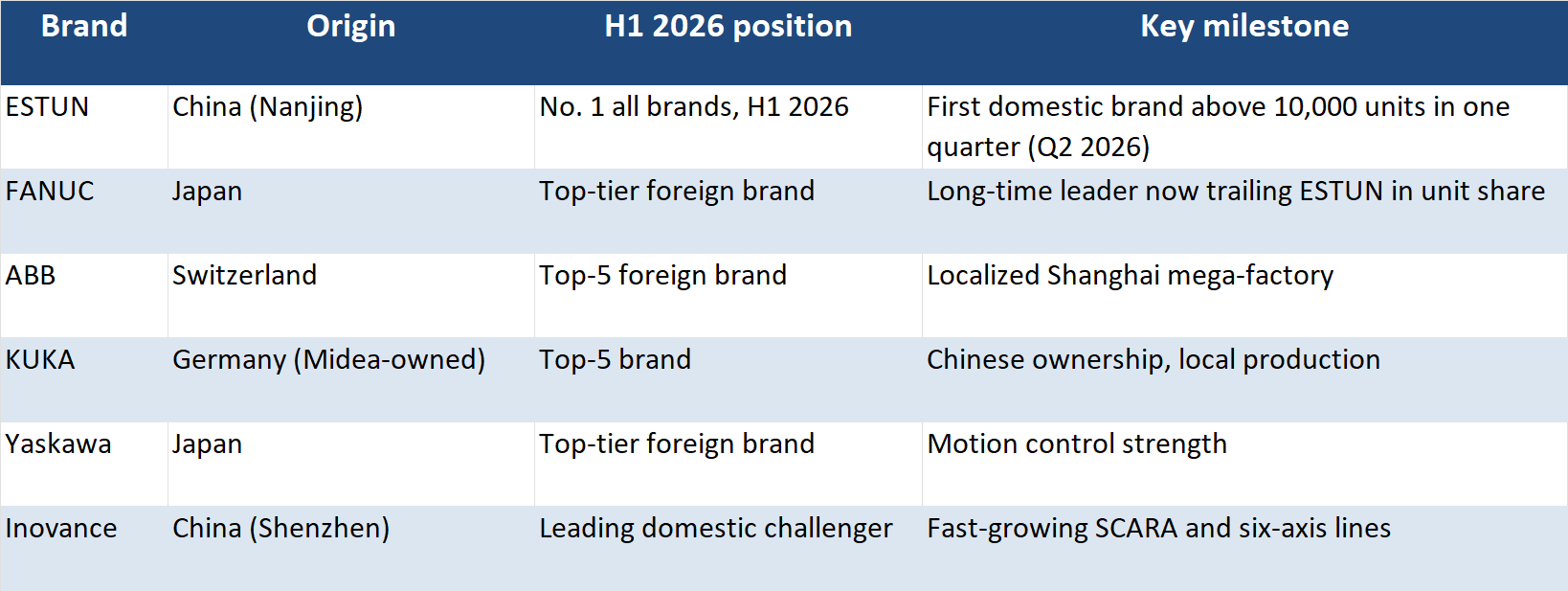
The presence of companies like Inovance, another leading domestic challenger with fast-growing Selective Compliance Assembly Robot Arm (SCARA) and six-axis lines, underscores the depth of the domestic bench. Meanwhile, the unique position of KUKA, a German brand owned by China's Midea Group since 2017, illustrates the blurred lines of national origin in the globalized robotics industry.
The Strategic Outlook for Automation Buyers
For procurement managers, sourcing leaders, and automation buyers, the data from the first half of 2026 necessitates a recalibration of vendor strategies. The assumption that premium performance requires a foreign label is increasingly difficult to justify across a broad swath of industrial applications. The rise of ESTUN and its peers offers an opportunity to optimize capital expenditure, provided that buyers rigorously evaluate the total cost of ownership, including integration, maintenance, and software ecosystem compatibility.
The rapid expansion of collaborative robots, as evidenced by ESTUN's 40 percent growth in that segment, also suggests that automation strategies should prioritize flexibility. As production cycles accelerate and mass customization becomes the norm, the ability to redeploy robotic assets quickly will be a critical competitive advantage. Buyers must look beyond the hardware specifications and assess the ease of programming, the intuitiveness of the user interface, and the robustness of the safety features that enable human-robot collaboration.
The Chinese industrial robot market has reached an inflection point, transitioning from a reliance on imported technology to a self-sustaining ecosystem capable of producing world-class automation solutions at scale.
The sustained leadership of a domestic brand in the world's most competitive robotics market confirms that the era of default reliance on foreign incumbents has ended, demanding a more nuanced, globally aware approach to industrial automation sourcing.
Disclaimer: This article is for informational purposes only and does not constitute investment advice, endorsement, or verification of any claims made by the companies