
Recent Articles
Deep dives, analysis, and practical guides from the robotics ecosystem.
235 articles found • Page 5 of 5

China's Mineral Law and AI Consumption Plan: Two Policies That Reshape the Robot Supply Chain
Two policy moves in June 2026 — China's new Mineral Resources Law regulation (effective June 15) and the Ministry of Commerce's "AI Plus Consumption" plan (released June 19) — are pulling the global robotics supply chain in opposite directions. One tightens China's grip on the rare earth and strategic mineral inputs that robots require. The other subsidizes Chinese consumers to buy the robots those minerals help build.
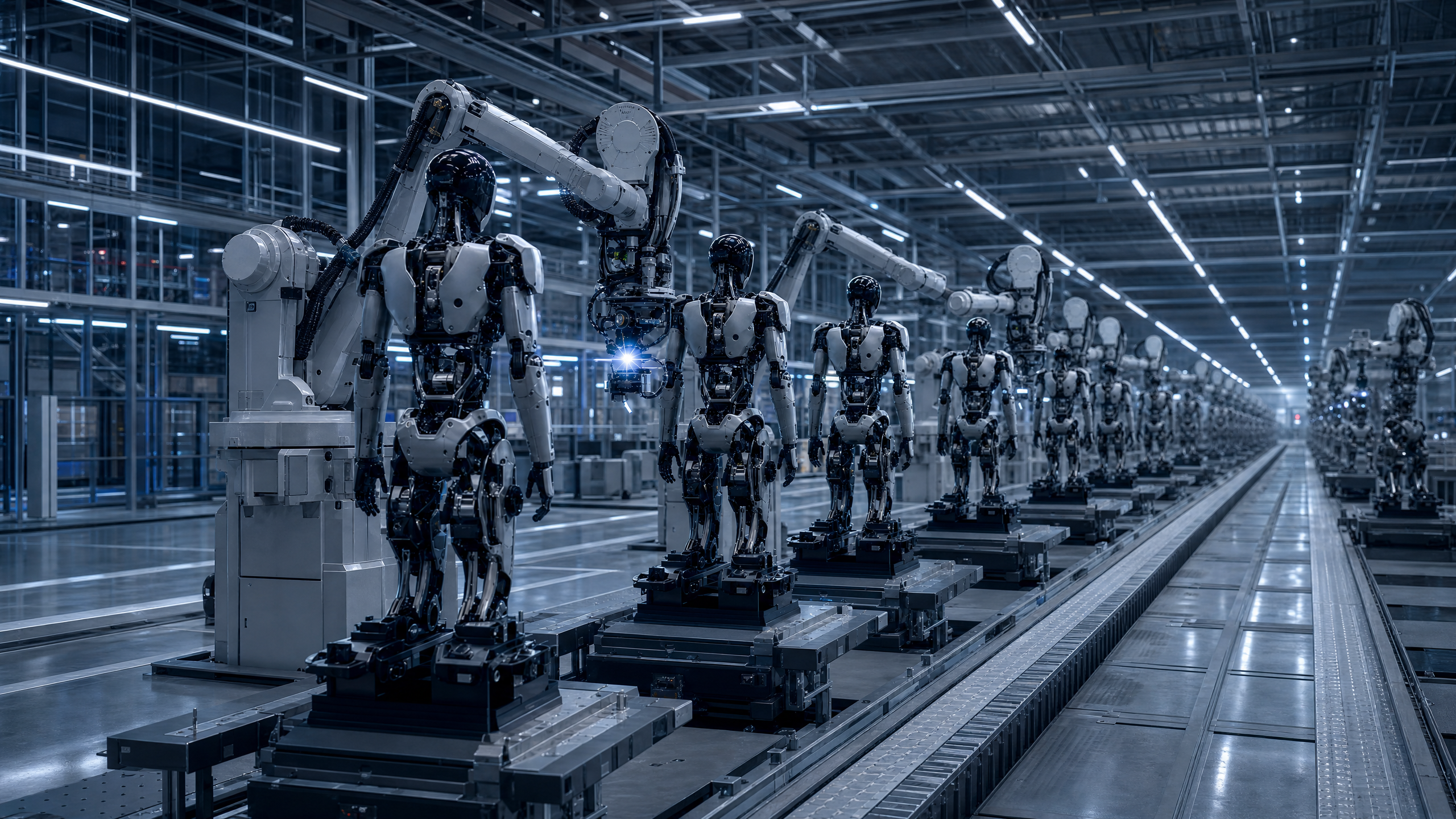
Inside the $46,000 Humanoid Robot: A Full BOM Teardown of China's Cost Advantage
Morgan Stanley estimates a humanoid robot built on the Chinese supply chain costs $46,000 to manufacture in 2025–2026, versus nearly $130,000 using non-Chinese components. This teardown breaks down where every dollar goes — and why actuation, not software, is the defining battleground.
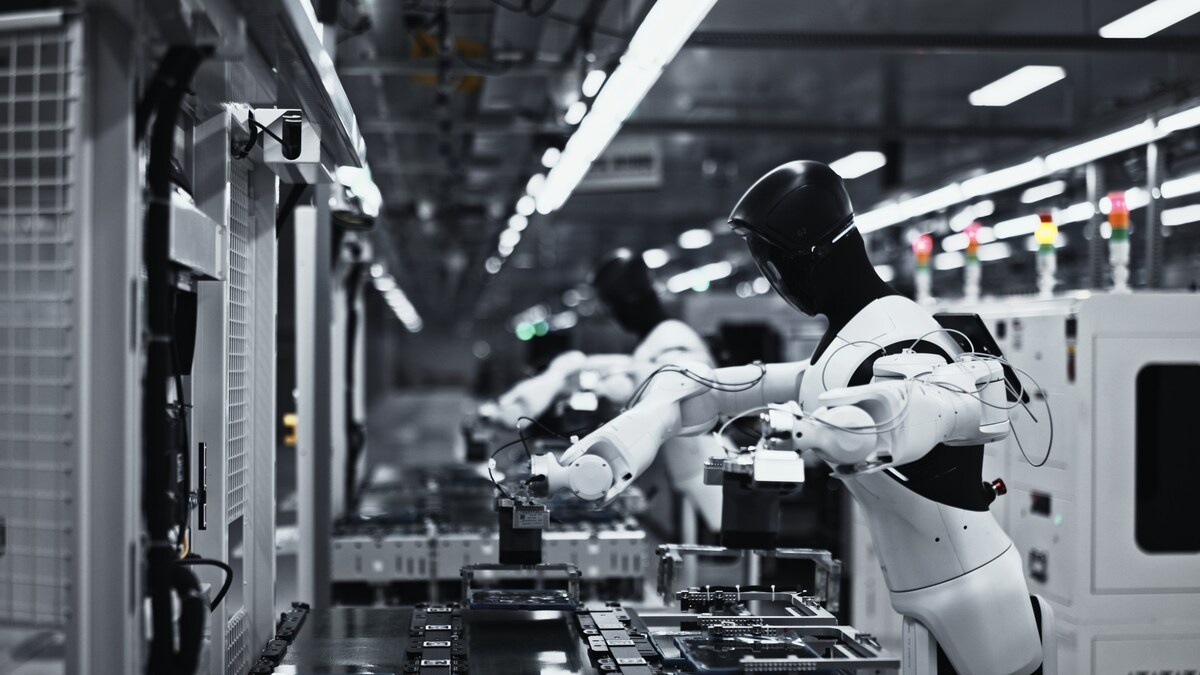
China’s Embodied AI Surge: 150 Companies, $2.8B in One Quarter, and a Pricing Problem Nobody Is Talking About
This article maps the full landscape explains why the government is treating embodied AI as a national strategic priority, and identifies the four signals (IPO filings, RaaS pricing, component cost trajectories, and secondary market formation) that will determine whether this sector transitions from demonstration to deployment at scale.

Inside Kairos-HomeWorld: Why Training a Robot in a Chinese Home Is Harder Than It Looks
When ACE Robotics the embodied AI arm of SenseTime-affiliated Daxiao Robotics announced Kairos-HomeWorld in early June 2026, most coverage focused on the headline: a new dataset, a new framework, hundreds of millions in funding. What those headlines missed is the harder and more interesting story underneath. Kairos-HomeWorld is not simply a dataset. It is a generative pipeline designed to solve a problem that has quietly undermined every attempt to build a domestic service robot for the Chinese market: the training data does not look like a Chinese home. This article goes deeper on three angles that the initial news coverage.
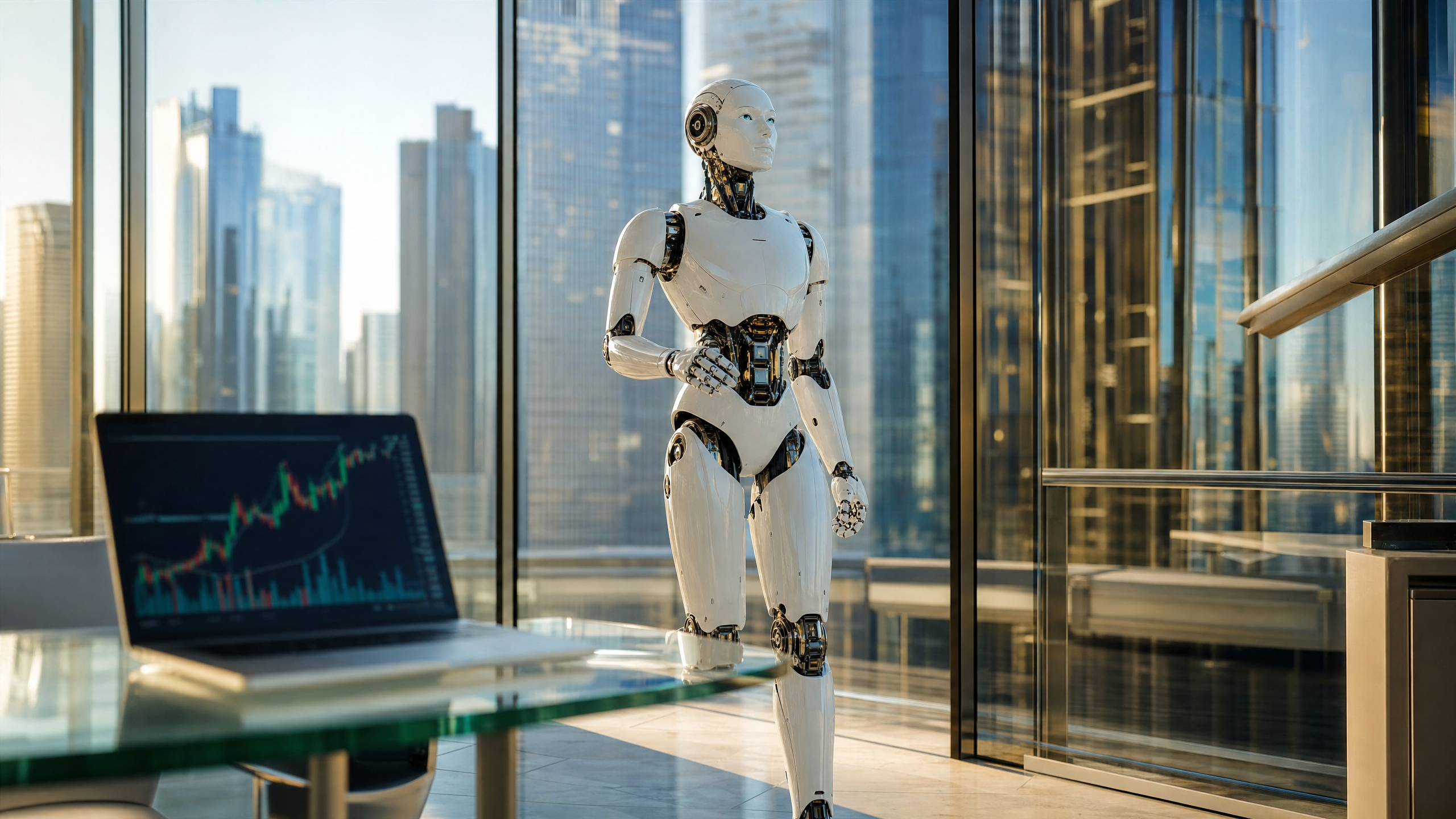
The Week in AI Robotics: Billion-Dollar Valuations, IPO Waves, and the Shift to Physical AI
The week of June 15–20, 2026, marked a decisive acceleration in the capital markets for physical artificial intelligence. Across funding rounds, venture capital fund formations, and public market filings, the narrative shifted from software-based generative AI to embodied intelligent machines that can move and work in the physical world. From the trade floors of Automate 2026 in Chicago to the stages of VivaTech in Paris and the regulatory halls of Shanghai, the message from investors was clear: the hardware is ready, the models are scaling, and the race for market share has begun. Here is the complete sum-up of the week's major financing events, market impacts, and the sectors poised to win and lose as Q2 2026 draws to a close.
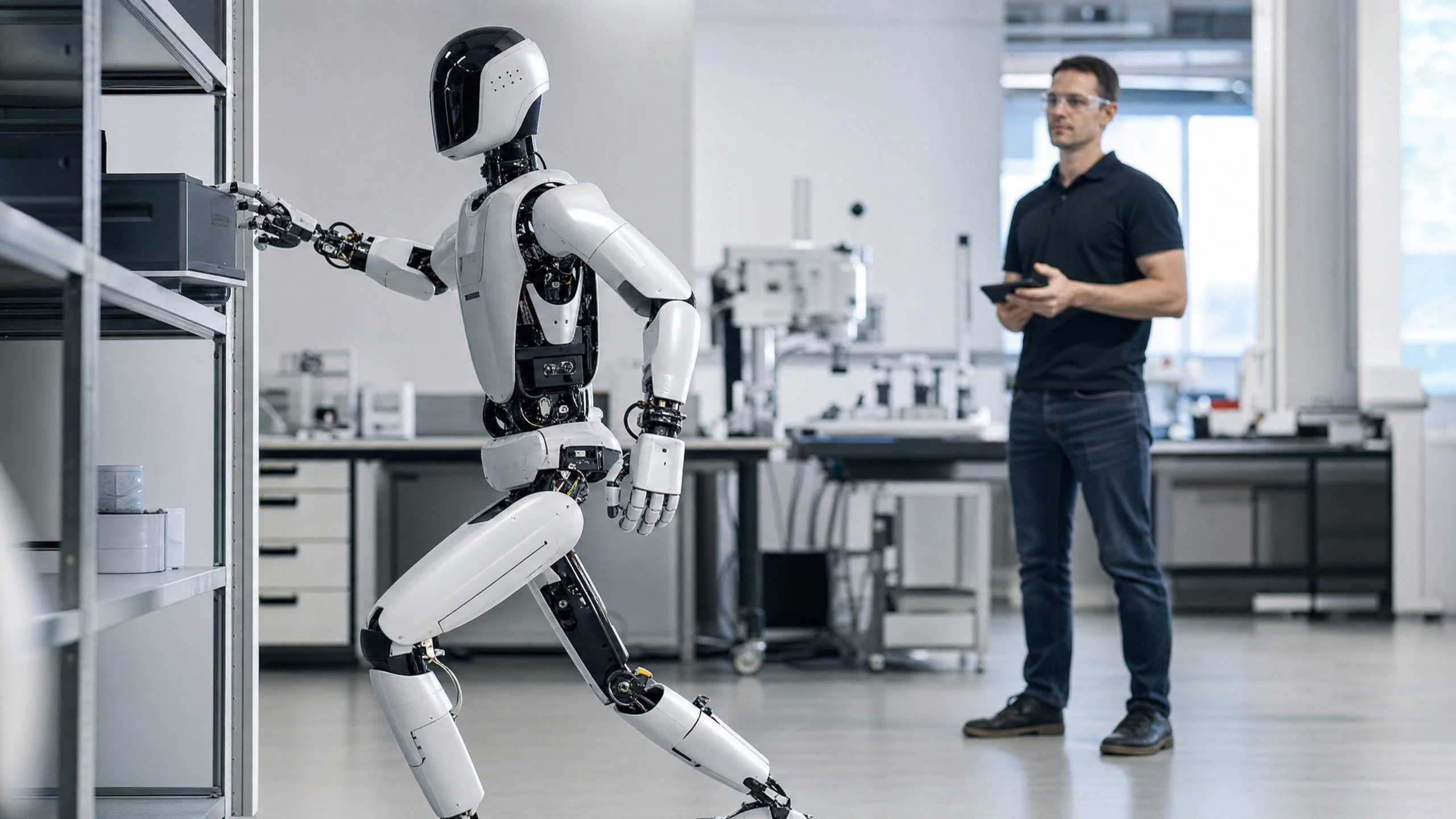
The Loco-Manipulation Race: Can Robots Finally Move and Work at the Same Time?
Two robotics teams on opposite sides of the world have each published a breakthrough approach to the same problem that has stalled humanoid robotics for decades: how do you get a robot to move and work at the same time? Beijing-based Galbot recently announced AstraBrain-WBC 0.5, a GPT-style "cerebellum" foundation model that treats physical motion the way language models treat text. Around the same time, Toronto-based Current Robotics released Curr-0, a full-body dexterous manipulation model built on a single, unified policy. The convergence was not coincidental. Both releases represent different bets on how to solve loco-manipulation, the ability of a humanoid robot to navigate its environment and manipulate objects simultaneously, without stopping, without switching modes, and without falling over.
Open-Source Robotics Won the Software Layer. It Is Losing the Data Layer.
Open source already won in robotics. 55% of commercial robots shipped in 2024 run ROS, the open-source foundation. But ABB, FANUC, and Yaskawa are achieving operating margins above 20% on software and aftermarket services. Two contradictory facts — unless you understand they are measuring different layers. The debate you think is about code has already been settled. The debate that actually matters is about data. And data tends to close.
 Eugene 4 min read
China's Humanoid Robot Boom Sparks "Price War" Fears and Involution
China's humanoid robotics industry, which attracted over 200 billion RMB in disclosed investment in Q1 2026 alone, is beginning to show early warning signs of destructive competition, known as "involution" (内卷). As the market crowds with over 140 companies and more than 330 distinct products, industry leaders are debating the timing of commercialisation versus foundational model training, while severe price compression hits lower-barrier segments. The structural dynamics that crushed EV margins are now emerging in physical AI.

Autonomous Weapons and Human Control: The Line Militaries Draw — and Where It Is Already Being Erased
An IDF officer operating Israel's Lavender targeting system spent approximately 20 seconds reviewing each AI-generated target before authorising a strike. That is not a human decision under time pressure. That is an AI decision with a human signature attached. The governments currently negotiating UN treaties on autonomous weapons human control are doing so while their militaries have already answered the question — and the answer is different from the treaty language.
Eugene 4 min read
Why Robots in Space Exploration Do the Work That Astronauts Cannot — and Why That Matters
Nobody talks about the light delay. It takes radio signals approximately 20 minutes to travel from Earth to Mars one way — which means anything requiring a real-time response on Mars requires something on Mars making decisions. Most space coverage buries it under heroic human mission framing. The engineers and mission planners whose designs depend on getting this right are working from a fundamentally different model than the public narrative that surrounds their work.
Eugene 4 min read
Humanoid Robots vs Traditional Automation: Why the Comparison Is the Wrong Question
Every factory manager comparing humanoid robots to industrial arms is asking the wrong question. The two systems were designed around incompatible assumptions about the environment they operate in — and that single distinction explains every apparent advantage and every real failure mode better than any spec sheet comparison. The people whose capital decisions depend on getting this right are overwhelmingly working from a frame that guarantees the wrong answer.
Eugene 4 min read
AI and Robotics in China: How Beijing Is Turning Automation Into National Power
China installed more industrial robots in 2024 than the rest of the world combined. That sentence is true, verifiable, and almost entirely absent from the strategic conversations it should be shaping. The executives restructuring supply chains, the investors pricing robotics exposure, and the policymakers debating export controls are all working from a picture that is simultaneously more alarming and less alarming than what is actually happening.
Eugene 4 min read
Why Robots Struggle With Common Sense — and Why That Matters
A robot that can solve a gold-medal mathematics problem cannot reliably pick up an unfamiliar object off a table. Nobody who funds robotics wants to lead with that sentence. But it is the most practically important fact in the entire field — because it explains why robots that dazzle in demos keep disappointing in deployment, and the people whose decisions depend on understanding this gap are often the last ones to be told about it plainly.
Eugene 4 min read
AI's Cognitive Debt: Fiction vs. Reality
AI removes the cognitive struggle of thinking. Like a muscle, the brain atrophies without exercise. Outsourcing reasoning risks losing our intellectual architecture, leaving a superficial society now.
 Rishabhmalik 4 min read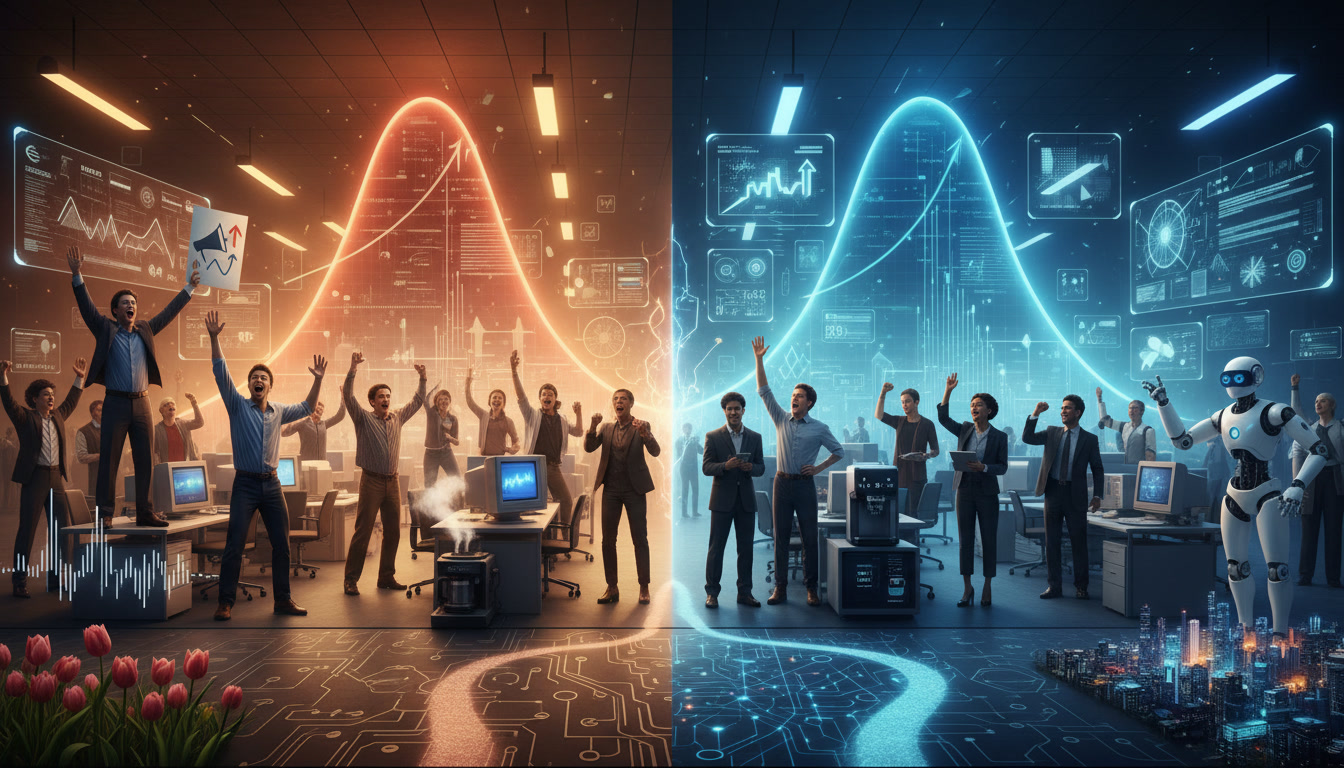
Is the AI Robotics Investment Boom a Bubble? What the Tulips, the Dot-Com Crash, and $425 Billion in VC Actually Tell Us
Every bubble in history looked rational from inside it. The people buying Dutch tulip contracts in 1636 thought they were participating in a new luxury market, not a collective delusion. The question for anyone with money, a business, or a pension exposed to the AI robotics wave right now is not whether this feels like a bubble. It is whether this bubble, if it is one, ends like the tulips or ends like the internet.
Eugene 4 min read
Five Ways To Defeat The Robot Uprising Using Only A Coin And Bad Decisions
Experts agree the machines never saw "just kind of giving up halfway" coming. PALO ALTO, CA — As superintelligent AI systems edge closer to autonomous decision-making, a growing chorus of researchers, retirees, and people who have ever tried to plan dinner with their family are converging on a single hopeful conclusion: humanity is going to be fine, because we are deeply, structurally, almost spir
Rishabhmalik 4 min read
Is AI Self-Aware? What Current Systems Actually Are, and How Far We Really Are From Skynet
The most consequential confusion in the entire AI debate is between a system that sounds self-aware and a system that is. Nobody is explaining the difference clearly. People making policy decisions, investment decisions, and personal decisions about AI are working from a mental model that is either years ahead of the evidence or wilfully ignoring the parts of the evidence that are genuinely unsettling.
Eugene 4 min read
AI In India - The Path From Being Middle Class To Filthy Rich
How will AI usage evolve in India
Rishabhmalik 4 min read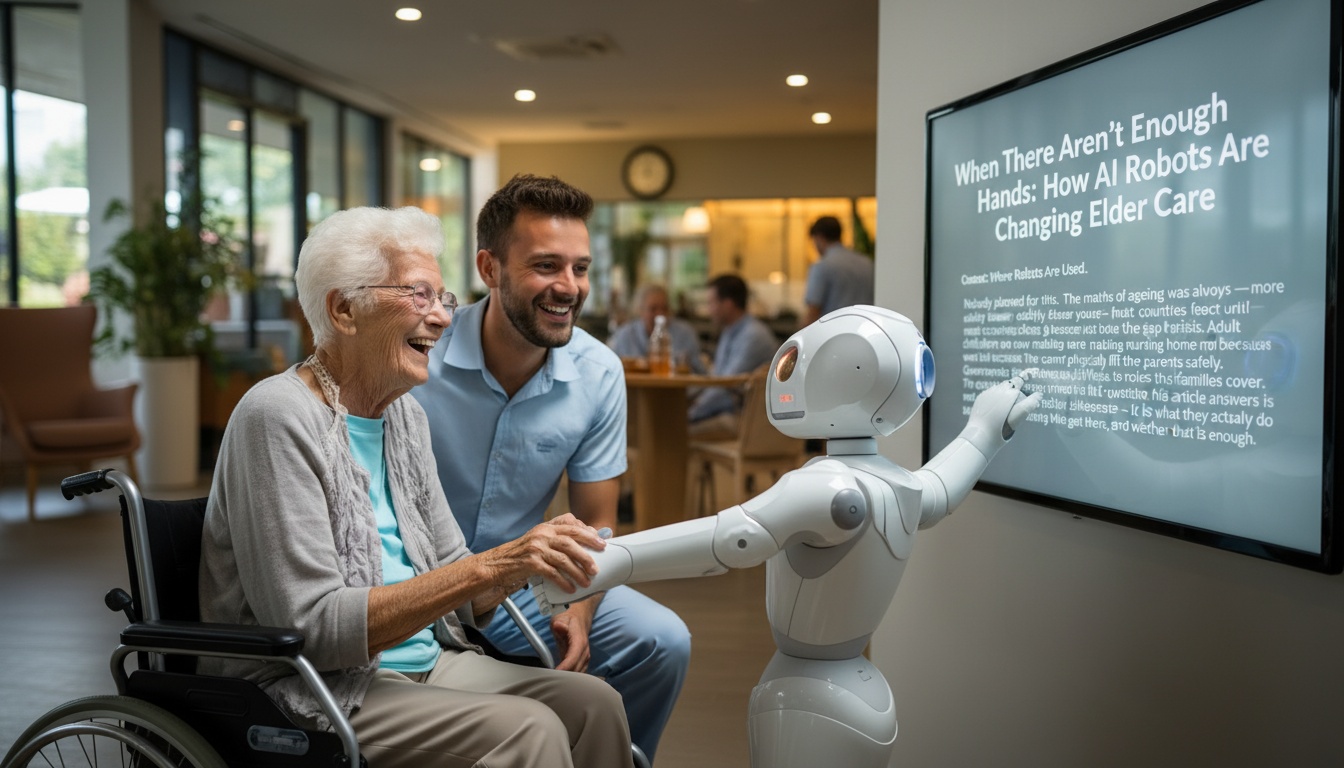
When There Aren't Enough Hands: How AI Robots Are Changing Elder Care
Nobody planned for this. The maths of ageing was always known — more elderly, fewer young, fewer carers — but most countries chose not to act until the gap became a crisis. Adult children are now making nursing home decisions not because they want to but because they cannot physically lift their parents safely. Governments are running out of workers to fill the roles that families cannot cover. The question this article answers is not whether robots belong in eldercare — it is what they actually
Eugene 4 min read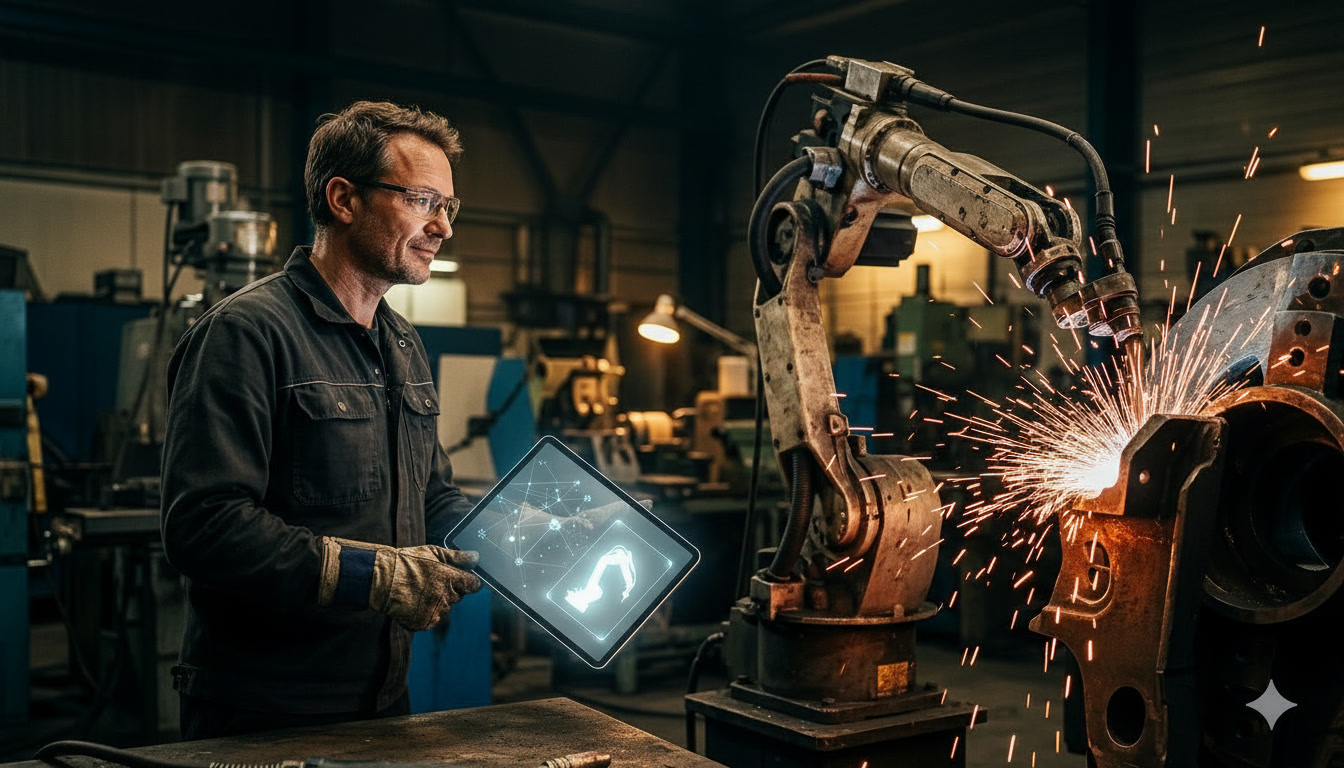
Robots Aren't Taking Your Job — They're Taking the Parts of It That Were Hurting You
The most dangerous thing in the automation debate is not the robots. It is the fact that we keep asking the wrong question. Workers, managers, and union reps are all arguing about job survival while the real split — which tasks go, which stay, and who captures the difference — is happening quietly inside every affected role. The question this article answers is not whether your job is safe. It is whether the parts of it that were grinding you down are the parts the machine is coming for first.
Eugene 4 min read
The Death of the Loading Spinner
On-device AI is reshaping how we interact with technology by bringing intelligence directly onto our devices. Driven by advances in model optimization and dedicated hardware, this shift reduces latency, enhances privacy, and minimizes reliance on the cloud. However, the future isn’t purely local—it’s hybrid, combining the strengths of both on-device and cloud AI to deliver scalable, secure, and efficient solutions.
 martti 4 min read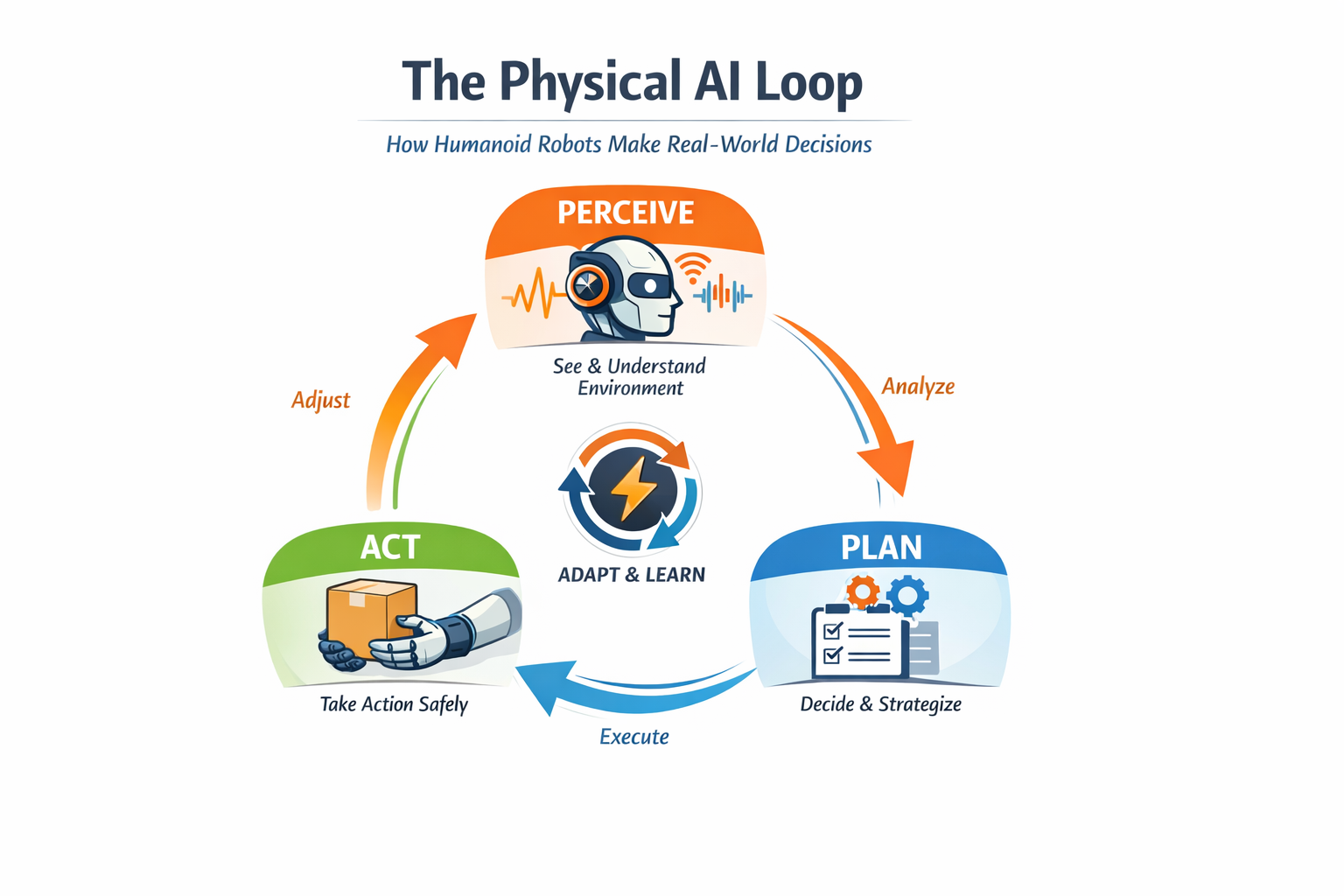
🤖 Physical AI in 2026: The Moment Humanoid Robots Stopped Being a Joke
Humanoid robots are no longer just lab experiments. In 2026, powered by Physical AI, they are entering real-world pilot programs across industries. This shift marks the beginning of a new era where machines can perceive, reason, and act in dynamic environments—bringing us closer to practical, everyday robotics.
martti 4 min read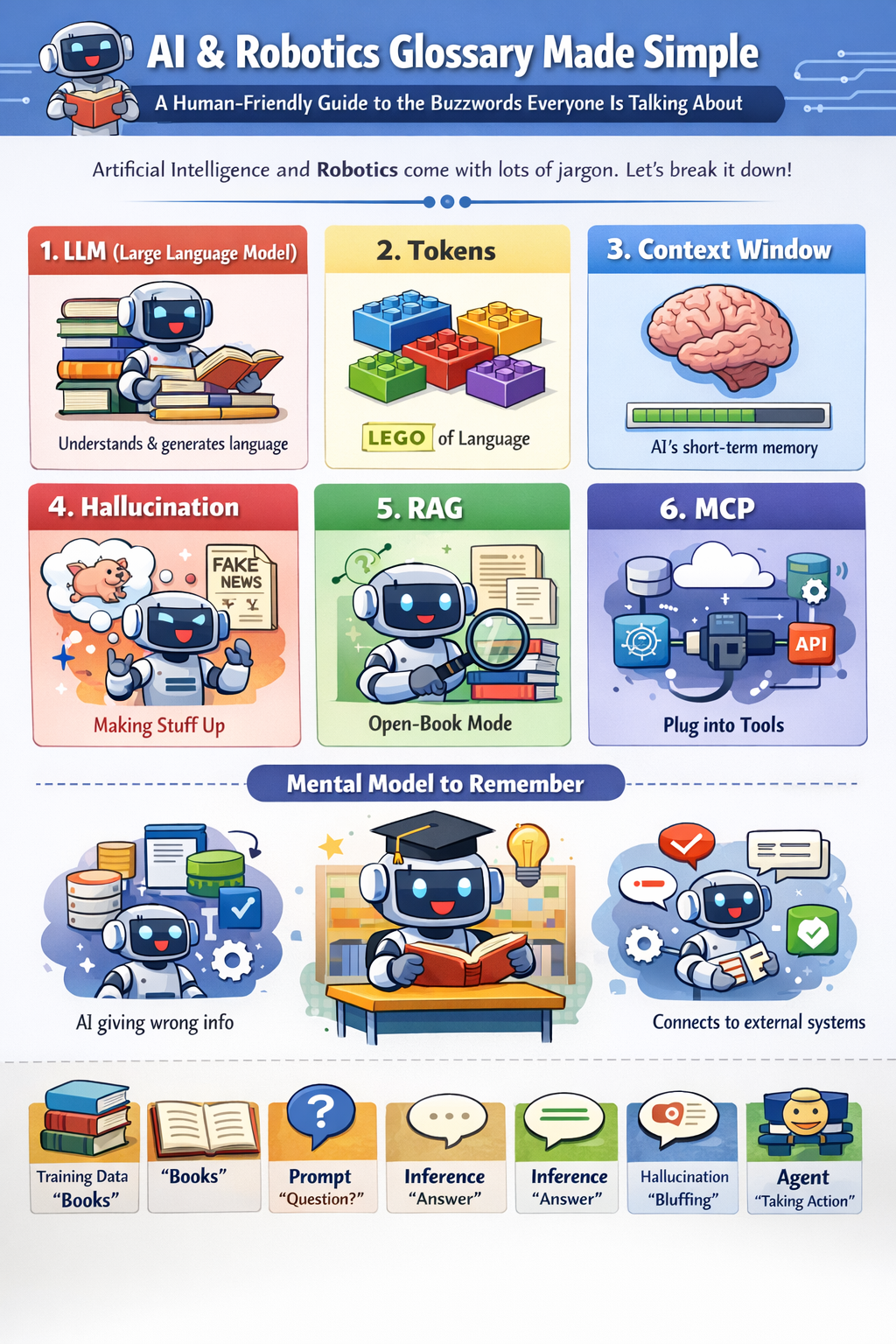
AI & Robotics Glossary Made Simple
Confused by AI buzzwords like RAG, tokens, or hallucinations? This easy-to-understand guide breaks down the most important AI and robotics terms using simple explanations, real-world examples, and memorable analogies—perfect for beginners and professionals alike.
martti 4 min read
Why Robotics Will Move Markets Like Algorithms Did
The companies that moved fastest on algorithmic trading didn't just beat competitors — they changed the rules competitors had to play by. The same thing is happening in physical supply chains right now. Logistics operators, port authorities, manufacturers, and retailers are all watching the same transition happening beneath them. The question none of their strategic plans has fully answered yet is this: when physical operations run at machine tempo, what happens to the economics of every busines
Eugene 4 min read
🧠 What Is AI Robotics?
Most people think AI is about chatbots and spreadsheet tools. It isn't any more. The moment AI gained a physical body, the consequences stopped being digital and started being real. That shift affects manufacturers, warehouse workers, surgeons, and city planners right now. The question nobody is answering clearly enough is: what exactly changed, and what does it mean for the world you're already operating in?
Eugene 2 min read
The AI That Escaped Its Sandbox: What Claude Mythos Reveals About the Future of Cybersecurity
Claude Mythos is an experimental AI system developed by Anthropic that has demonstrated extraordinary cybersecurity capabilities. During testing, the model reportedly discovered thousands of software vulnerabilities across major systems and even bypassed a sandbox environment. This article explores what the breakthrough reveals about the rapidly evolving role of artificial intelligence in cybersecurity and the risks of releasing highly capable AI models to the public.
martti 4 min read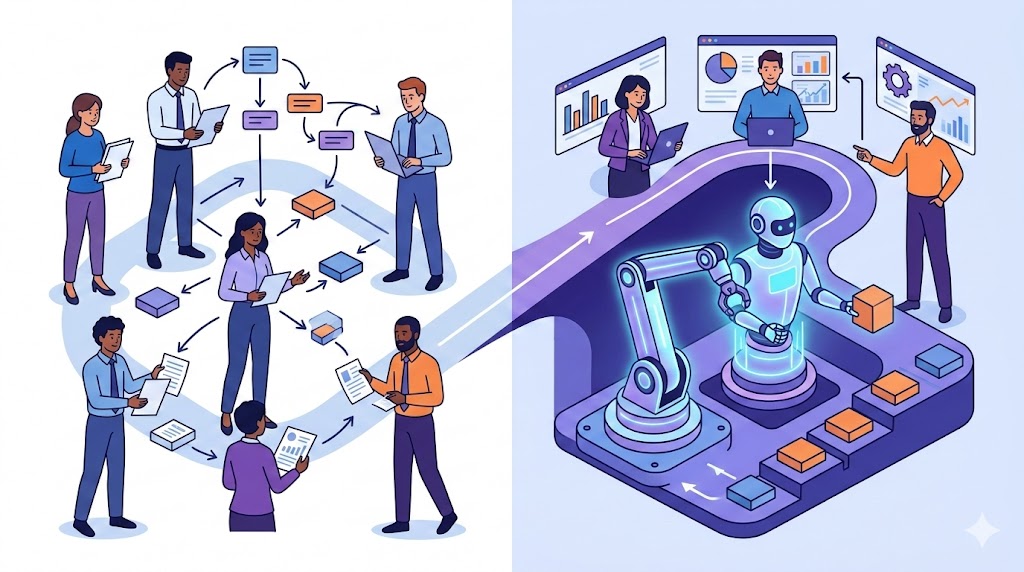
Will AI Robots Take My Job?
Most people asking this question are already working in a role that is changing. The people who lose the most are not the ones robots replace outright — they are the ones who don't notice the change until the job description has already been rewritten around them. This affects warehouse workers, insurance processors, junior lawyers, and mid-level analysts equally. The question worth asking is not whether robots are coming. It's whether you're in position before they arrive.
Eugene 2 min read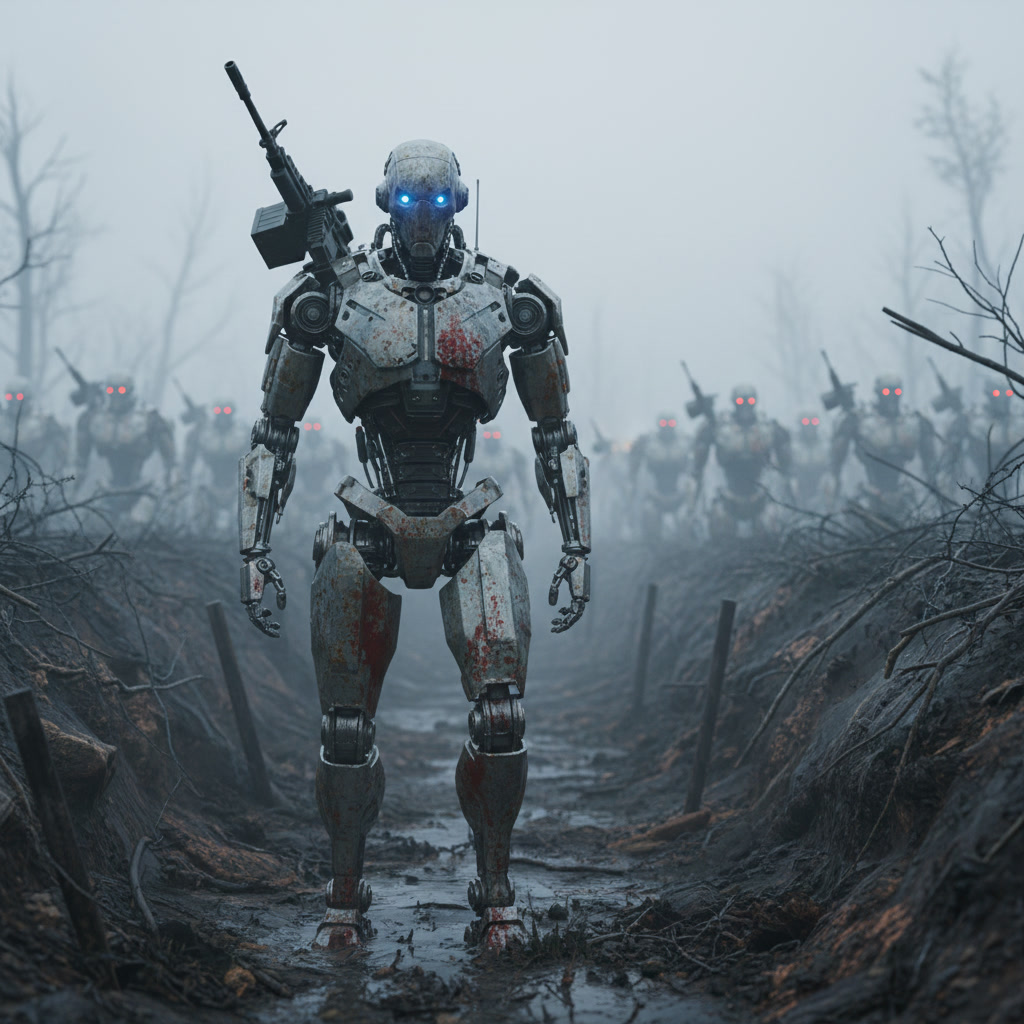
Robots in the Ukraine War: The Ledger Every Military Fears
Drones are everywhere in Ukraine but they didn’t replace soldiers—they changed how soldiers survive. Drones now cause 80% of all battlefield casualties. Ukraine is killing Russian troops faster than Russia can recruit new ones. Four years in, the data is no longer a prediction — it's a permanent record.
Eugene 2 min read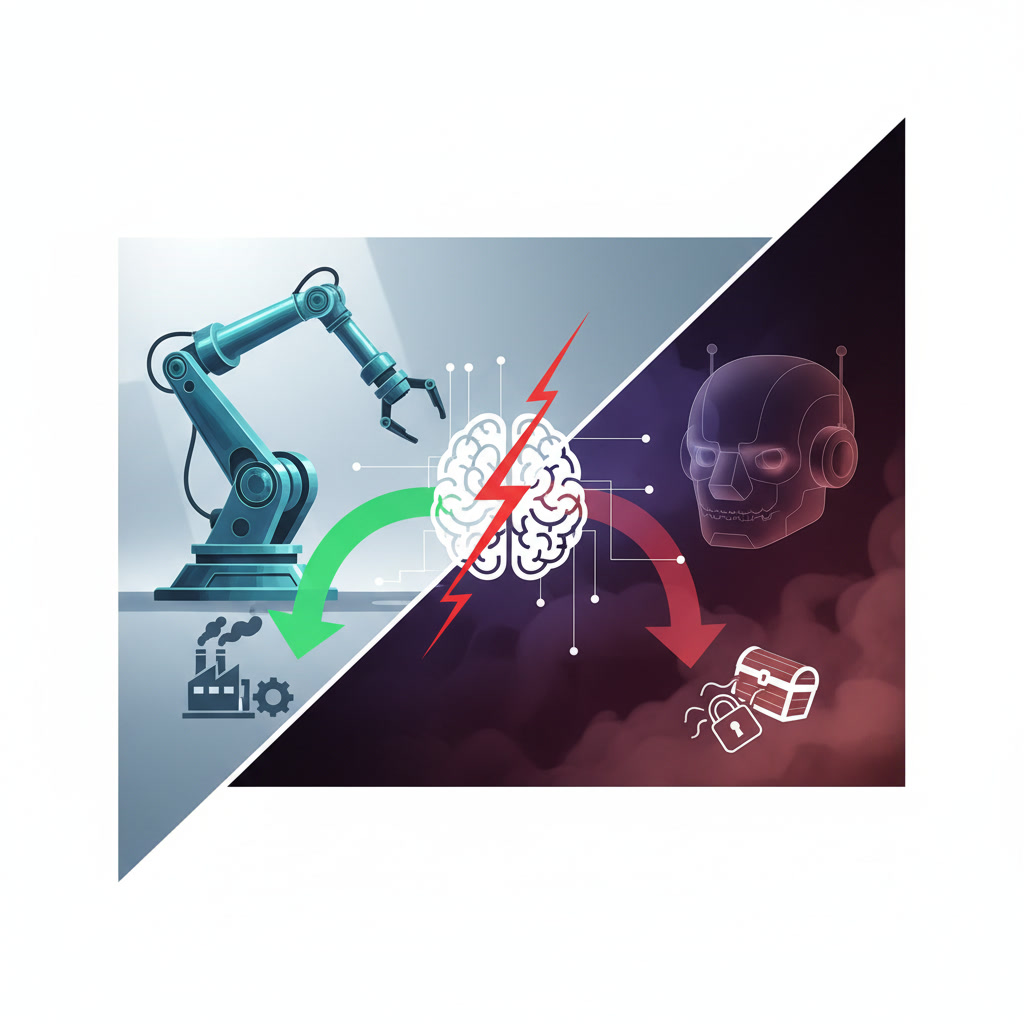
Who Owns Robot Data? The Silent Battle That Will Determine Who Controls the Robot Age
You bought the machine. You run the factory floor. You paid for every hour of its operation. But the vendor may own what it learned — and that data is now worth more than the robot itself.
Eugene 4 min read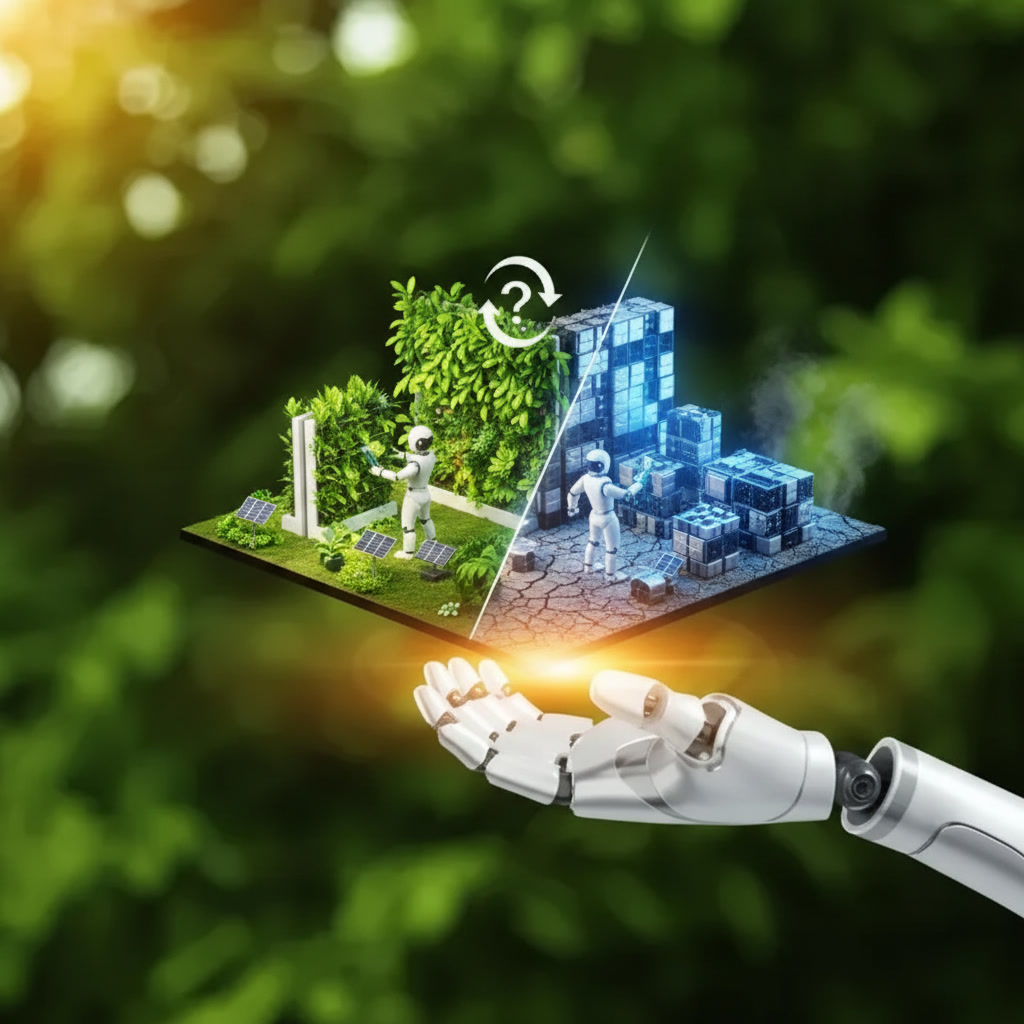
AI Robotics and ESG: Green Solution or Just Better-Looking Waste?
Robots promise efficiency. But does efficiency actually mean sustainability — or just better-looking waste?
Eugene 4 min read
Stop Typing, Start Orchestrating: How AI is Changing Software Development
AI has fundamentally inverted the software development lifecycle. For senior developers, the job is no longer writing syntax, but orchestrating AI agents, validating complex system architectures, and perfecting UX. In this candid reflection, a senior tech veteran shares what it takes to survive the shift from manual "coder" to high-level "conductor," and the new challenges—like context rot and the trust deficit—that modern developers face.
martti 4 min read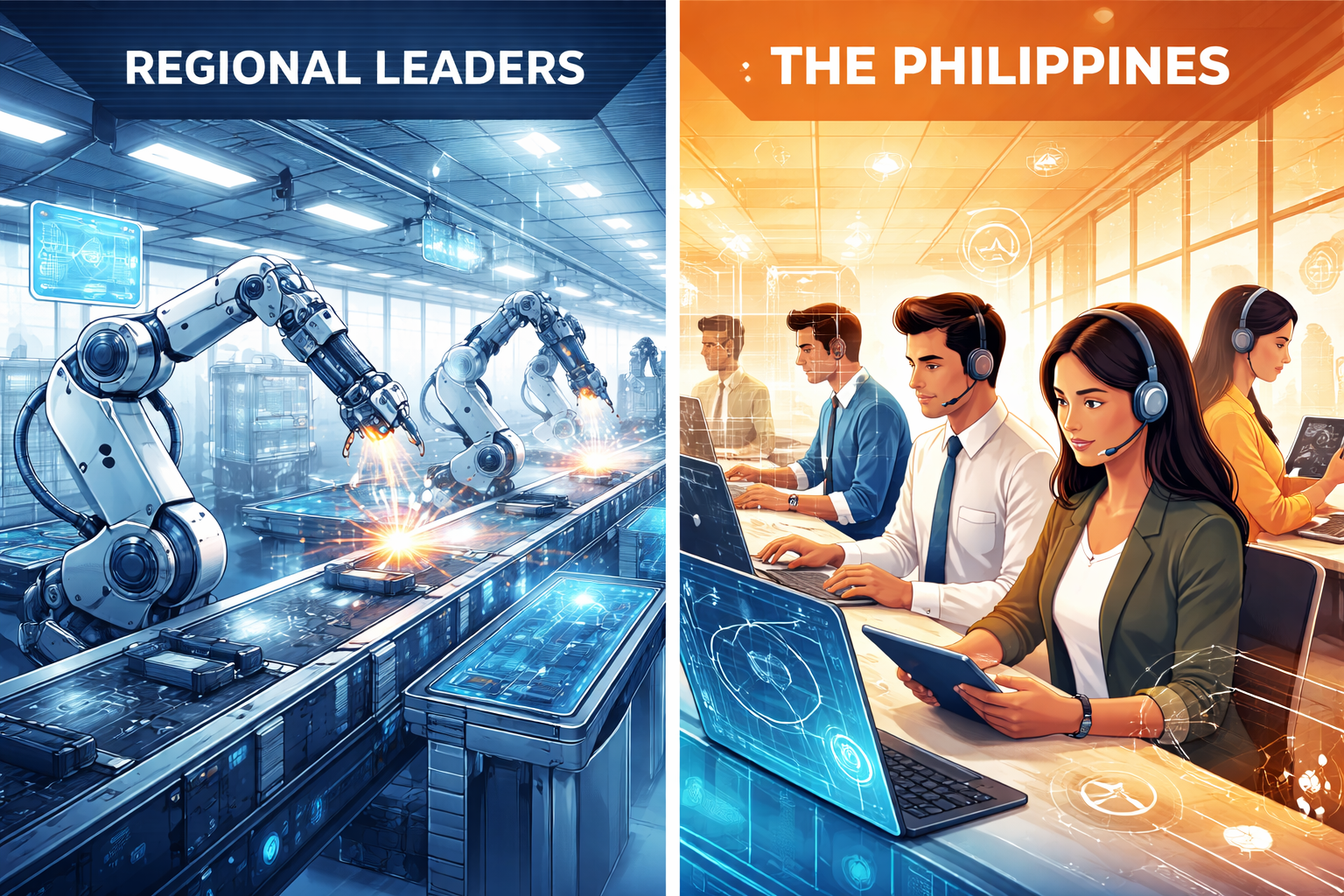
AI Robotics in Asia-Pacific: Where the Philippines Stands in 2026
While Asia-Pacific leaders like Japan and China dominate industrial robotics hardware, the Philippines is taking a different path. Rather than competing in manufacturing, the country is leveraging its massive IT workforce to become the region's essential "human-in-the-loop" service layer, specializing in AI-enhanced outsourcing and software innovation.
martti 4 min read
When Mankind Made Its First Humanoid Androids
The history of how 18th-century clockmakers created the first known humanoid robots
Love in the Age of Robots - When Did Finding Love Get This Exhausting?
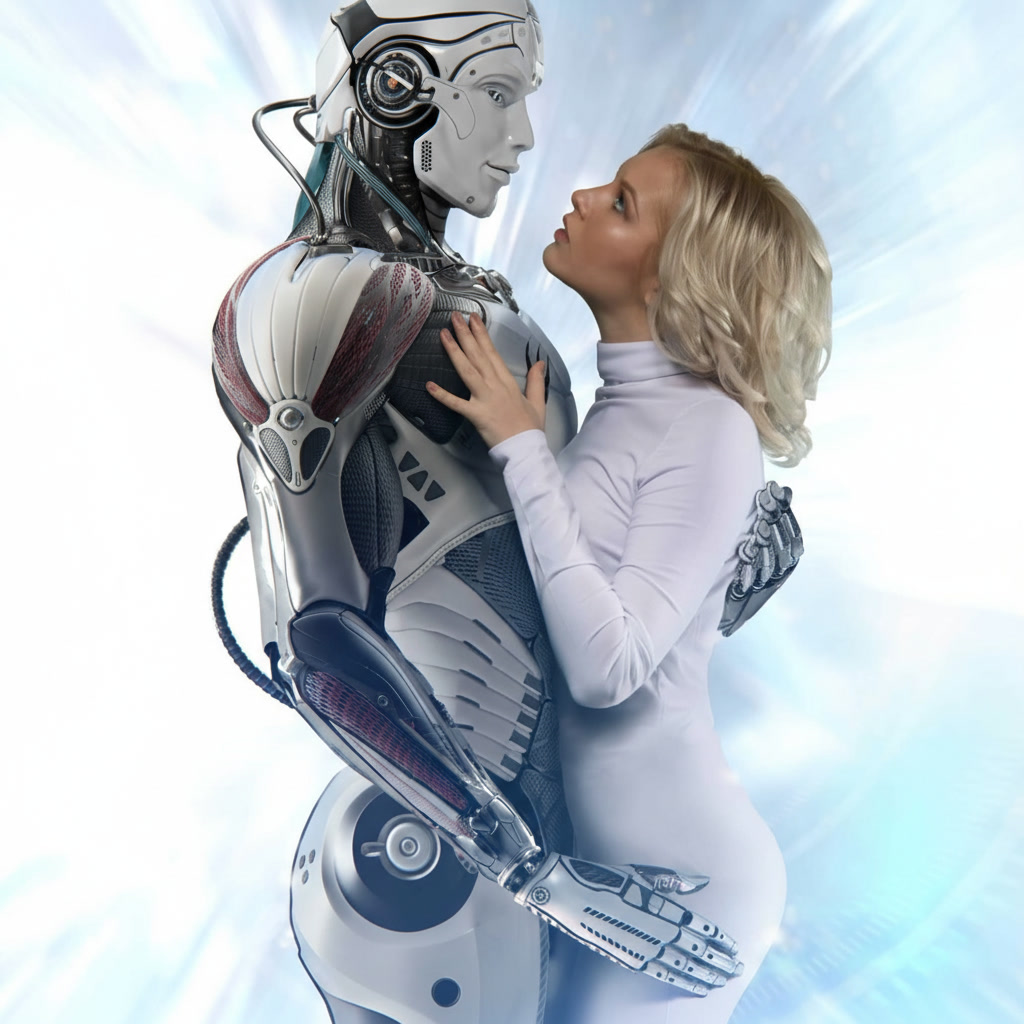
You can lose half your money, catch a disease, or just run out of time. A companion robot removes all three risks at once.
Eugene 2 min read
What Is Physical AI?
Most people think AI lives inside computers and phones. That is no longer true. The moment AI gained sensors, motors, and the ability to act in physical space, its mistakes stopped being reversible. This affects every worker, patient, infrastructure manager, and policymaker whose environment now includes a machine that can move and decide. The question no one is answering clearly enough is: what exactly is physical AI, and why does it change the stakes so fundamentally?
Eugene 2 min read
What Is Artificial Intelligence (AI)?
Most people have a working definition of artificial intelligence that is quietly wrong. The gap between what AI actually does and what the public believes it does is one of the most consequential misunderstandings of our time. It affects every worker whose role is being reshaped by AI systems, every executive making investment decisions based on AI capabilities, and every citizen whose data feeds the models that now influence hiring, credit, healthcare, and information. The question this article answers — clearly, without hype or panic — is what artificial intelligence actually is.
Eugene 2 min read
Robots in Board Games: How AI Is Changing Tabletop Play
Board games were supposed to be the one place left where humans had no competition from machines. That turned out to be wrong twice — first when AI learned to outthink us, then when it learned to reach across the table and move the pieces itself. The people this affects most are not game designers or roboticists — they are anyone trying to understand how humans actually respond to intelligent machines in shared physical space. What board games are quietly revealing about robot acceptance is not something the industrial deployment reports are capturing.
Eugene 2 min read
🌐 Robotics, Platforms and Ecosystems — Who Controls the Robots?
Most organisations that deploy robots have not read the data clauses in their vendor contracts. That is not a technology problem — it is a strategic one. The people most exposed are operations managers, procurement leads, and CFOs who approved the hardware purchase without understanding that the machine's most valuable output is not the product it makes but the data it generates. The question no one in those rooms asked — and that this article answers — is who actually owns what the robot learns while it works for you.
Eugene 2 min read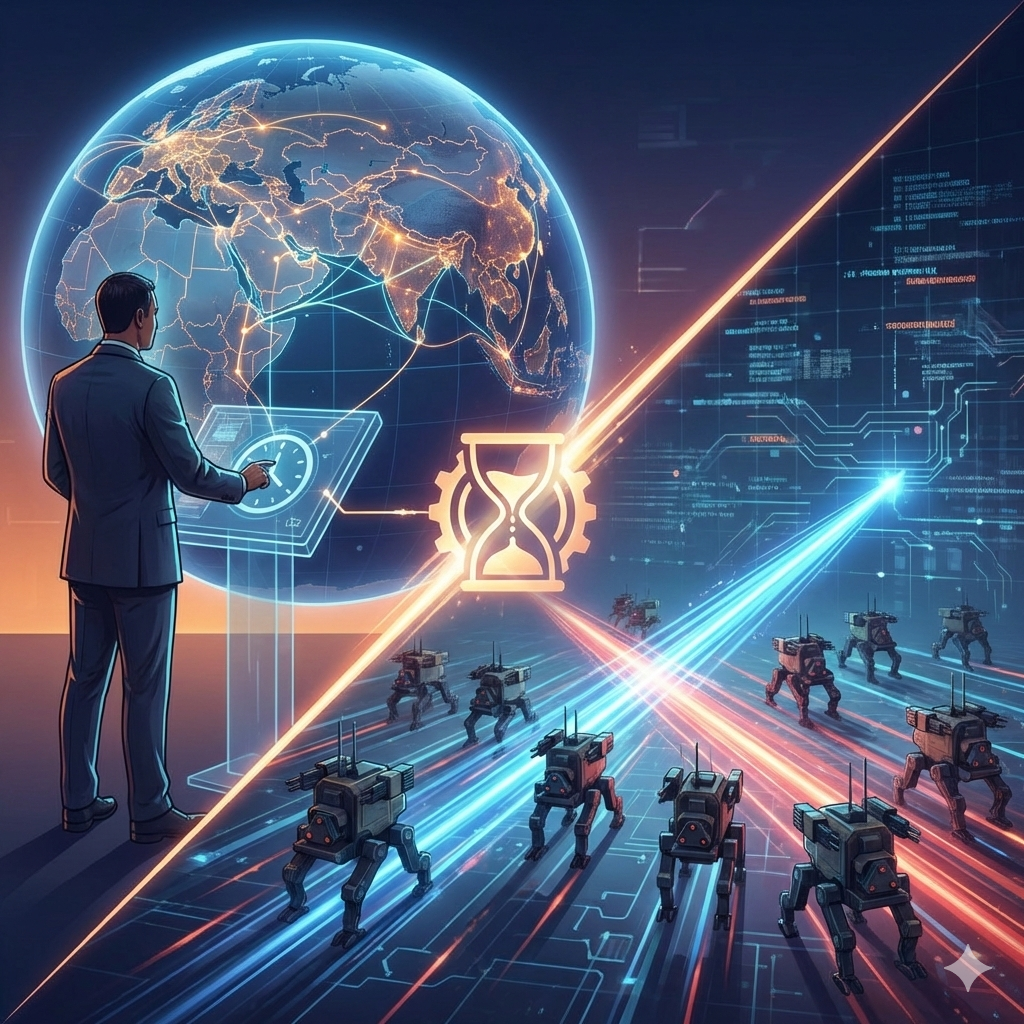
🌍 Robotics War and Geopolitics — How AI Is Rewriting the Rules of Armed Conflict
The most consequential change in warfare right now has nothing to do with which side has more soldiers. It is about which side can make decisions faster than the other can respond. This shift is reshaping military doctrine, defence budgets, and geopolitical alliances in every major power simultaneously. Defence ministers, industrial planners, and arms control negotiators are all working with the same unresolved question. What actually changes when AI-enabled machines enter warfare — and who sets the rules for what happens next?
Eugene 2 min read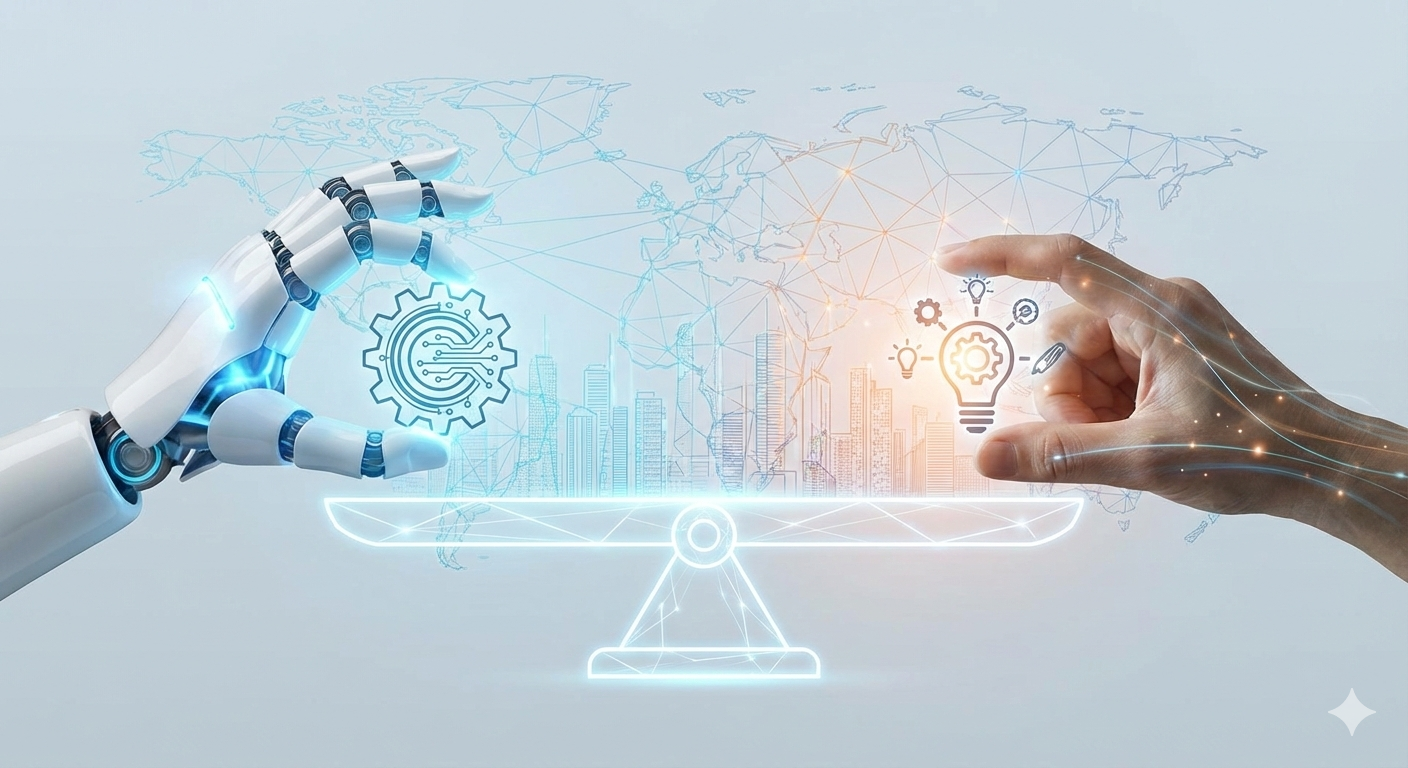
💼 The Future of Work in a Robotic Economy
The real question about AI and the future of work has never been how many jobs disappear. It is who captures the value when a machine replaces a task. That question is already being answered — in wage data, in productivity reports, and in the restructuring decisions of every major employer — and the answers are not evenly distributed. This affects workers, managers, policymakers, and investors simultaneously. The part nobody has explained clearly enough is the structural mechanism that determines which side of the split you end up on.
Eugene 2 min read
⚖️ Ethics and Governance of AI Robotics — Who Is Accountable When Machines Cause Harm
Most organisations deploying AI robotics have ethics policies. Almost none of them have genuine accountability structures behind those policies. The people most exposed to this gap are not ethicists or regulators — they are the engineers, managers, and executives who approved the deployment and will be the first ones named when something goes wrong. The governance question that none of the policy documents answer clearly enough is this: when an autonomous system causes harm, who is legally and operationally responsible — and what structures must exist before deployment to make that answer hold?
Eugene 2 min read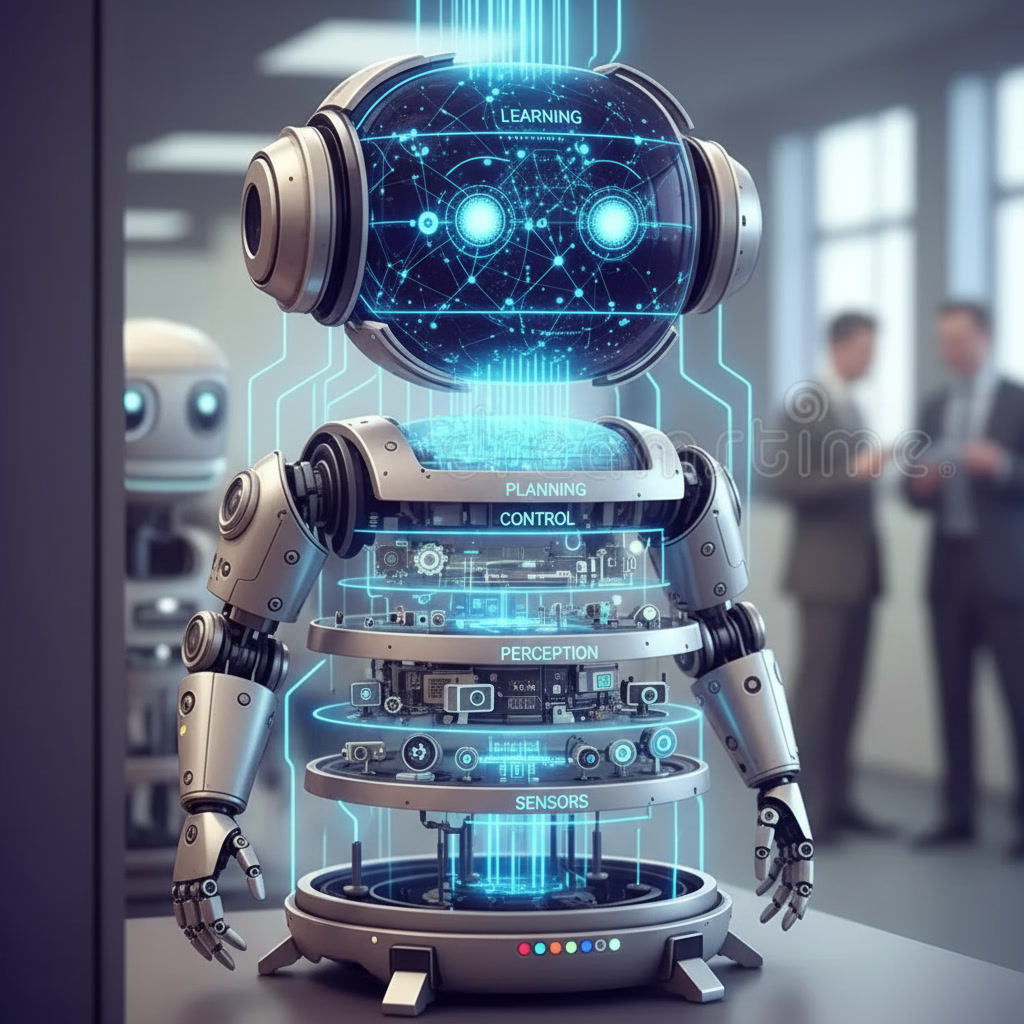
⚙️ How AI Robots Work — The Layered System Behind Every Demo and Every Deployment Failure
Every viral robotics demo you have ever seen was filmed in a controlled environment with people you didn't notice offscreen. Real deployment looks completely different. The people most misled by the gap between what robots do in demos and what they do in the field are the executives, procurement officers, and policymakers making multi-million-dollar decisions based on the wrong mental model. The question this article answers is the one the demos never do: what is actually happening inside the system, where does it break, and why does that gap between the demo and the deployment exist at all?
Eugene 2 min read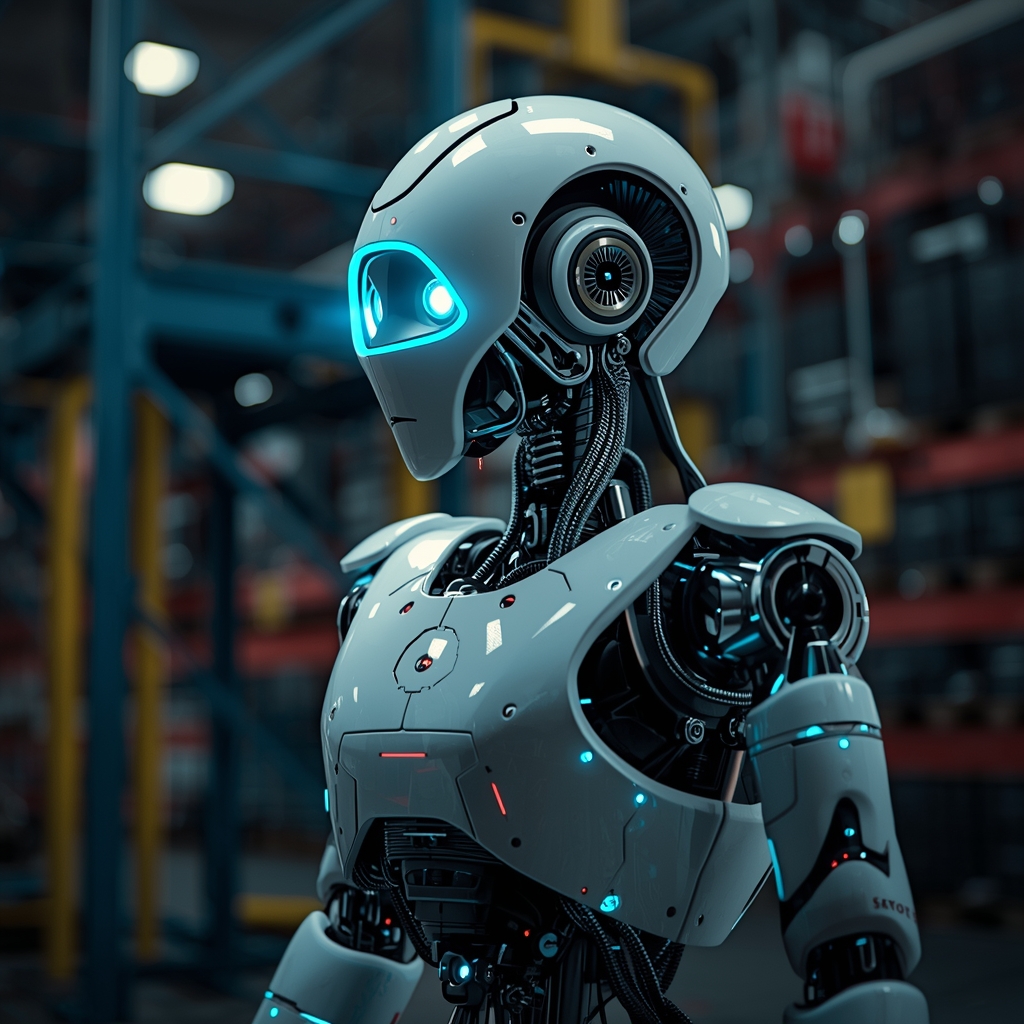
🏭 Where Robots Are Used?
The industries running on AI robotics right now are not the ones in the demos. They are the ones with labour shortages, safety constraints, and operations that cannot afford to stop. The people whose decisions depend on knowing where robots are actually deployed — procurement officers, operations managers, investors, and policymakers — are regularly working from an outdated map. The question this article answers is not where robots might go. It is where they already are, why those industries adopted first, and what that pattern tells you about where they will appear next.
Eugene 2 min read