China’s Embodied AI Surge: 150 Companies, $2.8B in One Quarter, and a Pricing Problem Nobody Is Talking About
This article maps the full landscape explains why the government is treating embodied AI as a national strategic priority, and identifies the four signals (IPO filings, RaaS pricing, component cost trajectories, and secondary market formation) that will determine whether this sector transitions from demonstration to deployment at scale.
Something unusual happened in the first quarter of 2026. A single industry sector in China absorbed more than RMB 20 billion, roughly $2.8 billion, in disclosed investment in just three months. That figure exceeded the entirety of 2025’s investment activity in the same space. Seven new companies crossed the RMB 10 billion valuation threshold in that period alone, bringing the total unicorn count to ten. The sector now has over 150 active companies, more than 330 distinct robot models on the market, and a government policy framework that treats it as a national strategic priority on par with semiconductors.
The sector is embodied AI. And if you have not been paying close attention to what China is building here, the scale of what is happening will surprise you.
What Is Embodied AI — and Why Does the Definition Matter?
Most people who encounter the term “embodied AI” assume it is a synonym for humanoid robots. That assumption is understandable but incorrect, and the distinction matters enormously for understanding the market.
Embodied AI refers to artificial intelligence that does not merely process information in a server rack or respond to text prompts, it perceives, reasons, and acts within a physical environment through a body. The “embodiment” is the critical element: the AI system must interact with the real world through sensors, actuators, and physical form, learning from and responding to the environment in real time.
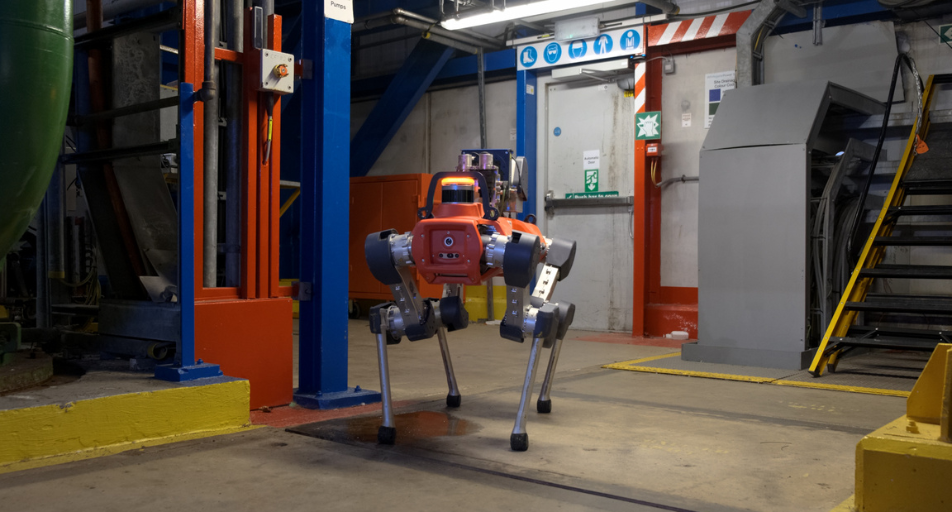
A humanoid robot, one that walks on two legs, has arms, and resembles a human, is one form of embodied AI. But it is far from the only one. A quadruped robot dog navigating a factory floor, a wheeled logistics robot autonomously managing warehouse inventory, a robotic arm on an automotive assembly line that adapts its grip force based on tactile feedback, a drone performing infrastructure inspection, all of these are embodied AI systems when they are powered by the kind of adaptive, perception-driven intelligence that modern foundation models enable.
The reason this distinction matters is that the commercial opportunity in embodied AI is not limited to the humanoid form factor. The underlying technology, Vision-Language-Action (VLA) models, cross-embodiment learning, dexterous manipulation intelligence, and real-time physical reasoning — is increasingly being designed to run across multiple hardware platforms. Companies like Spirit AI (自变量机器人), backed by CATL, Huawei, and Xiaomi, explicitly describe their product as a “universal robot brain deployable across multiple hardware platforms.” Their foundation model was the first from China to top the RoboArena global leaderboard, surpassing NVIDIA’s entries. The brain, in other words, is becoming separable from the body.
This architectural shift is what makes embodied AI a platform business, not just a hardware business. And it is why China’s investment in this space is not simply a bet on humanoid robots — it is a bet on the next general-purpose computing layer.
Why China Is Treating Embodied AI as a National Priority
To understand why Beijing has committed to embodied AI at a structural policy level, it helps to understand the strategic logic that drives China’s industrial technology programs.
China’s manufacturing sector employs approximately 120 million people. Its demographic trajectory, such as a rapidly ageing population, a shrinking working-age cohort, and rising labour costs, means that the country faces a productivity crisis within the next decade unless it can automate at scale. The government has been explicit about this. The 15th Five-Year Plan (2026–2030) designates embodied intelligence as one of ten priority “future industries,” alongside quantum computing, advanced materials, and next-generation energy. This is not aspirational language. It comes with direct capital allocation, procurement guarantees, and regulatory frameworks designed to accelerate commercial deployment.
The policy architecture is layered and deliberate. At the national level, the Ministry of Industry and Information Technology (MIIT) released China’s first National Standard System for Humanoid Robots in February 2026, a top-level design covering the entire industrial chain and lifecycle. The National Development and Reform Commission (NDRC) and the National AI Industry Fund (Phase III, colloquially known as “Big Fund III”) are providing direct equity investment in leading companies. The National AI Industry Fund recently led Galbot’s RMB 2.5 billion Series A+ round, with co-investors including Sinopec, CITIC Group, Bank of China, and SAIC Financial Holdings, a constellation of state capital that signals the strategic importance attached to this company.
At the city level, the commitment is equally concrete. Beijing has established a RMB 100 billion, 15-year investment fund dedicated to AI and robotics. Shanghai’s Lingang New Area Special Economic Zone has become the most concentrated embodied AI cluster in the world, offering dedicated land, tax incentives, and procurement guarantees to affiliated companies. Shenzhen, Hangzhou, Hefei, and Suzhou have each established their own guidance funds and innovation centers.
The government has also built shared infrastructure. The Beijing Humanoid Robot Innovation Center, known as X-Humanoid, developed the open-source “Tiangong” (天工) general-purpose humanoid platform and made it available to affiliated companies as a shared development baseline. Shanghai’s equivalent center developed the “Qinglong” (青龙) platform. These open-source reference designs lower the barrier to entry for new companies while ensuring that the broader ecosystem develops on a common technical foundation.
There is also a geopolitical dimension that Beijing is not subtle about. The race to lead in embodied AI is explicitly framed as a competition with the United States. China’s ability to produce humanoid robots at a fraction of the cost of American competitors — Unitree’s G1 humanoid is priced at under $16,000, compared to Boston Dynamics’ Atlas at over $150,000 — is seen as a strategic advantage that the government intends to press. The NDRC did issue a rare public warning in late 2025 about the risk of “redundant products, duplicated investment, and compressed R&D space” given that the number of companies had exceeded 150. But this warning was a signal of impending consolidation management, not a retreat from the sector.
Embodied AI Across Robot Forms: It Is Not Just About Humanoids
The humanoid robot captures the imagination and dominates the headlines. But a more accurate picture of China’s embodied AI market requires looking at the full spectrum of physical forms in which this intelligence is being deployed.
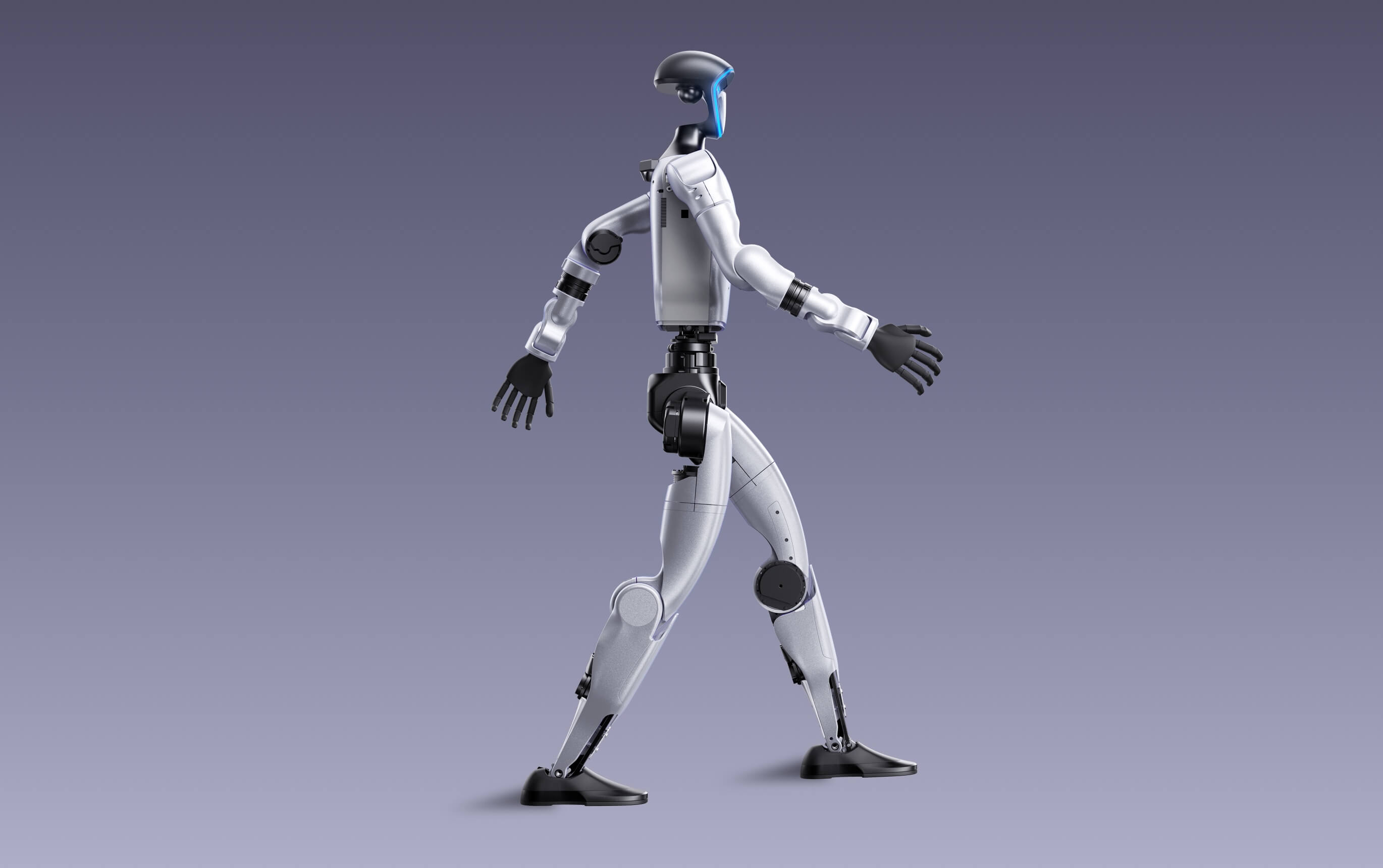
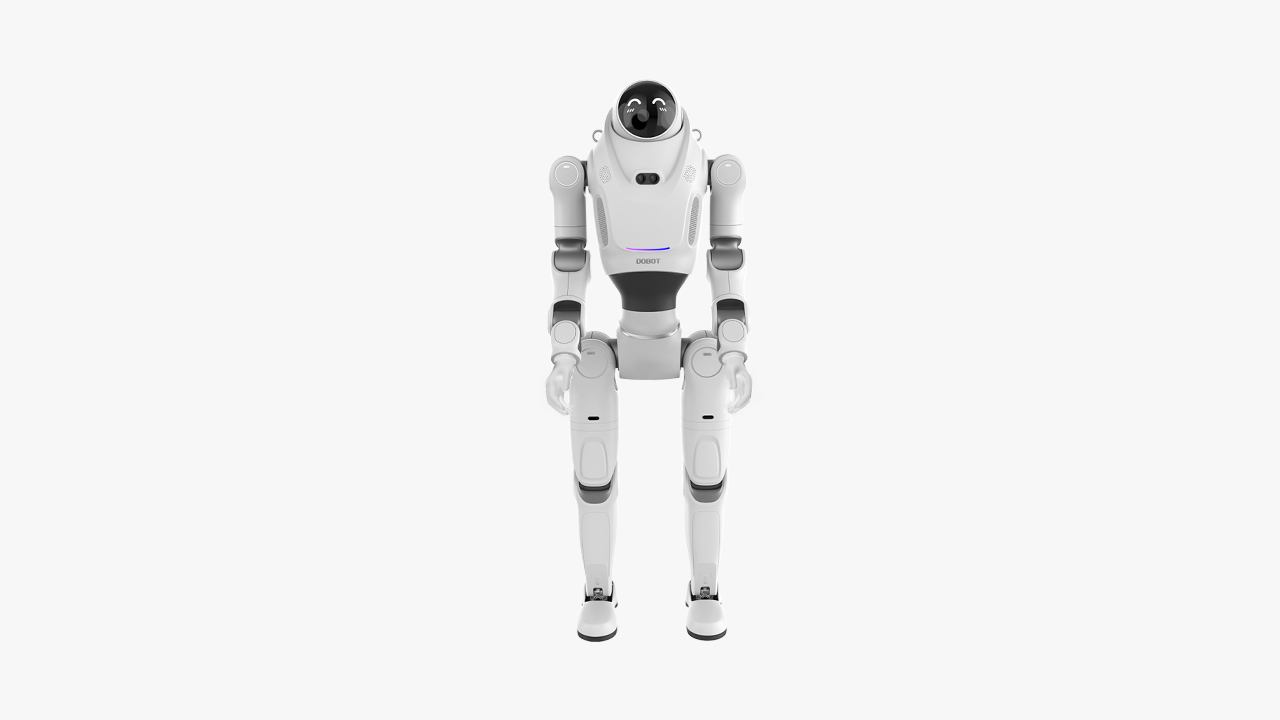
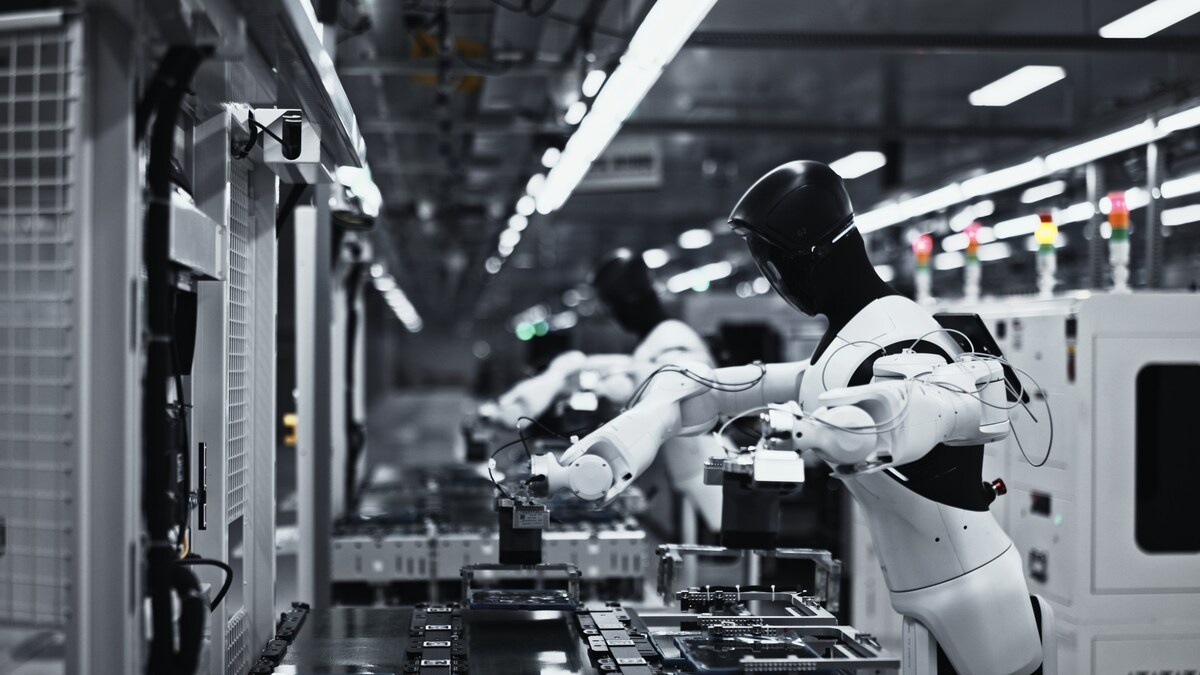
Bipedal humanoids are the most visible category. Companies like UBTECH (优必选), AgiBot (智元机器人), Unitree (宇树科技), Leju (乐聚机器人), and Fourier Intelligence (傅利叶智能) are producing full-size bipedal robots for industrial and service applications. AgiBot’s A2 is deployed in BYD and SAIC automotive factories. UBTECH’s Walker S2 is in mass production with orders exceeding RMB 800 million. These are not demos, they are production-line deployments, albeit still at pilot scale.
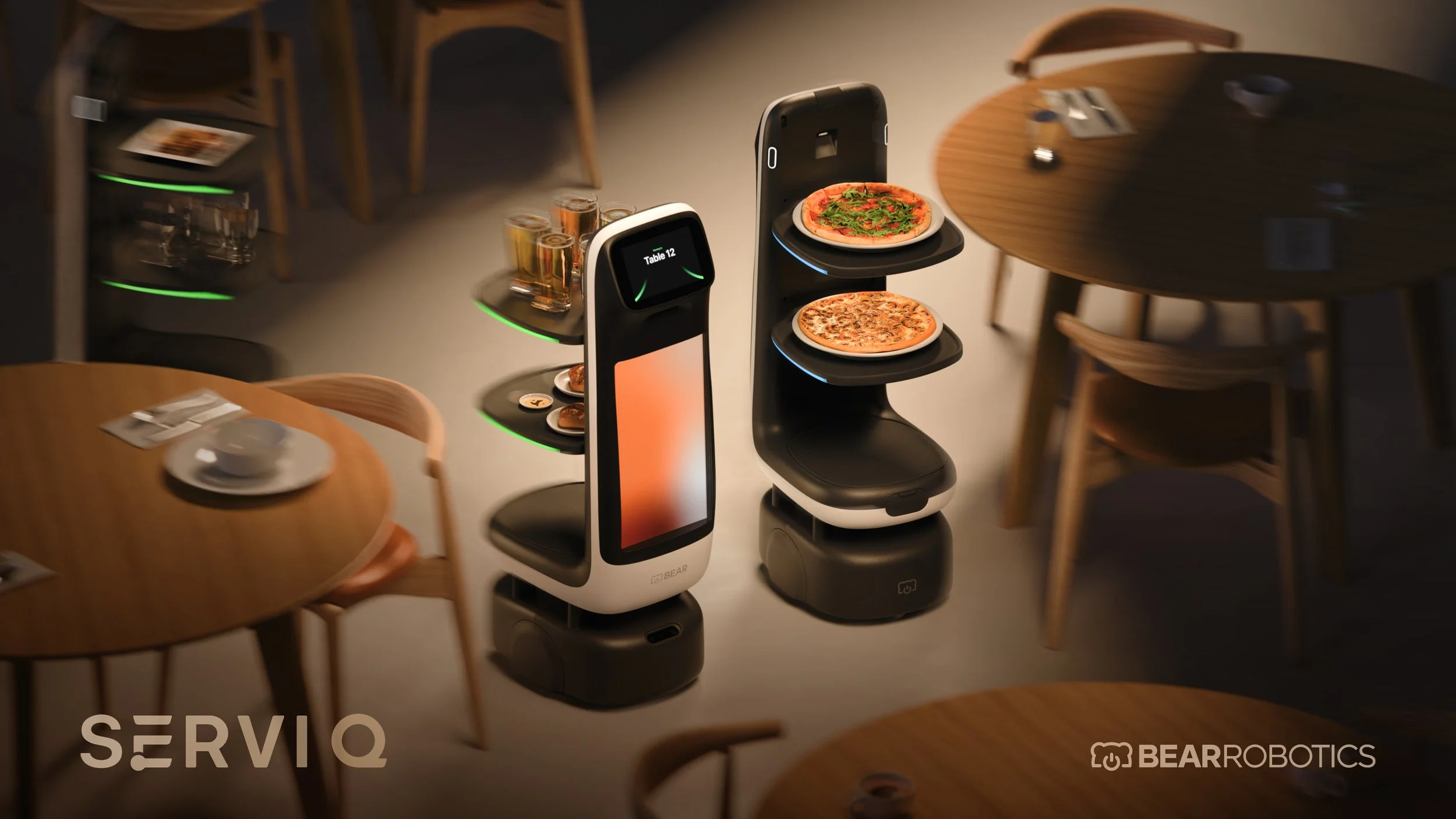
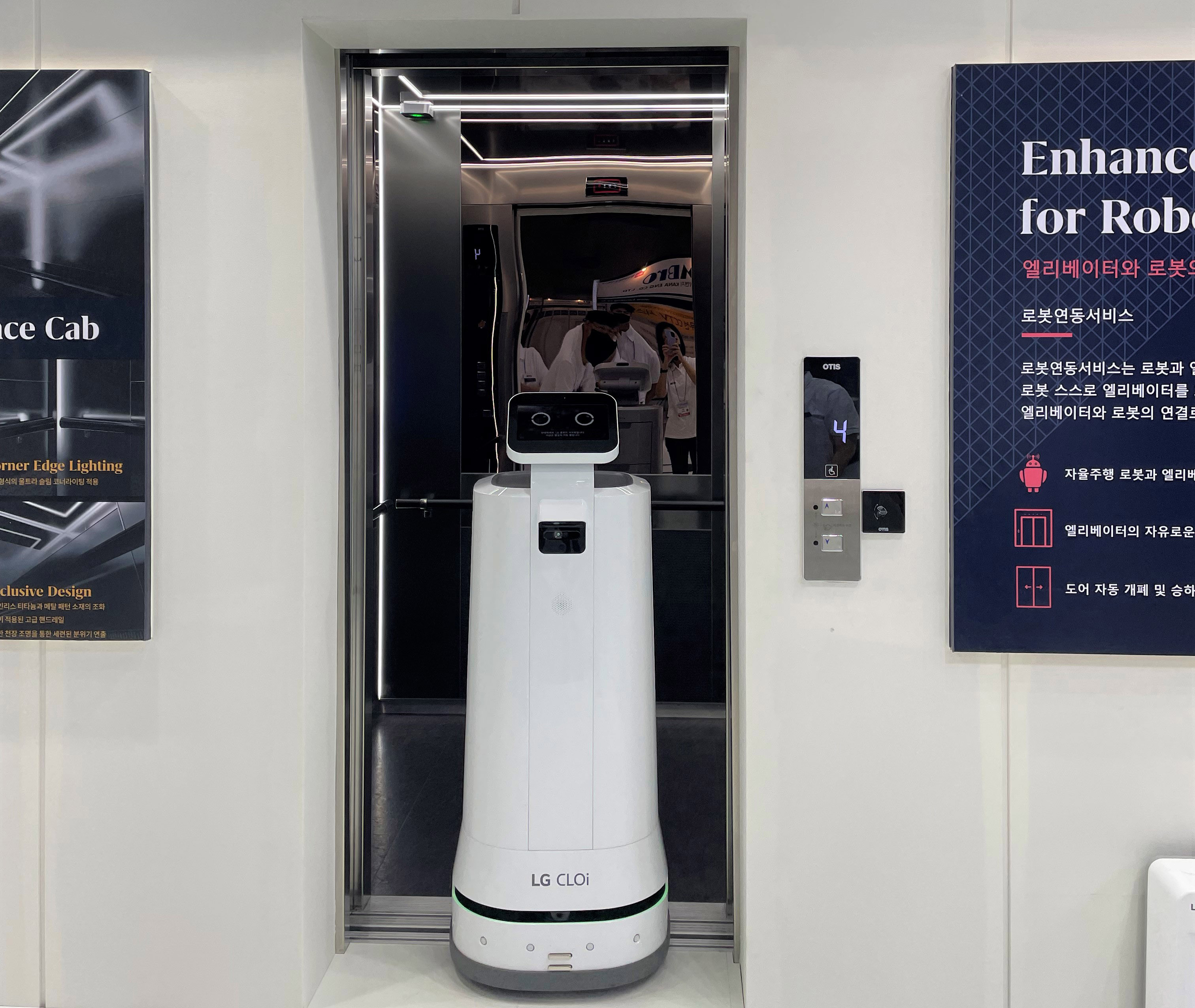
Wheeled humanoids represent a pragmatic middle ground that is gaining significant commercial traction. Galbot’s G1, a wheeled humanoid designed for retail shelf management and logistics, is operating in robot-run retail outlets in partnership with Meituan. GigaAI’s SeeLight S1 is a wheeled humanoid home assistant. Zhipingfang (智平方) focuses on wheeled humanoids for logistics and service applications. The wheeled form factor sacrifices bipedal agility for dramatically improved stability, payload capacity, and operational reliability, a trade-off that makes commercial sense in structured environments like warehouses and retail floors.
Quadruped robots (four-legged, dog-like platforms) were the commercial proving ground for embodied AI before humanoids captured the spotlight. Unitree’s B2 quadruped carries a 60-kilogram payload and is commercially available at approximately $30,000. Deep Robotics’ Jueying series has achieved commercial deployment in industrial inspection. These platforms are now being upgraded with embodied AI capabilities, the same VLA models powering humanoid manipulation are being adapted for quadruped navigation and inspection tasks.
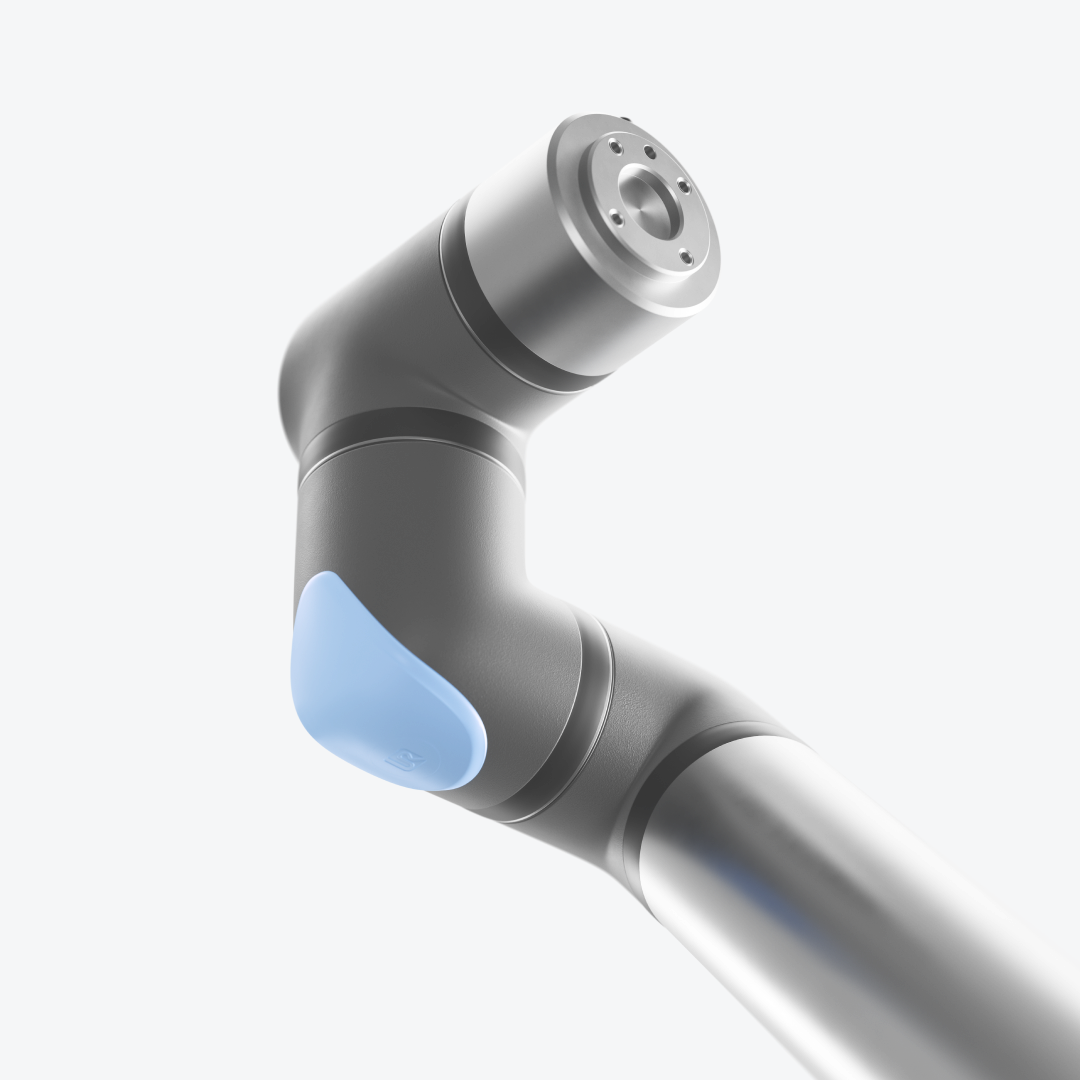
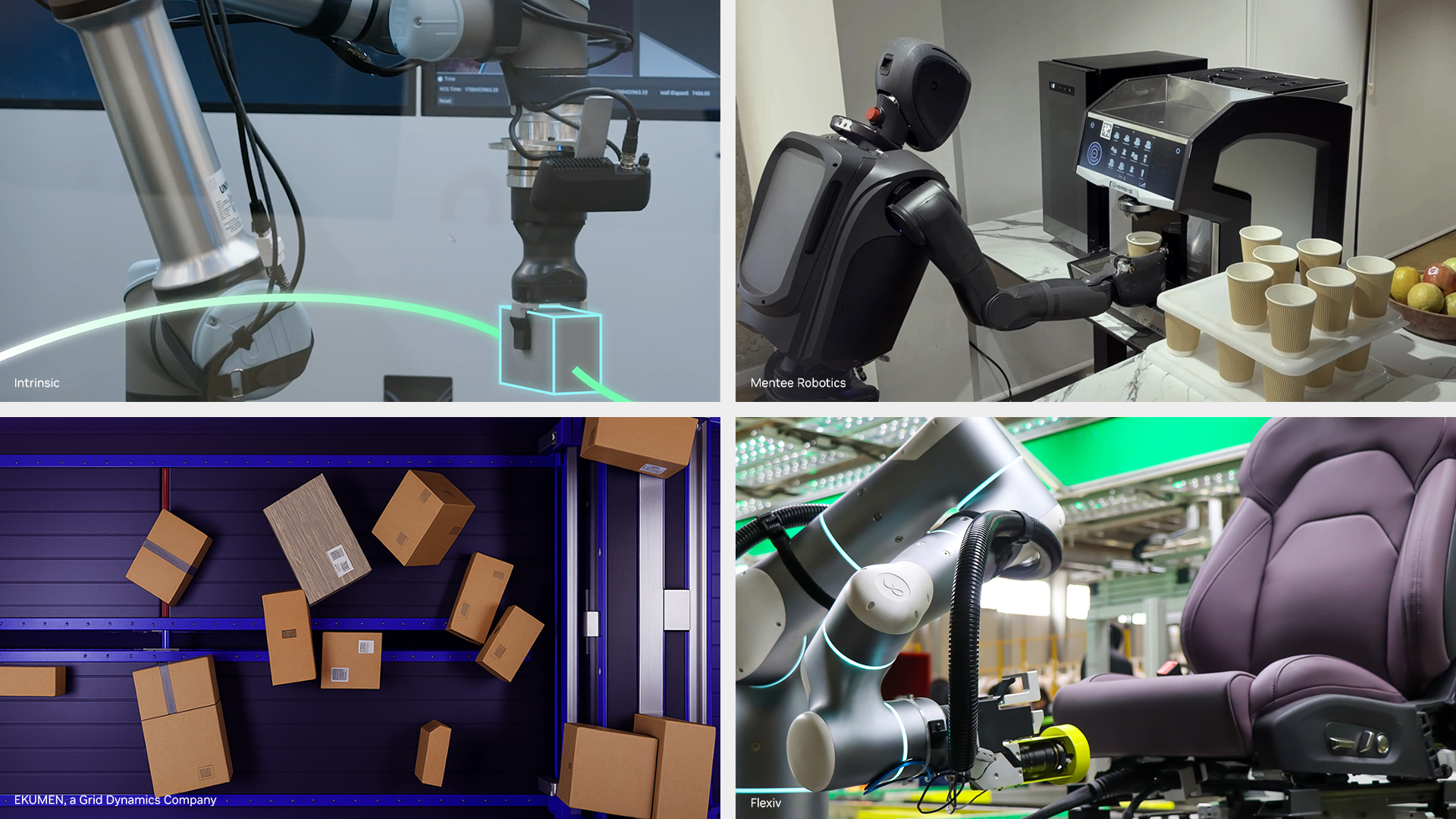
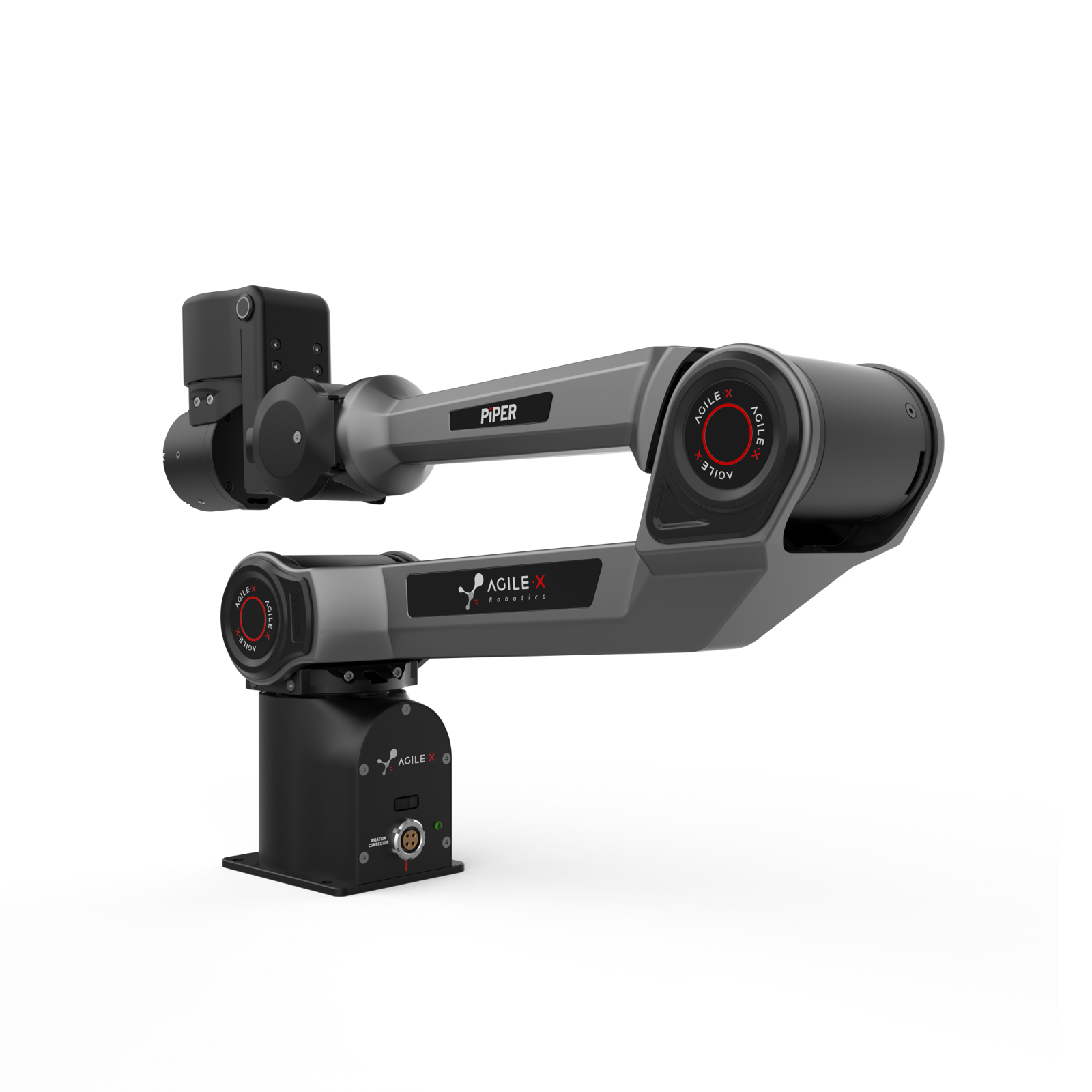
Robotic arms and manipulation systems are where embodied AI is making the most immediate industrial impact. Flexiv (非夕科技), a Sino-American company founded by Stanford PhD graduates, pioneered adaptive robot arms with force-torque sensing. Agile Robots (思灵机器人), co-founded with the German Aerospace Center (DLR), focuses on force-sensitive manipulation. These are not new products, but the integration of embodied AI foundation models is transforming them from programmed tools into adaptive systems capable of handling unstructured tasks.
The common thread across all these form factors is the intelligence layer. Spirit AI’s universal robot brain, TARS Robotics’ AWE3.0 (Autonomous World Engine) platform, and Noematrix’s Brain 2.0 are all designed to be hardware-agnostic. The embodied AI revolution is, at its core, a software and data revolution that is being expressed through multiple physical forms simultaneously.
What Do These Robots Actually Cost? A Realistic Price Comparison
This is where the market gets genuinely complicated, and where the gap between headline numbers and deployment reality becomes most visible.
Published list prices for Chinese humanoid robots have fallen dramatically over the past two years, driven by aggressive competition and government-subsidised manufacturing scale. The table below captures the current published price range for key platforms:
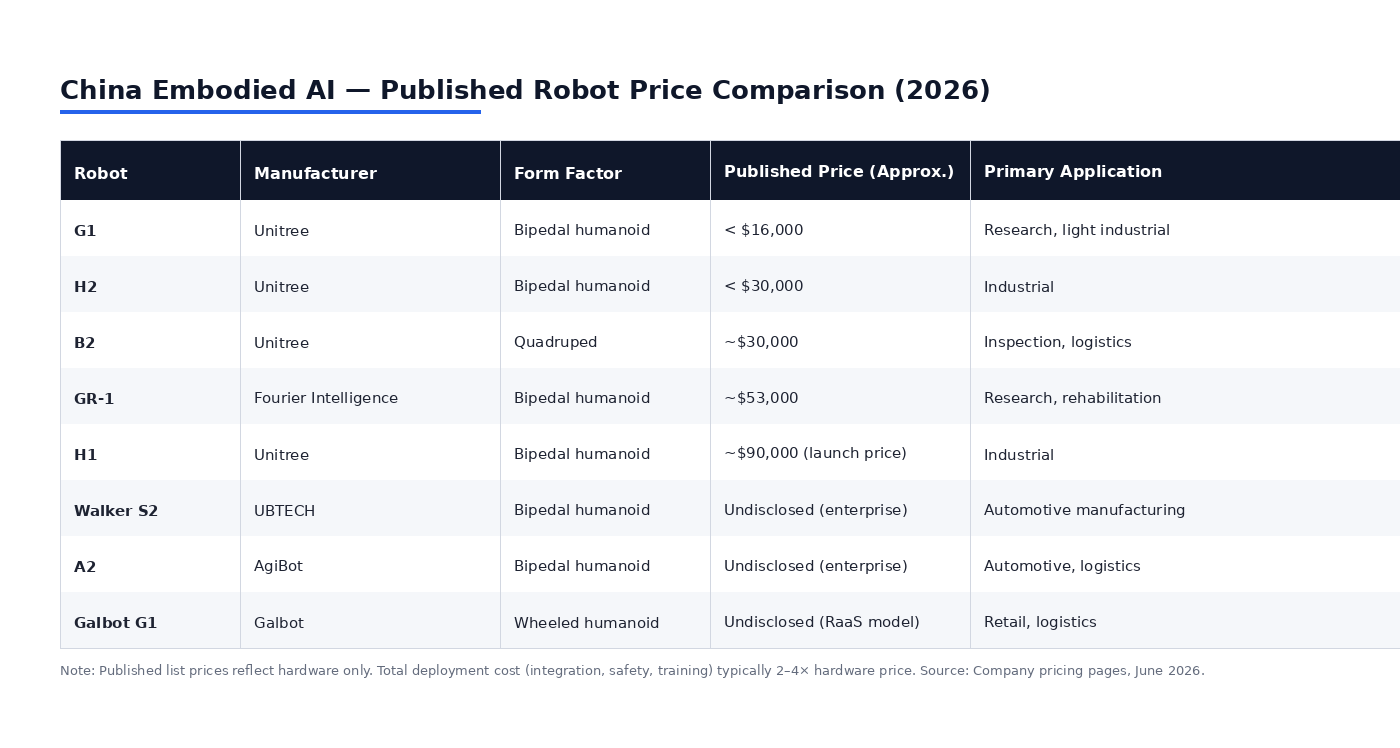
For context, a traditional 6-axis industrial robot arm from FANUC or KUKA costs between $25,000 and $80,000 for the hardware alone, with total deployment costs (integration, programming, safety infrastructure) typically running two to four times the hardware price. A collaborative robot (cobot) from Universal Robots or AUBO typically costs $30,000 to $60,000 for the hardware unit.
The headline humanoid prices, particularly Unitree’s sub-$16,000 G1, appear competitive with cobots on a hardware basis. But this comparison is misleading for several reasons. First, the published prices reflect hardware only; integration costs for a humanoid robot in an industrial setting are substantially higher than for a fixed-arm cobot, because humanoids operate in unstructured environments that require more complex safety systems, software integration, and operator training. Second, battery life of two to three hours means that continuous industrial operation requires either battery-swapping infrastructure or a Robotics-as-a-Service (RaaS) model with multiple units per deployment. Third, the dexterity limitations of current humanoid hands, a problem that companies like Lingxin Qiaoshou (灵心巧手) and Paxini (帕西尼感知科技) are working to solve with advanced tactile sensing, mean that many precision tasks still require human intervention.
A Morgan Stanley survey of potential industrial buyers found that only 23% were satisfied with current humanoid robot offerings. The RMB 200,000 ($28,000) threshold was cited as a critical pricing barrier for mass industrial adoption, a level that only Unitree’s G1 currently clears on a hardware basis, though not on a total deployment cost basis.
The honest picture is this: for research, light industrial tasks, and structured logistics environments, Chinese humanoid robots are now genuinely cost-competitive. For the kind of flexible, dexterous, unstructured-environment industrial work that would justify replacing human workers at scale, the technology is not yet there, and the total cost of ownership is not yet transparent enough for procurement teams to make confident decisions.
The Market Gap: Rankings Tell You What a Robot Can Do, Not What It Costs
The current market information environment for robotics is dominated by specification comparisons, capability leaderboards, and media coverage of viral demonstrations. These are useful for understanding what robots can do. They are not useful for understanding what robots cost to buy, deploy, or operate.
This gap matters more than it might initially appear. When a procurement manager at a logistics company wants to evaluate whether to deploy humanoid robots in a warehouse, the question is not “which robot has the best specification score?” The question is “what will this actually cost me per unit of work, and how does that compare to my current labour cost?” That question requires verified transaction prices, total cost of ownership data, and deployment cost benchmarks, none of which are currently available in any systematic, publicly accessible form.
The industry currently has quality rankings. It does not yet have price discovery. These are fundamentally different things, and the market will need both to mature.
What to Watch in 2026 and Beyond: The Pricing Signals That Matter
Given the extraordinary pace of investment and competition in China’s embodied AI sector, the most important questions for the next 12 to 24 months are not about which robot has the best specifications. They are about which companies can translate technical capability into commercially viable, scalably priced deployments.
The IPO wave will force price transparency. At least four major Chinese humanoid robot companies — UBTECH (already listed on HKEX), Unitree (targeting STAR Market at a RMB 50 billion valuation), AgiBot (targeting HKEX), and Leju (HKEX guidance accepted) — are in various stages of public listing. IPO filings require detailed disclosure of revenue, cost structure, and pricing models. The 2026 IPO wave will, for the first time, put verified financial data about humanoid robot economics into the public domain. This is the single most important near-term development for anyone trying to understand what these robots actually cost.
The RaaS model will reshape how prices are quoted. Several companies, including Galbot, are moving toward Robotics-as-a-Service pricing — charging per task, per hour, or per deployment rather than selling hardware units. This model makes economic sense for buyers who cannot justify large capital expenditures, but it makes price comparison extremely difficult. A robot that costs $16,000 to buy outright might cost $8 per hour on a RaaS contract, which translates to a very different total cost depending on utilization rates and contract terms. As RaaS models proliferate, the industry will need standardised pricing metrics to enable meaningful comparison.
Component cost trajectories will determine the floor price. The most significant cost drivers in humanoid robots are actuators (servo motors and harmonic drives), dexterous hands, tactile sensors, and the AI compute required for real-time inference. Chinese companies have made aggressive progress on actuator costs — Unitree’s ability to price the G1 below $16,000 is partly a function of its vertically integrated actuator manufacturing. The next cost frontier is dexterous hands: Lingxin Qiaoshou’s multi-fingered dexterous hand technology and Paxini’s tactile sensing systems represent the kind of component-level innovation that will determine whether the next generation of humanoid robots can clear the RMB 200,000 deployment cost threshold at full capability.
Consolidation will concentrate pricing power. The NDRC’s warning about “redundant products and duplicated investment” was a signal that Beijing expects — and may actively manage — a significant consolidation of the 150-plus company field. The survivors of this consolidation will have greater pricing power and more stable cost structures. The companies most likely to survive are those with the deepest government relationships, the strongest deployment track records, and the most defensible technology differentiation. Galbot’s state-capital investor base, AgiBot’s deployment data advantage through the AGIBOT World dataset ecosystem, and Unitree’s cost-efficiency moat are examples of the kinds of structural advantages that will matter in a consolidating market.
The question of what a robot is actually worth remains unanswered. As humanoid robots begin to appear in secondary markets — as companies upgrade hardware, as pilot deployments end, as leased units are returned — the question of residual value will become commercially significant. Unlike a used car or a used industrial robot arm, there is currently no reference price for a used humanoid robot. The used industrial robot market globally is valued at approximately $5.74 billion and is growing, but it operates with no standardised pricing infrastructure. For humanoid robots, this problem does not yet exist at scale — but it will, and the market that develops the tools to answer it will occupy a structurally important position in the robotics economy.
The Bigger Signal: China Is Building the Physical Layer of AI
The most important thing to understand about China’s embodied AI surge is that it is not primarily about robots. It is about physical AI — the extension of artificial intelligence from the digital world into the physical world, at industrial scale, with the full weight of state policy behind it.
The companies being built in Beijing’s Yizhuang district, Shanghai’s Lingang zone, and Shenzhen’s electronics manufacturing cluster are not building products. They are building the physical infrastructure of an AI-powered economy. The foundation models being trained by TARS, Spirit AI, Noematrix, and Galbot are not just robot controllers — they are general-purpose physical reasoning engines that will eventually run in factories, hospitals, logistics networks, and homes.
China’s structural advantages in this race are real: a manufacturing supply chain that can produce actuators, sensors, and electronics at a fraction of Western costs; a government willing to subsidise deployment at scale to generate the training data that makes these systems smarter; and a domestic market large enough to absorb the production volumes needed to drive costs down the learning curve.
The structural challenges are equally real: a commercialisation gap that has left 77% of potential industrial buyers unsatisfied; a pricing environment so opaque that buyers cannot make confident procurement decisions; and a competitive intensity that will inevitably produce failures alongside the successes.
“The industry currently has quality rankings. It does not yet have price discovery. These are fundamentally different things, and the market will need both to mature.”
The 2026 IPO wave, the emergence of RaaS pricing models, and the gradual development of secondary markets for used robots will collectively begin to answer the pricing question. But the answer is not yet available — and the absence of that answer is, at this moment, one of the most significant structural constraints on the industry’s transition from demonstration to deployment.
Sources
This article draws on company filings, disclosed funding data, government policy documents, and industry research current as of June 2026. All pricing figures are approximate and based on publicly available information; actual transaction prices may differ materially.
1. China’s 15th Five-Year Plan (2026–2030), National Development and Reform Commission — designation of embodied intelligence as a priority future industry.
2. Ministry of Industry and Information Technology (MIIT), National Standard System for Humanoid Robots, February 2026.
3. Galbot Series A+ funding announcement, National AI Industry Fund (Big Fund III) press release, Q1 2026.
4. UBTECH Robotics HKEX listing prospectus and post-listing disclosures, 2024–2026.
5. Unitree Robotics product pricing pages — G1 (<$16,000), H2 (<$30,000), B2 (~$30,000) — unitree.com, accessed June 2026.
6. Fourier Intelligence GR-1 product specifications and pricing, fourierintelligence.com, accessed June 2026.
7. Morgan Stanley Research, Humanoid Robots: Industrial Buyer Survey, 2025–2026 (survey data: 23% buyer satisfaction rate; RMB 200,000 pricing threshold cited).
8. AgiBot (智元机器人) deployment announcements — BYD and SAIC automotive factory deployments, company press releases, 2025–2026.
9. Spirit AI (自变量机器人) RoboArena leaderboard ranking announcement, company press release, 2026.
10. Beijing Humanoid Robot Innovation Center (X-Humanoid), Tiangong open-source platform release documentation, 2025.
11. Shanghai Lingang New Area Special Economic Zone embodied AI cluster investment incentive framework, municipal government disclosure, 2025–2026.
12. NDRC public warning on “redundant products and duplicated investment” in humanoid robotics, late 2025.
13. Global used industrial robot market valuation (~$5.74 billion), industry research aggregated from publicly available analyst reports, 2025.
14. Galbot G1 wheeled humanoid retail deployment partnership with Meituan, company announcement, 2026.
15. TARS Robotics AWE3.0 (Autonomous World Engine) platform documentation; Noematrix Brain 2.0 platform documentation, company materials, 2026.