🧠 What Is AI Robotics?
Most people think AI is about chatbots and spreadsheet tools. It isn't any more. The moment AI gained a physical body, the consequences stopped being digital and started being real. That shift affects manufacturers, warehouse workers, surgeons, and city planners right now. The question nobody is answering clearly enough is: what exactly changed, and what does it mean for the world you're already operating in?

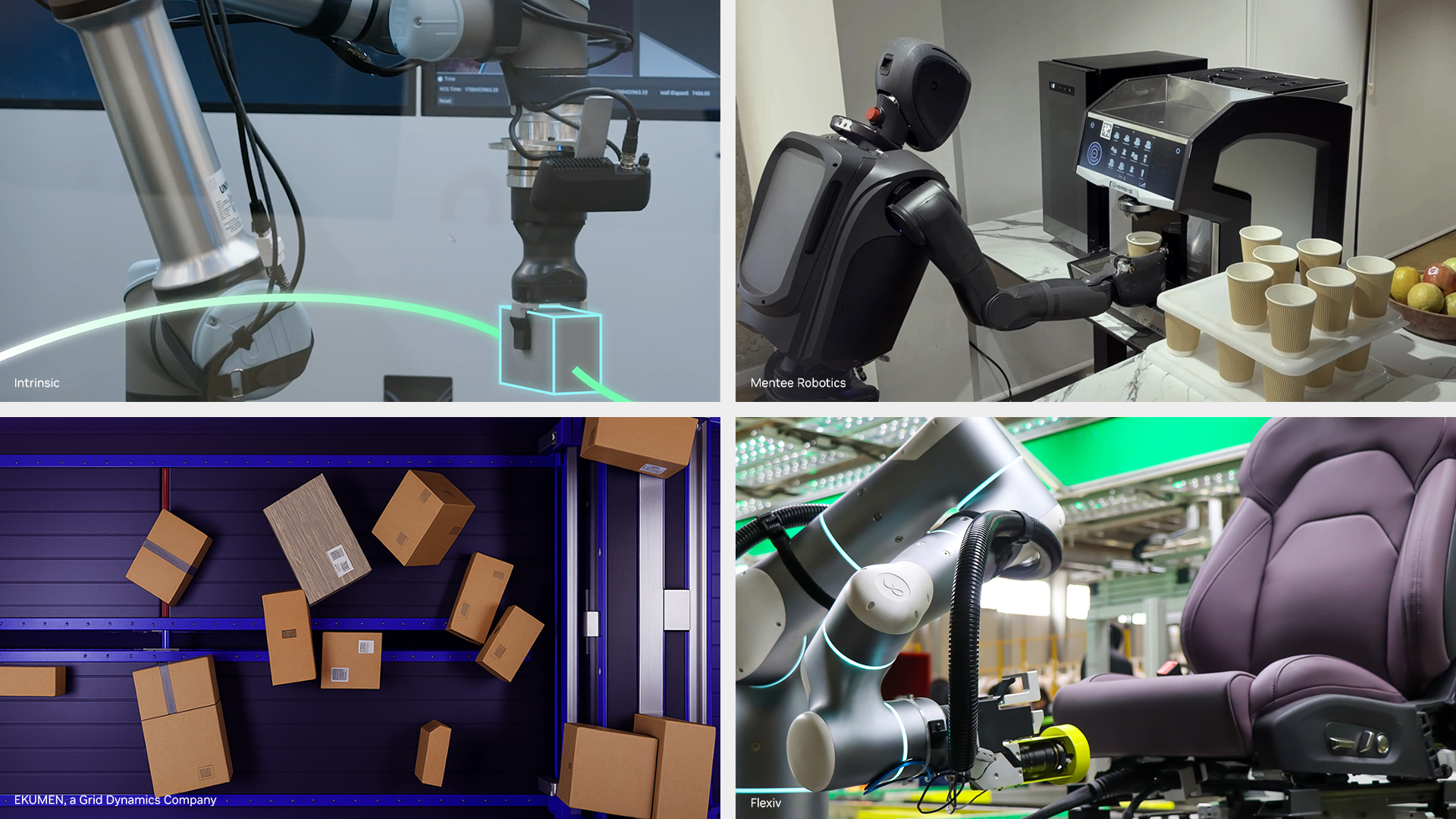
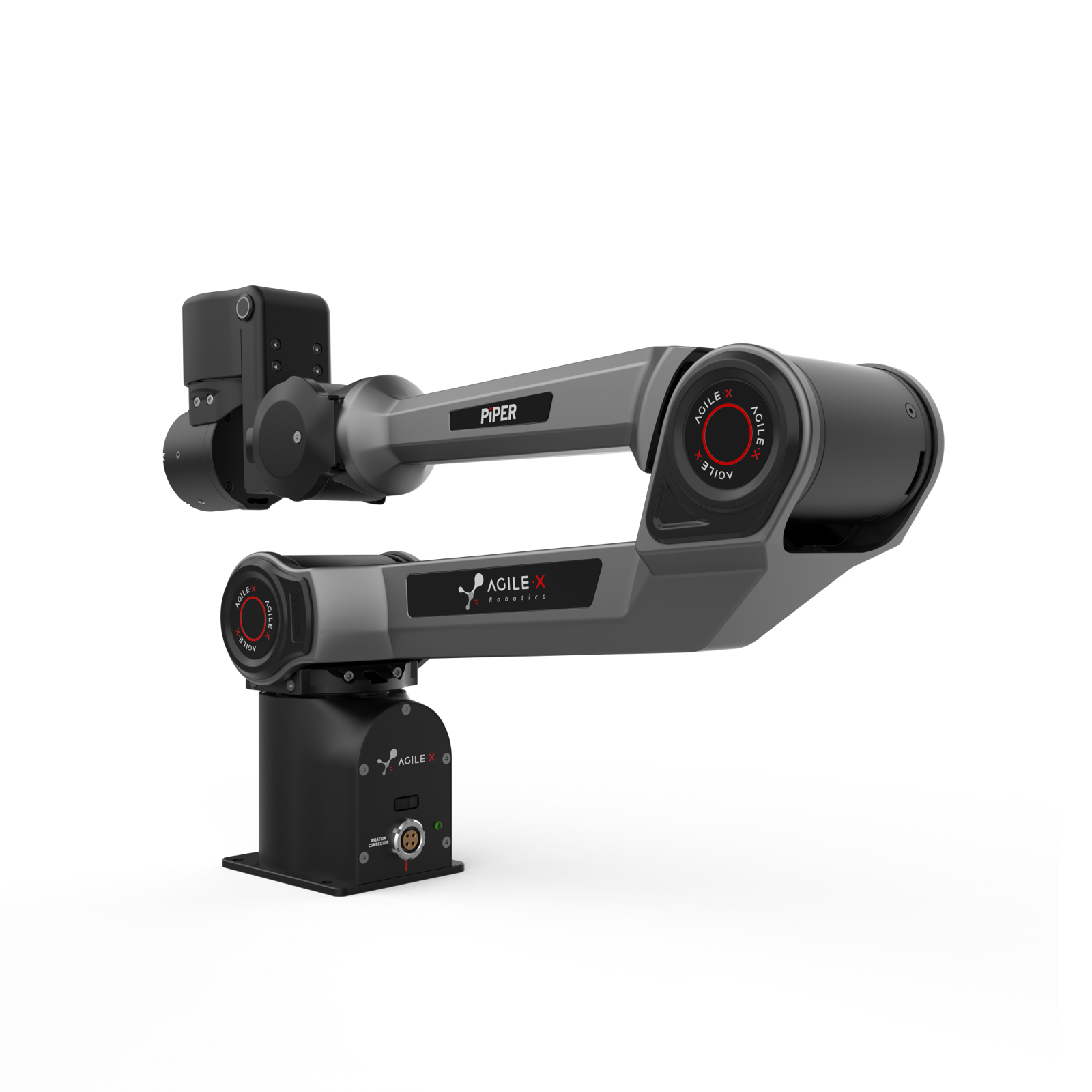
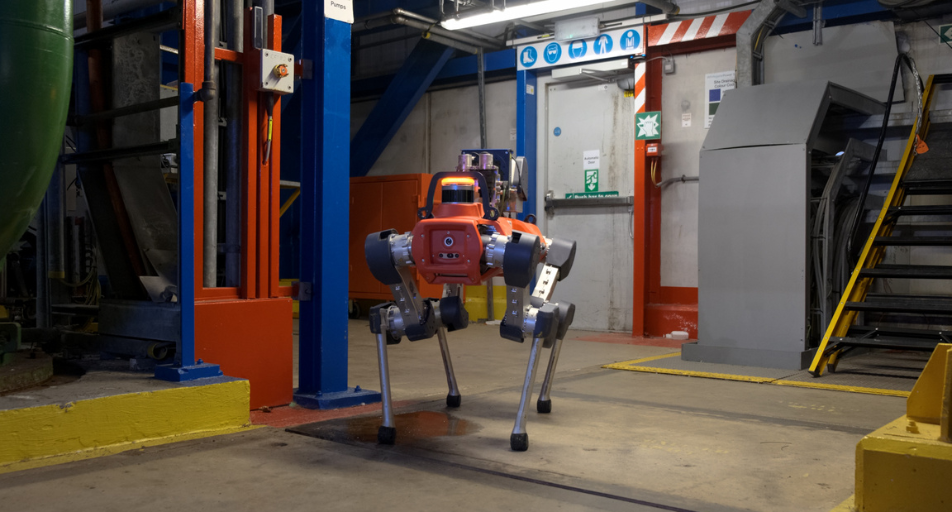
The production manager has been staring at the same stretch of factory floor for twenty-two years. He knows exactly how long each station takes, which workers are reliable, and where the line slows down on Fridays. Last autumn, his company installed a set of AI-guided robotic arms in the assembly section. Within six weeks, the arms were outperforming the previous shift on precision. But they were also doing something else: adapting. Not to instructions — to the actual conditions of the line. When a part arrived slightly warped, the arms adjusted their grip rather than rejecting the component. When a new product variant came through, they recalibrated without being reprogrammed. He had managed robots before. These ones were different. He couldn't entirely predict them, and that was the part that took the most getting used to.
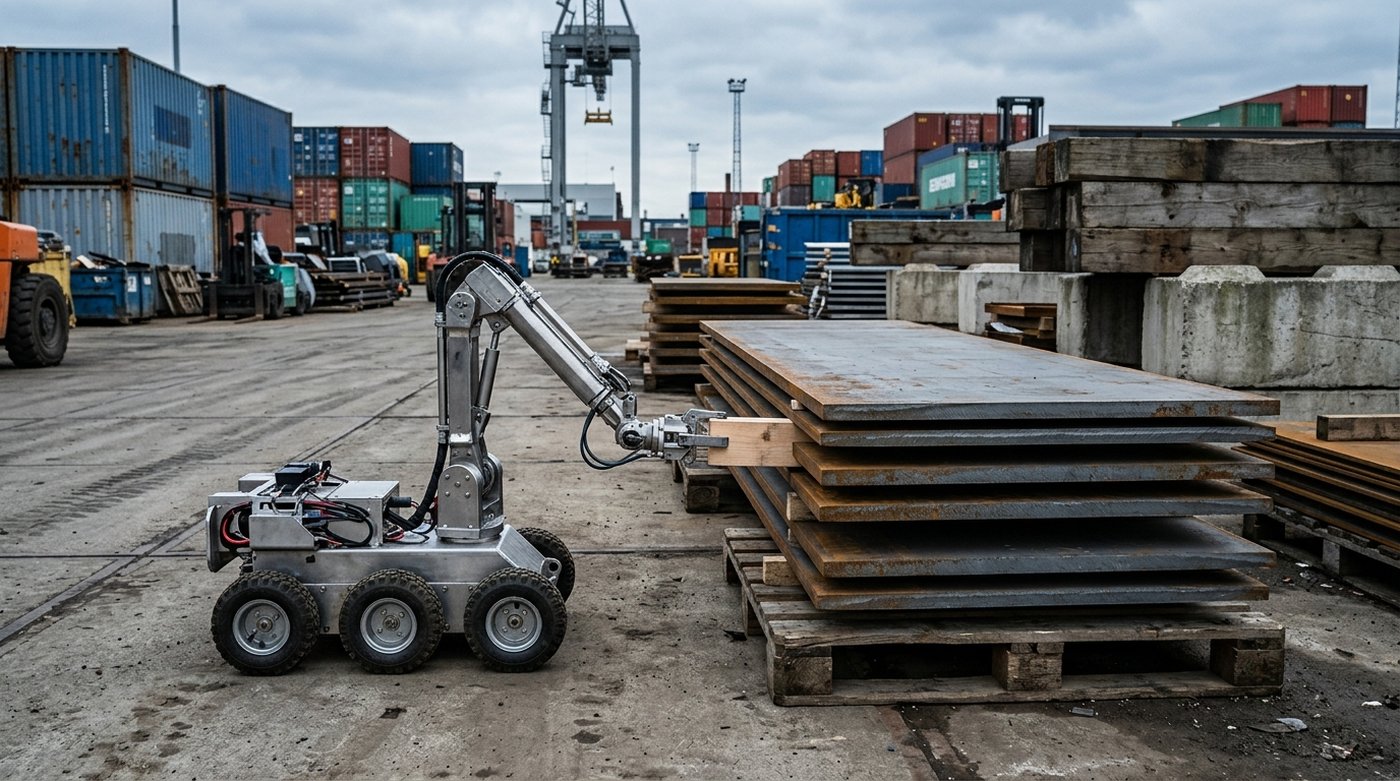
That experience is playing out in hospitals, warehouses, ports, and construction sites worldwide. The shift is not that robots exist — they have for decades. The shift is that those robots now carry intelligence that can perceive, learn, and make decisions in real environments that don't stay still or predictable. That combination is what AI robotics actually refers to, and its consequences are not limited to factories. They extend to every field where physical tasks have been considered safe from the changes that software brought to desk jobs. If you make decisions about hiring, investment, safety, or industrial strategy, or if you simply want to understand what is happening to the world's labour and production systems, AI robotics is the one development you cannot afford to misread.
What Is AI Robotics?
AI robotics is the integration of artificial intelligence with physical robotic systems, creating machines that can perceive their environment, make decisions, and act autonomously in the real world. It exists because advances in sensors, computing power, and machine learning have dissolved the barrier that once separated digital intelligence from physical action — a barrier that held for most of computing history. For anyone working in or near industries that involve physical production, logistics, care, or infrastructure, this means the decision-making that once required a human body in proximity to the task can now be delegated to a machine that learns and adapts.
How Are AI Robotics Systems Deployed Around the World Right Now?
The global picture of AI robotics deployment is defined by a single striking asymmetry: Asia is moving at a pace and scale that the rest of the world has not yet matched, while Europe is leading on governance, and the United States is navigating between speed and self-sufficiency.
China alone accounted for 54% of all global industrial robot installations in 2024, deploying 295,000 units — its highest annual total on record, according to IFR World Robotics 2025. For the first time, Chinese domestic manufacturers outsold foreign suppliers in their own market, capturing 57% of domestic market share, up from an average of 28% over the previous decade. That figure is not simply about production volume. It signals that China is building indigenous intelligent automation capacity, not just absorbing it from elsewhere. The consequence is a manufacturing base where embodied AI is no longer an imported capability but a domestically controlled one — which has supply chain, security, and competitive implications that extend far beyond any single factory floor.
Europe took a different path. It installed 85,000 industrial robots in 2024, accounting for 16% of global deployments according to IFR World Robotics 2025 — a significant share, but one marked by uneven growth across member states. More consequentially, Europe enacted the world's first comprehensive legal framework governing AI systems embedded in physical machinery. The EU AI Act entered into force in August 2024 and is being phased in through 2027, classifying robotic AI systems by risk level and requiring conformity assessments, documentation, and human oversight for high-risk applications. That regulatory posture reflects a different calculation from Asia's: Europe is attempting to set the global standards for how intelligent automation operates, not merely how much of it gets deployed. The Revised Product Liability Directive, applicable from December 2026, goes further — formally recognising software as a product and extending liability to AI systems deployed within or alongside robots.
The United States installed 34,200 industrial robots in 2024, accounting for 68% of installations across the Americas, and generated the highest robotics industry revenue of any single nation at $9.4 billion that year, according to AIPRM (2025). Most of those robots were imported from Japan and Europe. The US has numerous domestic system integrators but limited domestic robot manufacturing capacity — a gap that has drawn political attention. The Trump administration's Section 232 investigation into robotics and industrial machinery imports, announced in late 2025, named data control and national security alongside trade policy, signalling that Washington now views AI robotics as a strategic infrastructure question rather than a purely commercial one. The US is accelerating investment in physical AI systems, but its deployment base remains dependent on foreign hardware in ways that the current geopolitical environment is making harder to ignore.
How Does AI Robotics Actually Work in Practice?
In AI robotics, the machine does not follow a fixed script — it interprets a goal and figures out, in real time, how to reach it given the specific conditions it encounters.
Think about training a new chef in a kitchen that serves hundreds of covers a night. You don't hand them a list of every possible situation — an egg that cracks wrong, a sauce that reduces too fast, a diner with an unexpected allergy. You teach them the goals: the dish should taste this way, the timing should work like this, the priority is always the diner. From there, the chef reads the specific conditions of each service and makes calls. A system that could only follow explicit instructions would fail the first time something unexpected happened. A system that understands the goal keeps working. That is the operating principle behind an AI robot: the intelligence is not in the rulebook, it is in the capacity to read the situation and act toward the objective. When the warped part arrived on the manager's assembly line, the AI robot didn't search its programming for a response. It read the deviation and adjusted its approach. That adaptive loop — perceive, decide, act, learn — is what separates an AI robotic system from everything that came before it.
"China alone installed 295,000 industrial robots in 2024 — 54% of the global total — marking the moment AI robotics shifted from a Western-led technology into a domestically produced Chinese strategic asset." (Source: IFR World Robotics 2025)
Cheap Sensors Made Intelligence Portable
For most of robotics history, the systems that worked reliably did so because their environments were engineered to match them. Automotive manufacturing lines were built around the robots, not the other way around. The intelligence was in the setup, not the machine. What changed was the cost and capability of sensors — cameras, depth sensors, tactile feedback, LIDAR — which fell dramatically through the 2010s. When a robot could see and feel its environment accurately and cheaply enough, the path opened toward machines that could handle variation rather than require it to be eliminated. The companies that recognised this early began redesigning their automation strategies around adaptable systems rather than fixed sequences — a shift that now defines the competitive floor in advanced manufacturing.
Learning Systems Stopped Requiring Labs
The second development was the maturation of machine learning outside controlled conditions. Earlier AI systems trained in simulated environments often failed when they encountered the messiness of real physical space — objects at unexpected angles, surfaces with inconsistent textures, lighting conditions that shifted. The arrival of reinforcement learning and large-scale data collection in real environments changed this. Companies began deploying robots specifically to gather training data, refining their systems through real-world exposure rather than simulation alone. The survival move for organisations in this phase was not to wait for off-the-shelf intelligence but to treat early deployment as a data collection exercise — building proprietary training data that their competitors could not easily replicate. A robot data startup raised $60 million in early 2026 specifically to formalise this model, reflecting how central operational data has become to the intelligence layer of physical AI systems.
Physical AI Became Infrastructure, Not Experiment
The result is a world where human-machine interaction at scale is no longer a research agenda but an operational condition in logistics, healthcare, agriculture, and construction. More than 4.66 million industrial robots were in active operation globally by the end of 2024, according to IFR World Robotics 2025 — a 9% increase in a single year. The organisations that are treating AI robotics as infrastructure — budgeting for it, training their workforces around it, and negotiating data rights before deployment — are accumulating operational advantage that compounds over time, while those treating it as a future concern are already behind. Intelligent automation is no longer a category of technology companies decide whether to adopt. It is the terrain on which competition in physical industries is now conducted.
Is AI Robotics Just Automation with Better Marketing — or Is Something Genuinely Different Happening?
Two serious, well-grounded fears run through every conversation about AI robotics, and neither should be dismissed.
The first is that the hype substantially exceeds the reality. Robotics has a long history of promises that underdelivered on timelines. The gap between a robot performing a demonstration in a controlled environment and that same robot working reliably in the variable conditions of a real facility is large and expensive to close. People who have lived through previous automation cycles have seen the headlines outrun the hardware before, and they are right to apply scepticism to claims about what current systems can do at scale in imperfect environments.
The second fear runs in the opposite direction: that AI robotics is progressing faster than the institutional, regulatory, and human capacity to manage it. When an AI system embedded in a physical robot makes a wrong decision in a warehouse, the consequence is not a bad recommendation — it is a damaged product, an injury, or a liability event. As these systems move into higher-stakes environments — surgical assistance, infrastructure inspection, public logistics — the question of who is accountable when they fail, and what standards govern how they are deployed, becomes urgent in ways that the current regulatory landscape has only begun to address.
The hard truth that neither fear fully accounts for is this: the distinction between AI robotics and previous automation is not primarily about capability headlines. It is about the learning loop. Traditional robots required experts to program every response to every condition in advance. AI robotic systems learn from operating data, which means they improve through deployment — and the organisations that deploy them earliest at scale accumulate the richest training data, the most adapted systems, and the steepest competitive moat. The organisations that treat AI robotics as something to evaluate from a distance while waiting for the technology to mature are not avoiding risk — they are building a data deficit that becomes harder to close with every quarter they wait.
This question touches every dimension of how physical work is organised, governed, and compensated, and it cannot be fully resolved by understanding the technology alone.
This development reinforces:
Future of Work: The adaptive intelligence inside AI robotic systems is precisely what is stripping the routine layer from physical and cognitive roles simultaneously — understanding what AI robotics is explains mechanistically why the workforce restructuring happening right now is different from previous automation waves.
Who Owns Robot Data: The learning loop that makes AI robotics powerful is fed by operational data — and the question of who owns that data, the deploying organisation or the robot vendor, determines who actually controls the intelligence advantage the system generates.
Ethics & Governance: The EU AI Act's classification of robotic AI systems by risk level — and the Revised Product Liability Directive extending liability to AI embedded in physical machines — are direct responses to the question of what happens when artificial intelligence can cause physical harm at scale.
The production manager got used to the unpredictability. What he didn't expect was what came after: the realisation that the machine's ability to adapt meant he needed to adapt too — not to programme the robot, but to understand it well enough to manage it, trust it in the right situations, and override it in the ones where it was wrong. The intelligence had moved into the machine. The judgment about when to rely on that intelligence stayed with him. That handoff — partial, contested, evolving — is what AI robotics actually looks like from the inside of a real operation. It is less dramatic than the demos suggest and more consequential than the sceptics allow.
1. What is AI robotics in simple terms? AI robotics is the combination of artificial intelligence and physical robotic systems — machines that can perceive their environment, make decisions, and act autonomously in the real world without following a fixed, pre-programmed script. It differs from traditional robotics because the intelligence adapts through experience rather than executing instructions set in advance. More than 4.66 million industrial robots with some degree of AI integration were in active operation globally by the end of 2024, according to IFR World Robotics 2025.
2. How is AI robotics different from traditional robotics? Traditional robots follow fixed rules programmed in advance and fail when conditions deviate from what was anticipated. AI robots interpret goals and adapt to variation in real time — if a component arrives at an unexpected angle or a layout changes, the system adjusts rather than stopping. The practical difference is that AI robotic systems become more capable over time through operational data, while traditional robots remain static until manually reprogrammed.
3. What industries use AI robotics today? AI robotics is already deployed in manufacturing, logistics and warehousing, healthcare, agriculture, construction, and infrastructure inspection. In manufacturing alone, China installed 295,000 industrial robots in 2024 — 54% of the global total — primarily in electronics and general industry, according to IFR World Robotics 2025. The systems in use range from warehouse picking robots that adapt to changing inventory layouts to surgical assistance platforms that interpret real-time feedback during procedures.
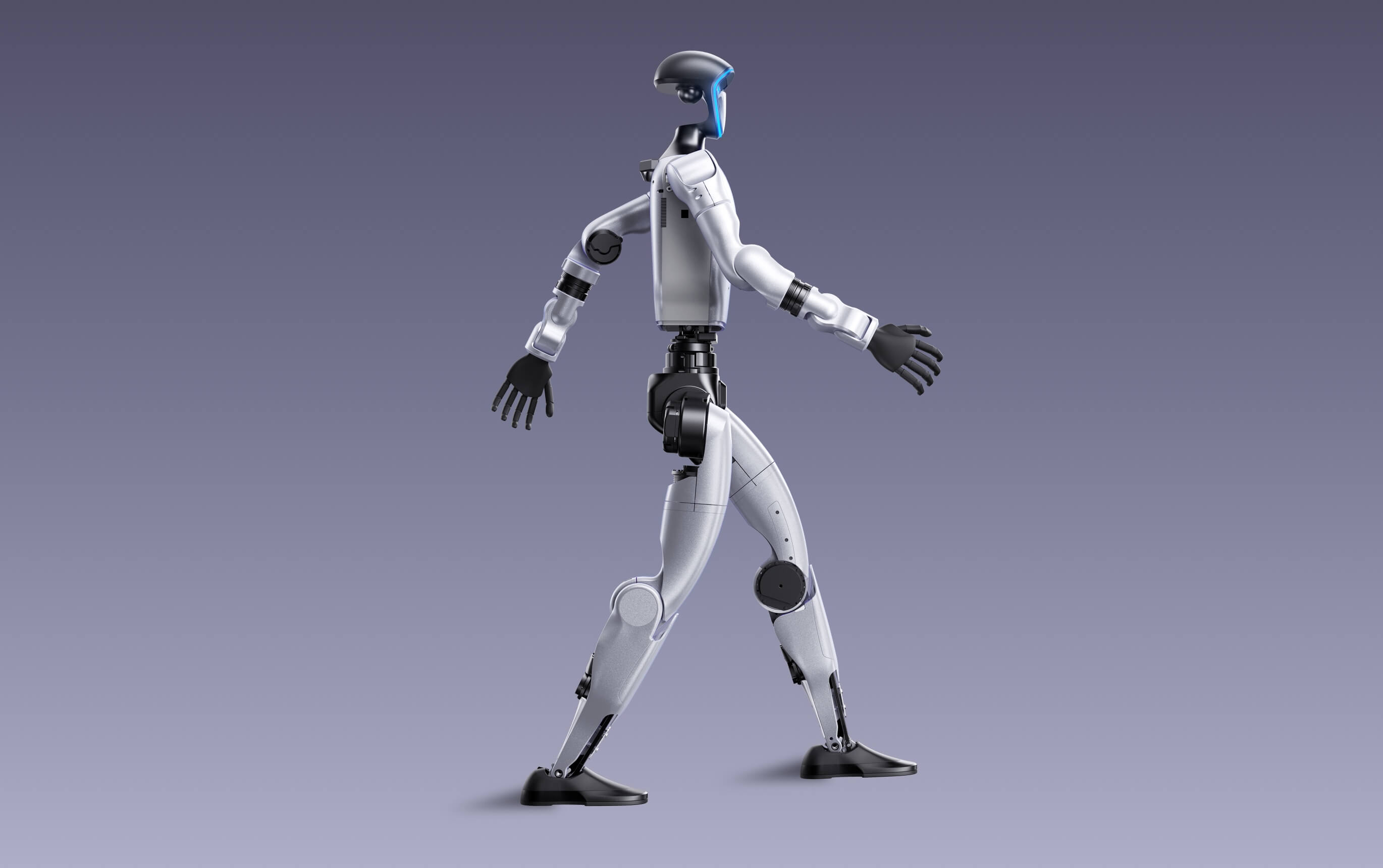
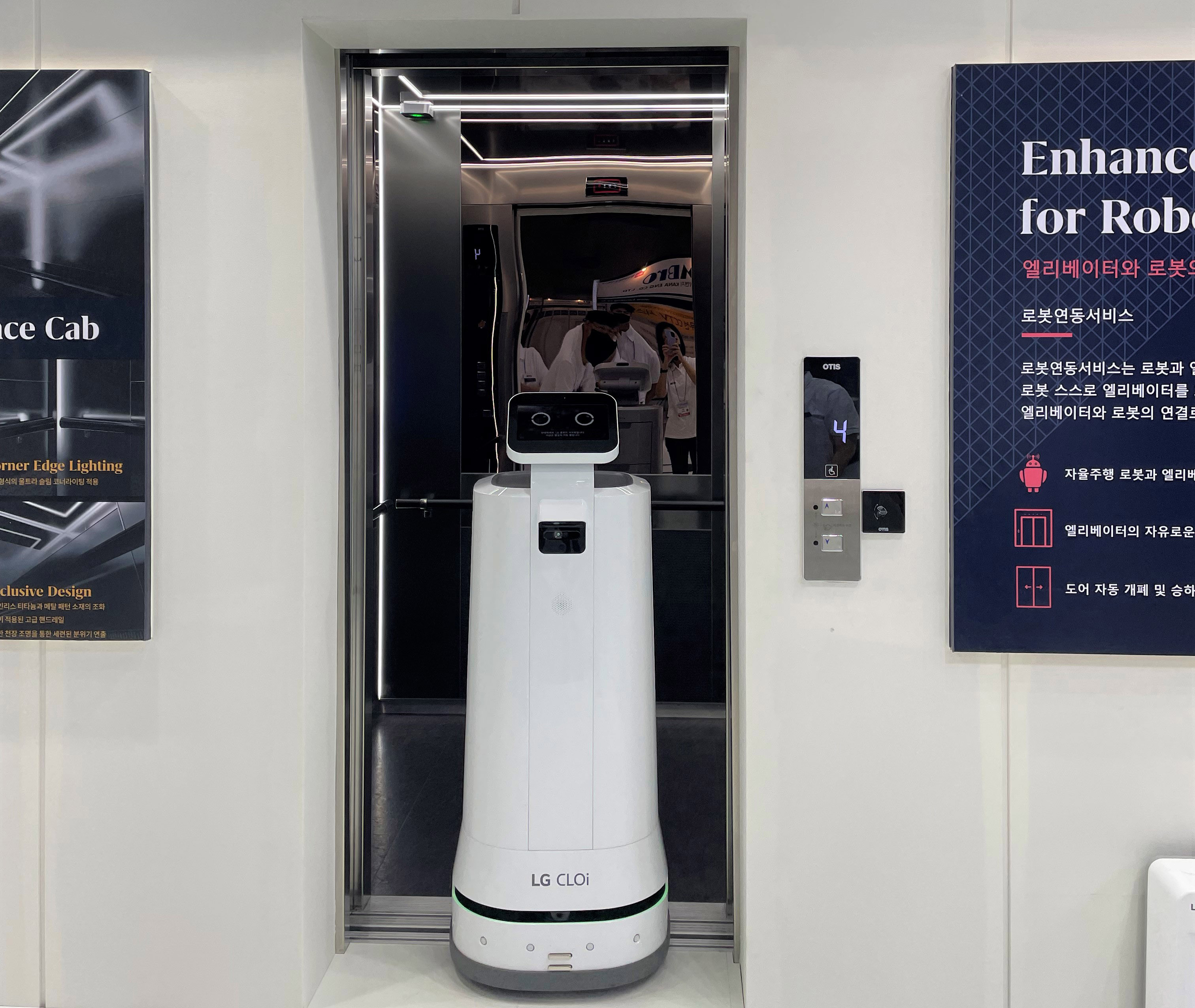
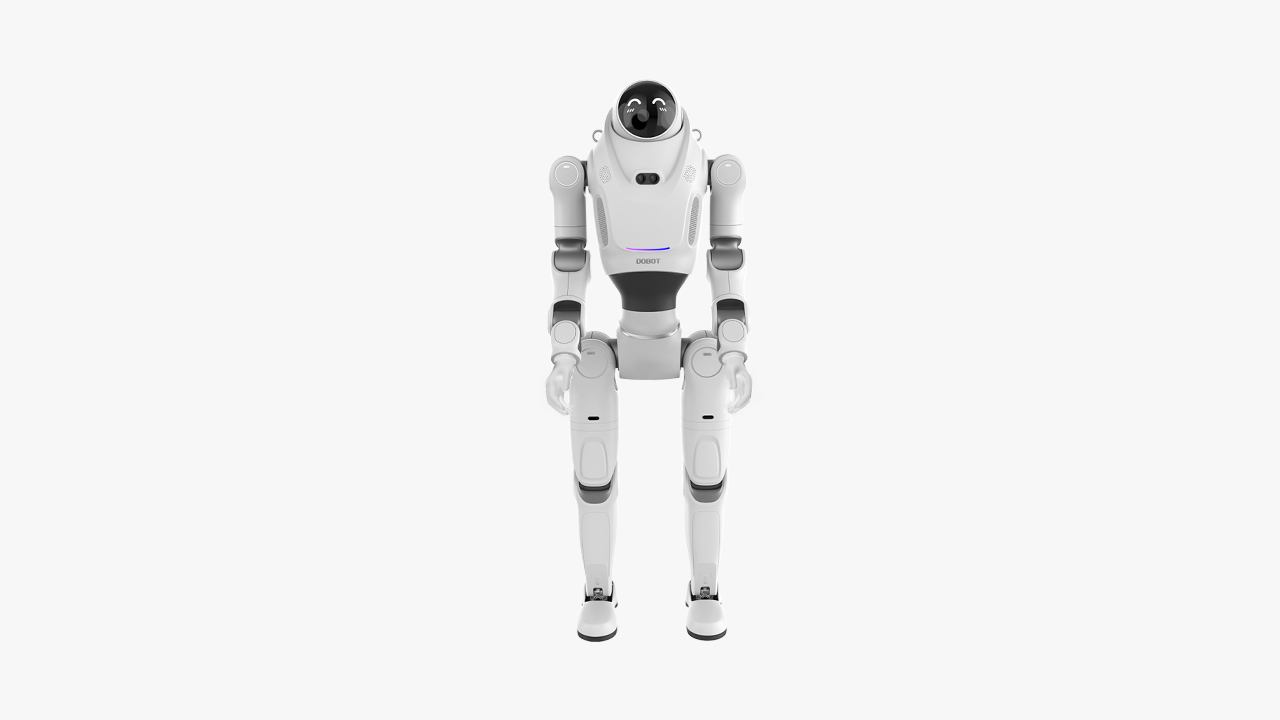
4. Do AI robots have to look like humans? No — humanoid robots are only one category, and currently a small minority of deployed systems. Most AI robots in active use are wheeled, stationary, or task-specific platforms designed for the environments they operate in. Humanoid robots are being developed primarily because human spaces — tools, vehicles, buildings — were built for human bodies, making a human-shaped machine capable of operating across those environments without redesigning the space.
5. What makes AI robotics a governance issue, not just a technology one? When artificial intelligence can act physically in the world, errors have physical consequences — injuries, infrastructure failures, liability events — that software errors in purely digital systems do not. Europe's EU AI Act, which entered into force in August 2024 and covers AI systems embedded in physical machinery, is the world's first binding legal framework addressing this directly. The Revised Product Liability Directive, applicable from December 2026, extends liability to AI software embedded in or deployed alongside robots — making the question of accountability not a future policy debate but an active legal reality.