
AI & Robotics
Our AI & Robotics in-depth articles
240 articles found
Robotics Doesn't Have a ChatGPT-Moment Problem. It Has a Geography Problem.
Two former colleagues in Nvidia's robotics orbit are debating when robotics gets its 'ChatGPT moment.' Four unrelated events from the same week, a Micron earnings call, a Chinese technical standard, a Symbotic acquisition, and a Hong Kong training ground, suggest the debate itself is asking the wrong question.
A Battery Startup, Not an AI Lab, May Decide Who Wins the Humanoid Race
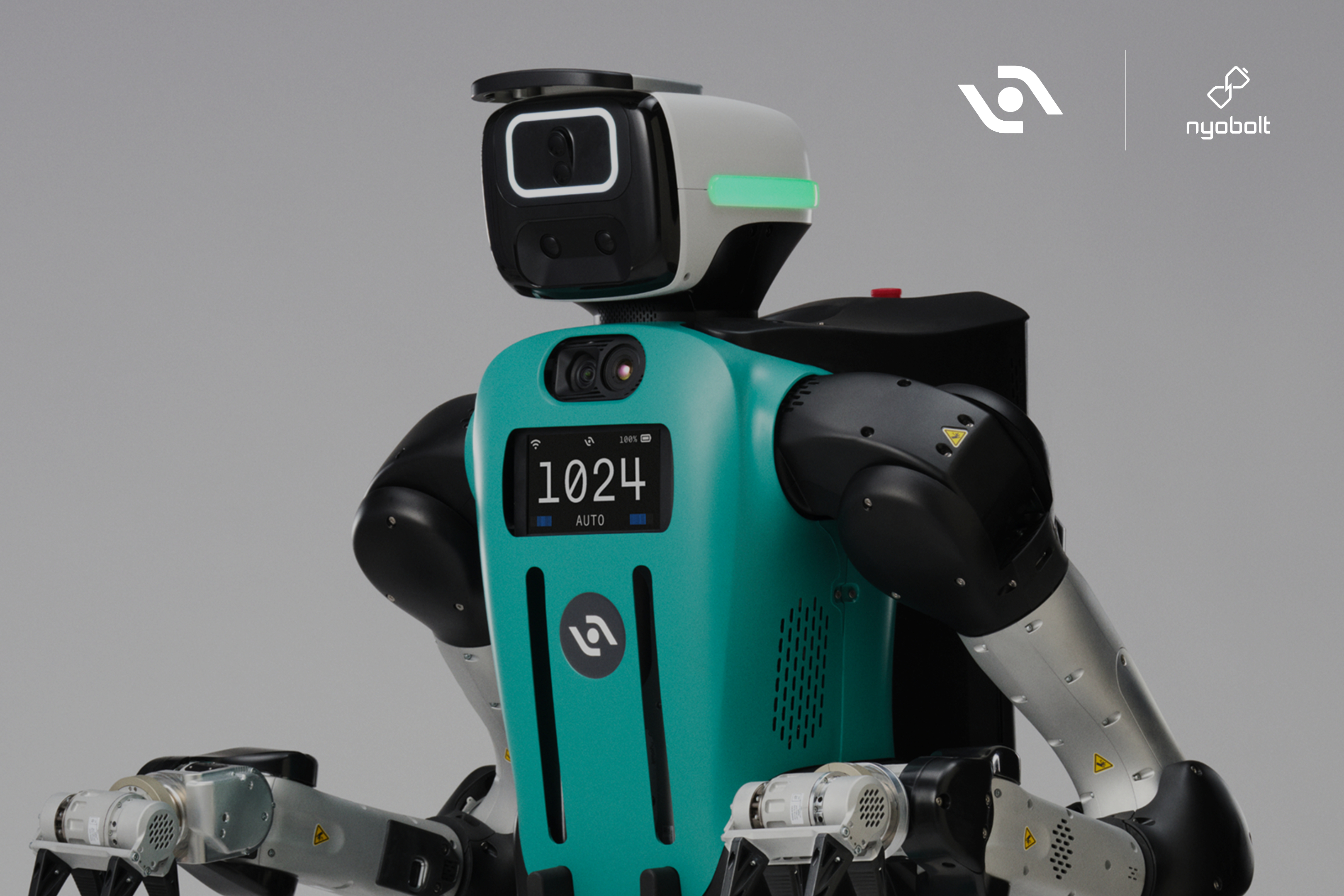
Agility Robotics just picked Nyobolt to cut Digit 5's recharge time to nine minutes, following DJI and Boston Dynamics into the same race to kill robot downtime. The real competitive edge in humanoid robotics may belong to whoever solves the charger, not whoever trains the smartest model, and the vendor math behind the headline ratios still needs floor-tested proof.
NVIDIA's US$250 Million UK Safety Pledge Isn't Cash. It's Five Years of NVIDIA's Own Compute.
NVIDIA's October 14 announcement of a US$250 million, five-year commitment to UK AI safety research is a compute donation, not cash, routed through NVIDIA's own Cloud Partners and reference tools to labs at Oxford, UCL, and Imperial College London whose work explicitly covers robotics and physical AI safety. This column argues that funding safety research with the donor's own infrastructure, rather than cash, creates a structural dependency that cash grants do not, and that no government has yet set a precedent requiring multi-vendor compute diversity before accepting this kind of in-kind AI safety donation.
D.R. Horton Just Signed a Deal to Build 1,250 Homes With Robots. It Won't Own One of Them.
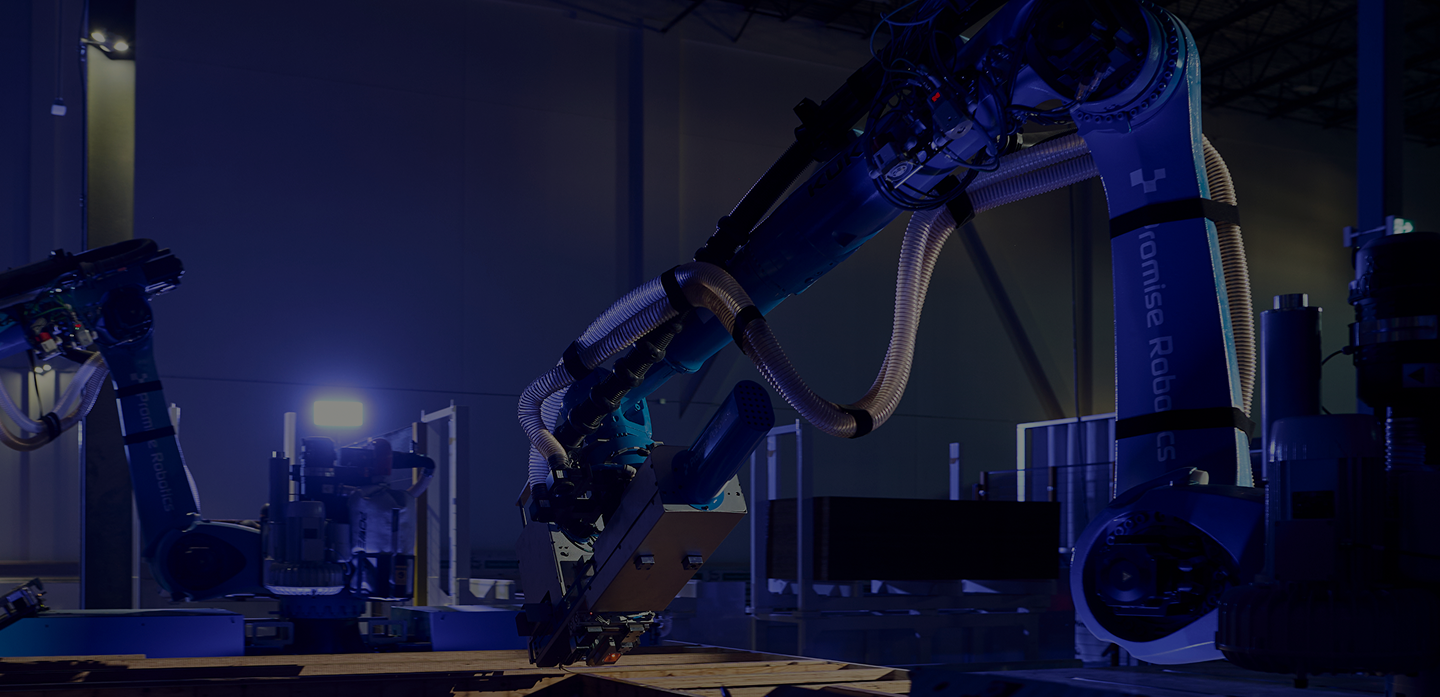
America's largest homebuilder by volume, D.R. Horton, signed a multi-year deal with Canada's Promise Robotics on October 13 to build more than 1,250 homes through a Factory-as-a-Service platform, renting robotic production capacity instead of buying robots outright. This column argues that ownership-free model, echoed in warehouse robotics deals like 1X's EQT agreement, is the real business model physical AI is converging on, and traces the construction-labor economics and platform leverage behind it.
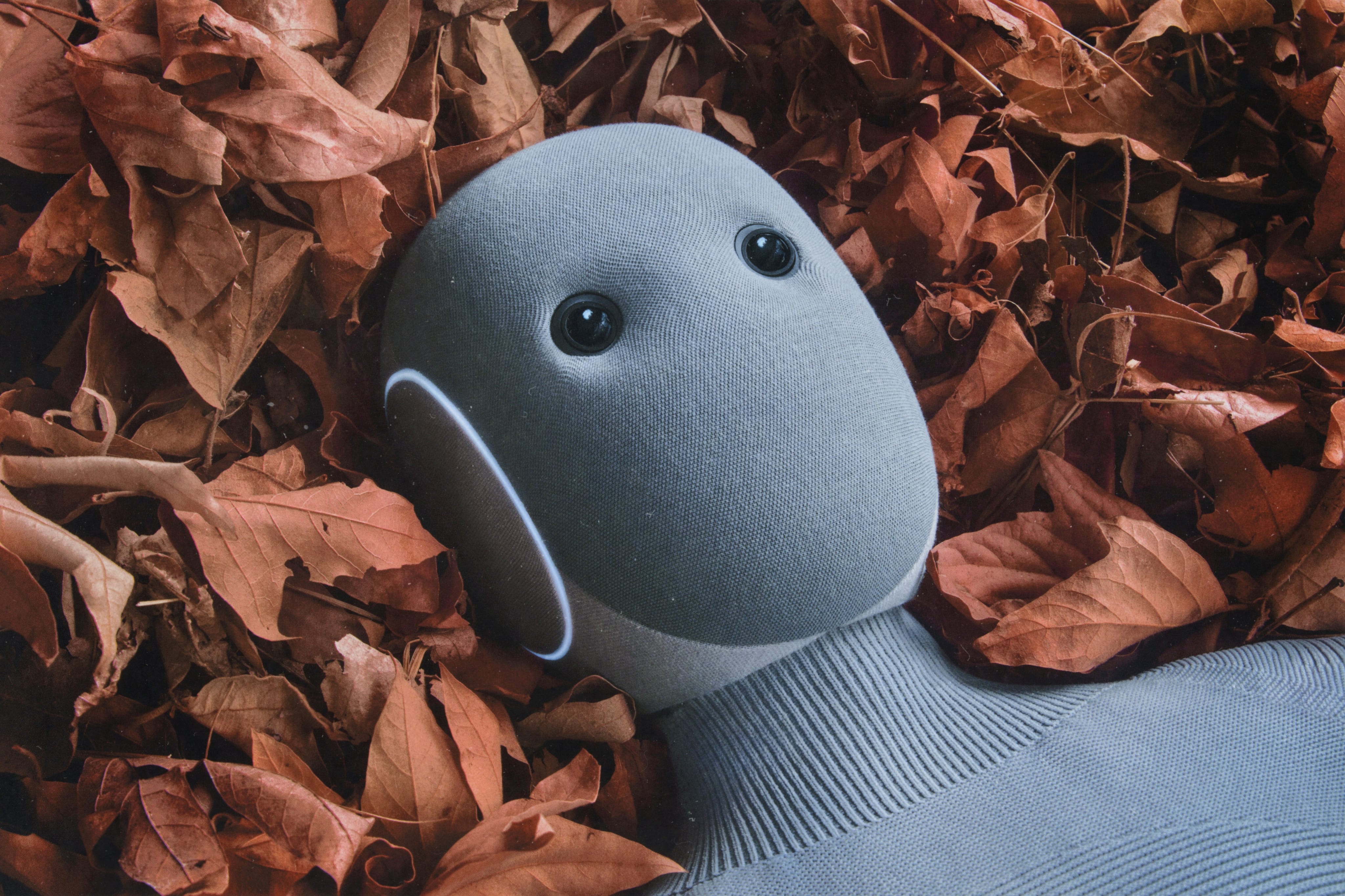
NEO Was Built to Live in Your House. 1X's Biggest Deal Yet Puts It in a Warehouse Instead.
A year after 1X Technologies opened preorders for its US$20,000 home humanoid NEO, the company's largest confirmed deployment commitment is not a living room: up to 10,000 units bound for the industrial portfolio companies of investor EQT. NEO's own product page shows teleoperated humans still fill the gaps behind its "autonomous by default" pitch, and this column argues the EQT deal is the clearest evidence yet that privacy, not battery life or dexterity, is what kept the home humanoid out of the home.
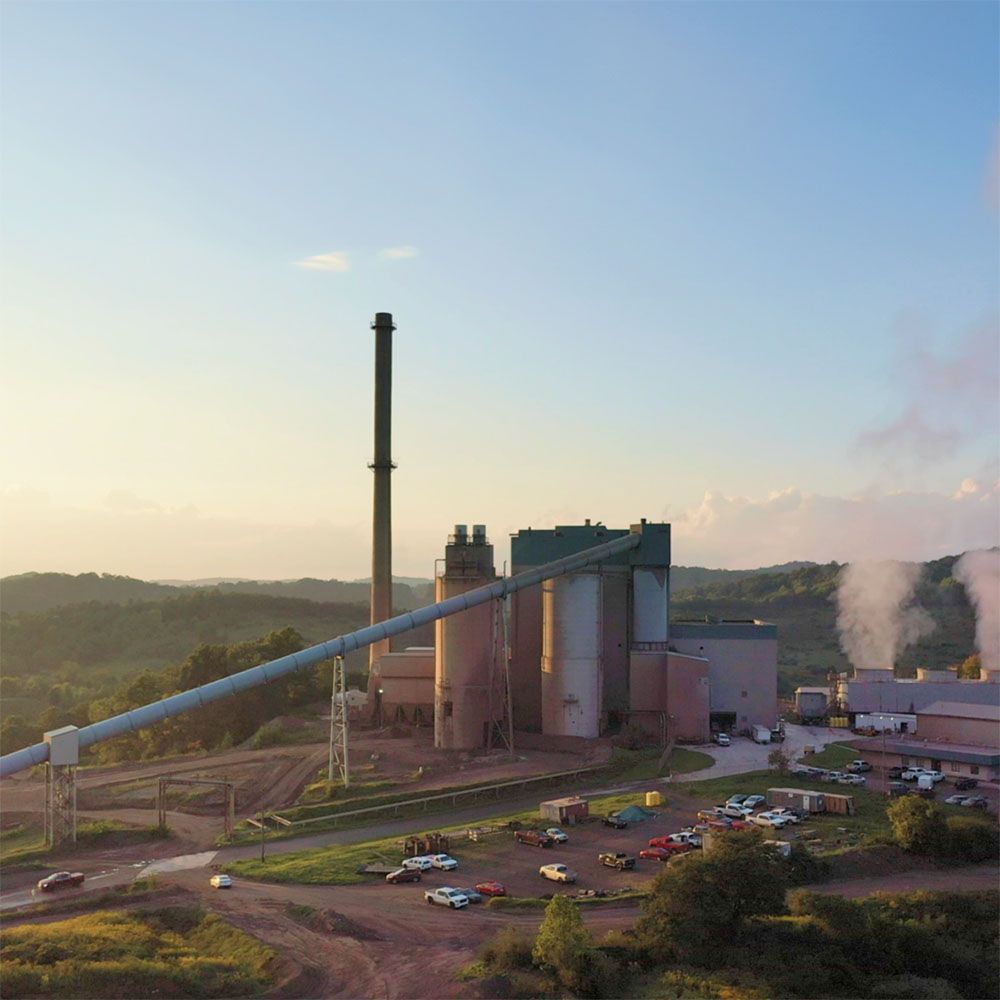
Physical AI's Most Convincing 2026 Business Case Wasn't a Humanoid. It Was a Robot That Climbs Navy Hulls.
Gecko Robotics, a Pittsburgh robot-inspection company, spent 2026 closing a run of unglamorous government contracts, a US$71 million Navy and GSA contract vehicle, a 20-site Trident Maritime shipyard-productivity deal, and an NVIDIA AI-safety partnership, on top of 2025's US$1.25 billion unicorn valuation and its US$100 million-plus NAES power-grid deal. This column argues that quiet, dollar-denominated pattern is a more convincing proof of physical AI's business model in 2026 than any humanoid demo reel, and asks what it means for utilities and shipyards outside the U.S. defense-industrial base.
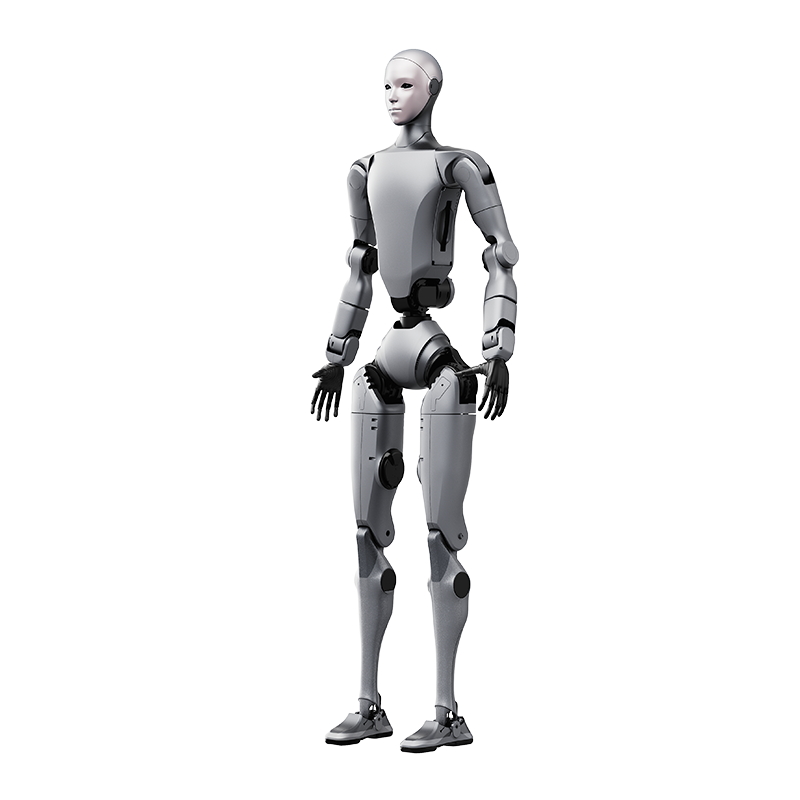
Embodied AI Doesn't Have Standards Yet. The Committee Writing Them Meets in Hangzhou This Week.
A UN telecom body's Focus Group on Embodied AI, chaired by China's CAICT with Huawei chairing its parent committee, holds its third plenary in Hangzhou this week to draft the first multilateral terminology and benchmarking standards for embodied AI robots, a process the English-language robotics press has barely covered and in which no major Western humanoid company appears on the documented participant list.

China's 'New Quality Productive Forces' Policy Subsidizes Robot Adoption
China's October 9 "New Quality Productive Forces" policy splits robotics into near-term and future-industry tracks, subsidizing both manufacturer R&D and buyer adoption while the NDRC warns against the same overbuilding that hit solar, battery, and EV sectors.
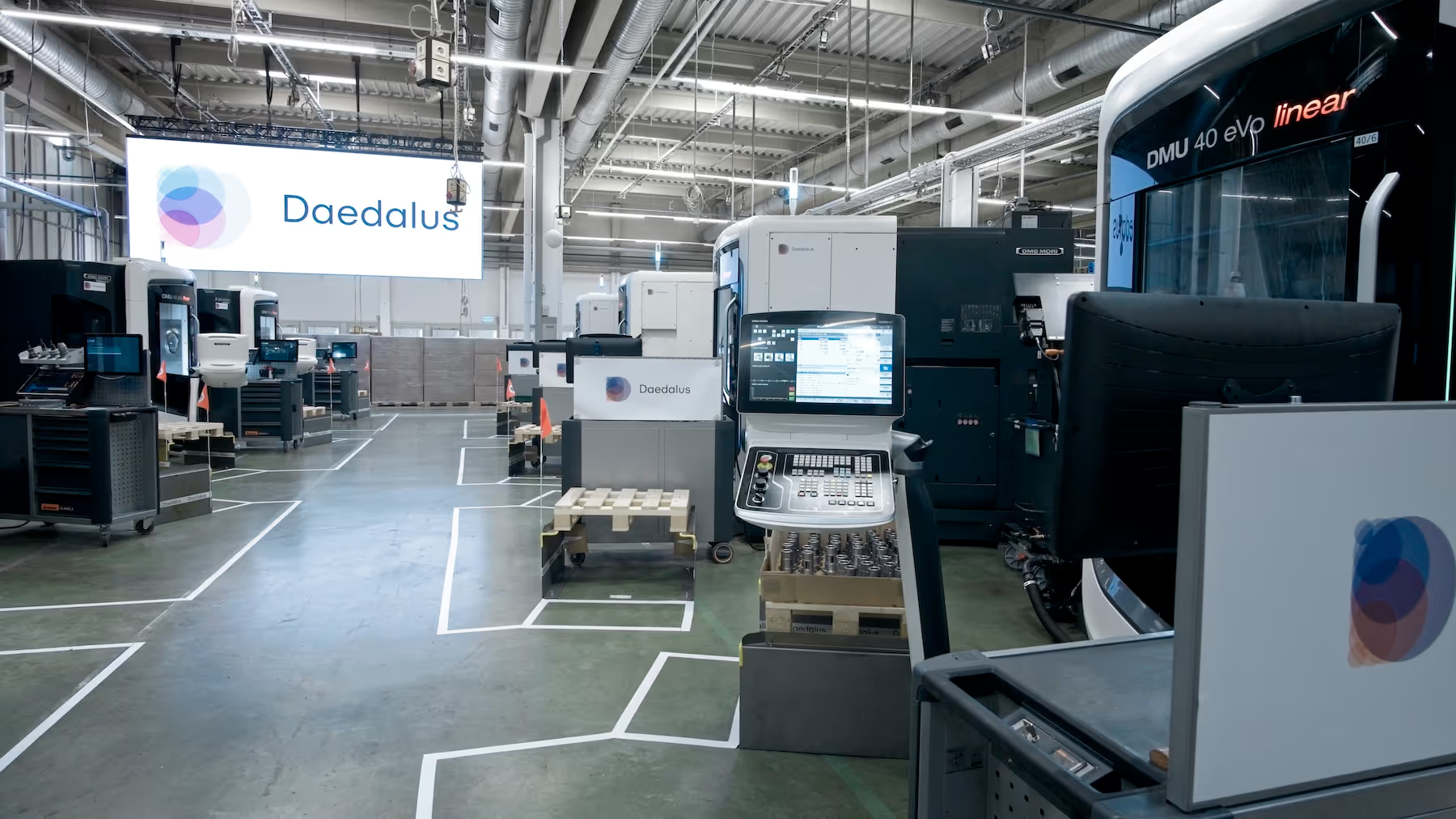
Physical AI's First Real Casualty Wasn't a Humanoid. It Was a Factory That Actually Worked.
Daedalus, a Karlsruhe startup founded by an early OpenAI robotics engineer, built real automated factories for paying customers and raised more than US$40 million from Y Combinator, Khosla Ventures, and NGP Capital, yet entered insolvency proceedings this month, while a Brooklyn warehouse robotics startup that licenses its AI instead of owning it raised a fresh US$50 million round in the same week.
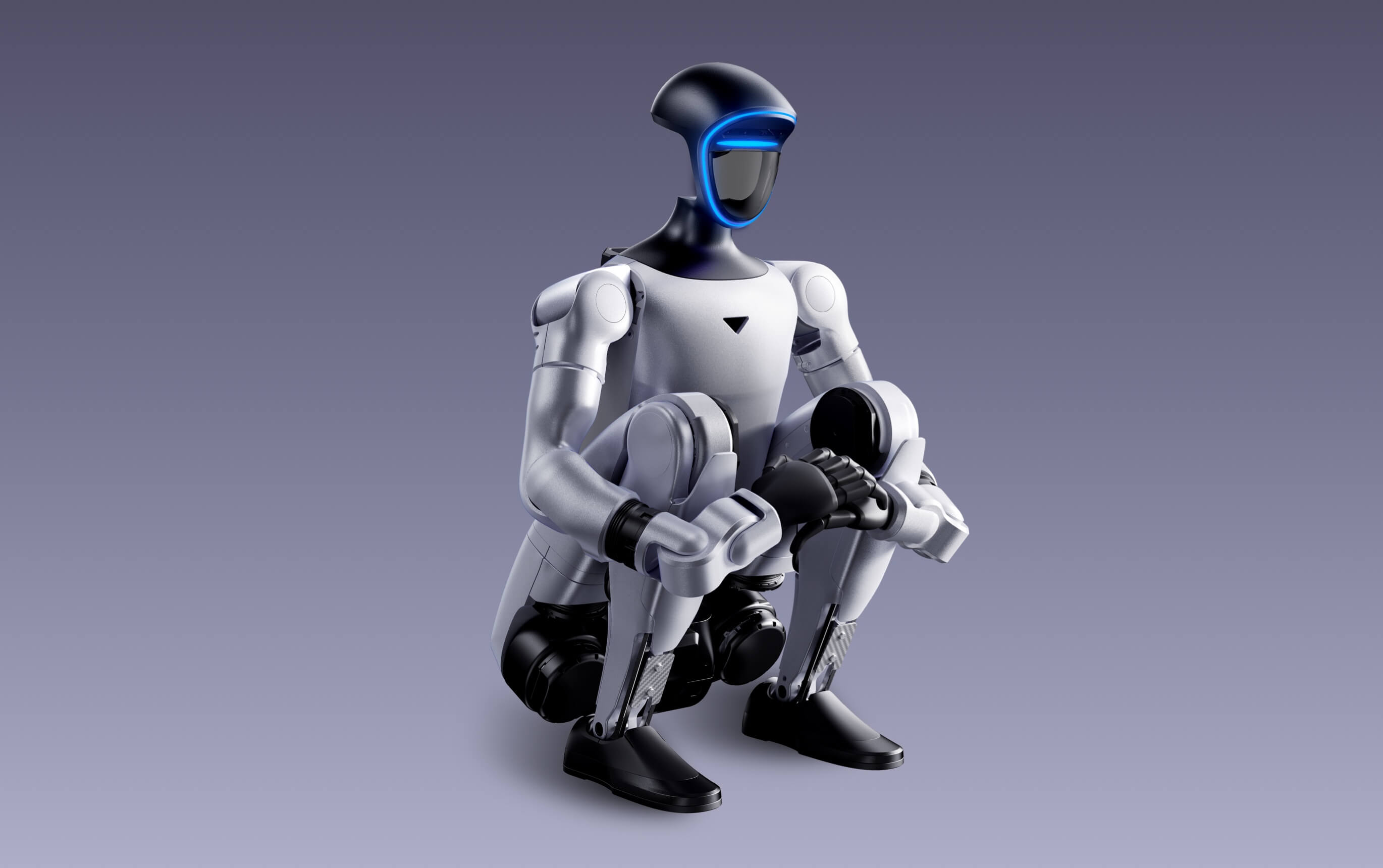
AWS Calls It an Open-Source Robotics Toolchain. Nearly Every Engine Inside It Is NVIDIA's.
AWS, NVIDIA, and the startup Odyssey each staked out a different, incompatible bet this week on who should own the simulation layer that trains a robot before deployment, and AWS's own retreat from owning that layer outright, a year after shutting down RoboMaker, is the most telling signal of the three.
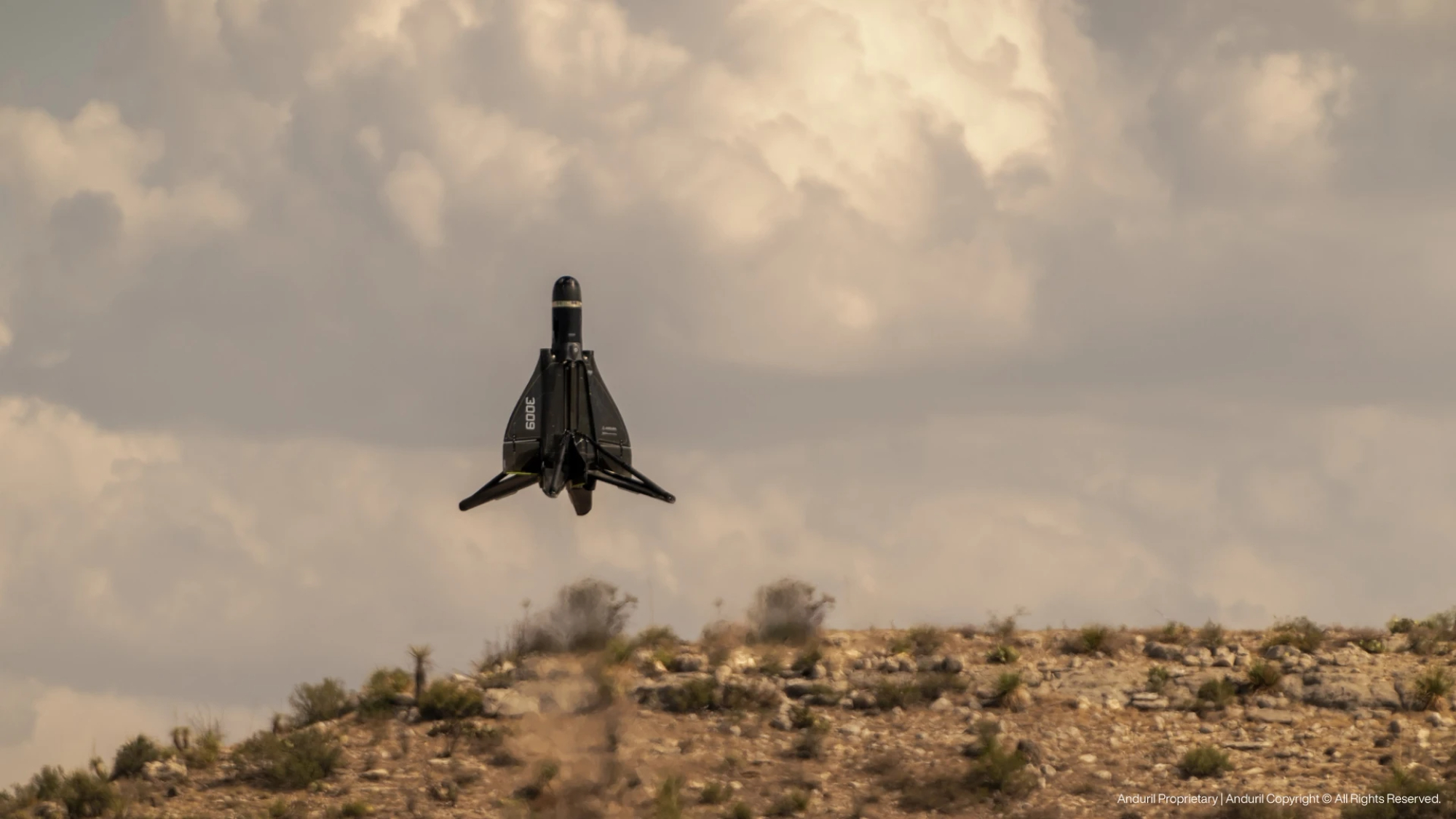
The Drone War's Scarcest Resource Isn't AI. It's a 106-Year-Old Shotgun Factory.
Federal Ammunition, Mossberg, and Palladyne AI are jointly building SwarmShot, a reusable counter-drone interceptor, but the deal reveals that mass-manufacturing capacity, not autonomy software, is now the scarcest resource in robotic warfare.
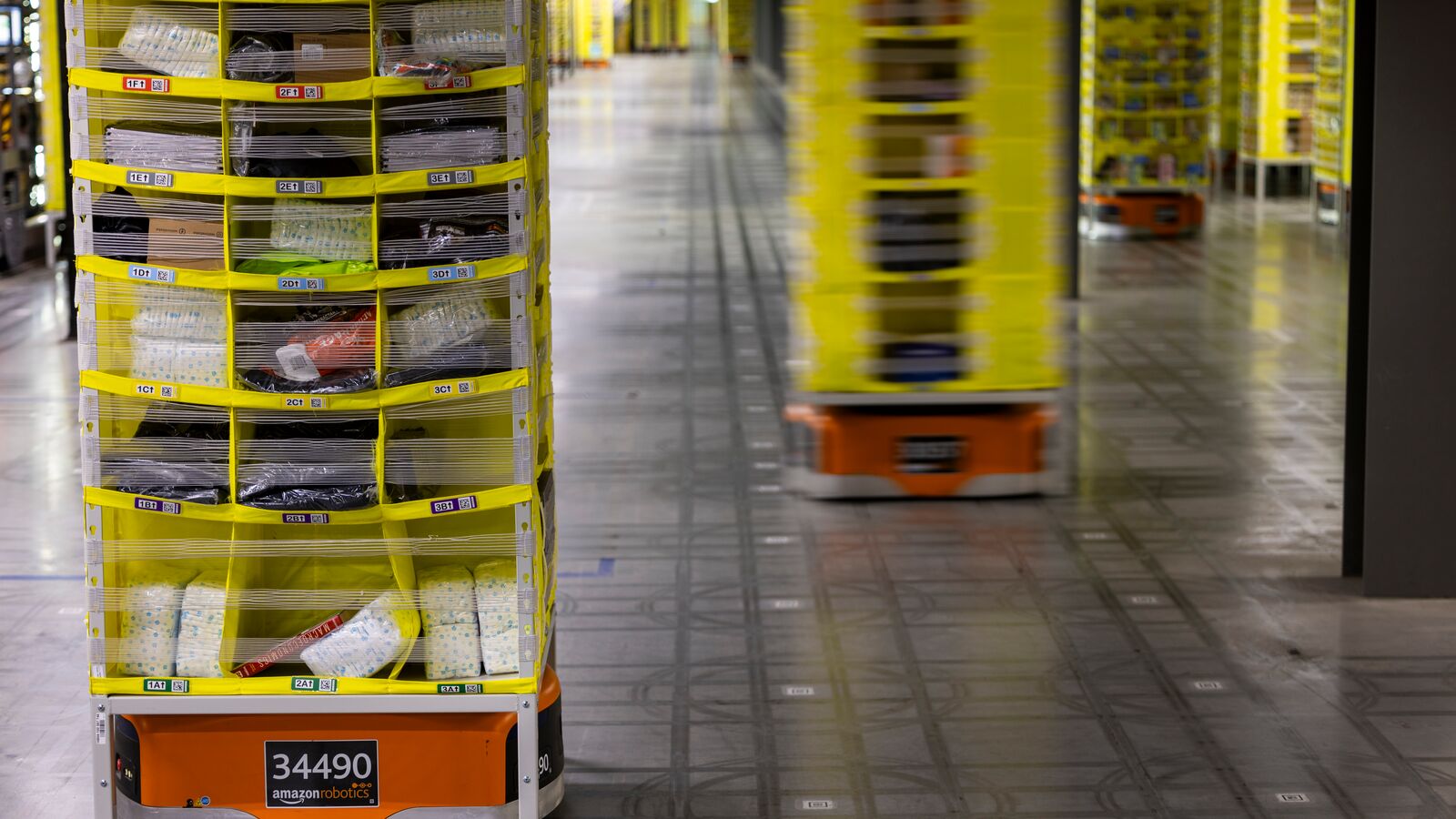
Amazon Killed Its Flagship Robot Arm. Its Warehouses Got More Automated Anyway.
Amazon shelved its ceiling-mounted Blue Jay robot arm and cut robotics-unit jobs in early 2026, then grew its fleet to one million robots on the strength of DeepFleet, a coordination AI, not a new machine. The lesson for buyers: fleet orchestration software and maintenance staffing matter more than a dexterous robot spec sheet.