A Battery Startup, Not an AI Lab, May Decide Who Wins the Humanoid Race
Agility Robotics just picked Nyobolt to cut Digit 5's recharge time to nine minutes, following DJI and Boston Dynamics into the same race to kill robot downtime. The real competitive edge in humanoid robotics may belong to whoever solves the charger, not whoever trains the smartest model, and the vendor math behind the headline ratios still needs floor-tested proof.

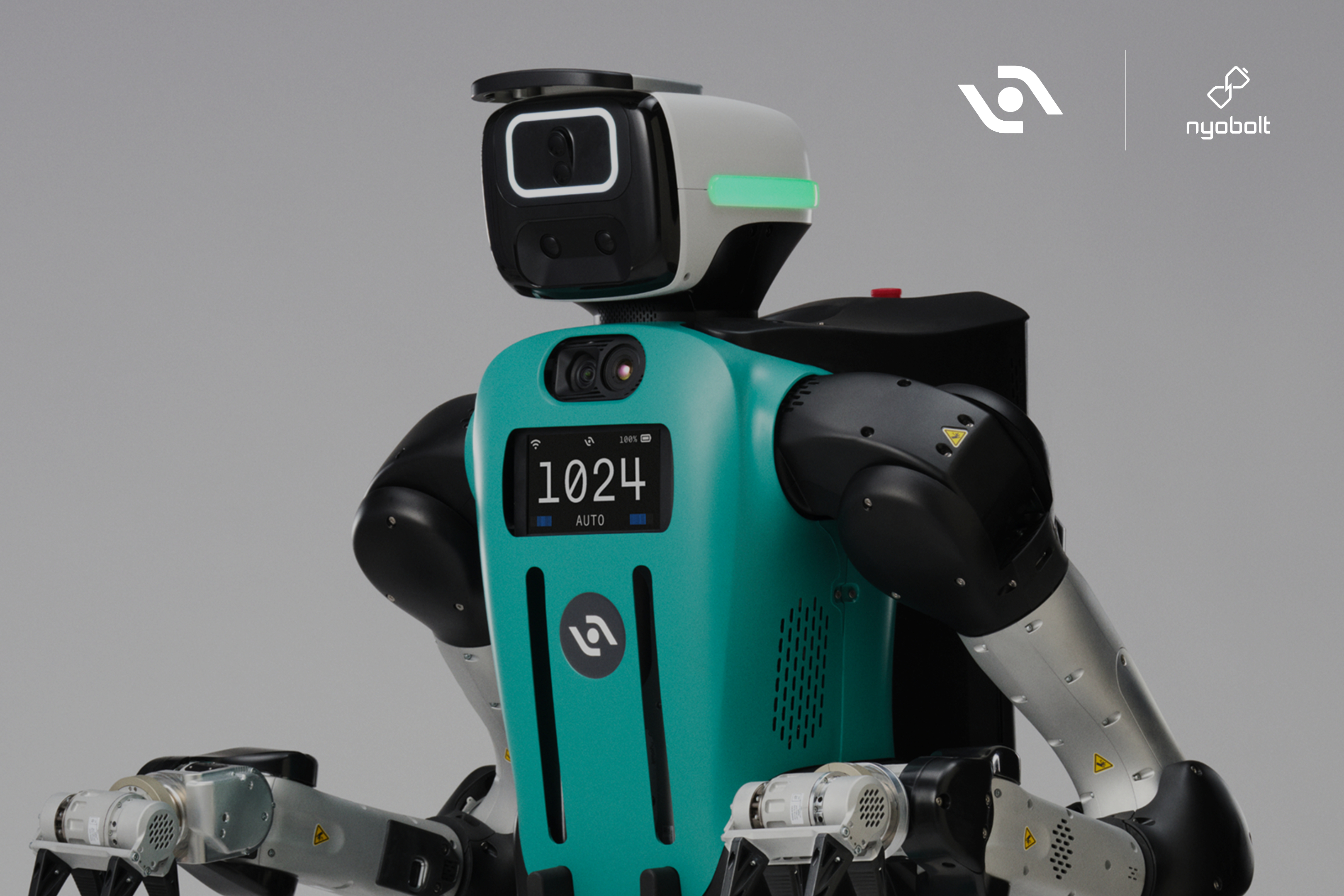
Agility Robotics spent the past year getting Digit 5 to lift more, crouch when a person walks near it, and pass a safety review built around NVIDIA's robotics compute stack. None of that was the headline in this week's announcement. The number everyone is repeating is simpler: 90 minutes of work, 9 minutes to recharge.
That is the real thesis of this column. The industry keeps selling humanoid robots on the intelligence of the model inside them. The number that actually decides whether a fleet pays for itself is a stopwatch, and right now the company that owns the stopwatch is not Agility, not NVIDIA, and not any of the foundation-model labs chasing dexterity benchmarks. It is Nyobolt, a Cambridge-based battery maker most buyers have never heard of.
For our customers, Digit's uptime is the business case, Agility's chief business officer Daniel Diez said when the Nyobolt partnership was announced on October 15. He is not wrong, and that is precisely the problem with how the industry still talks about this technology.
The stopwatch problem every category is solving on its own
Look across robot categories released or updated this month and the pattern is identical: nobody is fighting over intelligence anymore, everyone is fighting over downtime.
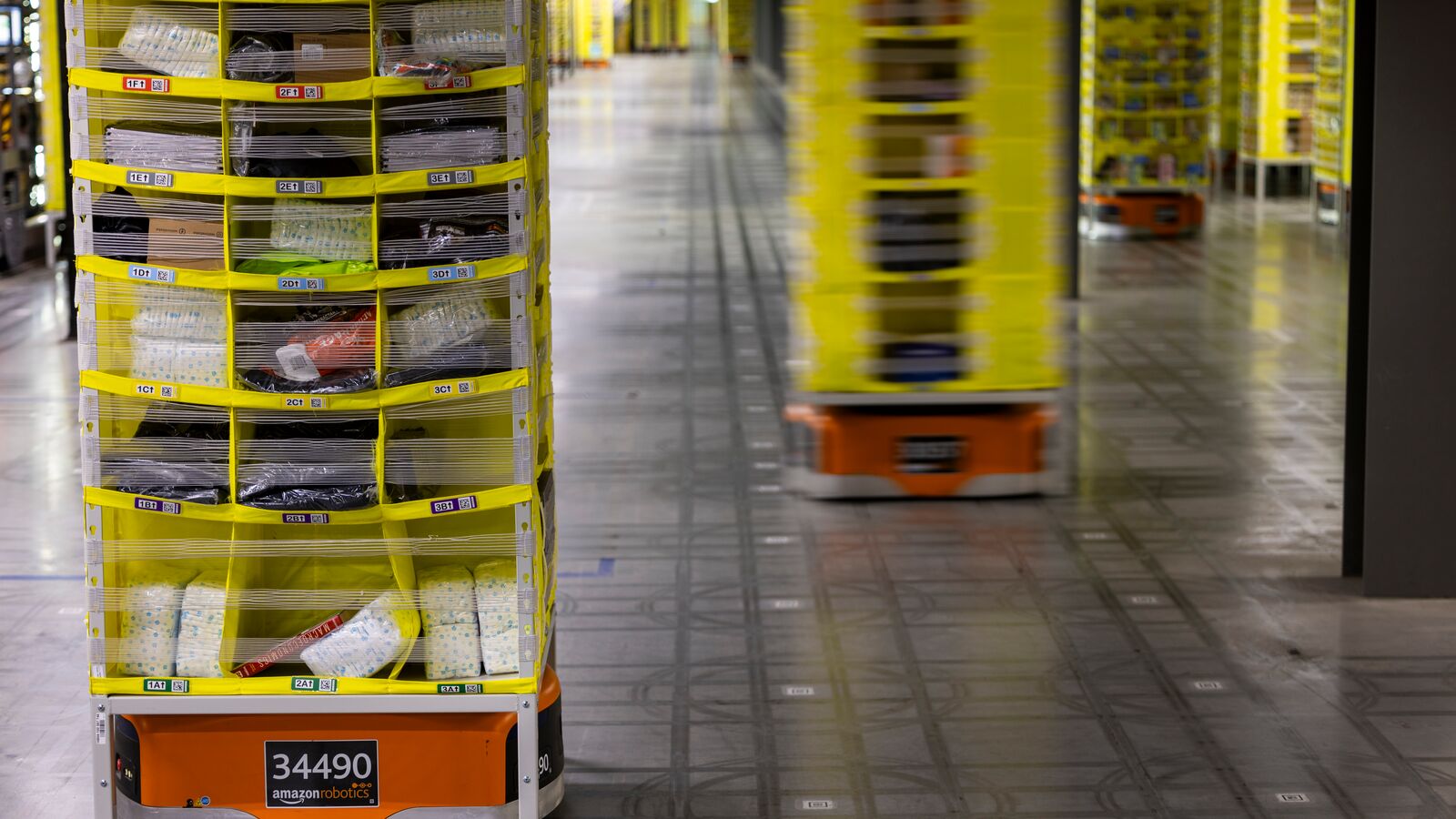
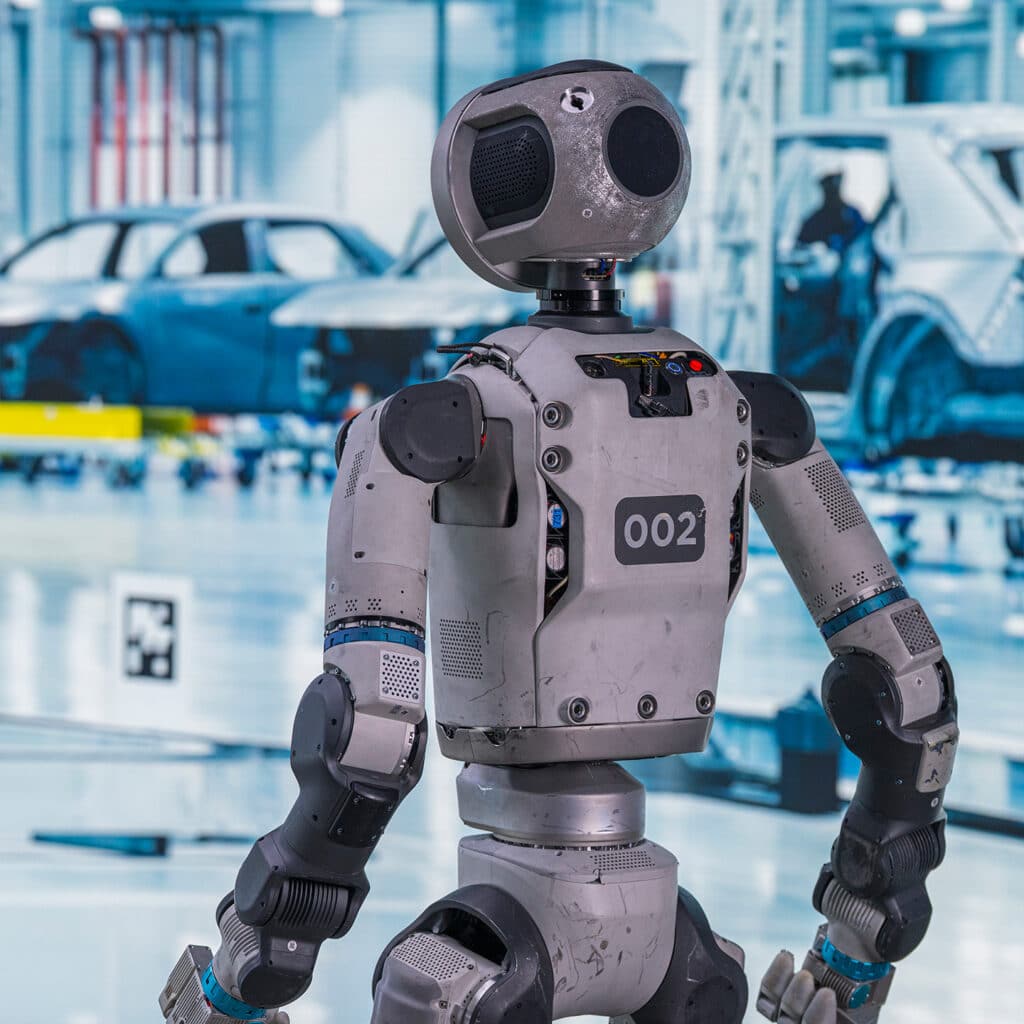
Digit 5 claims a 10-to-1 work-to-charge ratio, up from 2-to-1 on Digit 4, which Agility says can translate into more than 20 productive hours in a 24-hour day. Boston Dynamics took a different route with the production Atlas: rather than charge faster, the robot walks itself to a station and swaps its own pack in under three minutes, so a roughly 90-minute conventional recharge never has to happen at all. DJI reached for the same fix this week in a completely different machine. Its new Dock 4 swaps a drone's battery automatically in 25 seconds, cutting what used to be a 30-minute recharge down to nothing a ground crew has to wait on.
Three companies, three robot forms, one shared conclusion: the hardest unsolved problem in commercial robotics right now is not perception or manipulation. It is what the machine does for the twelve minutes it used to spend sitting on a charger.
Nyobolt's actual bet: sell the chemistry, not the robot
Nyobolt is not trying to build a better humanoid. It is trying to make itself the one component every robot company needs regardless of who wins the model war, and its Digit 5 deal is not its first proof point. Symbotic, the warehouse automation company that led Nyobolt's US$60 million Series C in May, already runs Nyobolt packs in its SymBot autonomous mobile robots. Nyobolt's own published claim for that deployment: ten times the cycle life of conventional lithium-ion cells, at 40 percent less weight than the ultracapacitors Symbotic used before.
That is a picks-and-shovels strategy, and it is a better bet than it looks. A humanoid maker has to win design wins, safety certifications, and public trust one customer at a time. A battery supplier that solves the charge-speed-versus-degradation tradeoff gets paid every time any of them ships a unit. Nyobolt's stated target list is not humanoids at all. It is AI data centers absorbing transient GPU power spikes, electric mobility, and warehouse AMRs, with humanoid robotics as one more line of a much bigger business.
The company that ends up capturing the most value from the humanoid boom might never put a single robot on a factory floor.
Where the sales math gets ahead of the evidence
Here is where I get skeptical, and where buyers should too. A 10-to-1 work-to-charge ratio is an arithmetic claim built from two lab numbers: a 90-minute runtime figure and a 9-minute charge figure. Agility has not published a production-floor trial showing a Digit 5 unit actually completing more than 20 working hours across a real 24-hour operating cycle, with real task interruptions, real queueing at a single charging dock if a site runs more than one robot, and real battery aging. The company does cite more than 65,000 hours of real-world Digit operation to date, which is a meaningful track record, but it predates this specific battery and charge-rate combination.
Fast charging also runs into a genuine electrochemical tradeoff that vendor math tends to leave out of the slide. Pushing current into a lithium-ion cell faster raises the risk of lithium plating on the anode, and that risk grows as a cell ages, which is why charging protocols that look fine on a new pack can shorten the lifespan of one that has already done a few thousand cycles. Nyobolt's answer, and the reason Symbotic bet on it over conventional cells, is a proprietary anode and cell design built specifically to resist that failure mode at high charge rates. That claim held up well enough for Symbotic to put it into production AMRs. Whether it holds up identically inside a 284-pound bipedal humanoid doing a different duty cycle, with different vibration and thermal loads, is a separate engineering question nobody outside Agility and Nyobolt has independently tested yet.
None of this makes the 10-to-1 number dishonest. It makes it a specification, not a result.
What a buyer in Manila should actually ask for
I run a platform that tracks these announcements by the hundreds, and the pattern I watch for is not the headline figure. It is whether a vendor will hand over the underlying measurement.
Any operator evaluating a humanoid or AMR fleet in 2027 should ask three questions that the press releases never answer on their own: What counts as a productive hour in the ratio you quoted, and does it include task queueing and recovery time? What is the measured, not modeled, degradation curve for your battery at your stated charge rate past 1,000 cycles? And what happens to your uptime math the day a site runs three robots sharing one charging dock instead of one robot owning it?
A vendor that answers those three questions with real data, not a recalculated version of the same two lab numbers, is the one worth a pilot contract. A vendor that cannot is selling a spec sheet, not a shift schedule.
What to watch next
The marketing language around humanoid robots is going to keep shifting from dexterity benchmarks toward shift-schedule claims, because buyers have started asking about economics instead of party tricks. That is progress. The next honest step is an industry-wide habit of publishing measured uptime and degradation data from actual deployments, not announcement-day arithmetic. Until that happens, the most useful question to ask about any new humanoid is not how smart its model is. It is who built its battery, and whether that company will show its homework.
This analysis reflects the author's own reading of Agility Robotics' and Nyobolt's October 15, 2026 announcement, Nyobolt's own published materials on its Symbotic deployment, DJI's Dock 4 release materials, and Boston Dynamics' published Atlas specifications, and is provided for general information purposes only. It does not constitute investment, legal, or professional advice.
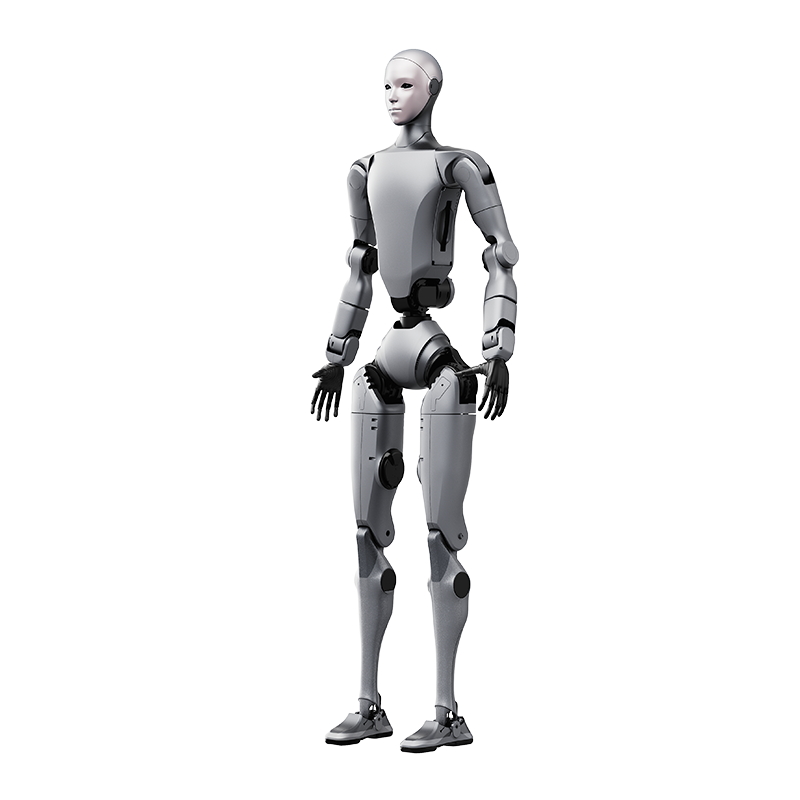
Hero image: Agility Robotics' Digit 5 humanoid, courtesy of Nyobolt.