Plim Robotics Renamed Itself to Admit What Tesla Spent a Year Denying
Devanthro's October 8 rebrand to Plim Robotics puts a human-operated "step-in" mode front and center instead of hiding it, unlike 1X's quietly-disclosed NEO Expert Mode and Tesla's after-the-fact Optimus admissions. The real taxonomy question for AI robotics was never autonomous versus assisted; it's disclosed versus hidden.

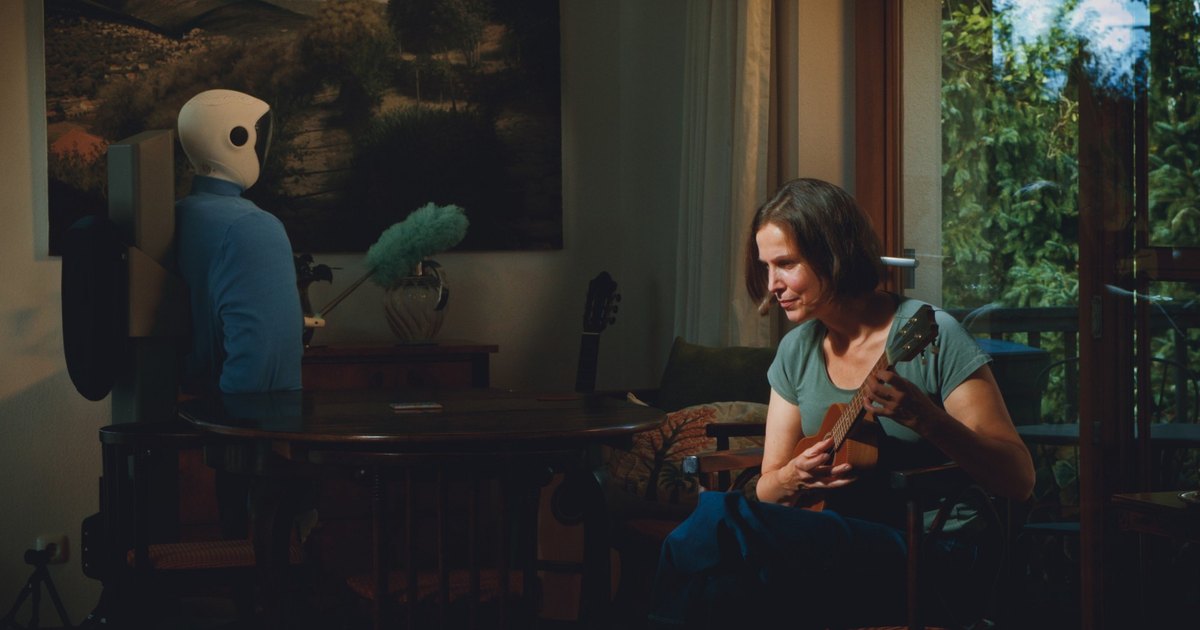
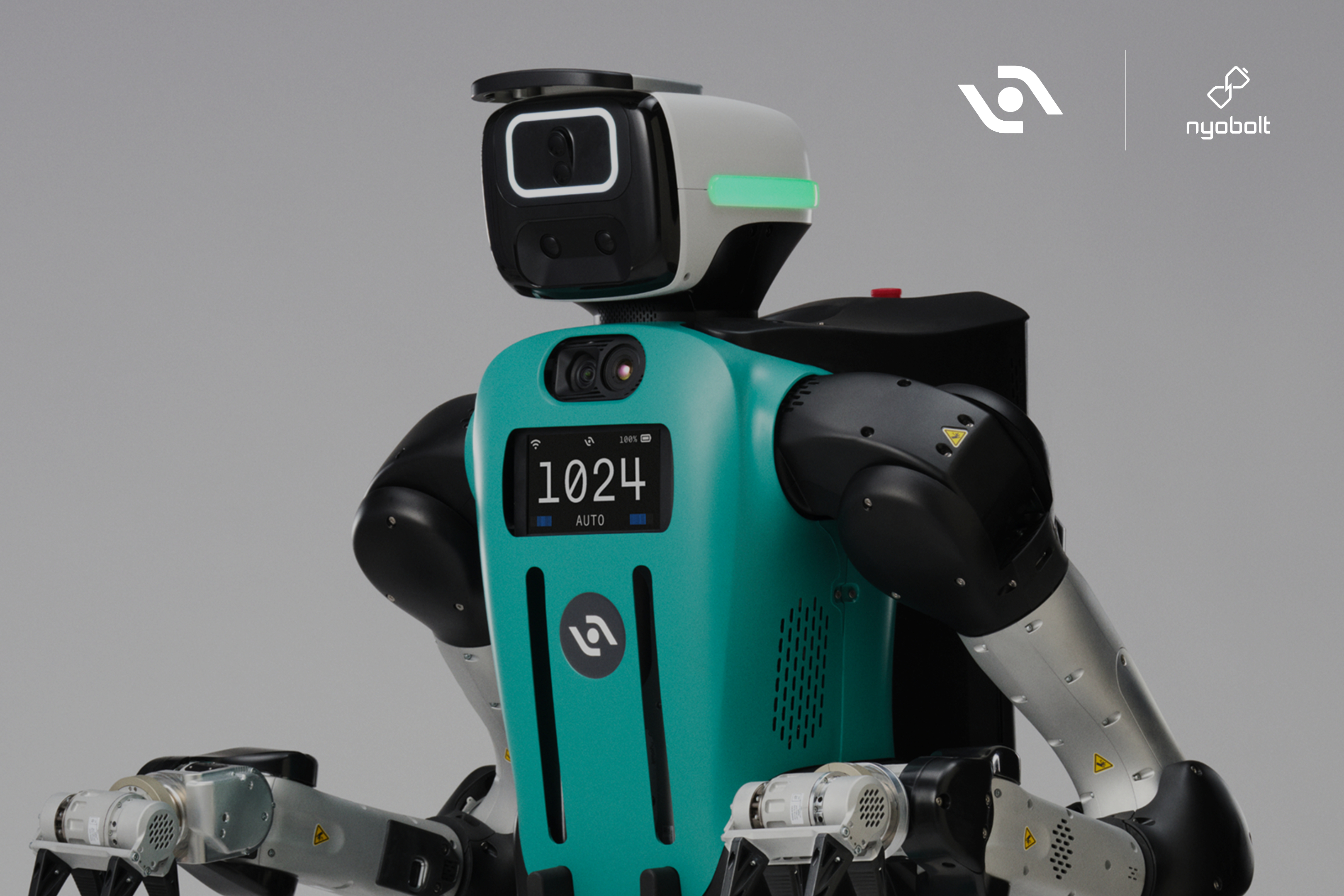
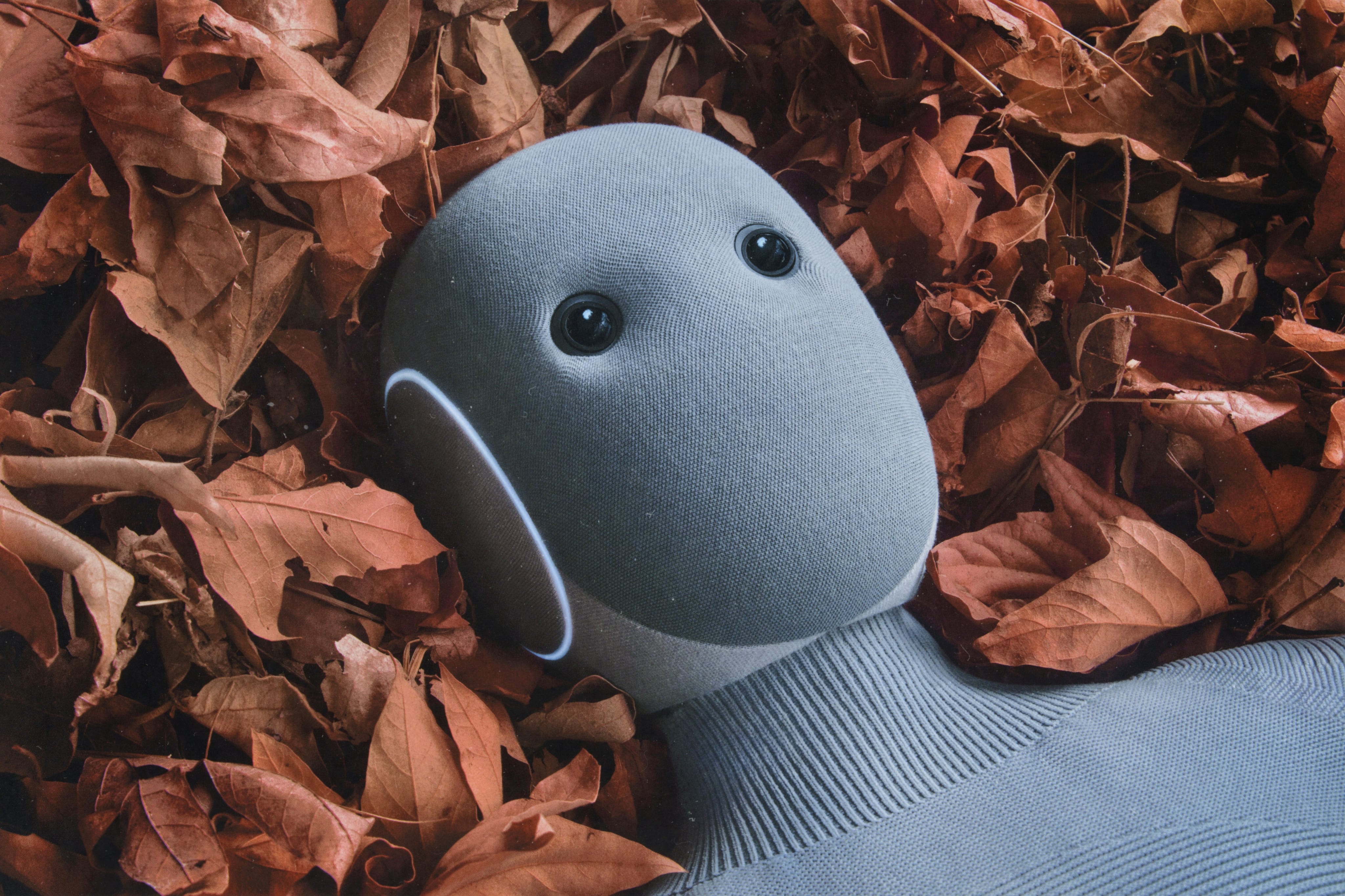
A Munich robotics company spent October quietly swapping its own name off its own product. Devanthro, the maker of a wheeled home-care humanoid called Robody, rebranded on October 8 as Plim Robotics, renamed the robot Plim, and built its entire pitch around a feature most of the industry tries to hide: a button that hands the robot's body to a remote human.
That is the whole story, and it is a bigger deal than the name change suggests.
Plim's own site splits the product into two modes. The robot "autonomously handles everyday household tasks" on its own. Then there is "step-in" mode, which the company describes as letting "family, friends or caregivers operate Plim from anywhere on the planet: face, voice, and all." A relative puts on a headset, and the robot's face becomes their face, mid-conversation, inside someone else's living room. Devanthro has been testing this in real homes since 2024, including dementia care, and its own materials describe the current hardware generation as "purpose-built for caring at home."
Most coverage of humanoid robots asks whether the AI is real. Plim's rebrand points at a sharper question: not whether a robot is autonomous, but whether its maker tells you when it isn't.
The industry's own standard already settled this
Robotics has a formal answer to "what counts as a robot," and almost nobody writing about humanoids seems to consult it. ISO 8373, the standard the International Federation of Robotics builds its own statistics around, defines a robot as a machine with "a degree of autonomy," and it treats that degree as a spectrum, not a toggle: a service robot can run anywhere from partial autonomy, including active human-robot interaction, up to full autonomy, and still qualify as a robot. The standard reserves a separate category, "robotic device," for mechanisms that fall short of that bar, and its own reference example is a teleoperated remote manipulator with a human steering every motion.
Read that carefully and the industry's favorite controversy dissolves. A company does not forfeit the word "robot," let alone the word "AI," by building in a human fallback. The standard assumed exactly this hybrid would exist. What the standard does not address is a PR strategy built around not mentioning it.
1X already tried the quiet version
Plim is not the first company to ship this architecture. 1X Technologies' home robot NEO runs the identical split, and 1X's own product page states it plainly, if you know to look: "For complex tasks NEO doesn't know, an Expert from 1X can remotely supervise its actions at scheduled times," alongside a separate owner-triggered option to "Pilot your NEO from anywhere in the world through your Mobile App & VR device."
The words are there. They are just not the headline. NEO is marketed, named, and demoed as a home AI assistant; the teleoperation sits a few scrolls down, in a FAQ section that, as of this writing, leaves several of its own questions unanswered, including who the remote "Experts" actually are. Reporting on the rollout since has surfaced the uncomfortable mechanics underneath that framing: a live camera feed from inside a customer's home, routed to a person on 1X's payroll, during a session the owner has to schedule and approve.
None of that makes 1X's engineering dishonest. It makes its marketing quieter than its product. A fallback mode buried in an FAQ is not a secret. It is a liability waiting for the first customer who didn't read that far.
Tesla showed what the quiet version costs you
Compare that to how Tesla handled the same underlying fact. At its Optimus unveiling in October 2024, the robots poured drinks, danced, and worked a crowd on stage, framed as a live demonstration of the platform's own intelligence. Tesla did not disclose on stage that humans were steering the robots throughout. Milan Kovac, who ran the Optimus program at the time, later acknowledged the robots had been human-assisted, a detail that only became public after the event, not during it. When Tesla staged a follow-up hand-dexterity demo the next month, the company confirmed the teleoperation itself, and did so far faster than before, evidently having learned something from the first round of coverage.
Nothing about that sequence means Optimus's underlying AI work is fake. Building a system a human can puppet that smoothly, at that latency, over that kind of actuator, is itself a hard engineering problem, and treating it as pure theater undersells the work. But the gap between an October event that needed a program lead's after-the-fact admission and a November one the company confirmed on its own is a measurable improvement in candor, and it is the clearest evidence I have seen that hiding the human costs more than revealing him.
What this means for anyone actually buying one
I maintain a taxonomy of robot makers for a living, which means I spend more time than most people reading the fine print under "autonomous." The pattern I would flag to any buyer, household or enterprise, is simple: ask what percentage of this system's working hours are unassisted, ask who is on the other end of the fallback mode and under what privacy terms, and ask whether that information is in the headline or the FAQ. A company's answer to that third question tells you more about how it will treat you after the sale than any demo reel will.
Plim's gamble is that naming the human-in-the-loop feature outright, pricing it, and putting it in the product's own vocabulary is a better long-term trust asset than pretending the robot does not need one. It is a bet against a decade of robotics marketing that treated any admission of human assistance as a confession of failure. Devanthro clearly is not confident enough in full autonomy to promise it, and said so by building a second named mode instead of quietly shipping a camera link, and that is the more investable signal, not the less.
Whether that bet pays depends on something the rebrand itself cannot settle: pricing, operator vetting, and how a company handles the moment a "step-in" session goes wrong inside a dementia patient's living room instead of a warehouse aisle. Those are liability questions, not marketing ones, and Plim has not answered them in public yet. But the standard already written for this industry never asked companies to choose between AI and a human in the loop. It only asked them to say which one is driving, and when.
This analysis reflects the author's own reading of Plim Robotics' and Devanthro's own websites and published materials, 1X Technologies' own NEO product page, the International Federation of Robotics' own published explanation of the ISO 8373 robot and service-robot definitions, and public reporting and statements, including from Tesla's own Optimus program leadership, on Tesla's October and November 2024 Optimus demonstrations. It is provided for general information purposes only and does not constitute investment, legal, or professional advice.
Hero image: Plim, the home-care humanoid from Plim Robotics (formerly Devanthro's Robody), courtesy of Plim Robotics.