
Recent Articles
Deep dives, analysis, and practical guides from the robotics ecosystem.
235 articles found • Page 2 of 5

How Much Does a Servo Motor and Drive Cost? A 2026 Pricing Guide
Official procurement records show servo motor-and-drive hardware from about US$238 to US$10,431 per pair, while scope and integration can push effective axis costs much higher.
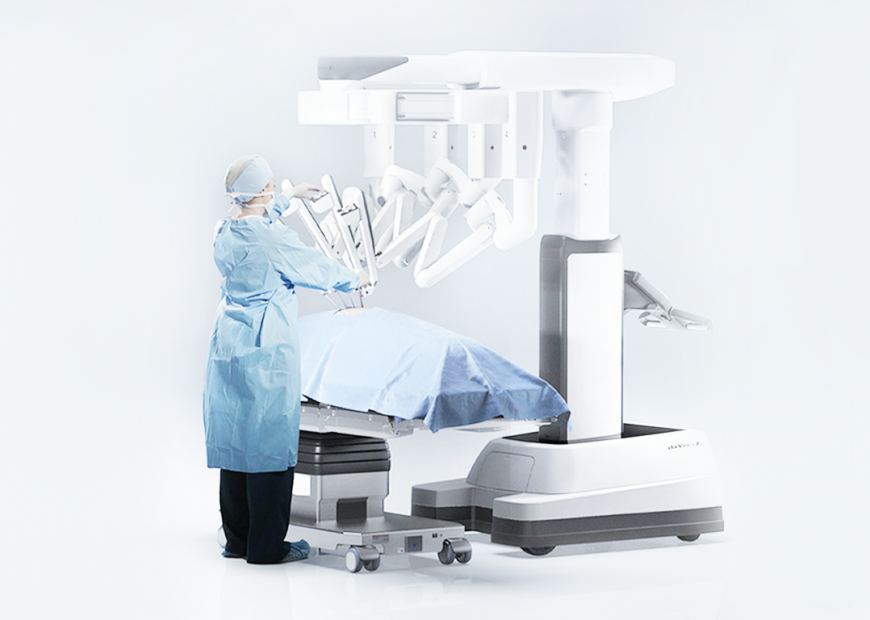
What a 14-Million-Procedure Study Says About da Vinci
A 14-million-procedure meta-analysis backed by Intuitive Surgical finds da Vinci robotic surgery beats open surgery on complications and mortality but shows no advantage over laparoscopic surgery, a distinction hospital capital committees should weigh before expanding robotic capacity.
 martti 4 min read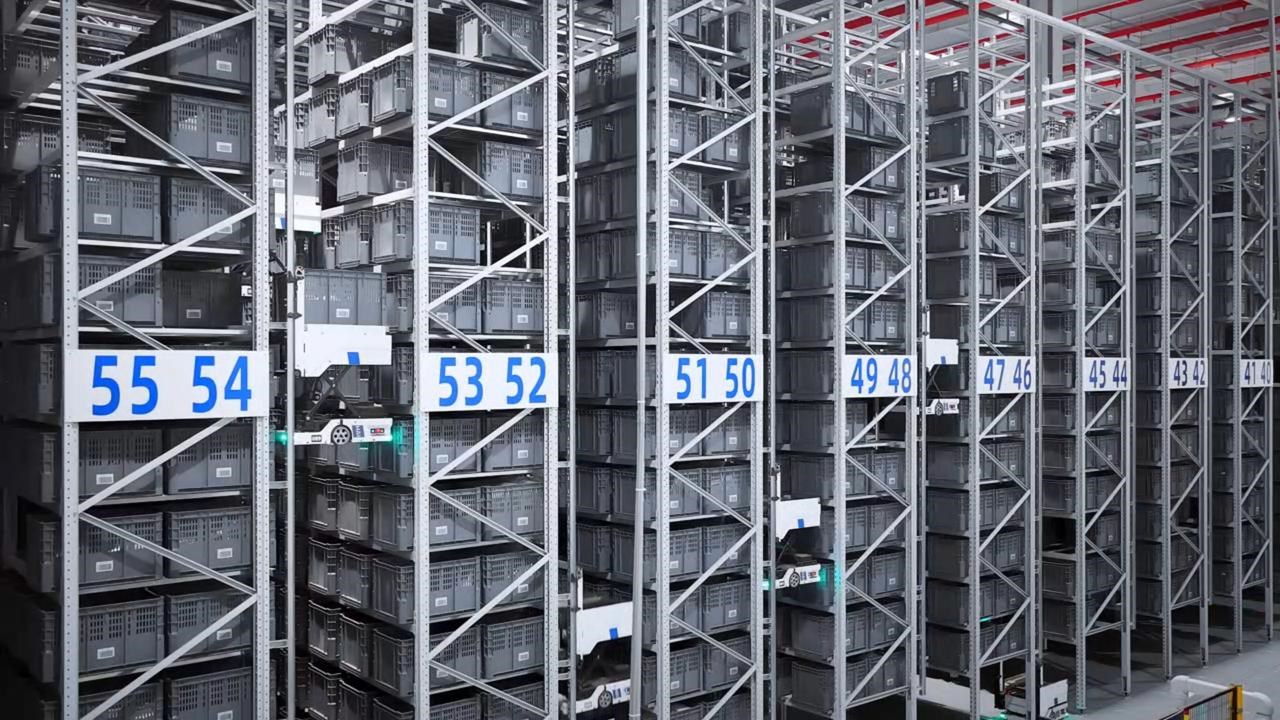
How a Chinese Robotics Startup Won Europe's Biggest Warehouse Deal
Hai Robotics is installing 1,500 climbing robots inside a Dutch fashion retailer's fulfillment center, the largest rack-climbing robot deployment on record and a signal that Chinese vendors now win Europe's flagship automation contracts.
martti 4 min read
Where is the Servo Motor and Drive Used? Real-World Applications Explained
A practical map of where servo motors and drives create value, from automotive welding and packaging to machine tools, semiconductors, and medical equipment.
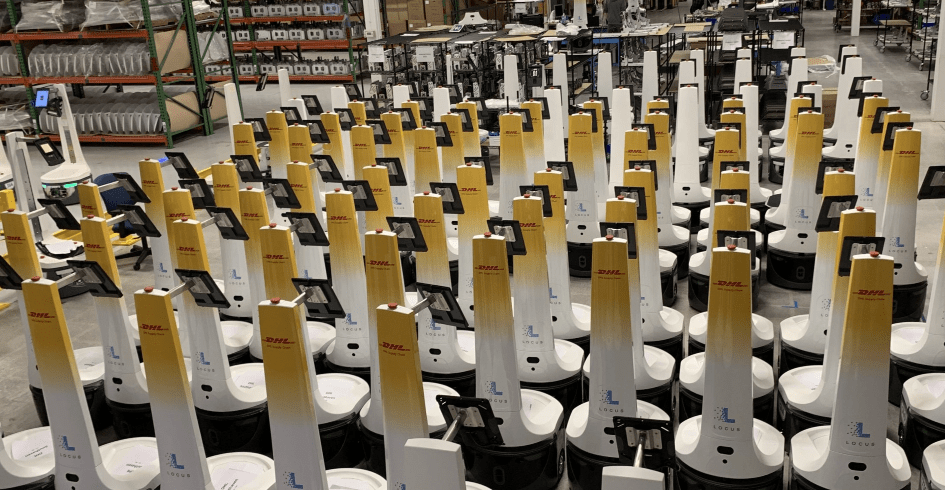
Warehouse Job Openings Fell 17 Percent in July. So Did Layoffs.
A BLS release and a robotics trade group's own order data both moved the same week, and both got used to win an argument neither number actually settles. Reading openings, quits, and layoffs together, alongside what the robotics industry itself is ordering, tells a more honest story about where automation actually stands.
martti 4 min read
Marc Raibert's Next Robot Company Isn't Boston Dynamics
Boston Dynamics licensed a category to two of its own alumni and let founder Marc Raibert write a personal angel check. NEURA Robotics bought a rival outright. Palladyne AI and FANUC America partnered as equals. A column on the three structures physical-AI companies used this week to grow into capabilities they lacked, and what each one means for a buyer's due diligence.
martti 4 min read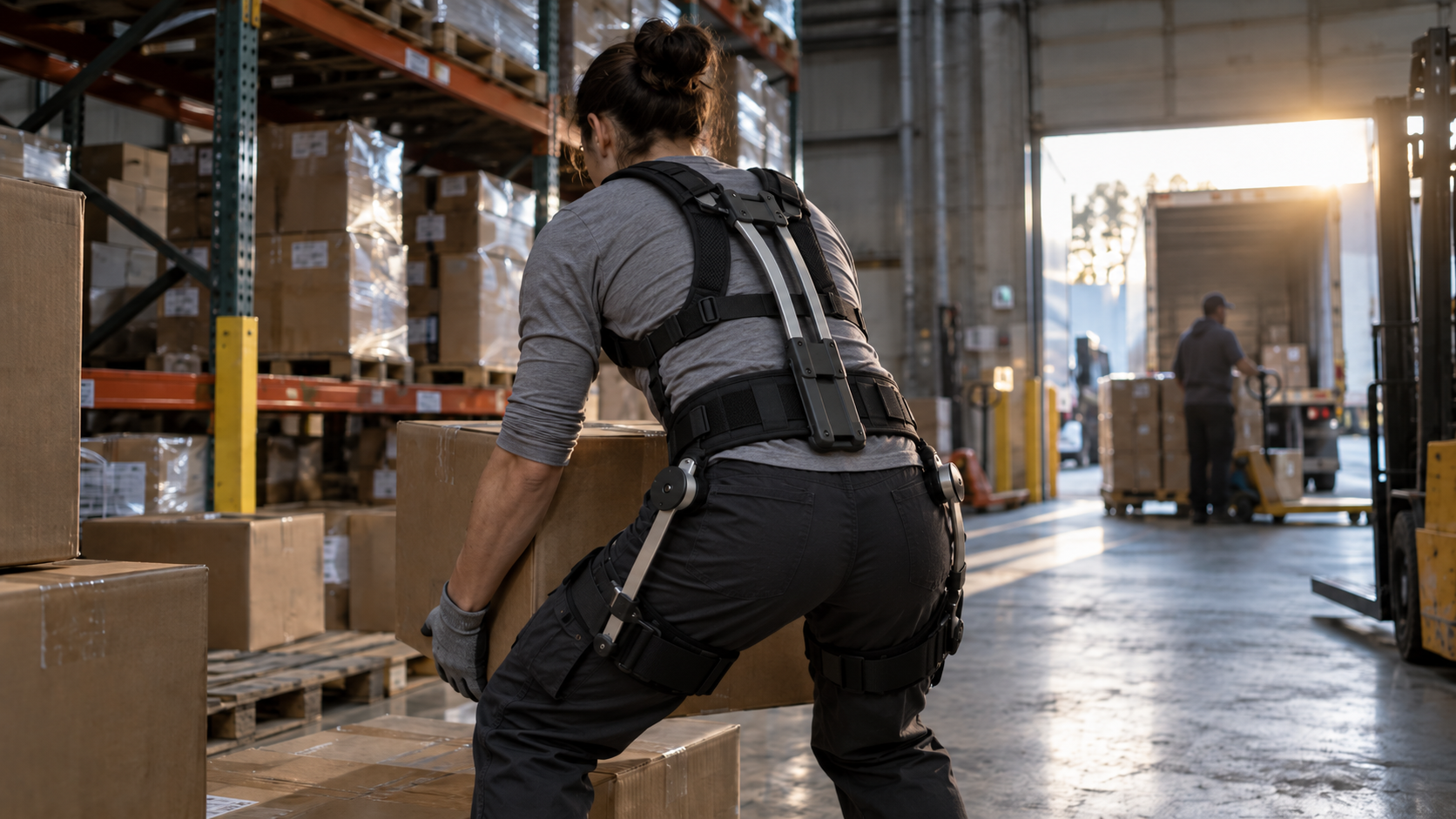
Types of Exoskeletons, What They Do, and Why Adoption Keeps Stalling
The industry says the blockers are battery life and weight. A peer-reviewed study of occupational exoskeletons found setup takes 39 to 110 steps and up to 25 minutes, failing nearly half the time. Passive exoskeletons have no battery at all. They have not reached mass adoption either. The power source is not the constraint.
 Eugene 4 min read
Breaking Down the Subcategories of Servo Motor and Drives
A buyer-focused guide to servo motor and drive subcategories, from rotary, direct-drive, and linear motion to feedback, packaging, and emerging integrated actuators.
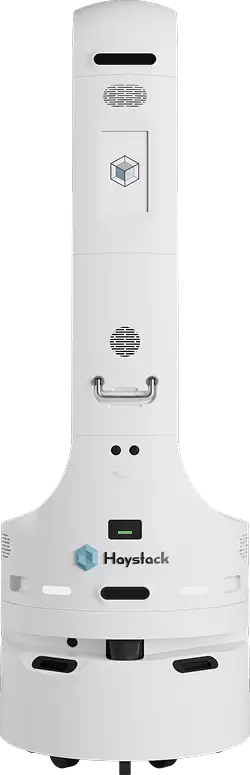
Robotics' Smallest Funding Rounds Reveal Where the Real Moat Hides
Haystack Robotics' US$3.95 million Series A and Jaipur Robotics' EUR4.3 million seed round both closed this week as two of physical AI's smallest financings. Read side by side, they show where specialization capital in robotics actually sits: not in the hardware, but in whoever ends up owning the data the robot generates after it ships.
martti 4 min read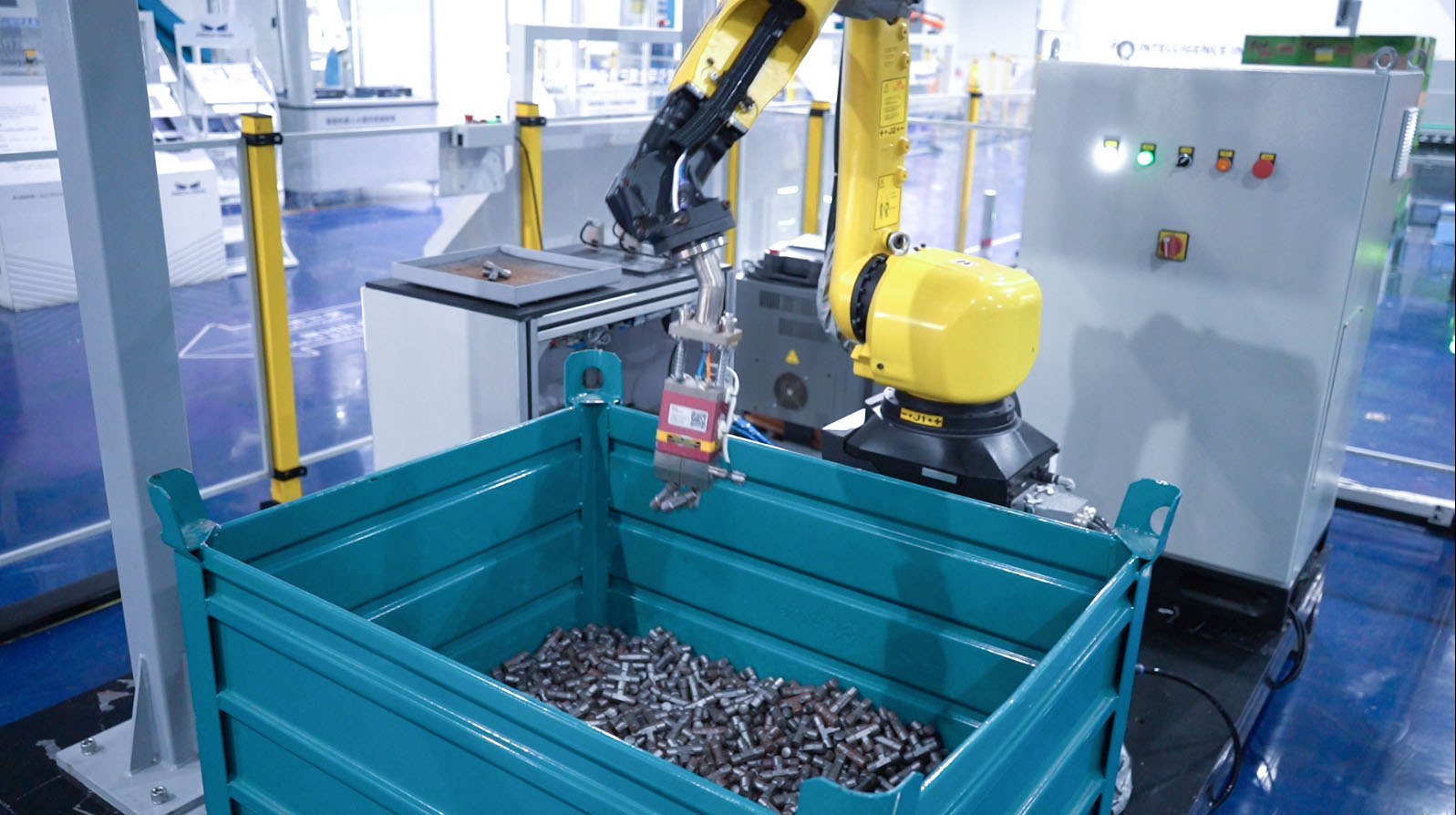
Hong Kong's Robotics IPO Rush Is a Capital Controls Story, Not a Market One
Six Chinese robotics companies have gone public in Hong Kong this year, with more than fifty reportedly queued behind them. The pattern owes less to Hong Kong's appeal than to matching regulatory chokepoints Beijing and Washington built on opposite ends of the same capital flow.
martti 4 min read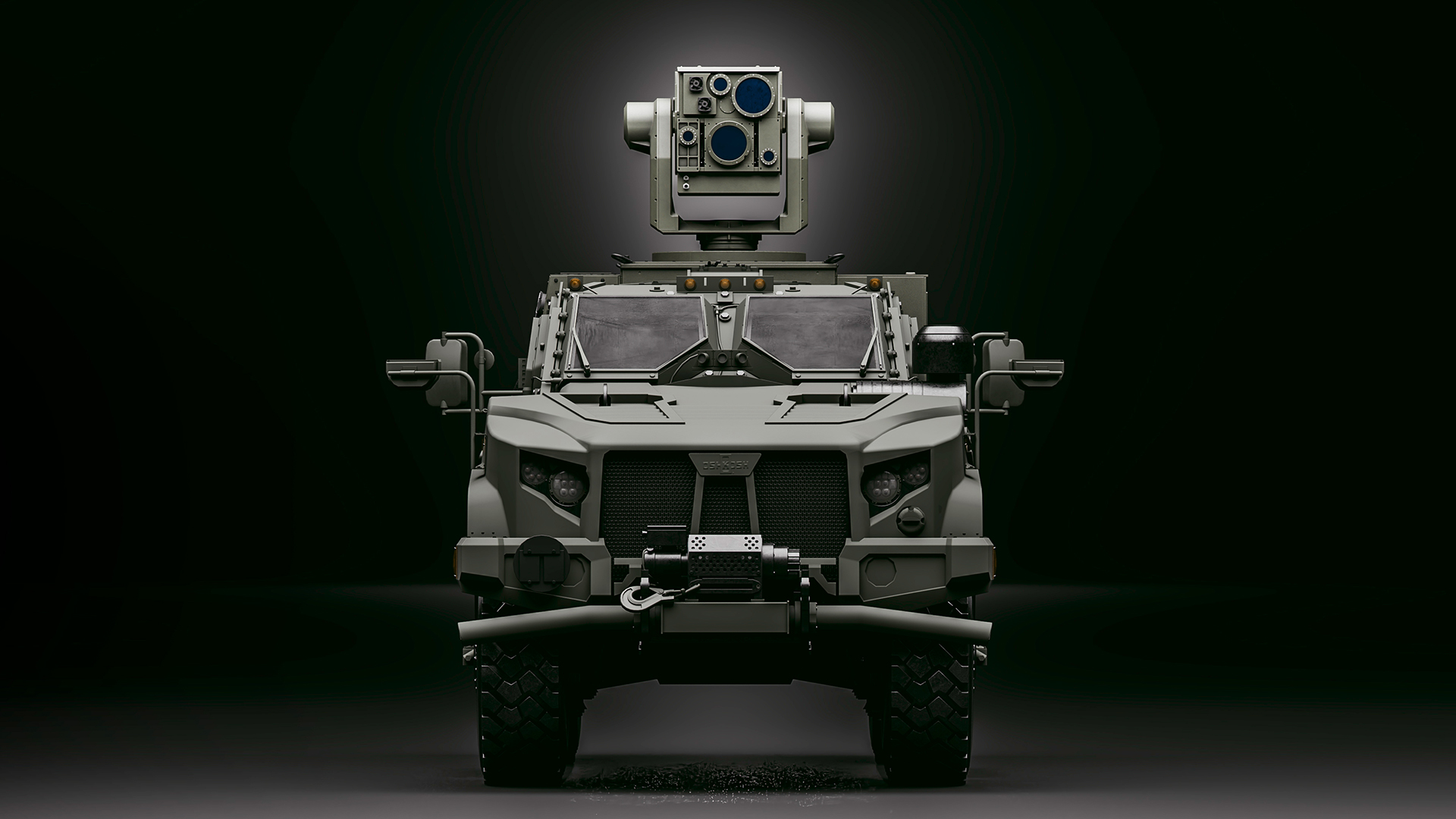
Anduril's US$20 Billion Army Contract Obligates Exactly Zero Dollars
This week's autonomous-weapons contracts from Anduril, Palantir, and AeroVironment are being read as proof the Pentagon has committed to AI-enabled warfare. The contract vehicles underneath say otherwise.
martti 4 min read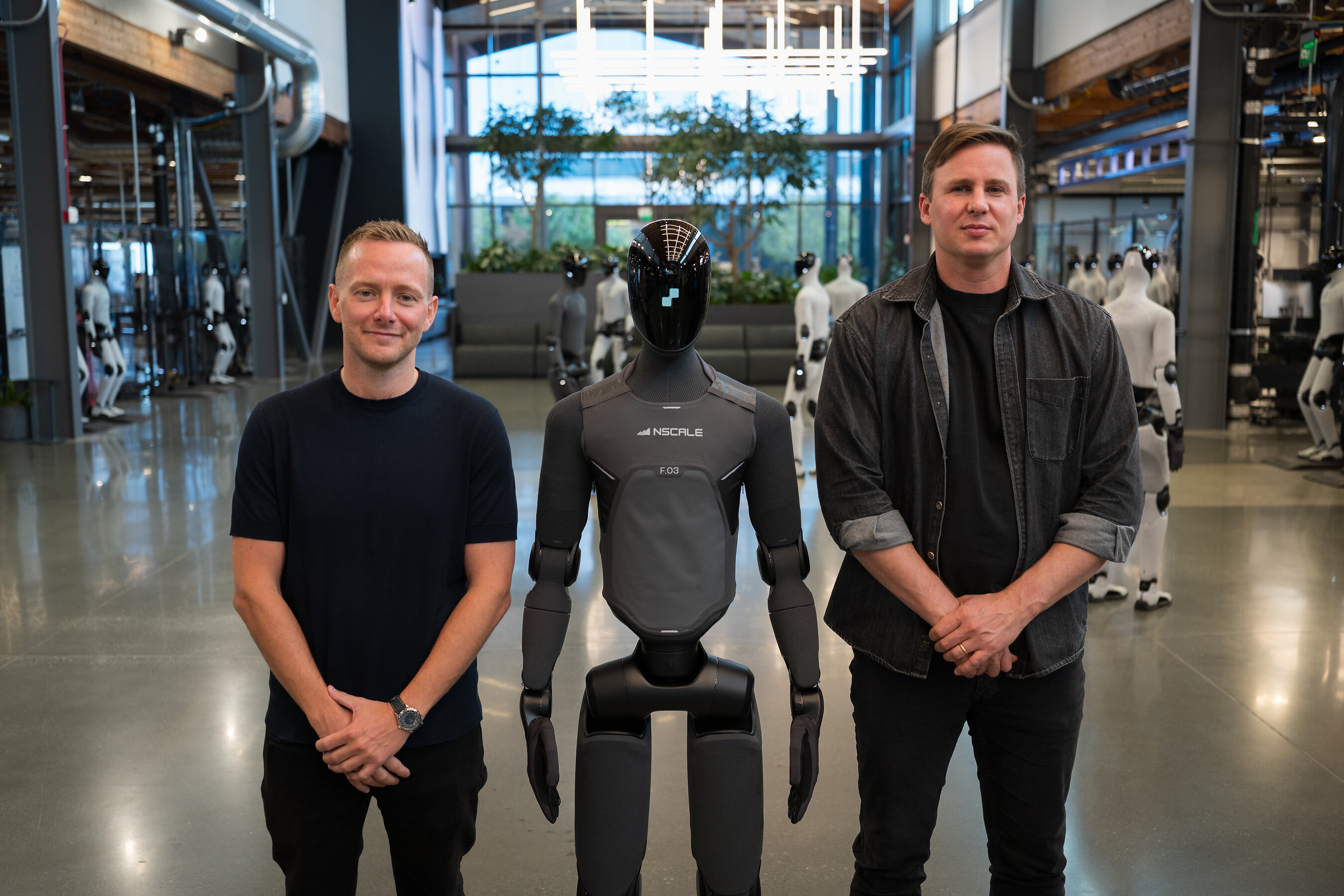
Figure's $3.5 Billion Compute Deal Exposes Humanoid Robotics' Real Cost Center
Figure committed US$3.5 billion in compute spending to Nscale, a two-year-old cloud provider, more than its entire funding history to date. The deal shows compute economics, not mechanical design, is becoming humanoid robotics' real competitive battleground.
martti 4 min read
Enovis and Jungheinrich Show Where European Robotics Capital Is Really Going
A €155 million surgical-robotics acquisition by Enovis and a €100 million VC fund from Jungheinrich, announced a day apart, show European industrials choosing to control robotics capability directly rather than wait on outside capital.
martti 4 min read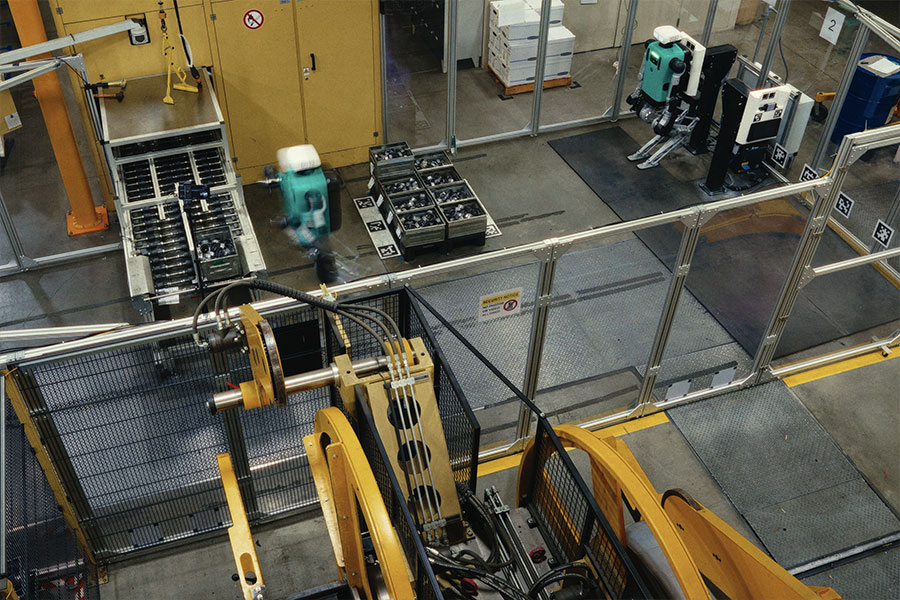
The Valuation Is the Least Useful Number in a Robotics SPAC Deck
PlusAI, Agility Robotics, XTEND AI Robotics, and Unitree all went public or announced going public within the same ten-day window. What each disclosed, or omitted, about current revenue and orders before the valuation headline is a better predictor of what buyers are getting than the deal size itself.
martti 4 min read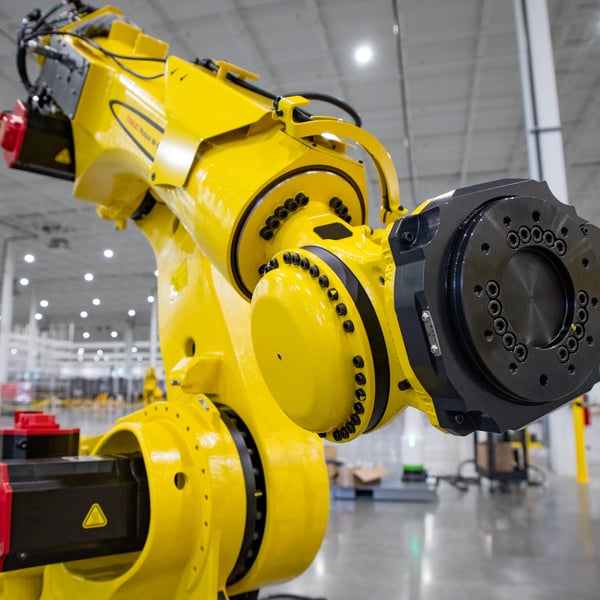
Robot Orders Data Shows Automotive Losing Its Lead in the US
A3 order data shows US automotive robot orders fell 25% in H1 2026 while semiconductor and life-science orders surged, reshaping how vendors should pitch buyers.
martti 4 min read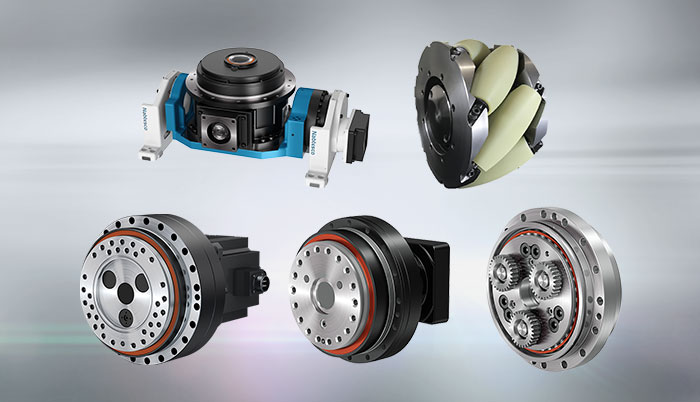
The Investment Case for Robotic Reducers: Why Capital is Flowing In
Official robot-installation data and listed-company disclosures show rising reducer orders, high factory utilization, and new compact products, while the absence of a verified global market total makes evidence quality central to the investment case.
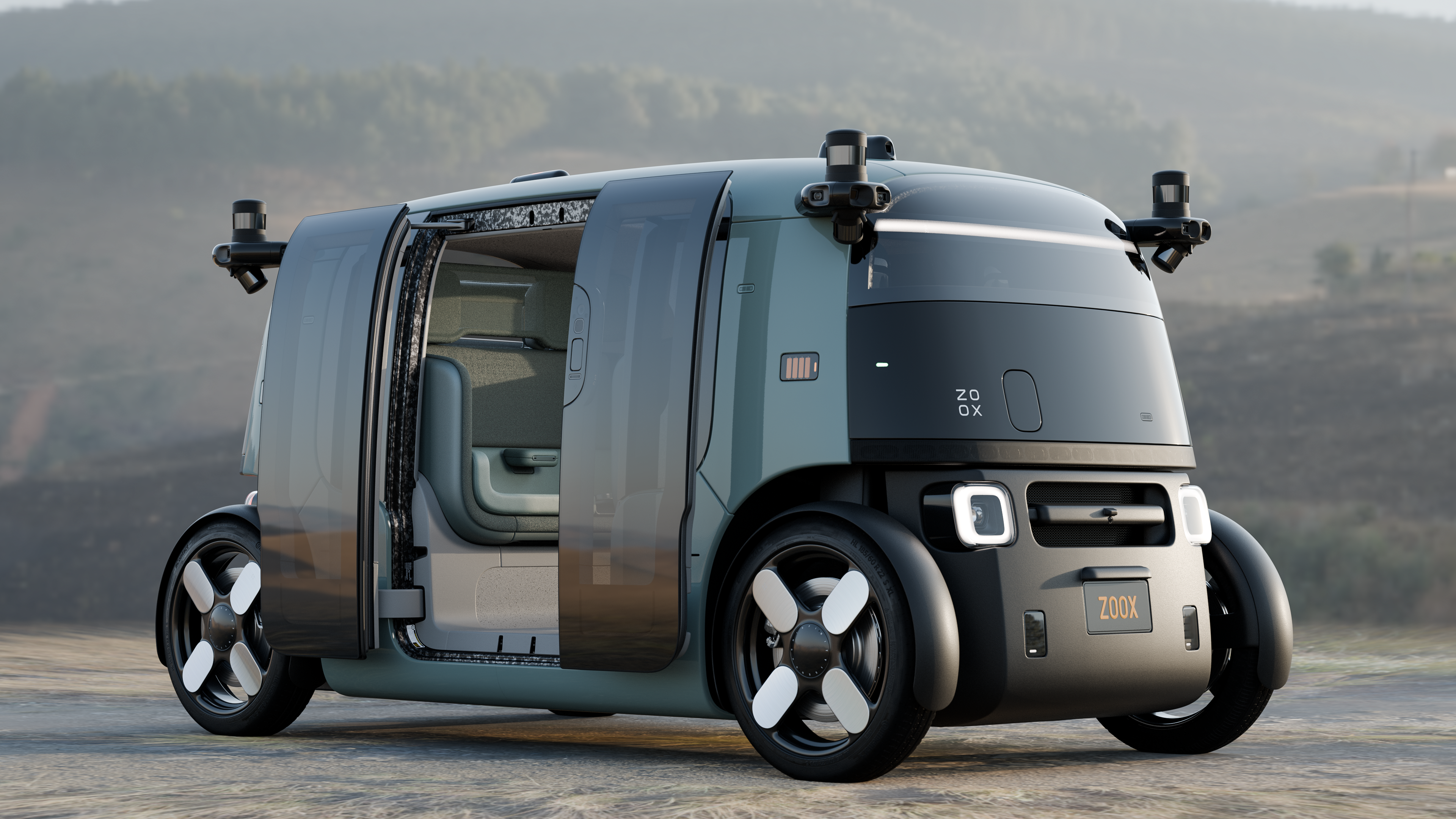
Tesla Skipped NHTSA's Permission Slip for a Wheelless Robotaxi. Zoox Spent Two Years Getting One.
Tesla says its wheelless Cybercab already meets every federal safety standard, no exemption needed. Zoox spent two years and accepted a 2,500-vehicle cap to win permission for the identical design. What that gap in approach actually signals about risk, not price.
martti 4 min read
The Humanoid Industry's Rental Pitch Has a 0.6 Percent Problem
AgiBot just extended its humanoid rental program to seven Middle Eastern countries, the latest evidence that Robot-as-a-Service has become the industry's growth story. But UBTECH's newly filed H1 2026 results, the only audited numbers a major humanoid maker has published, show services revenue at just 0.6 percent of sales. Real revenue still comes from selling hardware, and Unitree's own filings tell the same story.
martti 4 min read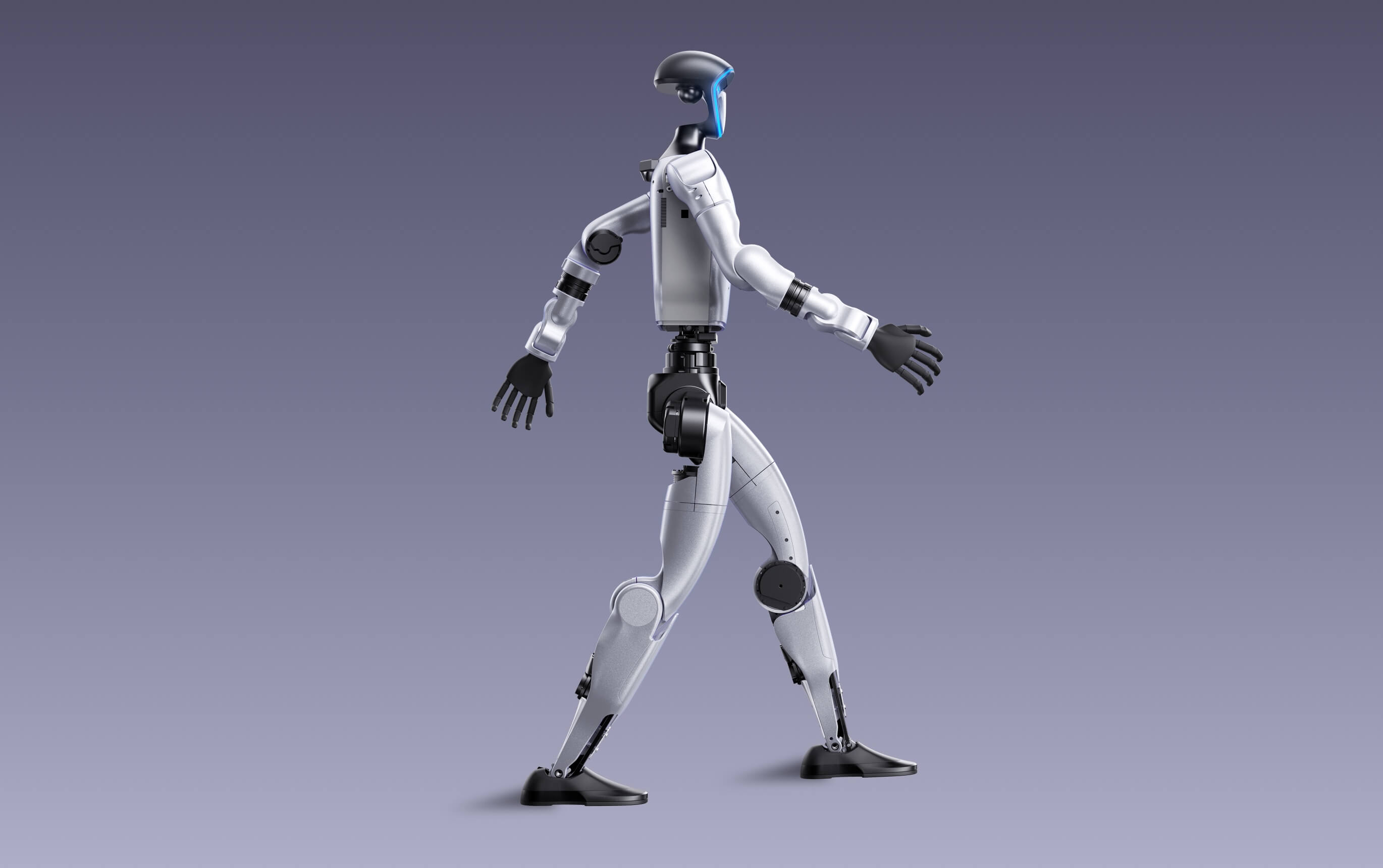
RoboGesture Teaches Humanoid Robots to Gesture While Speaking
Researchers from Peking University and Tsinghua University built RoboGesture, a framework that generates real-time, speech-synchronized gestures for humanoid robots, tested on a Unitree G1 ahead of ECCV 2026.
martti 4 min read
Humanoid Robot Soccer Just Became the Industry's Most Honest Benchmark
A Tsinghua-led team published a reinforcement learning controller in Science Robotics that fuses vision and motion on Booster T1 humanoids, cutting ball-tracking error 46 percent and reaching a 90 percent kick rate with zero real-world fine-tuning. The platform math underneath matters as much: Booster hardware now carries most of competitive robot soccer, and the training method points at every dynamic task humanoids will face.
martti 4 min read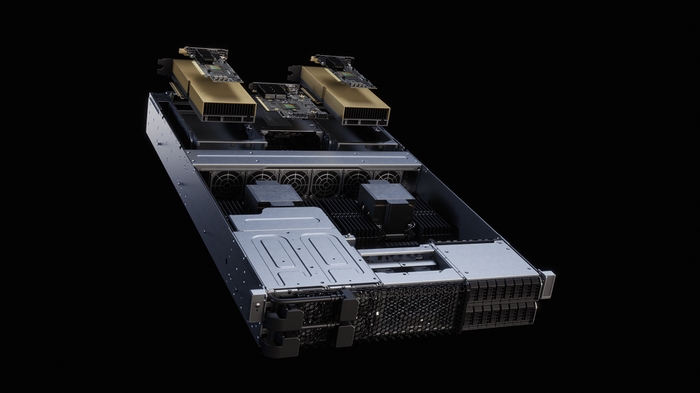
The Next Robotics Bottleneck Is a Power Grid in Johor, Not a Chip Fab
Robot foundation-model training runs on GPU clusters that need real power grids and water permits, and Malaysia's Johor corridor shows that fight is already public, with a fourteen-times gap between reserved and actual data-centre electricity demand.
martti 4 min read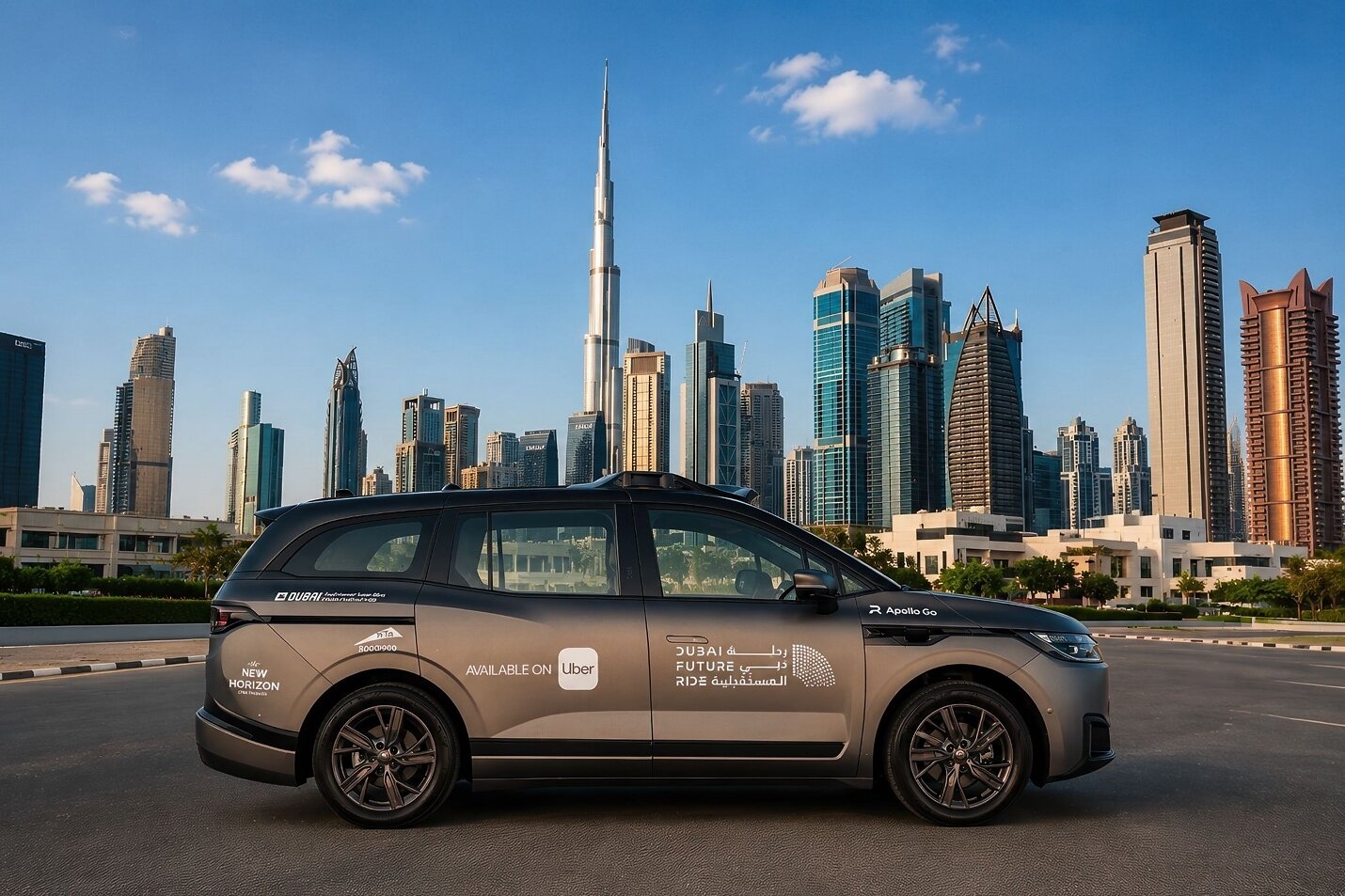
The Robotaxi Race Has Four Contenders. Grab Backed Three of Them.
While the trade press keeps score between Waymo, Baidu, Pony.ai and WeRide, Grab has quietly hedged across three rival robotaxi makers at once, treating self-driving hardware as a commodity its app decides who gets to sell in Southeast Asia.
martti 4 min read
Embodied AI's Breakout Product This Year Isn't a Humanoid. It's a US$399 Duck.
Hugging Face and Pollen Robotics' $399 open-source bipedal duck robot, Microduck, sold $2.6 million in 24 hours, a viral moment for accessible, open robotics hardware that has drawn far more attention than this year's expensive humanoid platforms.
martti 4 min read
Who Pays When a Robot Hurts Someone? China's Insurers Already Answered.
China's insurers began writing dedicated humanoid robot policies in late 2025 while US carriers filed blanket generative-AI exclusions across commercial liability policies, a quiet but decisive edge in whose robots actually get deployed at commercial scale, with a real gap for buyers in between.
martti 4 min read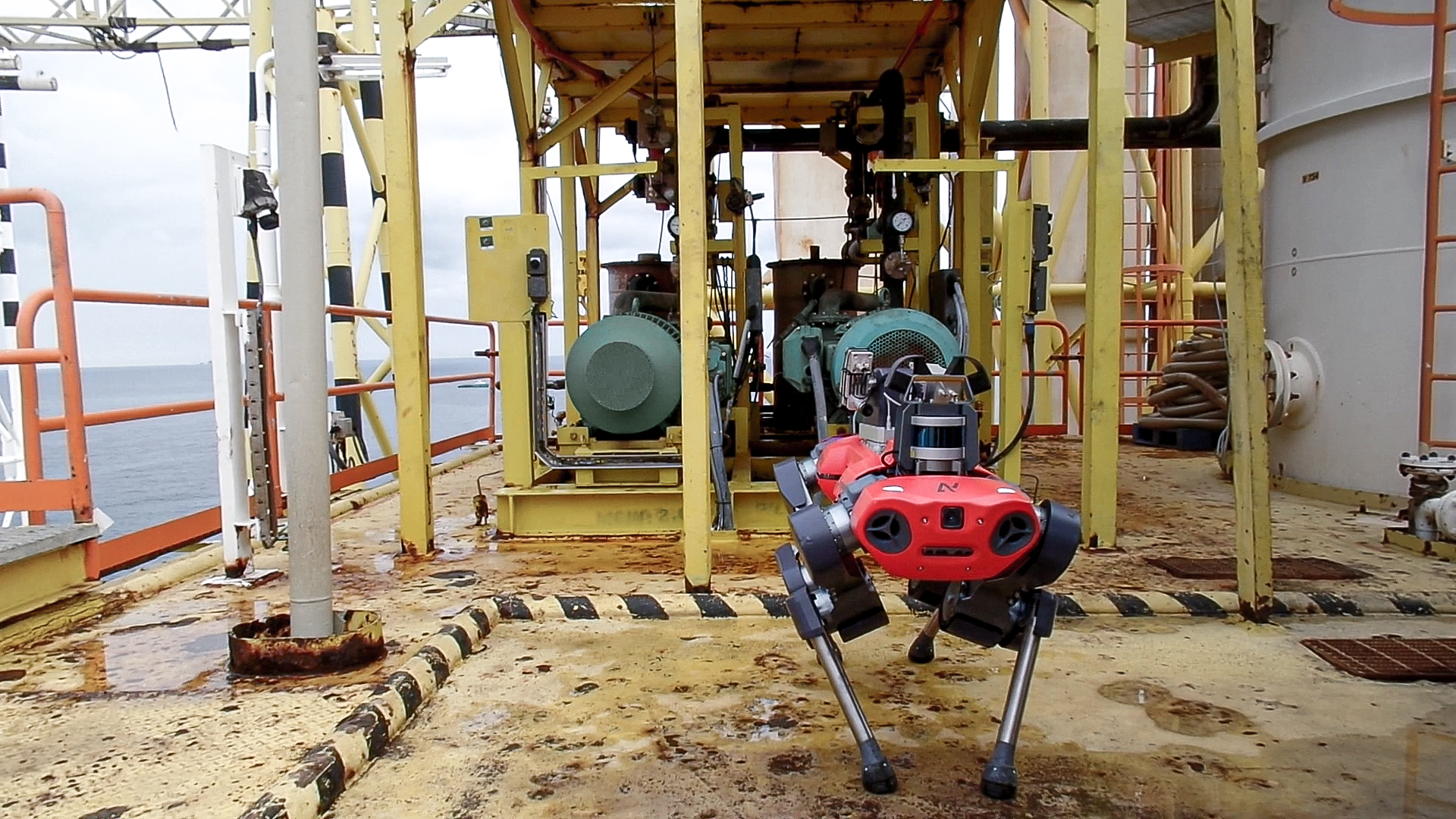
The Real Border in Robotics Isn't AI. It's a Safety Certificate.
Explosion-proof robots from ANYbotics, Boston Dynamics and China's XTRONROBOT are already earning their keep in oil, gas and nuclear facilities, but the real dividing line between them isn't AI capability. It's which national safety certification each robot was built to clear.
martti 4 min read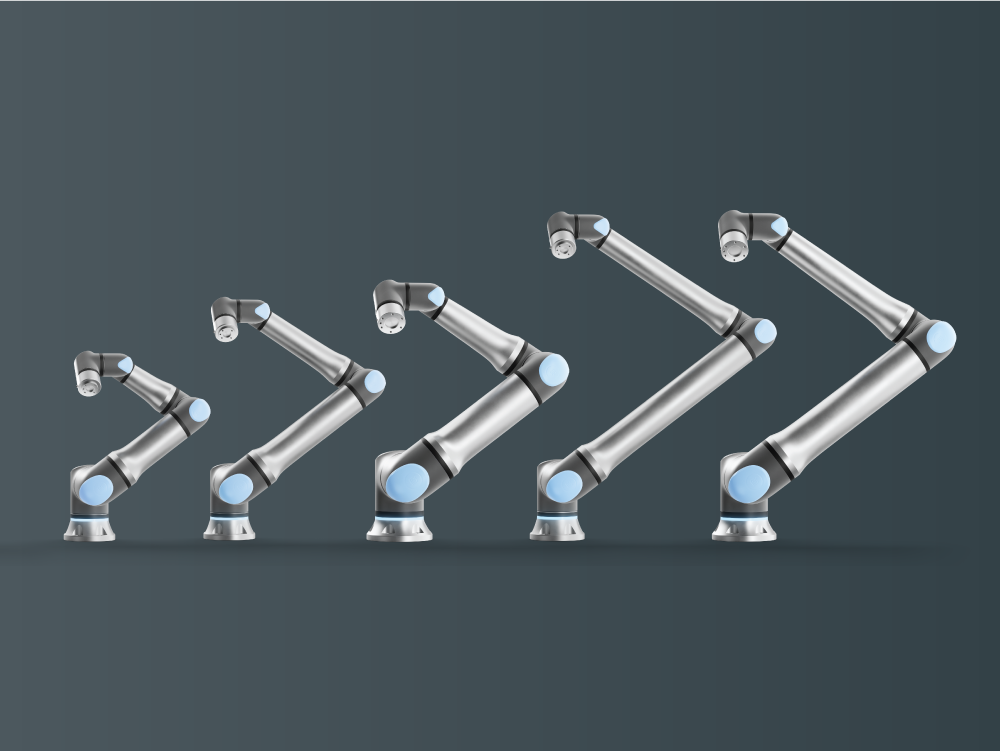
The Robot Safety Standard With Exactly One Author
Anthropic's new Model Hardware Standard is being sold as a safety spec for AI-controlled robots, but it launches closed, governed by one company, while the industry's actual functional-safety standard took fifteen years and a multi-stakeholder committee to write.
martti 4 min read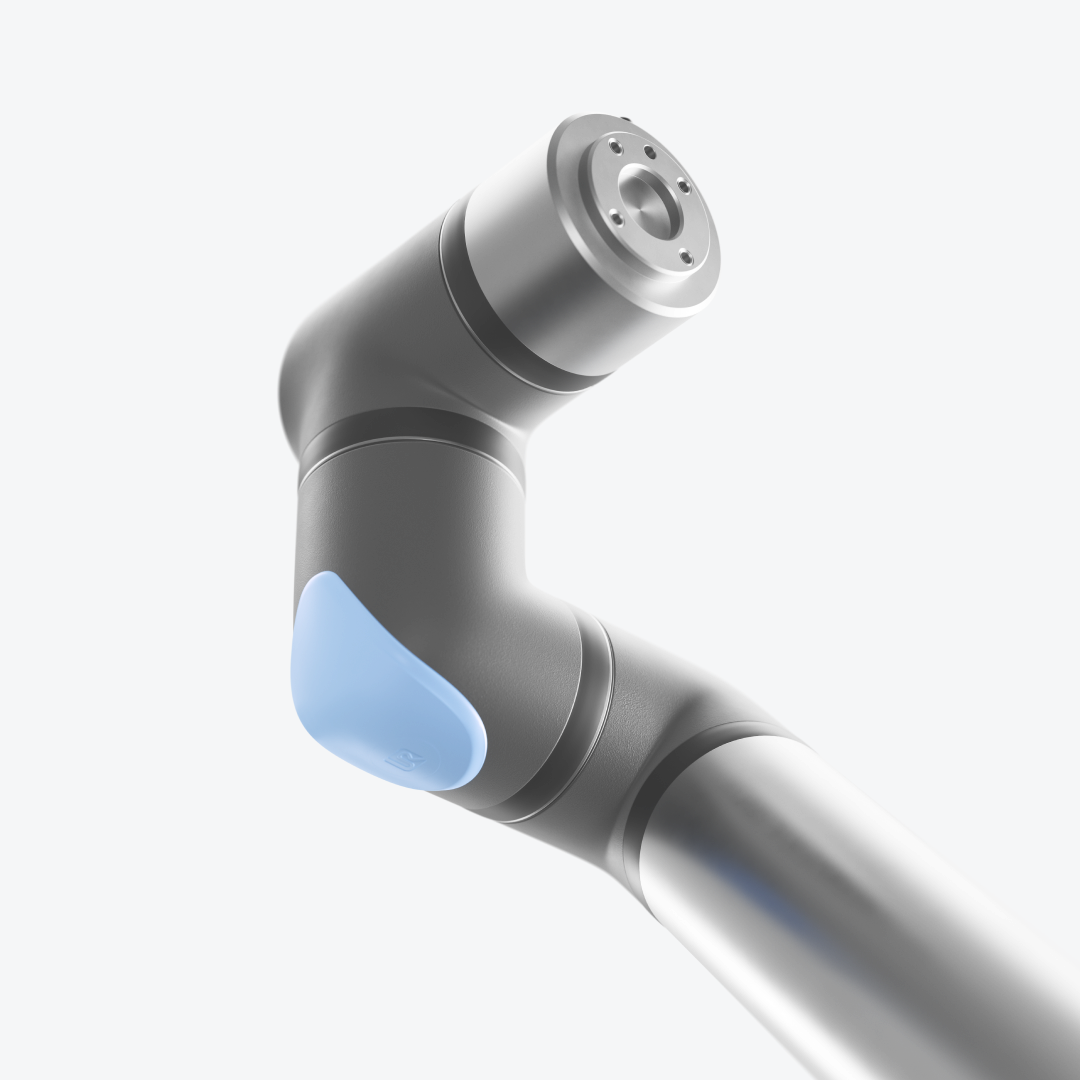
Nobody Banned JAKA's Robots From Europe. Teradyne's Lawyers Did It Instead.
Teradyne's patent suits against JAKA and Elite Robots aren't really a China-versus-West story. They're the oldest pattern in hardware: the disruptor that won a category on price becomes the incumbent defending it with patents, using a three-year-old pan-EU court that could just as easily be turned against it.
martti 4 min read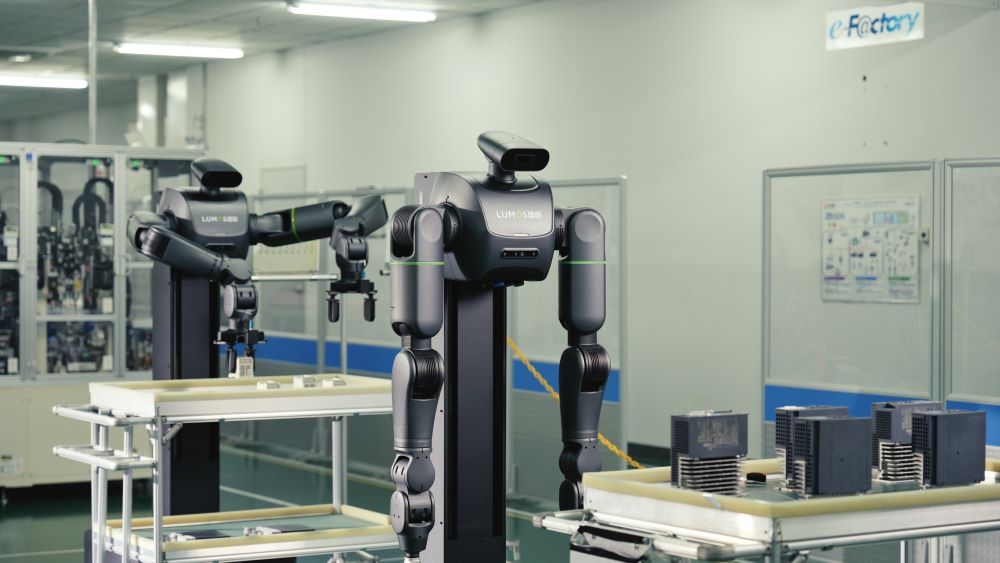
Lumos Robotics Launches MOS2 as 'AI Worker,' Bringing Embodied Intelligence to the Factory Floor
New heavy-duty mobile manipulator already deployed at Mitsubishi Electric's PLC production lines for inspection, material handling and assembly tasks

A Canadian Lab's GPU Simulator Attacks Surgical Robotics' Slowest Bottleneck
A University of Alberta preprint describes CRESSim-Neo, a GPU engine that unifies tissue, fluid, and suture simulation for surgical robot learning, aimed at the data bottleneck slowing automated surgical sub-tasks.
martti 4 min read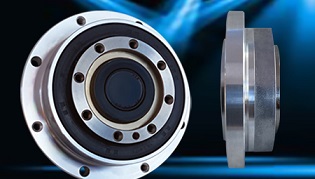
Where is the Robotic Reducer Used? Real-World Applications Explained
A survey of where robotic reducers actually go to work, grounded only in International Federation of Robotics statistics and the manufacturers' own disclosures, with the gaps in official data on China's domestic supply and humanoid-robot demand stated plainly rather than filled with commercial estimates.
martti 4 min read
Kinetix AI Builds a Full Humanoid Stack in One Year
Shenzhen startup Kinetix AI has assembled hardware, dexterous hands, data-capture rigs, a predictive world model, and AI training infrastructure for its KAI humanoid in about a year, a stack rival Figure needed three years to build, and it is already selling components to other robotics developers.
martti 4 min read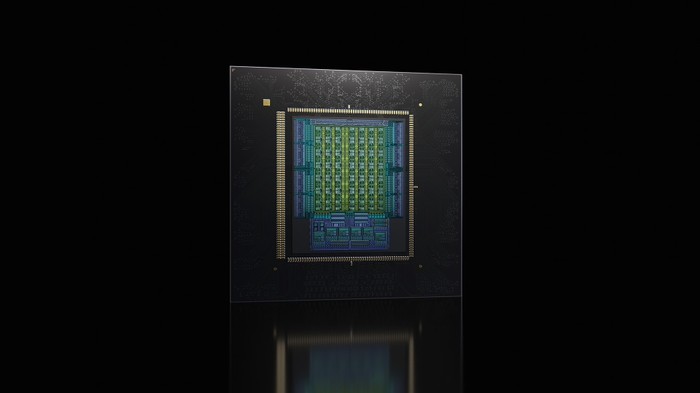
Physical AI's Big Numbers Aren't About Robots
This week's NVIDIA-AWS 2-million-GPU deal, Japan's 27,500-GPU national AI factory, and NVIDIA's own vanishing robotics revenue disclosure all get filed under "physical AI." They're three unrelated businesses operating at wildly different scales, and none of them is what actually runs inside a deployed robot today: a 15-watt edge chip or a general-purpose server processor doing sensor fusion.
martti 4 min read
Waymo Publishes 10 AI Lessons From 200 Million Autonomous Miles
Waymo published 10 engineering principles distilled from more than 200 million fully autonomous miles the same week it confirmed Munich as its first European Union market, framing the disclosure as a technical credibility case for regulators evaluating driverless expansion.
martti 4 min read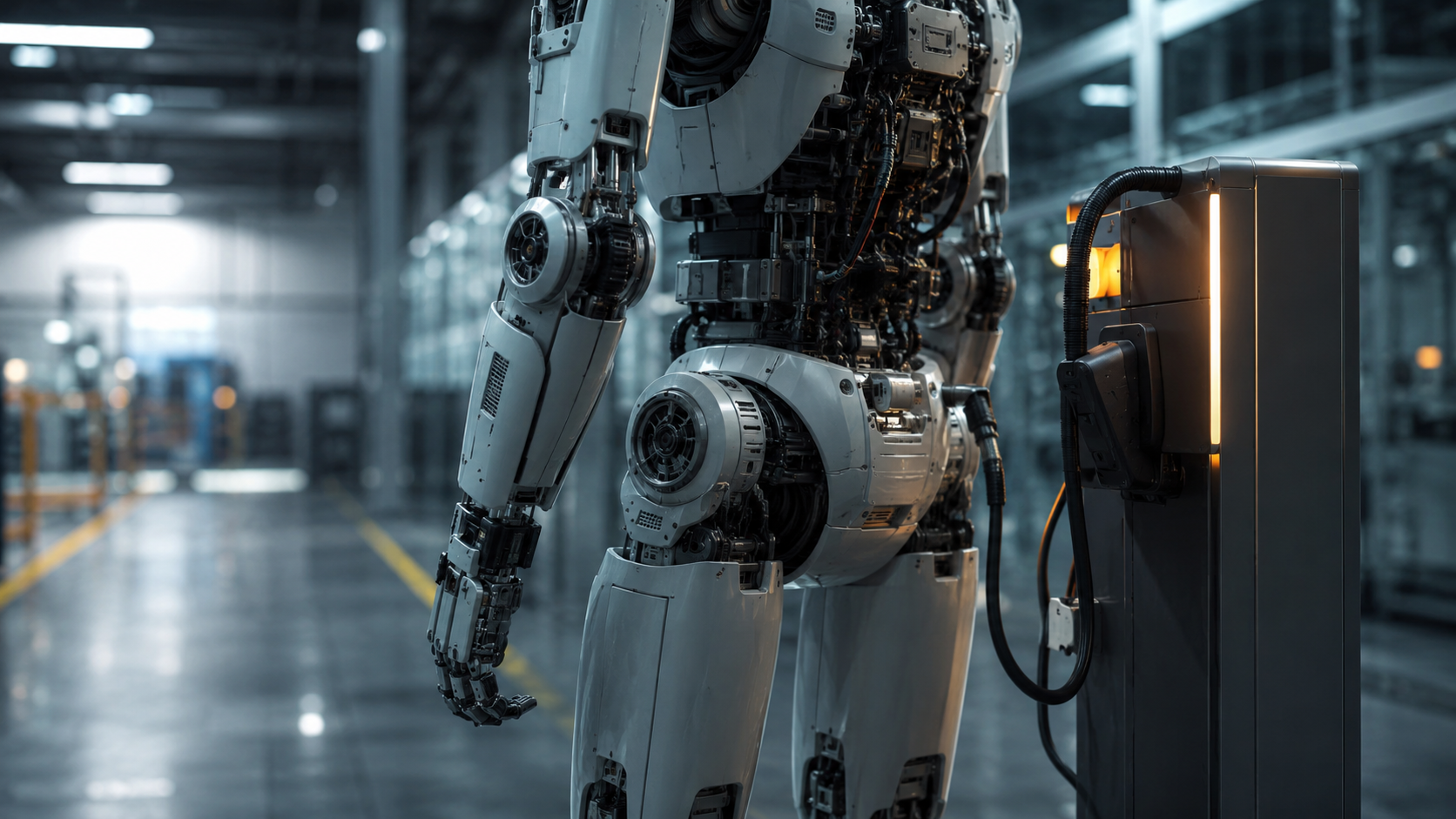
Humanoid Robots: What They Are, Why They Overheat, and Where They Work
At NASA's Johnson Space Center, operators running the Valkyrie humanoid watch its actuator temperatures. When the legs or torso get too hot, the work stops until they cool. Not the battery — the metal. The humanoid form was copied from a body that sweats. No commercial humanoid does.
Eugene 4 min read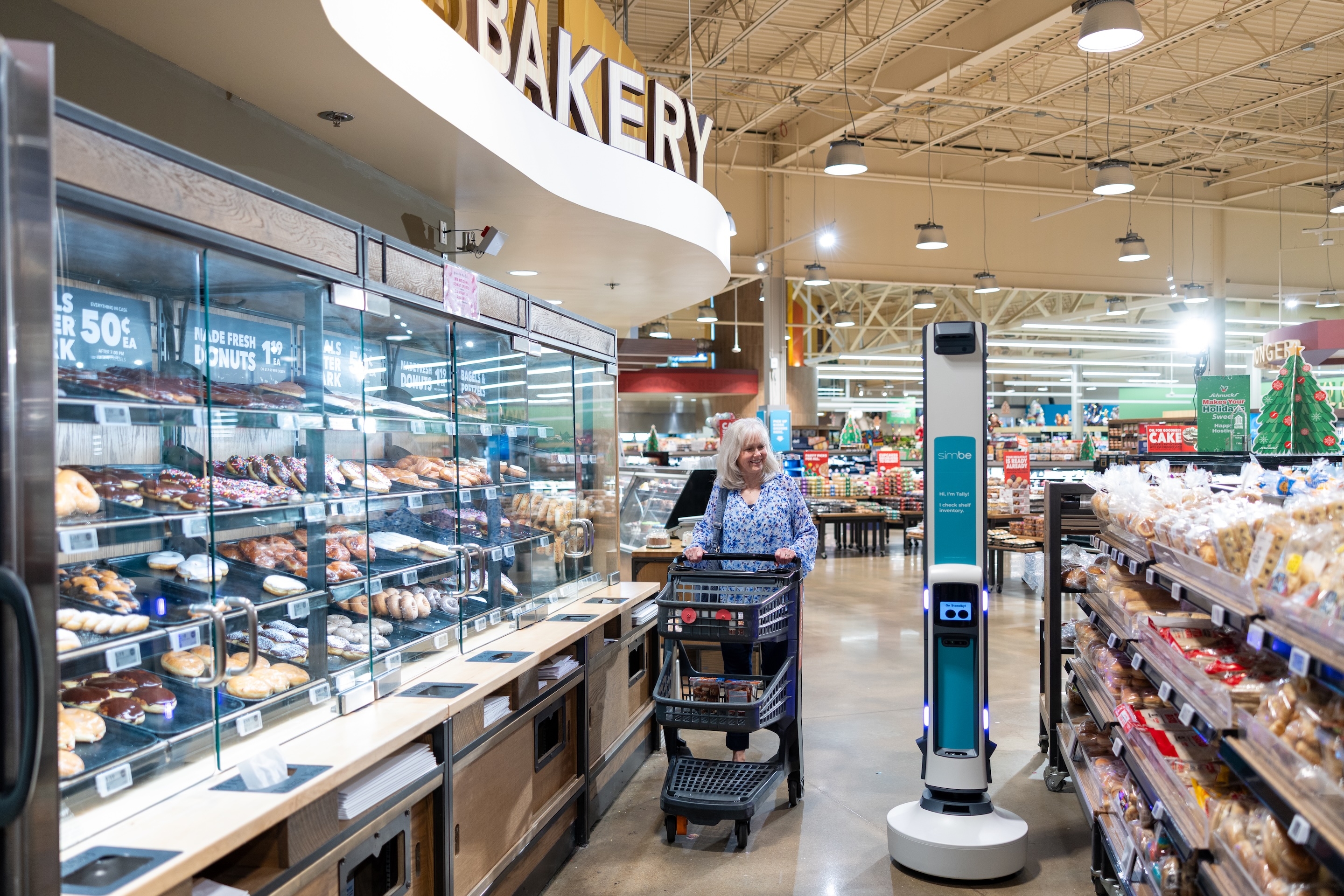
Tally Passed Robotics' Toughest Safety Test. Nobody Checked If It's Actually AI.
Robotics built three real oversight tracks in 2026: UL's safety certification, ISO's robot vocabulary standard, and the EU AI Act's disclosure rule. None of them verifies whether a robot's AI claim is actually true. Tally's UL 3300 certification, NVIDIA's Jetson Orin Nano 2 launch, and Figure AI's voluntary data disclosure show why buyers, not regulators, are currently the only ones checking.
martti 4 min read
Figure AI's Index Platform Bets US$1B on Crowdsourced Robot Data
Figure AI's crowdsourced data platform Index has logged 16 million contributor videos and paid out US$15 million, as the company commits over US$1 billion to data and compute, a bet that consumer-sourced physical-task video, not just robot teleoperation, is the fastest path to closing humanoid robotics' data bottleneck.
martti 4 min read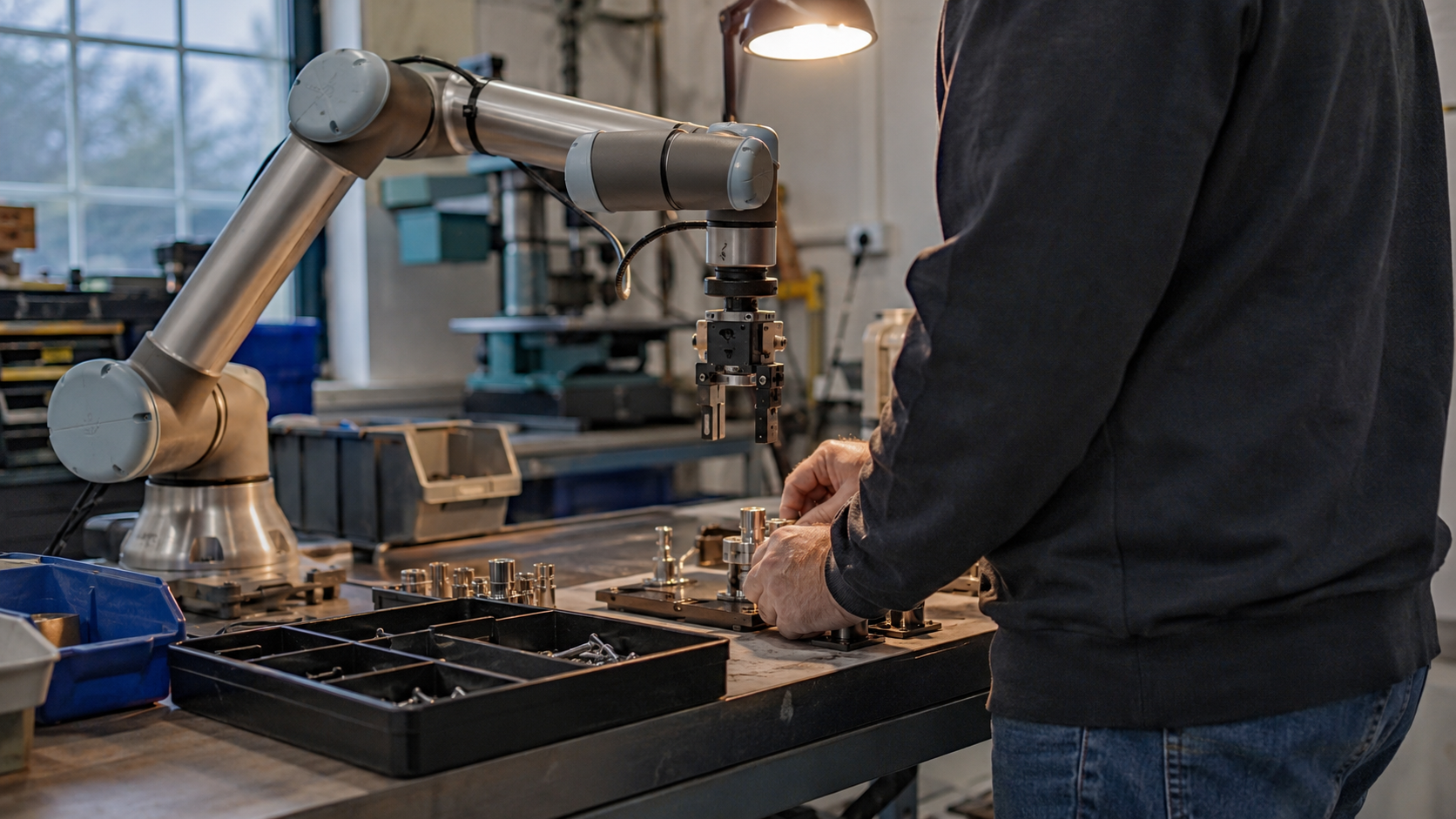
Cobot vs Robot: What a Cobot Actually Is and Where It Belongs
A cobot is not a safer robot. It is a slower one — and the slowness is the safety mechanism. Since April 2025, ISO 10218-2 has treated collaboration as a property of the application, not the machine. Which means the arm in the brochure is not collaborative until someone risk-assesses the tool on the end of it.
Eugene 4 min read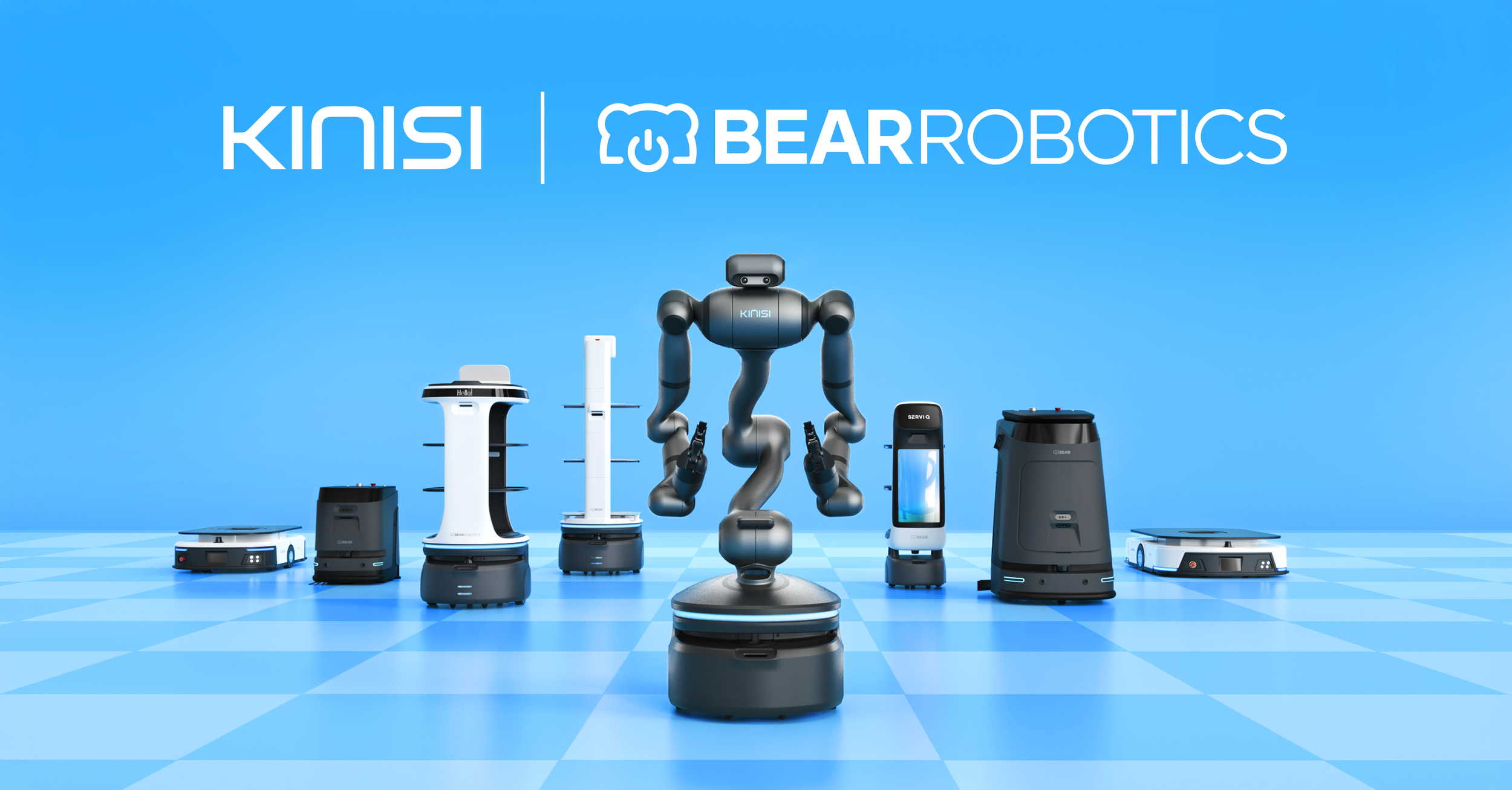
Nobody Is Buying the Humanoid. They're Buying What's Already Deployed.
Sort 2026's physical-AI acquisitions by which side already had hardware deployed, and the humanoid is never the asset being paid up for. NEURA Robotics, Bear Robotics and Mobileye are converging on the same structure from opposite directions: buy the deployed fleet, treat the humanoid as the acquired add-on.
martti 4 min read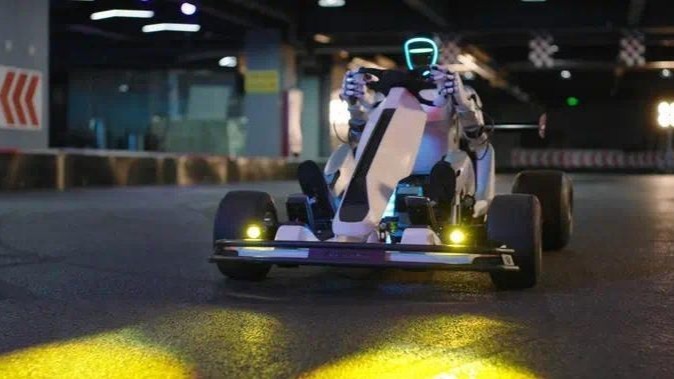
Inside Gongsheng Zhixing's Bet on a Unified Robot Brain
Beijing startup Gongsheng Zhixing argues that unified, end-to-end AI models outperform the industry's layered reasoning-and-control architecture, a claim it demonstrated by having a humanoid robot drive a go-kart around a closed track.
martti 4 min read
Europe Delayed the Wrong Robot Deadline
Humanoid makers are racing to collect European CE certificates, but the machinery regulation that replaces the current framework applies from 20 January 2027 and pushes any robot whose safety functions rely on machine learning into mandatory notified-body assessment. The AI Act's product deadline just slipped to August 2028; the machinery deadline did not move, and the safety standard written for legged robots is still a working draft.
martti 4 min read
Inside OriginFlow's Bet on Muscle-Signal Robot Data
Tsinghua PhD candidate Qin Shentao's year-old start-up OriginFlow has raised over US$69 million behind NeuroScale, a wristband-based system that reads muscle signals to capture the force and contact data embodied AI needs, packaged as transferable Human Tokens.
martti 4 min read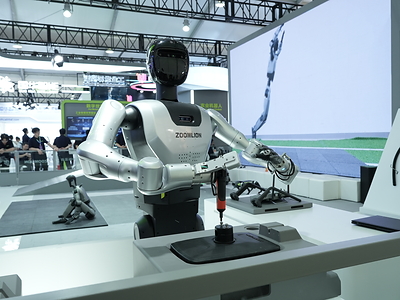
The Robot Got the Headline. The Systems Integrator Got the Bad News.
At WRC 2026, X-Humanoid, Zoomlion, and Mininglamp/Hikvision all pitched low-code orchestration layers over their robots. The near-term casualty isn't the factory worker, it's the systems integrator whose bespoke engineering work these platforms are built to commoditize.
martti 4 min read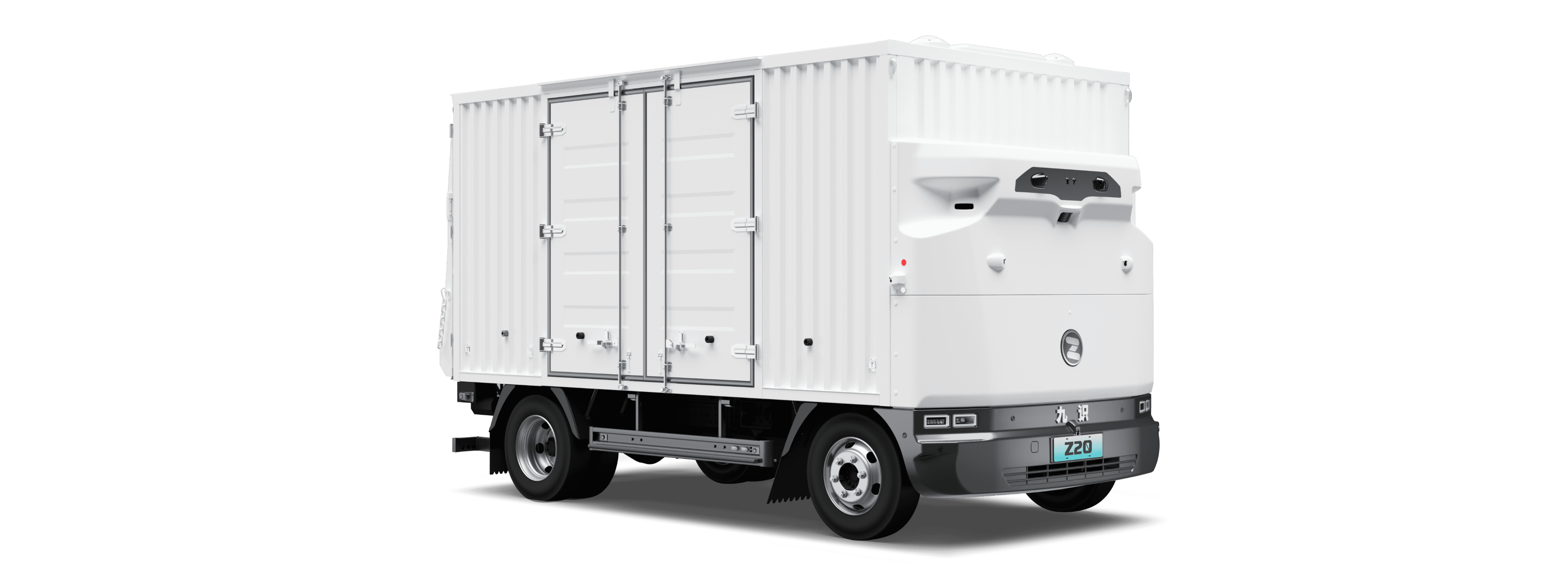
The Real Driverless Market Is a Fenced Yard, and It Is Reaching ASEAN Before Robotaxis Do
Level 4 autonomy is already commercial, just not for passengers. Zelos runs more than 25,000 driverless logistics vehicles on fixed routes inside fenced sites, postal operators are its anchor customers, and Singapore and Malaysia have licensed the category route by route rather than debating robotaxis. A column on why the fence is the product, why the licences are landing in ASEAN first, and what a procurement committee in the Philippines should take from it.
martti 4 min read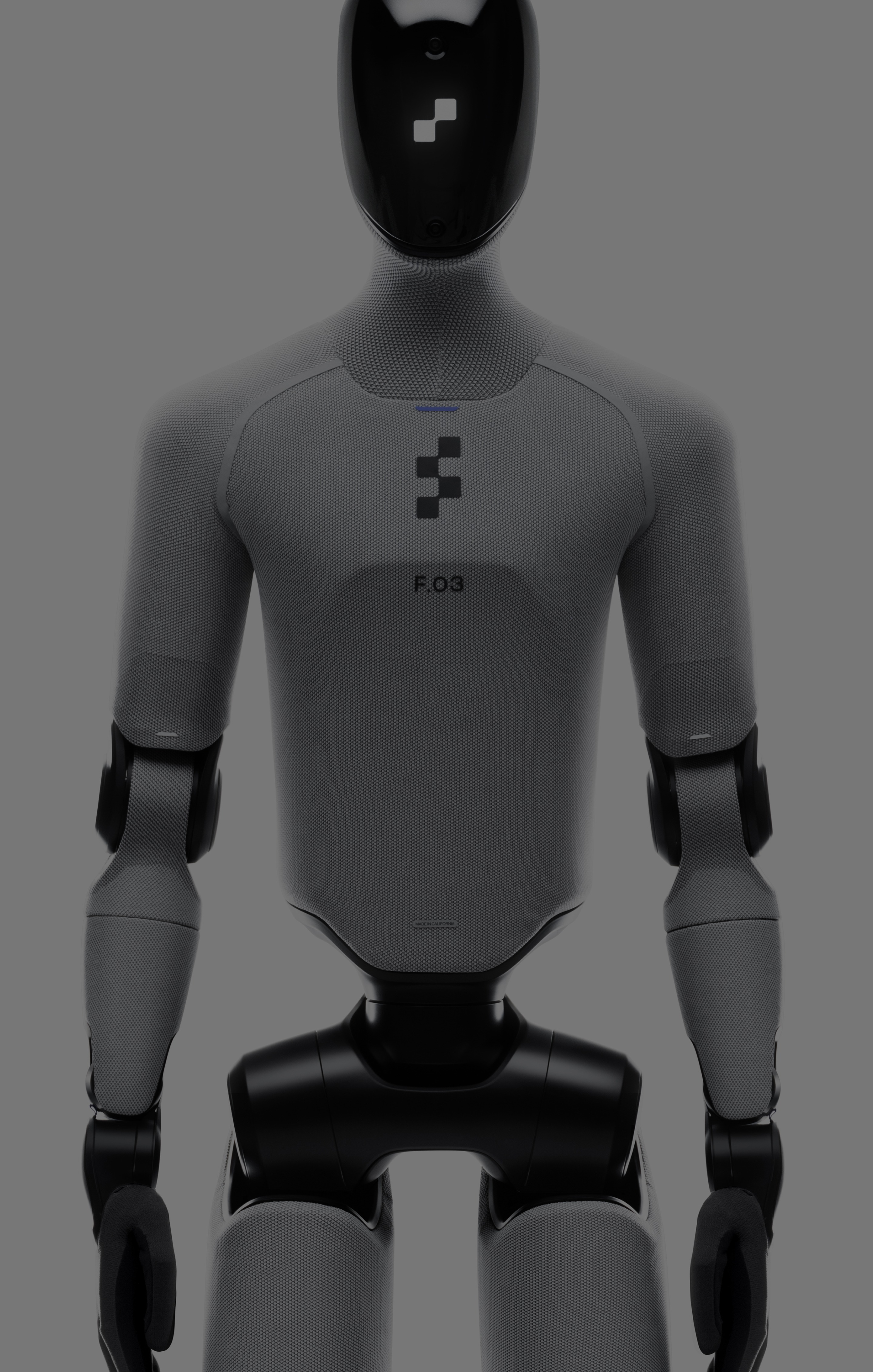
Shipped, Deployed, Promised: The Three Humanoid Robot Numbers Nobody Is Separating
Humanoid robotics headlines this month all quote big numbers, but shipped, deployed, and promised measure three different things. Untangled, they show real deployment is still small, and the manufacturing capacity build-out is landing in Korea, China, and the US, not Southeast Asia's electronics-assembly hubs.
martti 4 min read
The Most Important Robot xAI Shipped This Month Has No Body
xAI's Grok Bot, in early beta since August 11, is a software teammate on a persistent cloud computer with messaging, approvals, connectors, and learned routines. Read from a fleet operator's seat, it is the operating model physical robots will inherit: approval-gated autonomy, account-scoped state, and a lock-in that lives in learned routines rather than hardware. A column on why the control layer is being decided on laptops before the humanoids arrive.
martti 4 min read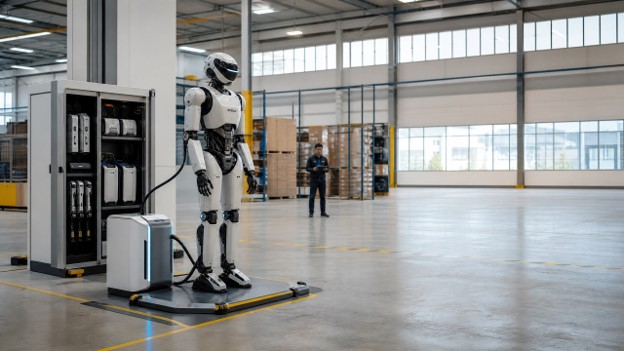
Beyond the Invoice: Calculating the True Cost of a Humanoid Robot
A buyer-focused guide to the hidden costs of humanoid robots, from integration and training to maintenance, downtime, compliance, and upgrades, with a quote-normalised five-year TCO worksheet.
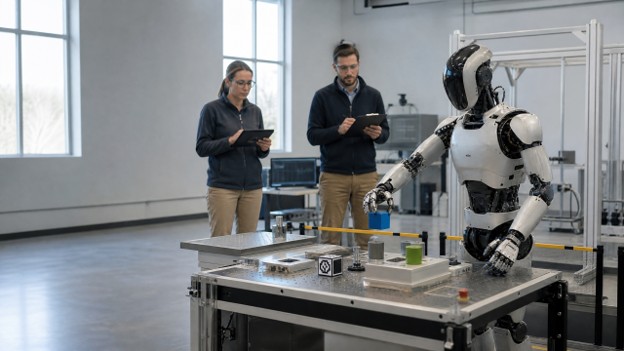
Procuring a Humanoid Robot: Key Specs and Supplier Questions
A practical buyer guide to humanoid-robot specifications, supplier questions, lead-time planning, safety and market-access checks, and the cost items that belong in a comparable quotation.
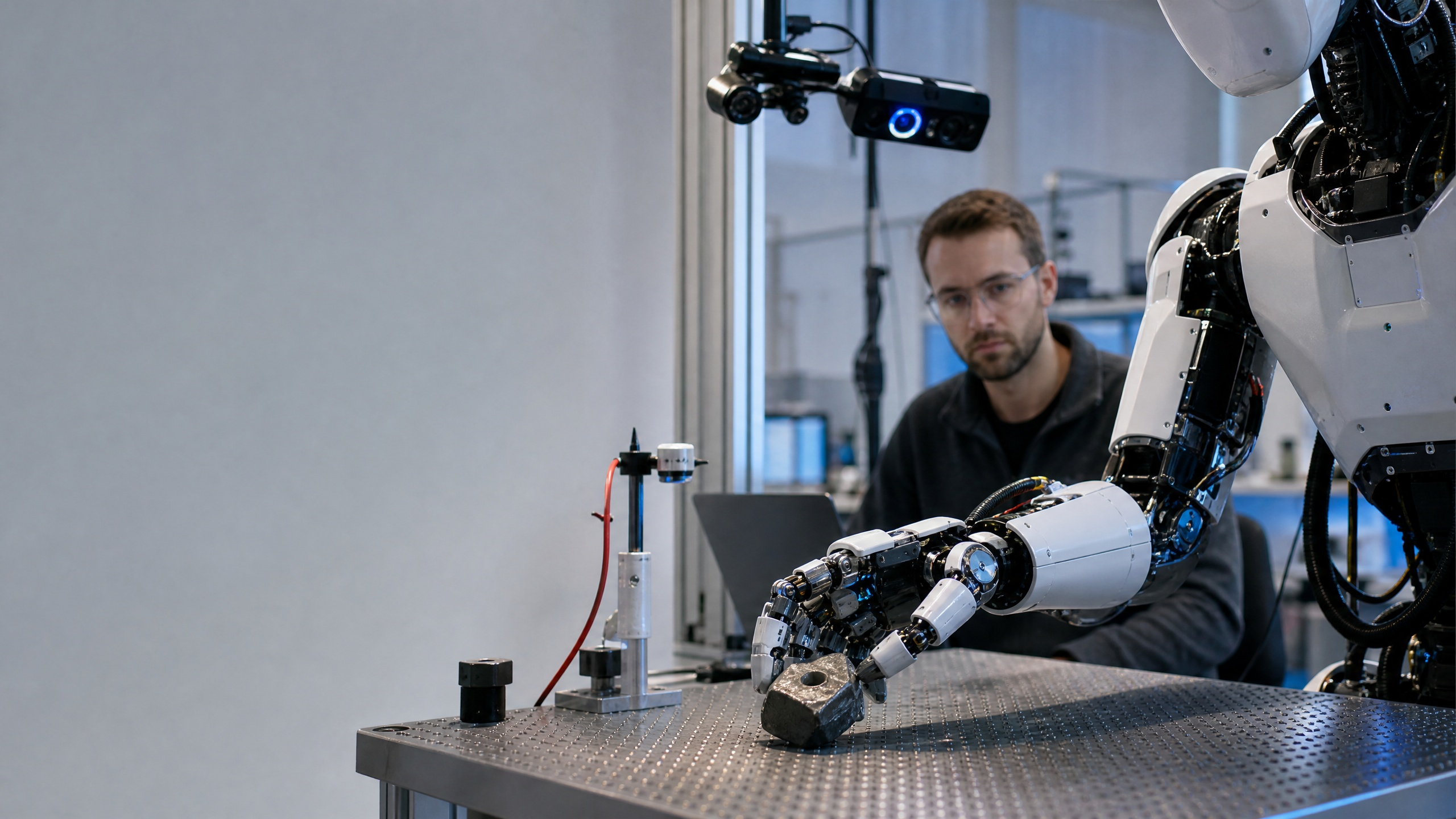
What to Expect from the Next Generation of Humanoid Robots
A plain-language roadmap for the next generation of humanoid robots, covering the technology ceiling, whole-body control, dexterous interaction, AI software, realistic cost drivers, and evidence-based 2026–2028 milestones.