Industrial Robots Hit Five Million Units as Humanoid Hype Outpaces Shipments
IFR's World Robotics 2026 report shows 5.08 million industrial robots now working in factories worldwide, while humanoid robots sold only about 7,000 units in 2025, a gap procurement teams should weigh before betting budget on humanoid pilots.

Factories worldwide are now running 5.08 million industrial robots, a 9 percent jump from a year earlier, and installed more than 603,000 new units in 2025 alone, according to the International Federation of Robotics' (IFR) World Robotics 2026 report, published September 24 in Frankfurt. The humanoid robots that dominate industry headlines sold roughly 7,000 units worldwide over the same year. For every full-size humanoid a factory or retailer bought in 2025, buyers purchased about 86 conventional industrial robots instead.
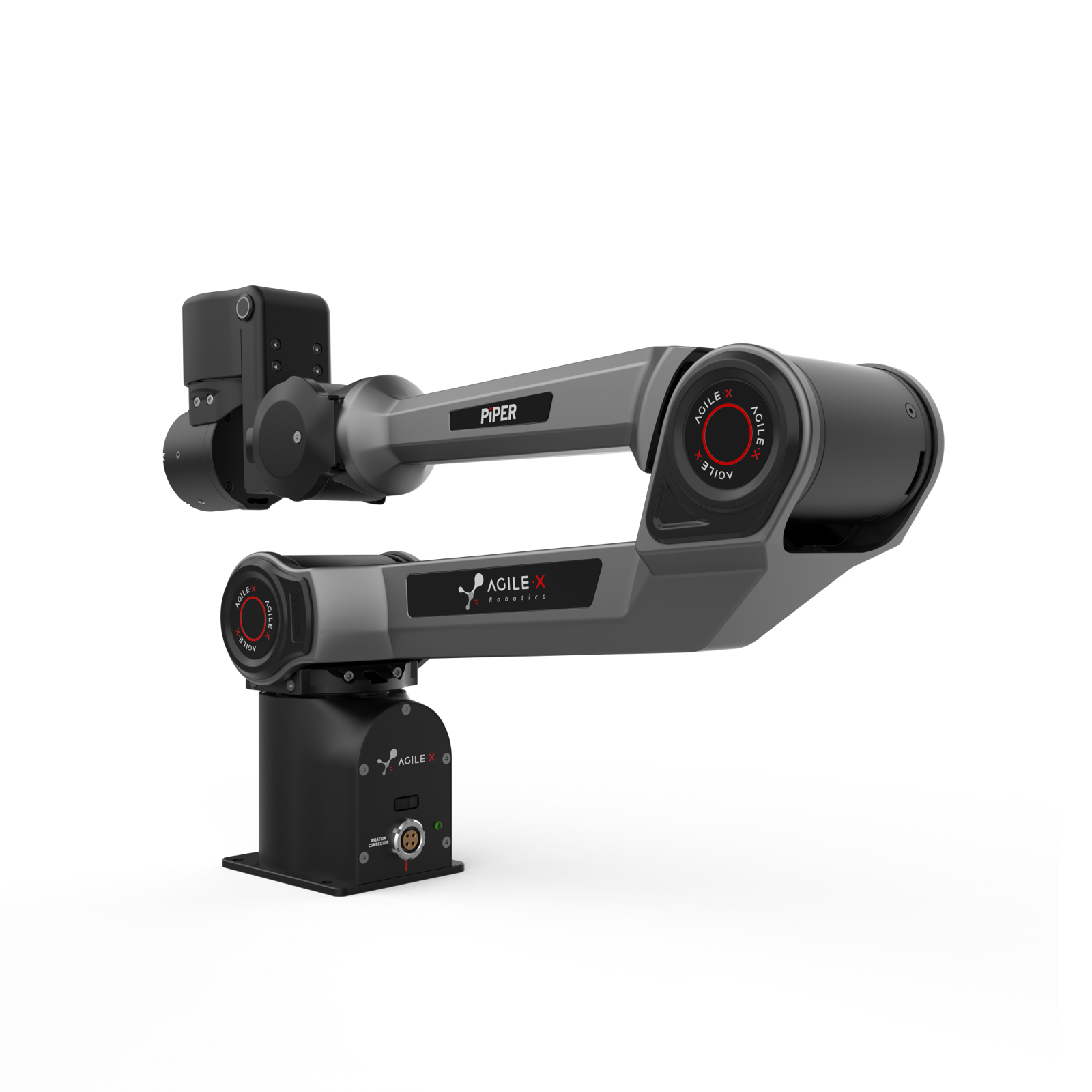
That ratio is the single most useful number in this year's report for anyone actually responsible for an automation budget. It says the industry's real center of gravity in 2025 was not humanoids at all, but the far less photogenic business of installing six-axis arms, conveyor systems and mobile picking robots at a pace and scale that has quietly become one of the largest capital-goods stories in manufacturing.
The Base That Keeps Growing While Nobody Is Watching
China installed 354,000 of the 603,000 new industrial robots counted worldwide in 2025, a 59 percent share and a 20 percent increase from the year before, cementing its position as the country doing more than any other to reshape factory-floor economics. The European Union's operational base reached 712,000 units even as new EU installations fell 11 percent to about 60,500, with Germany, responsible for 41 percent of EU installations, down 8 percent on the year. The pattern is consistent across most mature industrial economies: the installed base keeps climbing because robots bought years ago are still running, while the rate of new installation in the West has cooled compared with a China still adding capacity aggressively.
For a buyer weighing where to source automation expertise, that divergence matters more than any single vendor's product launch. A market installing robots at China's pace generates more integration experience, more component-supply competition and faster iteration on the software that makes a robot cell actually productive, than a market where new installations are shrinking. Robot suppliers serving the Chinese market are solving deployment problems at a volume that Western integrators, on current trend lines, simply are not seeing.
Japan and South Korea complicate any simple China-versus-the-West reading of the data. Both remain home to some of the industry's most established suppliers, and their manufacturers continue to sell heavily into exactly the markets, China included, that are driving the installation numbers higher. A buyer sourcing a conventional arm today is less likely to be choosing between a Chinese robot and a Western one than between several suppliers, Japanese, Korean, European and Chinese, competing to sell into the same fast-growing Chinese factory floor, which keeps pricing and component quality competitive in ways a simpler two-bloc narrative misses.
Why the Humanoid Headlines Outrun the Humanoid Shipments
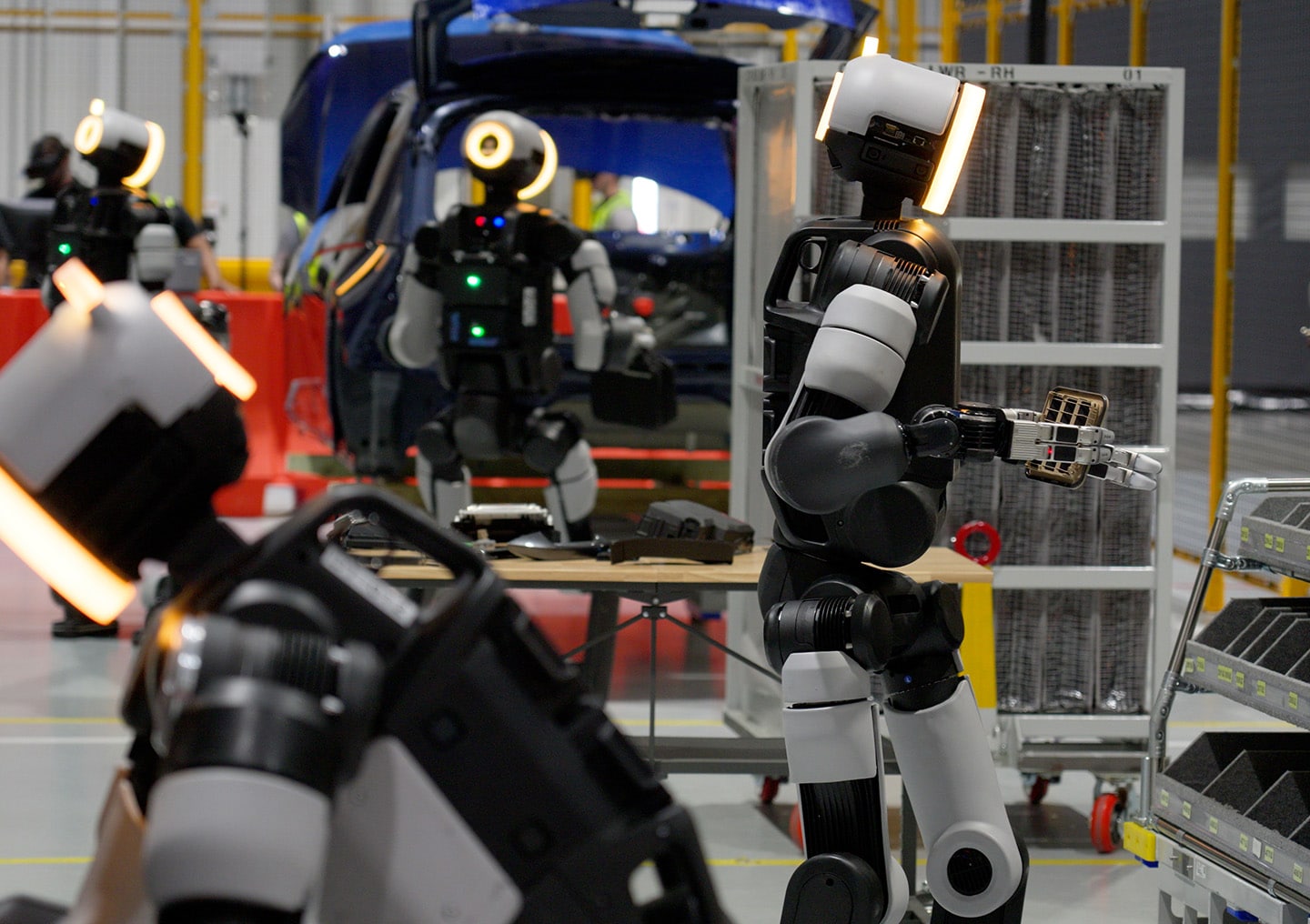
Boston Dynamics, majority owned by Hyundai Motor Group, has begun shipping its production version of Atlas to the Robotics Metaplant Application Center (RMAC), a training floor inside Hyundai's Metaplant America campus near Savannah, Georgia, where Atlas units work alongside an actual vehicle assembly line before being cleared for factory duty. Google DeepMind has been named as an early customer, with more buyers expected in 2027. Hyundai has reportedly shelved plans to take Boston Dynamics public in the near term, a sign that even a well-capitalized, technically credible humanoid program is choosing to prove out commercial deployment before testing public markets. Unitree, meanwhile, offers a sharper cautionary tale: its Shanghai listing rallied roughly five-fold after debut before giving back about 55 percent, a swing that says more about speculative positioning in a new stock than about the underlying deployment economics of the company's robots.
Tesla's experience is perhaps the most instructive for a buyer trying to separate signal from noise. Elon Musk has said plainly that Optimus "is going to be the hardest product to scale manufacturing that we've ever made," a rare admission from a company not known for underselling its own roadmap. If the manufacturer with arguably the deepest volume-production experience in the automotive industry is describing humanoid scale-up as its hardest manufacturing problem yet, that is a data point procurement teams should weight heavily against any supplier's more optimistic timeline.
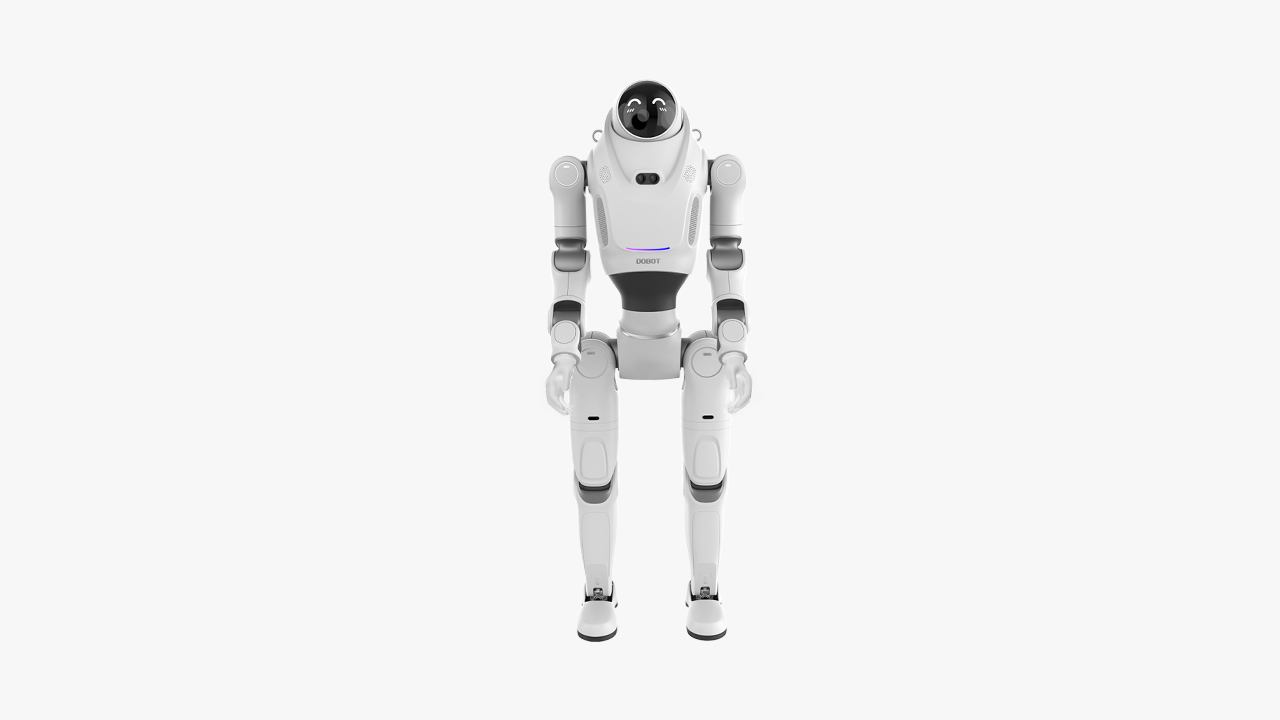
None of this means humanoids are a dead end. Siemens and BMW are both running humanoid trials inside real operations, not just lab pilots, and Bank of America's research desk forecasts humanoid shipments climbing from around 90,000 units in 2026 to 1.2 million by 2030, a trajectory that, if realized, would represent genuine mainstream adoption within five years. The point is narrower and more useful than "humanoids are hype": the category is still pre-scale, its unit economics are still being worked out in public, and buying into it today means buying an R&D partnership, not a mature product category, regardless of how finished a demo video looks.
What Structured Environments Already Solved
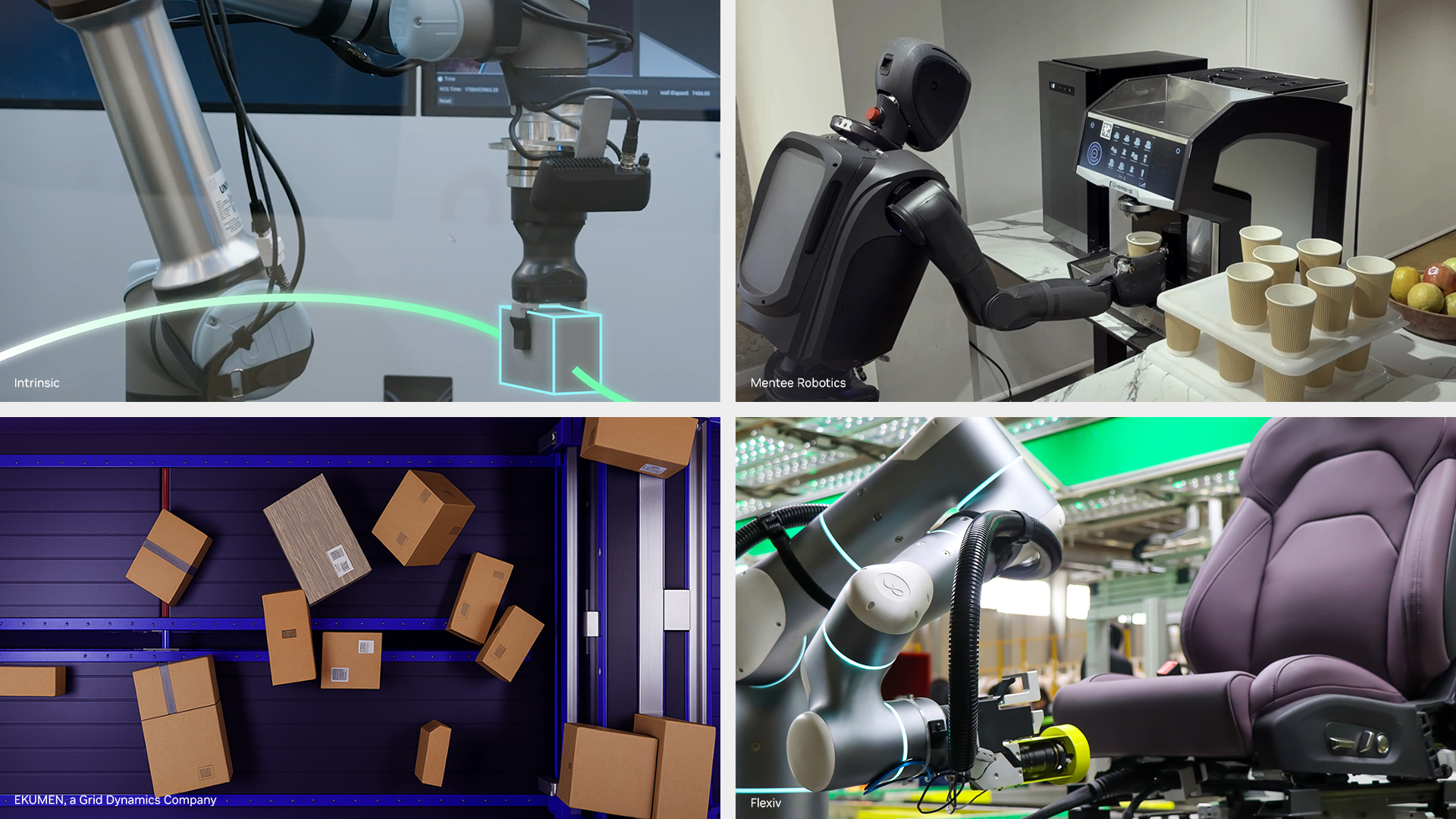
The reason conventional industrial robots keep outselling humanoids by a factor of 86 to one is not primarily a story about robot intelligence. It is a story about environment design. A welding cell, a palletizing line or a pick-and-place station built around a fixed-base arm is an environment engineered to make the robot's job easy: known part positions, known cycle times, a controlled envelope the robot never has to improvise outside of. Humanoid robots are being built to work in the opposite kind of environment, one designed for human bodies and human judgment, which is precisely why the engineering problem is so much harder and the deployment numbers so much smaller.
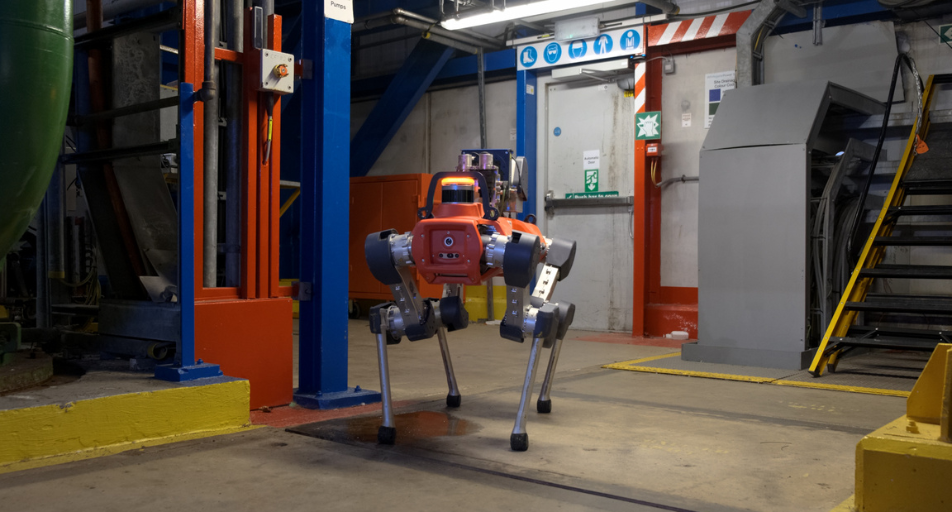
That distinction should reorder how a buyer thinks about which category to invest in first. If a facility's task can be redesigned around a fixed-base or wheeled robot working in a structured cell, that path is proven, has 5 million units of accumulated operating history behind it, and will almost certainly deliver a faster and more predictable return than waiting for a humanoid to mature into the same task. Humanoid investment makes the most sense specifically where the task cannot be restructured around existing automation, tasks that require moving through human-scaled spaces built for people, climbing stairs, operating tools designed for human hands, or working alongside people in environments too variable to fully script in advance.
A Quiet Bet on Where the Components Get Built
The clearest sign that conventional industrial automation, not humanoids, is where near-term capital is actually flowing sits in Greenwood, Indiana, where Amazon is investing more than US$100 million in a new advanced manufacturing facility to produce components for its own fulfillment and robotics network across North America. The plant will not build a single humanoid. It exists to supply the unglamorous parts, drive systems, sensors, structural components, that keep conventional warehouse robots running at Amazon's scale, and its announcement lands in the same week as a report showing new robot installations cooling across most of the West.
Read together, the two data points describe a market that is consolidating around proven categories rather than abandoning automation investment altogether. Capital is still moving into industrial robotics component supply chains in North America even as the headline installation numbers soften, which suggests buyers and large integrators are betting on deeper vertical integration and supply security for equipment they already trust, not on waiting for a new robot category to mature before committing further budget.
The Procurement Question Worth Asking This Quarter
The practical test for any automation buyer evaluating a humanoid pitch this year is simple: ask whether the task under discussion could instead be solved by one of the 5 million industrial robots already proven to work, reconfigured or relocated, before committing budget to a much younger and far less proven category. In the overwhelming majority of factory and warehouse tasks, the answer will be yes, and the 86-to-one ratio in this year's IFR data is the clearest evidence available that most of the industry, quietly and without a keynote address, has already reached the same conclusion.
Where a humanoid pilot is genuinely justified, the more useful diligence question is not which company has the most impressive video, but which company has published the least flattering data. A supplier willing to disclose failure rates, mean time between service calls and the specific task categories its robot still cannot handle reliably is signaling more confidence in its own product than one offering only choreographed demonstrations. Musk's own admission about Optimus manufacturing difficulty is, in that sense, more useful to a buyer than a polished showcase from a rival would be: it is a specific, falsifiable claim about where the hard problem actually sits, rather than a general assurance that the hard problems are already solved.
Contract structure should follow the same logic. A multi-year humanoid commitment signed today is, in effect, a bet on a supplier's future manufacturing curve rather than a purchase of a finished product, closer to project financing than to a standard equipment order. Buyers who treat it that way, with staged commitments tied to demonstrated reliability milestones rather than a single large upfront order, will be far better positioned if a given supplier's timeline slips than those who sign as though humanoids were already a mature, interchangeable commodity like the industrial arms the IFR spent most of its report counting.
This analysis synthesizes company statements, an industry-association market report and public market activity as of the publication date and should not be read as investment, financial, or professional advice; it is provided for general information purposes only.