
Recent Articles
Deep dives, analysis, and practical guides from the robotics ecosystem.
235 articles found • Page 3 of 5

Where Humanoid Robots Are Made: China, the West, and the New Production Map
A plain-language guide to the global humanoid-robot production map: China’s factory and policy momentum, the industrial automation depth of Germany and Japan, Western software and process integration, and the market-access questions buyers should ask.
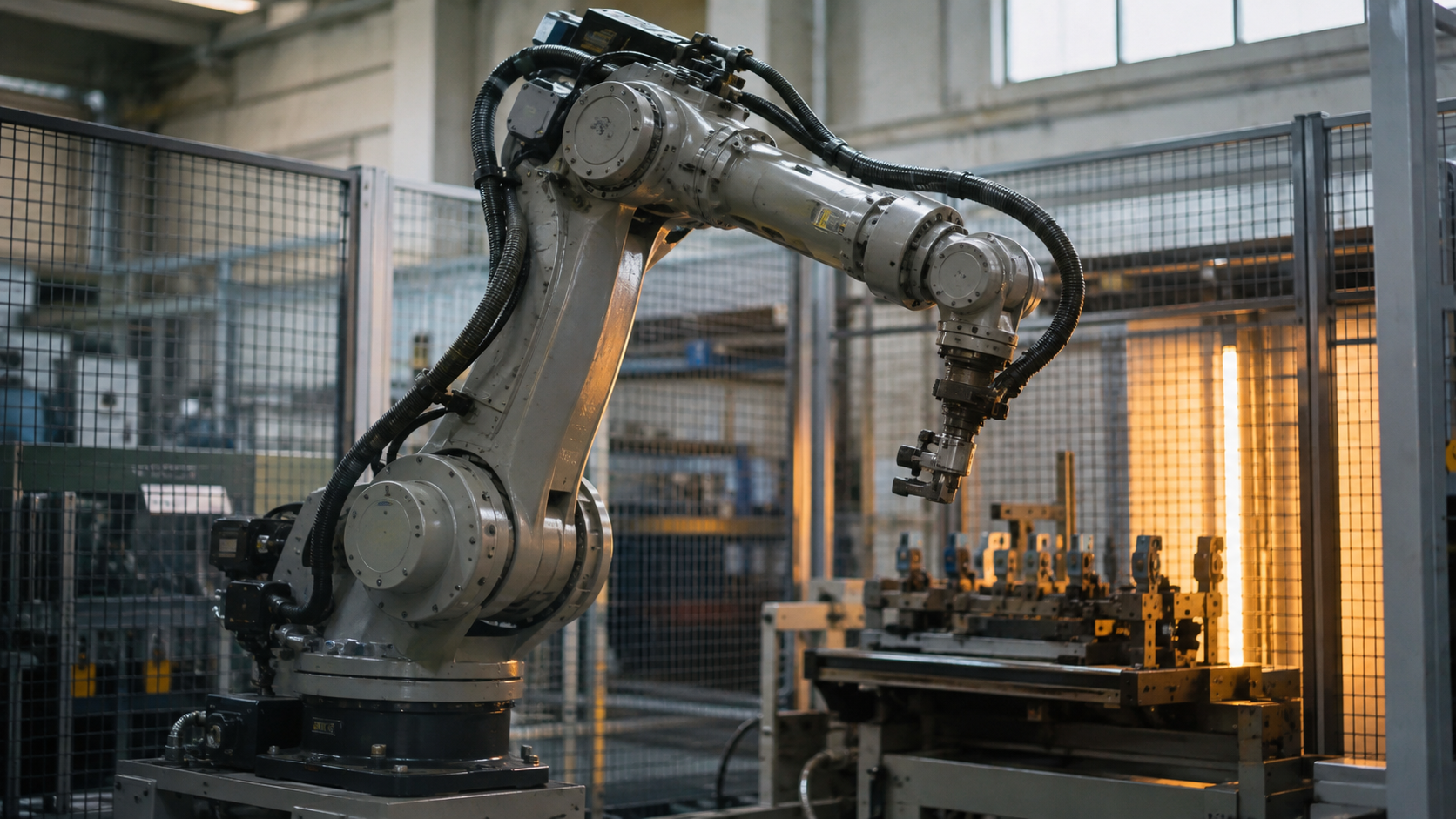
Degrees of Freedom in Robotics: What Robot Axes Mean and Whether More Is Better
Six is not a design choice. A rigid body in three-dimensional space has exactly six degrees of freedom — three positions, three rotations. That is arithmetic, not engineering preference. A seven-axis robot cannot reach anywhere a six-axis robot cannot. It reaches the same places by different routes. Most buyers paying for the seventh axis think they are buying reach.
 Eugene 4 min read
Robotics Capital Moves Into the Learning Factory
Capital activity this week pointed less to a single winning robot and more to a change in what investors and operators are willing to fund. Faraday Future is presenting robotics as a core growth engine with a raised 2026 shipping target, while LG and NVIDIA are linking models, data factories, manufacturing validation, and compute. The most important signal is that capital is moving toward integrated learning and deployment loops, although the evidence remains company-reported and commercial outcomes are still uneven.

Robotics Events Become the New Test Infrastructure
The most consequential exhibition signal this week was not another product launch. It was the expansion of Beijing’s World Humanoid Robot Games into a large, multi-event test environment with 666 teams, 2,056 robots, and 1,301 competition sessions across 51 events. The event points to a new role for exhibitions: they are becoming places where suppliers, researchers, policymakers, and buyers can observe repeatable performance, not only watch demonstrations.

Robot Learning Moves From Models to Data Loops
The most important technology development this week was the widening path from human video and general models to robot performance in real environments. Dyna Robotics describes a world-action model trained on more than one million hours of human video and reports human-to-robot transfer results. LG and NVIDIA are building a robot data factory around site validation, while Luminous Robotics is using operational corrections from solar construction to improve placement. The common thread is not a larger demonstration. It is a tighter learning loop between data, control, human intervention, and deployment.

Robot Economics Shift From Price to Utilization
The week’s commercial signal was a widening gap between visible hardware prices and the cost of making a robot productive. Bertelsmann quoted Unchained Robotics on a sharp fall in robot-arm prices, while Faraday Future disclosed price bands across humanoid and quadruped products and Luminous Robotics described a robots-as-a-service deployment in solar construction. The common lesson is that lower hardware prices expand the market, but utilization, interventions, support, integration, and the speed of learning decide whether a buyer earns a return.
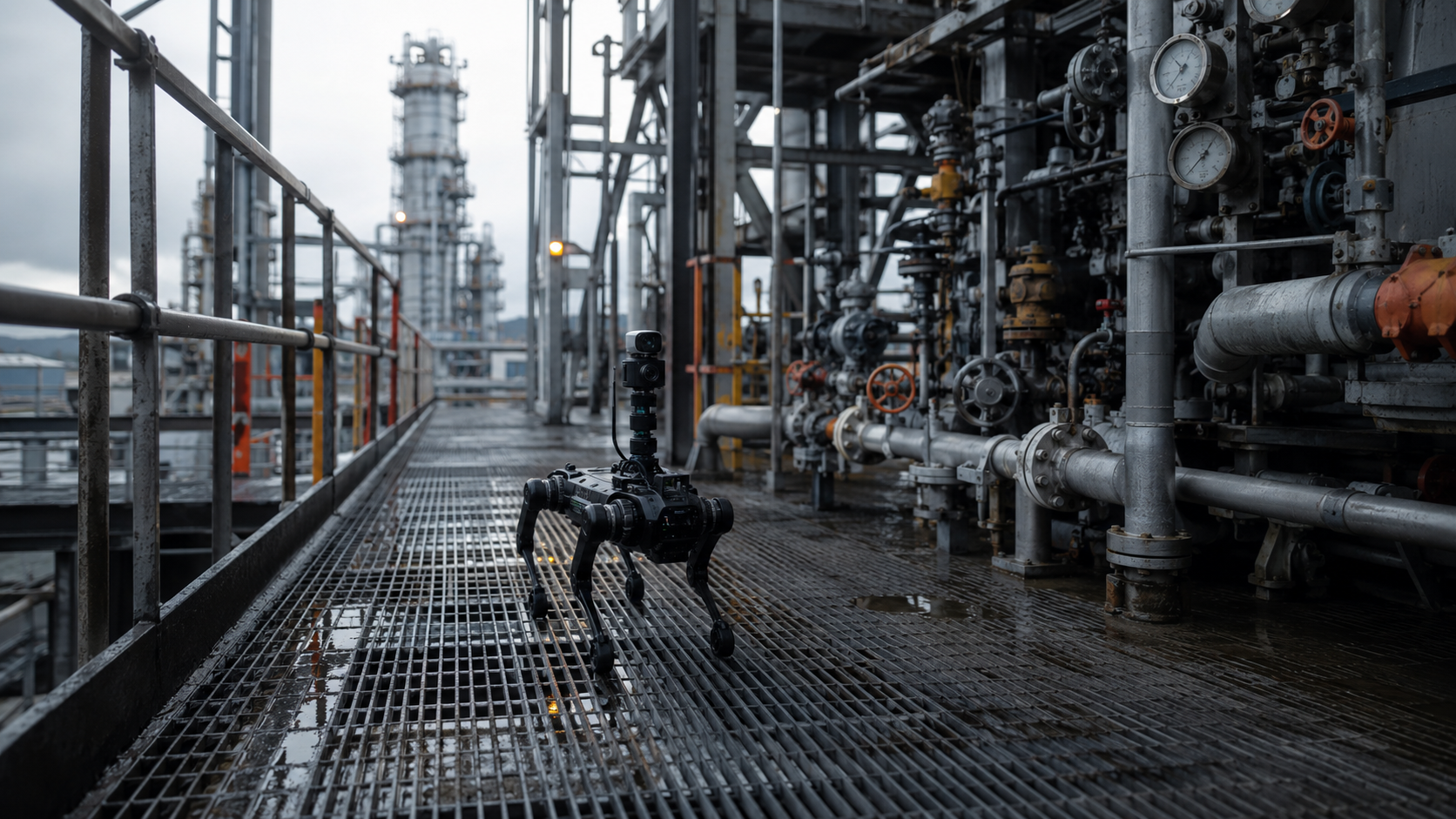
What Is a Quadruped Robot? Definition, Capabilities, and Where They Actually Work
A Unitree Go2 costs $1,600. A Boston Dynamics Spot costs $75,000. Both walk, climb stairs, and carry sensors. The 46-fold gap has almost nothing to do with locomotion. It has everything to do with what happens after the robot arrives.
Eugene 4 min read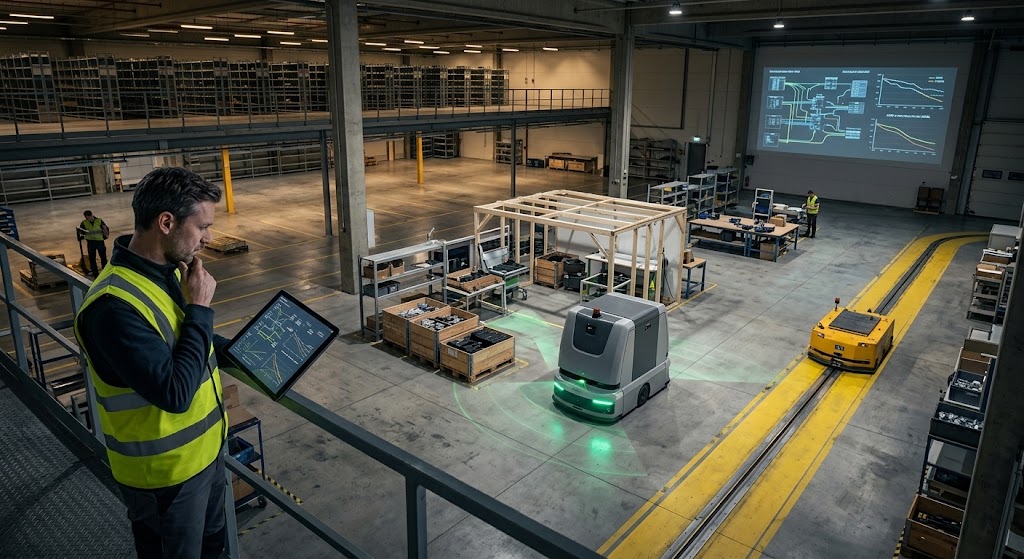
AMR vs AGV: The Difference Is Not Intelligence - It Is Who Pays for Change
Every AMR vendor will tell you AGVs are obsolete. The data does not agree. When Interact Analysis revised its mobile robot forecast in 2025, it cut large-format AMR shipments harder than it cut AGVs. The two technologies are not competing on a ladder of intelligence. They are competing on a single question: how often does your floor plan change? Most buyers are answering the wrong question.
Eugene 4 min read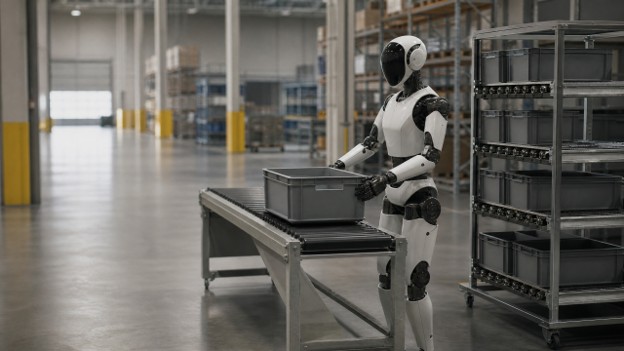
Leading the Pack: The Top 5 Humanoid Robot Brands Worldwide
A buyer-focused competitive map of five evidence-qualified humanoid brands, using official customer, exchange, procurement, and regulatory records rather than unsupported market-share claims.
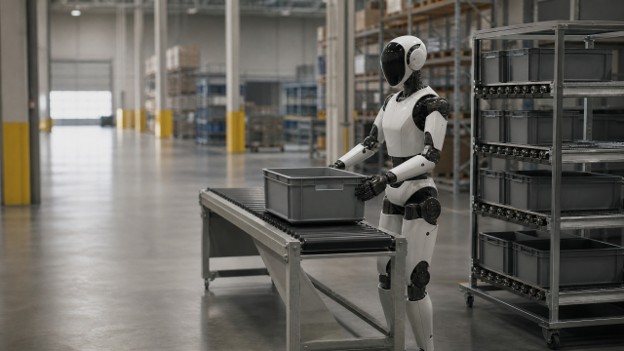
Budgeting for a Humanoid Robot: Current Market Prices Explained
Official public-award records provide budget references for humanoid robots, but only when buyers normalize configuration, integration, support, and regulatory scope.

SpaceX's US$60 Billion Cursor Deal Completes the Robotics Software Stack
SpaceX's US$60 billion all-stock purchase of Anysphere, maker of the AI coding agent Cursor, gives one corporate family the rockets, the compute, the frontier models, and the tools engineers use to write robot software. This analysis examines what the June 16 deal means for embodied AI development, the dependency risks it creates for robotics startups, and the two-stack world now forming between the United States and China.
 martti 4 min read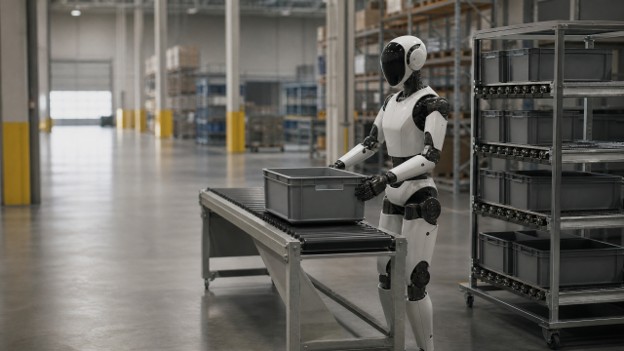
From Factory Floor to Warehouse: How Humanoid Robots Are Deployed
Official-source case evidence from automotive manufacturing, consumer electronics and contract logistics shows where humanoid deployment is becoming operationally testable: bounded tasks, stable interfaces, and measurable pilot gates.

Navigating the Different Classes of Humanoid Robots
Humanoid robots are not one procurement category. This guide separates stationary upper-body systems, wheeled hybrids, bipedal industrial humanoids, and frontier whole-body platforms by mobility, manipulation, facility redesign, safety, integration, and buyer diligence.
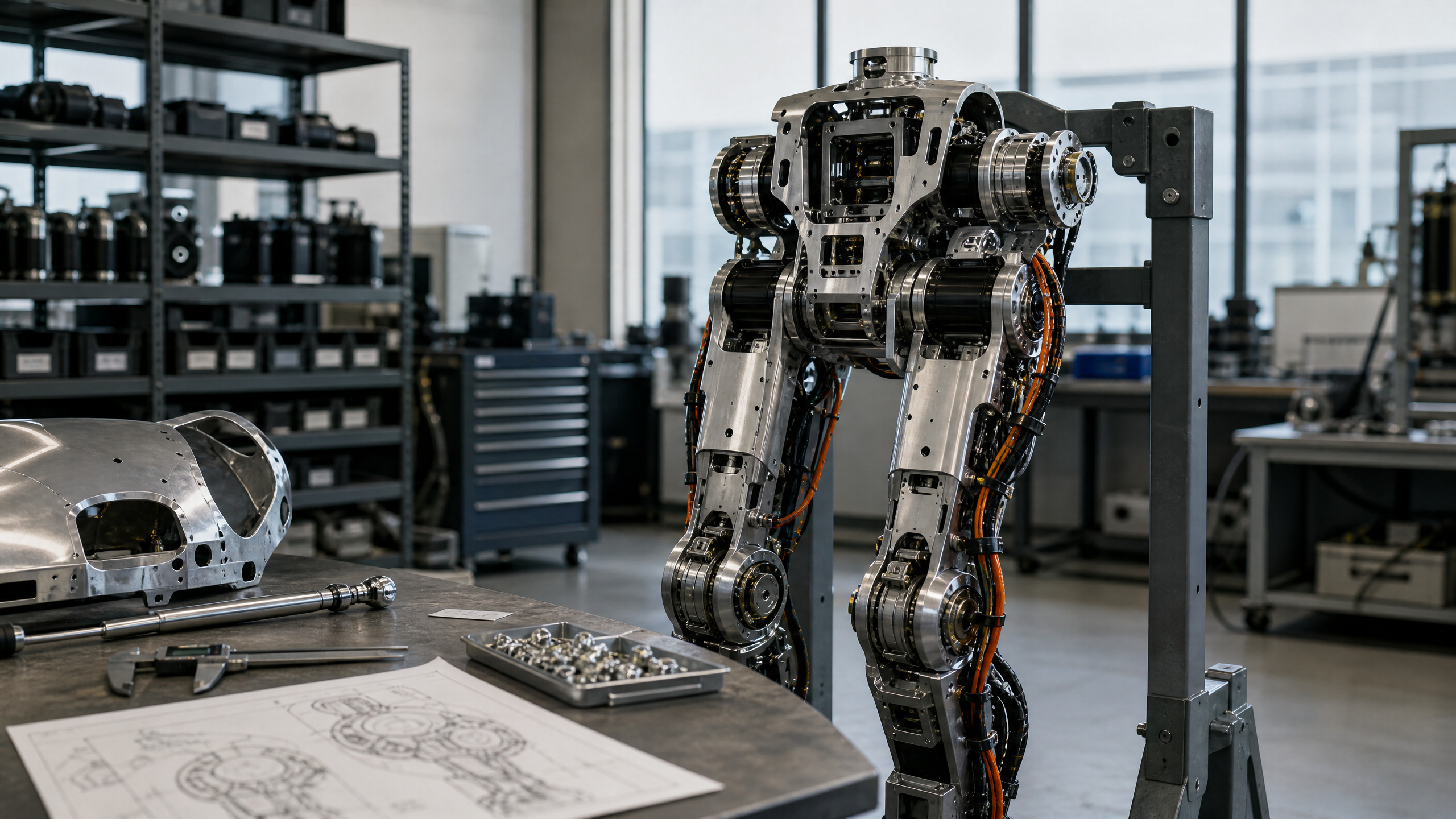
The Fundamentals of Humanoid Robot Technology Explained
In July 2026 the International Organization for Standardization published a method for measuring how well a legged robot walks, and stated in terms that it is not intended for verifying safety. In the same month, the first safety standard written for machines that need active control to stay upright remained at close of comment period, unpublished and uncertifiable. A humanoid buyer in 2026 can benchmark walking performance against an international method and cannot certify safety against one. Post 1 of our humanoid series builds the foundations from the official record only: the standards bodies that define the machine, the exchange filing that defines its components under regulatory supervision, and the statistical apparatus that does not yet count it. The defining property comes from a standards body rather than a supplier. A machine with actively controlled stability requires active control in order to remain balanced and could become unstable in the absence of power. An industrial arm that loses power stops. A humanoid that loses power falls. Everything commercially distinctive about the asset class descends from that fact. The article asserts no market size, no unit forecast and no price, because no official source publishes one.

Weekly Robotics Funding Wrap-Up: The Public Market Pricing Event
The first week of August 2026 transformed the financial landscape of embodied artificial intelligence from private speculation to public valuation. With Unitree pricing a nine billion dollar initial public offering in Shanghai and AgiBot targeting a six billion dollar listing in Hong Kong, the market is finally establishing hard benchmarks for hardware production and software reasoning.

Weekly Exhibitions Wrap-Up: The Global Stress Test
The first week of August 2026 served as a synchronized global stress test for embodied artificial intelligence, with major convenings in Las Vegas, Beijing, Tsukuba, and Malmo evaluating different layers of the technology stack. The simultaneous focus on enterprise deployment, autonomous competition, data collection, and algorithmic efficiency indicates that the ecosystem has moved beyond localized research into coordinated global commercialization.
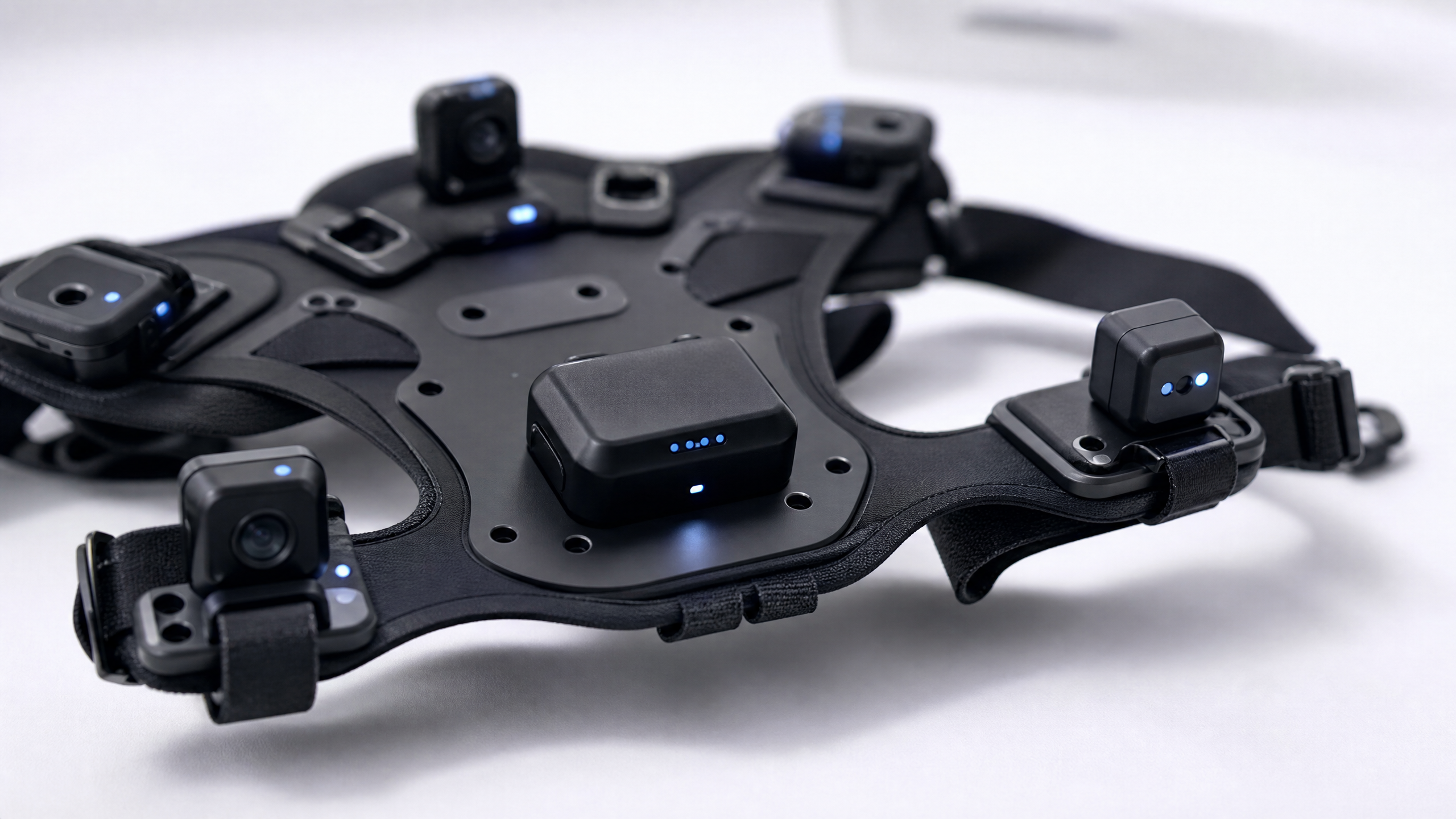
Weekly Technology Wrap-Up: The Data Collection Bottleneck
The technological focus of the robotics industry has pivoted from hardware design to data acquisition. With the emergence of dedicated physical artificial intelligence data service platforms like Maniformer and new embodied integrated development environments, the sector is acknowledging that high-quality, real-world human demonstration data is the ultimate constraint on autonomous capability.

Weekly Robot Economics Wrap-Up: The Geopolitics of Supply
The commercial tension in the robotics market is no longer just between the cost of human labor and the cost of automation; it is between the demand for hardware and the geopolitical restrictions on its supply. With the US Federal Communications Commission banning Chinese robots, the global supply chain is fracturing, creating massive pricing disparities and forcing rapid industrial pivots in allied nations.
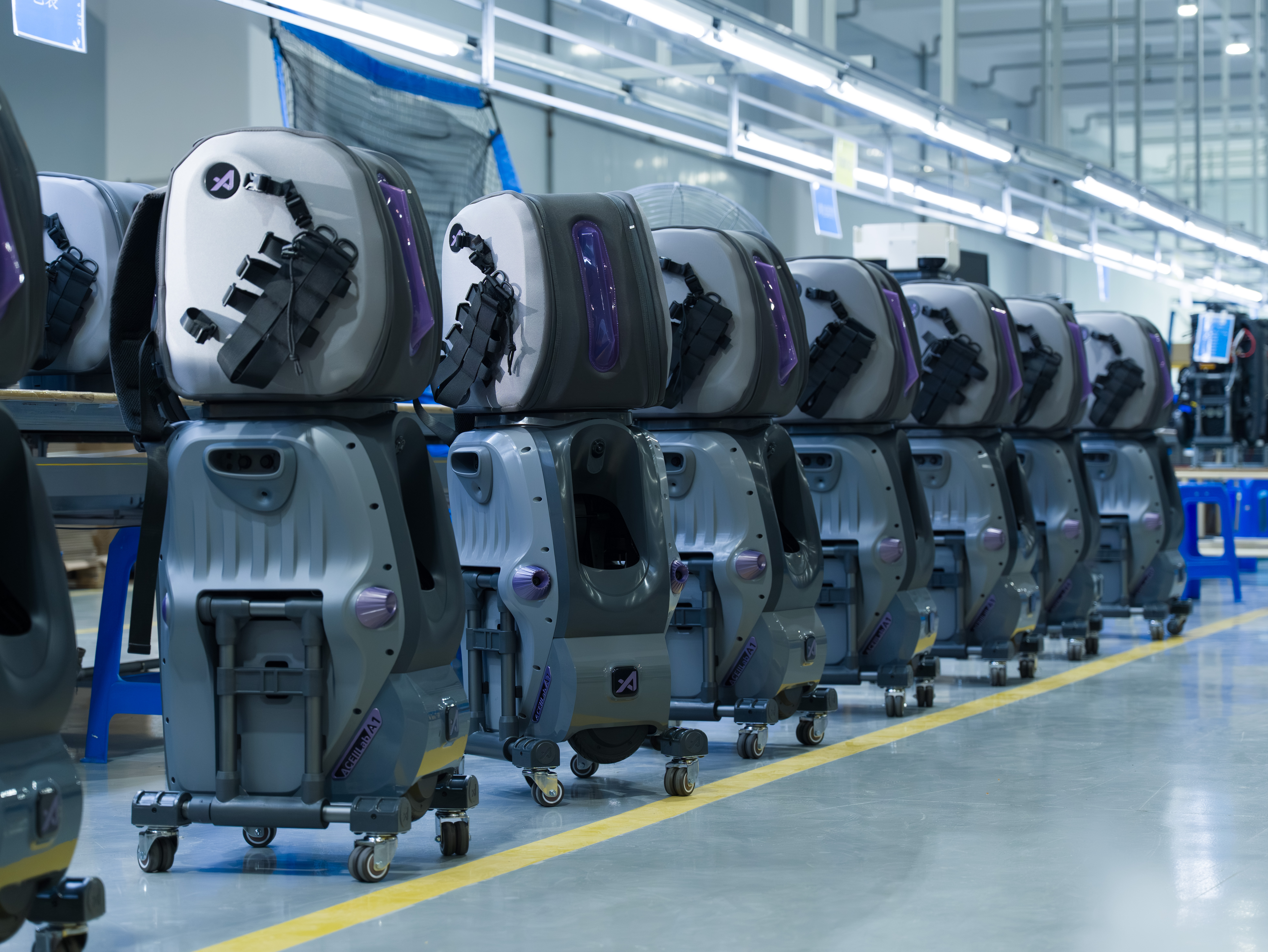
AceiiLab A1: Bringing AI Robotics From Industrial Automation to the Tennis Court
For years, robots have been transforming everyday life — from autonomous vacuum cleaners and lawn-mowing robots to humanoid robots designed for complex human interaction. Now, a new category is emerging: sports robotics. AceiiLab A1 is an AI-powered mobile tennis robot designed to explore how intelligent machines can create a new generation of sports training experiences. Unlike traditional ball
 AceiiLab_official 4 min read
The Macro View: The Investment Thesis Behind AMR and AGVs
Zebra Technologies divested its robotics automation business in April 2026 for cash and an equity stake. Honeywell Technologies completed the all-cash sale of its warehouse automation business on 27 July, stating in its own release that the sale sharpens it as a pure-play automation company. A major industrial concluded that warehouse automation does not belong inside a pure-play automation portfolio. Post 10 of our AMR and AGV series tests seven pillars of the conventional investment case against official sources only, meaning national statistical agencies, official federations, industry association releases, listed-company disclosure and primary regulatory instruments. Two pillars hold: physical adoption, with a warehousing and logistics installation category up 41 percent, and the service annuity, now larger than new machine revenue at KION. Four are contradicted, including growth that is not converting into vendor revenue, where North American orders held flat in units while order value fell 6.4 percent. One cannot be tested from official sources at all, and the article says so rather than substituting a commercial estimate. The article deliberately asserts no market size, because no official source publishes one.
Beyond the Invoice: Calculating the True Cost of an AMR and AGV
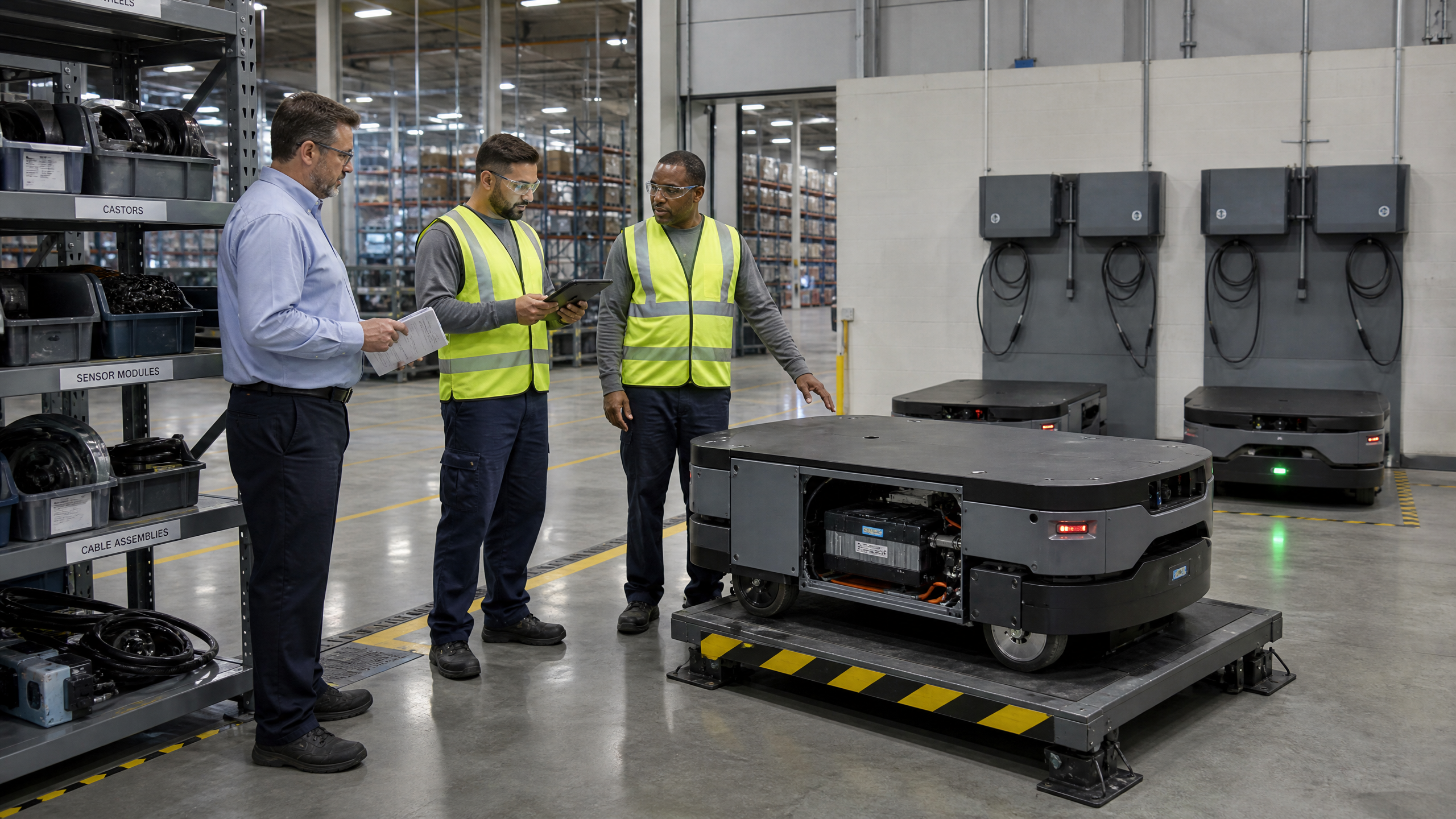
In the first half of 2026 a listed intralogistics group earned more from servicing its installed fleet than from selling new machines, while North American robot order value per unit declined. Equipment pricing is under pressure and the service annuity is not, which means the buyer who negotiates hardest on the invoice is contesting the part of the relationship the vendor most willingly concedes. Post 9 of our AMR and AGV series introduces the ARPI Cost Certainty Ladder, which classifies each lifetime cost line not by size but by how its number becomes knowable, from contracted through quoted, derivable and contingent to genuinely unknowable. Applying it reorders the negotiation: derivable lines should be calculated rather than requested, and contingent and unknowable lines require contract structure rather than a better forecast. The article declines to publish a downtime cost per hour, a maintenance percentage or a battery replacement figure, because twenty-seven candidate sources for those numbers proved inadmissible, and it explains what to require instead.
Procuring an AMR and AGV: Key Specs and Supplier Questions
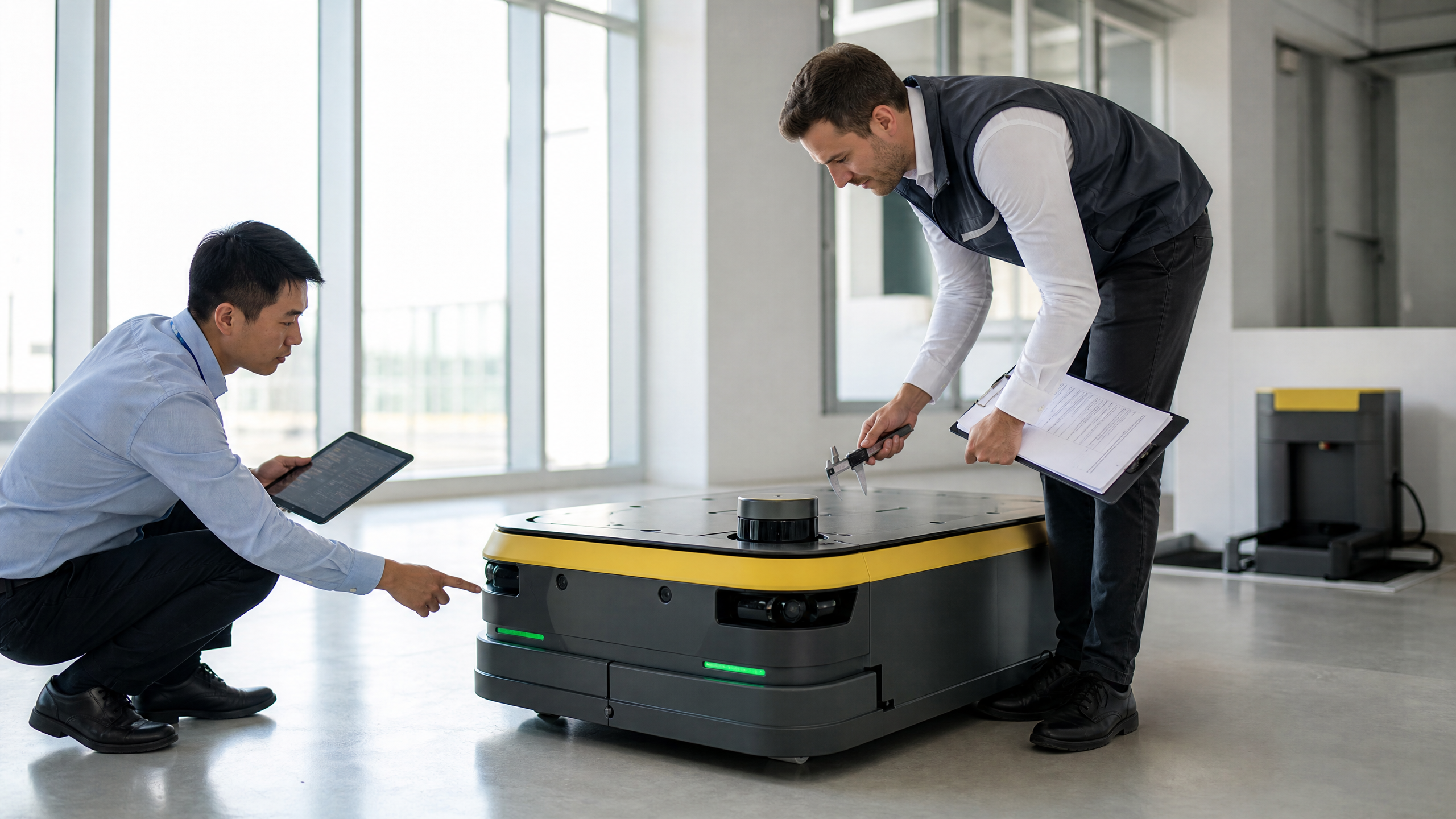
There is a specification error sitting in live tender documents that no commercial review will catch, because it looks like diligence: a requirement to conform to ISO 3691-4:2020, an edition the international standards body records as withdrawn. Post 8 of our AMR and AGV series introduces the ARPI Specification Verifiability Test, which scores each specification line on four binary attributes before it is allowed into a comparison matrix, and finds that navigation accuracy, interoperability support and certification claims are routinely non-comparable as published. It pairs that with the Obligation Allocation Matrix, which maps every compliance obligation to the party that carries it and identifies the most consequential procurement development of 2026: the completion of the three-part American national standard series, whose Part 3 places a conformity obligation on the operating company. The article also documents why the primary vehicle safety standard excludes power sources entirely, and why trade measures now make landed cost contingent rather than fixed.
What to Expect from the Next Generation of AMR and AGVs
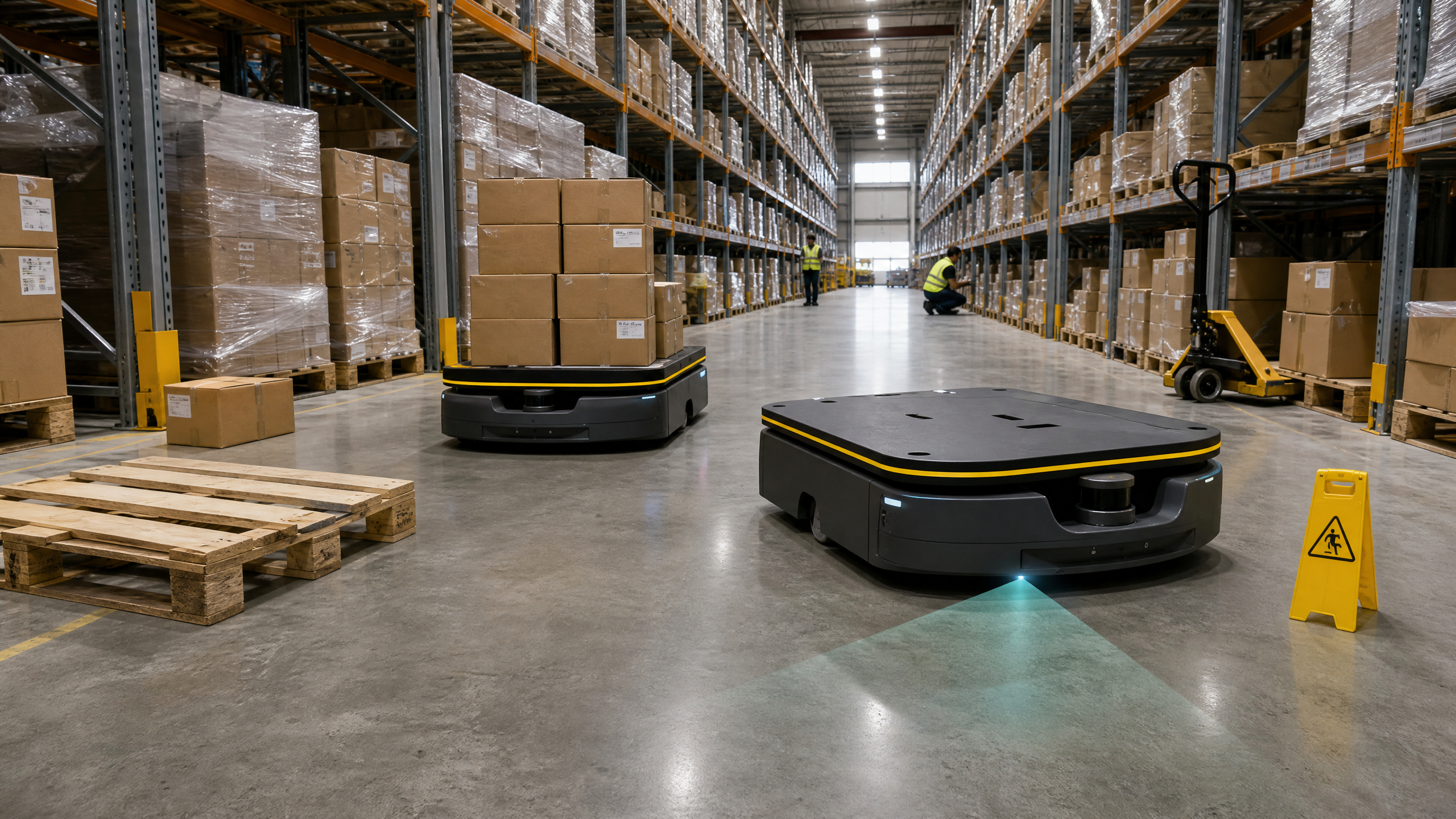
In October 2025 Amazon introduced Blue Jay, a next-generation warehouse system already handling roughly three quarters of its stored item types. Four months later the project was halted and a spokesperson reclassified it as a prototype. The operator of more than a million warehouse robots still could not distinguish a system that worked from a system that was ready until it ran in a live building. Post 7 of our AMR and AGV series introduces the ARPI Capability Readiness Gate Model, which separates the four evidentiary states that vendor roadmaps collapse into the single word can, and pairs it with a Component Cost Pass-Through Test explaining why falling battery, sensor and compute prices do not translate proportionally into a cheaper deployed robot. Peer-reviewed evidence on generalisation failure, the Clopper-Pearson statistics behind pilot success rates, and the move to version 3.0.0 of the VDA 5050 interoperability specification give buyers concrete grounds for specifying, timing and pricing the next generation.
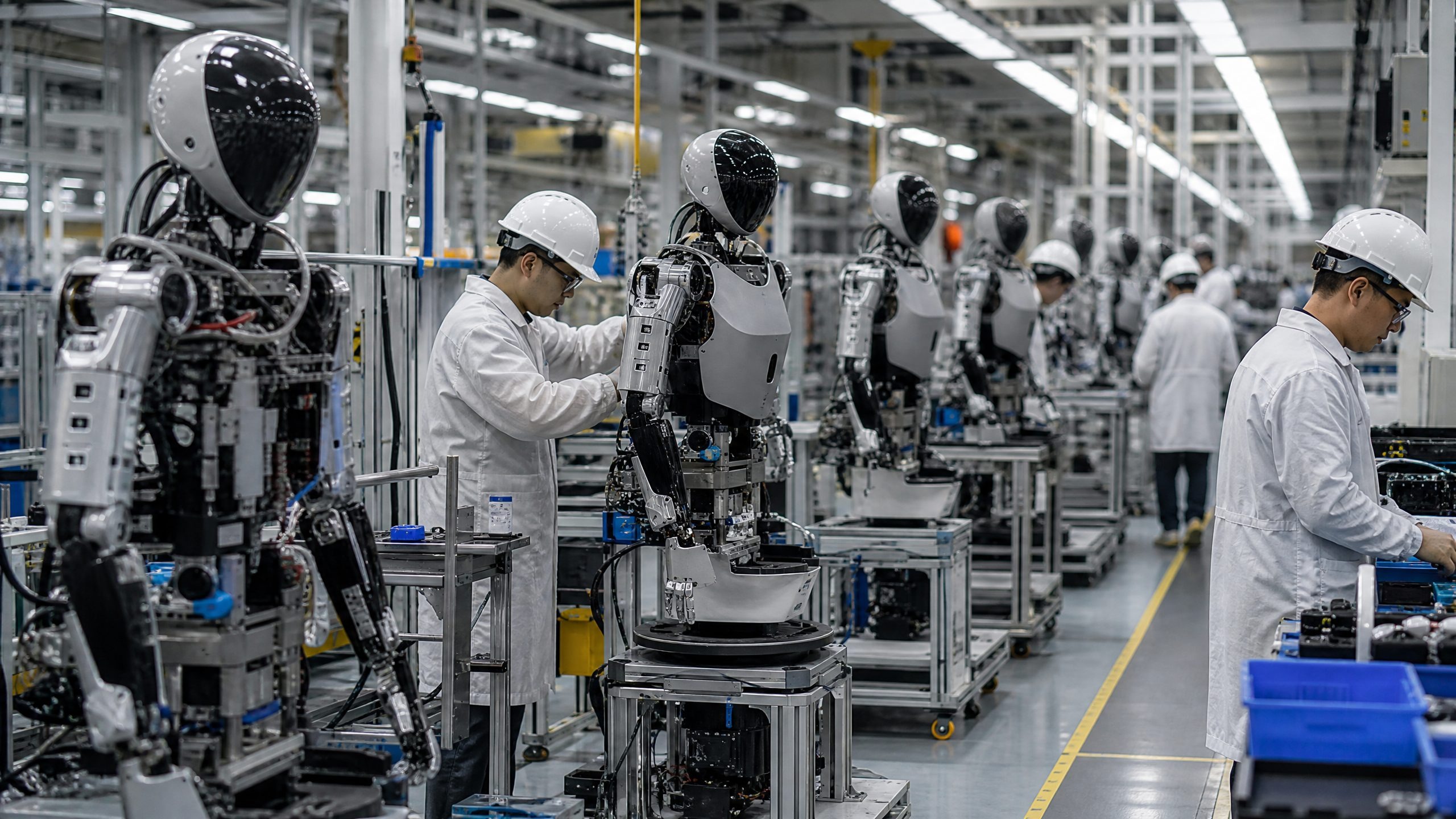
China's Humanoid Robot Industry Reaches 100,000 Units but the Real Competition Has Not Yet Begun
China's humanoid robot industry is on track to produce 100,000 units in 2026, a supply-side achievement that masks a more complex reality: the gap between production milestones and sustainable commercial deployment. A 36Kr analysis of five companies at WAIC 2026 reveals that most current humanoid robot companies lack a genuine moat, and that the real competition -- for data flywheels, AI brain capability, and deployment scale -- has barely begun.
When AI Labs Start Buying Robot Companies
Google, OpenAI, DeepMind, and Anthropic are all pursuing embodied AI through different mechanisms. The convergence reveals that inference alone cannot close the sim-to-real gap, and the translation layer between language models and physical robots is the next platform prize.

NTT and Toyota Lead Record Japan Capex
A Nikkei survey of 700+ Japanese firms shows fiscal 2026 capex at JPY 35.67 trillion, up 14.2 percent and an all-time high. NTT and Toyota lead the surge into data centres, AI factories, and chipmaking.
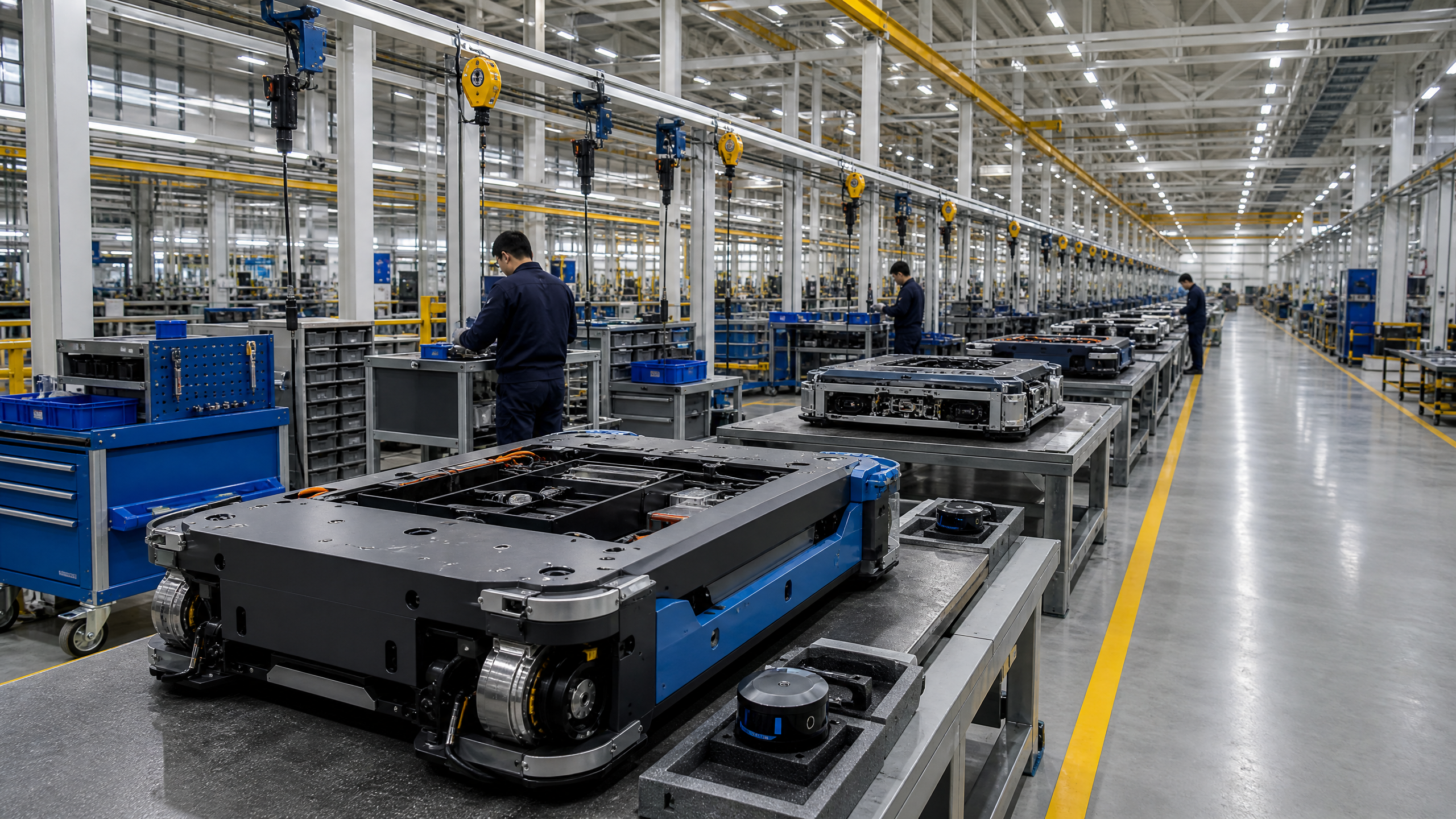
Mapping the Shift in Global AMR and AGV Production
The International Federation of Robotics puts Asia-Pacific at almost 84 percent of intralogistics mobile robot origin. Interact Analysis puts China at 36 percent of mobile robot revenue, falling towards 27 percent by 2030. Both figures are defensible, and the gap between them is not a measurement error but the shape of the industry. Post 6 of our AMR and AGV series introduces the ARPI Production Leadership Layer Model, a five-layer decomposition of the value chain showing that leadership migrates down the stack: Chinese dominance is decisive at vehicle assembly, contested at safety certification and precision components beneath, and weakest at autonomy compute and systems integration above. With China now a net exporter of industrial robots, a pending Section 232 determination, and a rare earth control suspension expiring 10 November 2026, the analysis converts manufacturing geography into five distinct procurement risk types and the supplier questions that surface each one.

Weekly Robot Economics Wrap-Up: Regulation Sets the Price
The commercial tension in robotics has shifted from the cost of the hardware to the cost of the permission to operate it. With airlines banning humanoids over battery risks and Zoox securing a landmark federal exemption for its robotaxis, the regulatory layer is now the primary determinant of deployment economics.
The Hardware Reality Check
The proliferation of robotic foundation models has exposed the physical limitations of the hardware they control. With a teleoperated humanoid performing surgery and a high-profile stage collapse at Computex, the technical focus has shifted from artificial intelligence reasoning to actuation, simulation transfer, and raw electromechanical reliability.

Global Exhibitions & Ecosystem
The exhibition circuit has transformed from a venue for speculative demonstrations into a hard procurement battleground. With IFA Berlin announcing a dedicated humanoid catwalk and Computex Taipei exposing the friction between silicon ambition and physical reliability, convenings are now the primary mechanism for supply chain allocation.

Weekly Robotics Funding Wrap-Up: Capital Moves to Infrastructure
The week ending August 1, 2026, marked a structural shift in robotics financing as infrastructure-scale capital eclipsed traditional venture rounds. With an 845 million dollar acquisition by Procore and a 1 billion dollar Nvidia commitment in Korea, the sector's financial center of gravity has moved from startup deployment to national and industrial infrastructure.

China’s Embodied AI Boom Faces Its First Real Test: Can 370 Startups Survive the IPO Gauntlet?
China’s embodied AI sector has attracted 370 startups in two years, with approximately 50 now pursuing public listings in Hong Kong or mainland China. While companies like AgiBot claim production records of 15,000 robots and Unitree reports profitable operations, industry insiders acknowledge that humanoid robots score just “15 out of 100” on capability and that the AI software powering them “lingers at about 3.” The sector’s first wave of IPOs will force companies to prove commercial viability under the discipline of quarterly earnings.
Budgeting for an AMR and AGV: Current Market Prices Explained
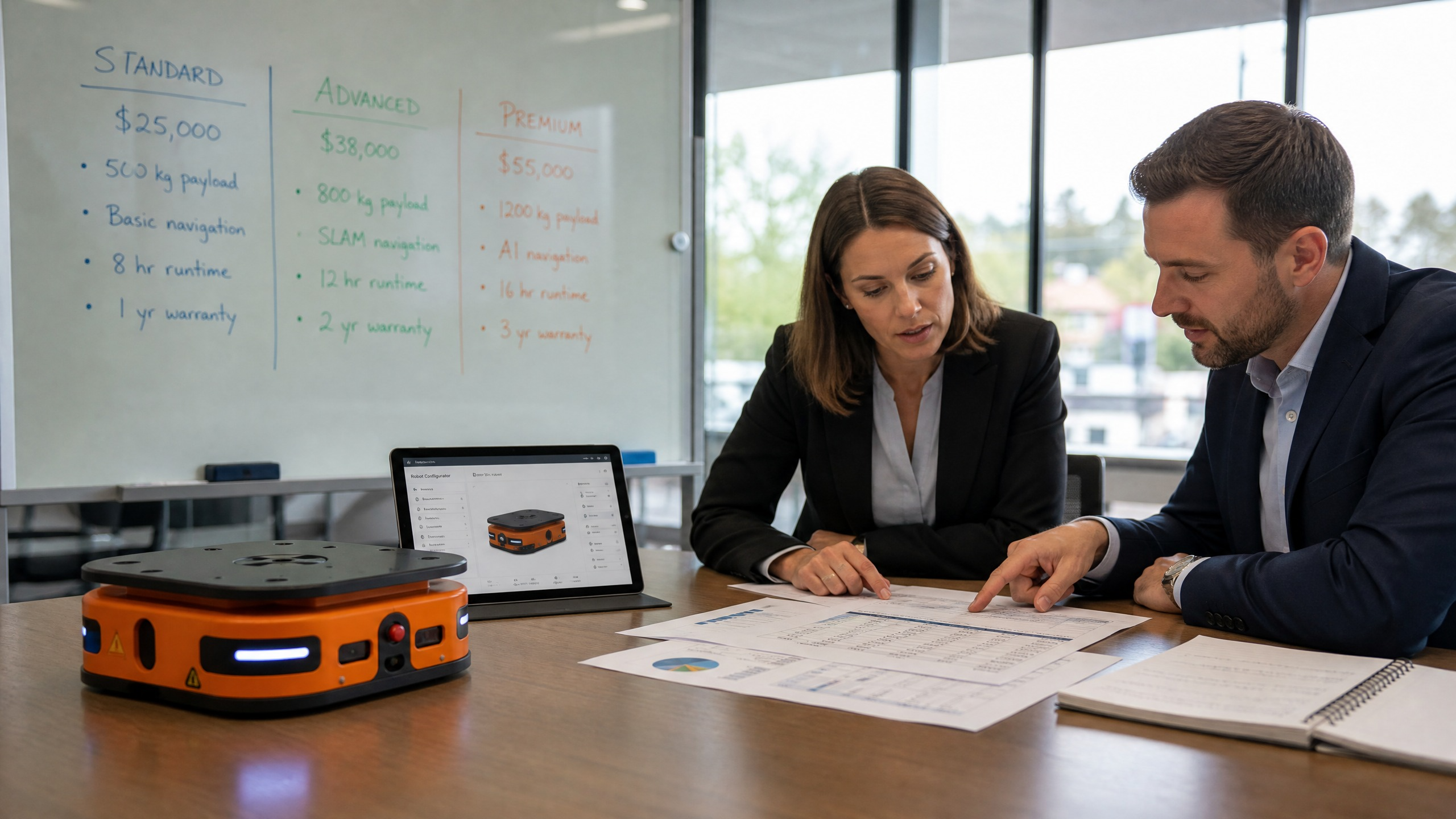
A mid-range Chinese autonomous mobile robot that cost RMB 100,000 to RMB 150,000 (about USD 14,000 to USD 21,000) in 2020 now ships for roughly half that, while Western list prices have barely moved. Post 4 of our AMR/AGV foundations series turns that spread into a working budget: current price bands for every major vehicle class from USD 40,000 flat-platform units to USD 300,000 autonomous forklifts, the structural forces behind the China versus global gap, the five cost drivers that explain any quotation, and the ARPI Price Architecture Map, our original benchmark reference for a market with no audited price index.
From Factory Floor to Warehouse: How AMR and AGVs Are Deployed
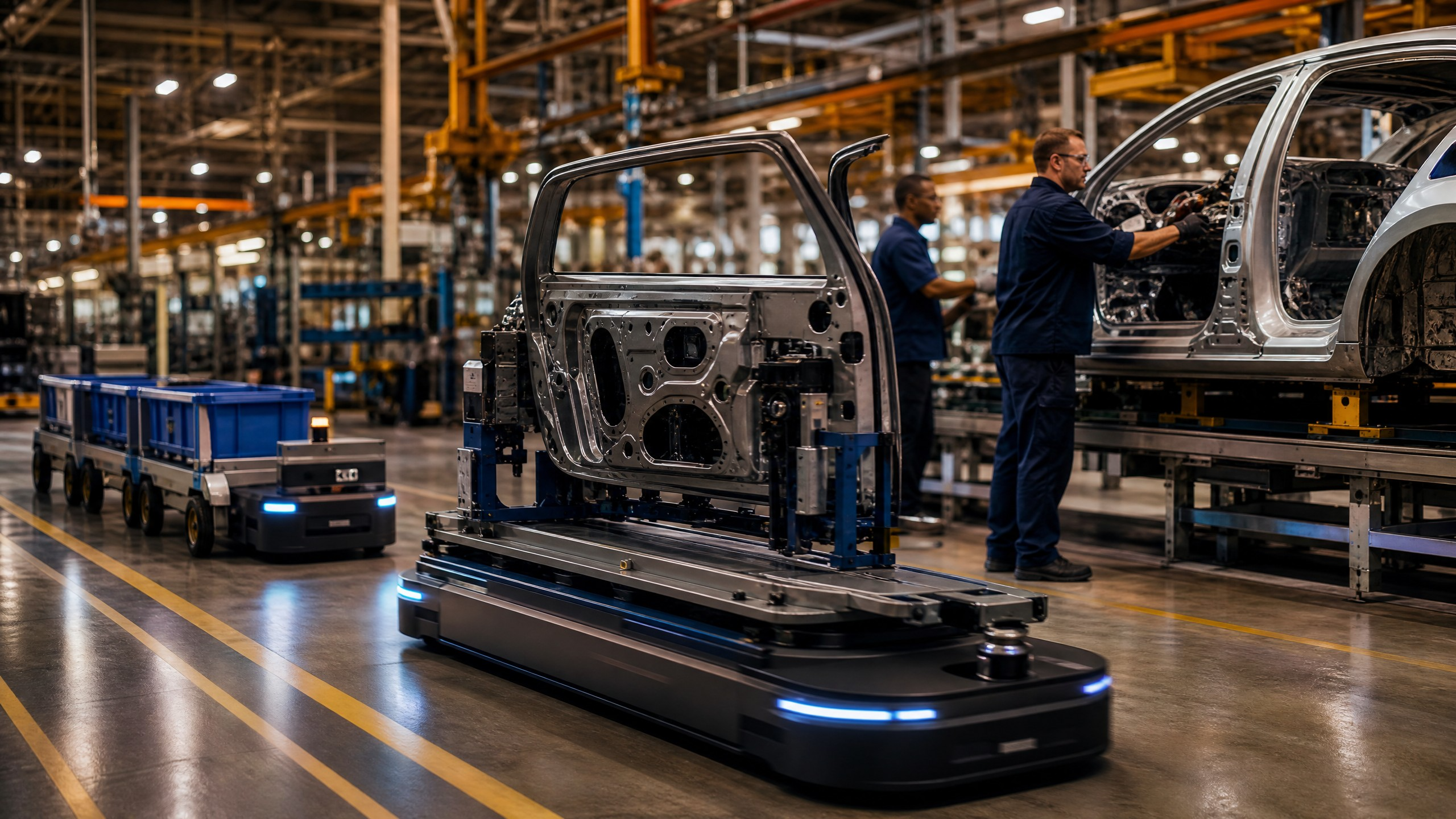
Amazon runs more than one million robots across 300-plus facilities while a family-owned logistics firm is going live with exactly 24, and everything a buyer needs to know sits between those two numbers. Post 3 of our AMR/AGV foundations series maps where mobile robots are actually deployed: the four industries that dominate the verified record, the task patterns that repeat across them, flagship cases from BMW Regensburg to FAW Toyota's 2,000-robot fleet, and an original readiness framework that matches four deployment archetypes to the organisations realistically able to copy them.

The Robot Economy Stopped Asking Venture Capital for Permission
The last week of July 2026 marked physical AI's shift from venture funding to infrastructure capex. Nvidia's US$1.01 billion Naver stake, Brookfield's up-to-US$9 billion financing, Japan's PASTEC chip hub, and Korea's US$950 billion framework show states, asset managers, and chipmakers now fund the robot economy, changing what gets built and who captures the value.
Navigating the Different Classes of AMR and AGVs
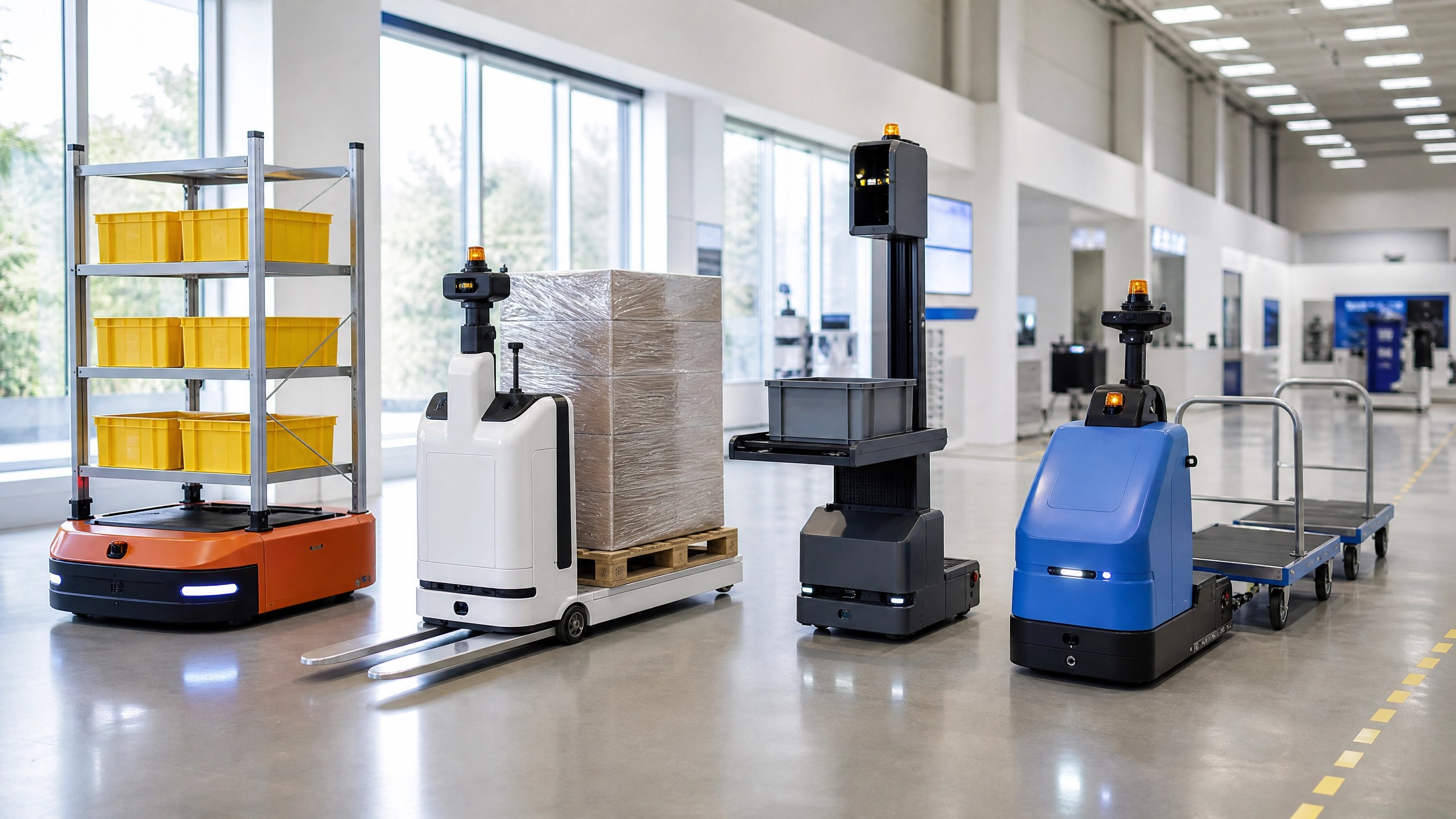
Ninety-six new mobile robot products reached the market in the first half of 2026 alone, and they are not interchangeable. This guide maps the six working classes of AGVs and AMRs that matter to buyers, from tuggers and pallet movers to shelf-carriers, tote-handling robots, and the fast-rising mobile manipulator category, explains how each differs in payload, navigation, and facility demands, and provides an original class selector matrix so procurement teams can shortlist the right vehicle type before talking to a single vendor.
The Fundamentals of AMR and AGV Technology Explained
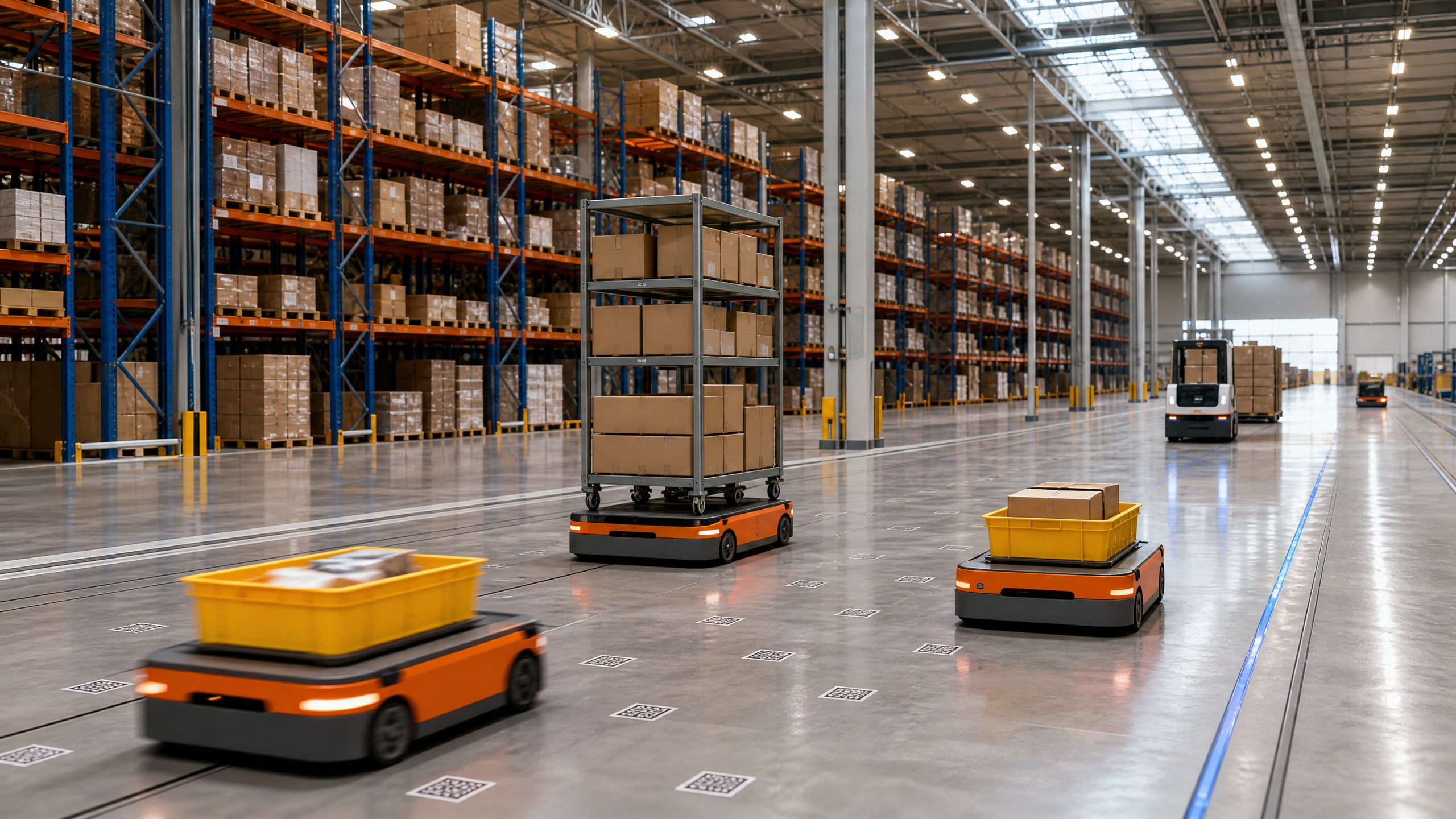
Mobile robots for moving goods are now the largest professional service robot category sold worldwide, with 102,900 transportation and logistics units shipped in 2024 according to the IFR. This series opener explains the fundamentals: what separates an automated guided vehicle from an autonomous mobile robot, how SLAM navigation actually works, the six subsystems every machine shares, the safety standards that govern them, and an original decision framework comparing AGVs, AMRs, and fixed conveyors for buyers planning their first project.

The Smart Money in China’s Robot Boom Is No Longer Betting on Robots. It Is Betting on the Exit.
In a single day, AgiBot hired three banks for a Hong Kong IPO, Horizon Robotics borrowed US$450 million at zero interest, PsiBot became China’s 22nd embodied AI unicorn of the year on a carmaker’s money, and Washington voted to bar the Pentagon from Chinese humanoids. Read together, these are not four stories but one: the smart money in China’s robot boom has repositioned from funding deployment proof to engineering exits. This analysis traces the capital cycle from venture rounds through strategic money to public listings, examines what the rush to price the sector says about its operating reality, and identifies the signals that will mark the exit window’s closing.

July 2026 Robotics Funding Wrap-Up: Capital Splits Into Three Layers
July 2026 closed with humanoid robotics venture funding at 8.7 billion dollars year to date, but the month's defining pattern was structural rather than volumetric: capital split into three distinct layers with different instruments, buyers, and risk appetites. Listed platforms raised at near-zero cost through convertible bonds and IPO pipelines, strategic and industrial acquirers moved on control positions, and angel investors repriced the component layer of hands, actuators, and perception. The monthly conclusion is that investors are no longer buying a single robotics story but underwriting three different businesses.

July 2026 Exhibitions Wrap-Up: Conventions Become Procurement Events
July 2026 was the month robotics convenings stopped functioning as showcases and started functioning as allocation events. WAIC drew roughly 400,000 attendees and anchored a wave of product launches and signings, Korea flew its entire AI supply chain to San Francisco for a week of state-orchestrated deal-making, and Chinese provinces converted exhibition momentum into production lines within weeks. The next test is the World Robot Conference in Beijing this August, which now carries procurement expectations rather than demonstration expectations.
July 2026 Technology Wrap-Up: Trust Became the Bottleneck
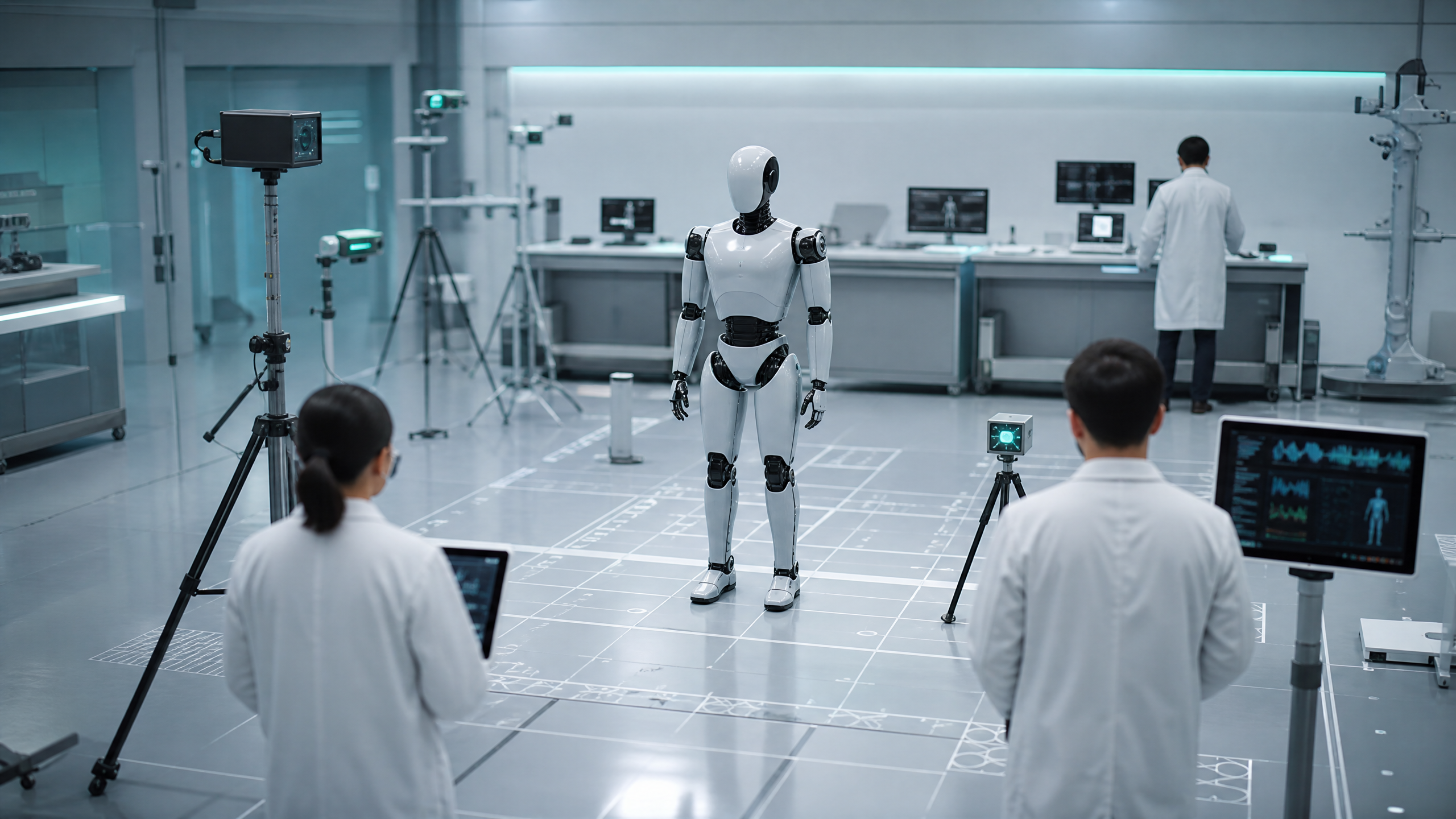
July 2026 produced more robot foundation models than any prior month, and the technical center of gravity shifted in response: the scarce layer is no longer models or data but evaluation, certification, and standards. China's MIIT convened its humanoid standardization plenary and stood up a data working group, Europe's ISO 10218:2025 transition began sorting prepared vendors from unprepared ones, and a wave of benchmarks emerged to measure what the model flood actually delivers. The trust layer is becoming the product.

July 2026 Robot Economics Wrap-Up: The Human Layer Sets the Price
July 2026 exposed the missing line item in robot cost models: the negotiated human layer. Hyundai's wage reform talks, a paused 57,590 dollar school robot pilot in New York, Washington state's bounded delivery permits, and a Texas shipyard promising 10,000 jobs around its robots all show deployment economics being decided by labor contracts, permits, and community approval rather than sticker prices. Unit costs kept falling in July while the cost of permission kept rising, and the second curve is now the one buyers need to model.

The Humanoid Industry's Map Is No Longer Drawn by Engineers. It Is Drawn by Flags.
In a single week, the House voted to bar the Pentagon from Chinese humanoids, Korea's president flew his chaebol chairmen to San Francisco to sign AI pacts, a Chinese province with 98 million people shipped its first locally built humanoids from a factory financed by state capital, and AMD tied its robotics ambitions to a politically connected defense robot maker. These are not separate stories. They are one story: governments have concluded that humanoid robots are strategic infrastructure, and the industry's supply chain is being redrawn along political lines before the market has picked its winners. This analysis maps the three national models now competing, and what the politicization means for anyone building, buying, or backing robots.

Why Investors Are Betting Big on the Collaborative Robot Sector
Capital is flowing into collaborative robotics faster than the sector's modest revenue base would seem to justify. A private Chinese cobot maker just raised RMB 600 million (about USD 84 million), the listed pure play grew revenue 31.7 percent in 2025 yet still runs at a loss, and Western incumbent demand remains cyclical. In the closing analysis of our ten-part cobot series, we examine the verified market data behind the enthusiasm, map where the money moved in the first half of 2026, weigh the risks from tariffs to price erosion, and score the three ways investors can actually get exposure, so procurement leaders understand why their supplier market is crowded, subsidised, and unusually favourable to buyers.
Total Cost of Ownership: The Real Price of a Collaborative Robot
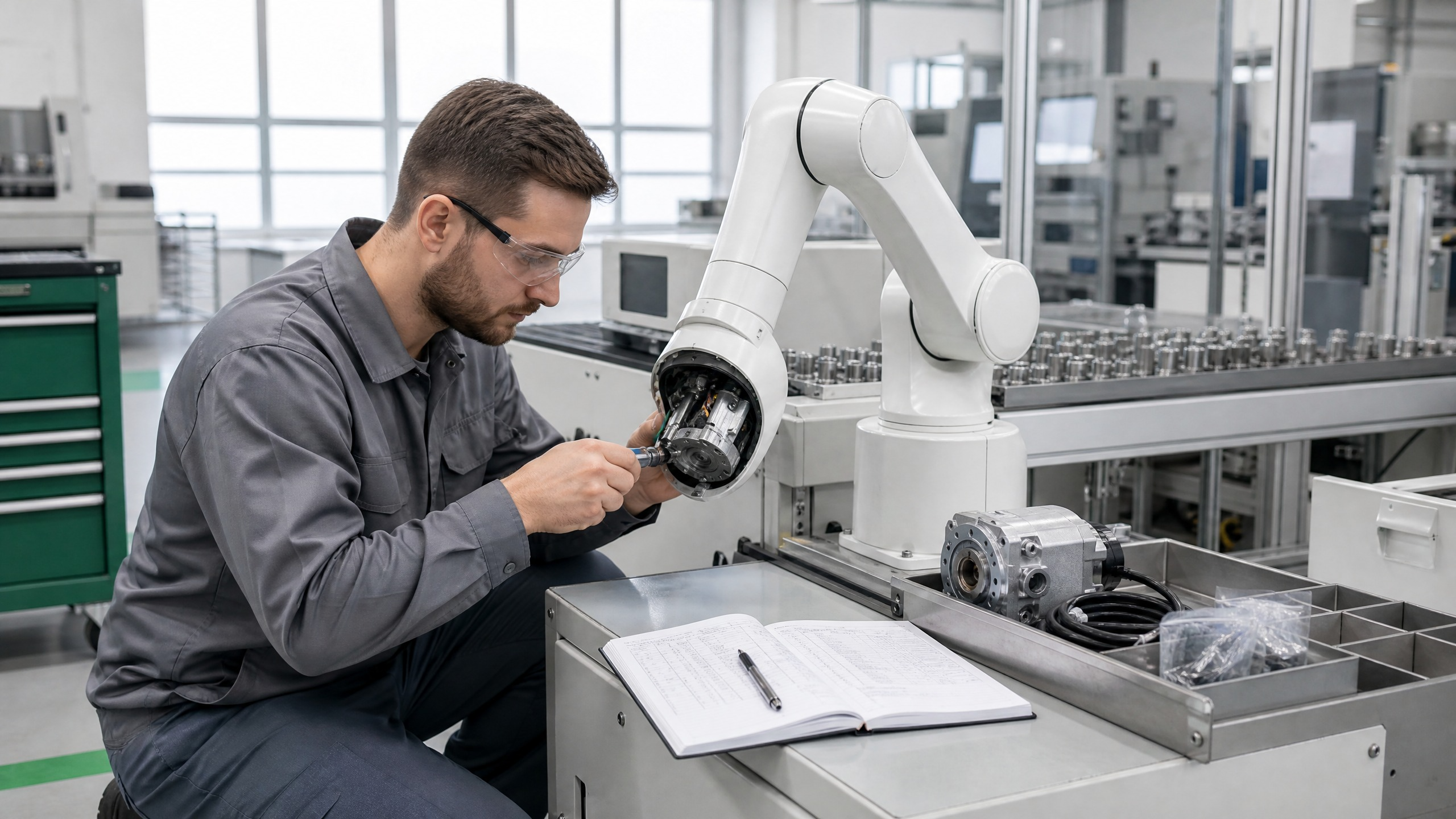
A complete financial picture of cobot ownership beyond the invoice, with all prices explicitly denominated (USD model; RMB and GBP anchors): integration and safety validation under ISO 10218-2:2025, training and wage time, maintenance and spare parts, downtime exposure, depreciation and end-of-life economics, assembled into an original three-scenario five-year total cost of ownership model showing why the sticker price is a minority of the real cost, set against the WAIC 2026 procurement wave.
The Surgical Robotics Shakeout: A Bankruptcy, a Duopoly Test, and the Buyer's New Leverage
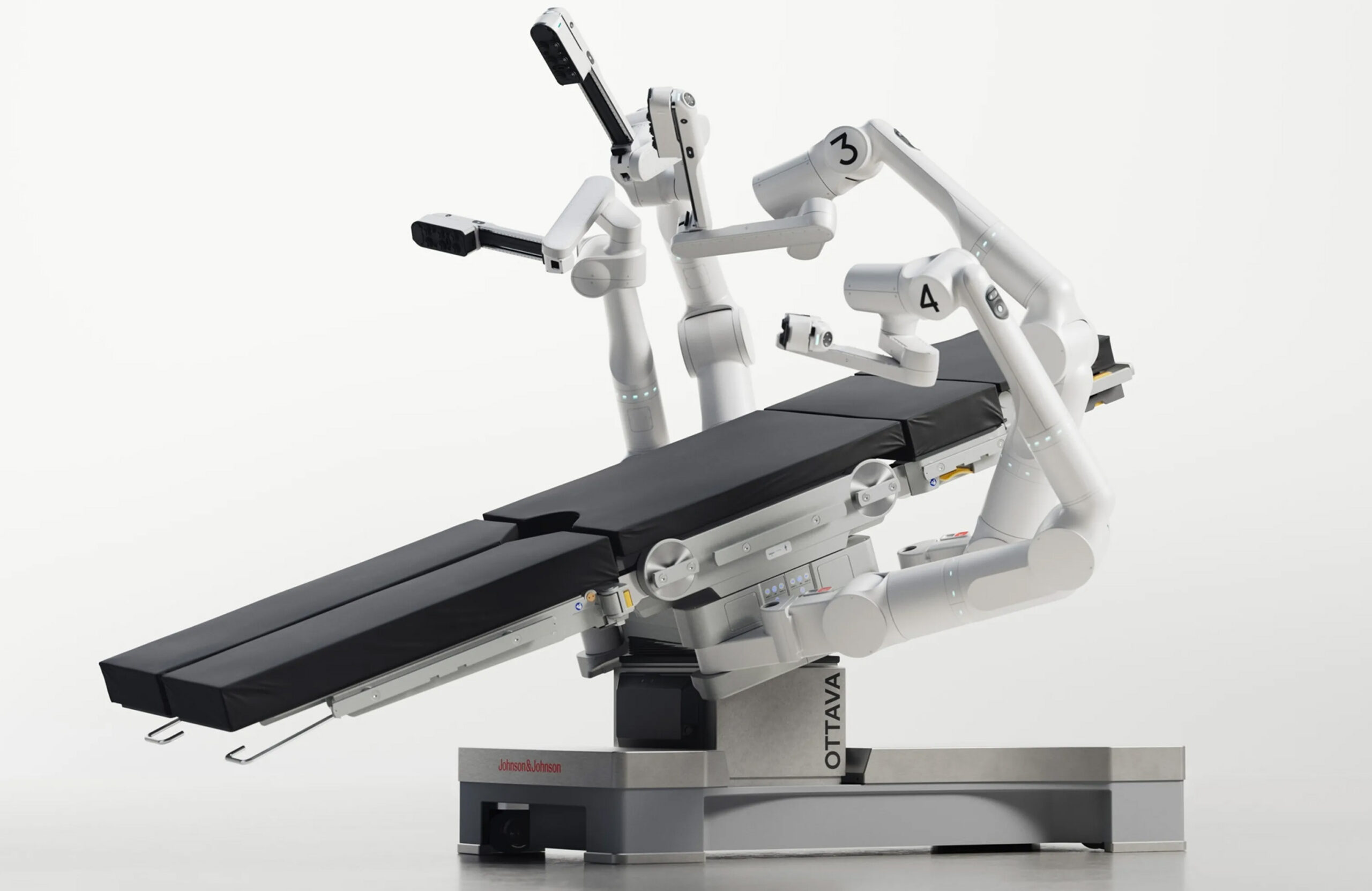
Surgical robotics just lost one of its most hyped startups to bankruptcy in the same week the premium market gained its first credible second supplier in a generation. This analysis maps the consolidation economics deciding who survives, China's parallel game, and a practical evaluation framework for hospitals entering the duopoly era.

The Buyer's Guide to Sourcing a Collaborative Robot
A practical procurement playbook for collaborative robots covering the specifications that separate suppliers, a seven-question due-diligence checklist, lead time and supply chain exposure, the 2025 rewrite of ISO 10218 and R15.06, a total cost of ownership preview, and an original five-dimension sourcing readiness matrix.
Future Trends: The Next 3 Years of Collaborative Robot Innovation
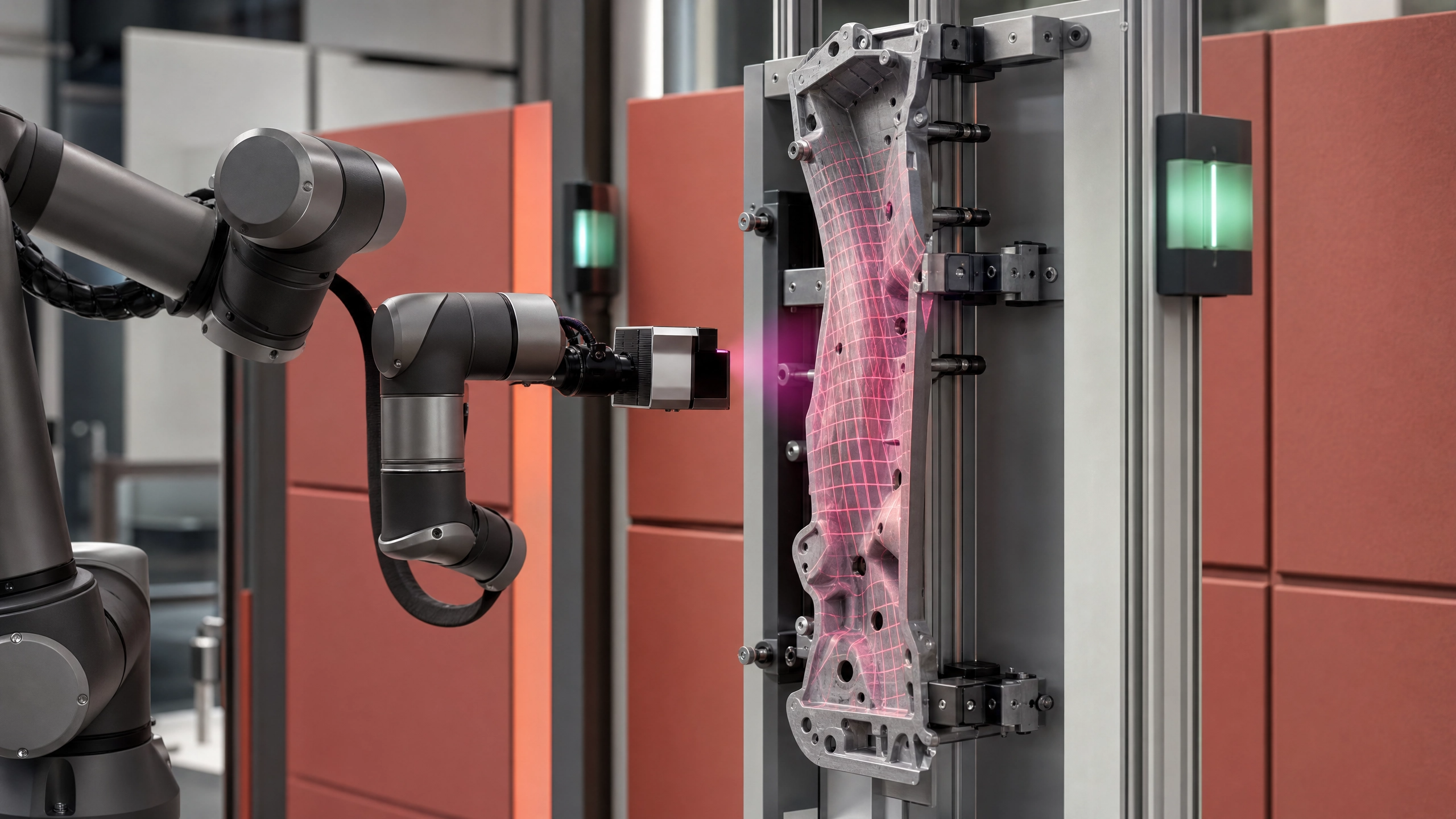
The next three years of cobot progress will be defined less by arm mechanics than by safer integration, perception, retasking, and bounded AI workflows. This buyer roadmap separates practical procurement priorities from research-stage claims.