Where is the Robotic Reducer Used? Real-World Applications Explained
A survey of where robotic reducers actually go to work, grounded only in International Federation of Robotics statistics and the manufacturers' own disclosures, with the gaps in official data on China's domestic supply and humanoid-robot demand stated plainly rather than filled with commercial estimates.

Buyers evaluating an industrial robot usually compare brand, payload, and reach. Few ask what turns a motor's rotation into the slow, forceful, repeatable motion a robot arm actually needs at each joint. That job belongs to a component few buyers ever see directly: the precision reduction gear, commonly called a robotic reducer. A small number of manufacturers, concentrated in Japan and China, supply the reducers that sit inside the joints of most of the world's operating industrial robots, and where those robots go to work says a great deal about where reducer demand is concentrated today and where it is likely to grow next.
The International Federation of Robotics (IFR), the industry's official statistical body, reported that the global operational stock of industrial robots reached 4,663,698 units in 2024, up 9 percent from the prior year. Because a conventional six-axis or Selective Compliance Assembly Robot Arm (SCARA) design carries a reduction gear at every rotating joint, that stock represents millions of individual reducer installations across the industries that have adopted robotic automation. What follows traces where those installations concentrate, using only evidence that traces back to an official statistical body or a listed manufacturer's own disclosure, and it says plainly where the official record runs out.
Primary Industries
According to the IFR's World Robotics 2025 report, the electrical and electronics industry was the largest single customer of new industrial robot installations in 2024, accounting for 128,899 units and a 24 percent share of the global total, narrowly ahead of the automotive industry's 126,088 units, also a 24 percent share. The metal and machinery industry ranked third, growing 16 percent year over year to a new peak of 88,777 units and a 16 percent share, followed by the plastic and chemical products industry at 5 percent and the food and beverage industry at 4 percent. For 14 percent of installations, the IFR recorded no customer industry at all, a gap the report discloses rather than estimates around.
Each of these industries buys robots for the joint motion a reduction gear provides: precise, repeatable positioning under load. Electronics assembly and inspection lines favor smaller, high-speed articulated and SCARA robots, where compact strain wave or cycloidal reducers control fine positioning at the wrist and elbow. Automotive body shops and metal and machinery producers favor larger six-axis robots, where reducers must hold rigidity under heavier payloads and repeated shock loading from welding, stamping, and material handling.
Specific Application Examples
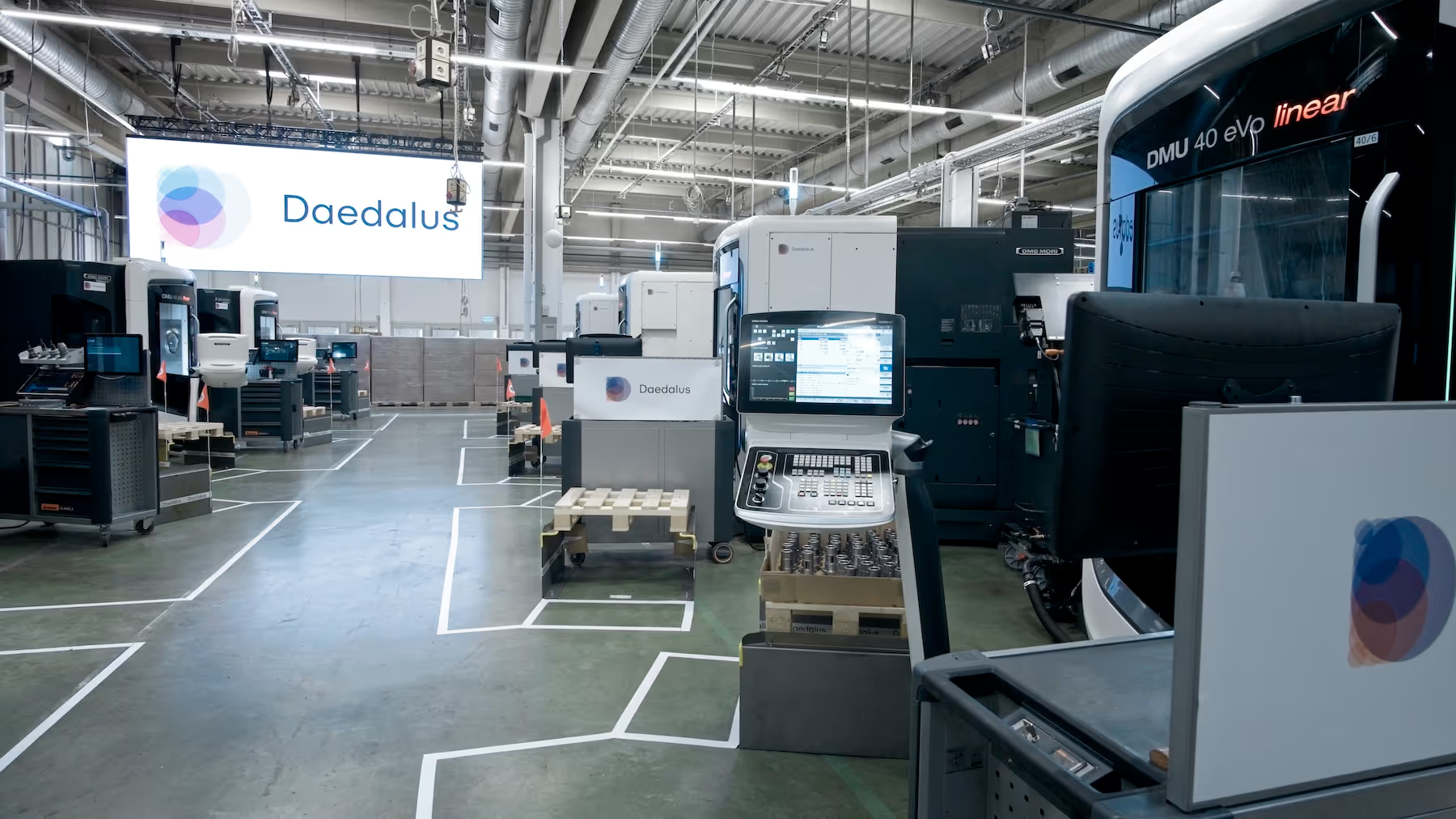
Nabtesco Corporation, the Tokyo Stock Exchange-listed manufacturer that states, by its own estimate, that it holds approximately 60 percent of the global market for precision reduction gears used in the joints of medium to large industrial robots, describes on its own product pages how its reduction gears enable the "powerful, swift, and precise actions" a robot needs to assemble a car on an automotive production line. The same design family, Nabtesco states, also drives the automatic tool changer (ATC) mechanisms that swap cutting heads on machine tools, where the company puts its own share of the domestic Japanese market at around 60 percent, and the company traces its reduction gear business back to construction equipment, the application it says the product line was originally built to serve.
Harmonic Drive Systems Inc, a separate Tokyo Stock Exchange-listed manufacturer, lists a different but overlapping set of applications for its strain wave reduction gears on its official site: industrial and collaborative robots, six-axis robots and SCARA robot stockers, semiconductor manufacturing equipment performing dicing, wafer cleaning, and single crystal pulling, automated guided vehicles (AGVs) moving material through a facility, and laser machining and wrapping or polishing equipment. Between the two companies' own disclosures, reducers evidently span far beyond robot arms alone, into any machine that needs a motor's rotation converted into slow, high-torque, backlash-controlled motion.
China Deployment Example
China is the clearest example of scale. The IFR reported that 295,045 industrial robots were installed in China in 2024, up 7 percent year over year and equal to 54 percent of every robot installed worldwide that year, more than every other country combined. China's operational stock of industrial robots passed the two-million-unit mark in 2024, reaching 2,027,190 units, or 43 percent of the global installed base. Because a reduction gear is a functionally required part of the joints on essentially every articulated robot in that stock, China represents the largest single national concentration of reducer demand, whichever company ultimately supplied the gear.
On the supply side, Nabtesco's own company information names a manufacturing facility in Changzhou, China, alongside its two plants in Japan, indicating the company has chosen to place reduction gear production inside the country with the largest robot stock rather than serve it purely through export. What the official record does not supply is a verified, independently disclosed figure for how many reducers Chinese domestic manufacturers themselves produce or ship each year, or what share of China's robot fleet runs on domestically made gears rather than imported ones. Estimates on that question circulate widely in commercial market research and bank equity research, but none of it meets the official-source standard this article applies, so the figure is omitted here rather than borrowed. A buyer who needs that number for a sourcing decision should ask a prospective supplier for its own audited shipment data and facility qualification records rather than rely on a third-party market-share estimate.
Global Deployment Example
Outside China, Germany illustrates a mature, automotive-weighted deployment pattern that the same reducer applications serve. The IFR recorded 26,982 industrial robot installations in Germany in 2024, the largest total in Europe and the fifth largest in the world, concentrated in a national manufacturing base still centered on automotive production, the exact application Nabtesco cites for its own reduction gears. Japan itself, where both Nabtesco and Harmonic Drive Systems are headquartered and manufacture, held an operational stock of 450,530 industrial robots in 2024, 10 percent of the world total, spanning the automotive, electronics, and semiconductor equipment applications both companies name in their own product literature. Harmonic Drive Systems' semiconductor equipment application in particular sits outside the robot-arm category entirely, supporting wafer processing tools rather than an articulated arm, and it illustrates that reducer demand tracks precision motion control generally, not the industrial robot category alone.
Emerging Use Cases
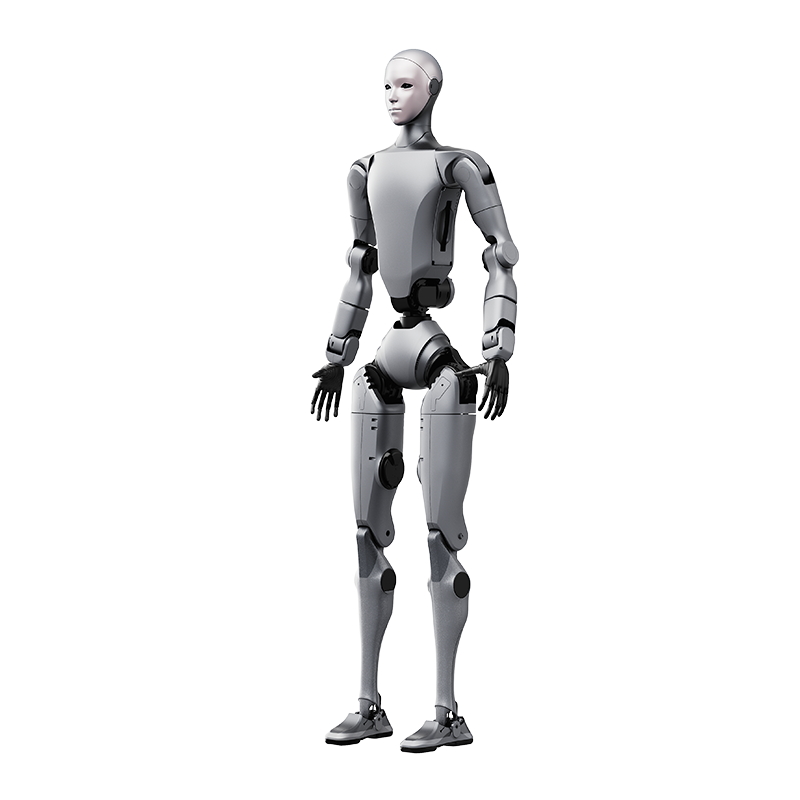
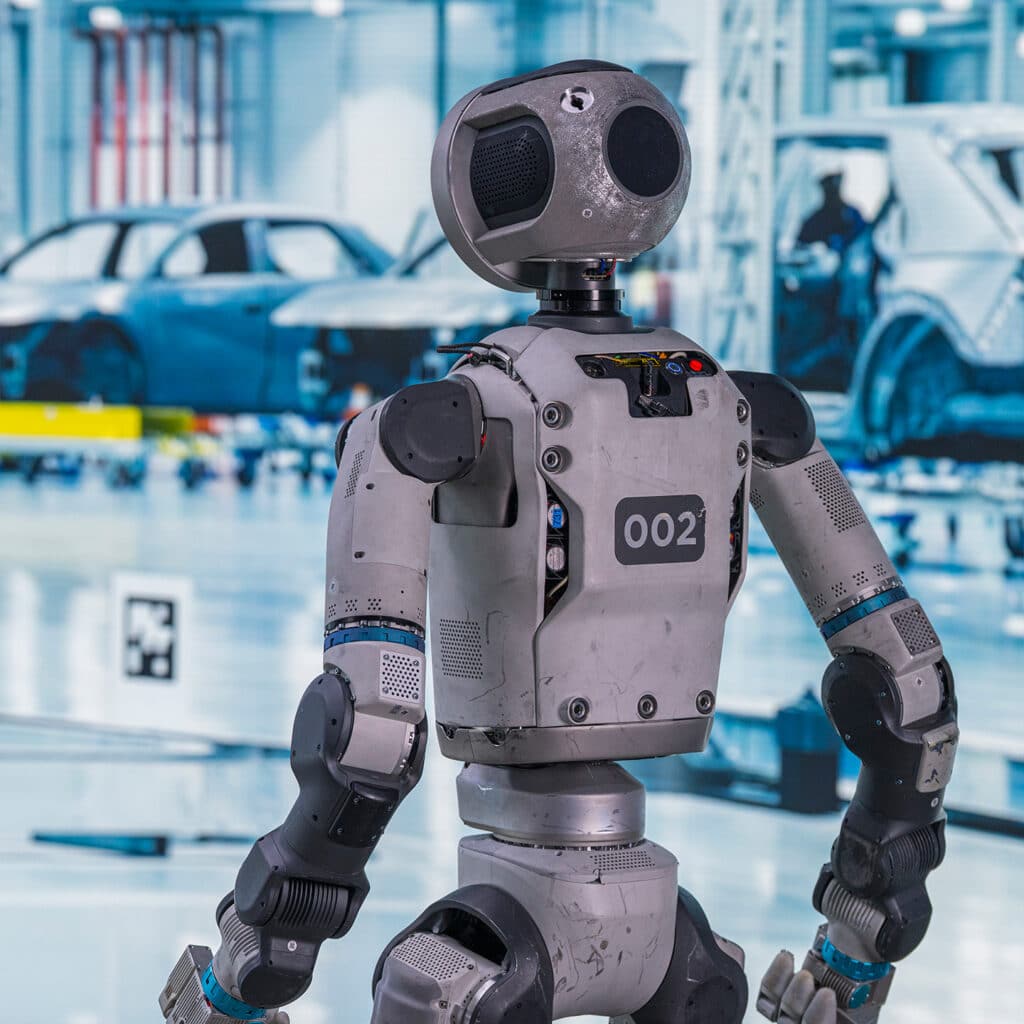
The newest signal comes directly from Nabtesco's own product roadmap. In a release dated December 2, 2025, the company announced its RVmini and Monocrank compact precision reduction gear series, built on a product line it says has produced more than 14 million cumulative units, but engineered for the lower-torque range its established RV line does not address. Nabtesco names collaborative robots and humanoid robots, alongside conventional industrial robots, machine tools, semiconductor equipment, and general automation, as the target applications for the new compact series, which the company exhibited at Japan's International Robot Exhibition (iREX) on December 3, 2025.
That announcement establishes, on the record, that a leading reducer manufacturer sees enough near-term demand from collaborative and humanoid robotics to develop and launch dedicated compact product lines for it. What the official record does not yet establish is the size of that demand. No official statistical body currently publishes installation or shipment counts for humanoid robots broken out the way the IFR tracks conventional industrial robots, and no admissible source has confirmed a reducer unit or revenue figure specific to humanoid platforms. Buyers and investors evaluating the humanoid robotics story should treat headline market-size figures for this segment, wherever they originate, as unverified until an official body begins reporting comparable data.
Procurement Outlook
Reading these applications together as a single evidence base, rather than as isolated company facts, produces a simple filter for procurement and investment decisions in this component category: rank a claim by where it comes from before ranking it by size. A national installation count from the IFR, a listed manufacturer's own stated market share, and a manufacturer's own product launch are three different grades of evidence, and this article has kept them visibly separate rather than blending them into a single narrative. The gaps that remain, chiefly China's domestic reducer production volume and the true scale of humanoid robot reducer demand, are not gaps this article can responsibly fill with an estimate, and a buyer who encounters a confident number on either question should ask which of those three grades it belongs to before acting on it. As robot installations extend toward the 700,000-unit mark the IFR projects for 2028, and as compact reduction gears reach further into collaborative and humanoid platforms, the reducer supply chain will keep expanding into segments official statistics have not yet caught up to measuring, which is itself the clearest procurement signal available today: verify at the source, and act ahead of the data where the source stays silent.
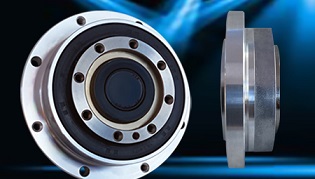
Hero image: Harmonic Drive Systems CSF-ULW precision strain wave gearhead, official product image from Harmonic Drive Systems Inc.
Disclaimer: This article is for general information purposes only and does not constitute investment, legal, or procurement advice. Readers should verify details with primary sources before making business decisions.