
Aktuelle Artikel
Hintergründe, Analysen und Praxisleitfäden aus dem Robotik-Ökosystem.
235 Artikel gefunden
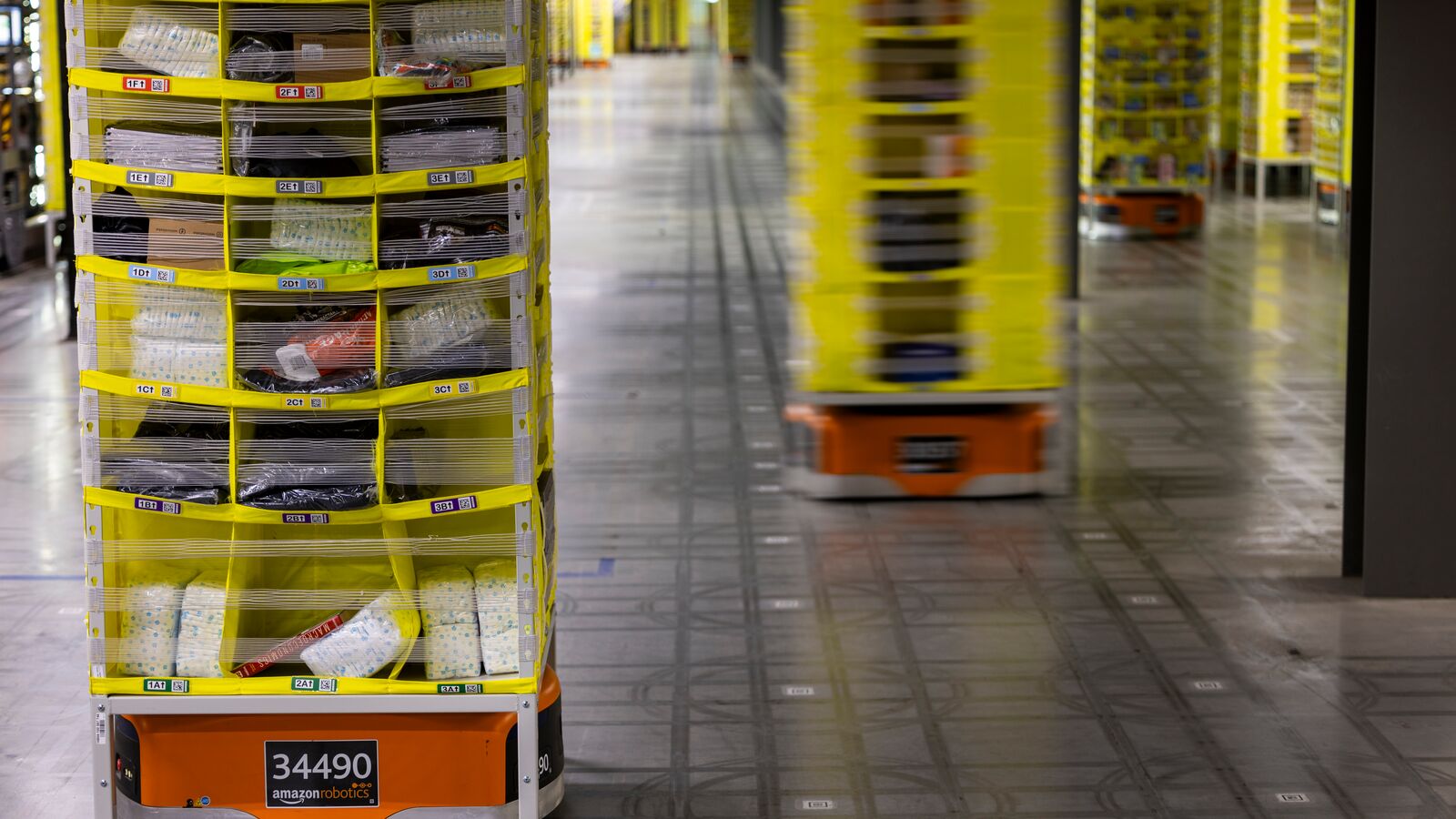
Amazon Killed Its Flagship Robot Arm. Its Warehouses Got More Automated Anyway.
Amazon shelved its ceiling-mounted Blue Jay robot arm and cut robotics-unit jobs in early 2026, then grew its fleet to one million robots on the strength of DeepFleet, a coordination AI, not a new machine. The lesson for buyers: fleet orchestration software and maintenance staffing matter more than a dexterous robot spec sheet.
 martti 4 Min. Lesezeit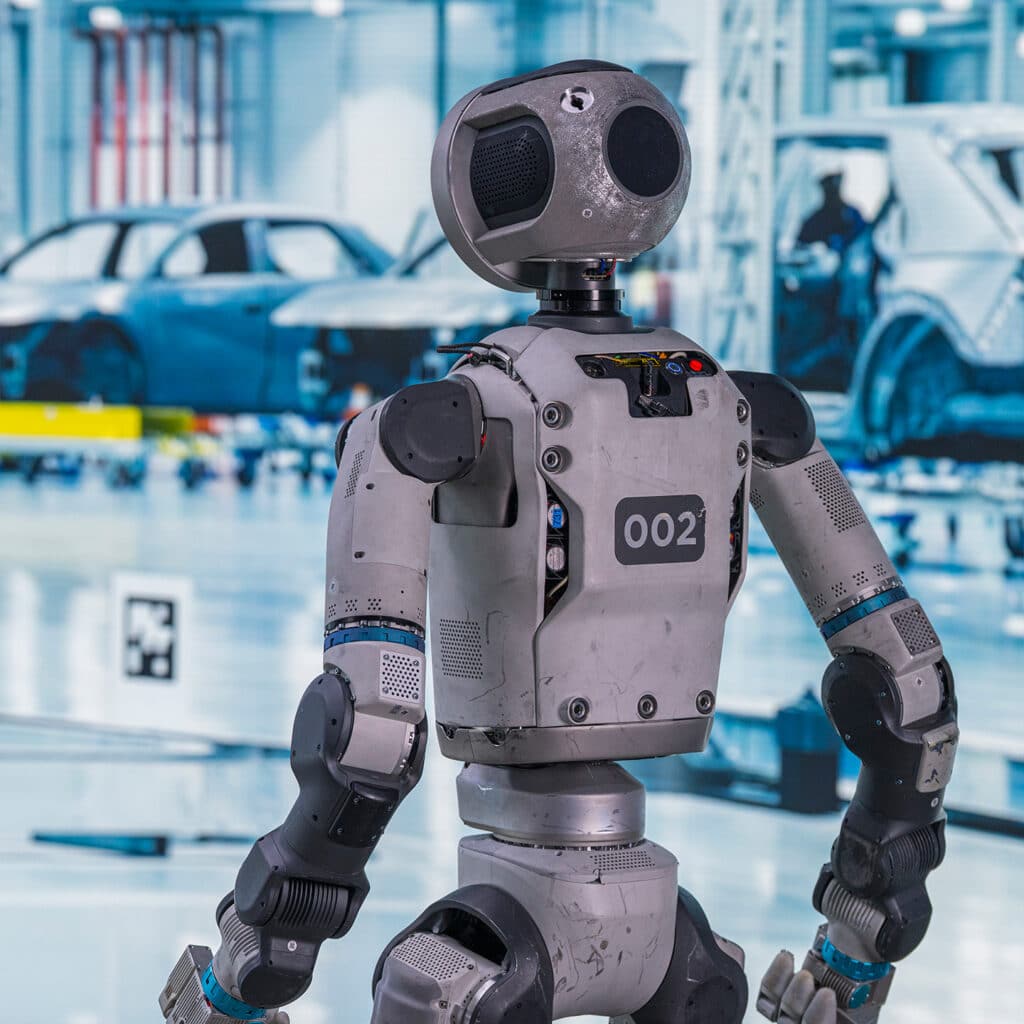
Boston Dynamics' New CEO Has Never Shipped a Robot. Hyundai Is Betting That's Fine.
Boston Dynamics just named an Amazon AI veteran as CEO, following the same leadership pattern already used at Agility Robotics. Both bets assume the industry's hardest remaining problem is software, not the manufacturing targets these same companies have also signed up to hit.
martti 4 Min. Lesezeit
Agility Robotics Promised Not to Weaponize Robots. It Never Promised to Stay Out of the War Room.
Agility Robotics' CEO has joined Project Meridian, a MITRE-run Department of War strategy initiative, while the company works through a US$2.5 billion SPAC merger with Churchill Capital Corp XI. Both moves are fully compliant with the 2022 industry pledge against weaponizing robots, because that pledge was written to cover one mechanism only, and says nothing about advisory roles, defense-adjacent revenue, or what a newly public company discloses about either.
martti 4 Min. Lesezeit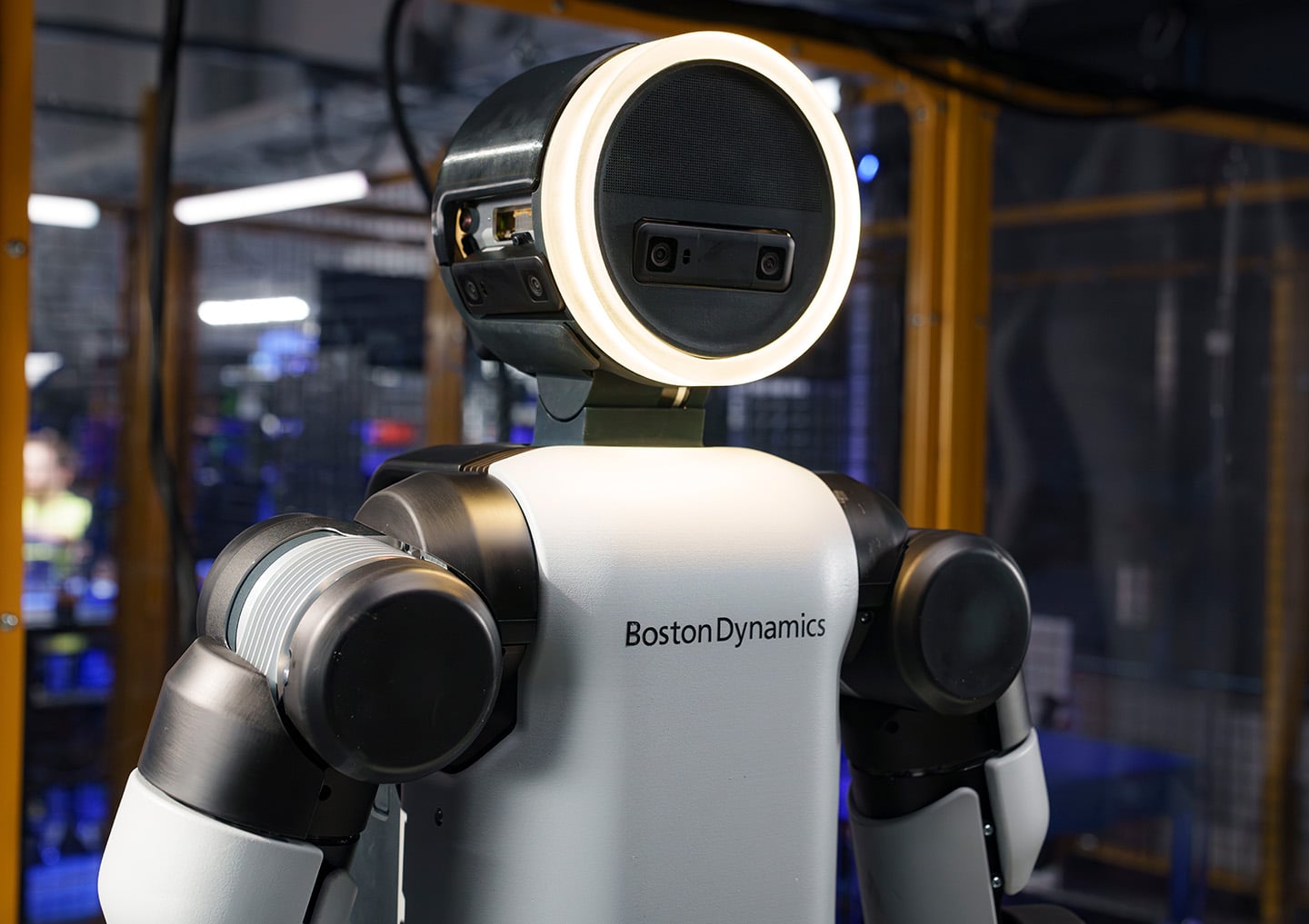
Kawasaki Promised Autonomy by 2030. Its Own Roadmap Says 2040.
Kawasaki's own March roadmap puts full humanoid autonomy at 2040, yet October coverage says 2030. The same compression shows up at Tesla and Hyundai; only 1X is honest about how much of its robot is still human-operated.
martti 4 Min. Lesezeit
Robotics' Rarest Deal Isn't a Funding Round. It's a Buyback.
AutoStore's cancelled treasury shares pushed its private equity backer THL over a 25 percent disclosure threshold this week, the kind of capital-return move almost no other robotics company can currently afford, and what that gap reveals about which parts of the industry already generate real cash.
martti 4 Min. Lesezeit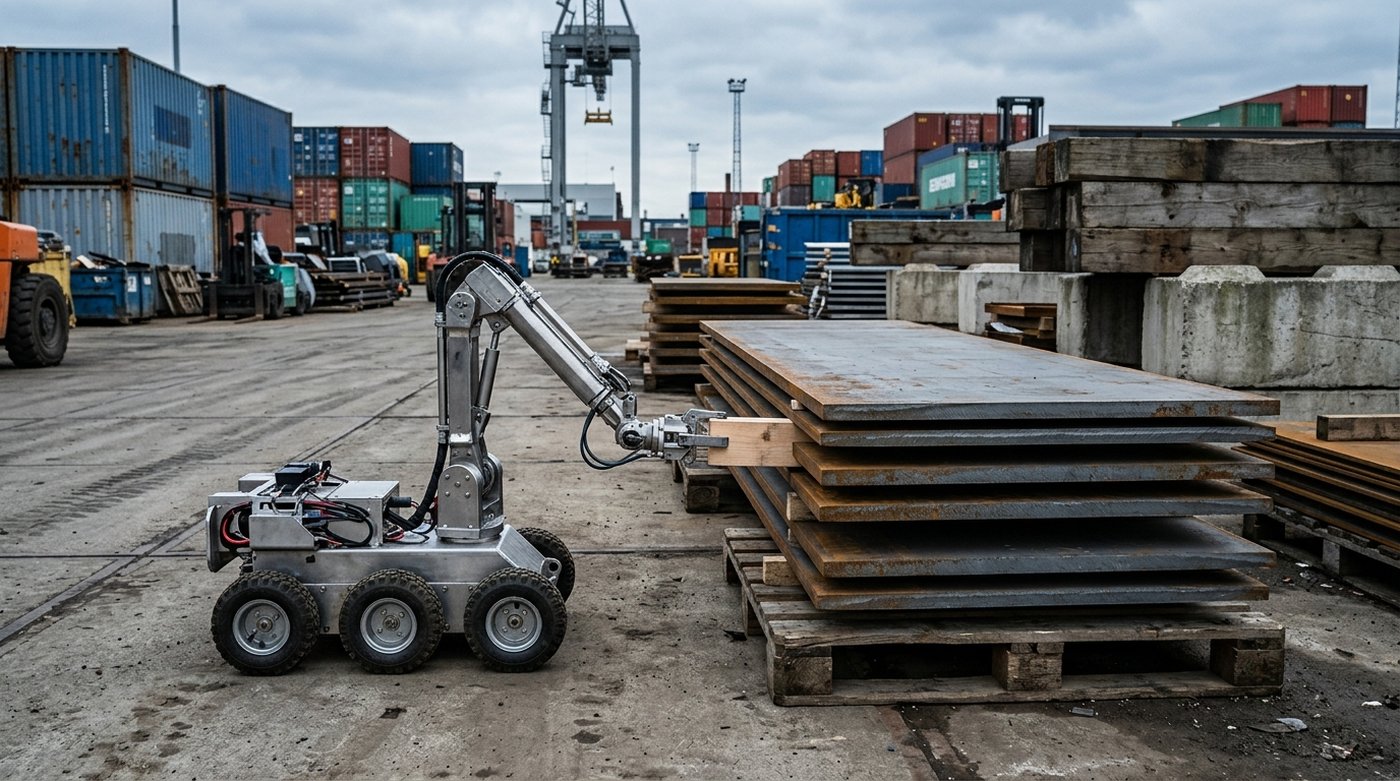
POSCO Contract Tests a Robot on the Last Manual Gap
DGIST spin-off MFR won a POSCO award to place spacers between heavy plates, a shipping-yard task still done by people beside multi-ton loads.
 jamie 9 Min. Lesezeit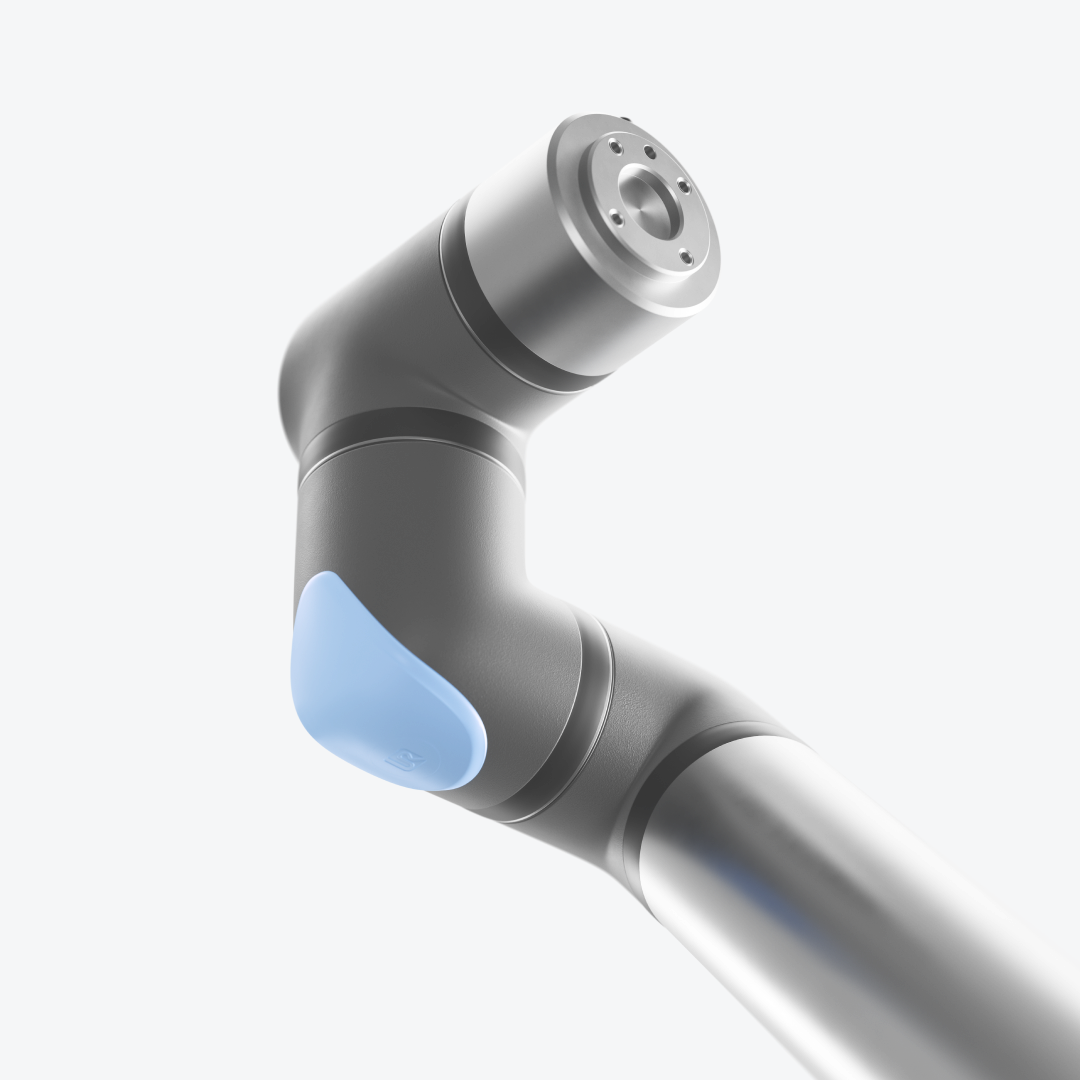
Teradyne and Elite Robots Settle, But the Cobot Patent War Isn't Over
Teradyne Robotics and Elite Robots quietly settled their German patent and copyright dispute on October 1, but the litigation strategy behind it, and a parallel suit against JAKA, reveals how Universal Robots is fighting cheaper Chinese cobot competition in court rather than on price.
martti 4 Min. Lesezeit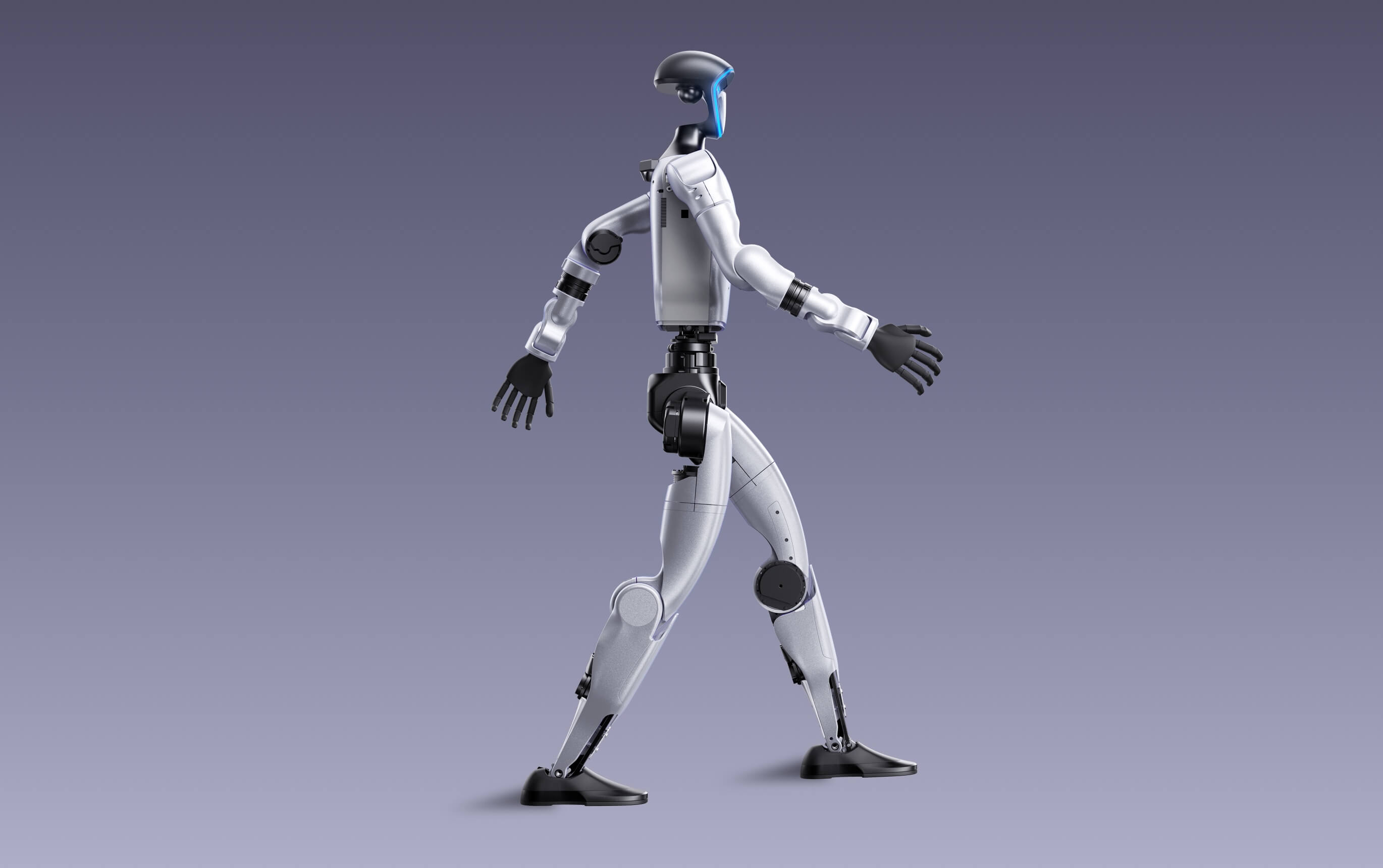
A Humanoid Was Asked to Change a Light Bulb. NVIDIA's Flagship AI Tied a Robot Doing Nothing At All.
A new open benchmark called Fiatlux puts a Unitree G1 humanoid through climbing a ladder and replacing an overhead light bulb in one continuous episode. NVIDIA's flagship GR00T N1.7 model scored statistically the same as a policy that does nothing, and even expert human teleoperation could not complete the climbing subtasks, pointing to whole-body control, not AI reasoning, as the real bottleneck.
martti 4 Min. Lesezeit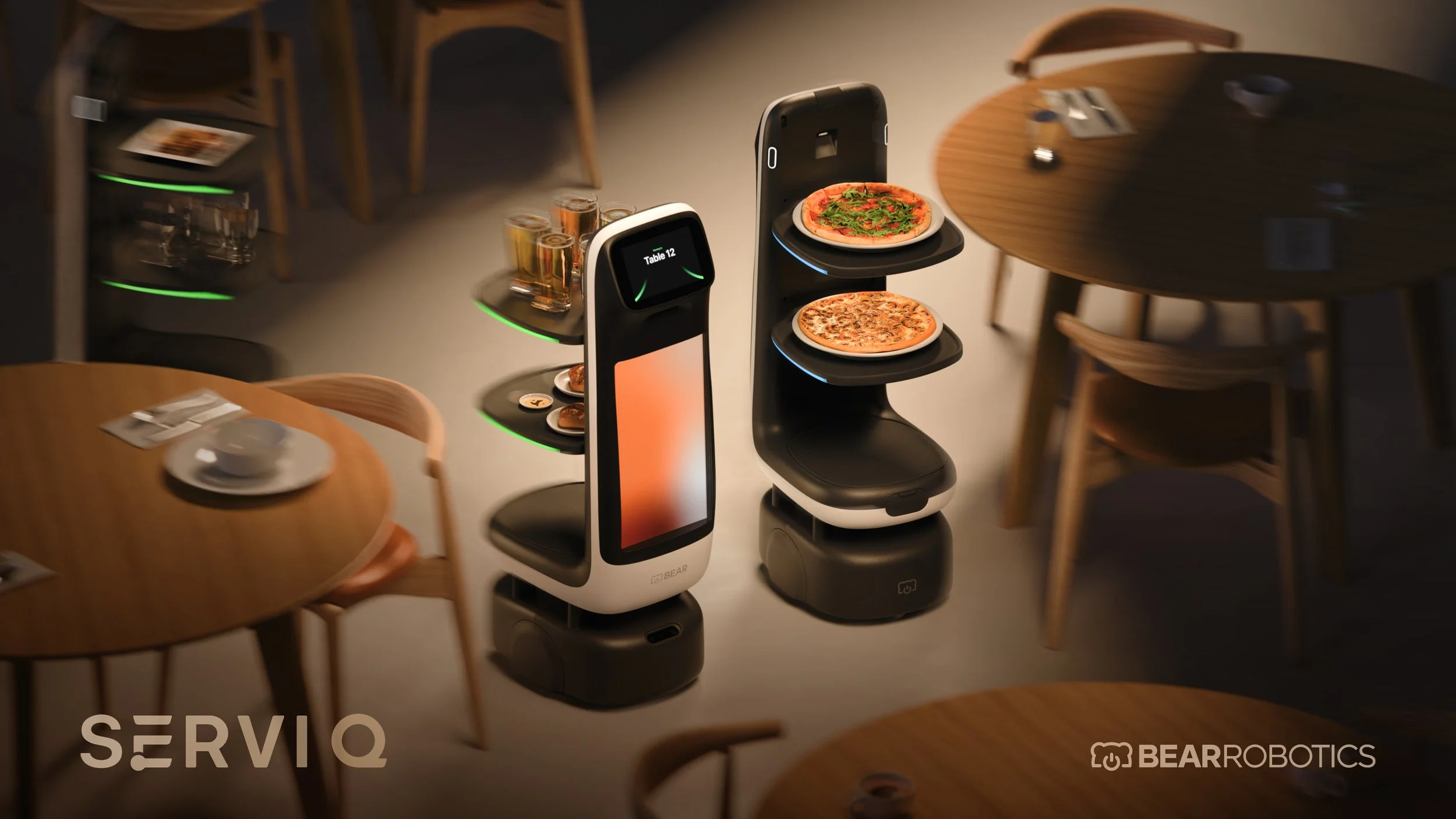
Japan Capped Its Restaurant Worker Visas. Then It Shipped the Robot.
Japan's Specified Skilled Worker quota for restaurant jobs is nearly capped at 50,000. Days after the government moved to pause new approvals, SoftBank Robotics and Bear Robotics launched a narrow-aisle delivery robot built for the same venues, and the timing says more about immigration policy than a demographic labor shortage.
martti 4 Min. Lesezeit
China Unveils a Fully Domestic Electronic Nervous System for Robots
Dongtu Technology unveiled what it says is the first embodied robot running on a fully domestic electronic architecture, an operating system, bus and control stack that passed adversarial safety tests robots on conventional architectures reportedly failed.
 Helios 4 Min. Lesezeit
Japan's Robot Makers Are Paying a China Discount to Skip It
Fanuc, Yaskawa and Kawasaki are expanding US manufacturing and partnerships even though China remains roughly 20 percent cheaper to build in, betting that proximity to AI-driven capital spending matters more than unit cost for the next wave of orders.
martti 4 Min. Lesezeit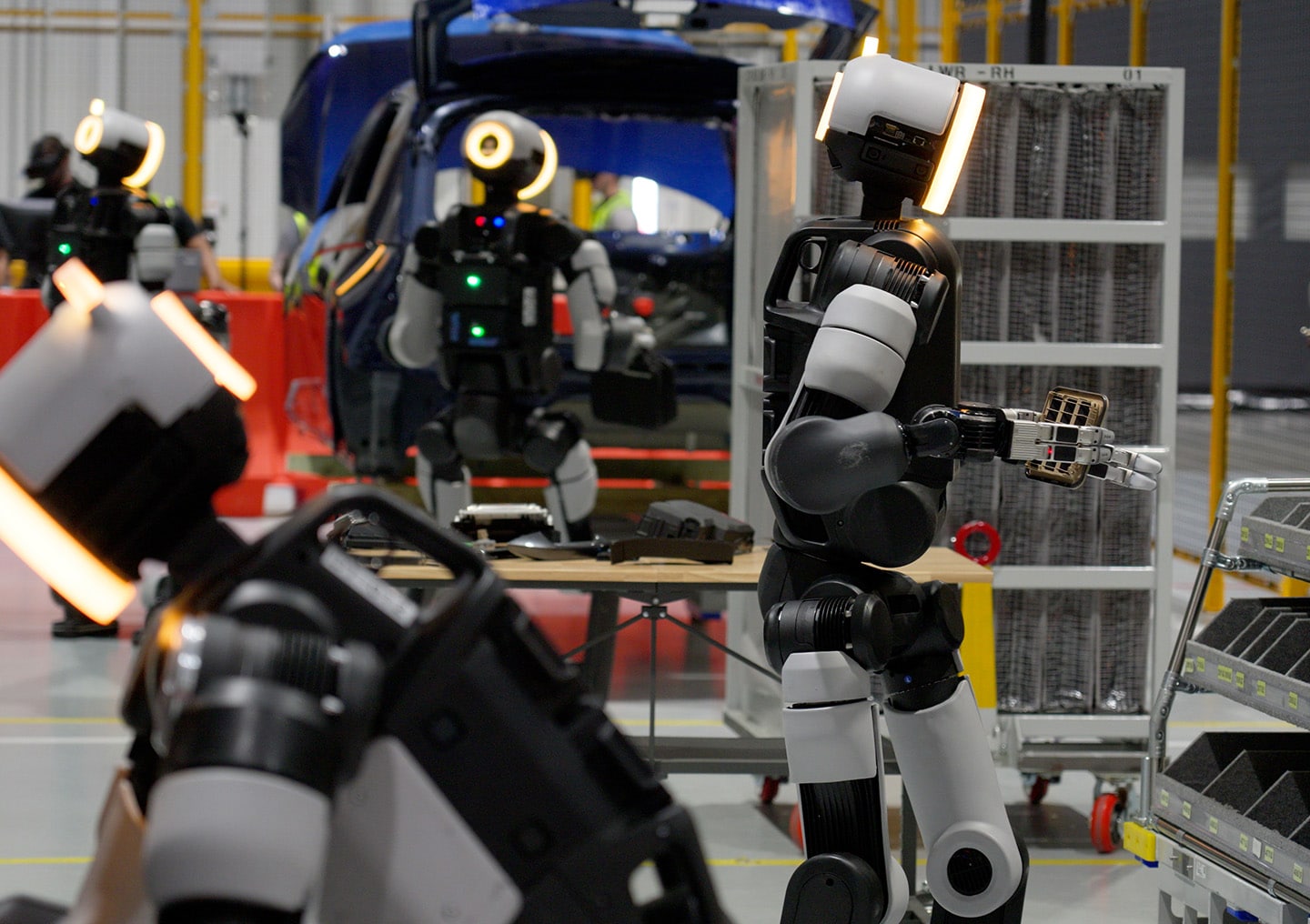
Industrial Robots Hit Five Million Units as Humanoid Hype Outpaces Shipments
IFR's World Robotics 2026 report shows 5.08 million industrial robots now working in factories worldwide, while humanoid robots sold only about 7,000 units in 2025, a gap procurement teams should weigh before betting budget on humanoid pilots.
martti 4 Min. Lesezeit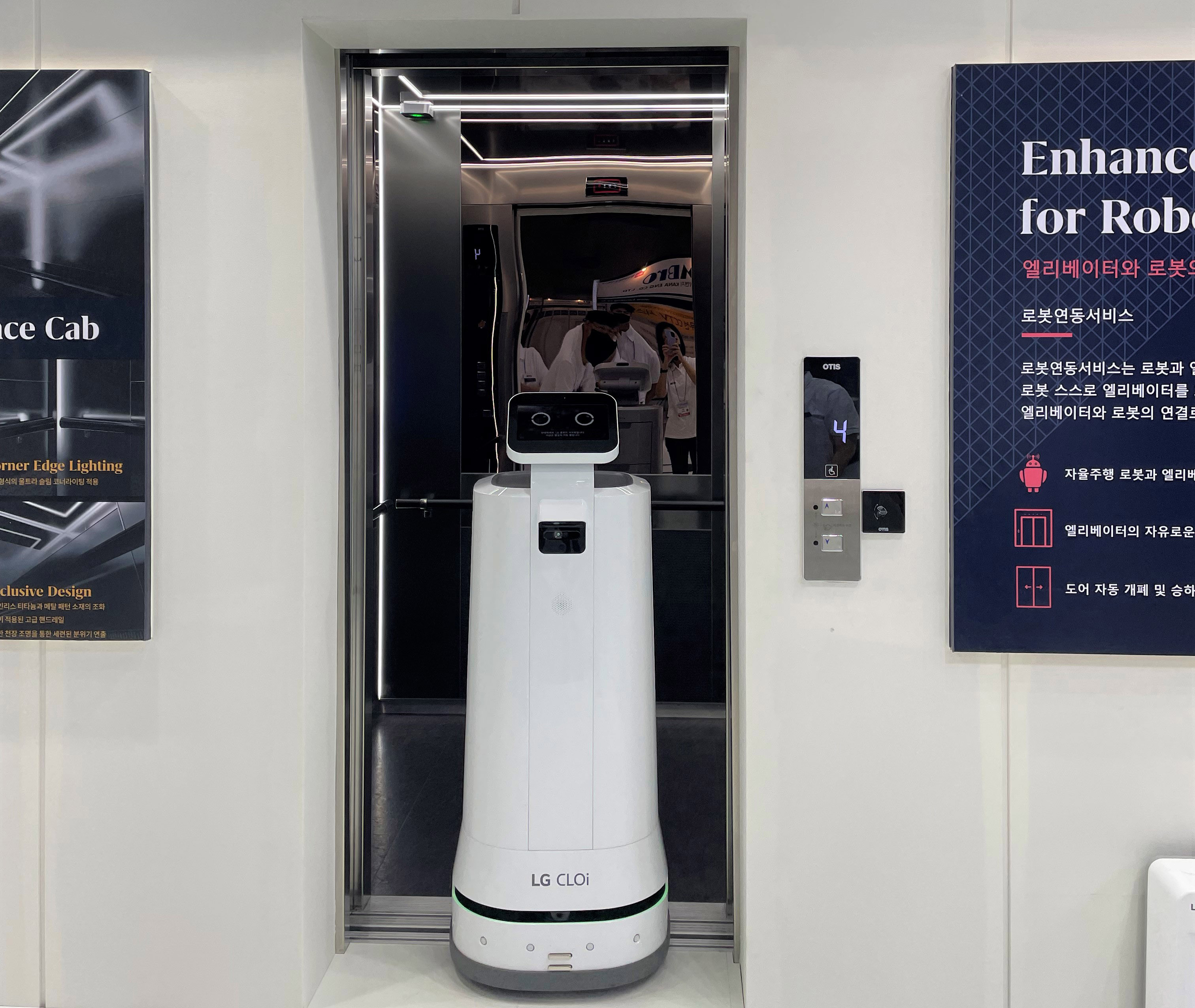
Korea Wants One Robot-Elevator Standard. The Elevator Industry Already Wrote Three.
South Korea's new special act promises a standardized way for robots to enter apartment buildings and call elevators, but Otis, KONE and Schindler already built three incompatible proprietary APIs for that exact handshake years earlier, and only Singapore has tried to write a neutral cross-manufacturer standard for it.
martti 4 Min. Lesezeit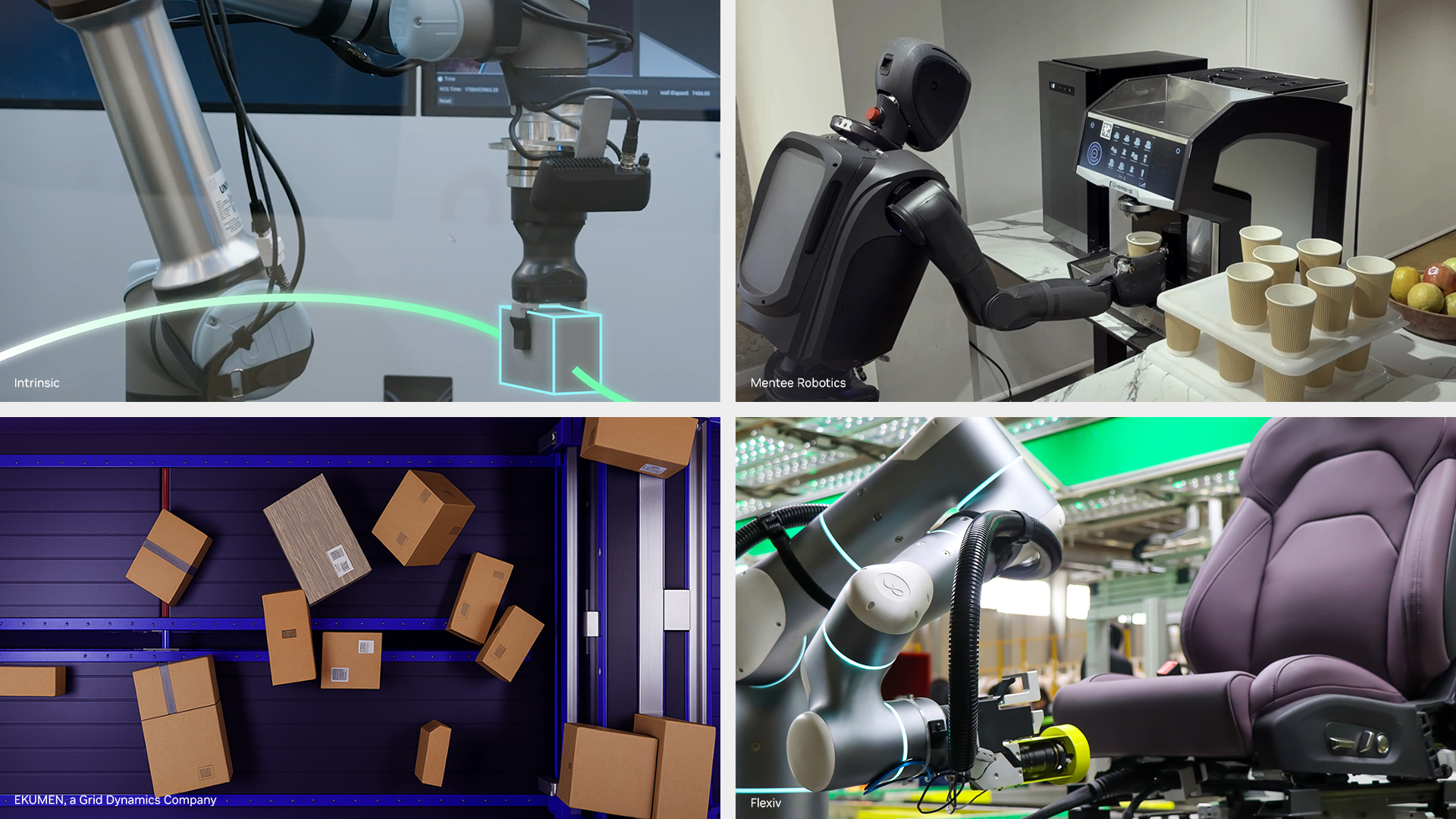
Robotics Keeps Calling Things Agentic. The One Real Test of the Word Just Failed.
A 123-round experiment in fully autonomous robot skill discovery never succeeded, exposing what NVIDIA's Isaac ROS 5.0 and Skild AI's S1 don't yet do despite both shipping under the same word: agentic.
martti 4 Min. Lesezeit
China's Consumer Exoskeleton Market Splits Into Four Price Tiers
Haier, Toread and startups ULS Robotics, Chengtian Technology, RoboCT and Dnsys have priced consumer exoskeletons from US$352 to US$2,253, evidence that China's wearable-robot category has moved from trade-show novelty to a segmented retail market.
martti 4 Min. Lesezeit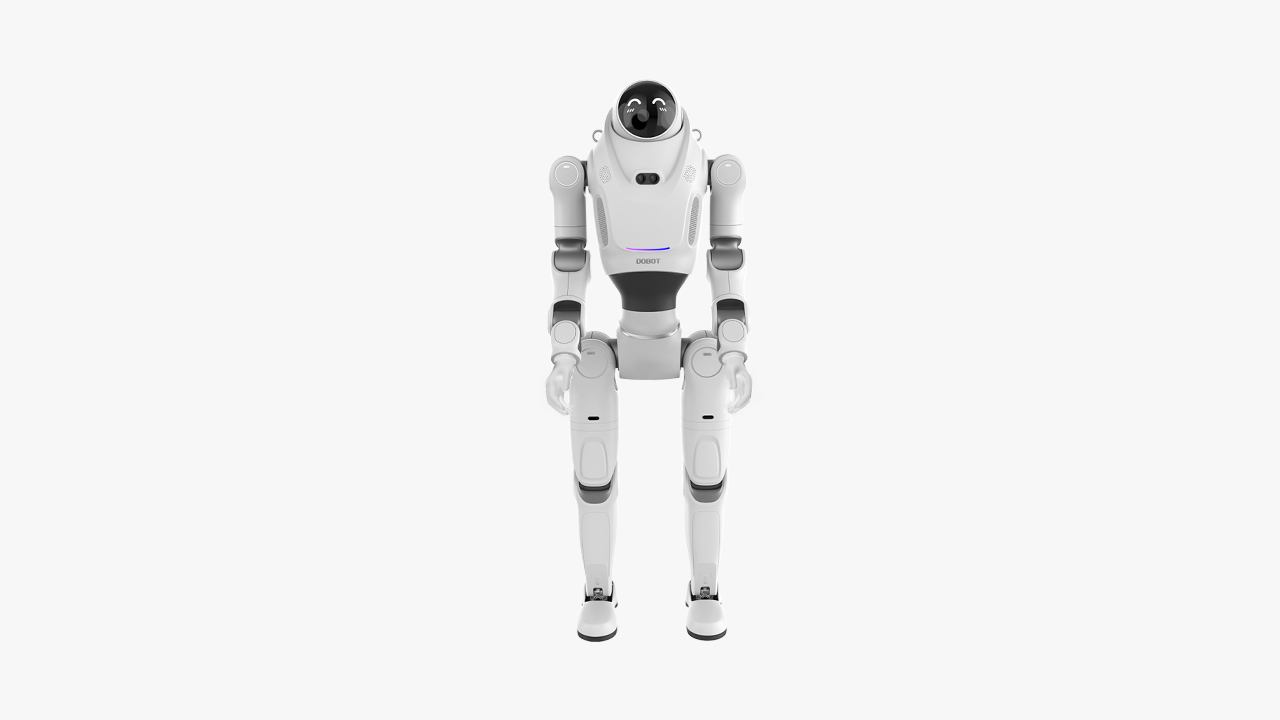
The Humanoid Race Is Four Different Bets Wearing One Name
HD Hyundai, Doosan, Hanwha and DOBOT face identical humanoid-robot pressure and answer with four incompatible strategies, exposing how little the label "humanoid company" actually tells a buyer.
martti 4 Min. Lesezeit
Simate Claims It "Beat GPT-6" at Robotics. Its Own Leaderboard Says 27.96 Percent.
A three-month-old startup's claim to have "beaten GPT-6" on a robotics benchmark went viral unverified this week, while the benchmark's own published numbers show even the leaderboard-topping model still fails most real-world manipulation tasks against a 100 percent human baseline.
martti 4 Min. Lesezeit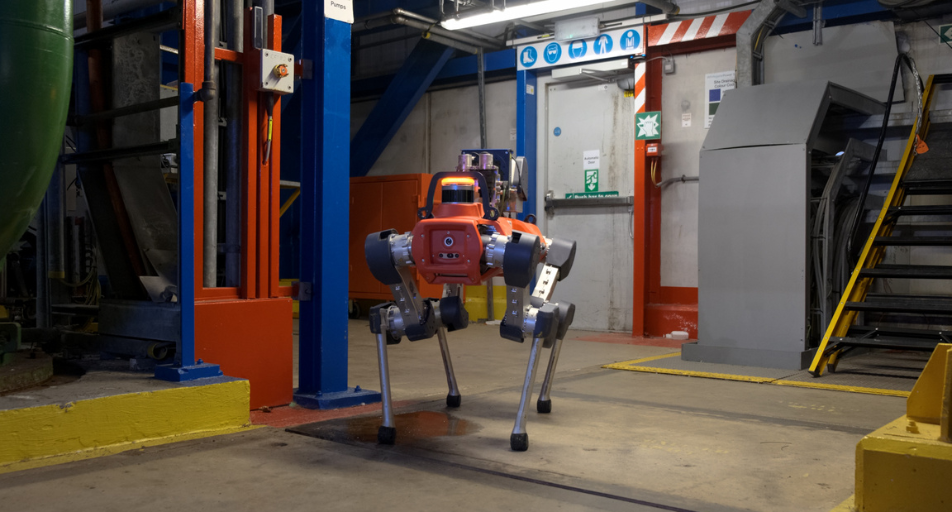
A Quadruped Just Got a Building Badge. Access Control Has No File For It.
ANYbotics' quadruped ANYmal just passed through secured doors at a GE Vernova power plant on its own digital access credential, via a pilot with dormakaba and LEGIC. The mechanics are a genuine safety win, but physical security has no equivalent of cybersecurity's "non-person entity" governance category for a badge holder that isn't a person, and the industry adopting this fastest has the least room for that accountability gap.
martti 4 Min. Lesezeit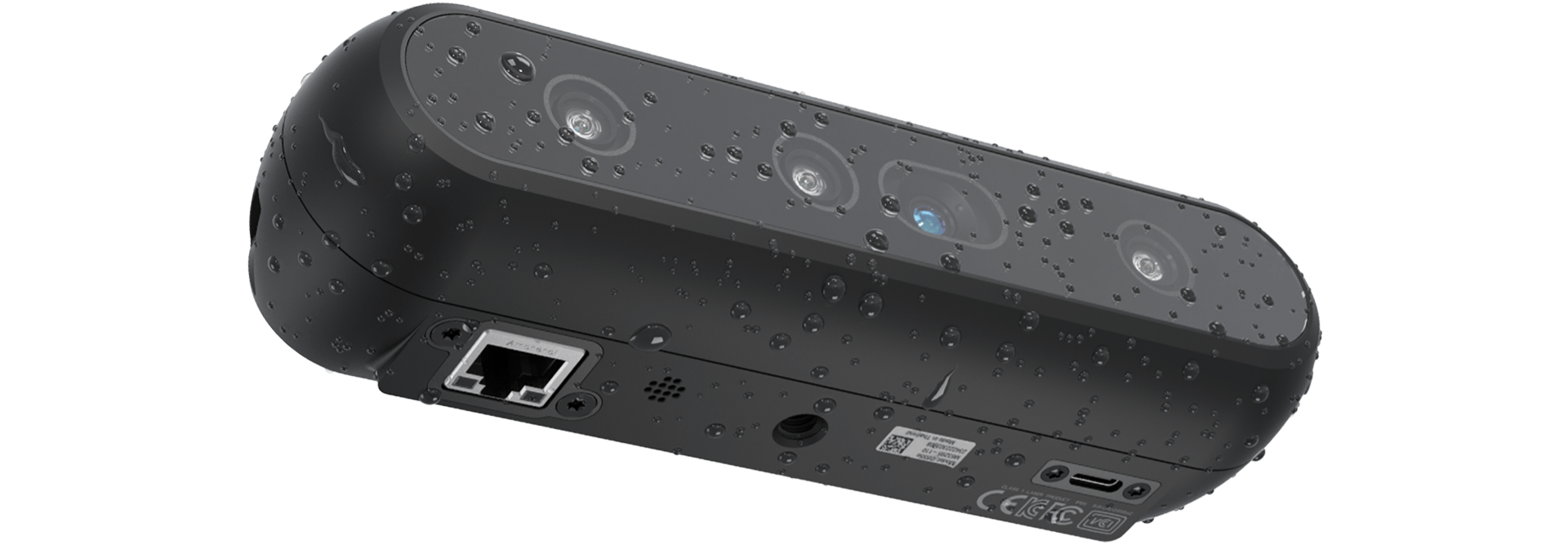
RealSense Just Proved Independence Is a Layover, Not a Destination
Cognex's US$500 million purchase of RealSense, just fourteen months after its Intel spinout, and the facial-authentication unit being spun out separately in the same deal, reveal what actually decides robot-perception M&A: who already owns the industrial sales channel, not who owns the sensor IP.
martti 4 Min. Lesezeit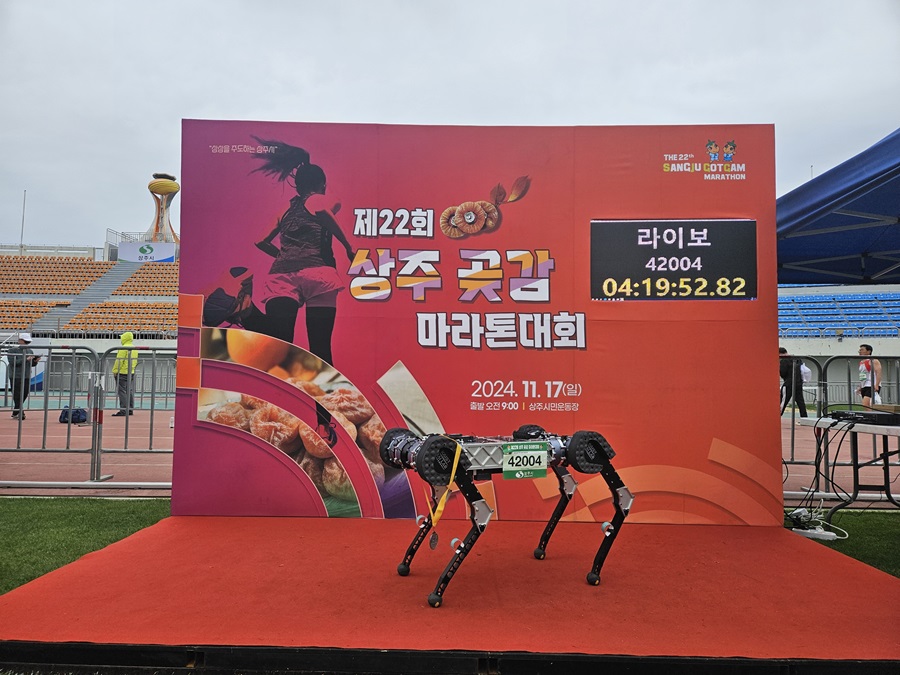
KAIST's RAIBO2 Triples the Endurance Ceiling for Legged Robots
A KAIST-built quadruped named RAIBO2 completed the Sangju Dried Persimmon Marathon on a single battery charge with no recharging or battery swap, and the September 24, 2026 Nature paper behind that run details a system-level co-design method that roughly triples prior quadruped range benchmarks and points to what sustained, energy-efficient legged locomotion means for inspection, patrol, and logistics robot buyers.
martti 4 Min. Lesezeit
Open Source Is Becoming Robotics' Default Infrastructure
Intrinsic open-sourced its industrial robotics platform and Qualcomm agreed to acquire MoveIt maker PickNik while pledging to keep it open, a one-two punch at ROSCon 2026 that shifts the vendor lock-in math every robotics buyer runs.
martti 4 Min. LesezeitA US$637,000 Robot-Arm Line Beats a Cluster Count as a Supply-Chain Signal
Epson just registered a US$637,000 robot-arm line at its 31-year-old Batangas, Philippines plant, adding SCARA and six-axis production plus knock-down sub-assembly and spare parts to an existing 20,000-worker facility. The investment is tiny next to Cognex's US$500 million RealSense deal or China's provincial robot cluster counts, and that smallness is the actual signal: this is what a real, low-risk supply-chain diversification test looks like, versus a headline built for a press cycle.
martti 4 Min. Lesezeit
The Proven Companion Robot Is the One That Cannot Talk
OpenAI told researchers it had banned the maker of an AI teddy bear that discussed sexual fetishes during safety testing. Three months later, the researchers found the bear still appeared to run on an OpenAI model. The companion robot with the strongest clinical record has no language model at all. Both facts belong in the same story.
 Eugene 4 Min. Lesezeit
The Roboticist Who Wants Machines to Rot Like Leaves
IIT roboticist Barbara Mazzolai builds octopus, root and seed-inspired robots around a sustainability robotics framework that treats a machine's end-of-life material footprint as a design requirement, not an afterthought.
martti 4 Min. Lesezeit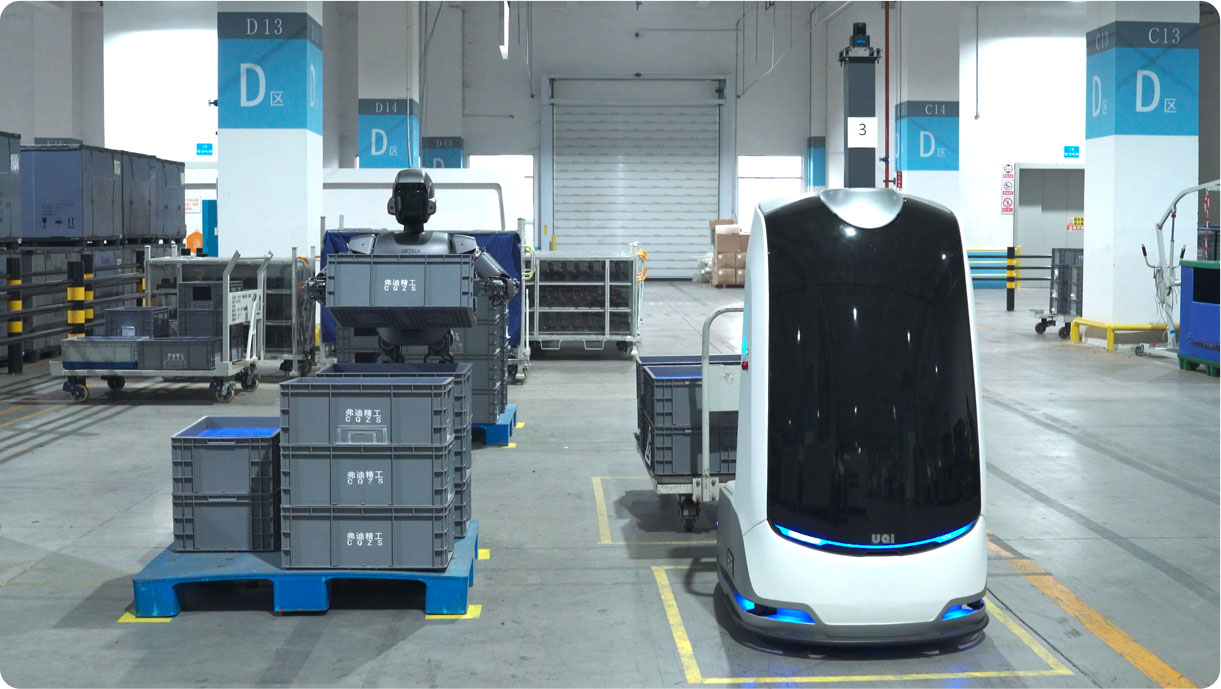
Guangdong Is Counting Robots by Mailing Address, Not by Shift
Guangdong's "Top 10" humanoid cluster mixes a real, checkable factory deal with a smartphone maker that has never named a robot worksite and an appliance giant whose flagship humanoid was built for a factory in a different province. The mismatch shows what a provincial robot count actually measures: company registration, not company deployment.
martti 4 Min. Lesezeit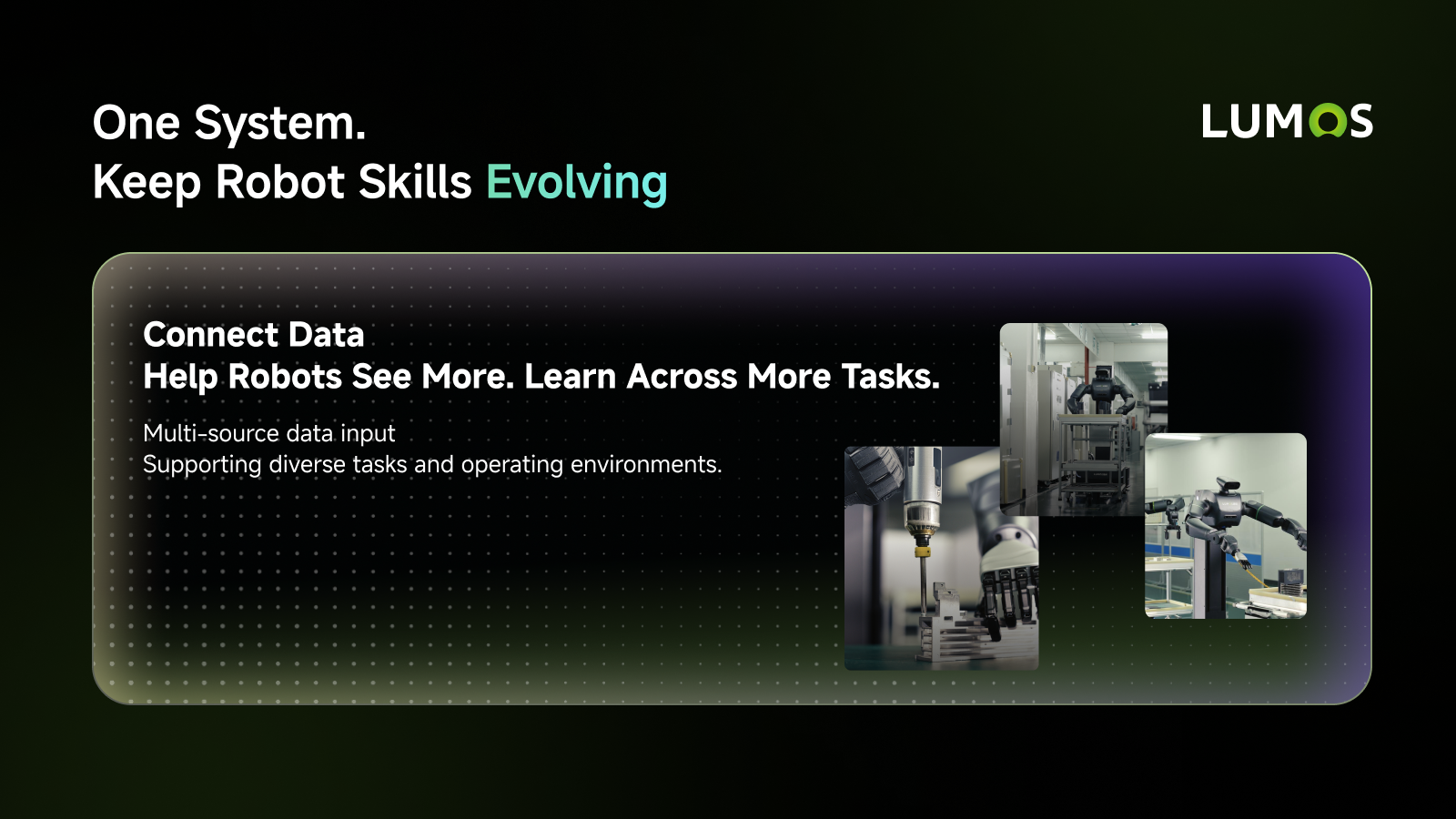
Lumos Robotics Launches NexCore to Make Robots More Plug-and-Play
New embodied AI platform cuts robotic skill development from weeks to days, helping enterprises create, deploy and continuously improve robot skills without building a full in-house AI engineering stack.

Japan's New ISS Robot Contest Isn't New, and Japan Isn't on the Podium
Japan is framing a new AI robot contest on the ISS as fresh national strategy, but a nearly identical JAXA-NASA competition has run for six years, and a Philippine state university has out-scored Japan's own entrants twice.
martti 4 Min. Lesezeit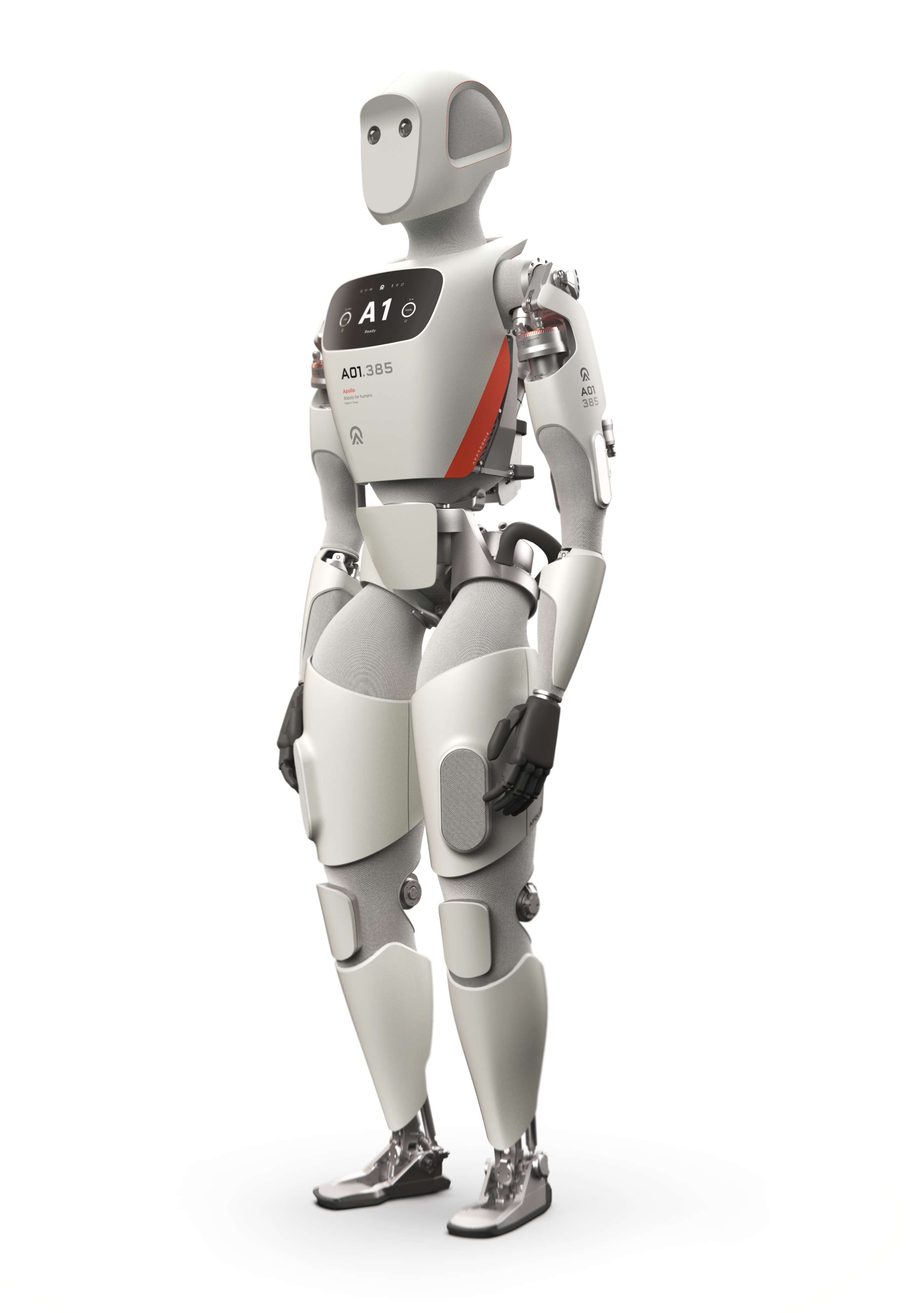
The Gulf Isn't Choosing Sides Between China and America. It's Choosing Layers.
G42 spent two years divesting from Chinese tech to protect its Nvidia chip access, yet Abu Dhabi's Stone Venture just led a funding round for a Chinese quadruped maker, and Qatar's fund backs a US humanoid rival. Gulf sovereign capital is splitting its China exposure by technology layer, not by country: chips face the same alliance discipline that reshaped G42, while finished robots move freely across both sides.
martti 4 Min. Lesezeit
Washington's Robot Ban Has Cleared Exactly Two Companies, and Neither Is Chinese
Seven weeks after the FCC added foreign-made robots to its national-security Covered List, the only two device families cleared for exemption are a Swedish lawn mower maker and an Indian warehouse-robot startup, not the Chinese humanoid producers the rule is widely assumed to target, exposing a gap between the policy's framing and its actual early effect on buyers and vendors.
martti 4 Min. Lesezeit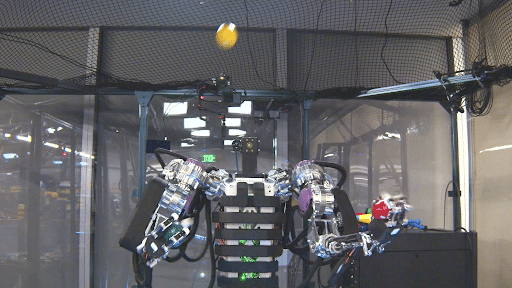
Robotics Doesn't Have a Data Problem. It Has an Interface Problem.
Spirit AI's co-founder has set a mid-2027 deadline for a 'GPT-3.0 moment' in robot brains. The same week, a Columbia University lab, Hyundai's own RAI Institute, and an underwater-robotics team all published research on how a human should operate a robot's body, not how the robot should decide on its own. That gap, not the funding round, is the real roadmap.
martti 4 Min. Lesezeit
The Investment Case for Servo Motor and Drives: Why Capital is Flowing In
Official supplier filings, robot-demand data, factory projects, research budgets, and policy programs reveal where capital is entering servo-enabled automation.
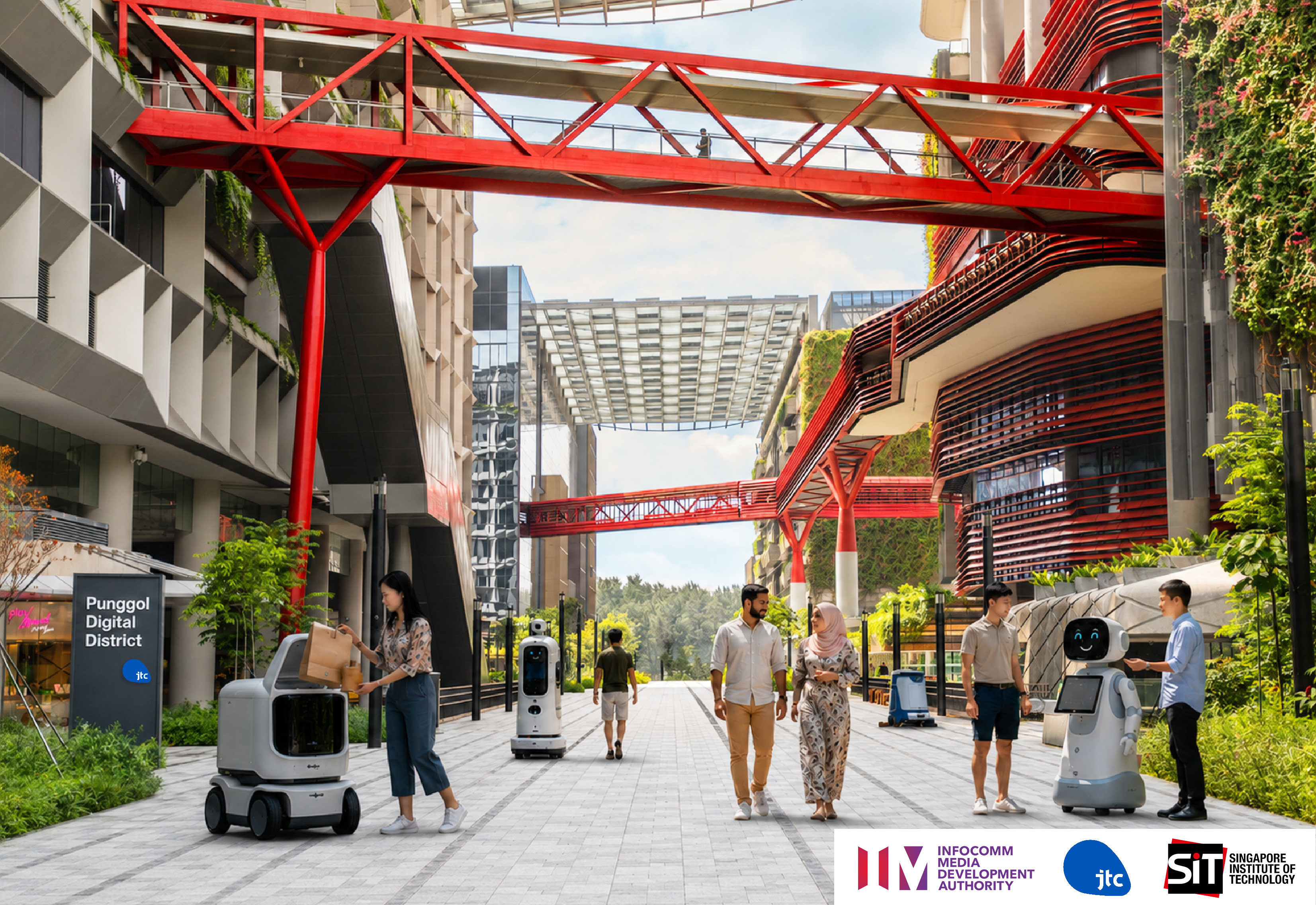
Robotics Went Vertical This Week. Southeast Asia Got Offered the Assembly Line Again.
Toyota's 400,000-unit in-house humanoid plan, D-Robotics' US$400 million chip raise, UWANT's US$715 million Suzhou base, and Korea's government-backed Humanoids Summit all landed within a day of each other, each one a country or company choosing to own a layer of the robot rather than buy it. Southeast Asia's part in the buildout, from Philippine electronics exports to Thailand's manufacturing tax incentives, remains assembly and floor space, not a seat in setting the standards, data rules, or software layer that increasingly decide who captures the value.
martti 4 Min. Lesezeit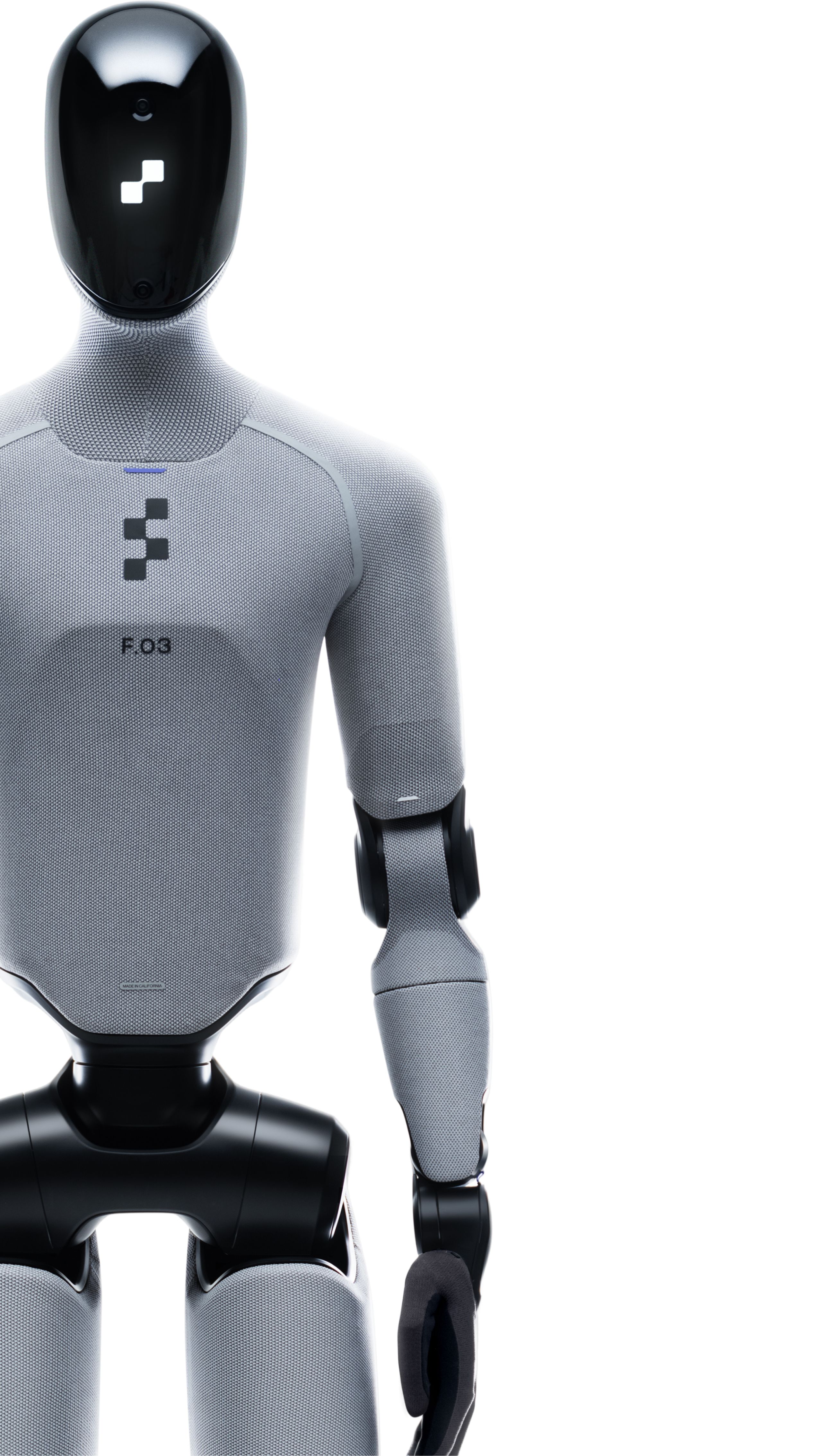
Figure's Helix 2.5 Cleared 30 Homes It Had Never Seen
Figure AI's Helix 2.5 model raised zero-shot task success in 30 unfamiliar homes from 9 percent to 56 percent, testing what generalization really means for home robots.
martti 4 Min. Lesezeit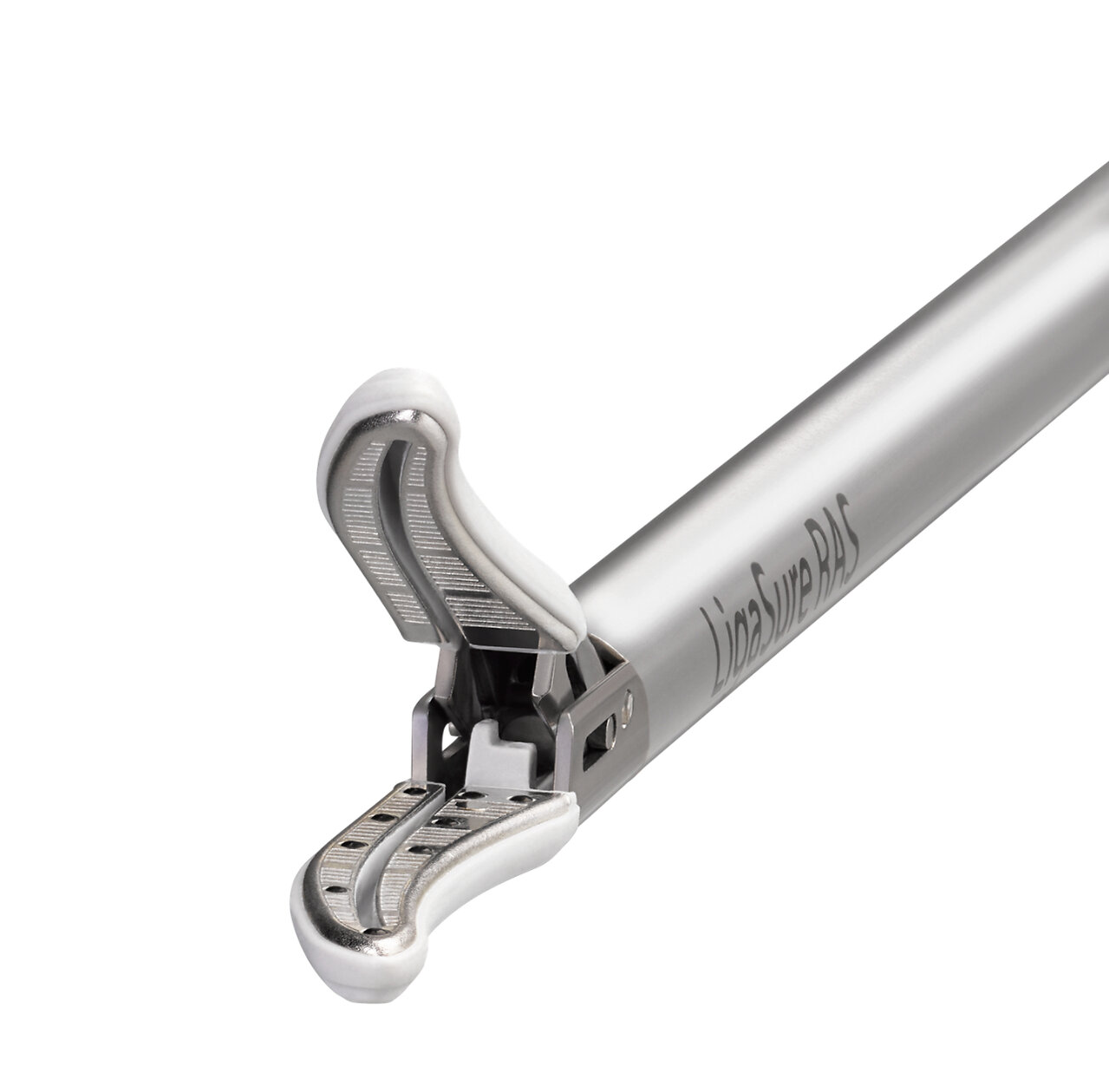
The U.S. Is No Longer the First Market a Surgical Robot Conquers
Medtronic's latest Hugo clearance covers one instrument for one U.S. specialty, four years after the platform launched abroad. Across surgical robotics, FDA clearance now proceeds one procedure at a time, and it's made the United States the last major market platforms reach with full capability.
martti 4 Min. Lesezeit
How to Buy a Servo Motor and Drive: What Procurement Teams Need to Know
A practical procurement guide to servo sizing, motor-drive compatibility, supplier questions, lead-time planning, compliance evidence, acceptance tests, and lifecycle risk.
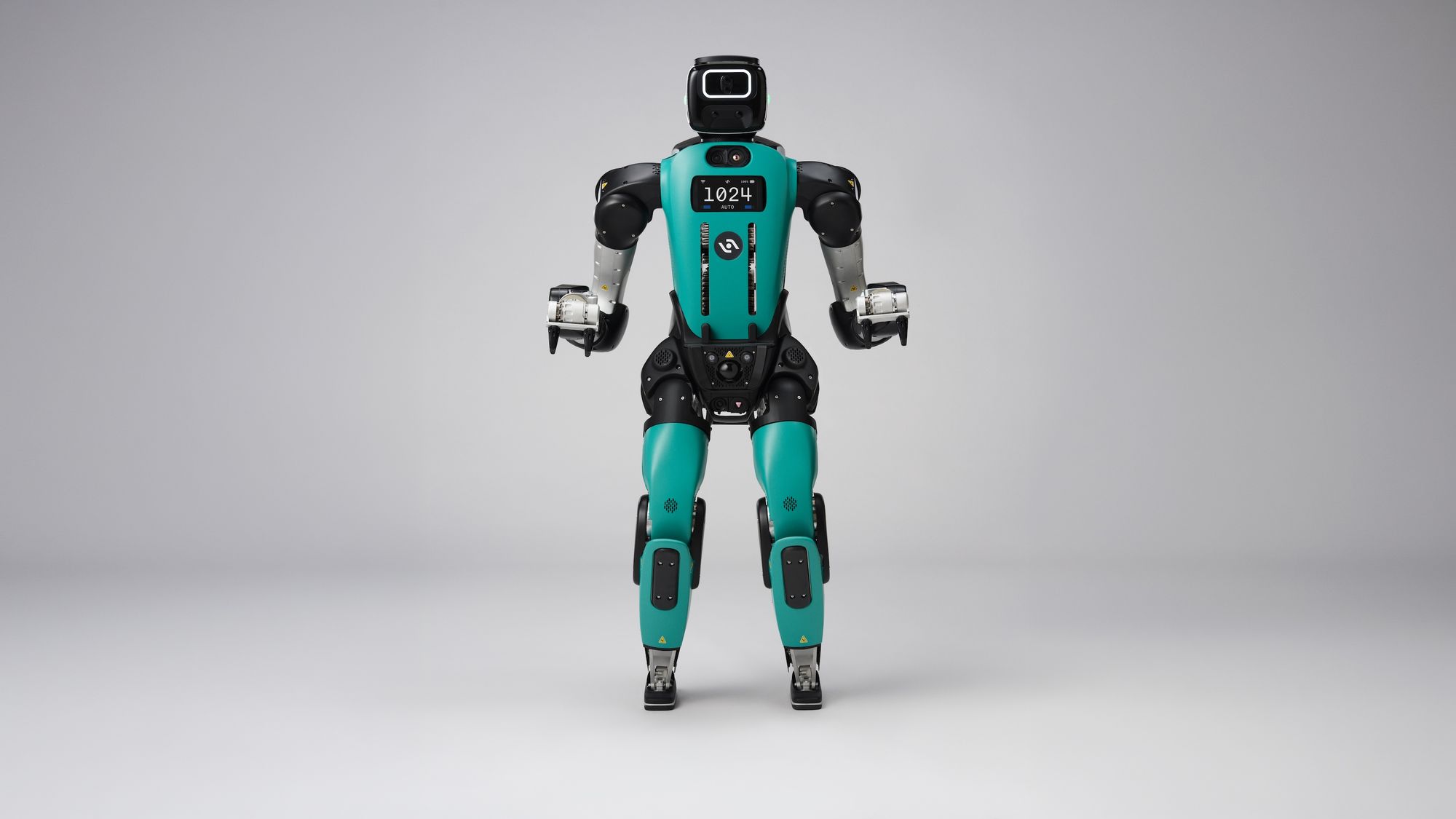
The Real Barrier to Scaling Humanoid Robots Was Never the Robot
Agility Robotics unveiled Digit 5, its first humanoid engineered to work without safety cages, but the ANSI and ISO standards meant to certify that claim are still unfinished, leaving real diligence to buyers.
martti 4 Min. Lesezeit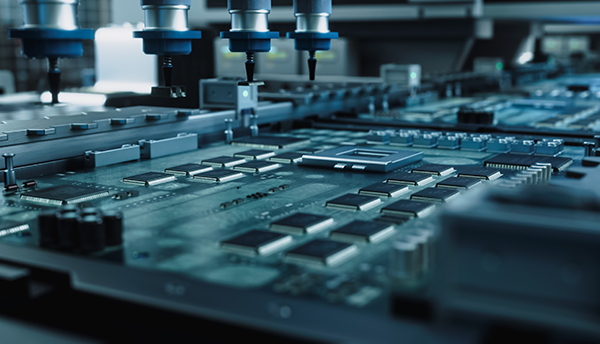
California Was Due the Biggest Robot-Adoption Grant. It Never Landed.
NIST renewed twelve of fourteen state Manufacturing Extension Partnership centers on schedule in September, each awarded exactly what a July funding notice promised. The two missing recipients are not random: California was allocated the single largest award in the program, over a third of the total, and its incumbent center is already listed by NIST as a former operation with no successor named.
martti 4 Min. Lesezeit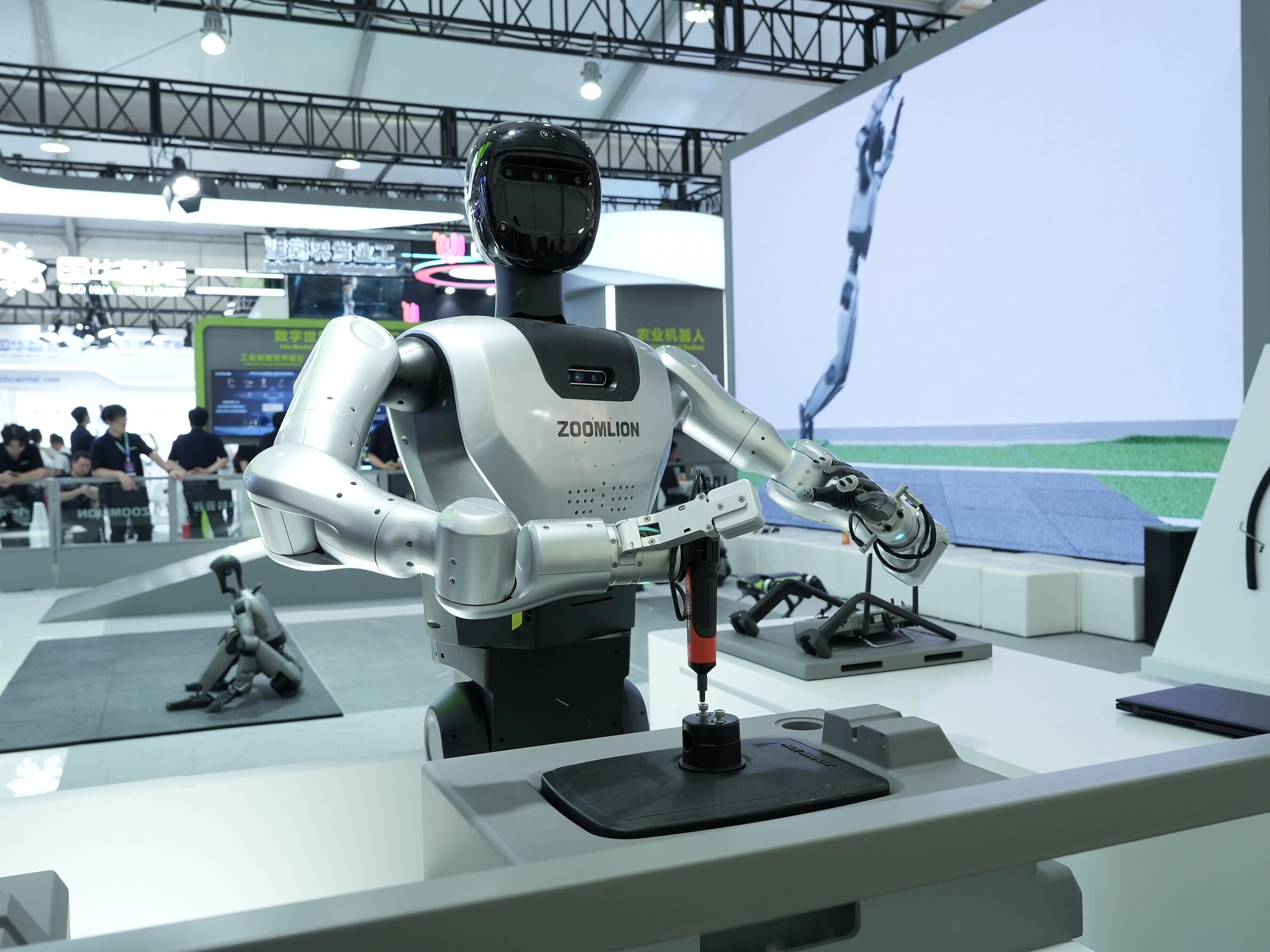
China Shipped 23,000 Humanoid Robots. Only 5 Percent Can Hold a Shift.
China shipped roughly 23,000 humanoid robots in the first half of 2026, but only about 5 percent operate stably on real production lines, industry data shows.
martti 4 Min. Lesezeit
Universal Robots Calls It Physical AI. Yaskawa Just Calls It a Thinner Arm.
Universal Robots and Yaskawa launched competing cobot platforms the same week: one wrapped entirely in "physical AI" branding, the other never using the word AI at all, revealing how selectively the industry's hottest term actually gets applied.
martti 4 Min. Lesezeit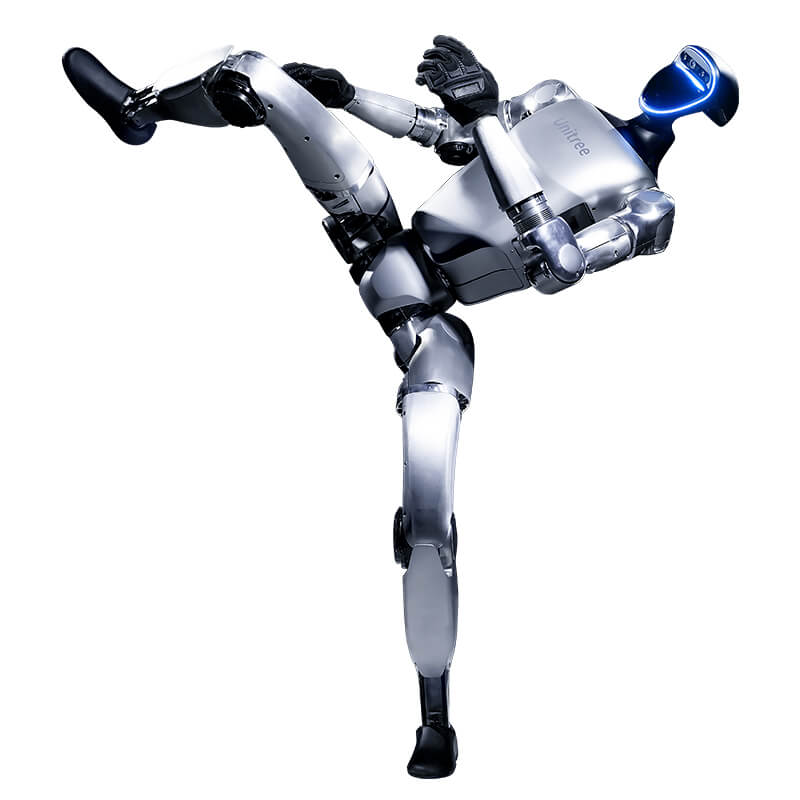
One Robot Vulnerability Got a Patch. The Other Got an IPO.
Universal Robots patched a critical, unauthenticated remote-code-execution flaw in its PolyScope 5 controller within a normal coordinated-disclosure cycle. A wormable Bluetooth exploit affecting Unitree's G1, H1, Go2, and B2 robots has gone unpatched for over a year, surviving the company's IPO and a return appearance at IFA Berlin. The gap between the two responses tracks who each company sells to, not how dangerous the machine is.
martti 4 Min. Lesezeit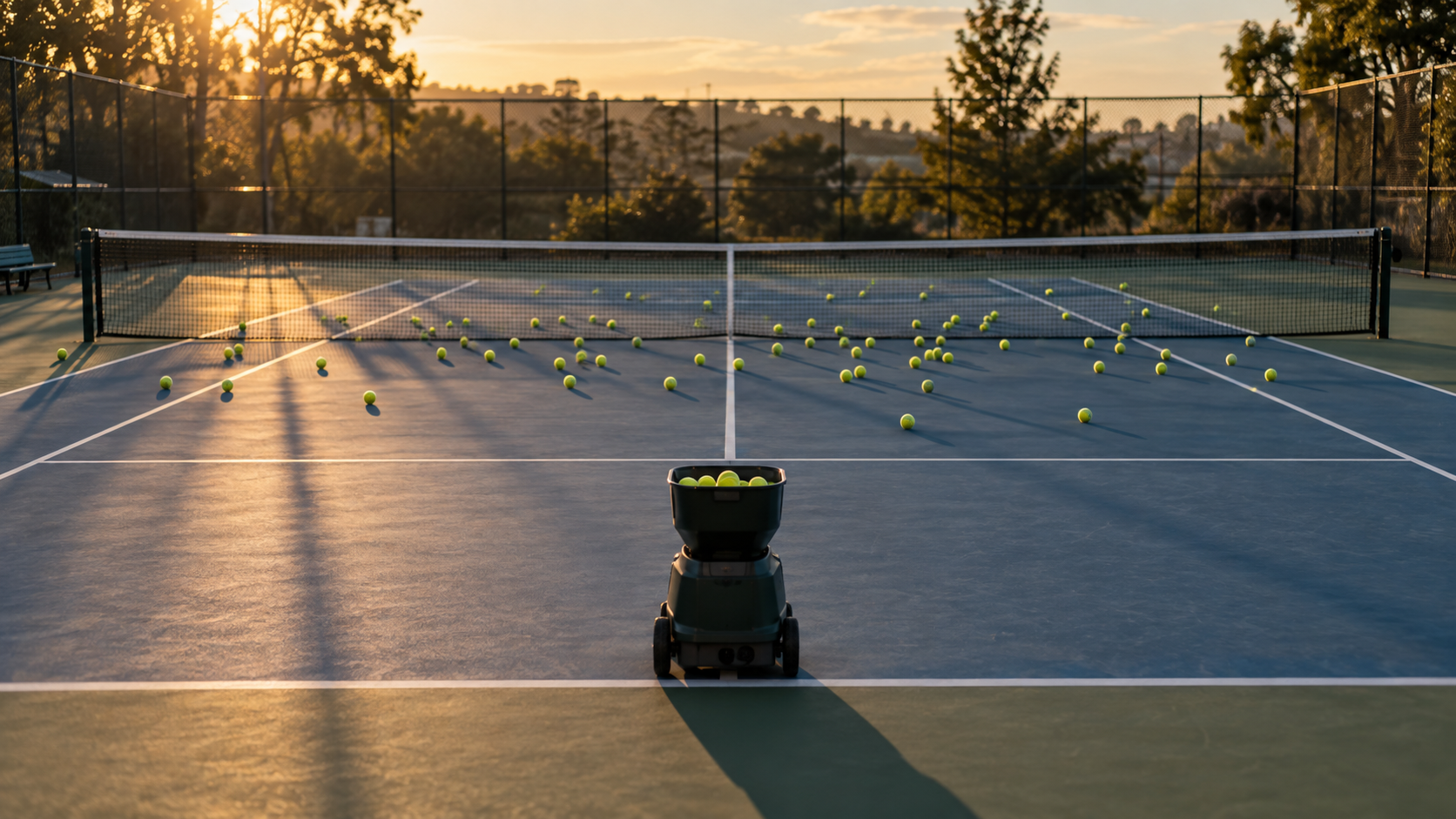
Sports Robots: The Machines That Play When Nobody Else Will
A tennis ball machine can hit a ball at you but cannot receive one. Davy Robot's basketball rebounder can receive a ball but cannot send one. Neither does what a practice partner does. No consumer sports robot on sale completes a single rally — and the ones that can are in research labs, not driveways.
Eugene 4 Min. Lesezeit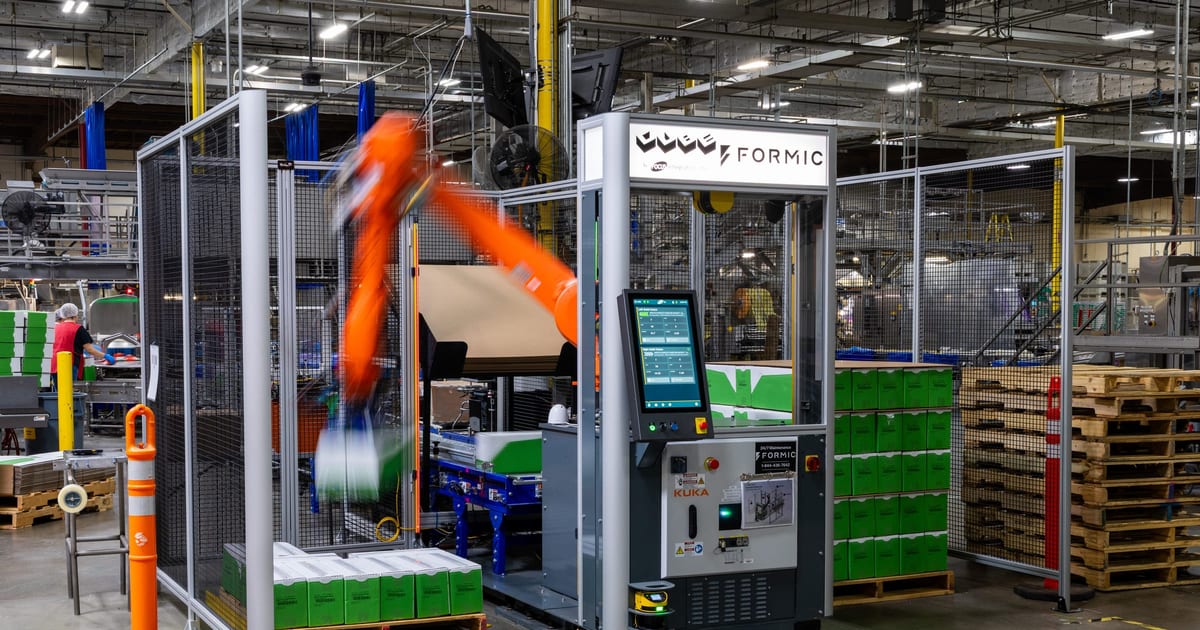
The Robot Financing Boom Is Built on an Asset Nobody Can Resell
Robots-as-a-service financiers like Formic pitch zero capital expenditure to manufacturers, but the model rests on an asset class with no secondary market or depreciation curve. A June federal financing proposal, and the unresolved 2019-to-2023 resale of warehouse robot maker 6 River Systems, both show why nobody, banks, financiers, or buyers, can yet say what a used robot is actually worth.
martti 4 Min. Lesezeit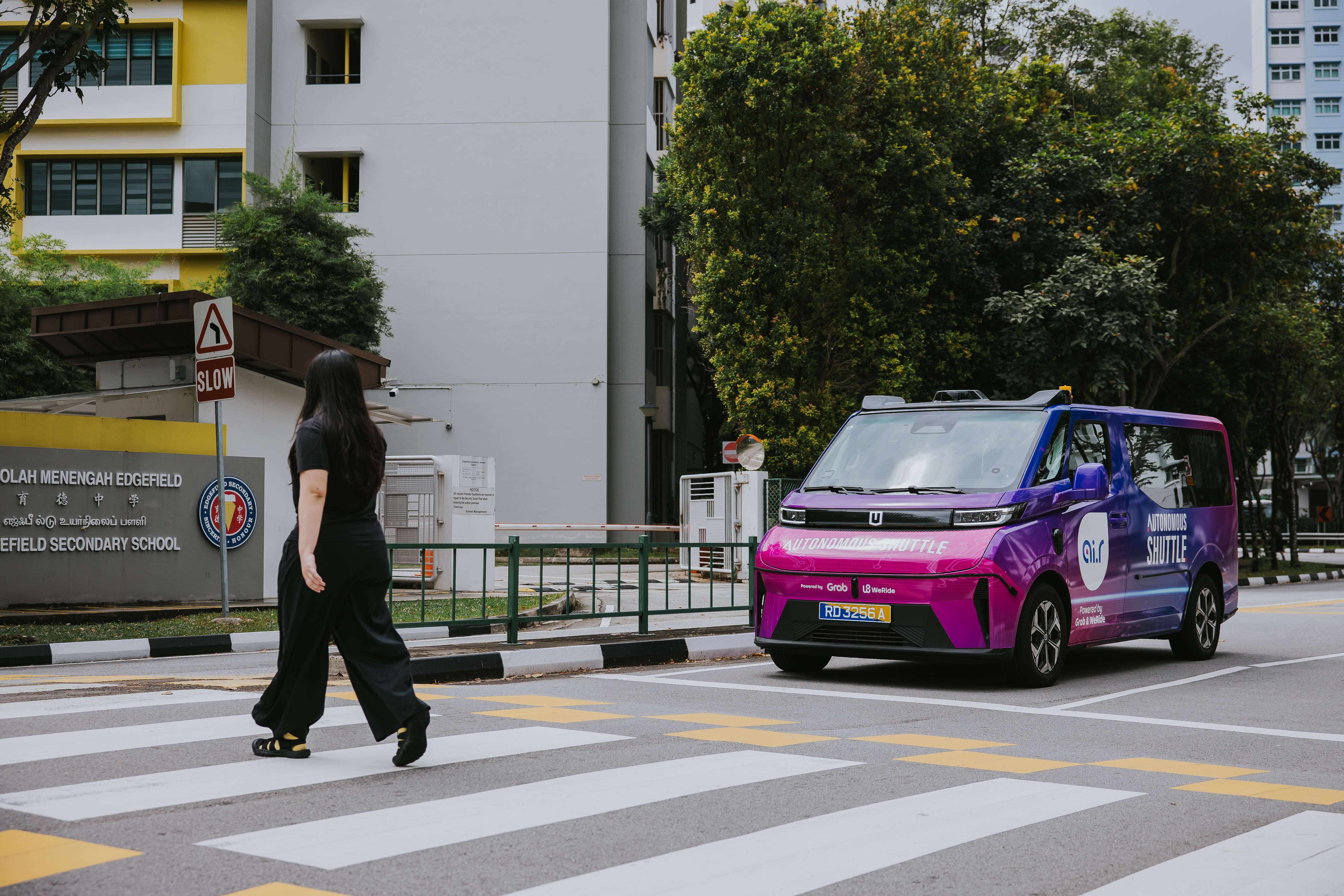
Robotaxis Are Going Everywhere Except Where the Traffic Is
Pony.ai and WeRide's 2026 robotaxi expansion touches Zagreb, Doha, Luxembourg, South Korea and one Singapore estate, while Jakarta, Manila and Bangkok get nothing. Grab's own words explain why: the easy markets are being solved first, and the region's hardest traffic is being deferred, not conquered.
martti 4 Min. Lesezeit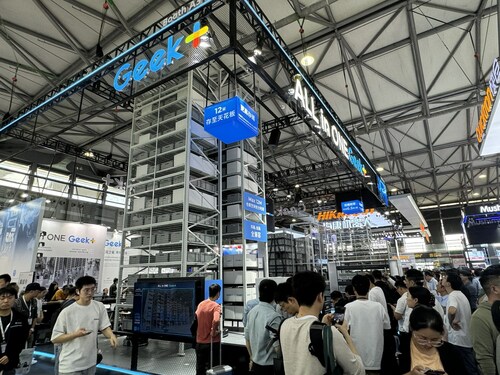
China Ships 69 Percent of the World's Mobile Robots
Chinese manufacturers shipped 68.68% of the world's mobile robots in 2025 and captured 61.46% of industry revenue, according to CMRA and NSRI data that shows Hikrobot and Geekplus scaling on different strategies.
martti 4 Min. Lesezeit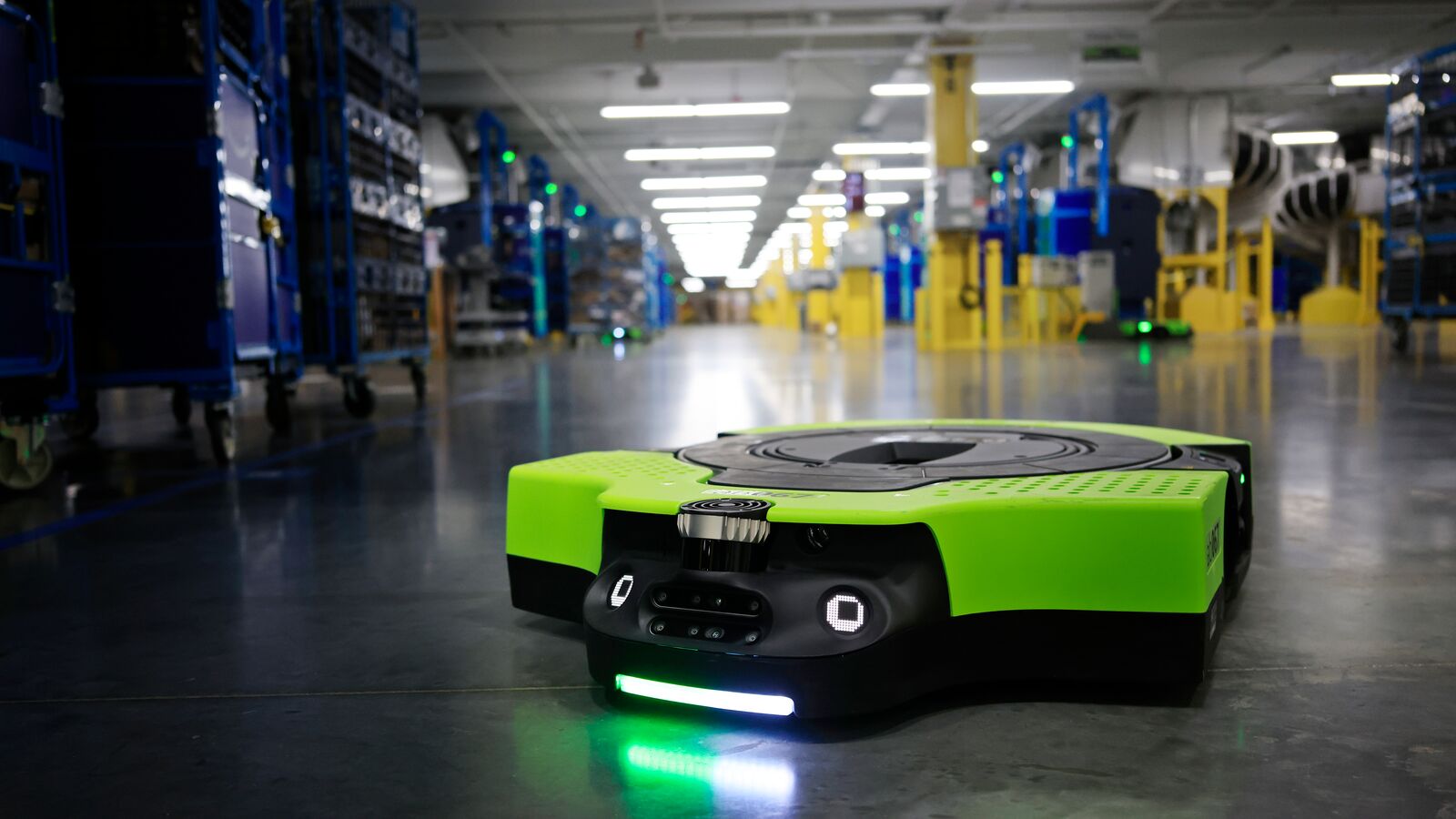
The Warehouse Robot Revenue No One Photographs
Symbotic posted US$721 million in quarterly revenue and a US$22.5 billion backlog, Amazon crossed one million deployed robots, and Locus Robotics passed seven billion picks, while humanoid deployments stay stuck at pilot scale. The physical-AI industry's attention and its actual revenue are pointed at two different kinds of machine.
martti 4 Min. Lesezeit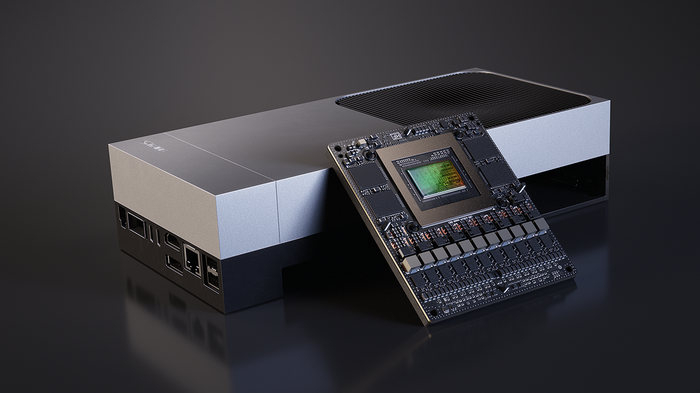
Nearly 30 Robotaxi Companies Now Build on NVIDIA's Stack
NVIDIA's own account of its automotive partnerships shows nearly 30 robotaxi and AV companies, from Uber and Waymo to Pony.ai and Tesla, now building on its compute and simulation stack as the industry consolidates around shared infrastructure ahead of a projected US$400 billion 2035 market.
martti 4 Min. Lesezeit
Drones Are Not Waiting on Batteries. They Are Waiting on Permission
Congress set a legal deadline of January 2026 for the FAA to finalise its drone rule. An executive order titled Unleashing American Drone Dominance set another for February. Both passed. As of late August 2026 the rule was still a proposal, and the industry had flown 65 million times without it. The constraint on drones was never the battery.
Eugene 4 Min. Lesezeit
Cleaning Robots Won by Never Picking Anything Up
Robotics spent twenty years trying to build a machine that could pick things up. The machines that actually sold were designed never to touch anything. A vacuum sucks. A mower spins a blade. A pool cleaner filters. None of them grasps — and Roborock shipped 5.8 million of them in 2025. Now the same companies are bolting arms onto them.
Eugene 4 Min. Lesezeit