Schaeffler Turns Its Bearings Business Into a Humanoid Supply Chain
Schaeffler says humanoid robot component orders have reached US$449 million as its COO lays out a four-part strategy spanning components, factory productivity, customer integration and aftermarket service, backed by a dedicated China factory and a 1,000-unit Hexagon Robotics deployment commitment.


Schaeffler Turns Its Bearings Business Into a Humanoid Supply Chain
A Motion-Technology Giant Bets Beyond the Factory Floor
Schaeffler AG, the German bearings and automotive-components group, says incoming orders for humanoid robot parts have reached US$449 million, a figure its chief operating officer points to as evidence that humanoid robotics has become the company's most promising growth line. In a video interview published October 25, 2026, Schaeffler COO Dr. Jochen Schröder laid out a four-part pitch to the industrial market: components, in-house productivity gains, help integrating humanoids for customers, and aftermarket service once robots are deployed.
"We are a motion technology company," Schröder said, pointing to the firm's decades of work on bearings, actuators and precision gearboxes as the foundation for a business that now supplies humanoid robot makers directly rather than selling only to car and machinery builders. The claim is not abstract. Over the past eight months Schaeffler has signed a deployment commitment with Hexagon Robotics, opened a dedicated humanoid-component factory in China, and struck partnerships with robot makers in two more countries, a pace that puts a century-old mechanical-parts supplier squarely inside the embodied-AI supply chain.
The reason a bearings company has leverage here comes down to where the cost actually sits inside a humanoid robot. The actuators and gearboxes that give a robot's joints their strength, precision and repeatability are widely understood across the industry to be among the most expensive and hardest-to-source parts of the machine, harder to commoditize than the sensors or the AI models that get most of the public attention. A company that has spent a century making those parts for cars and industrial machinery, at a scale and cost structure a robotics startup cannot easily replicate, has a genuine seat at the table when a humanoid maker is deciding who builds its joints.
Betting Real Factory Floor Space on Hexagon's AEON
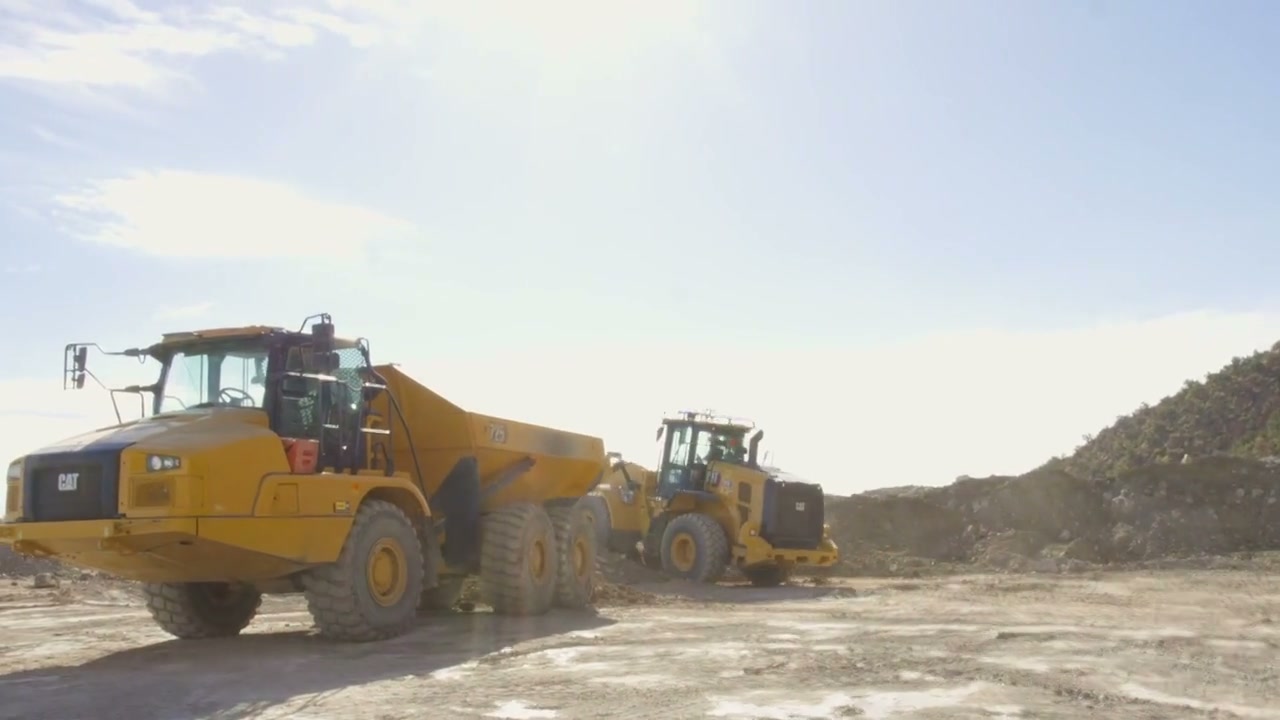
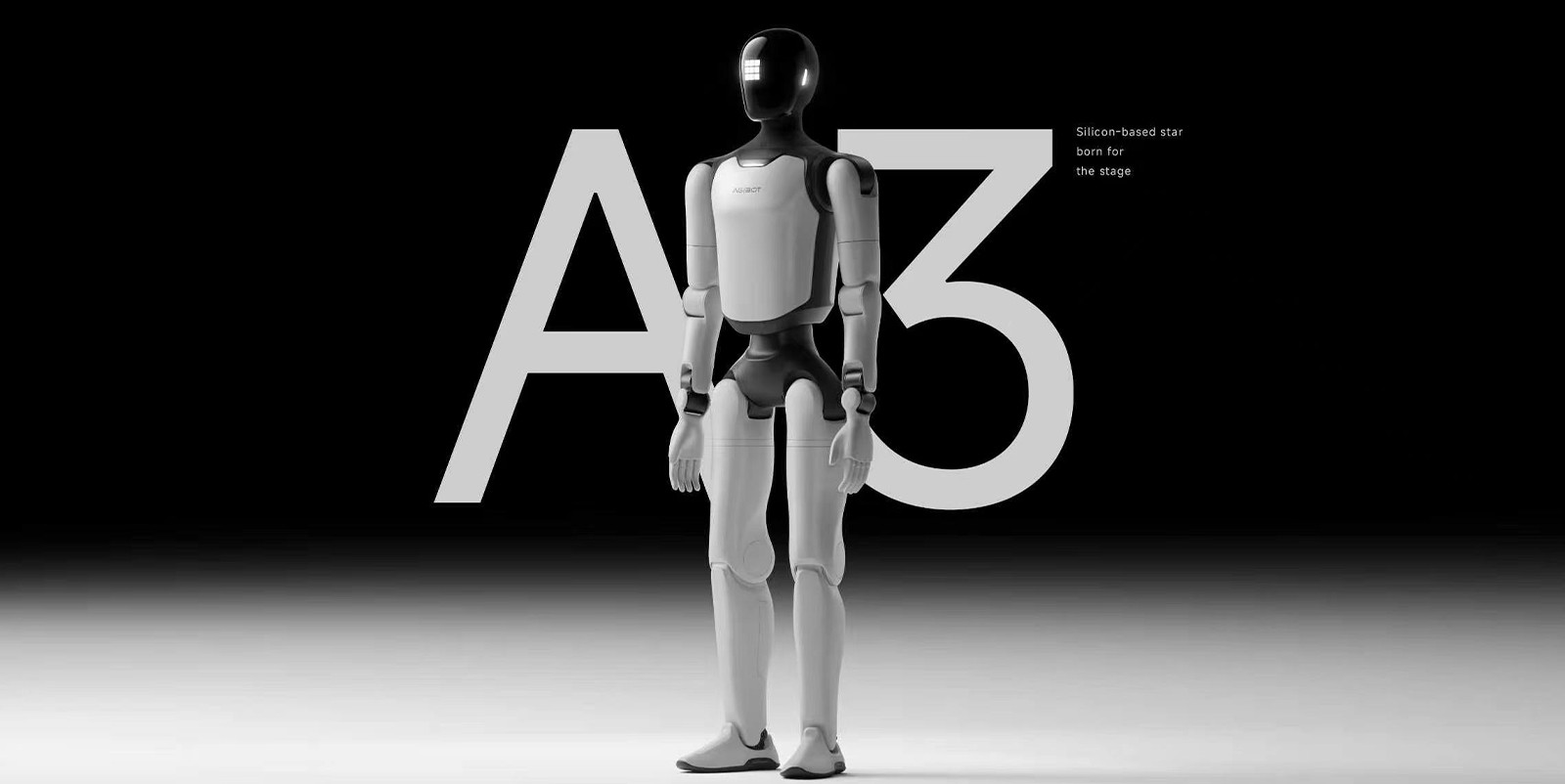
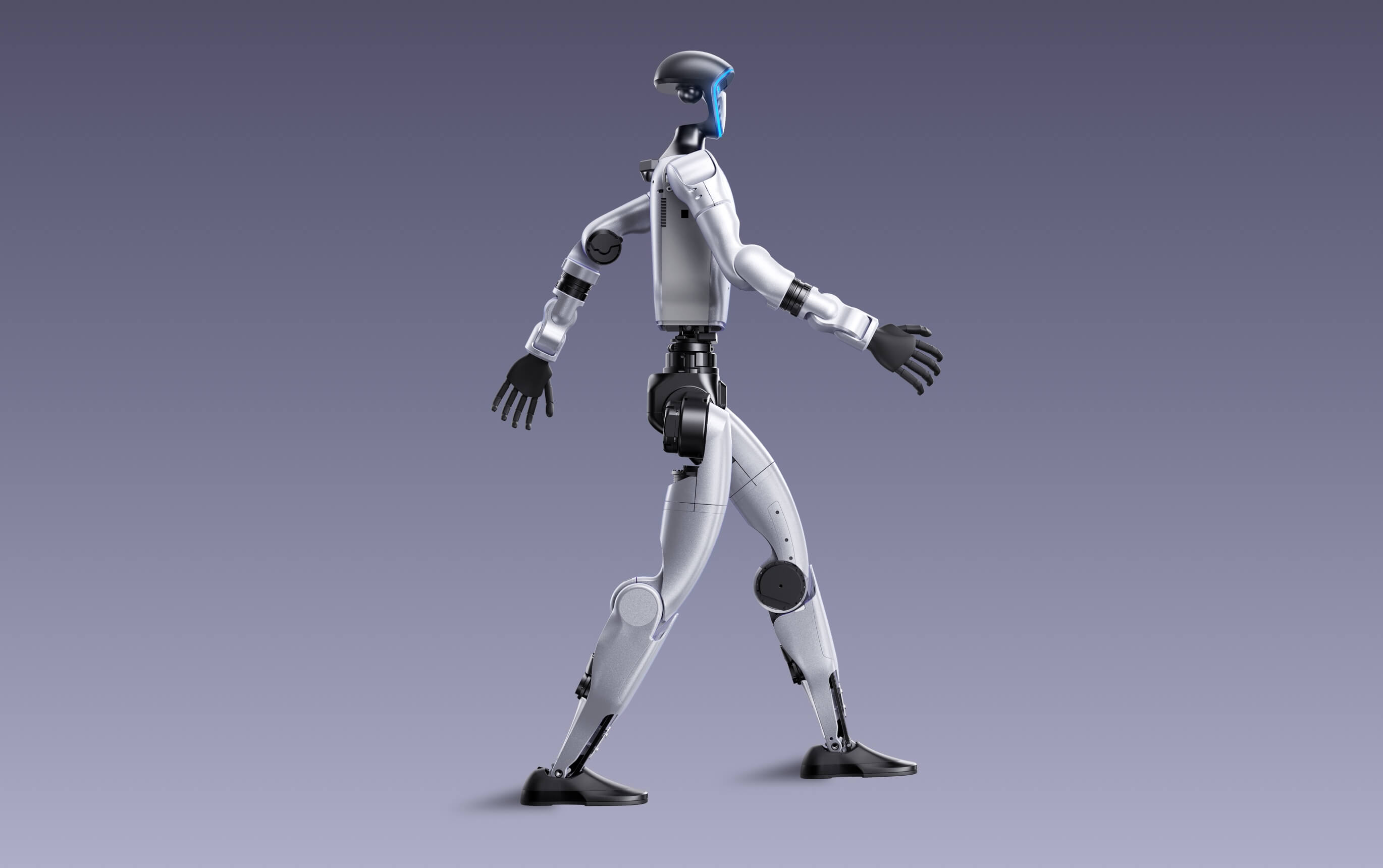
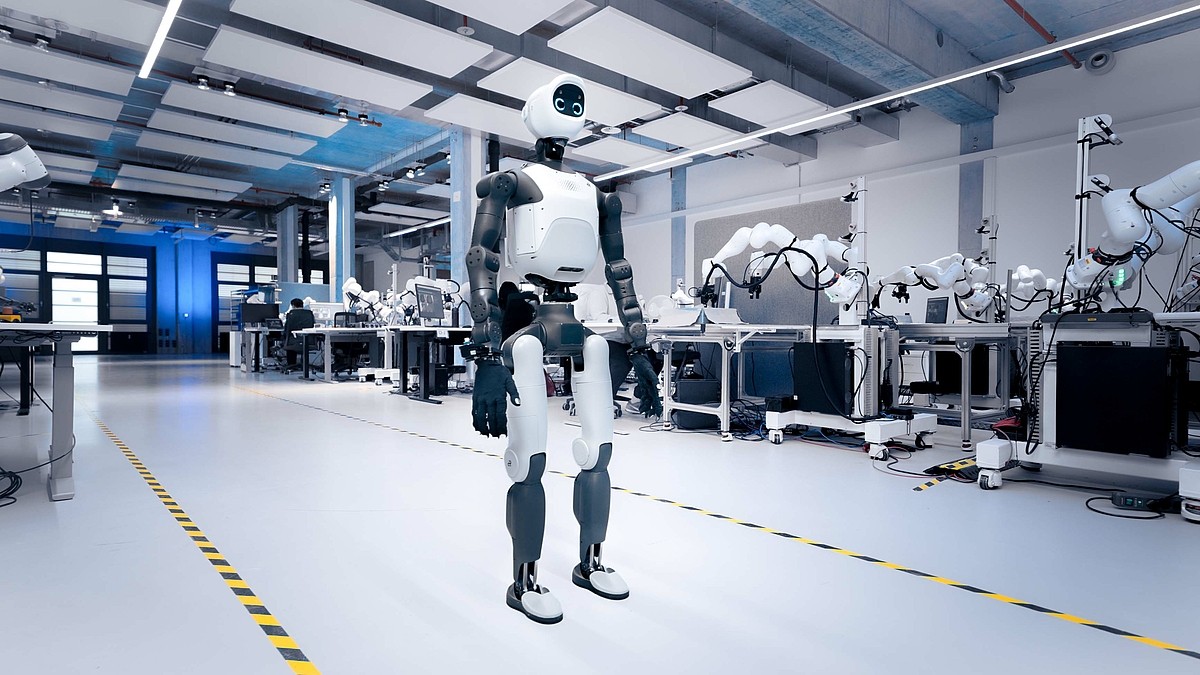
The clearest commitment so far is with Hexagon Robotics, the industrial robotics division of Switzerland-based measurement and sensor group Hexagon AB, which builds the wheeled AEON humanoid for factory settings. Announced April 22, 2026, the partnership runs in both directions: Schaeffler supplies high-precision strain-wave and planetary-gear actuators for AEON, while committing to deploy at least 1,000 of the robots across its own global production network by 2032. The agreement followed a 2025 pilot in which an AEON unit loaded, unloaded and inspected parts at a multi-machine station inside a live Schaeffler plant, with additional inspection tasks due to begin rolling out by the end of 2026.
"Our innovative actuator platform is the technology backbone for the next generation of humanoid robots," Schröder said of the deal. Hexagon Robotics President Arnaud Robert described AEON as a machine "built specifically for the industrial market," adding that working with Schaeffler lets the company "deliver demonstrable business value across various factory environments and scale our operations." For a buyer evaluating humanoid suppliers, the arrangement is a useful signal: Schaeffler is not merely endorsing Hexagon's robot in a press release, it is putting its own factories on the line as reference sites, the kind of commitment that is harder to walk back than a marketing partnership.
A Factory in China Where Robots Build Robot Parts
Schaeffler's clearest statement of intent is the facility it built to back up the sales pitch. In February 2026 the company established Schaeffler Embodied Intelligent Robotics (Taicang) Co., a dedicated unit in Taicang, Suzhou, tasked with manufacturing the bearings, roller screws, gearboxes, motors and sensors that go into a humanoid's joints. The resulting 7,500-square-meter site, which Schaeffler calls a lighthouse factory, runs a production line staffed by six humanoid units, spread over five work stations, building the same linear and rotary actuators Schaeffler now sells to the rest of the industry, a closed loop in which robots manufacture the joints that go into other robots. The site also includes training and testing facilities Schaeffler says customers can use before committing to a deployment.
Local reporting on the opening describes a build timeline of roughly eight months from groundbreaking to occupancy, with the Taicang municipal government providing undisclosed financial support, and a digital twin of the production line used to simulate changes before they reach the physical floor. None of that detail changes the headline fact: Schaeffler is not simply licensing its name to the humanoid boom, it has put real capital, real floor space and a visible production line behind the claim that it can make these parts at volume.
Schaeffler has paired that manufacturing base with partnerships that reach beyond its traditional European and North American customer list. In March 2026 it agreed to work with Shenzhen-based Leju Robotics, a Chinese humanoid maker, in its first cooperation with a Chinese robotics company, giving Schaeffler a direct line into the country that already accounts for the large majority of global humanoid shipments. A month later it signed a memorandum of understanding in Hanoi with VinDynamics, a Vietnamese humanoid developer, to jointly refine actuator and control-software integration, marking Schaeffler's first humanoid cooperation in Southeast Asia. Neither deal has produced a disclosed supply contract yet, and Schröder's interview announced no new figures beyond the existing order book.
That gap is worth naming directly, because most coverage of the interview treated the four-part pitch, components, productivity, integration and aftermarket, as a finished strategy rather than a framework still being built out. The Gasgoo interview itself introduced no new contracts, no delivery schedule for the Hexagon deployment beyond the 2032 target, no quantified productivity gains from the humanoids already working inside Schaeffler's own plants, and no detail on how the aftermarket service business will actually be priced or staffed. The order book figure is a number the company discloses itself, not an audited or third-party-verified figure, and it is not broken out by product line or customer. None of that makes the strategy less real. It means the strategy is currently ahead of its own evidence, a gap buyers should factor into any supplier-selection timeline rather than treat as a settled fact.
Why a Bearings Supplier Is Hedging Like a Robot Maker
Schaeffler is not alone in this pivot, and the company it is most directly chasing shows how quickly the pattern has spread through the component-supply industry. In July 2026, Sweden-based bearings rival SKF agreed to take a 60 percent stake in a joint venture with Leaderdrive, a Shanghai-listed maker of precision transmission components, to produce high-precision parts for humanoid robot joints out of China with distribution reach into Europe, Japan and the United States. Where SKF chose a single Chinese joint venture to get component manufacturing scale quickly, giving up a 40 percent stake to a local partner that already understands humanoid robotics in exchange for speed, Schaeffler has spread its bets across a wholly owned China factory, a committed deployment with an established robot maker, and early-stage research agreements in two additional markets. The two approaches amount to a live experiment in supply chain strategy: partner with a local specialist and move fast, as SKF has done, or build and own the capacity directly while layering on deployment commitments and bilateral research deals, as Schaeffler has chosen. Which approach produces more reliable component pricing and delivery for buyers over the next several years is not yet answerable, but the fact that two of the world's largest bearings manufacturers have independently concluded humanoid components are worth this level of commitment is itself a signal that the opportunity is not confined to robotics specialists.
The structural logic behind both moves is the same. Industrial component suppliers that spent a century selling into automotive and machine-building supply chains are watching humanoid robot makers emerge as a parallel customer base with similar precision-engineering needs and, critically, aftermarket service requirements that could prove more durable than one-time component sales. A robot joint that wears out needs replacing on a schedule, and Schröder's inclusion of maintenance and spare parts as a named opportunity, alongside components and factory integration, signals that Schaeffler intends to compete for that recurring revenue rather than cede it to robot makers or third-party service networks.
What Buyers Should Watch Next
For procurement and automation teams evaluating humanoid robot suppliers, Schaeffler's position offers a useful stress test the robot makers themselves cannot provide: an established Tier 1 supplier with a century of precision-manufacturing accountability is now willing to put its name, its factory floor and a multi-year deployment commitment behind a specific platform. That is a different kind of validation than a funding round or a demo video, because a bearings and actuator supplier has little incentive to overstate reliability it will be contractually required to service. Buyers weighing a long-term humanoid relationship now have a second data point beyond the robot maker's own claims, drawn from the company that has to make the joints keep turning after the warranty period ends.
The practical questions for a procurement team evaluating any humanoid platform have not changed, only who can answer them credibly. Is the actuator supplier contractually committed to a volume, or is the relationship a marketing partnership that can quietly end. Does the component maker offer a service-level agreement for parts replacement, or does maintenance fall back on the robot maker's own, often younger, service organization. Is the supplier's manufacturing capacity dedicated to one robot platform or shared across competitors, which affects how fast an order can actually be filled during a shortage. Schaeffler's Hexagon deployment and its Taicang factory give buyers a concrete, inspectable answer to the first two questions in a way most pure-play humanoid startups still cannot.
The gap between those commitments and disclosed deployment schedules remains wide. Schaeffler has not published unit-level productivity figures from its own plants, the Taicang order book's underlying contracts are not public, and both the Leju and VinDynamics agreements remain pre-commercial. What is verifiable is the capital and floor space Schaeffler has already committed, and that commitment is now larger, and more diversified across markets, than any rival component supplier has disclosed to date.
This analysis draws on company statements, an on-the-record executive interview and public partnership announcements; dollar figures and currency conversions follow the issuing companies' own reporting. This article is for general information purposes only and does not constitute professional procurement or investment advice.