Humanoid Robots vs Traditional Automation: Why the Comparison Is the Wrong Question
Every factory manager comparing humanoid robots to industrial arms is asking the wrong question. The two systems were designed around incompatible assumptions about the environment they operate in — and that single distinction explains every apparent advantage and every real failure mode better than any spec sheet comparison. The people whose capital decisions depend on getting this right are overwhelmingly working from a frame that guarantees the wrong answer.

The frame everyone is using to evaluate humanoid robots is wrong, and the companies making deployment decisions inside that frame are going to deploy both types of robot badly.
The conventional comparison — humanoid robot versus traditional industrial arm, matched on cycle time, precision, payload, and cost — makes humanoids look like an expensive, slow, unreliable version of something the industry already has. That reading is technically accurate and conceptually useless. It is like evaluating a staircase against an elevator by testing how many people per minute each can move between floors, declaring the elevator superior, and concluding that staircases are obsolete. The comparison is valid. The conclusion misses everything that matters. In 2026, with 16,000 humanoid robots installed globally and average selling prices falling 68% over six years, the question of whether humanoids will replace traditional automation has acquired urgency it did not have two years ago — but the question itself is still the wrong one.
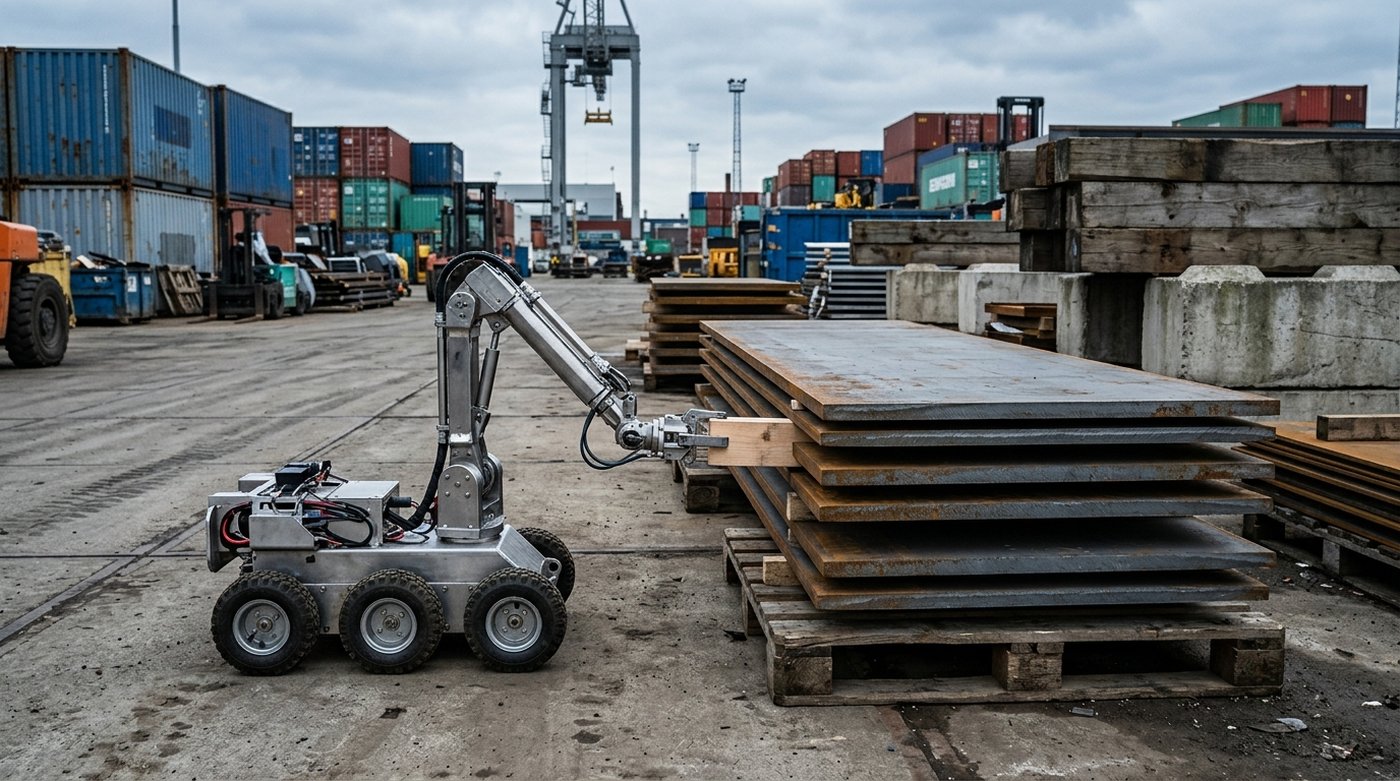
A traditional industrial robot arm is not a humanoid robot with its legs removed. It is a different answer to a different question — built for an environment that was deliberately redesigned around the robot's constraints. A humanoid robot exists for the environments nobody redesigned, because nobody could.
What Is the Difference Between Humanoid Robots and Traditional Automation?
Humanoid robots are general-purpose physical AI systems designed to operate in environments built for human dimensions, movement patterns, and social presence — spaces that cannot be structurally optimised around a robot's specific operational requirements. Traditional industrial automation consists of purpose-built robotic systems designed for environments that have been deliberately engineered around the robot's constraints — controlled layouts, fixed part positions, optimised lighting, predictable surfaces — where maximum performance in a specific task is achievable because every variable that would compromise that performance has been eliminated. The practical consequence for any organisation evaluating these systems is this: the question is never "humanoid or traditional?" — it is "can I redesign this environment, and should I?" — because the answer to that question determines which system is rational, not any spec sheet comparison.
The Environments That Made Each System Possible
Why Traditional Automation Required Redesigning the World
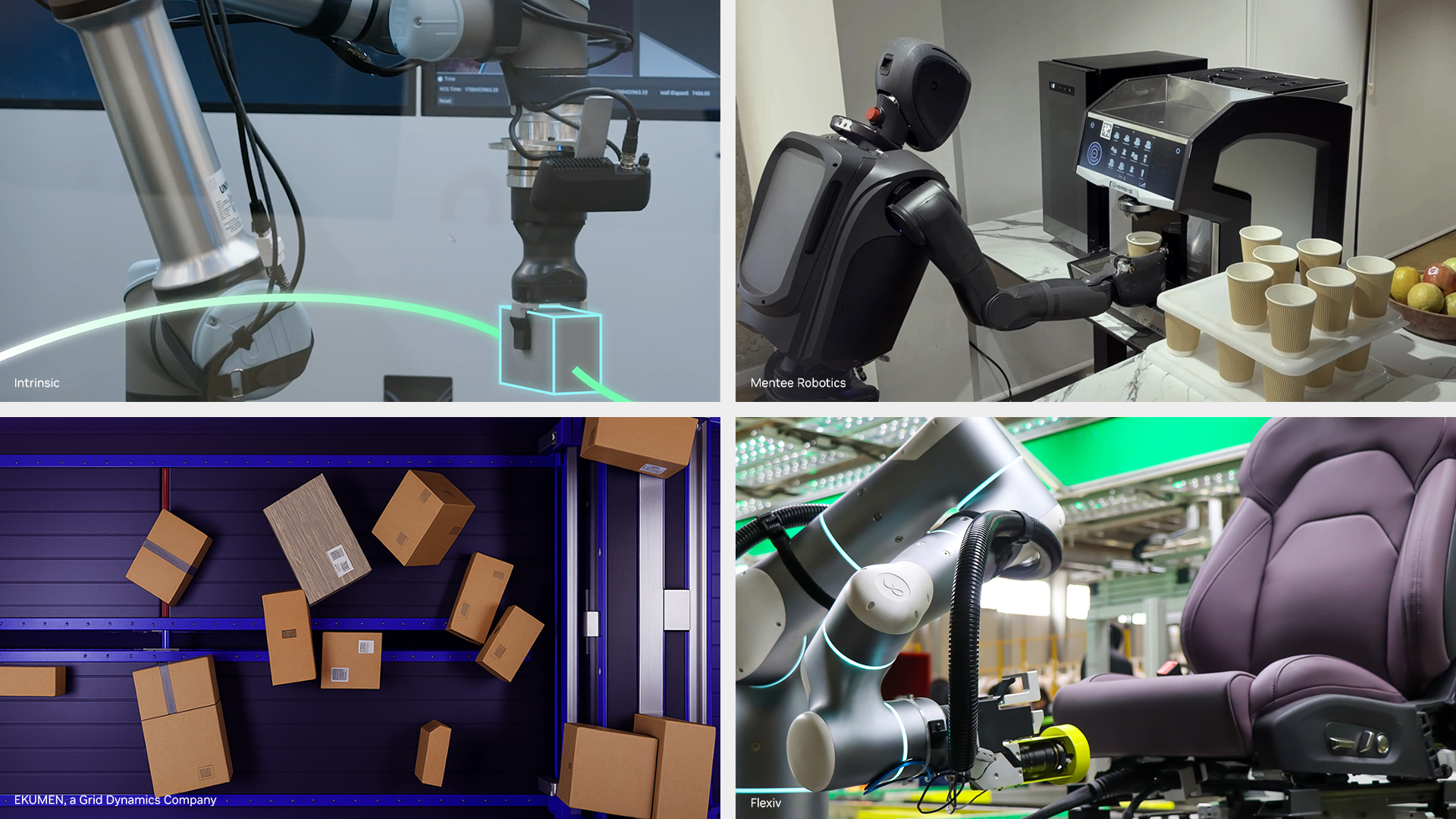
The factory that runs a traditional industrial robot arm at peak performance does not look like the factory it replaced. It looks like a factory built for the robot. The part arrives in a known position on a known fixture. The lighting is calibrated for the robot's vision system. The floor surface is consistent. The pathway from input to output has been engineered to eliminate the variability that would force the robot to make decisions rather than execute movements. That redesign is expensive, time-consuming, and genuinely worth it — when the task is sufficiently repetitive, sufficiently high-volume, and sufficiently stable that the engineering investment amortises across millions of identical cycles.
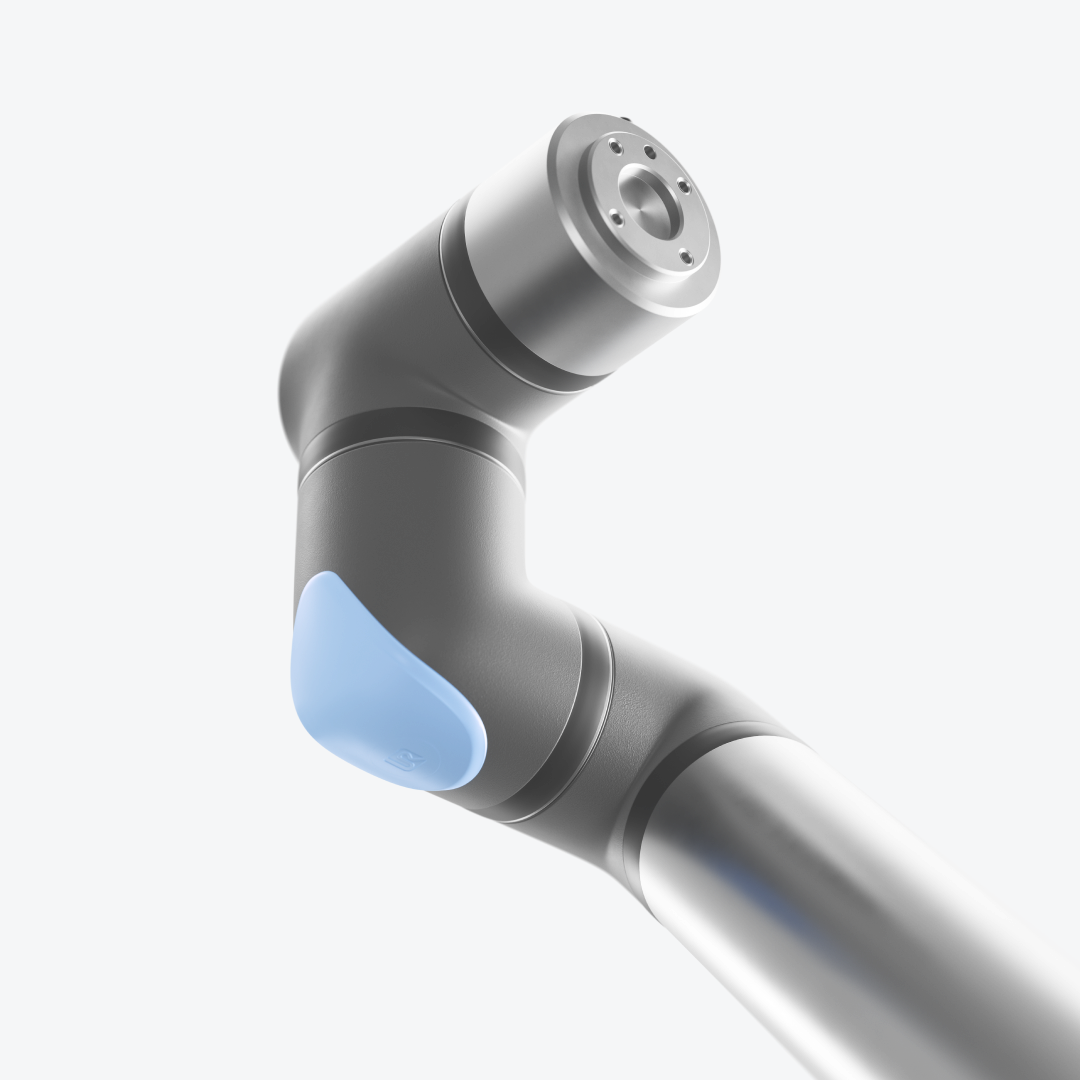
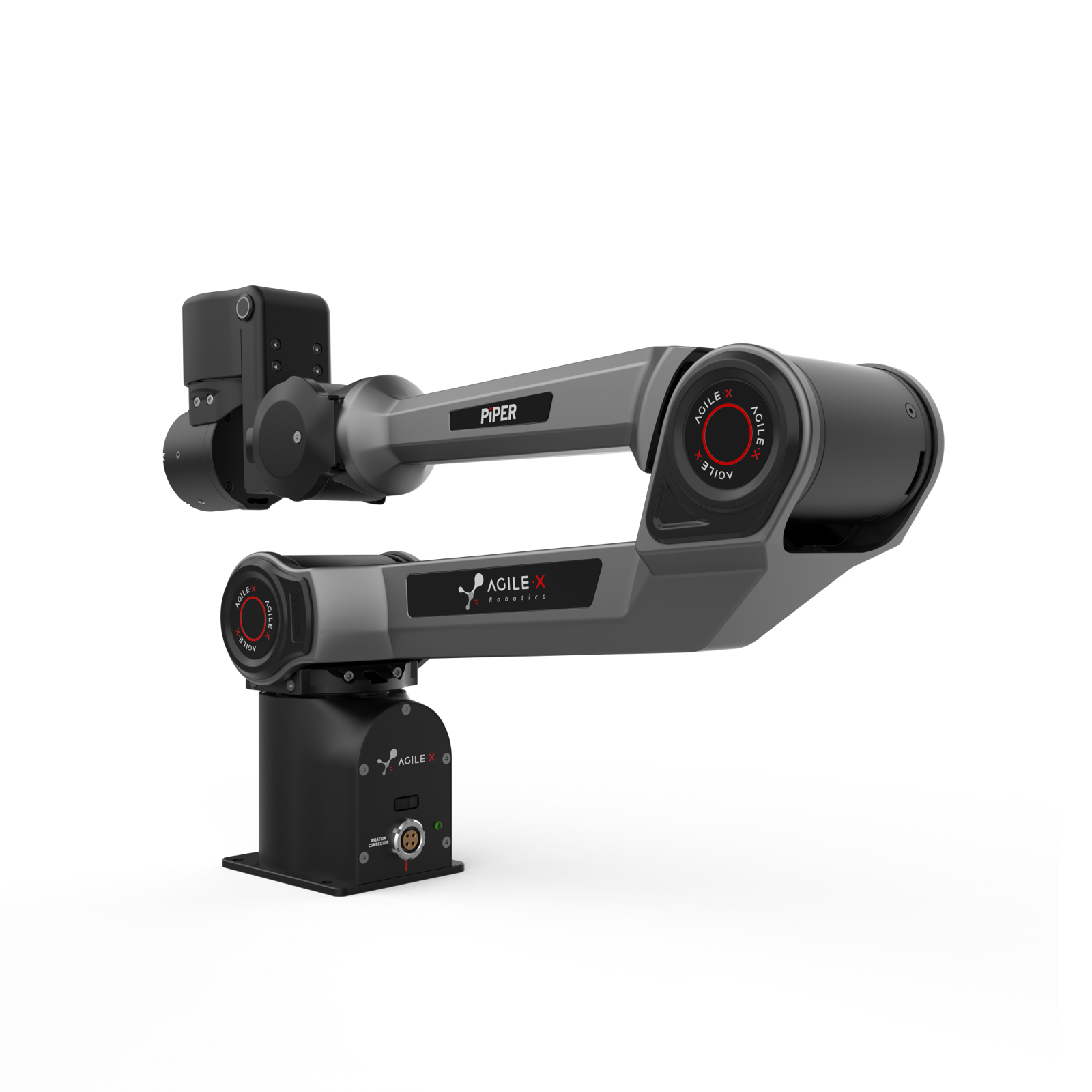
The IFR's technical assessment is precise on this point: traditional industrial robots have "fewer joints tailored to a specific task," producing "simpler control schemes that are faster and more reliable" — faster and more reliable, that is, in the environment they were built for, which is an environment the buyer spent significant capital optimising for them. The performance advantage is inseparable from the environmental prerequisite. Remove the prerequisite — vary the part position, change the product mix, introduce a human worker who moves unpredictably — and the advantage collapses faster than most people expect.
Why Humanoids Exist Where Redesign Is Impossible
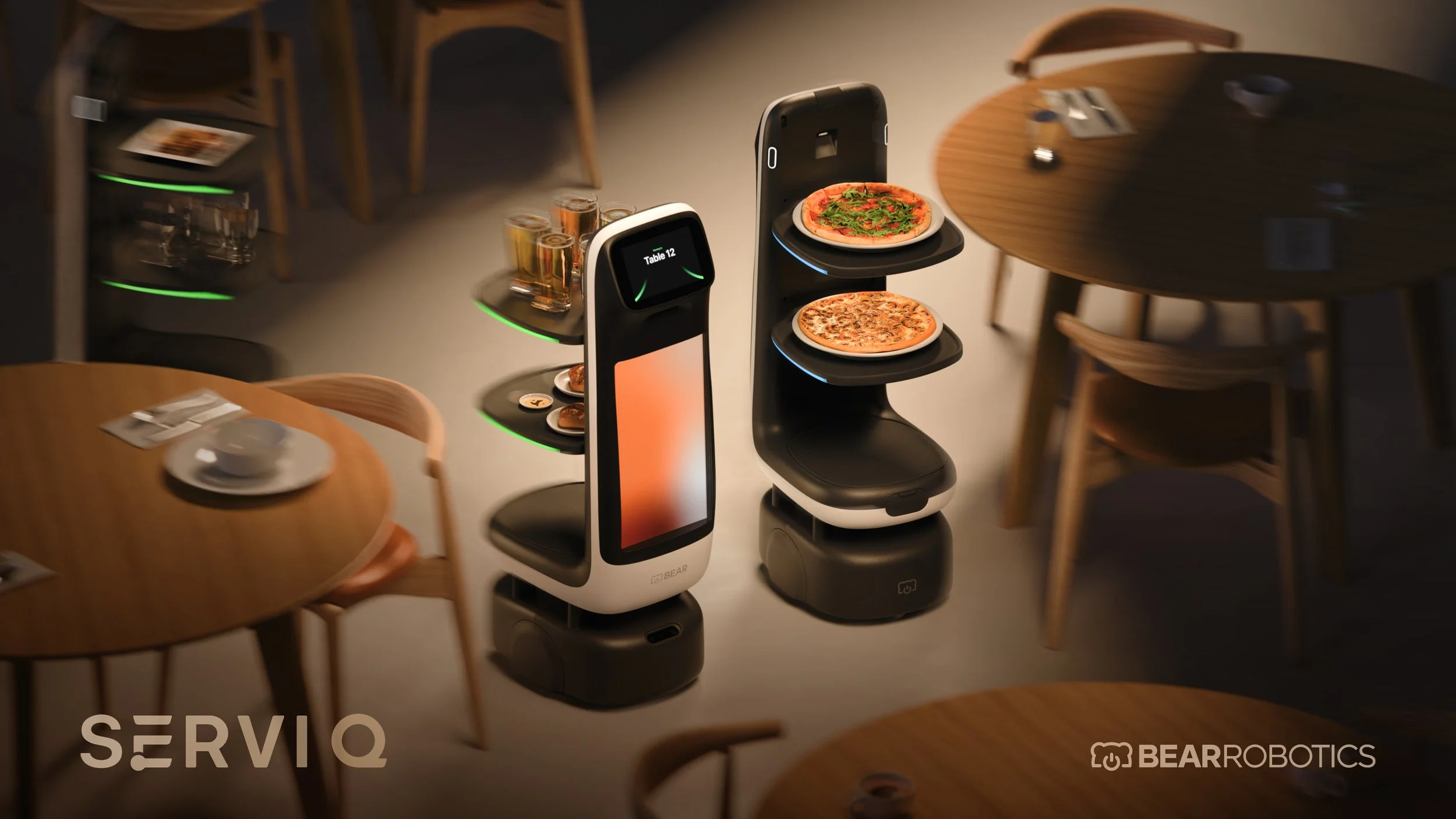
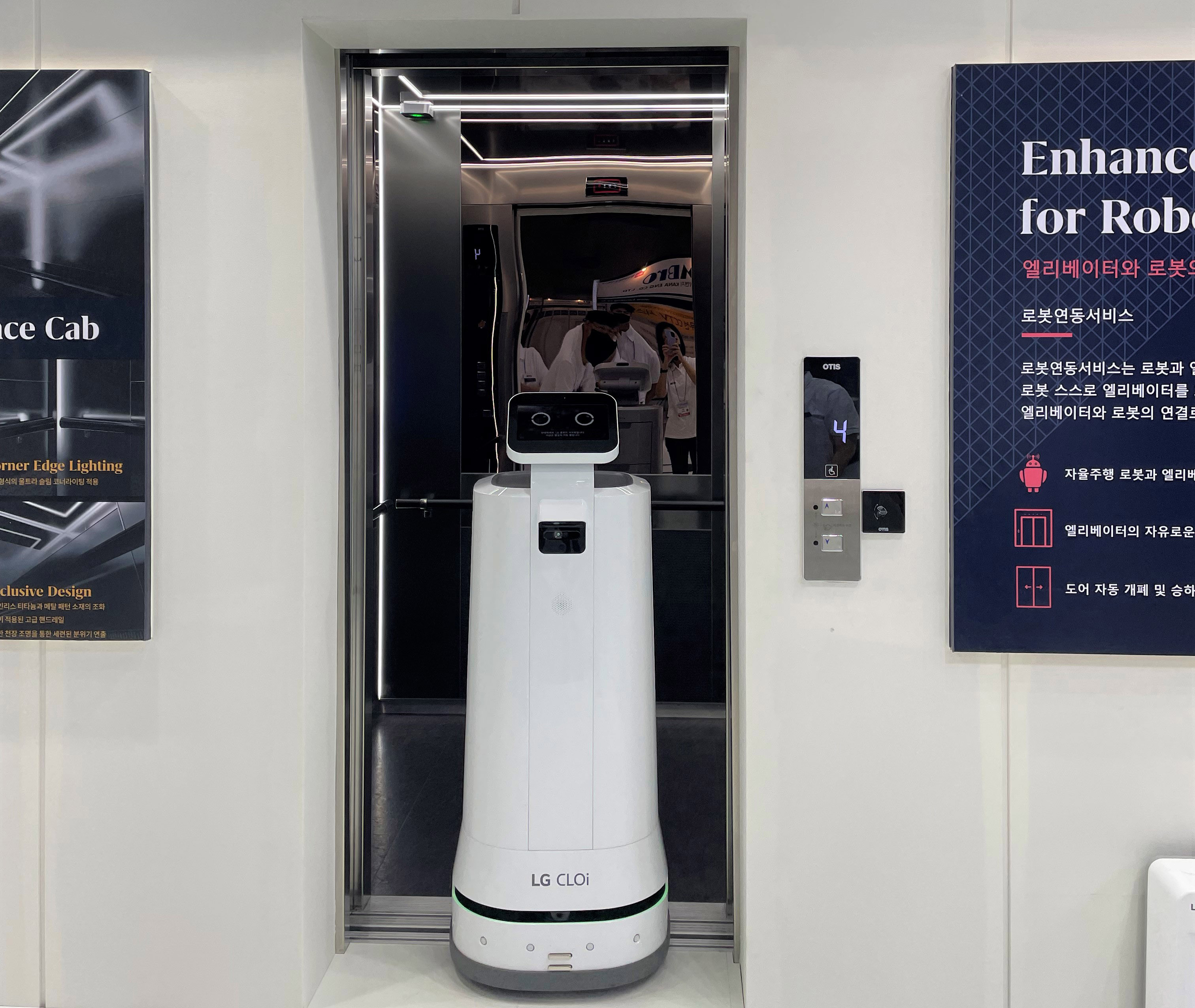
The hospital corridor was not designed for robots. Neither was the retail floor, the hotel lobby, the construction site, or the home. Nobody engineered the lighting for a machine's vision system. Nobody standardised the position of objects on shelves. Nobody removed the humans who move through the space unpredictably. These environments cannot be redesigned around a robot's operational requirements — either because the cost of redesign exceeds any conceivable automation benefit, or because the environment's function depends on remaining accessible to humans, or simply because nobody is going to rebuild every building to suit a machine.
The factory was built for the robot. The rest of the world was built for humans. That is the only distinction that matters when choosing between them.
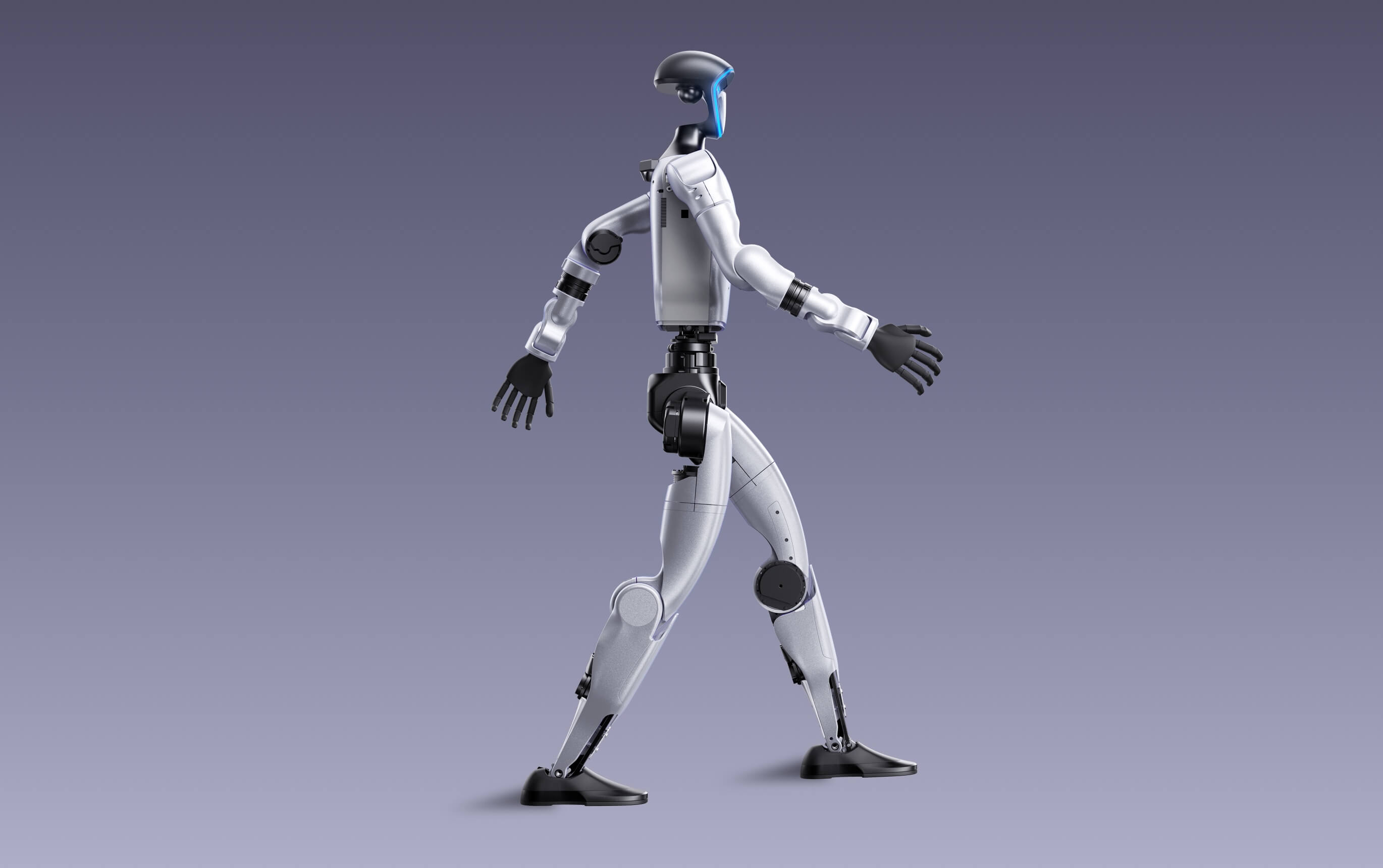
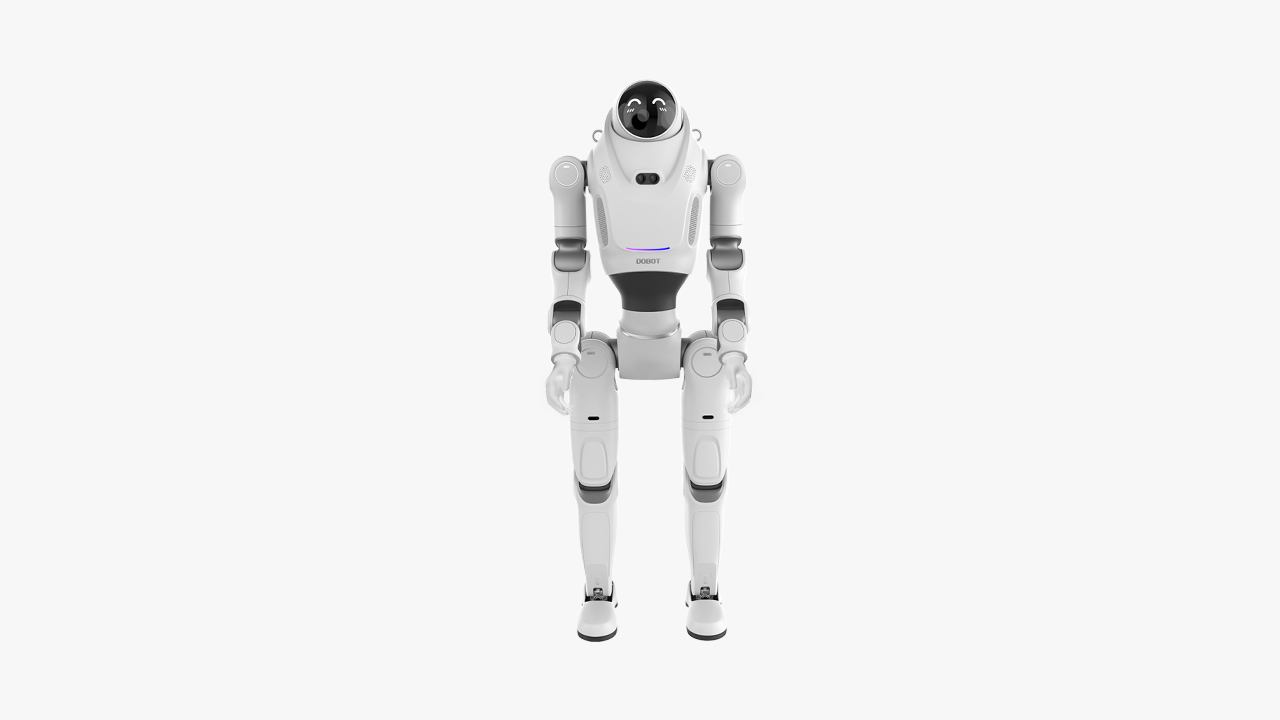
Humanoid robots exist specifically for the second category. The human form factor — bipedal locomotion, two manipulative arms, human-range sensory systems, human-scale dimensions — is not a design preference. It is a functional requirement for operating in infrastructure designed for human bodies. Stairs, doorways, tool handles, storage shelves, vehicle interiors — every piece of physical infrastructure the rest of the world runs on was dimensioned for a human, and a humanoid robot navigates it without requiring structural modification. A traditional industrial arm, however capable, requires the environment to come to it. A humanoid robot goes where the environment already is.
What the Performance Numbers Actually Mean — and What They Don't
Evaluating a humanoid robot against an industrial arm in a controlled factory environment is roughly equivalent to declaring a Swiss Army knife inferior to a chef's knife in a professional kitchen — technically accurate, entirely beside the point.
What is the difference between humanoid robots and traditional industrial robots? Humanoid robots are designed for environments built for humans — unstructured, variable, socially inhabited spaces where the human form factor provides navigational and interactional advantages that purpose-built robots cannot replicate. Traditional industrial robots are designed for environments built around them — controlled, predictable, structurally optimised — where they outperform humanoids on every measurable operational metric: cycle time, precision, payload, and reliability. As of 2026, traditional industrial robots number 4.66 million units globally, per the IFR World Robotics 2025 Report, while humanoid robots reached approximately 16,000 installed units in 2025.
The deployment geography makes the argument concrete. Asia-Pacific held 42.6% of the global humanoid robot market in 2025, reaching USD 1.91 billion according to Fortune Business Insights — driven not by manufacturing efficiency but by aging populations, service sector shortages, and environments the region has no intention or ability to redesign for fixed automation. Japan's elder care facilities, South Korean hotel lobbies, and Chinese logistics hubs that handle irregular mixed-SKU orders are all environments where the human form factor is a genuine operational advantage, not a compromise. At the same time, China's 2 million operational industrial robots — representing 54% of global deployments, per the IFR World Robotics 2025 Report — operate almost entirely in structured manufacturing environments that were engineered for them. Both types of robot are winning in their correct environments. The confusion arises when people assume they are competing for the same one.
In the United States, the specific investment pattern makes the environmental logic visible. Traditional industrial robot payback periods compressed from 5.3 years in 2019 to 1.3 years in 2024, according to McKinsey — reflecting continued efficiency gains in structured environments where the prerequisites are met. Simultaneously, DARPA allocated $180 million in 2025 specifically for bipedal robot platforms designed for environments where traditional automation cannot operate: contested, unstructured, human-built spaces. The US government is not betting against traditional automation. It is buying humanoids for environments that traditional automation structurally cannot serve.
The purchasing decision reduces to one question: is this environment designed for the robot, or must the robot be designed for this environment? Humanoid robot average selling prices are falling from approximately $114,700 in 2024 to a projected $37,000 by 2030, per IDTechEx's May 2026 analysis — a 68% reduction that will make the economics of humanoid deployment viable in an expanding range of unstructured environments. The European Union recognised this trajectory and mobilised an estimated €800 million in public-private co-investment in next-generation robotics through 2027, per Market Intel Research. None of this changes which system belongs in which environment. It changes how many organisations will be able to afford deploying the right one.
The Case That Humanoids Will Eventually Replace Everything — and Why It Misunderstands the Problem
The dominant optimist narrative — that humanoid robots will eventually become capable and cheap enough to displace traditional automation everywhere — is coherent as a long-term scenario and wrong as a near-term procurement frame.
The position held by technology investors and humanoid robot advocates is that falling prices and improving AI will eventually make humanoids competitive with fixed automation even in structured environments — that a sufficiently capable, sufficiently cheap humanoid robot will simply be better at everything than a purpose-built arm. This is not an irrational position. It is directionally plausible over a long enough timeline.
The position held by manufacturing engineers and the IFR's technical analysts is that the human body was not optimised for high-speed precision manufacturing, that fewer joints and simpler control schemes produce structural reliability advantages that are not erased by AI improvements alone, and that industrial robots will remain the backbone of structured high-volume production for the foreseeable future. This is also not irrational. It is describing a genuine constraint.
The hard structural truth is that both positions are debating the wrong timeline. The embodiment gap — the distance between what a humanoid's AI can compute and what its physical system can reliably execute in a structured industrial environment — is not primarily a software problem. It is a hardware problem. The tactile sensitivity, joint reliability, cycle time, and positional accuracy that structured manufacturing requires will not be matched by humanoid form factors within the near to medium term, precisely because those metrics were never the design brief for a system built to navigate a hospital corridor. Not better or worse. Different premises.
The organisations that deploy humanoids where traditional automation would perform better will pay for the mismatch in reliability, throughput, and maintenance costs. The organisations that refuse humanoids where no structured alternative exists will pay for the mismatch in labour shortfalls, coverage gaps, and operational fragility. Both errors flow from the same source: treating this as a competition rather than a segmentation.
This question about where each system genuinely works connects to the broader questions about physical AI deployment that this site tracks across sectors and geographies.
This development reinforces:
- Why Robots Struggle With Common Sense — and Why That Matters: The embodiment gap that limits humanoids in structured manufacturing environments is the same gap that limits all AI robotic systems in unstructured ones — the specific failure modes differ, but the underlying mechanism is identical.
- When There Aren't Enough Hands: How AI Robots Are Changing Elder Care: Eldercare is precisely the category of environment where traditional automation structurally cannot operate and humanoids are not a luxury but the only viable form factor — the environmental logic this article establishes explains why.
- AI and Robotics in China: How Beijing Is Turning Automation Into National Power: China's simultaneous dominance in traditional industrial robot deployment and humanoid robot production is not contradictory — it reflects a policy architecture that understands the two systems serve different environmental premises and is building both at scale for different applications.
The staircase versus elevator comparison only fails one way: nobody ever tries to carry heavy freight on a staircase and declares staircases inadequate. They use the elevator for freight and the staircase when the elevator is busy, broken, or simply not where they need to go. The industrial automation industry is in the middle of learning that it has been building elevators for forty years and is now discovering how much of the world does not have elevator shafts. Humanoid robots did not make that problem worse. They are the first serious answer to it — imperfect, expensive, and getting cheaper, but aimed at the right question for the first time.
1. What is the difference between humanoid robots and traditional automation? Humanoid robots are designed for environments built for humans — variable, socially inhabited, impossible to structurally optimise — while traditional industrial robots are designed for environments deliberately engineered around the robot's operational requirements. The distinction is environmental premise, not capability level. As of 2026, traditional industrial robots number 4.66 million units globally per the IFR World Robotics 2025 Report, while humanoid robots reached approximately 16,000 installed units in 2025 — reflecting the difference in the size of the market each system currently serves.
2. Will humanoid robots replace traditional industrial robots? No — in structured manufacturing environments, traditional industrial robots outperform humanoids on cycle time, precision, payload, and reliability, and those structural advantages are not erased by AI improvements alone. The IFR confirmed in its 2026 analysis that traditional industrial robots "are likely to remain the backbone of high-speed, precision-driven manufacturing environments." Humanoids will expand into environments that traditional automation cannot serve — eldercare, logistics with irregular SKU mixes, construction, service settings — not replace fixed automation in environments specifically designed for it.
3. When does a humanoid robot make more sense than a traditional robot? A humanoid robot makes sense when the environment cannot be redesigned around a robot's specific operational requirements — when the physical space was built for human dimensions and movement, when the task mix changes frequently, or when traditional automation would require structural facility modification that exceeds the automation benefit. DARPA's $180 million 2025 investment in bipedal robot platforms was specifically directed at environments "where traditional automation cannot operate," per Market Intel Research 2025. Traditional automation makes sense when the environment can be engineered for it and the task is sufficiently stable and high-volume to amortise that engineering investment.
4. Are humanoid robots more expensive than industrial robots? Currently, yes — humanoid robots average $114,700 per unit in 2024 compared to industrial robot arm costs that can start significantly lower for specific applications, though traditional automation total cost of ownership includes substantial facility modification and integration costs. Humanoid robot prices are projected to fall to approximately $37,000 by 2030, a reduction of more than 68%, according to IDTechEx's May 2026 analysis. The embodiment gap — the distance between what a humanoid's AI can compute and what its physical hardware can reliably execute in a given environment — remains the larger cost variable, because deploying a humanoid in the wrong environment produces reliability and throughput costs that dwarf the unit price difference.
5. What environments are humanoid robots actually designed for? Humanoid robots are designed for environments built for human bodies — hospitals, retail floors, hotel lobbies, construction sites, homes, and logistics operations handling irregular mixed-SKU orders — where the human form factor (bipedal locomotion, two-arm manipulation, human-scale dimensions) allows operation without structural facility modification. Asia-Pacific held 42.6% of the global humanoid robot market in 2025, reaching USD 1.91 billion per Fortune Business Insights, driven by aging populations and service sector environments that cannot be redesigned for traditional fixed automation. These are not environments where humanoids are compromising — they are the environments humanoids were specifically designed for.