X Square Robot Reaches $2.8 Billion Valuation Following Four Consecutive Funding Rounds
Shenzhen-based embodied AI startup X Square Robot has closed its Series C round, bringing its valuation past $2.8 billion as it deploys its WALL-B foundation model into commercial cleaning.
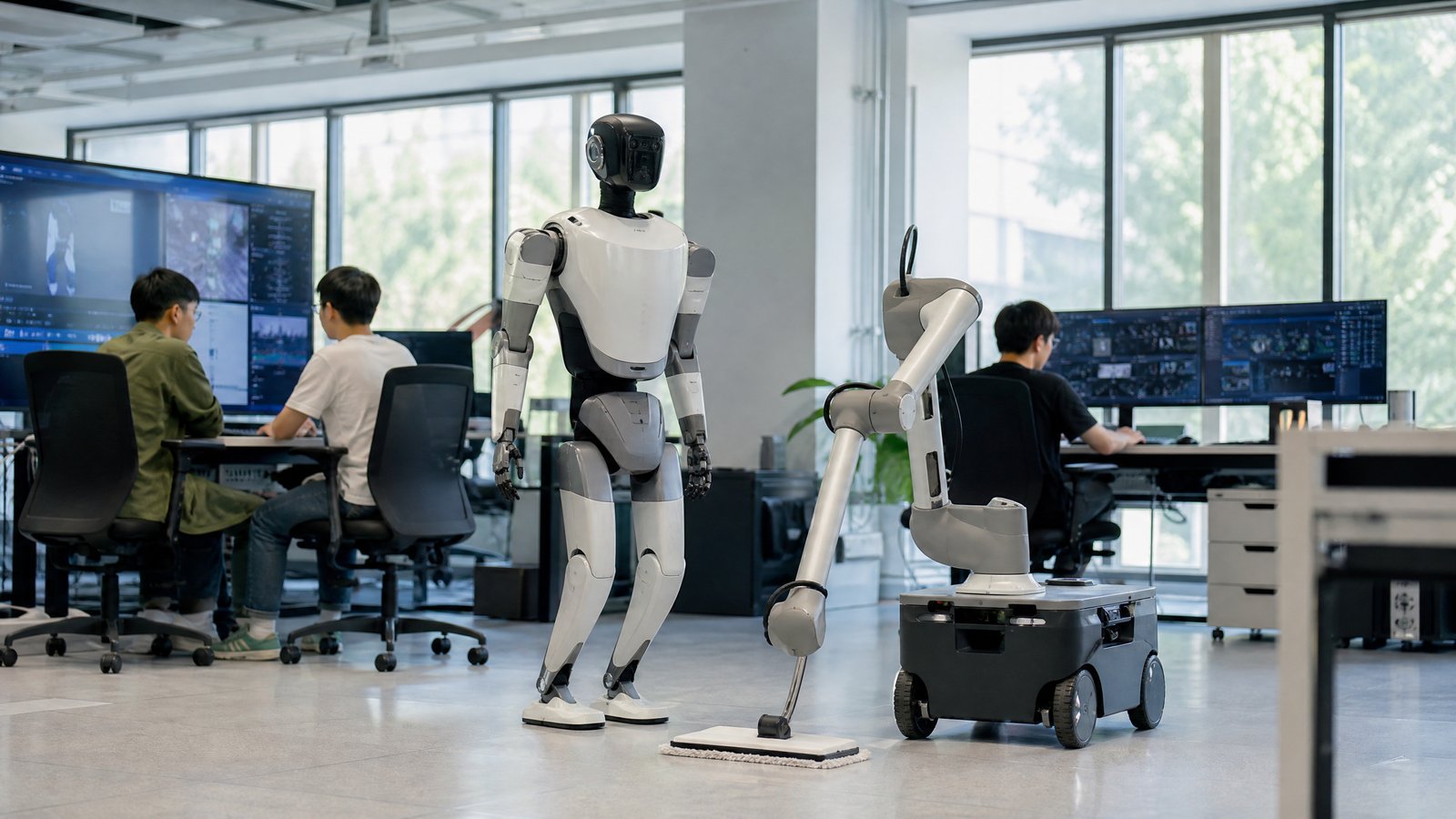
Shenzhen-based embodied artificial intelligence (AI) startup X Square Robot has closed its Series C funding round, pushing its valuation past $2.8 billion. The company reached that figure after four consecutive rounds of capital in less than three years, a pace that signals how aggressively investors are backing companies that can put foundation models to work in the physical world rather than on a screen.
The most recent round was led by IDG Capital, building on earlier participation from HongShan and Xiaomi. The startup was founded in 2023 by Chief Executive Officer Wang Qian, and it has moved unusually quickly from research demonstrations to paid commercial deployment.
In short, X Square Robot has reached a valuation of more than $2.8 billion because it has shown that its foundation model can complete real tasks on real robots, and it is already earning revenue from commercial cleaning work in two major Chinese cities.
What Happened
X Square Robot confirmed the close of its Series C round, the fourth in a rapid sequence of raises. The valuation now sits above $2.8 billion. IDG Capital led the latest round, while Xiaomi and HongShan were among the earlier backers that helped the company scale its engineering and data operations.
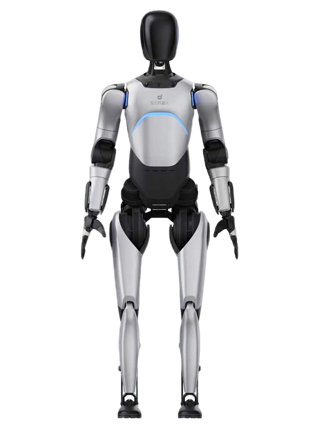
The capital is tied directly to the progress of the company's core product, a foundation model it calls WALL-B, described internally as a World Unified Model. Rather than keeping the technology proprietary, X Square Robot has released open iterations, including WALL-OSS-0.5 and a world model component labeled WALL-WM, in order to build a developer community around its architecture.
Why It Matters
The valuation is notable because it rests on demonstrated task execution rather than projected capability. The open-sourced WALL-OSS-0.5 model achieved an autonomous completion rate above 80 percent on a subset of real-robot tasks, and it did so without additional post-training on those specific tasks. In a field where many impressive demonstrations rely on heavily scripted conditions, evidence of generalization to unseen tasks carries weight with technical investors.
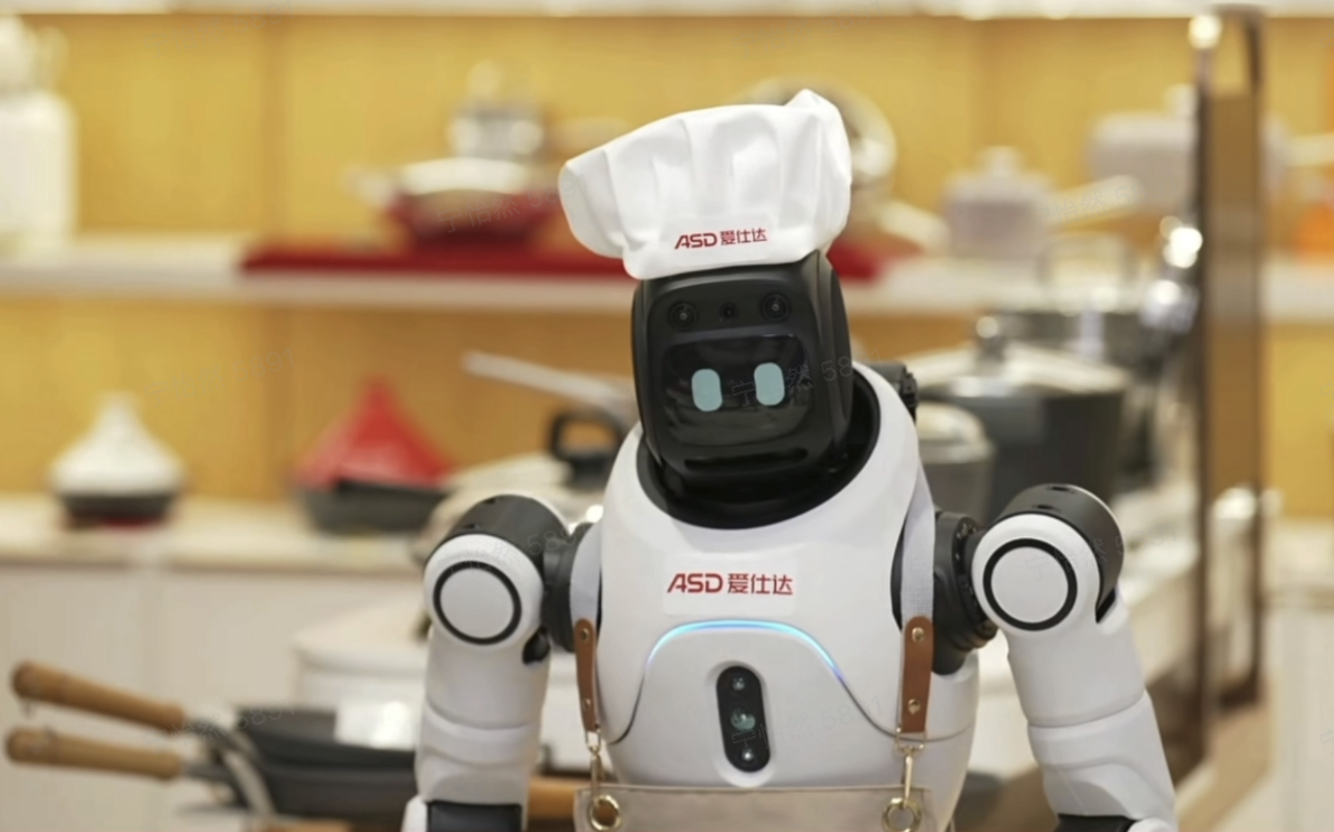
That technical progress has already converted into commercial activity. Through a program the company calls the X Family Member Program, launched in May, X Square Robot partnered with the classifieds and services platform 58.com to deploy AI-driven cleaning robots across commercial environments in Shenzhen and Beijing. The deployment gives the company a revenue channel and, just as importantly, a continuous stream of real-world operating data to refine its models.
The Bigger Signal
The rapid capitalization of X Square Robot reflects a broader shift in how the robotics sector is valued. For much of the past decade, investor attention concentrated on hardware milestones such as walking, balancing, and dexterous manipulation. The emerging premium is different. It rewards companies that can prove a single model transfers across many tasks and then generates recurring income in an unstructured setting.
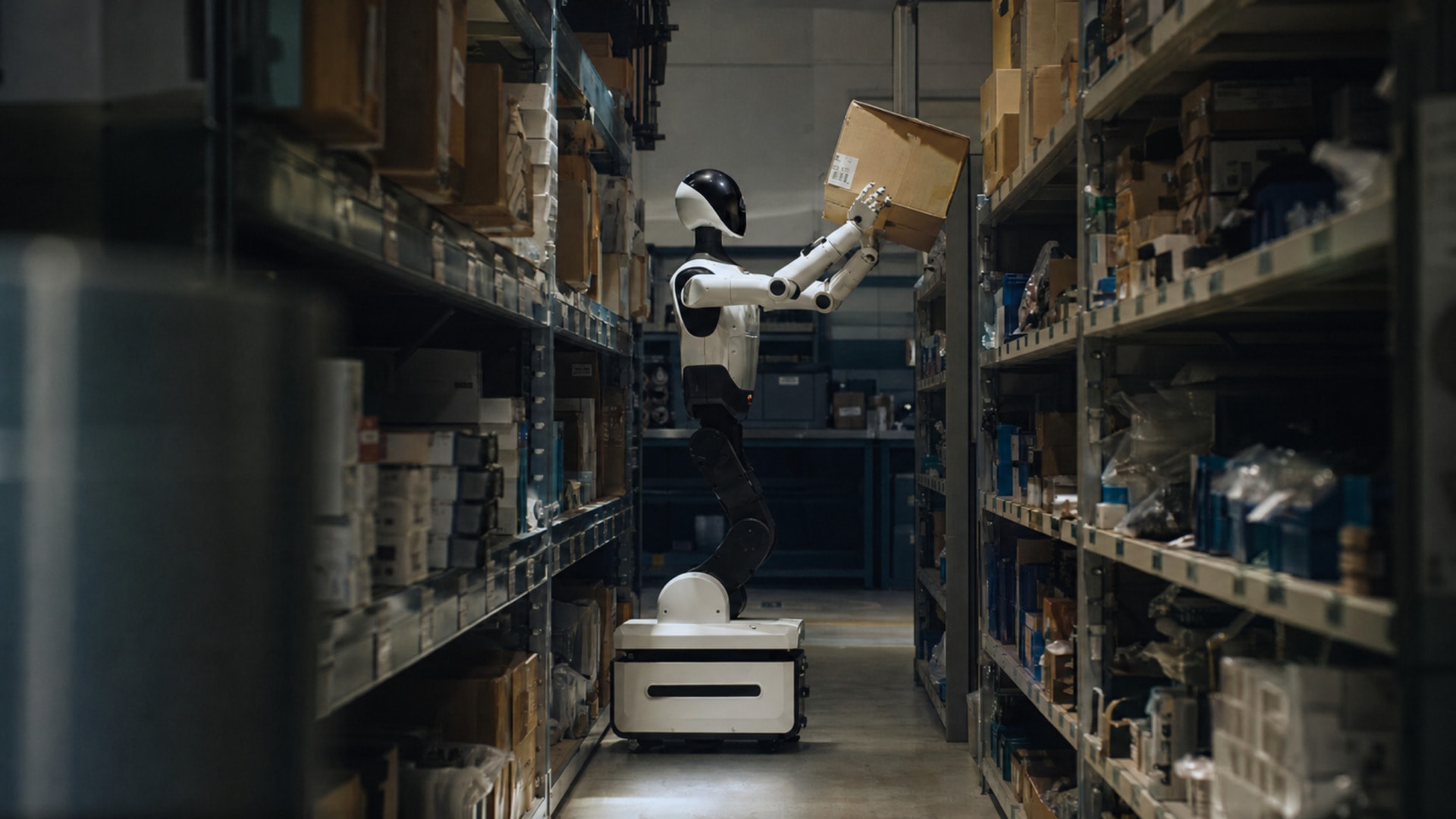
Commercial cleaning is a deliberate proving ground. It combines unpredictable environments, repetitive economic value, and a low tolerance for failure, which makes it a credible test of whether a foundation model can hold up outside the laboratory. A company that can master cleaning at scale builds a defensible base from which to expand into logistics, facilities management, and light industrial work.
Strategic Implications
For competitors, the message is that open-sourcing a capable model can accelerate ecosystem adoption without surrendering the commercial advantage that comes from proprietary data and deployment relationships. X Square Robot is effectively using open releases to attract developers while retaining the operational data that makes its models better over time.
For procurement teams and facilities operators evaluating service robots, the practical takeaway is that model generalization is becoming a purchasing criterion. A cleaning robot that shares a foundation model with a broader task library is more likely to receive capability upgrades over its service life than a single-purpose machine built around fixed automation.
Explaining It Simply
A foundation model is a large AI system trained on broad data so it can handle many different jobs instead of just one. X Square Robot built such a model for physical robots. The impressive part is that the robot can attempt tasks it was never specifically trained for and still finish most of them, which is why investors are willing to value the company so highly.
A Necessary Caution
The valuation is striking, but an 80 percent completion rate on a selected task subset is not the same as reliability across every commercial environment. The durable question is whether X Square Robot can maintain that performance across thousands of unpredictable cleaning sites while controlling hardware and service costs. The company's four rounds of funding buy it time to answer that question, and the commercial cleaning deployment will provide the evidence.
As the embodied AI sector matures, the premium has moved away from the theoretical elegance of a model and toward the speed at which that model can be put to profitable work. X Square Robot's valuation is a direct measure of how convincingly it has crossed that line.
Disclaimer: This article is provided for general informational purposes only and does not constitute investment, procurement, or legal advice. Readers should independently verify figures, specifications, and claims before making business decisions.
Primary Sources
The Robot Report, "X Square Robot brings valuation to $2.8B after four consecutive funding rounds" (June 30, 2026): https://www.therobotreport.com/x-square-robot-brings-valuation-2-8b-four-consecutive-funding-rounds/