Agility Robotics Names New Board Directors Ahead of Its Nasdaq Debut
Agility Robotics named Merline Saintil, Derek Aberle and Pierre Gentin to its board as it prepares to go public through a merger with Churchill Capital Corp XI, assembling governance depth before Digit's commercial performance faces public-market scrutiny.

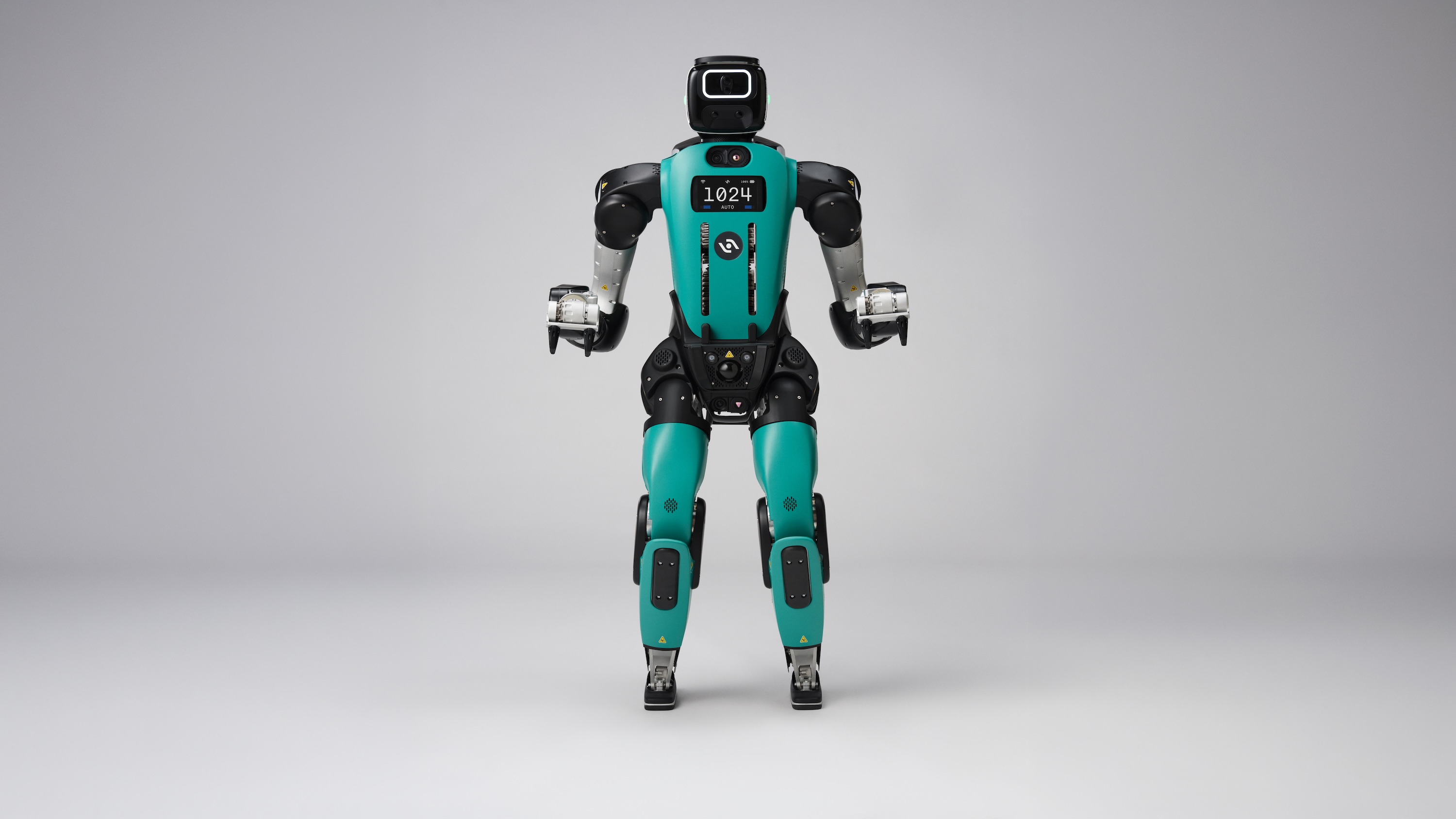
On Tuesday, Agility Robotics named three new directors to the board it is building for life as a public company, the clearest sign yet that its humanoid robot Digit is about to answer to Wall Street analysts instead of just warehouse operations managers.
Agility Robotics, the Oregon-based maker of the bipedal warehouse robot Digit, is going public through a merger with Churchill Capital Corp XI (Nasdaq: CCXI), a special-purpose acquisition company. The three appointees are Merline Saintil, who joins the board immediately, and Derek Aberle and Pierre Gentin, who join once the merger closes. They will sit alongside chief executive Peggy Johnson and co-founder Damion Shelton on a board being assembled specifically to satisfy public-market governance standards before the combined entity starts trading as AGLT.
The Board Is Being Built for a Specific Set of Investors
A private robotics company can staff its board with operators and early investors who understand the technology roadmap intimately. A newly public one needs directors who understand what a securities regulator, an activist shareholder or a skeptical earnings-call analyst will ask, and the three names Agility picked read like a checklist against exactly those pressures. Saintil already sits on the boards of Rocket Lab, Symbotic and TD SYNNEX, three companies whose shareholders have spent years pricing hardware businesses with long capital cycles, which is precisely the kind of investor conversation Agility is about to have for the first time as a public filer. Aberle spent 17 years at Qualcomm, including a stint as president from 2014 to 2018, before co-founding Virewirx, giving Agility a director who has sat on the other side of the table during large semiconductor and hardware licensing negotiations. Gentin brings more than 30 years in law and business, most recently as General Counsel of the U.S. Department of Commerce, a background that puts export-control and government-contracting literacy directly on the board at a moment when humanoid robotics is drawing exactly that kind of regulatory attention.
None of the three brings robotics engineering expertise to the table, and that appears to be deliberate. Johnson and Shelton already anchor the technical and operational side of the company. What Agility has been missing, and what a SPAC merger cannot manufacture on its own, is the governance bench strength that lets a newly public hardware company survive its first bad quarter without a boardroom crisis compounding an operational one.
A Commerce Department Lawyer on a Robotics Board Is Not an Accident
Gentin's appointment deserves more attention than a standard governance hire would normally get. Humanoid robotics sits at the center of a widening set of export-control and supply-chain rules that now touch everything from the rare-earth magnets in a robot's actuators to the chips running its perception stack. A director who spent his most recent role as General Counsel of the U.S. Department of Commerce, the agency that administers export controls and the Bureau of Industry and Security's technology restrictions, gives Agility a board member who has already sat on the government side of exactly the kind of review a humanoid robotics company now has to anticipate as routine rather than exceptional. Rival humanoid makers building supply chains that run through China, including AGIBOT and UBTECH, face a different version of the same scrutiny from the other direction. Agility putting a former top Commerce Department lawyer on its board ahead of a public listing reads as insurance against a regulatory environment that has already reshaped how robotics hardware crosses borders once, and could easily do so again during Digit's production ramp.
Saintil's existing board seats tell a complementary story. Rocket Lab, Symbotic and TD SYNNEX are each hardware-and-logistics businesses that trade on execution rather than narrative, and each has weathered its own version of the volatility a young public hardware company faces: long lead times, lumpy order books and investors who punish any gap between a delivery promise and an actual shipment. A director who has already sat through that cycle at three other companies brings pattern recognition that a first-time public board member cannot offer, regardless of how deep their operational expertise runs elsewhere.
Digit Already Has Paying Customers, Which Changes the Board's Job
Unlike many humanoid robot companies still selling investors on a roadmap, Agility's Digit 4 is already working in commercial deployments at Schaeffler, GXO and Toyota, handling tasks like moving totes and unloading trailers in real logistics operations. That matters for what this board is actually being asked to oversee. A pre-revenue robotics SPAC needs directors who can defend a story about future potential. A company with paying enterprise customers already running production hardware needs directors who can defend quarterly execution, customer concentration risk and the gap between pilot deployments and fleet-scale contracts, the same scrutiny public investors apply to any industrial equipment maker.
That distinction is also why the timing of Digit 5, planned for launch in the second half of 2027, sits awkwardly against the board announcement. A newly public company with three unfamiliar directors joining mid-transition will be explaining a major hardware refresh to public shareholders for the first time, without the benefit of years of prior quarterly calls to build trust in how the company talks about delays, cost overruns or missed shipment targets. Getting governance in place now, more than a year ahead of that launch, gives the new board time to get comfortable with the company's language before it has to defend a product transition in public.
The SPAC Structure Puts a Deadline on Getting This Right
Churchill Capital Corp XI is a special-purpose acquisition company, a shell entity that raises cash from public investors first and then merges with an operating business to take it public without a traditional initial public offering. That structure compresses the usual runway a private company gets to build out governance before facing public shareholders. A conventional IPO process gives a company months of roadshow meetings and prospectus drafting to iron out board composition under less time pressure. A SPAC merger runs on the shell company's own deadline, set by its shareholders and its sponsors, which means Agility has had a narrower window to recruit directors who can credibly represent public shareholders from the day trading opens under the AGLT ticker. Naming Saintil immediately, rather than waiting for the deal to close, suggests Agility wanted at least one governance-experienced voice already inside boardroom discussions before the merger vote rather than starting fresh the day the deal completes.
That structure also means the stakes of getting the board wrong are higher than they would be for a company that went public through a traditional listing. SPAC mergers have a mixed reputation among public-market investors precisely because some sponsors have prioritized closing the deal over building the governance infrastructure needed to run a public company well afterward. Agility naming three directors with deep public-company, regulatory and hardware-cycle experience, rather than filling seats with SPAC-affiliated insiders, is a direct answer to that skepticism. Whether the market believes it is a different question, one that will not be settled by the announcement itself but by how the board actually performs once Digit's commercial numbers start showing up in quarterly filings.
What This Signals to the Rest of the Humanoid Field
Agility is not the first robotics company to go public through a SPAC this year, and the broader humanoid sector has treated the public markets with some caution after earlier SPAC-era hardware companies burned investors on unmet delivery promises. Naming governance-focused directors with deep public-company and regulatory experience, rather than industry boosters or additional venture investors, is a deliberate signal that Agility is trying to avoid repeating that pattern. It is a tell about how the company expects its first year of public scrutiny to go: less about proving humanoids can walk and lift, which Digit has already demonstrated commercially, and more about proving a hardware company with real customers can report results, manage expectations and survive the volatility that comes with quarterly guidance.
For competitors watching from the sidelines, most of which remain privately held and are not yet subject to the same disclosure requirements, Agility's move is also a preview of what public-market entry actually costs a humanoid robotics company beyond the capital it raises. Figure, Apptronik and China's AgiBot have all discussed eventual public listings in some form this year. Whichever of them goes next will likely be judged, fairly or not, against how well Agility's board manages the company's first few quarters as a public filer starting with the transaction's expected close.
The Real Test Comes After the Merger Closes
Board appointments are cheap relative to what they are meant to prevent. The actual test of whether Agility assembled the right group starts the moment CCXI shareholders vote to complete the merger and Digit's commercial performance becomes a line item public investors can scrutinize every ninety days. Saintil, Aberle and Gentin were not hired to admire the robot. They were hired to ask Johnson and Shelton the uncomfortable questions a public market will ask anyway, before an activist investor or a short-seller gets there first.
This analysis synthesizes company statements and public market activity as of the publication date and should not be read as investment, financial, or professional advice; it is provided for general information purposes only.
Hero image credit: Agility Robotics.