Faraday Future Proposes US$200 Million Robotics Transfer to AIxCrypto
Faraday Future proposed transferring its robotics business to majority-owned AIxCrypto for US$200 million in stock under a non-binding related-party term sheet.


LOS ANGELES, September 28, 2026: Faraday Future has proposed moving its robotics business into majority-owned AIxCrypto Holdings for approximately US$200 million in stock, but the change is not complete. The parties have signed only a non-binding term sheet, while the definitive price, share count, governance terms, fairness review and closing approvals remain unresolved.
The direct answer for robotics buyers and investors is that this is a proposed change in corporate ownership, not a new robot launch or a completed standalone listing. Faraday Future Intelligent Electric Inc., the Nasdaq-listed electric-vehicle and robotics company trading as FFAI, would transfer its robotics equity interests to AIxCrypto, currently AIXC, in exchange for common and non-voting convertible preferred shares. AIxCrypto plans to adopt the name FF EAI Robotics Ecosystem Inc. and ticker FFR on September 30, but that administrative change can occur before any robotics assets move.
A New Ticker Can Arrive Before the Robotics Business
The distinction between the ticker change and the acquisition is the first thing a buyer or shareholder should preserve. AIxCrypto can rename itself and reposition its public story around embodied artificial intelligence while the proposed transaction remains subject to diligence, definitive agreements, special-committee review, a fairness opinion, board and stockholder approvals, Nasdaq requirements, regulatory and third-party consents, employee arrangements and other closing conditions. The Form 8-K says the parties target the fourth quarter of 2026, but it also states that the term sheet does not obligate either side to sign or close.
That creates an unusual interim structure. The listed shell may present itself as a robotics ecosystem company while the operating business, intellectual property, products, customer relationships and revenue remain where they are until closing. Suppliers evaluating credit exposure, customers signing support contracts and employees considering which entity will hold their agreements should therefore rely on current legal counterparties, not the proposed FFR identity. The transaction may define a future operating company, but the name change does not transfer warranties, service obligations or ownership by itself.
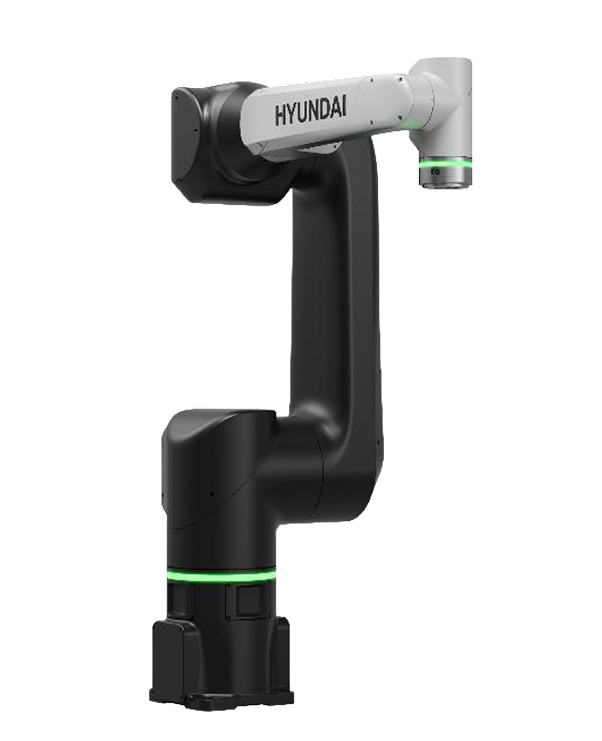
The assets under discussion are the same multi-form portfolio RobotAIGeek examined after Faraday Future put nine robot configurations behind its September product push. Faraday describes that business as a four-part ecosystem spanning an artificial-intelligence brain and developer platform, robot devices, industry productivity solutions and a data factory. The new event is not another product announcement. It is an attempt to give those activities a separately quoted capital-market container.
US$200 Million of Stock Sits on a Smaller Listed Base
The proposed consideration is expected to total US$200 million, paid entirely in AIxCrypto securities rather than cash. The share calculation is not fixed: it uses either US$2.246 or, when smaller, the mean Nasdaq closing price from the five sessions before definitive documents are executed. At US$2.246, the company illustrates AIxCrypto's fully diluted pre-closing equity value at approximately US$55 million. That comparison implies that the seller could receive stock worth several times the buyer's illustrated pre-deal equity value, depending on the final price and share count.
This does not mean Faraday Future has realized US$200 million. It would receive securities in a controlled public company, not cash available for operations, and those securities would be subject to an 18-month lock-up after closing, with exceptions still to be defined. A lower pricing reference could require more shares to deliver the expected consideration. AIxCrypto also proposes a one-time special stock dividend if the transaction price falls below US$2.246, but the dividend would be payable only if the deal closes and remains subject to tax analysis.
The economic outcome therefore depends on more than the headline purchase price. Shareholders need the definitive capitalization table, the mix of voting common and non-voting convertible preferred stock, conversion terms, the treatment of existing options, the special dividend mechanics and any financing completed around closing. The contrast with a signed third-party acquisition is important. In Cognex's agreed US$500 million RealSense transaction, the disclosed purchase structure followed a definitive agreement. Faraday Future and AIxCrypto are still negotiating the document that would make their proposal binding.
Related-Party Governance Is the Main Product to Inspect
Faraday Future is AIxCrypto's majority stockholder, and Faraday Future Global Executive Chairman Jerry Wang is also AIxCrypto's chief executive. The Form 8-K therefore identifies the proposal as a related-party transaction. Both companies formed special-committee processes, and the disclosed committees approved execution of the term sheet. They did not approve a completed acquisition or a final agreement.
That difference gives the committee process practical weight. The Faraday Future committee retains authority to investigate, negotiate, reject the proposal or recommend different action. Its favorable recommendation depends on completing an evaluation of definitive terms and receiving a fairness opinion it finds satisfactory. AIxCrypto's independent directors face the parallel task of deciding whether issuing a large block of stock for assets owned by its controlling stockholder serves the interests of AIxCrypto's public holders.
The question is not whether related parties are prohibited from transacting. They are not. The question is whether the process can demonstrate that the price, asset perimeter, liabilities, governance rights and financing would resemble terms an independent buyer and seller could accept. The future investor-rights agreement may let Faraday Future nominate directors. The parties also contemplate two-year noncompetition and nonsolicitation restrictions, with exceptions for non-robotics vehicle and automotive activities. Those provisions will determine how independent the proposed robotics company would be in practice.
The Current Business Is Smaller Than the Forecast
The announcement supplies operating figures intended to establish a base for the transaction. Faraday Future says cumulative robot shipments reached 552 units by the end of August. It reports approximately US$1.52 million in cumulative robotics revenue and an unaudited second-quarter gross margin of approximately 30.9%. Those figures indicate that products have reached paying users, but they also show an early commercial business whose current revenue is small beside the proposed US$200 million consideration.
The release then shifts from reported activity to management projections. Faraday Future management estimates US$7.1 million of 2026 revenue, US$45.17 million in 2027, approximately US$1.98 billion cumulatively from 2026 through 2030 and more than 130,000 cumulative device sales over five years. It projects positive operating cash flow in the third quarter of 2028 and increasing revenue from software, industry solutions, data and services.
AIxCrypto explicitly says it has not independently verified those projections or adopted them as guidance. They exclude its existing business and transaction costs, were not prepared to the standards used for public-company guidance and may change through diligence. They should be read as the seller's planning case, not as booked revenue or a forecast endorsed by the proposed buyer. The gap between US$1.52 million of cumulative reported revenue and the five-year projection is precisely why definitive diligence matters.
A Standalone Listing Does Not Create Standalone Capability
A separate ticker can improve visibility. It can give robotics investors a cleaner way to value a business that is difficult to isolate inside an electric-vehicle company, and it can let management raise capital against a more focused story. It can also make product revenue, cash consumption and capital requirements easier to track if the business begins reporting within AIxCrypto's financial statements after closing.
But a standalone listing does not manufacture engineering depth, recurring customers or service capacity. Faraday Future says it has launched 24 products and started deliveries, yet the transaction documents still need to identify which technology rights, supplier contracts, employees, inventories, warranties, data rights and liabilities move with the business. Customers should verify whether the same entity will support deployed robots after closing, whether software access and spare-parts commitments transfer automatically and which company remains responsible for past sales.
For investors, the parallel diligence list includes cash available after any financing, the cost of operating a listed robotics company, dilution from consideration and transaction financing, the ability to satisfy Nasdaq requirements and Faraday Future's accounting treatment of its continuing ownership. The Form 8-K warns that Faraday Future needs additional capital and that the proposed equity consideration may create dilution. Those are not footnotes to the structure. They determine whether the new company has enough runway to execute the seller's projections.
The Definitive Agreement Will Carry More Weight Than the Name
The next decision point is not the September 30 ticker change. It is the publication of definitive agreements and the fairness analysis that supports them. Those documents should show the final share count, security classes, conversion rights, capitalization, employee-option treatment, asset and liability perimeter, board rights, financing, closing conditions and termination provisions. Until they exist, procurement and investment decisions should treat FFR as an announced destination rather than an operating result.
Faraday Future's proposal does create a sharper accountability test than the earlier product launch. A listed robotics vehicle would eventually have to report the revenue, margins, capital requirements and risks of the acquired business in one place. If the transaction closes, that transparency may be more valuable than the branding exercise. If it does not, customers will still be dealing with Faraday Future's existing robotics operation and the same need to verify delivery, support and continuity.
The most revealing number is therefore not the US$200 million headline. It is the proposed 18-month lock-up on the stock Faraday Future would receive, a reminder that even after a closing, the seller's consideration would remain tied to the market value and operating credibility of the new robotics company.
This analysis synthesizes company statements and public market activity as of the publication date and should not be read as investment, financial, or professional advice; it is provided for general information purposes only.
Hero image credit: Faraday Future.