Cognex Agrees US$500 Million RealSense Acquisition
Cognex agreed to acquire RealSense for US$500 million, extending factory machine vision into 3D robotic perception while carving out biometrics.

Cognex agreed on Tuesday, September 22, to acquire RealSense for approximately US$500 million in cash, moving the Massachusetts machine-vision supplier into 3D perception for robots and autonomous systems. The transaction is expected to close in the fourth quarter, subject to customary conditions, and excludes RealSense’s facial-authentication business, which is due to be spun out first.
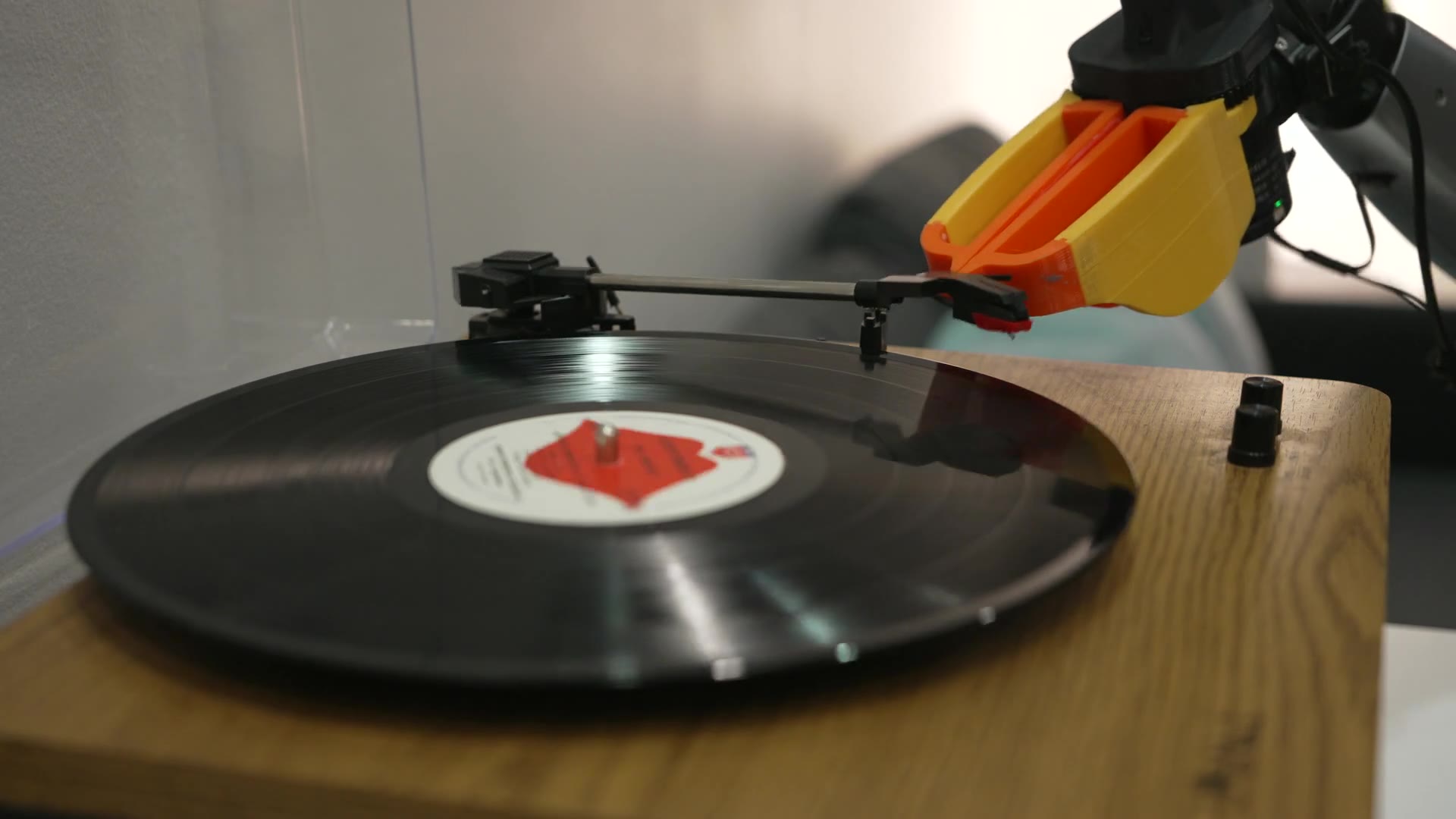
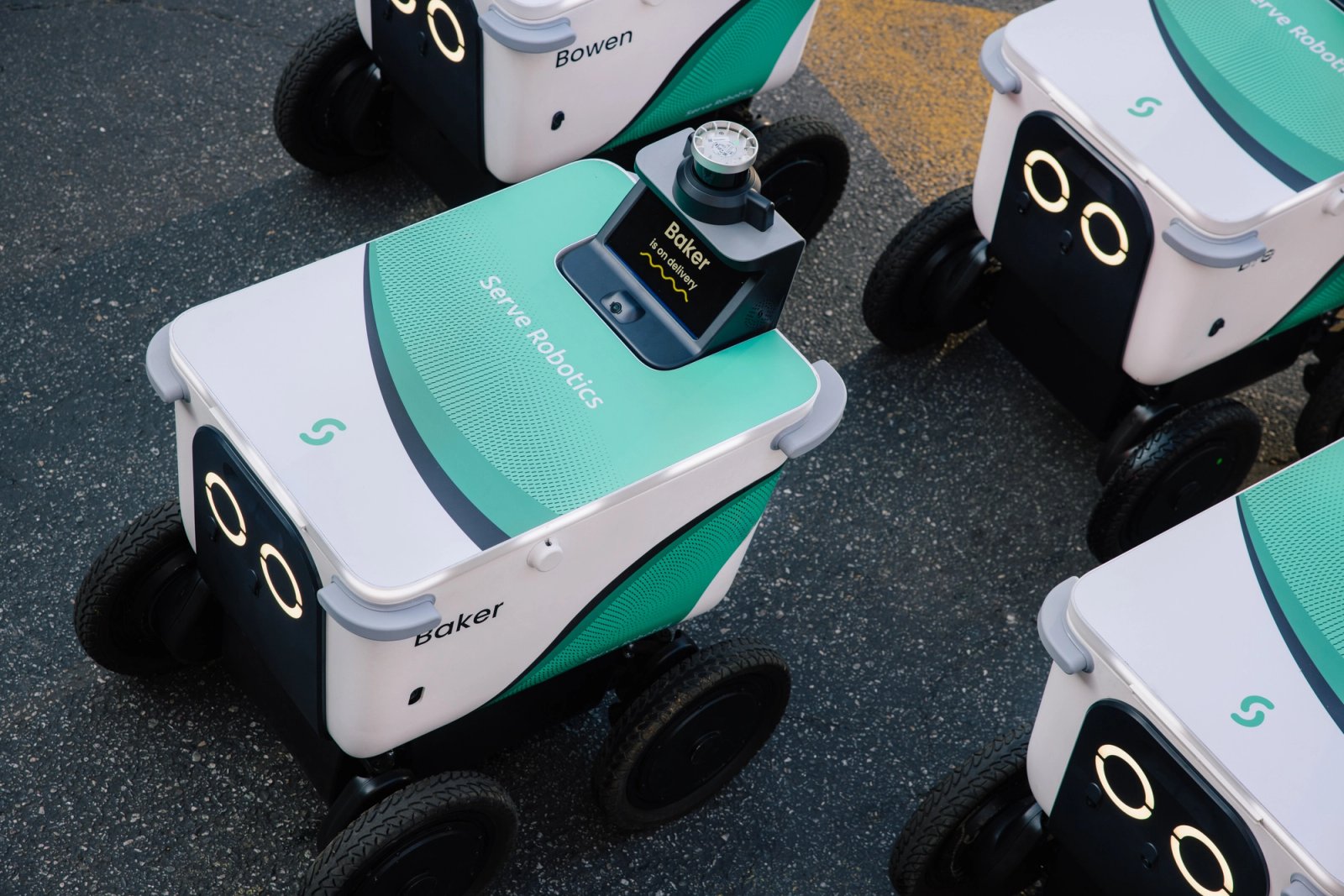
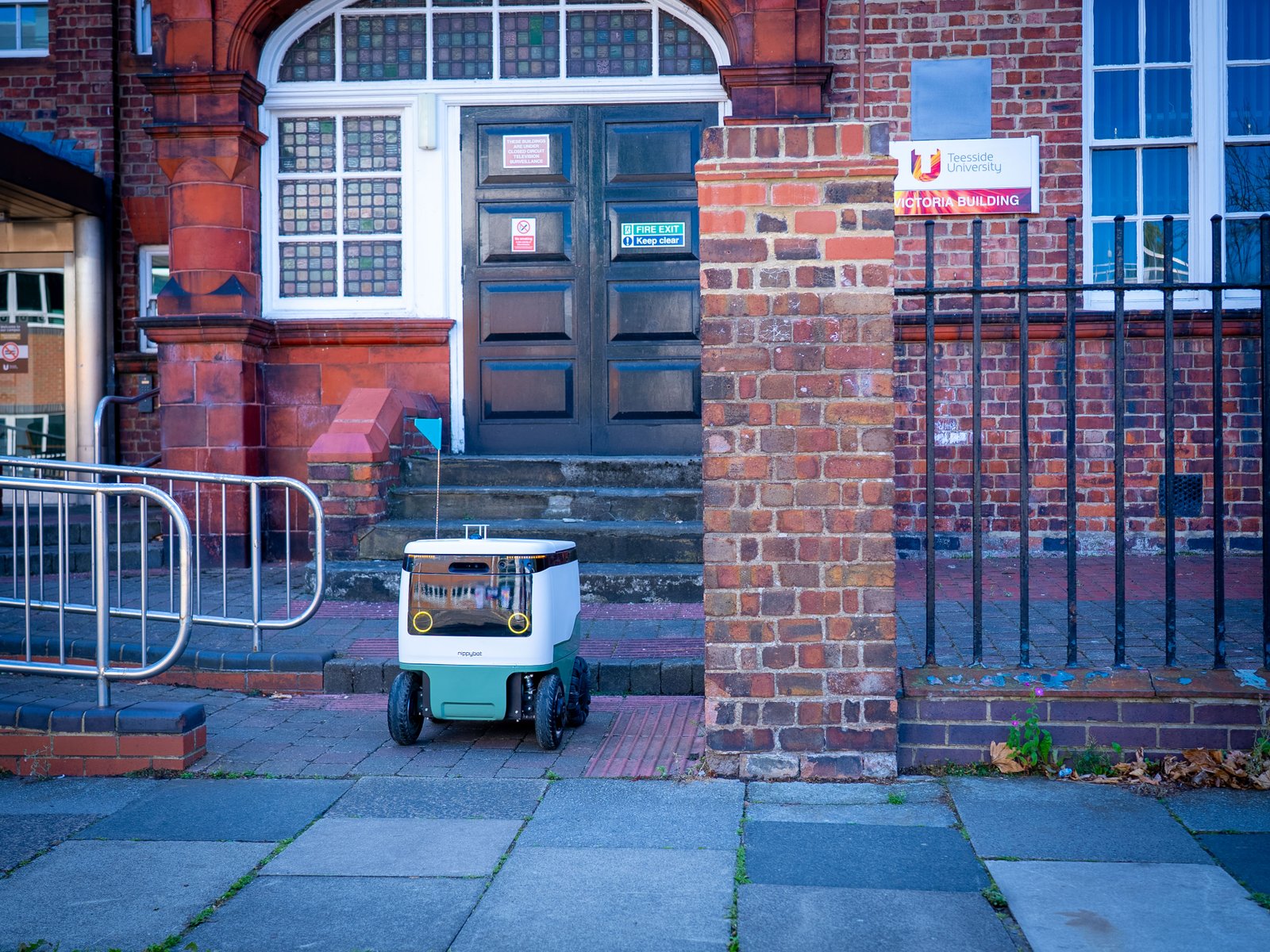
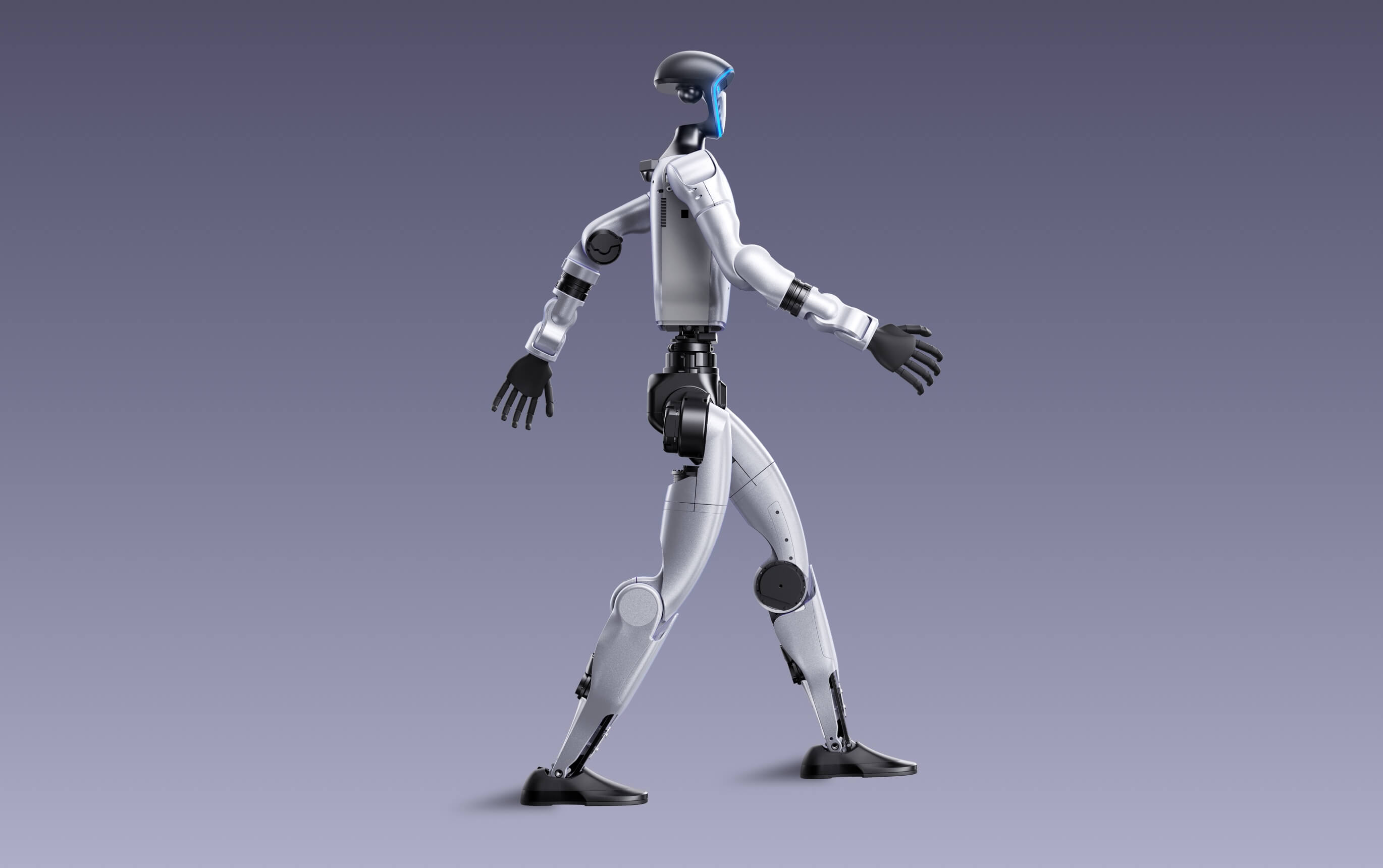
Natick-based Cognex, listed on Nasdaq under CGNX, supplies vision sensors and systems used to identify, inspect and measure products in factories and distribution operations. Cupertino-based RealSense began inside Intel in 2014 and became independent in 2025. Its depth cameras, embedded software and developer tools give fixed robot arms, autonomous mobile robots, quadrupeds and humanoids information about distance, shape and movement.
A Camera Deal Redraws the Factory-Vision Boundary
The strategic tension is straightforward. Cognex built its reputation helping machines inspect work after a part reaches a station. RealSense helps a robot understand the space around it before and while the machine acts. One business is strongest at measurement and identification; the other extends vision into perception, motion and task execution. Cognex is paying to own more of that chain.
That does not turn an inspection-camera supplier into a complete robot company overnight. Cognex is not buying actuators, mobile bases or humanoid bodies. It is buying the sensing and software layer that can tell those machines where an object is, how far away it sits and whether a movement remains consistent with the scene. For a robot builder, that layer determines whether a mechanically capable system can work outside a carefully fixed setup.
The distinction matters because conventional machine vision and robotic perception solve related but different operating problems. A fixed inspection system usually sees a controlled field of view, known lighting and a repeatable presentation. A mobile robot or flexible arm encounters changing angles, partial occlusion, people, carts and objects that arrive in the wrong orientation. Depth data and on-device algorithms turn a flat image into a spatial estimate that a control system can use.
In plain terms, a factory camera can check whether a label is present. A perception system must help a robot find the package, judge its position, approach it and update that judgment as the package or robot moves. The acquisition thesis is that buyers increasingly need both functions in one visual-intelligence stack rather than separate suppliers that meet only at the integration stage.
That is why this transaction belongs beside other efforts to assemble broader robotics platforms through acquisition, such as NEURA Robotics’ purchase of ADLATUS to combine mobile and service-robot capabilities. The assets differ, but the commercial logic is similar. A supplier can wait for integrators to connect separate products, or it can own more of the interfaces where deployments usually slow down.
US$500 Million Is Only the Headline Number
The Form 8-K sets the cash purchase price at US$500 million, subject to customary adjustments, funded from Cognex’s existing cash and investments. That is the amount attached to the acquisition itself. It is not the full disclosed cost of keeping the acquired technical team in place after closing.
Cognex intends to grant RealSense employees restricted stock units with an economic value of US$45 million to US$55 million, depending on Cognex’s share price at the grant date. The awards are expected to vest over three years, with approximately 20% on the first anniversary, 30% on the second and 50% on the third. The company also expects up to US$69 million in cash retention payments over three years, including as much as US$25 million tied to performance modifiers.
At the upper ends of those disclosed ranges, the employee package could add US$124 million of cash and equity awards beyond the purchase price. That figure should not be confused with consideration paid to RealSense’s owners. The awards depend on continued employment, vesting and, for part of the cash pool, performance. Their purpose is to reduce the risk that the people who understand the cameras, algorithms, custom silicon and software development kit walk out after the ownership change.
The release presents target values of US$56.5 million for the cash-retention program and approximately US$50 million for restricted stock units. The filing provides the wider maximum ranges. Procurement and strategy teams should keep both sets of numbers straight: the release describes an expected target case, while the regulatory filing shows how large the retention envelope could become under its stated conditions.
Cognex expects RealSense to generate US$80 million to US$90 million of revenue in 2026, more than 50% above the prior year. Dividing the US$500 million headline price by that expected sales range produces a simple comparison of roughly 5.6 to 6.25 times expected 2026 revenue. It is not an enterprise-value multiple because the public materials do not provide a complete target balance sheet, and it is not a conclusion about whether Cognex shares are cheap or expensive.
RealSense Brings a Developer Base, Not Just Depth Cameras
The investor presentation says RealSense has shipped more than one million units, supports 20,000 active developers and has recorded more than 1.2 million downloads. Those are company-provided figures, but they explain why Cognex chose to buy rather than start with a new depth-camera program. Hardware can be engineered. A developer community, installed base and body of software integrations take longer to reproduce.
RealSense’s value sits across several layers. The cameras use proprietary imaging technology and custom application-specific integrated circuits. Embedded algorithms calculate depth on the device. Software tools let developers connect the output to robot operating systems, simulation platforms and application code. The result is a component that can appear inside a mobile robot, mounted over a work cell or integrated into a humanoid without forcing every customer to invent the perception pipeline from zero.
This is also why the deal is about more than camera revenue. Physical AI spending often accumulates in the enabling layers around the robot, including sensors, compute, simulation, data and integration. That pattern is central to why large physical-AI forecasts do not translate directly into robot-unit sales. Cognex is buying exposure to one of those enabling layers, where a single perception platform can serve several robot forms.
For Cognex customers, the proposed combination could reduce supplier boundaries between industrial identification, two-dimensional inspection, three-dimensional measurement and robot perception. That may simplify technical support and channel access. It may also create a stronger proprietary stack, making software compatibility, product road maps and long-term component availability more important during vendor selection.
Buyers should therefore ask practical questions before treating the acquisition as a guaranteed integration benefit. Will RealSense maintain its current software development kit interfaces and platform support? How will Cognex separate industrial road-map priorities from RealSense’s broader developer community? Will existing distributors and original-equipment manufacturers receive the same commercial terms? Which cameras, algorithms and patents move to Cognex at closing, and which functions remain with the spun-out company?
The Product Cognex Is Not Buying Matters
RealSense is expected to separate its Facial Authentication product line into an independent business before the transaction closes. That carve-out is not a footnote. It defines what Cognex is trying to own: robot and industrial perception, not a mixed portfolio that also carries biometric identity products and their different privacy, regulatory and consumer-market obligations.
The separation can make the industrial thesis cleaner, but it adds execution work before closing. Products, employees, intellectual property, contracts and support responsibilities must be allocated between the acquired business and the new independent company. The public announcement says the spinout will include the functions needed to continue the biometric business, yet it does not provide the detailed separation map.
Customers should watch for ambiguity at the boundary. Some sensing hardware, software tools or shared engineering functions may have supported both product families. A procurement team does not need confidential deal documents, but it does need a clear post-close answer about which company owns the relevant code, security updates, warranties and service obligations. A clean logo split does not guarantee a clean technical handoff.
The same discipline applies to the transaction’s status. Cognex has signed a definitive agreement, but it has not completed the acquisition. The expected fourth-quarter close remains subject to customary conditions, and the filing warns that the deal could be delayed or fail to close. RealSense revenue is not Cognex revenue until ownership transfers and accounting treatment begins.
The Next Proof Point Is Integration, Not Market Size
Cognex estimates that robotic perception is a US$600 million market today and could reach approximately US$1.6 billion by 2030, growing more than 25% a year. Those figures are management estimates based on market research, not independently established market totals. They explain the buyer’s ambition, but they do not prove that Cognex will capture the projected growth.
The harder evidence will arrive after closing. Cognex will need to retain key engineers, keep RealSense’s developer ecosystem active, preserve product availability and show that its sales organization can place the technology into factory and logistics accounts. It will also have to demonstrate that combining inspection and perception reduces deployment effort rather than creating another layer of proprietary coordination.
For automation buyers, the deal is a signal that machine vision is moving closer to the robot’s decision loop. Suppliers that once sold cameras for quality control increasingly want to own the spatial understanding that guides machines through variable work. The acquisition makes that shift visible, but its success will be measured in supported integrations, dependable road maps and operating deployments, not in a market forecast.
The next specific milestone is the expected fourth-quarter close and the accompanying separation of Facial Authentication. Until both occur, Cognex has agreed to buy a robotic-perception platform; it has not yet shown that the platform, its developers and its industrial channel can operate as one business.
This account synthesizes Cognex’s public company release, investor presentation and Form 8-K regarding the RealSense acquisition agreement announced September 22, 2026. It is for general information purposes only and does not constitute investment, financial, or legal advice.
Hero image credit: Cognex Corporation / RealSense.