NEURA Robotics Acquires ADLATUS to Build a Unified Mobile Robot Platform
NEURA Robotics bought German cleaning-robot maker ADLATUS outright, its third mobile-robotics acquisition in under a year, as it builds a single AI platform spanning AGVs, warehouse shuttles, and cleaning robots.


A Third Acquisition in Eleven Months Signals a Deliberate Roll-Up
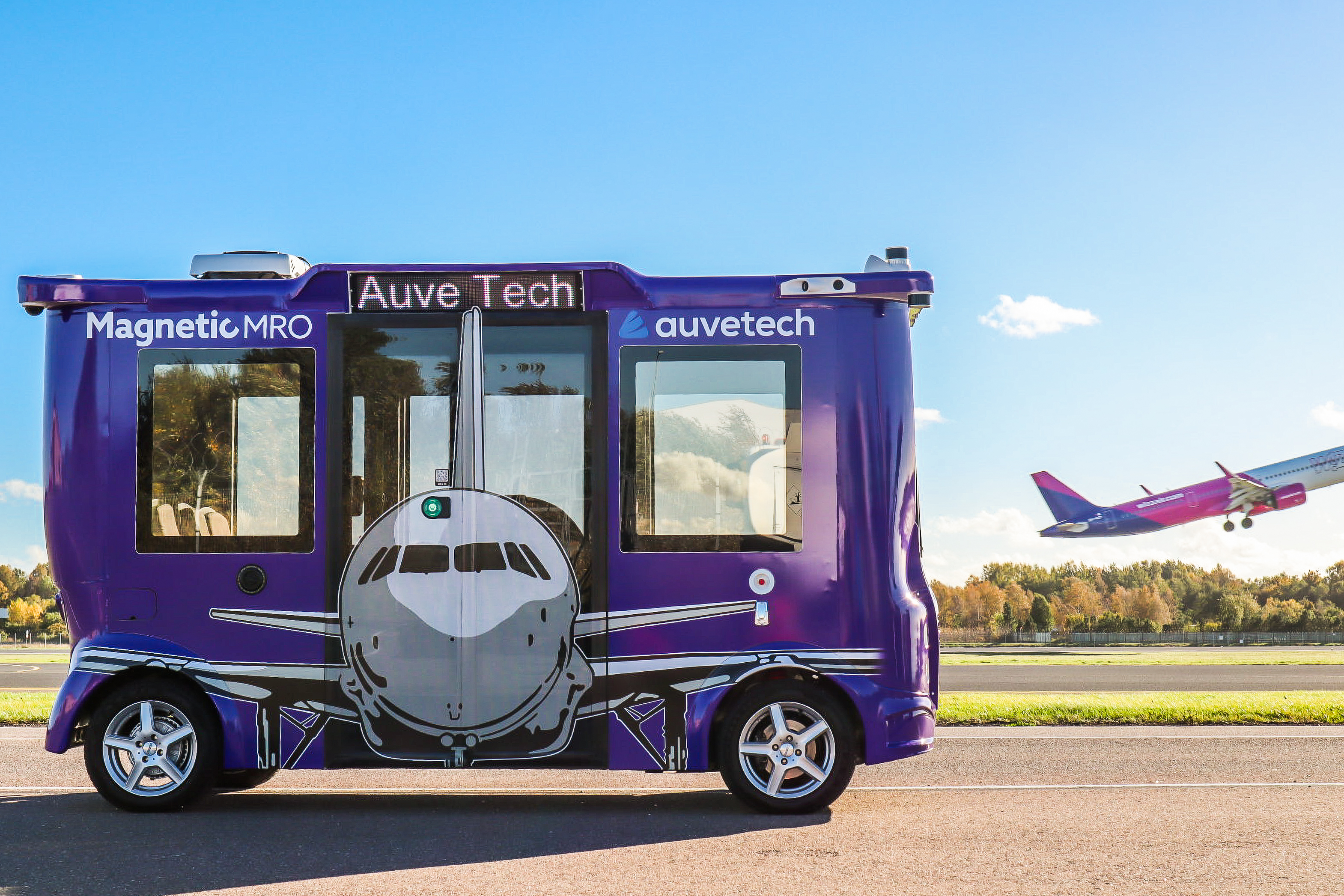
NEURA Robotics has bought ADLATUS Robotics outright, converting an eleven-month-old technology partnership into full ownership of the Ulm-based cleaning-robot maker and adding a third company to a mobile-robotics buying spree it began less than a year ago. The Metzingen, Germany-based Physical AI company announced Monday that its NEURA Mobile Robots GmbH subsidiary now holds 100 percent of ADLATUS, whose CR700 series scrubbers and SR1300 autonomous sweeper sell into industrial, logistics, retail, and public-facility cleaning contracts across Europe. Financial terms were not disclosed.
ADLATUS is not a household name outside facility-services circles. Founded in Ulm as a specialist cleaning-robotics manufacturer, the company built its business supplying autonomous floor-scrubbing and sweeping machines to contract cleaners and large-format retail and logistics operators, the kind of unglamorous, recurring-revenue robotics work that rarely makes a trade-show keynote but keeps a fleet of machines running seven days a week. NEURA and ADLATUS first went public with a "strategic partnership" in September 2025 at the CMS trade fair in Berlin, positioning it as a technology-sharing arrangement rather than an ownership change. Eleven months later, that arrangement has become an acquisition, a pattern that is becoming familiar for anyone tracking NEURA's recent filings: the company bought logistics and forklift-automation specialist ek robotics in October 2025, then acquired Bosch Rexroth's ACTIVE Shuttle warehouse-shuttle business on August 13 this year, and has now added ADLATUS three weeks later.
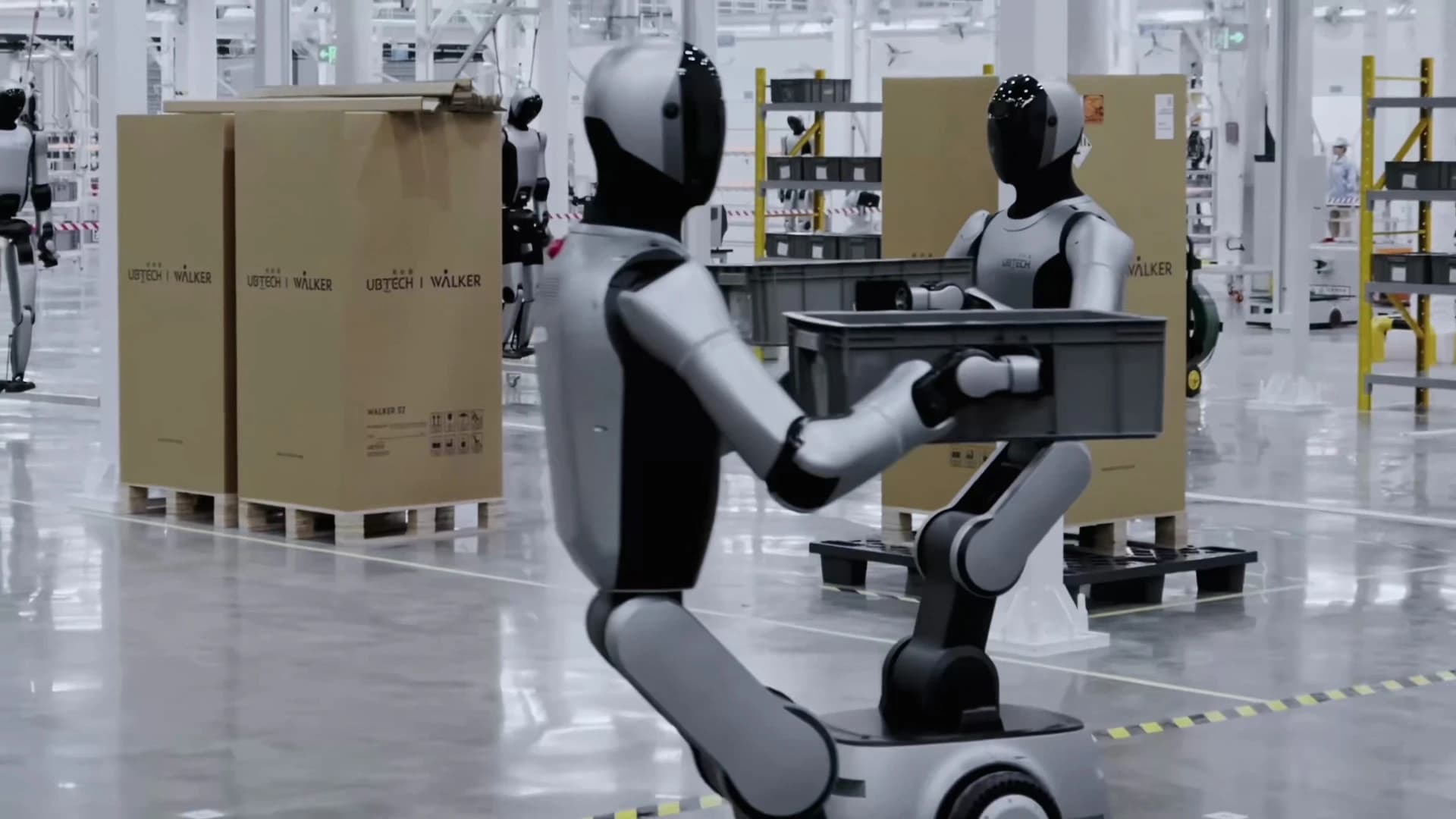
NEURA itself is better known outside facility-services circles for its cognitive and humanoid robots, the 4NE-1 platform and the household-oriented MiPA assistant, which the company has positioned as flagship demonstrations of what it calls Physical AI, artificial intelligence systems designed to perceive, reason about, and act in physical space rather than only process text or images. The ADLATUS deal is a reminder that NEURA's actual near-term revenue is unlikely to come from humanoids at all. Cleaning robots, forklift automation, and warehouse shuttles are mature, well-understood product categories with established buyers, recurring service contracts, and predictable unit economics, a far more reliable revenue base for a company still funding humanoid research than waiting for bipedal robots to reach commercial scale.
What NEURA Is Actually Assembling
The connecting thread across all three deals is not product category but control software. NEURA describes its ambition as building a "mobile robot product matrix" spanning industrial AGVs and AMRs, internal logistics shuttles, autonomous transport, and now professional cleaning robots, all folded into its Neuraverse platform so that machines of different physical form share a common perception, decision-making, and control layer. In practical terms, that means a warehouse shuttle acquired from Bosch Rexroth, a forklift-automation stack from ek robotics, and a cleaning robot from ADLATUS are meant to eventually run on the same underlying software architecture rather than three separate vendor stacks bolted together after the fact. NEURA has framed this as giving machines "a new brain," letting a cleaning robot recognize a spilled liquid on a warehouse floor and a logistics shuttle recognize an obstacle in an aisle using the same underlying reasoning system rather than category-specific software written by each original manufacturer.
That is a meaningfully different strategy from how most facility operators currently buy mobile robots. A typical logistics or manufacturing site today runs cleaning robots from one vendor, pallet-moving AMRs from a second, and forklift automation from a third, each with its own fleet-management dashboard, its own service contract, and its own software update cycle that has to be coordinated separately with IT and safety teams. NEURA's bet is that a buyer would rather sign one vendor relationship covering multiple robot categories, provided the underlying software is genuinely unified rather than merely rebadged. Whether that bet pays off depends less on the acquisitions themselves than on how quickly NEURA can actually harmonize three separately engineered codebases, since a "unified platform" that is unified in marketing language only creates the same multi-vendor integration burden it claims to solve, just under a single invoice.
The Procurement Case for Watching, Not Committing Yet
For a facilities or operations manager currently running ADLATUS scrubbers or evaluating them against competitors like Brain Corp-powered machines, Gaussian Robotics, or Avidbots, the acquisition changes the calculus in two concrete ways. First, service and support now route through a considerably larger, better-capitalized parent company rather than a single-product Ulm startup, which typically improves long-term spare-parts availability and reduces the risk of a supplier disappearing mid-contract, a real concern in a cleaning-robotics category that has seen multiple smaller vendors exit the market over the past two years as venture funding tightened. Second, and less certain, existing ADLATUS customers may eventually be pushed toward a software migration onto the Neuraverse platform, which is not yet proven at scale across a heterogeneous robot fleet and could introduce short-term disruption even as it promises long-term integration benefits.
A buyer currently in a purchasing cycle for cleaning robots should treat this as a reason to ask sharper questions rather than a reason to wait. The relevant questions are whether NEURA plans to keep selling ADLATUS hardware under its existing brand and pricing or fold it into a broader bundled offering, what the migration timeline to a shared software stack looks like and whether it is optional, and how NEURA intends to price a multi-category robot fleet relative to buying each category from a specialist vendor. None of those answers are available from Monday's announcement, and a procurement team that signs a multi-year service contract before getting them is accepting integration risk that the acquisition has not yet resolved, only promised to resolve.
Industrial automation has a long, mixed record on exactly this kind of roll-up. When a larger platform company buys several smaller specialists and promises a unified software layer, the outcome tends to split into two patterns. In the successful cases, the acquirer keeps each product line's engineering team largely intact, ships a genuinely shared fleet-management interface within twelve to eighteen months, and uses its larger balance sheet to keep spare parts and firmware support flowing through the transition. In the less successful cases, the acquired teams are absorbed into the parent's existing structure, key engineers leave within the first year, and the promised unified platform slips repeatedly while the acquired product line quietly stops receiving meaningful updates. A buyer cannot know in August 2026 which pattern NEURA will follow. The signal to watch is whether ADLATUS's Ulm engineering team stays in place through the transition or is folded into NEURA's existing mobile-robotics staff in Metzingen, since that decision is usually visible within the first two or three quarters and correlates closely with which outcome a given acquisition produces.
Reading the Roll-Up Against the Rest of the Market
The wider signal for the mobile-robotics industry is that vertical specialization, one company doing cleaning robots very well, another doing AGVs very well, is starting to look less durable as a standalone business model than it did two years ago. NEURA is not the only company making this bet: warehouse-automation platforms and logistics robotics vendors elsewhere have pursued similar category-spanning acquisitions, betting that the software layer, not the mechanical hardware, is where the durable competitive advantage sits once basic navigation and obstacle avoidance become table stakes across the industry. If that thesis is right, smaller single-category robotics companies without a large parent to fold into face a choice between finding an acquirer on favorable terms, as ADLATUS appears to have done after a year-long partnership rather than a distressed sale, or competing against increasingly well-funded, multi-category platforms with wider service networks and deeper cash reserves.
That dynamic cuts both ways for buyers. Consolidation among suppliers can mean fewer viable specialist vendors to choose from over time, concentrating negotiating leverage with a handful of platform companies. It can also mean the surviving vendors have the balance sheet to sustain research and development, warranty support, and firmware updates through an economic downturn in a way an undercapitalized single-product startup often cannot. For a European buyer specifically, NEURA's growing German manufacturing and support footprint, now spanning humanoid and cognitive robots, logistics shuttles, and cleaning machines, also reduces the cross-border service and import friction that comes with sourcing each robot category from a different country's supplier base, a nontrivial consideration given the compliance and cybersecurity certification burden that has become a competitive differentiator across the European robotics market this year.
What happens over the next two quarters will tell buyers whether this is genuine platform integration or acquisition-driven revenue stacking with the harder software work deferred. NEURA has now closed three mobile-robotics acquisitions in under a year, and the company's next disclosure worth watching is not another deal announcement but evidence that a customer running, say, an ek robotics forklift and an ADLATUS scrubber on the same site can actually manage both from a single Neuraverse dashboard rather than two systems that happen to share a corporate parent.
Disclaimer: This article is for general information purposes only and does not constitute investment, legal, or procurement advice. Readers should verify details with primary sources before making business decisions.