Kawasaki Secures $1.2B for Physical AI and Hydrogen R&D
Kawasaki Heavy Industries (KHI) has finalized a ¥193.7 billion ($1.2 billion) capital raise to aggressively expand its production capacity and research footprint. Rather than a general corporate cash infusion, the July 2 board resolution specifically targets two critical global bottlenecks: semiconductor manufacturing robotics and the liquefied hydrogen supply chain, backed by deep investments in physical AI. By utilizing a mix of overseas equity and the world's first Climate Transition Bond, Kawasaki is leveraging ESG capital to secure its position against global robotics competitors and ensure supply chain dominance in the next decade of industrial automation.
How is Kawasaki funding its physical AI and hydrogen expansion?
Kawasaki Heavy Industries is raising ¥193.7 billion ($1.2 billion) through two distinct instruments. It will issue 37.35 million new shares exclusively to overseas investors to net ¥92.7 billion for production capacity, including semiconductor robotics. Concurrently, it is issuing ¥101 billion in zero-coupon Euro-yen convertible bonds, maturing in 2031 and 2033, to fund physical AI research and hydrogen infrastructure.
The Event: A Highly Structured Capital Raise
On July 2, 2026, the board of directors at Kawasaki Heavy Industries passed a resolution to raise approximately ¥193.7 billion ($1.2 billion). The mechanics of this raise are deliberate and bifurcated, designed to fund immediate hardware capacity while securing long-term research capital.
The first tranche consists of an overseas public offering of 37.35 million new shares, which is expected to net ¥92.7 billion. This capital is strictly allocated to expanding physical production capacity. The designated beneficiaries include aircraft engines, gas turbines, liquefied hydrogen carriers, and, crucially for the automation sector, robots utilized within semiconductor manufacturing equipment.
The second tranche involves the issuance of zero-coupon Euro-yen convertible bonds maturing in 2031 and 2033, totaling ¥101 billion. These funds are ring-fenced for developing the liquefied hydrogen supply chain and advancing research and development in physical AI. The 2033 convertible bond carries significant structural weight: it is recognized as the world's first convertible bond to comply with Climate Transition Bond Guidelines. This dual-tranche approach, following a July 1 estimate by Reuters that the company confirmed the next day, demonstrates a highly targeted strategy to attract international capital focused on both clean energy and advanced automation.
Capital Deployment to Semiconductor Robotics and Physical AI
The allocation of the equity raise toward semiconductor manufacturing robotics is a direct response to global supply chain pressures. Semiconductor fabrication plants (fabs) require highly specialized, ultra-clean robotic handlers for wafer transport. The bill of materials (BOM) for these robots is exceptionally high due to the stringent particulate requirements and the need for absolute precision in vacuum environments. By expanding capacity here, Kawasaki is positioning itself to capture a larger share of the booming fab construction market, driven by global initiatives like the US CHIPS Act and similar European programs.
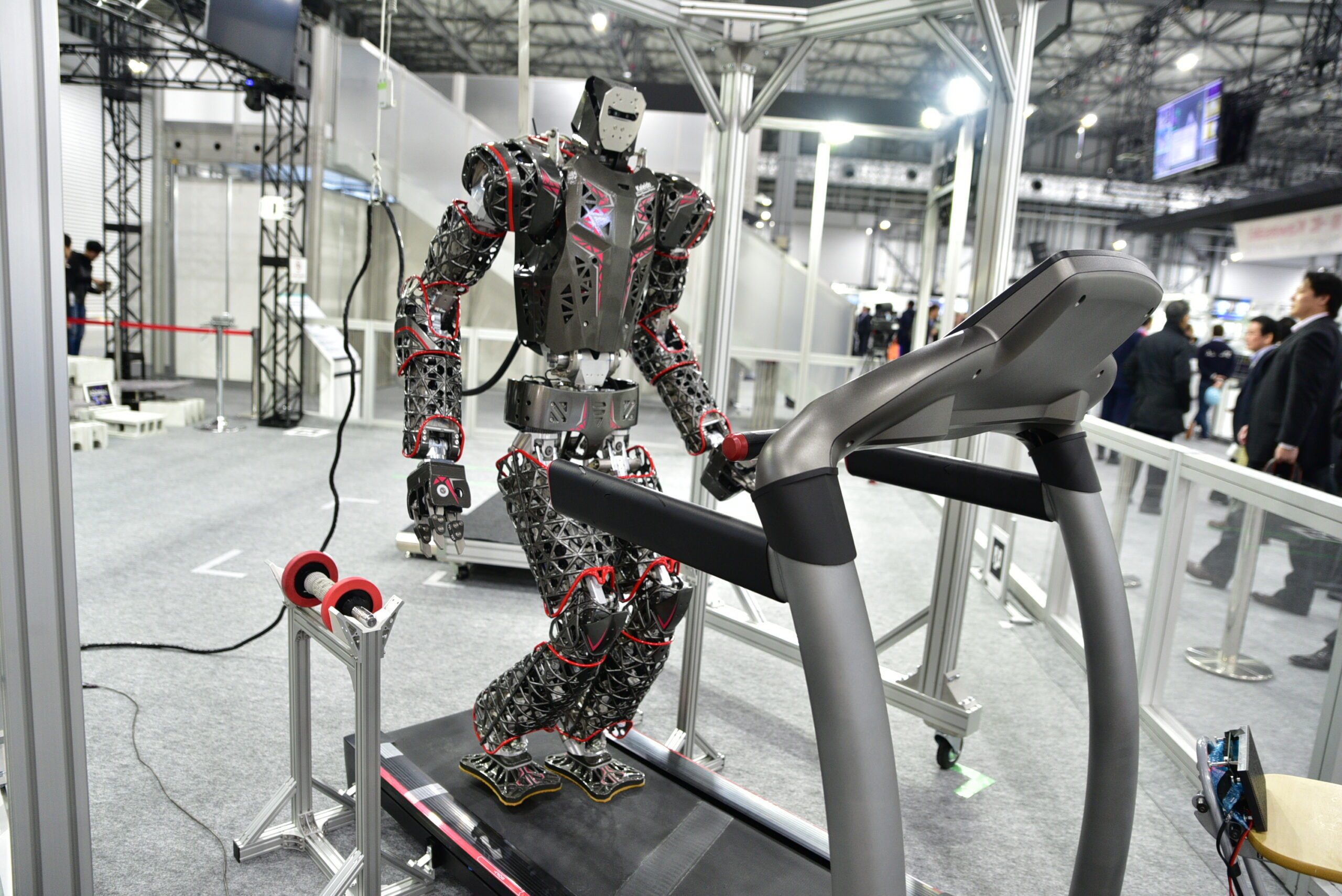
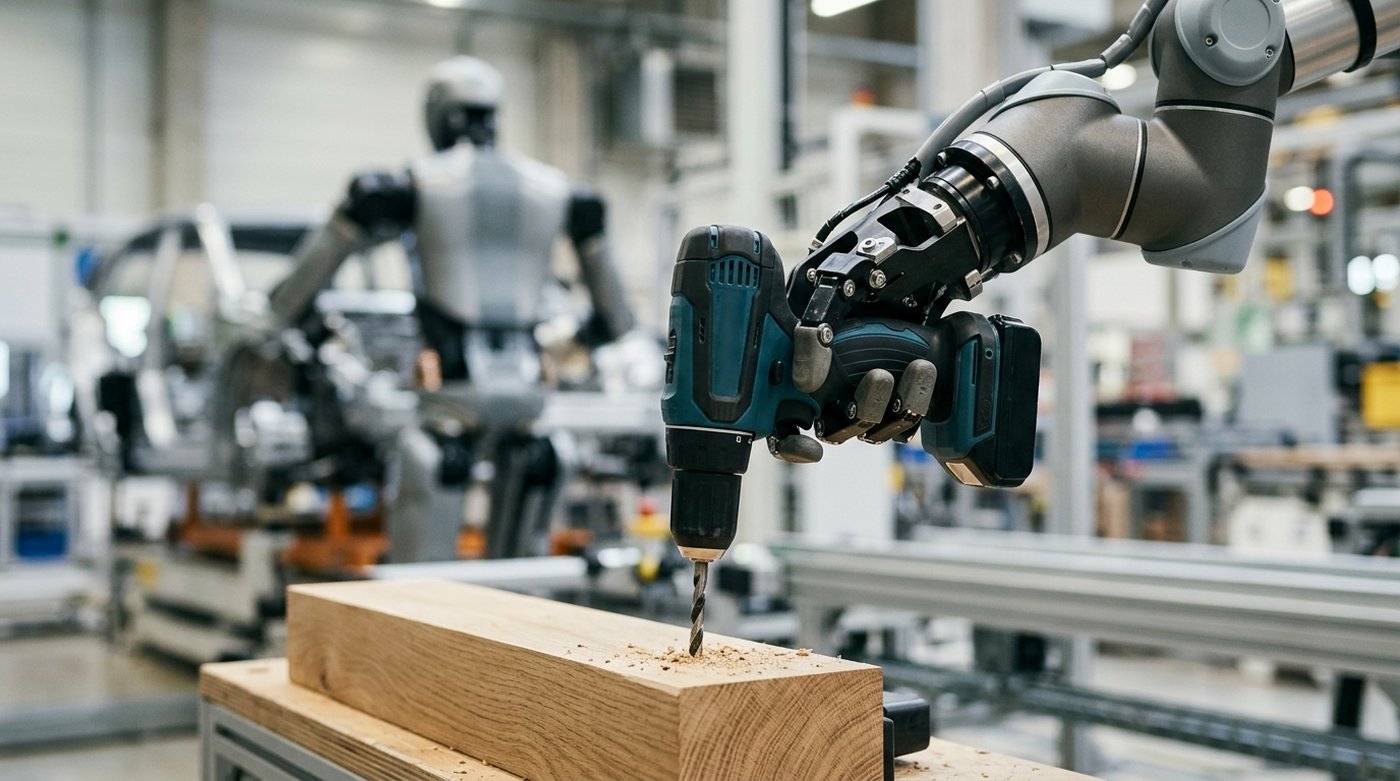
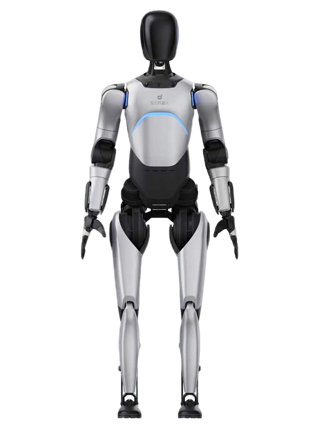
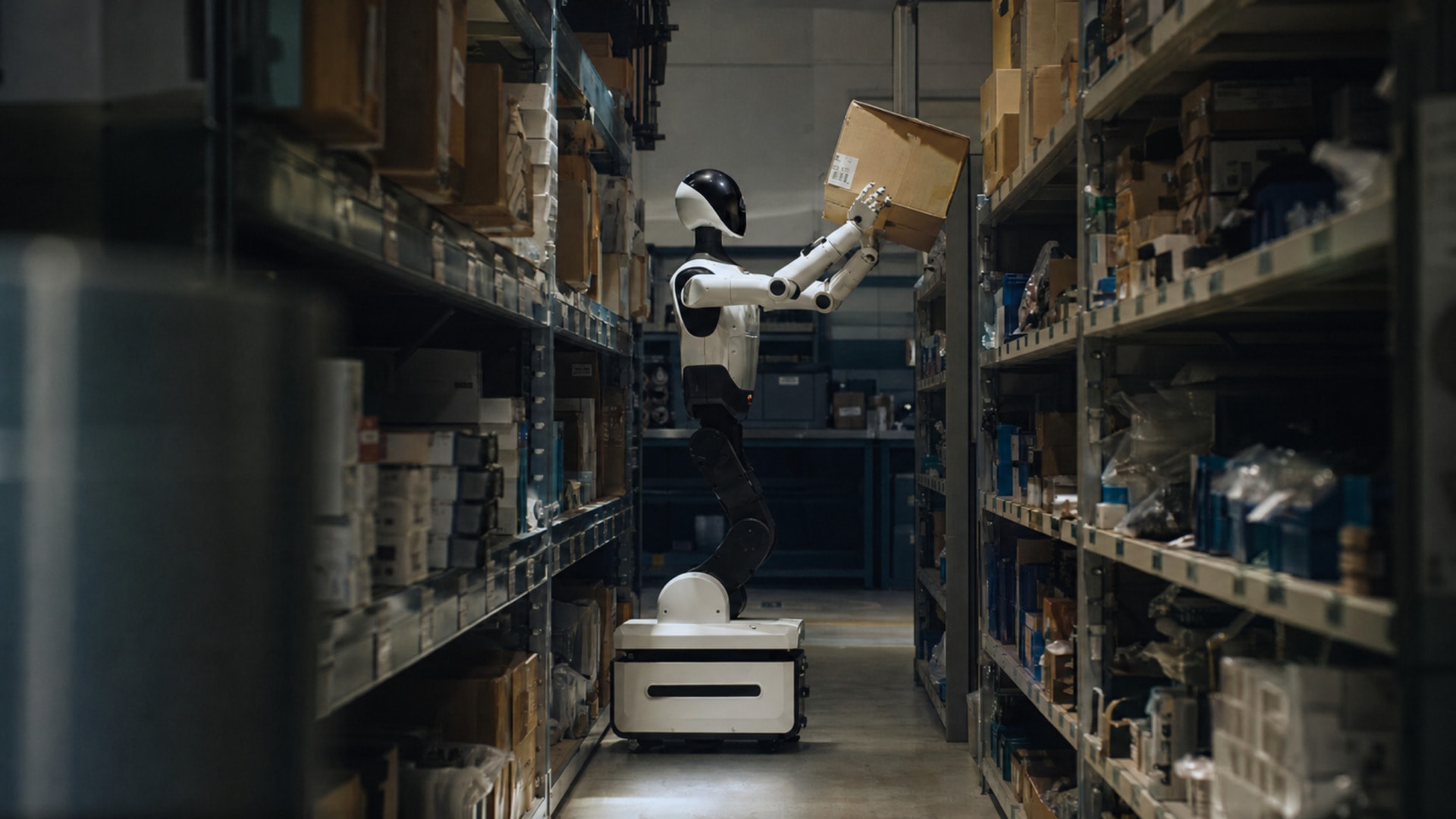
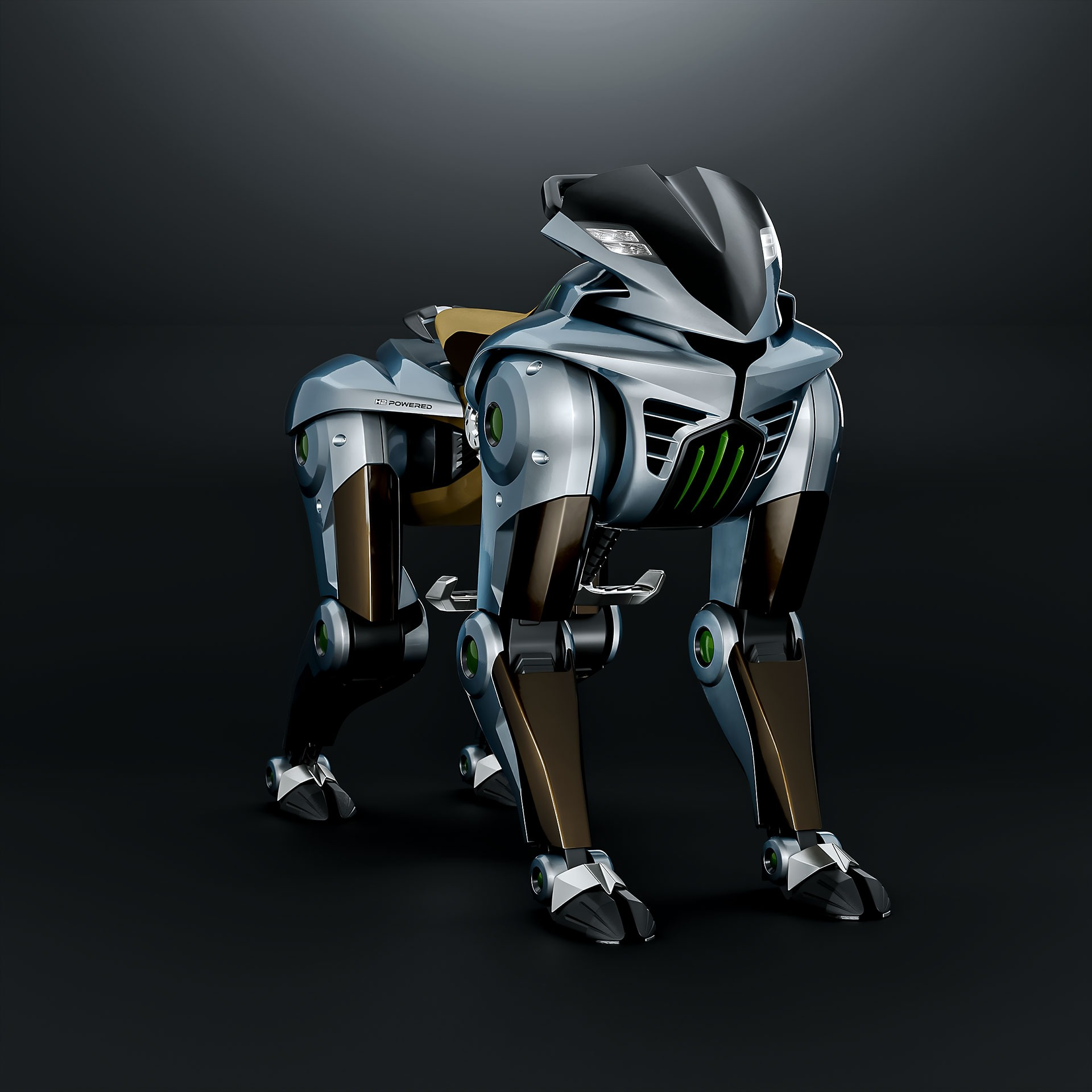
Simultaneously, the bond-funded push into physical AI represents a shift from legacy industrial programming to adaptive, autonomous systems. Kawasaki's recent unveiling of the Corleo, a four legged rideable robotic platform, serves as a public demonstration of their baseline capabilities in dynamic balance and locomotion. However, the ¥101 billion allocation suggests ambitions far beyond demonstration platforms. Physical AI implies the development of foundation models capable of governing industrial arms, mobile manipulators, and potentially humanoid systems that can operate in unstructured environments, such as construction sites or disaster recovery zones.
Competitor Positioning and Market Integration
Within the global robotics market, Kawasaki's $1.2 billion move places it in direct contention with other Tier 1 legacy manufacturers who are also pivoting hard into AI. FANUC and Yaskawa Electric, Kawasaki's primary domestic rivals, have historically dominated the traditional industrial arm market. FANUC relies heavily on its massive installed base and proprietary closed-loop software, while Yaskawa has focused on mechatronics precision.
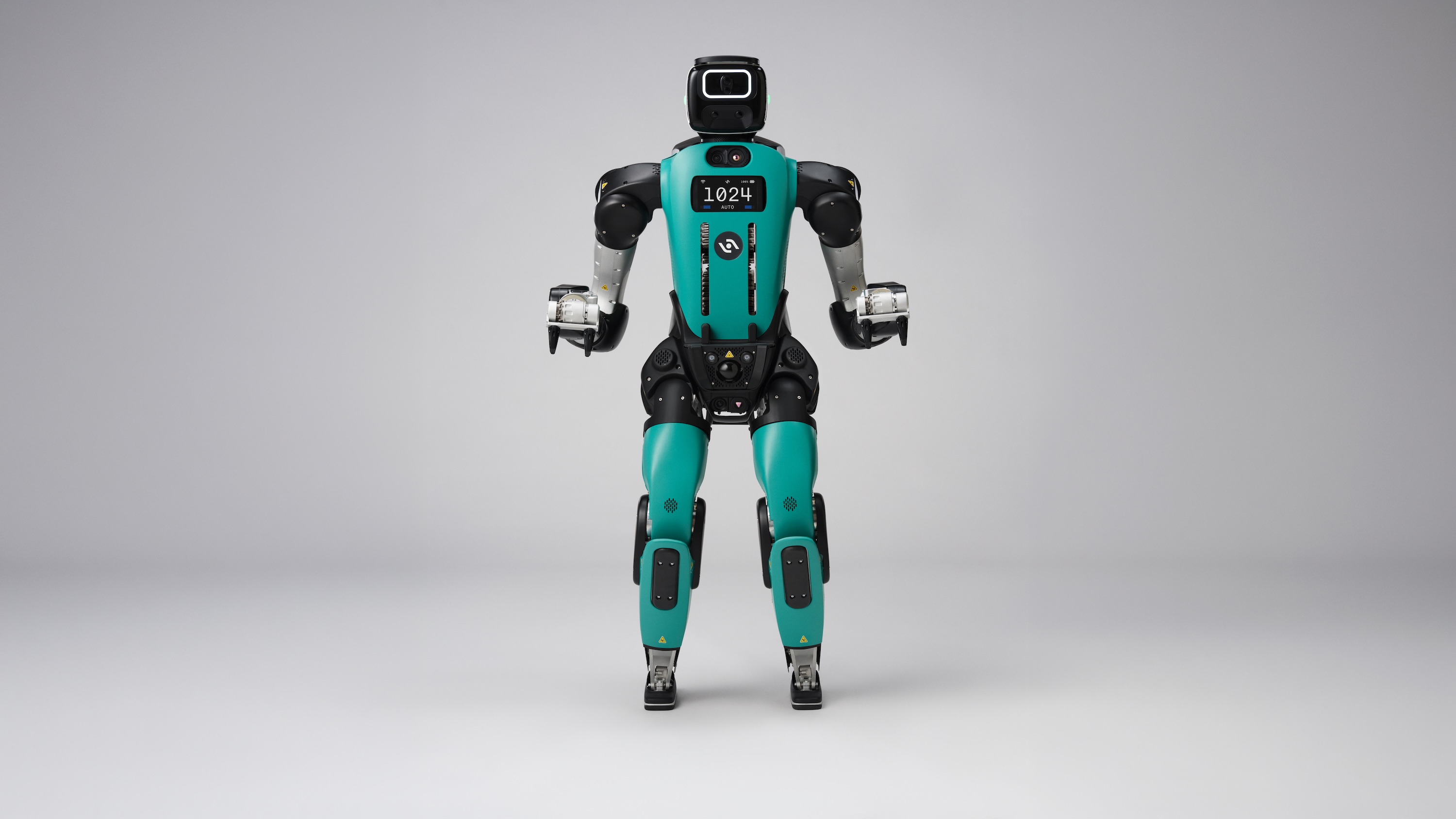
Kawasaki is attempting to outflank these competitors by aggressively integrating physical AI at the edge. If Kawasaki can successfully deploy AI models that allow their robots to learn tasks through demonstration rather than hard-coded waypoints, they will significantly lower the deployment friction for end-users. Globally, this capital raise also serves as a defensive moat against aggressive Western and Chinese startups such as Figure AI, Agility Robotics, and Unitree, all of whom are attempting to enter the industrial space from a software-first perspective. Kawasaki is betting that its decades of hardware reliability, combined with a newly funded AI brain, will appeal to conservative industrial buyers who demand 99.9% uptime.
Pricing Context and Deployment Economics
The pricing dynamics in the semiconductor robotics sector are unforgiving. A single specialized wafer-handling robot can cost between $80,000 and $150,000, depending on the payload and vacuum rating. For a modern fab, which may require hundreds of these units, the capital expenditure is immense. Kawasaki's capacity expansion is likely aimed at achieving economies of scale to defend its margins while remaining competitive against specialized vendors like Brooks Automation.
From a deployment economics perspective, the ROI timeline for these systems is calculated not just in labor substitution, but in yield protection. A dropped or contaminated silicon wafer can cost a manufacturer tens of thousands of dollars. Therefore, the physical AI investments are likely targeted at improving the adaptive handling capabilities of these robots, reducing error rates, and minimizing downtime. For general industrial applications, Kawasaki must prove that its AI-enabled robots can reduce the integration time, typically a massive hidden cost in robotics deployments, from weeks to days, thereby accelerating the payback period for mid-sized manufacturers.
Technological Bottlenecks
Despite the massive capital influx, Kawasaki faces severe technological bottlenecks. Scaling physical AI requires massive amounts of high-quality, real-world teleoperation and simulation data. Unlike software AI, which can scrape the internet, physical AI requires robots to actually interact with objects to learn the physics of friction, weight distribution, and material deformation. Kawasaki must build out the data collection infrastructure to train these models, a process that cannot be entirely solved simply by throwing money at it. Furthermore, integrating these advanced AI models into legacy industrial hardware architectures without compromising safety certifications or real-time determinism remains a formidable engineering challenge.
Strategic Implications
For procurement teams and supply chain managers in the semiconductor and heavy manufacturing sectors, Kawasaki's expanded production capacity is a strong positive signal. Buyers should anticipate shorter lead times for critical robotic components over the next 24 to 36 months as the new capacity comes online.
However, the shift toward physical AI requires a change in procurement strategy. Buyers must begin evaluating Kawasaki's future platforms not just on mechanical specifications like payload and reach, but on their software architecture, update frequency, and data security policies. Integrating AI-driven hardware into a factory floor demands a robust IT infrastructure and a clear understanding of how the robot's models will be trained and updated without disrupting ongoing operations.
The Industry Reality
Some critics argue that heavy industry conglomerates are too slow and bureaucratic to innovate in fast-moving fields like artificial intelligence, suggesting that nimble startups will win the physical AI race. However, Kawasaki's specific allocation of funds toward physical AI R&D, backed by the sheer scale of a ¥101 billion convertible bond, proves they possess the capital to acquire top-tier talent and build the necessary compute infrastructure. Startups may have the software edge today, but they lack Kawasaki's decades of experience in building hardware that survives for twenty years on a grimy factory floor. The race will be decided by who can merge software and hardware most effectively at scale.
Strategic Perspective
"Securing $1.2 billion through climate transition bonds and overseas equity demonstrates that global capital markets are eager to fund the intersection of physical AI and sustainable energy infrastructure. Legacy manufacturers who fail to capitalize on this ESG-aligned funding mechanism will quickly find themselves outspent in the R&D arms race."
Sources:
1. Kawasaki Heavy Industries Official Resolution
2. Reuters Report (July 1, 2026)
3. Nikkei (Corleo context)
4. Image: Kawasaki Heavy Industries
Disclaimer: This article is for informational purposes only and does not constitute financial, investment, or legal advice. Market conditions and product specifications are subject to change.