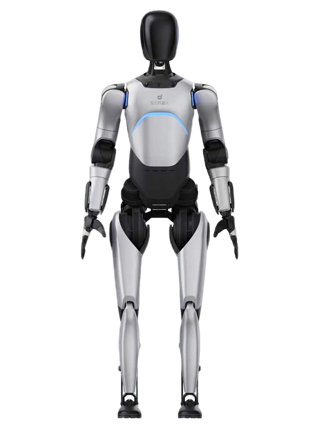
Kawasaki Heavy Industries to Raise $1.23 Billion for Physical AI and Robotics
Kawasaki Heavy Industries plans to raise roughly 200 billion yen, about $1.23 billion, through new shares and convertible bonds to fund physical artificial intelligence, mobility robots, and data center energy.
Japan's heavy industry incumbents are not ceding the physical artificial intelligence (AI) opportunity to startups. Kawasaki Heavy Industries plans to raise roughly 200 billion yen, about $1.23 billion, through a combination of new shares and convertible bonds, with physical AI and robotics named as the primary destinations for the capital.
The plan, reported by Nikkei, positions one of Japan's largest manufacturers to fund a multi-year push into robotics that spans mobility machines and the computing infrastructure that advanced AI requires.
In plain terms, Kawasaki is tapping public markets for more than a billion dollars specifically to accelerate its robotics and physical AI ambitions rather than to shore up its existing core businesses.
What Happened
Kawasaki Heavy Industries intends to issue new shares and convertible bonds to raise approximately 200 billion yen. The company has earmarked the proceeds for growth areas, with physical AI and robotics identified as central targets, alongside energy sources intended to power data centers.
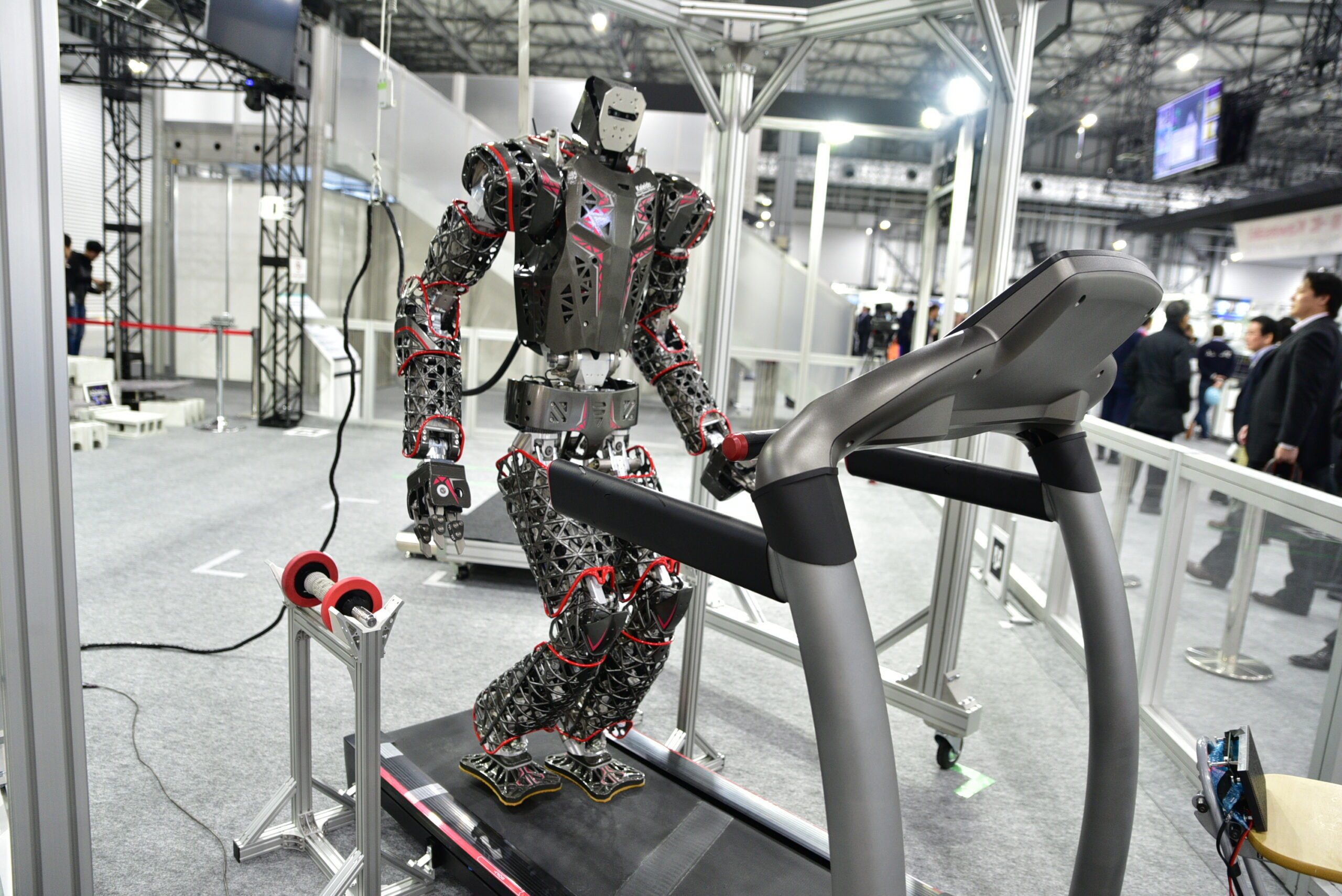
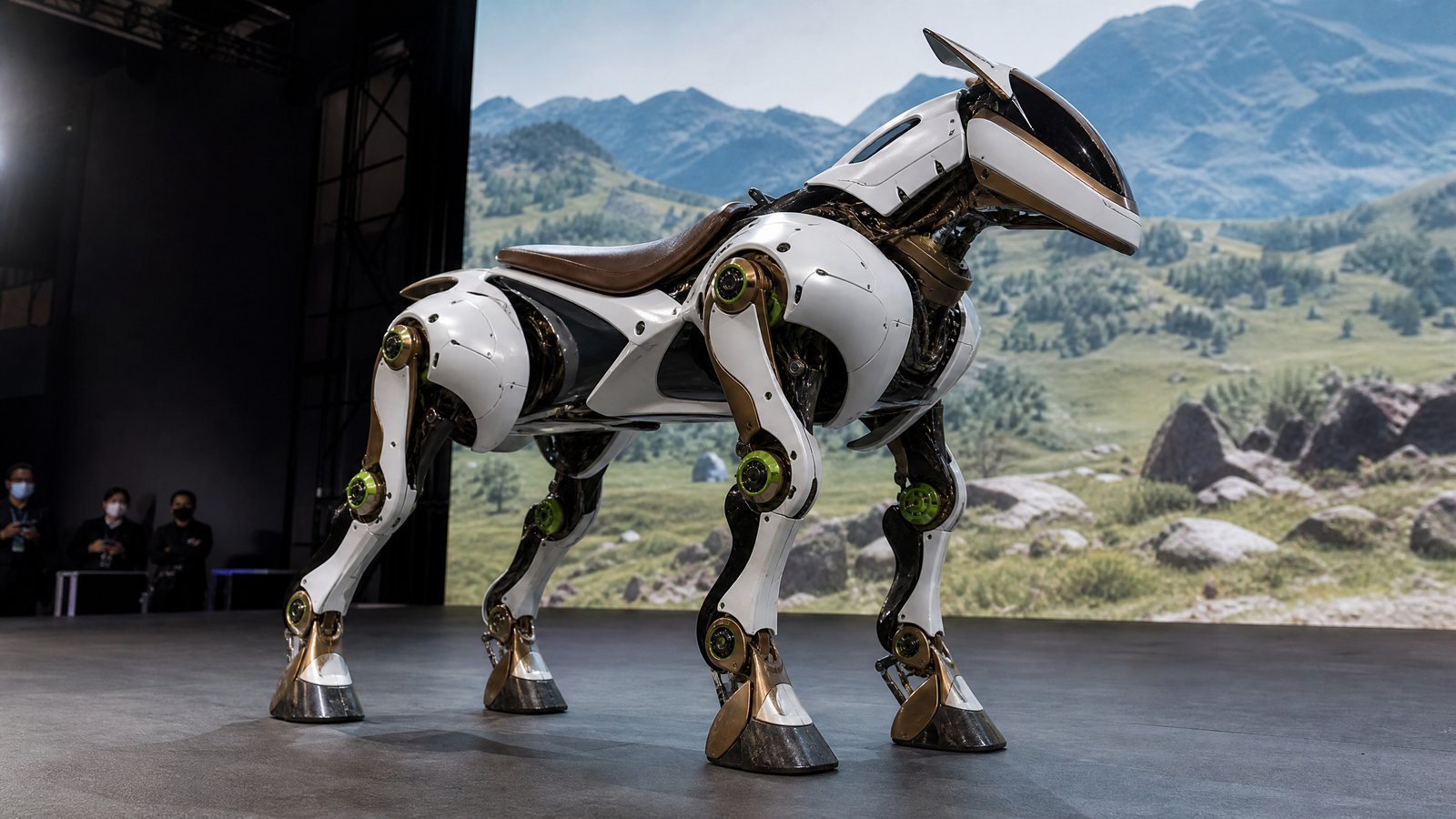
The manufacturer has been broadening its robotics portfolio beyond the industrial arms it has long supplied to factories. Among its higher-profile efforts is Corleo, a four-legged rideable vehicle built for complex terrain, which illustrates the company's intent to move into new categories of mobility rather than defend a single product line.
Why It Matters
The scale and structure of the raise are the story. A capital raise of more than a billion dollars aimed squarely at physical AI signals that a legacy manufacturer views the field as a core future business rather than a research sideline. Using new shares and convertible bonds spreads the financing across equity and debt markets, which gives Kawasaki flexibility while committing it publicly to the robotics roadmap.
The decision also reframes the competitive landscape. Much of the recent momentum in physical AI has come from venture-backed startups, and a raise of this size shows that established industrial players are prepared to use their access to public capital markets to compete at comparable scale.
The Infrastructure Behind the Robots
One detail deserves emphasis. Kawasaki is directing part of the proceeds toward energy sources for data centers, not only toward robotic hardware. That dual-track allocation reflects a structural truth about deploying physical AI at scale, which is that intelligent machines depend on large and reliable computing capacity, and that capacity in turn depends on power.
By funding both the robots and the energy that supports the computation behind them, Kawasaki is treating physical AI as a full stack that runs from the machine on the ground to the electricity feeding the data center, rather than as an isolated hardware bet.
Explaining It Simply
Kawasaki is borrowing and raising more than a billion dollars from investors to build advanced robots, including a rideable four-legged machine, and to secure the electricity and computing power those robots will need. It is a big, deliberate bet by an old industrial company that robots powered by AI are where the future growth is.
Strategic Implications
For the wider industry, the raise demonstrates that the transition to AI-native physical systems will be contested by well-capitalized incumbents, not just startups. Manufacturers with deep engineering histories and access to public markets can move quickly once they decide the opportunity is real.
Kawasaki's fundraising makes clear that established industrial companies are willing to use capital markets aggressively to avoid being left behind in physical AI, and it sets a benchmark for the level of investment competitors will need to match to stay in the race.
Disclaimer: This article is provided for general informational purposes only and does not constitute investment, procurement, or legal advice. Readers should independently verify figures, specifications, and claims before making business decisions.
Primary Sources
Nikkei Asia, "Kawasaki Heavy to raise over $1bn via new shares, bonds for AI investment" (July 2, 2026 JST): https://asia.nikkei.com/Business/Technology/Kawasaki-Heavy-to-raise-over-1bn-via-new-shares-bonds-for-AI-investment