Excelland Robotics Prices Hong Kong IPO After a 95-Times Subscription Rush
Excelland Robotics priced a richly oversubscribed Hong Kong IPO on Monday, but its prospectus also shows three straight years of losses and a thin cash cushion, the numbers procurement teams should read past the subscription hype.

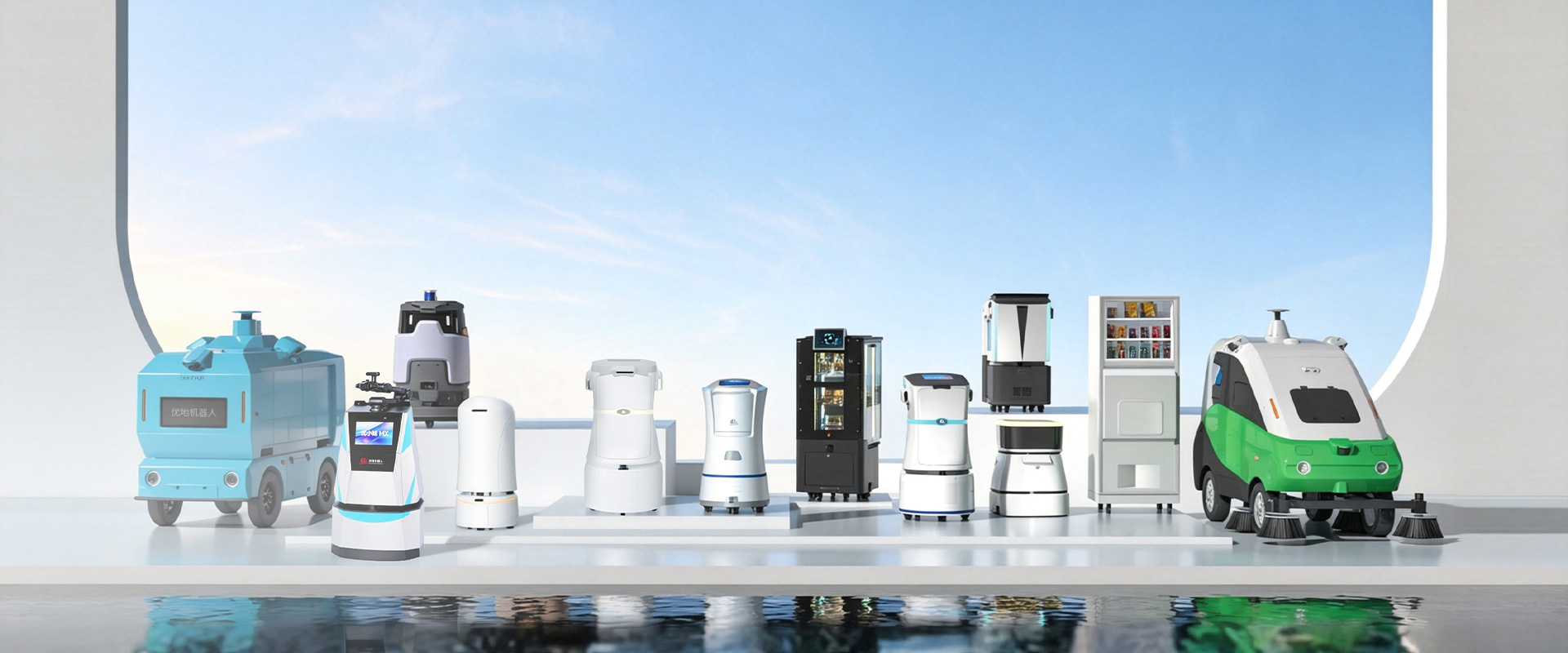
Excelland Robotics priced its Hong Kong Stock Exchange initial public offering on Monday, September 7, after margin financing for the retail tranche of the deal topped HK$4.2 billion (US$540 million), an oversubscription of roughly 95 times the shares set aside for individual investors. The Wuxi-based delivery and cleaning robot maker will begin trading Wednesday, raising as much as US$113 million at a price of up to HK$19.55 a share, despite three straight years of disclosed net losses.
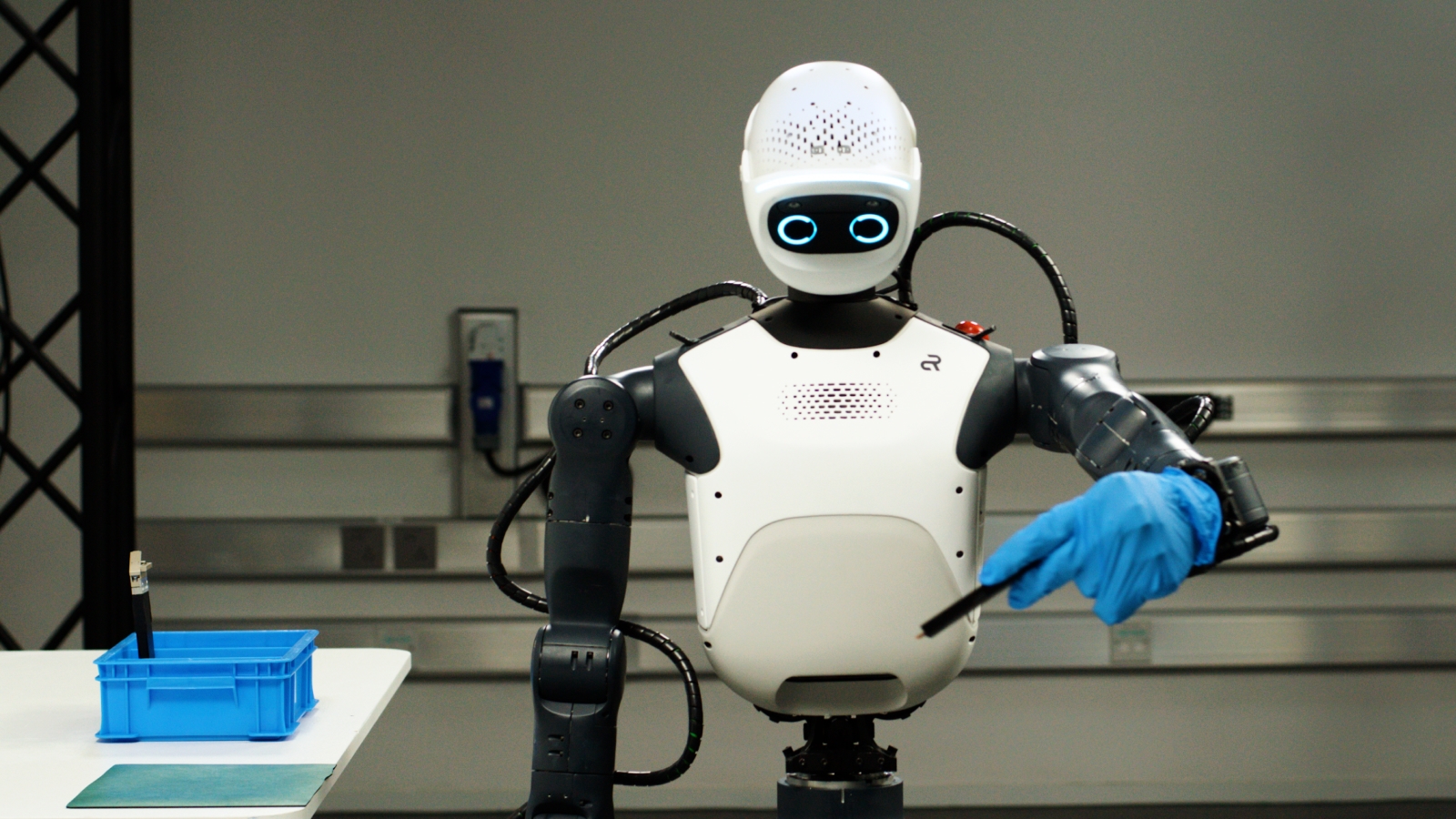
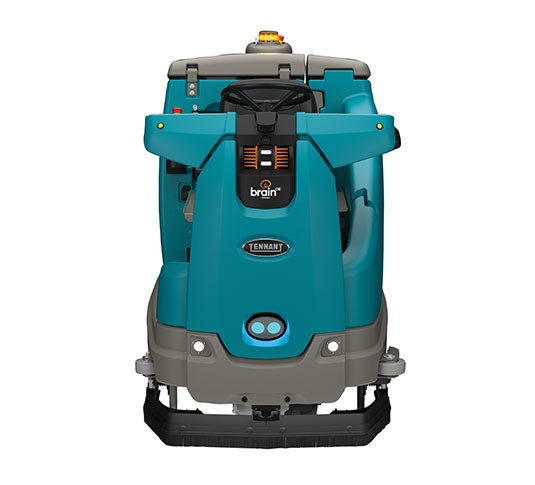
Excelland, known in China as You Di Robotics, is based in Wuxi in Jiangsu province and builds autonomous delivery, cleaning, and vending robots sold mainly into hotels, offices, and retail floors, paired with a cloud fleet-management layer the company calls You Xiaoyun. Its machines guide room-service carts through hotel corridors, mop convention-center floors overnight, and restock vending units in office lobbies, work aimed less at spectacle than at replacing the lowest-margin, highest-turnover shifts in Chinese hospitality and facilities staffing. Founded in 2013, the company says it has delivered more than 114,600 robots to over 5,100 customers as of March 31.
A Cap Table Built From Its Own Customers
The clearest signal in Excelland's ownership structure is not who is betting on the robots but who is already running them. H World Group, the operator of hotel brands including Hanting and Ji Hotel, and GreenTree Hospitality struck strategic investment and deployment agreements with the company years before this listing, putting thousands of Excelland robots into room-service and lobby-concierge roles across their properties in the same relationship that gave them equity. Alibaba's local-services unit Ele.me and voice-AI company iFlytek round out an investor base that reads less like a typical venture syndicate and more like a customer list with board seats attached.
The H World relationship in particular illustrates both the appeal and the limits of that arrangement. Excelland has cited internal figures claiming a 65 percent improvement in room-service response efficiency and a 30 percent reduction in per-property labor cost across the hotel chain's deployments, numbers the company itself generated rather than an independent auditor. Those are the kind of figures a hospitality operator can sanity-check quickly against its own labor rosters and guest-request logs, which is precisely why they are worth demanding before signing, rather than treating a strategic investor's continued business as proof enough on its own that the return holds at a different property mix or a different regional wage base.
Two cornerstone investors anchored the Hong Kong offering itself: SensePower, a unit of AI software company SenseTime, committed roughly US$2 million, and CYGG, a subsidiary of classifieds and local-services platform 58.com, committed about US$1 million. State-linked capital filled out the register, including funds tied to Shanghai's municipal investment arm and Wuxi's Xinjing Group, alongside China Merchants Capital. For a facilities buyer weighing a multi-year robot-as-a-service contract, that structure cuts both ways. A vendor whose largest customers are also equity holders has an unusually strong incentive to keep those specific accounts running well, but it also means the product roadmap has been shaped disproportionately by hotel operators rather than by warehouse, hospital, or retail customers evaluating the same machines today.
Five Years of Narrowing Losses, Not Vanishing Ones
Excelland's prospectus lays out a financial trajectory that is improving without yet turning the corner. Revenue rose from roughly RMB240 million (US$33.6 million) in 2023 to RMB267 million (US$37.3 million) in 2024 and RMB318 million (US$44.5 million) in 2025, while net losses narrowed over the same stretch from RMB251 million (US$35.1 million) to RMB151 million (US$21.1 million) to RMB111 million (US$15.5 million). The first quarter of 2026 continued that pattern at a smaller scale: RMB76.5 million (US$10.7 million) in revenue against a RMB31.2 million (US$4.4 million) loss.
What stands out is the balance sheet the company was carrying into the offering. Excelland reported roughly RMB64.4 million (US$9 million) in cash as of March 31, a thin cushion for a business still burning tens of millions of yuan a quarter before the IPO proceeds land. Management has earmarked about 48.5 percent of the net proceeds for research and development in delivery and cleaning robotics, with roughly 30 percent set aside for business expansion and potential acquisitions. In effect, the listing is not primarily a payday for early backers; it is a runway extension for a company whose unit economics have not yet demonstrated they can fund growth on their own.
A Crowded Field on the Same Exchange
Excelland's debut has to be read against the sheer volume of Chinese robotics paper hitting Hong Kong this year. Mech-Mind Robotics, which markets itself as the first listed embodied-intelligence company built around an "Eye-Brain-Hand" architecture for industrial vision and grasping, priced its own listing on September 1 at HK$101.70 a share, raising roughly HK$2.2 billion in net proceeds and drawing more than 252,000 retail applications at a subscription multiple above 3,800 times, far beyond Excelland's own 95 times. Rokae, an industrial and collaborative-arm maker with an embodied-intelligence humanoid-arm program, listed on July 9 at HK$38 a share after clearing the exchange's hearing in June. Warehouse-automation supplier Seerbot, robotic-arm maker Evana Technology, and floor-cleaning robot maker LD Robotics rounded out a run of four embodied-AI listings on the exchange before Excelland and Mech-Mind added a fifth and sixth.
That density matters for two reasons a procurement team should weigh independently of any single company's fundamentals. First, it signals that Hong Kong-listed capital, rather than domestic venture rounds, has become a default financing route for Chinese robotics companies that cannot or will not wait for a Nasdaq or Shanghai listing, which means public disclosure quality, not private fundraising decks, is becoming a larger source of verifiable data on this sector. Second, a market absorbing six similarly positioned listings in a single year has less room to reward every one of them with a durable valuation once initial retail enthusiasm fades, a pattern Unitree's own share price has already shown.
What a 95-Times Subscription Multiple Does and Doesn't Prove
Hong Kong's public offering tranche is priced identically to the international tranche and typically represents a small slice of total shares, five percent in Excelland's case, so a large multiple mostly measures how much margin-financed retail cash chased a small, fixed pool of stock rather than how professional investors valued the underlying business. Unitree's own shares have fallen to roughly half their post-listing peak since its debut, a reminder that a strong opening subscription and a strong first-year trading record are two different tests, and that Hong Kong's appetite for robotics paper has not translated automatically into durable share performance.
The dynamic echoes a point raised about the parallel wave of United States robotics SPAC mergers this year: a headline valuation figure at the moment of going public says little about whether the underlying deployment economics work. A 95-times subscription multiple measures how badly Hong Kong retail investors want exposure to Chinese robotics stocks this week, not how cheaply Excelland can keep a delivery robot running in a hotel corridor five years from now.
What Comes Due Once the Trading Debut Ends
The more useful dates for a buyer to track sit after Wednesday's opening trade, not on it. Lockup provisions on cornerstone and pre-IPO shareholders typically run six months to a year on Hong Kong listings, meaning the hotel operators and strategic investors who also serve as customers cannot sell into the initial enthusiasm even if they wanted to, which keeps their commercial incentives aligned with Excelland's operating performance through at least early 2027. Excelland's first results disclosure as a public company, covering the second half of 2026, will be the first test of whether the narrowing-loss trend visible in the prospectus continues once the business faces quarterly public scrutiny rather than the more forgiving reporting cadence of a private company answering mainly to existing shareholders.
The Questions a Buyer Should Ask That a Subscription Number Cannot Answer
None of the oversubscription data addresses what actually determines whether Excelland is a safe long-term vendor for a facilities or hospitality operator: mean time between failures on deployed units, the total cost of a multi-year service contract once maintenance and software fees are included, and how the company would behave if a listed, publicly scrutinized balance sheet forces cost discipline that a private, investor-subsidized one did not. A newly public company with a thin cash position and a mandate to show improving margins has a plausible incentive to raise service fees, slow hardware refresh cycles, or prioritize the hotel accounts that also sit on its cap table over newer customers in logistics or retail. None of that is disclosed in a subscription statistic, and none of it will be visible until Excelland reports its first full year of results as a public company.
The honest reading of Monday's pricing is narrower than the headline number suggests. Excelland has proven it can get a Hong Kong listing away at a rich valuation during a period when investors are hungry for anything labeled embodied intelligence, and it has proven its delivery and cleaning robots have found real, repeat-purchasing customers in a notoriously price-sensitive hospitality sector. It has not yet proven it can turn a profit doing so, and the same prospectus that disclosed a 95-times subscription also disclosed three consecutive years of losses and a cash position measured in single-digit millions of dollars. Buyers evaluating Excelland's robots on their own merits, rather than on Monday's trading enthusiasm, should ask the company for unit economics and service-level data directly, because the IPO market has just demonstrated that it will reward the story regardless.
Hero image credit: Excelland Robotics.
This analysis draws on Excelland Robotics' Hong Kong Stock Exchange offering disclosures and independent reporting on the transaction's subscription results and shareholder register. It is for general information purposes only and does not constitute investment, financial, or legal advice.