Bear Robotics Launches KINO-2 Manipulation Platform With NVIDIA
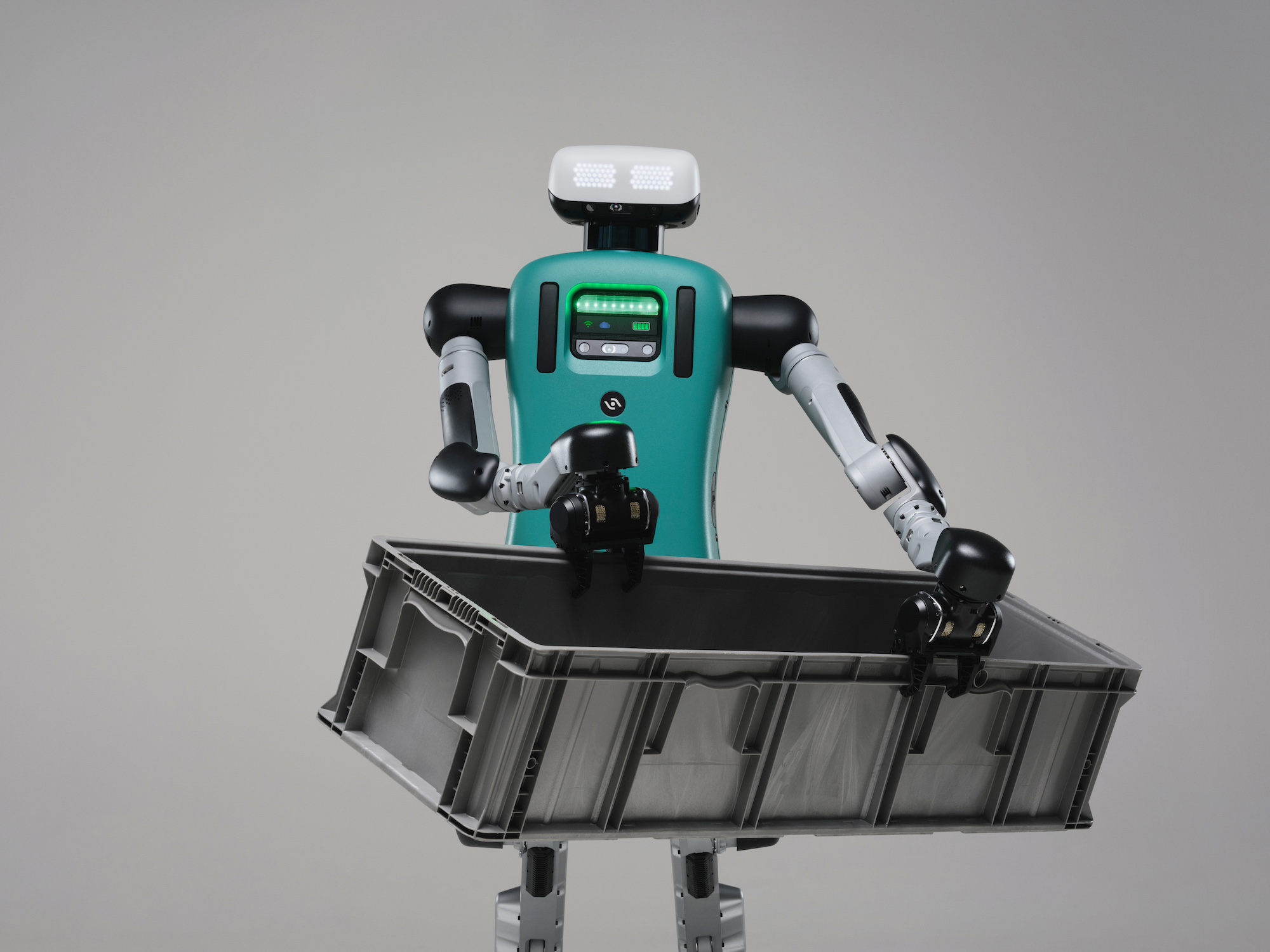
Bear Robotics launched KINO-2, a demonstration-to-skill learning platform for its KR1 humanoid, at NVIDIA GTC Berlin on October 21, 2026, alongside NVIDIA's first public beta of Isaac OS and general availability of Holoscan SDK 5.0. Running on NVIDIA Jetson AGX Thor, Bear reports inference gains of roughly 4.2x to 8x for its in-house and NVIDIA Isaac GR00T models respectively, with active pilots in warehouse crate handling and supermarket returns.

BERLIN, Oct. 21, 2026. Bear Robotics launched KINO-2, a robot-learning and deployment platform for its KR1 humanoid, at NVIDIA's GTC Berlin conference, pairing the release with NVIDIA's first public beta of Isaac OS and the general availability of Holoscan SDK 5.0. The platform turns recorded human task demonstrations into manipulation skills KR1 can run in warehouses and stores, and Bear says the collaboration cut its model inference times by roughly four to eight times on NVIDIA's new Jetson AGX Thor hardware.
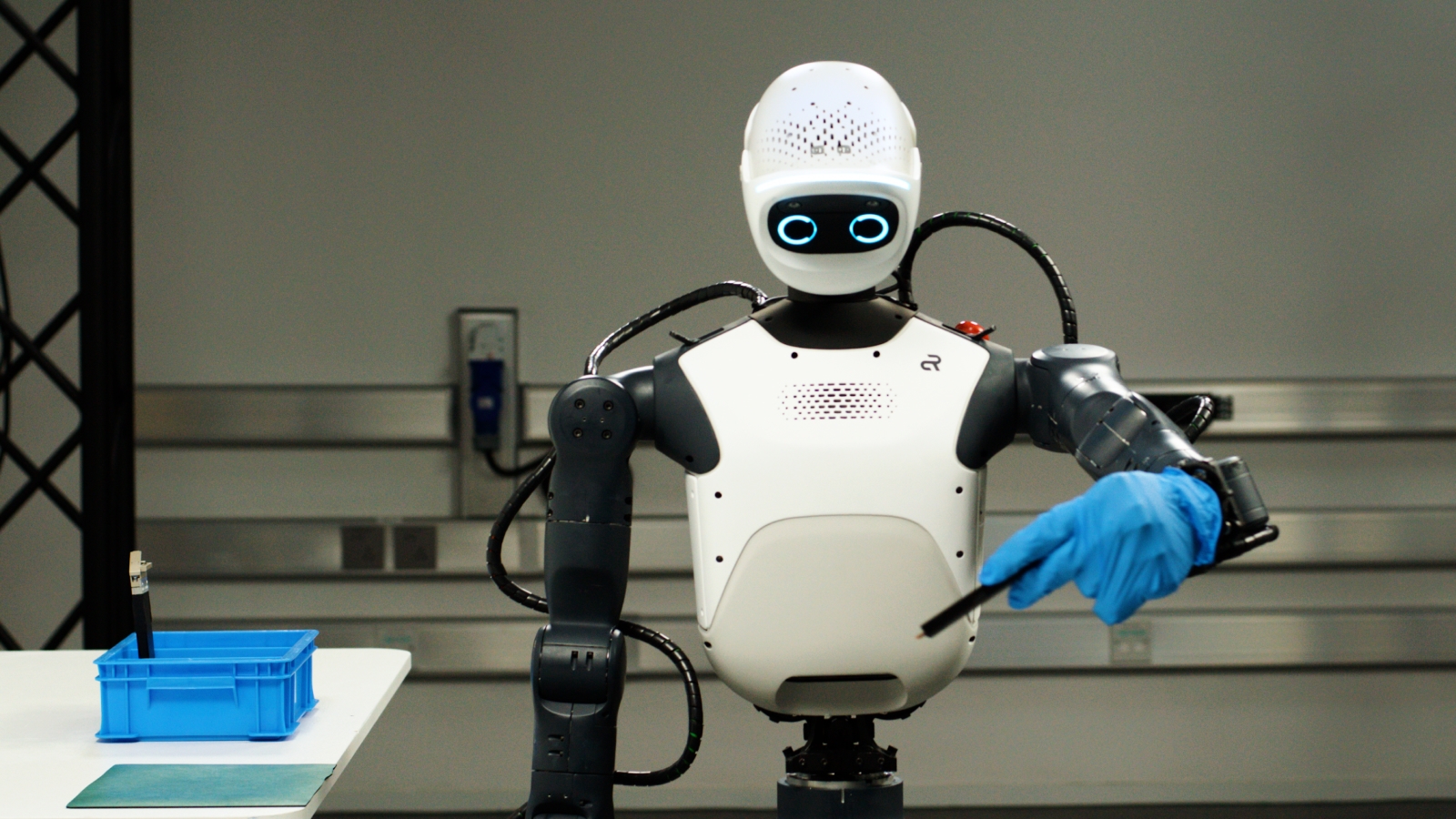
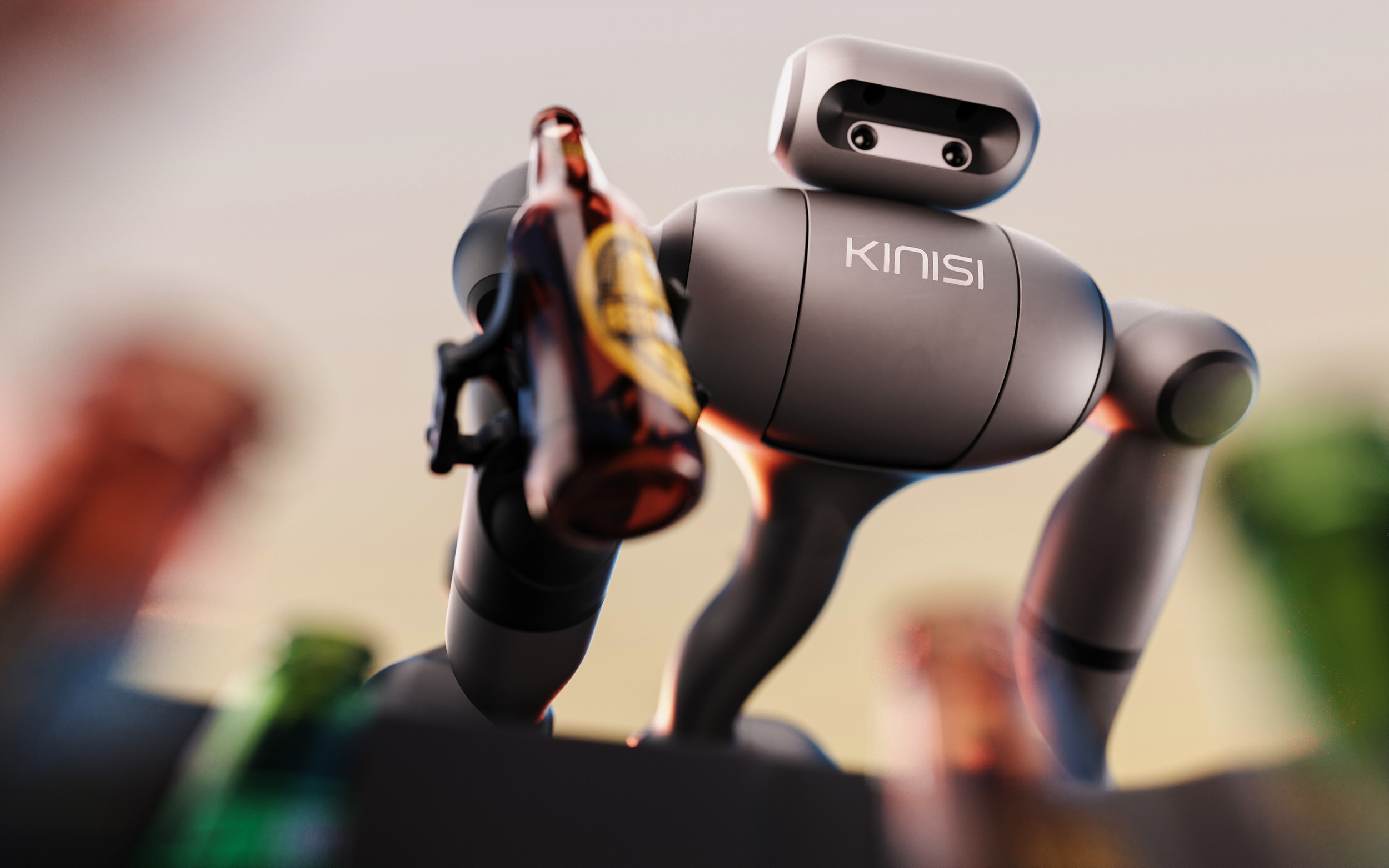
Bear Robotics is a Bay Area service-robot maker founded in 2017 by chief executive John Ha. The company built its business on autonomous mobile robots that carry things: Servi in restaurants, Carti in hospitals and senior-living facilities, and related platforms now deployed in more than 16,000 units at over 5,000 customer locations across North America, Europe and Asia. Until this year, Bear's robots moved objects but did not handle them. That gap closed in June 2026, when Bear acquired Bristol, UK-based Kinisi Robotics, bringing in the KR1 wheeled humanoid, an in-house manipulation-learning program called Kino, and Kinisi founder Bren Pierce, who joined Bear as chief robotics officer.
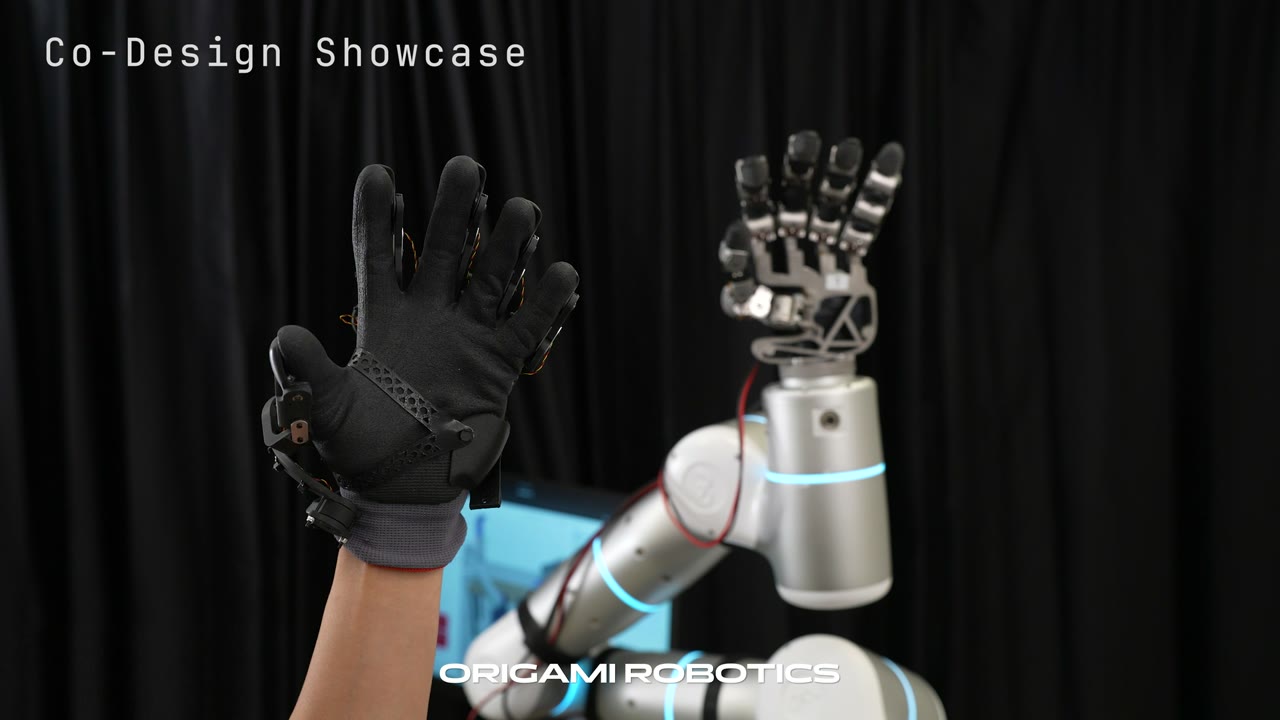
KINO-2 is the second generation of that manipulation work, and it is the product of the Kinisi integration rather than a standalone launch. The platform follows a defined sequence: Bear records demonstrations of a worker performing a task, trains and refines a model against that data, evaluates the resulting skill on a KR1 unit, then moves to a customer pilot. It is built to support both Bear's own in-house model and external foundation models, including NVIDIA's Isaac GR00T, so the company can swap in a third-party model as a customer's requirements grow more demanding without rebuilding its deployment pipeline. Pierce described the logic behind the demonstration-first approach directly: "The people doing a job already understand its products, equipment and sequence of work." Capturing that knowledge from workers, rather than hand-coding every motion, is the premise the whole platform is built on.
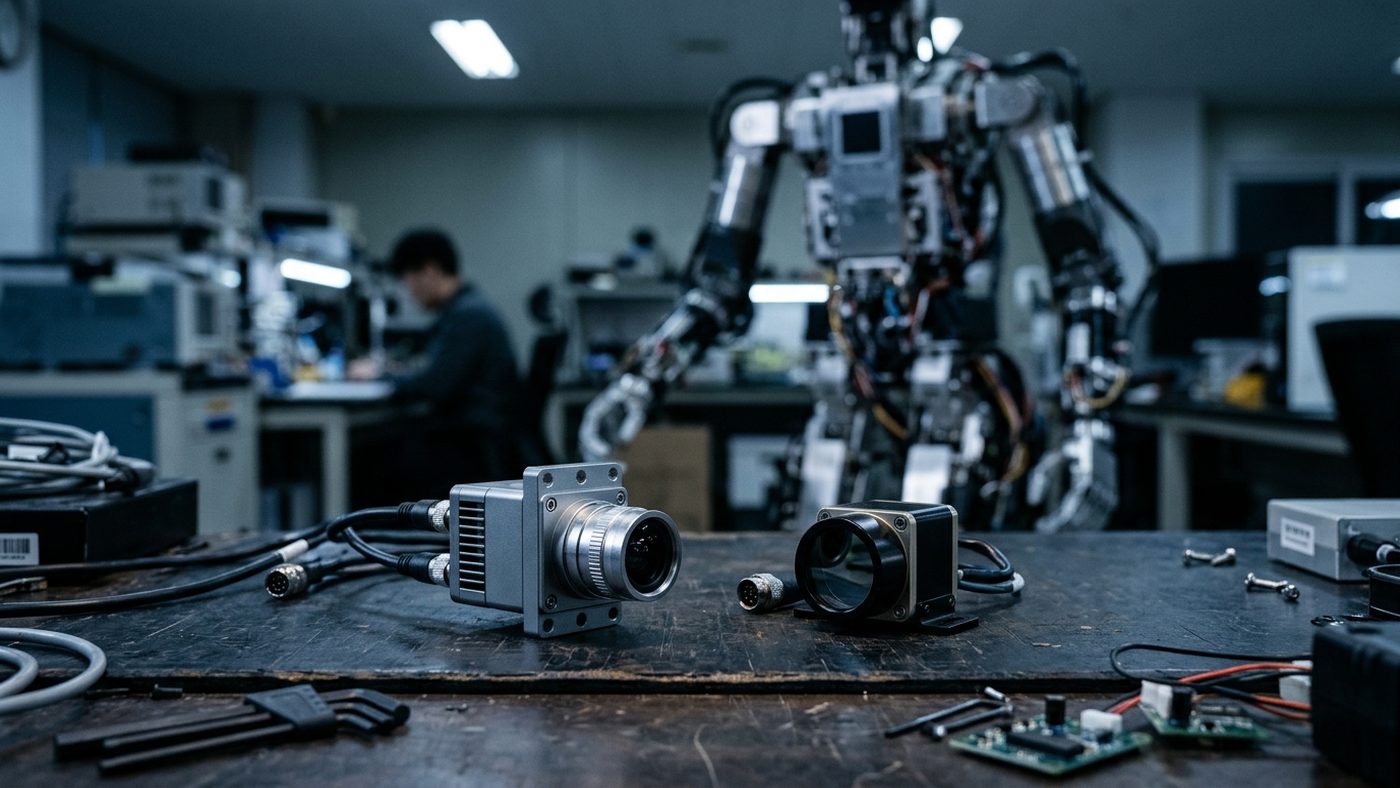
The NVIDIA partnership is where the engineering specifics sit. Isaac OS, now in its first public beta, forms the backbone of KINO-2's perception runtime, running on NVIDIA's new Jetson AGX Thor compute module and paired with Holoscan SDK 5.0, which reached general availability the same day. Bear used NVIDIA's Isaac ROS Bridge to connect that runtime into its existing autonomy stack rather than rebuild its navigation and fleet software around the new platform, and it designed a custom Thor carrier board to replace an earlier FPGA-based camera-board design. The arrangement gives Bear early access to NVIDIA's robotics software ahead of its wider release and direct engineering contact with the team building it, in exchange for production deployment feedback NVIDIA can fold into later versions of Isaac OS.
Bear's own published benchmarks, measured internally rather than independently verified, show the clearest result of that access. GR00T inference on Thor fell from about 500 milliseconds to about 60 milliseconds, roughly an eight-fold gain, using Isaac OS, TensorRT and model quantization together. A more granular figure for GR00T 1.7 puts median GPU execution per action chunk at 56.6 milliseconds, down from 92.2 milliseconds in an earlier four-engine build, achieved by splitting the model across eight TensorRT engines and applying FP8 quantization to its vision transformer, diffusion transformer and cross-attention key and value projections. Bear's own in-house model moved from 72.3 milliseconds to 17.2 milliseconds, a 4.2-times speedup over plain PyTorch execution. Separately, Bear says changes to how it executes commanded motion cut commanded jerk by about seven times, from 237 to 33 meters per second cubed, a change that matters less for a demo video and more for how a robot arm wears, draws power and behaves safely around people on a warehouse floor for a full shift.
Underneath those numbers sits a control loop built to replan constantly rather than execute a fixed script. KR1 takes in camera images, arm and gripper state and a task-conditioning signal, and its in-house model predicts a four-second horizon of action, forty steps at 10 hertz. The robot executes a single tenth-of-a-second step from that plan, then observes and predicts again. Training data comes from teleoperated demonstrations recording synchronized camera feeds, robot state and operator actions, with NVIDIA's Cosmos world models used to restyle demonstration video so a model sees more visual variation than the original recordings contained. Simulated training runs policies across 1,024 parallel KR1 instances in NVIDIA's Isaac Lab; in one cited pick-task run using simulator-provided state rather than camera input, time per pick fell from 7.4 to 3.7 seconds. That simulation result is a useful signal of what the learning approach can do under ideal conditions, not a claim about deployed performance, and readers evaluating the platform should keep that distinction intact.
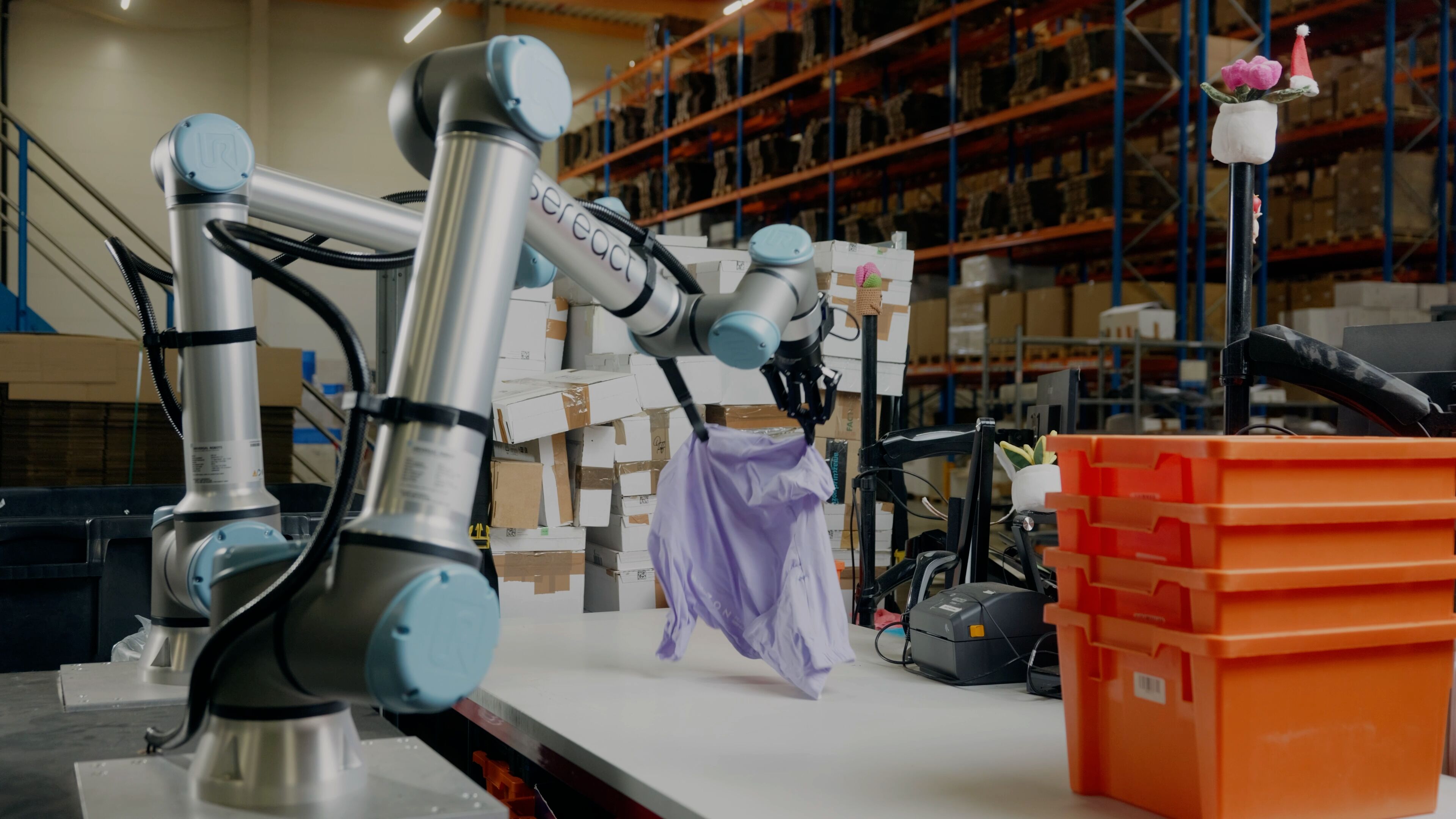
At NVIDIA's booth, Bear ran the demonstration its sales team will likely reuse for months: a warehouse management system issues an order, and KR1 running KINO-2 picks bottles, packs a crate, delivers it to a drop-off point and returns with the empty container, repeating the cycle without a human directing each motion. Bear's chief technology officer, Fangwei Li, framed the commercial logic plainly: "Our customers need the whole job done: packing the crate, moving it and bringing back an empty one." That sentence captures Bear's actual pitch better than any benchmark table. The company already has active pilots in supermarket returns processing and warehouse crate handling, though it named no specific customers, pilot counts or go-live dates, so the scale of real-world deployment beyond the demo floor remains a company claim rather than a documented fact.
The competitive logic behind this launch is where buyers should spend their attention. NVIDIA is supplying Isaac OS, GR00T and Isaac Lab to a wide field of humanoid and mobile-robot builders, which means the underlying perception and foundation-model layer is becoming shared infrastructure rather than any single company's proprietary edge. A robot maker that only wraps NVIDIA's reference stack in its own hardware has limited room to differentiate on intelligence alone, because competitors reading the same NVIDIA documentation can approach similar latency numbers. Bear's answer is to pair that shared software layer with something harder to copy quickly: an installed base of more than 16,000 mobility robots already running in more than 5,000 customer sites, plus fleet-management and workflow software built over nine years of restaurant, hospital and senior-living deployments. KINO-2's stated design, specialized mobile robots for transport and KR1 for manipulation, sharing one fleet-management layer, is a bet that owning both halves of a warehouse or store workflow matters more commercially than owning the fastest inference pipeline in isolation.
That positions Bear differently from pure-play humanoid developers that are still building their first commercial mobility base, and differently from established AMR vendors that have fleets but no manipulation story. Capital backing matters to that race as much as engineering access does. LG acquired a majority stake in Bear Robotics in January 2025 and has since paired that ownership with commercial partnerships through LG CNS and LG Energy Solution, giving Bear a funding runway that a venture-backed humanoid startup without a parent conglomerate would have to raise separately. That backing is part of how Bear can absorb an acquisition, stand up a new compute platform and keep its existing restaurant and hospital fleets running at the same time, rather than choosing one priority over the others.
Whether that combination converts into revenue depends on facts Bear has not yet published: named customers, contract counts, pilot-to-production conversion rates and unit economics for the manipulation line specifically. A benchmark showing inference dropped from 500 milliseconds to 60 milliseconds is an engineering result, not a deployment result, and procurement teams evaluating KR1 against alternatives should ask for site-level pilot data, not conference-floor demonstrations, before treating the GTC Berlin showing as evidence of production readiness. A useful diligence question is simple: how many of the cited 16,000-plus deployed units are mobility-only Servi and Carti robots doing the job they have done for years, and how many customer sites have a KR1 unit running KINO-2 against a live order rather than a staged one. Bear's public materials do not yet answer that question, and buyers comparing bids should press suppliers, including Bear, until they get a site-level answer rather than a fleet-wide total.
The standalone point worth carrying out of this launch is that NVIDIA's robotics stack is becoming common infrastructure fast enough that deployed fleet scale, not raw model speed, is turning into the harder competitive advantage to replicate in service and warehouse robotics.
The next concrete marker to watch is whether Bear discloses a named customer or a measured pilot-to-production conversion for the supermarket-returns or warehouse-crate pilots, since that would move KINO-2 from a GTC Berlin demonstration into a verifiable commercial result; a second marker is whether Isaac OS's move from this beta to a full production release preserves the same four-to-eight-times latency gains when NVIDIA's other robotics partners adopt it at scale.
This article synthesizes company statements and public product disclosures as of 2026-10-21. It is for general information purposes only and does not constitute investment, financial, or professional advice.