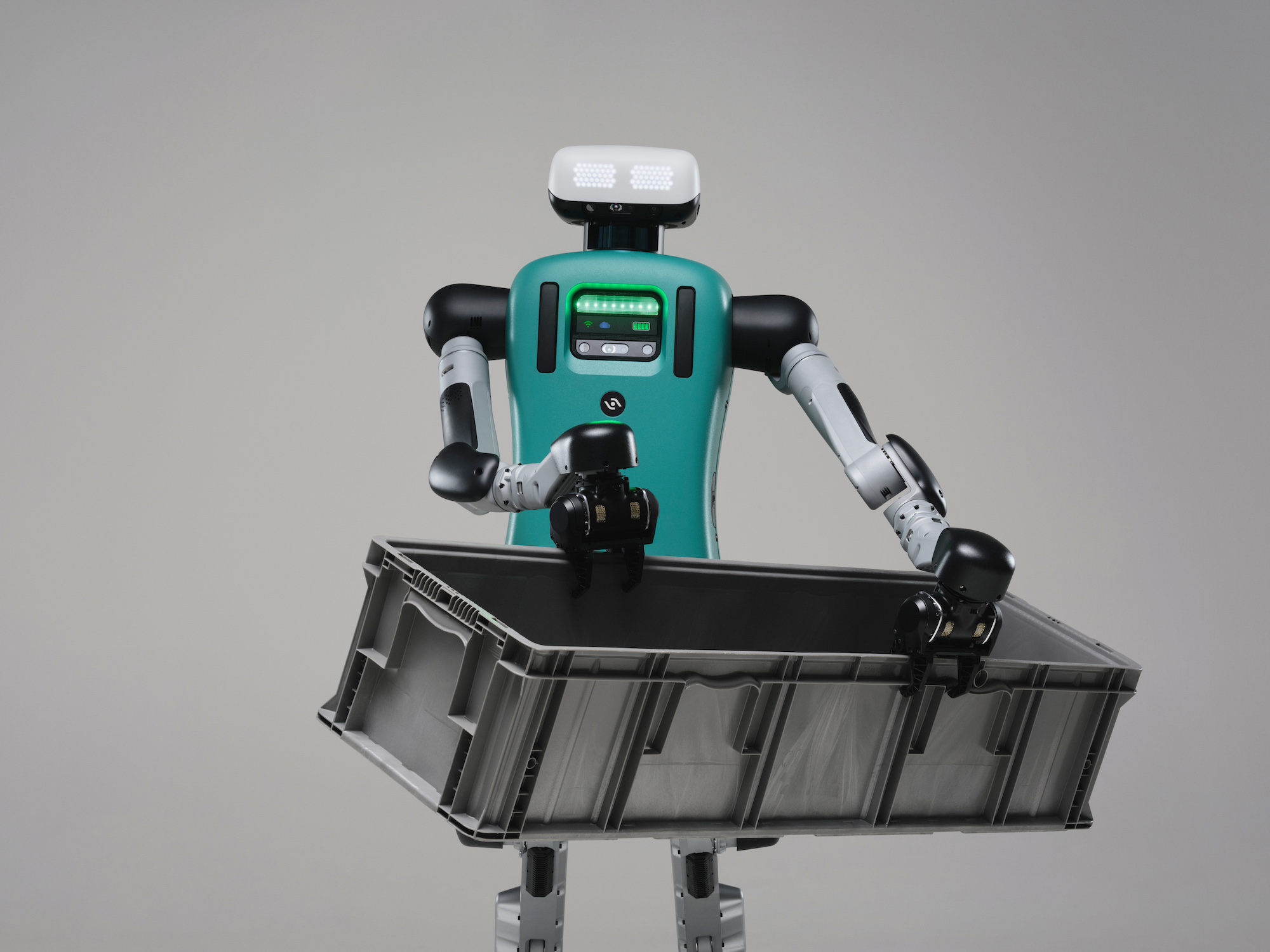
LG Innotek Shows Humanoid Vision Sensors With NVIDIA
LG Innotek showed a 3 million pixel camera and a multimodal vision system using NVIDIA Holoscan Sensor Bridge at GTC Berlin, and said the work will extend to humanoid robots and robot hands.

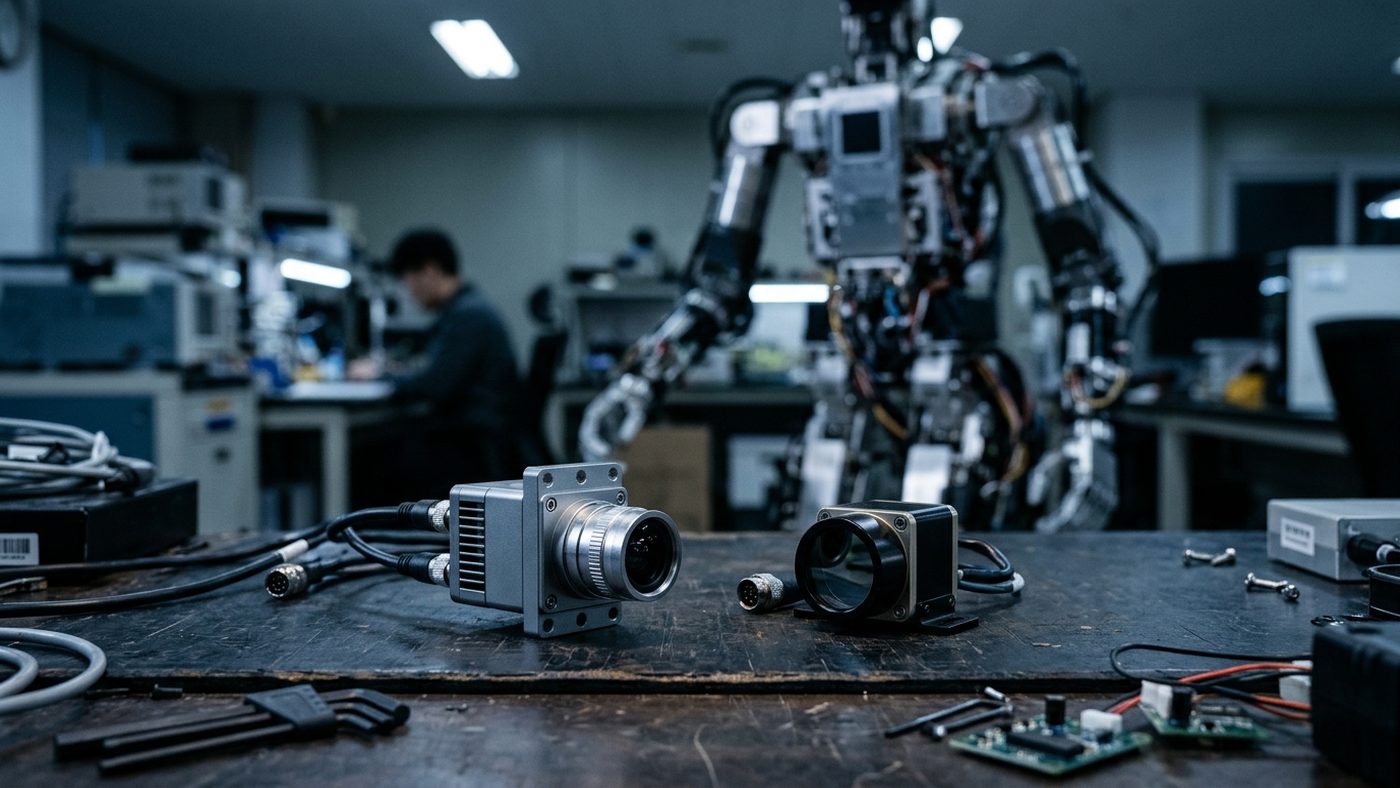
LG Innotek showed a 3 million pixel camera module and a multimodal vision system built around NVIDIA Holoscan Sensor Bridge at GTC Berlin, and said the pair will extend the work to vision sensing for humanoid robots and robot hands.
The Seoul components maker said on 22 October 2026 that the hardware was on display at NVIDIA's conference in Berlin, which opened on 20 October local time and runs through 22 October. Holoscan Sensor Bridge moves camera, lidar, and radar data into graphics processing unit (GPU) memory without a stop in the central processing unit (CPU). The point of that shortcut is less delay between a sensor reading and a decision.
A Multimodal Stack, Not a New Robot
The multimodal vision system combines cameras, lidar, and radar so a machine can read objects and space from more than one sensor at once. LG Innotek did not publish a measured latency cut, a price, or a ship date for either product. What it did publish is a plan: sensing that works with NVIDIA's next platform, with further showings set for CES in Las Vegas and a later NVIDIA GTC.
That plan sits on work already in production. In May 2025 LG Innotek agreed with Boston Dynamics to develop robot vision sensing. In July 2026 it signed a memorandum of understanding with Japan's TDK on physical artificial intelligence (AI), and the same month it started mass production of camera modules for North American robot customers at its plant in Paju, Gyeonggi Province. In vehicles, it partnered with Aeva on lidar last year and is jointly developing driving software paths with Applied Intuition and Kakao Mobility.
Why the Data Path Matters to Buyers
Procurement teams buying humanoids often treat the camera as a catalog line. The Berlin display argues that the scarce part is the path from sensor to model. A robot that waits on a CPU hop before a GPU can see an obstacle is a robot that brakes late. Direct transfer into GPU memory is the claim LG Innotek is selling. It is still a claim. No independent timing test was released with the announcement.
The commercial shape is a supplier trying to stop being only a camera vendor. Moon Hyuk-soo, president of LG Innotek, said the collaboration is a chance to take the company's complex sensing into the global market, and that the firm wants a foothold as a physical AI supplier covering sensing, communication modules, and semiconductor substrates. No order value was disclosed.
What to Ask Before a Purchase Order
A buyer comparing this stack with an in house sensor board should ask three things the release does not answer. First, which NVIDIA computer the Holoscan path is qualified on. Second, whether the multimodal box is a reference design or a part number with a lead time. Third, how the Paju camera line, already shipping to North American robot customers, relates to the Berlin modules. Until those answers exist, the news is a supply signal, not a datasheet.
The analysis synthesizes company statements and public market activity. It is not investment advice.
Image: Editorial photograph generated for this article. It is not a photograph of LG Innotek hardware and is not source evidence.