The Valuation Is the Least Useful Number in a Robotics SPAC Deck
PlusAI, Agility Robotics, XTEND AI Robotics, and Unitree all went public or announced going public within the same ten-day window. What each disclosed, or omitted, about current revenue and orders before the valuation headline is a better predictor of what buyers are getting than the deal size itself.

Two robotics companies signed public-market paperwork on September 3. PlusAI, an autonomous-trucking software maker, agreed to go public through a merger valuing it near US$800 million. XTEND AI Robotics, a defense-drone maker, actually finished its own merger and began trading on the New York Stock Exchange the next morning under the ticker XTND. Read both companies' own announcements back to back and one difference jumps out immediately, and it has nothing to do with the size of either deal.
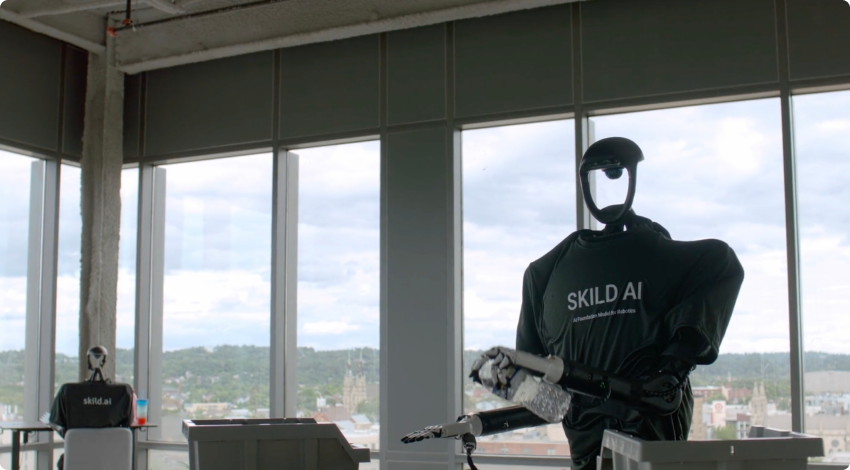
PlusAI's release volunteers, before it ever mentions a big number, that its HyperFoundry software platform has already generated US$25 million in revenue and that the company is targeting US$40 to 50 million of contracted revenue for 2026. Only after that does the release reach for the number built to catch a headline: a US$1 billion-plus annual revenue opportunity "at scale," aimed at what it calls a US$1.7 trillion trucking market. XTEND's completion announcement, by contrast, contains no revenue figure at all, current or projected. It is built entirely around capital mechanics: US$110 million in total capital raised, a US$60 million minimum-cash closing condition, and roughly US$67.7 million actually delivered to the combined company.
I checked both the pre-close and completion releases for a revenue line. Neither has one.
That gap is the actual story, and the deal size printed in the headline is close to noise. A valuation is a number two negotiating parties agreed to attach to a company. A specific, dated revenue or order figure, volunteered before anyone asked, is a company telling you what it is willing to be held to. Those are different kinds of information, and this quarter's robotics listings are a clean natural experiment in which one gets published and which one gets buried.
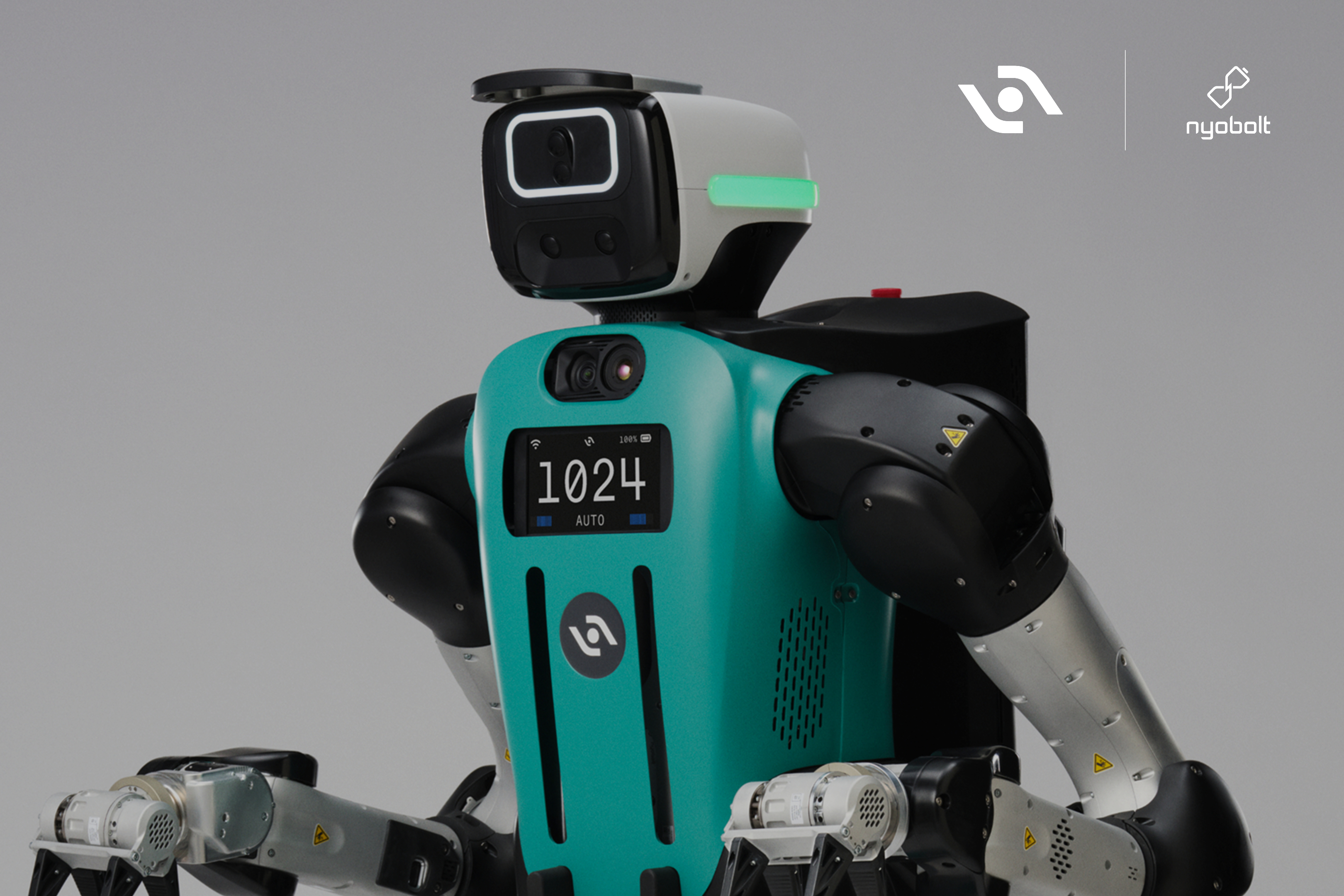
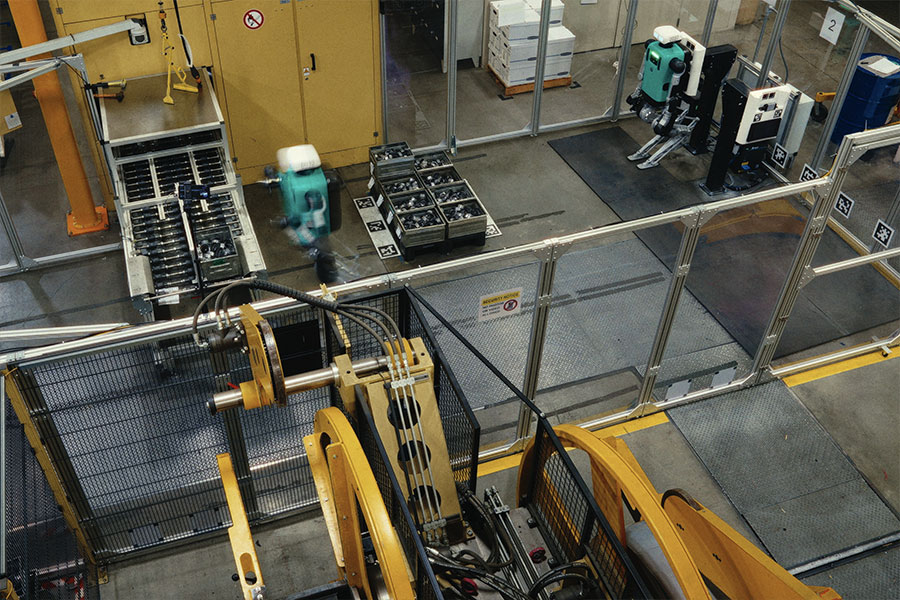
Agility Robotics is the cleanest version of the pattern. Its merger with the SPAC Churchill Capital Corp XI, announced in June at a roughly US$2.5 billion valuation, is still working through shareholder and regulatory approval as of this writing, so it has not closed. But the announcement itself did what PlusAI's did: it led with a real number, disclosing more than US$300 million in booked orders for the Digit humanoid alongside expected proceeds of roughly US$620 million, split between about US$420 million already sitting in Churchill's trust and a US$200 million PIPE commitment led by Foxconn. A booked order is not the same as recognized revenue, and I would treat the two figures differently in a spreadsheet. But it is a specific, checkable claim a company chose to put in its own press release rather than leave for an analyst to dig up later.
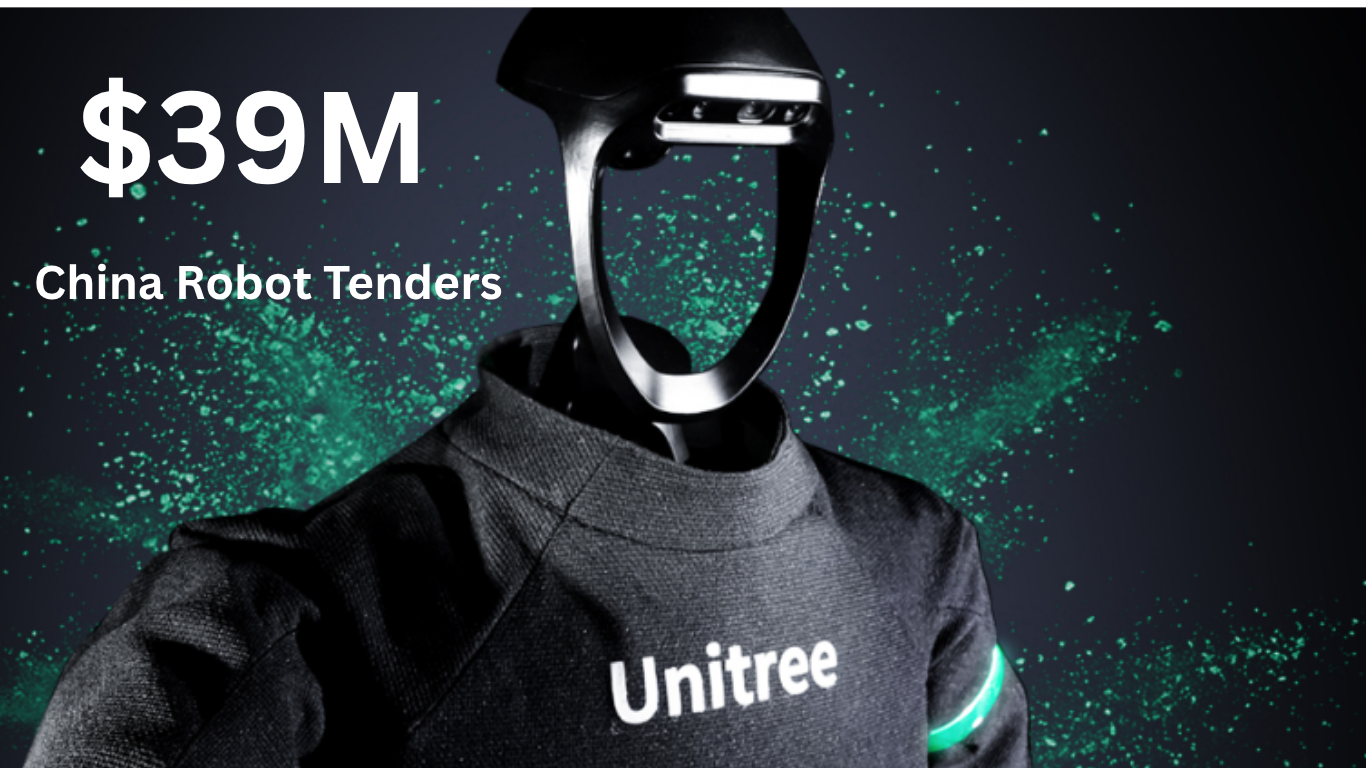
Unitree Robotics offers the third model, and it is the one that should worry buyers most, because there was no negotiated number to check in the first place. Unitree priced its Shanghai STAR Market debut at 150.80 yuan a share on August 19, raising roughly US$905 million. The stock proceeded to surge as much as 629 percent on debut day, handing the company a peak valuation near US$66 billion, before giving back more than half of that gain over the following two weeks and settling around 546.51 yuan by September 2, still more than four times the top of the range underwriter Citic Securities had originally set. Unitree's own prospectus disclosed that adjusted net profit fell 53 percent to 40 million yuan, roughly US$5.95 million, in the first quarter of 2026. A company can be the clearest technology leader in its category and still have a stock price that tells a buyer almost nothing reliable about what it is worth on any given Tuesday. Unitree's order-book listing generated the opposite failure mode from XTEND's silent one: not too little disclosure, but a market-set price so volatile it stopped functioning as information at all.
So which failure mode would a buyer rather underwrite: a company that will not say what it sells, or a market that cannot agree what a company is worth for longer than a fortnight?
I spend most working days reading exactly these kinds of documents, building and correcting a company and robot taxonomy by hand rather than trusting whatever a press release headline claims. The pattern that has become impossible to unsee is that the number a deal is famous for and the number that actually predicts whether the company delivers are rarely the same line item. A US$2.5 billion valuation tells you what a sponsor was willing to pay. A US$300 million order book tells you whether anyone else agrees.
None of this makes SPACs inherently more honest than traditional listings, or the reverse. XTEND's silence on revenue is not evidence of fraud; a defense-drone maker selling into government contracts may have real reasons, security classification among them, to keep specific order figures out of a public filing. And Unitree's order-book chaos does not mean the STAR Market mechanism is broken beyond repair, only that a debut-day price on a thinly floated, retail-heavy exchange is a worse reference point for vendor risk than most procurement teams currently treat it as. The honest reading is narrower than either extreme: disclosure specificity is a signal worth weighing, not a verdict on its own.
The tradeoff runs the other way too. A company that volunteers a revenue number this early is also setting a bar it will be measured against every quarter afterward, in public, with no room to quietly walk it back the way a private funding round can. PlusAI's US$40 to 50 million 2026 target and Agility's US$300 million order book are now promises with a filing history attached. That is a real cost to the companies making it, and it is exactly why the ones willing to pay that cost deserve more credit than the valuation headline alone gives them.
From an ASEAN vantage point, where regional drone and logistics-robotics startups increasingly look at a SPAC or a reverse merger as their most realistic path to a US listing given how thin the local IPO markets remain for hardware companies, this quarter's split matters as a template question, not just a scorecard. The startups here watching PlusAI, Agility, XTEND, and Unitree are not asking which deal was biggest. They are asking which disclosure habits a shareholder base will actually reward, because whichever template gets rewarded this year is the one every advisor in the region will recommend copying next year.
Robotics has another six to twelve months of these listings coming. Autonomous trucking, humanoid labor, defense drones, and logistics automation are all categories with private companies capitalized enough to face this same choice between a negotiated SPAC price and an order-book IPO. The test I would apply to each one, before the valuation gets announced, is simple: does the first press release contain a number the company earned, or only a number it hopes to be worth. PlusAI and Agility gave an answer before anyone asked the question. The next batch of robotics listings will show whether that becomes the norm, or stays the exception worth noticing when it happens.
Disclaimer: This column reflects the author's own analysis and is provided for general information purposes only. It does not constitute investment, financial, or professional advice. Readers should verify details with primary sources before making business decisions. Hero image: Agility Robotics' Digit humanoid robots on a customer facility floor, official Agility Robotics press imagery.