Agility Robotics Goes Public via $2.5B SPAC Deal
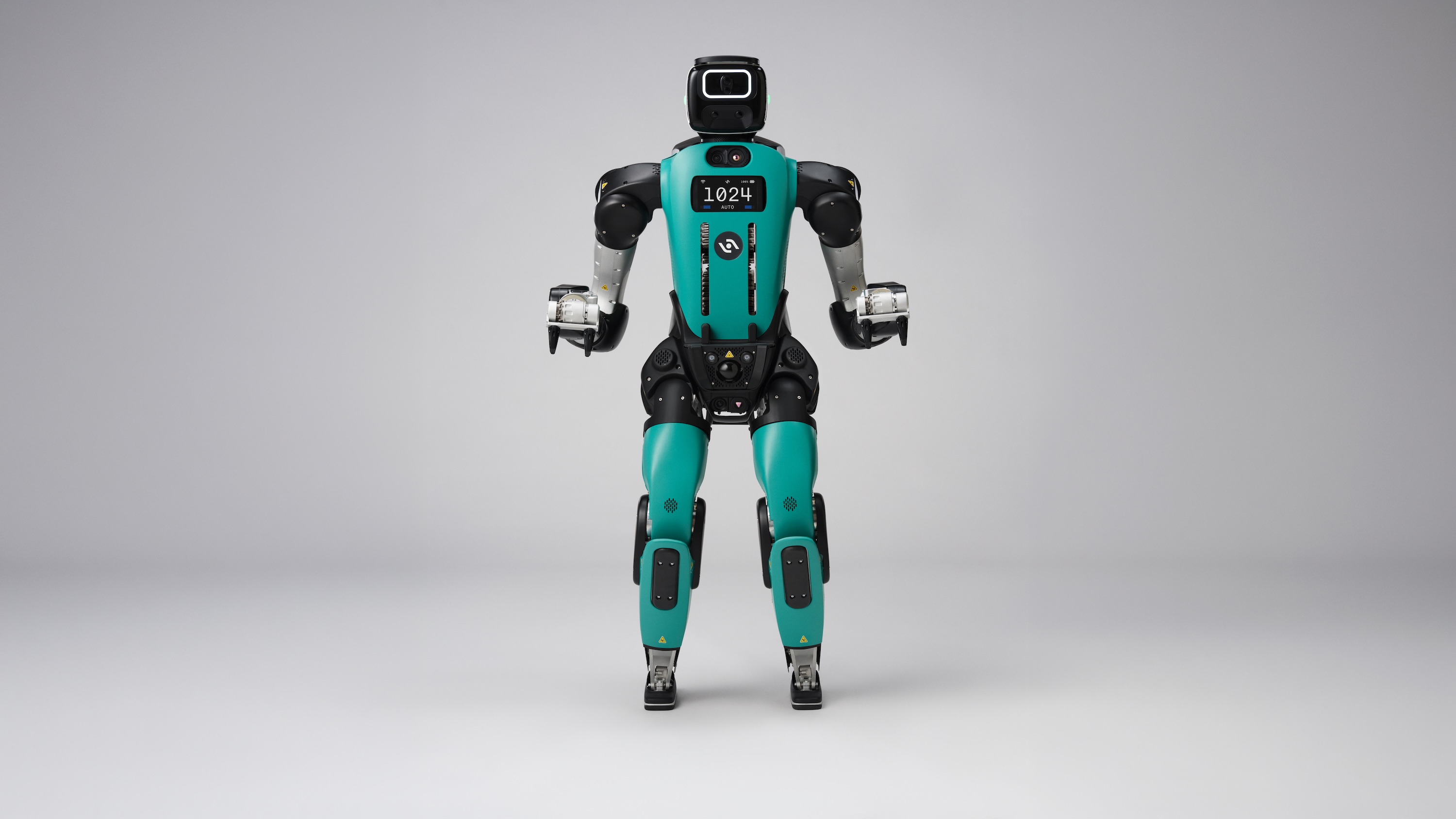
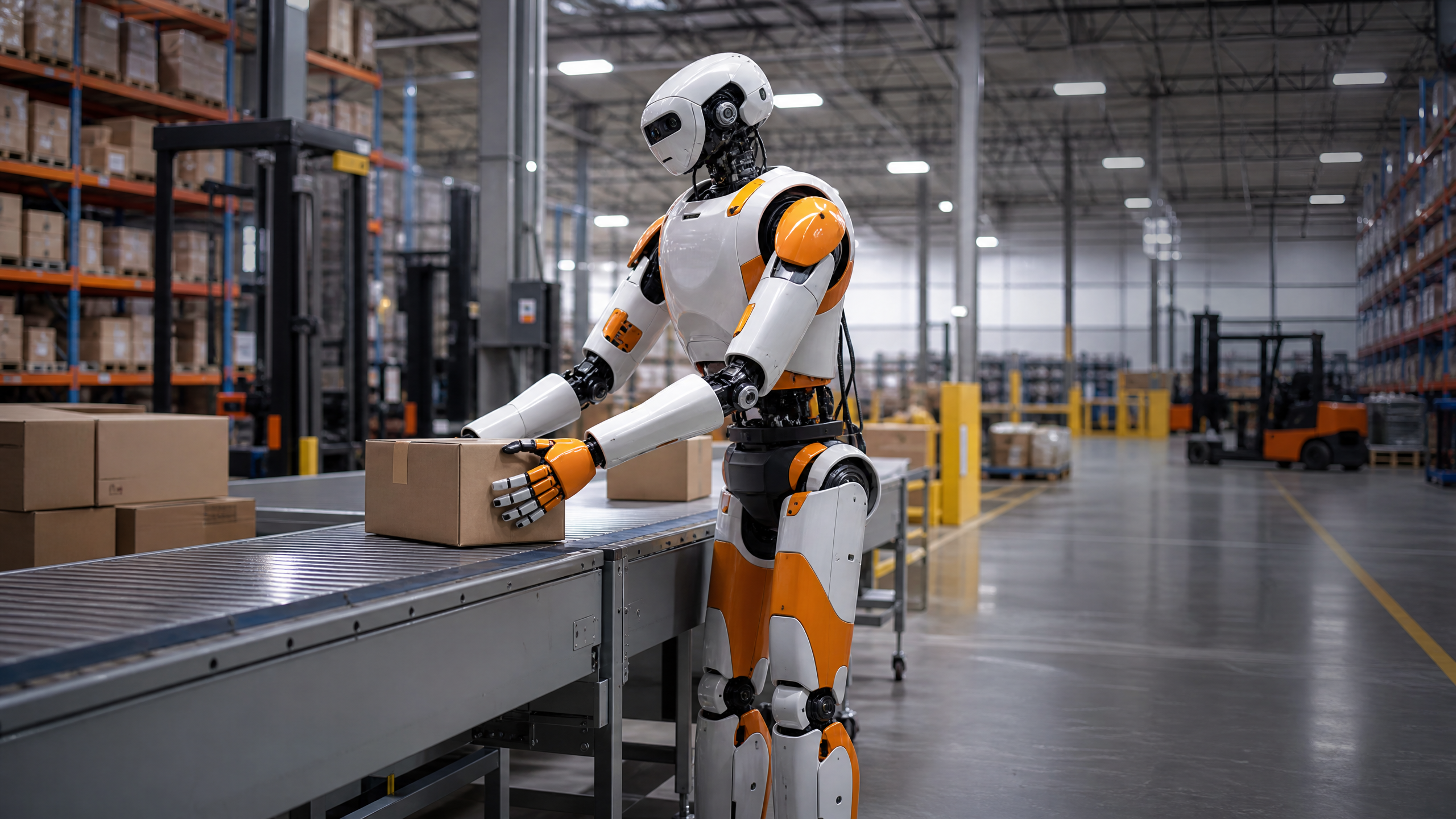
Agility Robotics is merging with Churchill Capital Corp XI in a $2.5 billion SPAC deal, with proceeds earmarked to scale production of its Digit v5 humanoid robot. Digit v5 has over $300 million in multi-year orders, 65,000+ hours of real-world operation across nine customer sites, and a dedicated manufacturing facility in Salem, Oregon, capable of producing up to 10,000 units annually.
Agility Robotics Goes Public via $2.5B SPAC Deal
Agility Robotics has announced plans to go public through a merger with special purpose acquisition company Churchill Capital Corp XI, valuing the humanoid robotics pioneer at approximately $2.5 billion. The transaction is expected to generate over $620 million in proceeds, signaling a major milestone in the commercialization of embodied AI [1] [2].
How the Deal Accelerates Production
The transaction includes roughly $200 million from a group of new and existing institutional investors. Agility, which spun out of Oregon State University in 2015, plans to use the capital to increase production capacity for its next-generation Digit v5 bipedal robot. The company has already secured more than $300 million in multi-year orders for the new model and maintains a pipeline of over 30 potential customers evaluating large-scale deployments [1].
Agility has built the necessary manufacturing infrastructure to support this scale, notably RoboFab, its full-scale modular manufacturing facility in Salem, Oregon, designed to support production of up to 10,000 units annually [2].
Why the Market is Watching
Digit is currently operating across nine customer facilities, including sites managed by Schaeffler, GXO Logistics, Toyota Motor Manufacturing Canada, and Mercado Libre. Through these commitments, the robot has accumulated more than 65,000 hours of operation, demonstrating its ability to automate repetitive physical tasks such as machine tending and sortation in live production environments [2].
The Digit v5 model represents a significant upgrade, capable of lifting up to 50 pounds (a 40% increase from the previous iteration), operating for about 22 hours on a single charge, and reaching up to 7.2 feet [2].
The Capital Flow Behind Embodied AI
The transition from venture capital to public markets marks a structural shift for humanoid robotics. As companies move beyond the prototype phase and into fleet deployment, the capital requirements for hardware manufacturing and AI model training expand significantly. This SPAC merger provides Agility with the necessary balance sheet to fulfill its existing commercial agreements and compete for enterprise-scale logistics contracts against both traditional automation providers and emerging humanoid competitors.
The public listing also establishes a clear financial benchmark for the embodied AI sector, shifting the narrative from technological capability to revenue generation and unit economics.
The Deployment Reality
While the $2.5 billion valuation reflects high expectations for humanoid robotics, the actual deployment of these systems remains complex. "Companies don't buy tech; they buy solutions," noted Agility CEO Peggy Johnson. The success of Digit v5 will depend not just on its physical capabilities, but on the cooperative safety systems and enterprise software integration required to make human-robot collaboration seamless on the factory floor [2]. The gap between demo performance and deployment reality is where the true competitive advantage will be built.
References:
[1] TechCrunch. "Agility Robotics plans to go public via SPAC in a $2.5B deal." June 24, 2026. https://techcrunch.com/2026/06/24/agility-robotics-plans-to-go-public-via-spac-in-a-2-5b-deal/
[2] The Robot Report. "Humanoid maker Agility Robotics to go public through SPAC merger." June 24, 2026. https://www.therobotreport.com/humanoid-maker-agility-robotics-go-public-through-spac-merger/