When Mankind Made Its First Humanoid Androids
The history of how 18th-century clockmakers created the first known humanoid robots
Humanity has always had an obsession with the idea of a mechanical version of ourselves. As early as the 4th-century BC, a Daoist text Liezi discussed the story of a robotic man who so convinced King Mu of Zhou that he had it taken apart to see who was really behind it, only for it to be revealed to be a machine of organs of wood and glue, mankind finally rivalling the creator in his creative power [1].
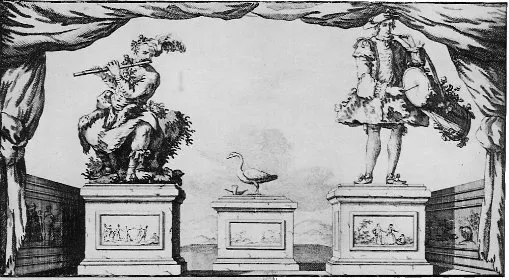
This dream appeared to come to life in 18th-century Europe in 1735, when Jacques de Vaucanson unveiled his famous ‘flute player’ [2].
Vaucason's machine was not the first music machine in Europe. Queen Elizabeth had a clock organ, a gift from the Ottoman Sultan, which used the clock to play the instrument automatically [3].
What made Vaucason’s invention special however was that it took on the form of a human being. Vaucason’s flute player used levers connected to cammed cylinders to create artificial hands and vocal tracts to produce music from a flute [4]. Earlier moving humanoid figures had appeared on the sides of medieval bell towers [5] but these had required a whole building to conceal its inner workings and could only make rudimentary motions. Vaucason’s flute player and his later works were a sign of the greater precision of artisanal clockworking in Europe.
Because, this was what Vaucason and others later automatons were. They were complicated clocks. However, instead of merely moving two hands around a circle, a series of levers and gears were used to control the various limbs and joints of the automata with careful precision. One of the most remarkable of these inventions was The Writer, a mechanism built to resemble a small boy, and which was capable of writing 40 programmable letters of the alphabet while also looking very uncanny.
These were the inventions of Pierre Jaquet-Droz, a Swiss watchmaker [6] [7], again showing these wonders were extensions of the advancements in clockworking, with newer techniques achieving greater compactness and precision.
They produced much excitement among the literate classes, inspiring the likes of Edgar Alan Poe, fascinated by one particular automaton, the Mechanical Turk, which he saw on display winning games of chess against human opponents [8]. However, this type of technology was too advanced for the era and Mechanical Turk turned out to be a fraud, as King Mu of Zhou had guessed the mechanical man to be, with a human operator hidden beneath its playing table.
As the 18th-century passed into the 19th and 20th, robots moved beyond its clockwork era and into the age of steam and electronics. These new developments allowed even more complex and compact functions, inspiring a new term, “robot”, first coined by Karel Čapek in 1920 in a piece of science fiction inspired again by the idea of a race of artificial men [9].
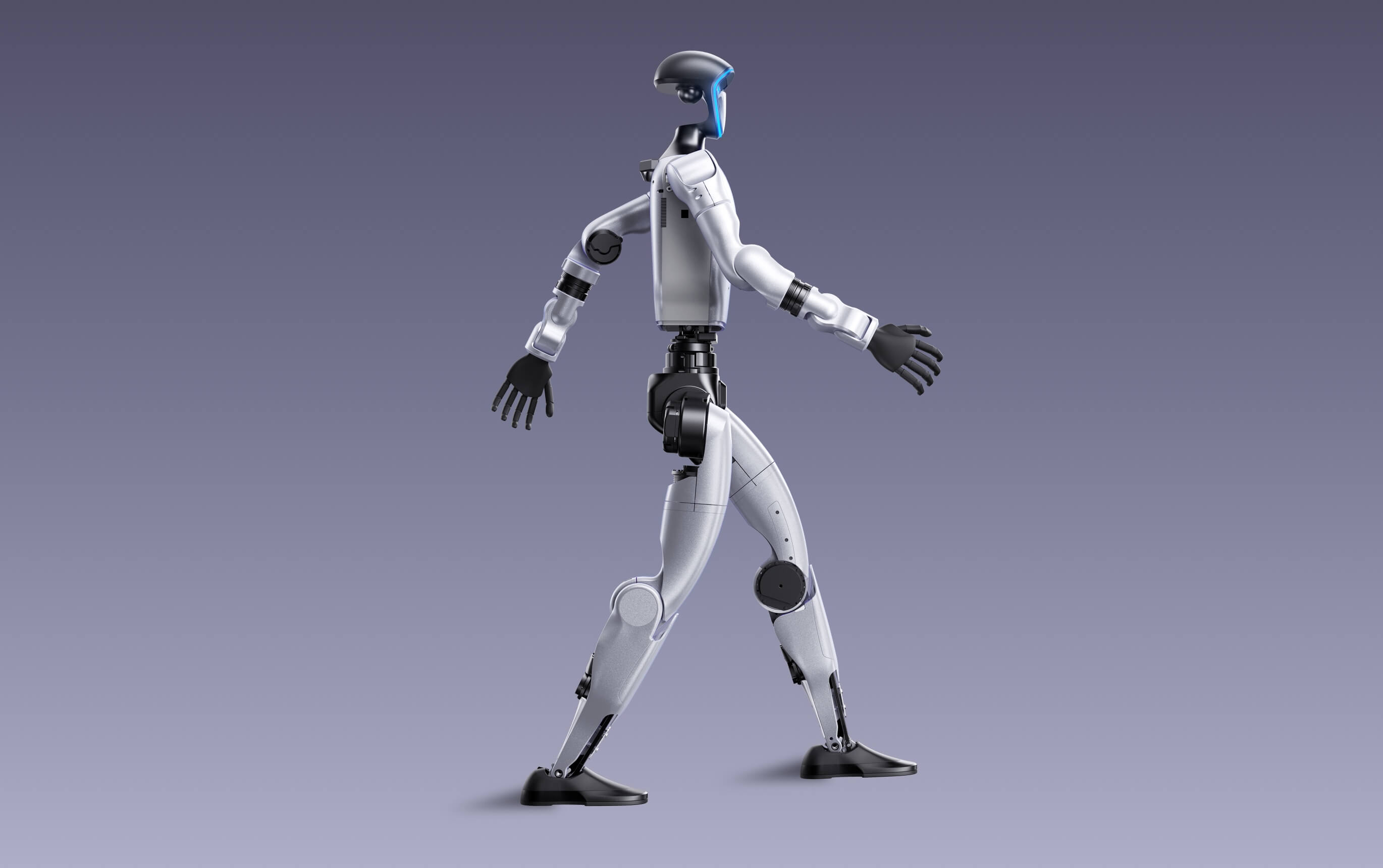
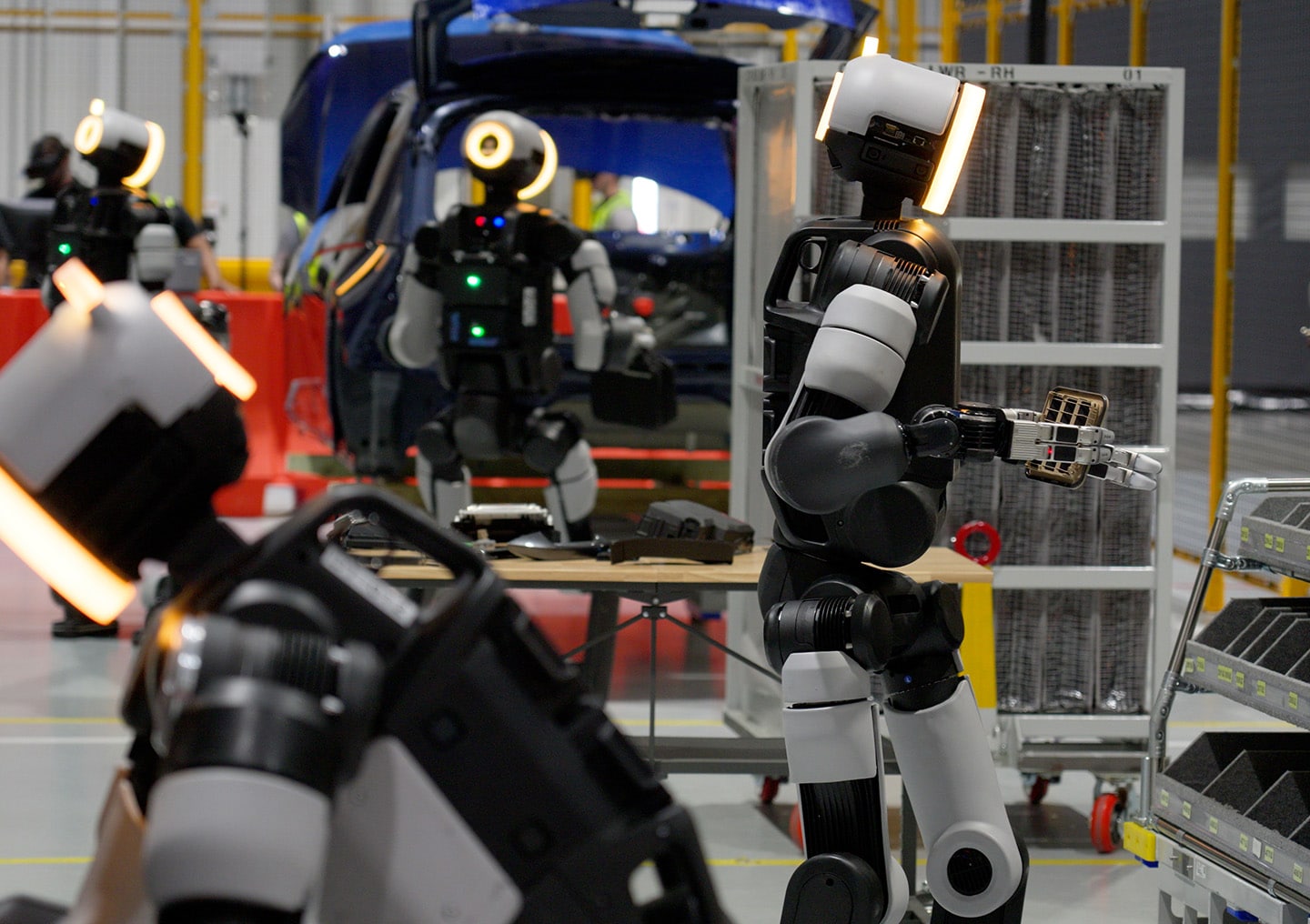
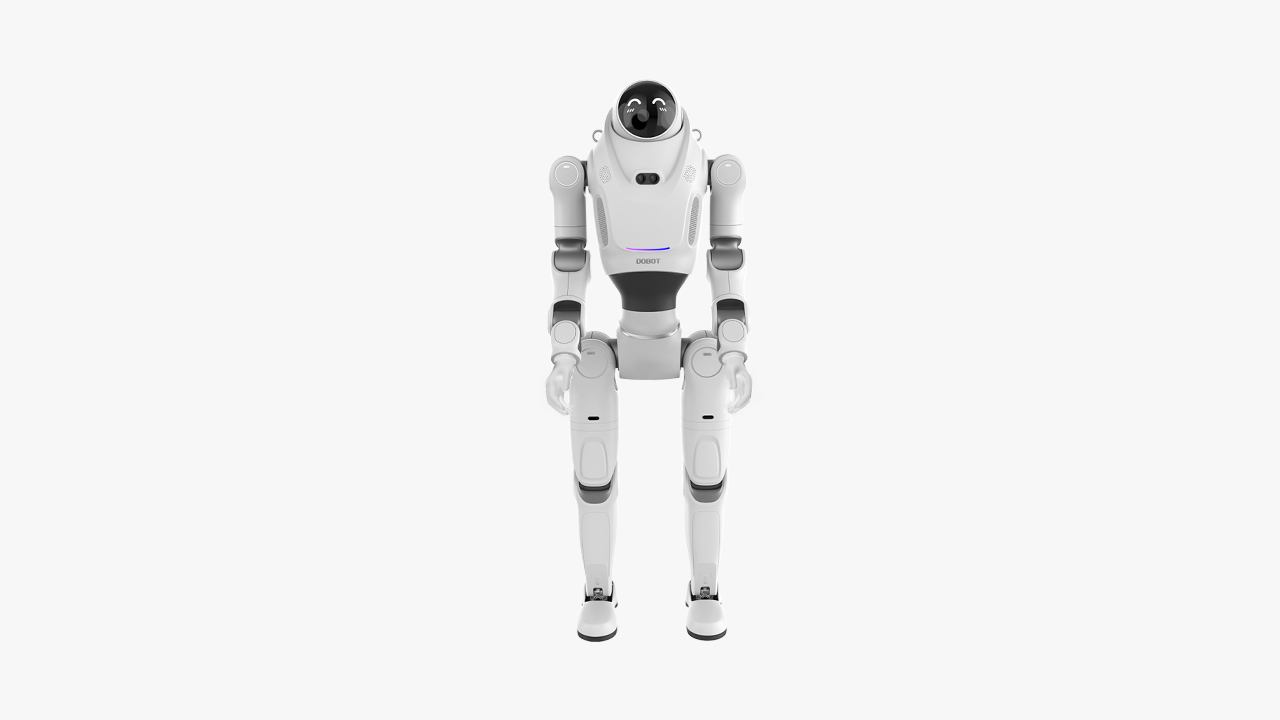
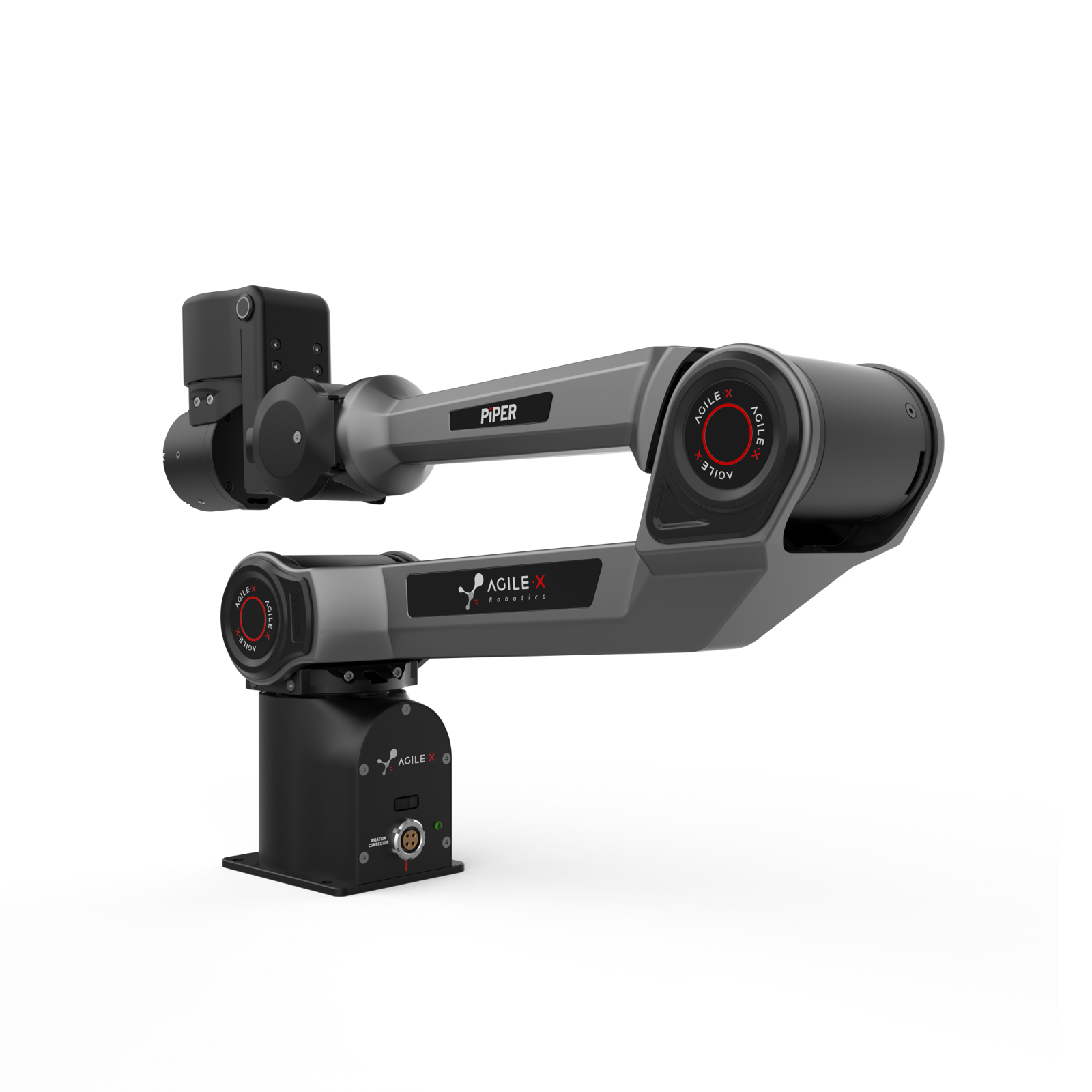
Leading into the modern day, company after company today is racing to see who can make a bot which can finally fulfill the human ambition of matching providence in creating the truly humanoid machine [10].
Sources
[1] — https://en.wikisource.org/wiki/Taoist_teachings_from_the_book_of_Lieh_Tz%C5%AD/Book_5
[2] — The Role of Automata in the History of Technology, pg 37
[3] — Ibid. pg 35
[4] — https://publicdomainreview.org/essay/early-androids-and-artificial-speech/
[5] — https://web.archive.org/web/20140812211553/http://summit.sfu.ca/system/files/iritems1/12906/etd7811_CSill.pdf, pg 14-15
[6] — The Role of Automata in the History of Technology, pg 39
[7] — https://youtu.be/S0RnT4JBuEI?si=-aG_88RtPUK8nz12&t=85
[8] - The Mechanical Age: Automata between social critique and the uncanny - Dilettante Army
[9] — https://thereader.mitpress.mit.edu/origin-word-robot-rur/
[10] — https://humanoidroboticstechnology.com/articles/top-12-humanoid-robots-of-2026/