Types of Collaborative Robots: Which Variant Do You Actually Need?
A detailed breakdown of collaborative robot subcategories by payload tier and mobility. This guide helps procurement teams and engineers understand the technical differences between light, medium, heavy, and mobile cobots to make informed capital expenditure decisions in 2026.

The decision to invest in collaborative robotics is no longer a binary choice between manual labor and automation. As the market has matured, the collaborative robot category has fractured into distinct subcategories engineered for highly specific use cases. According to industry data verified in recent financial filings, light and medium payload cobots currently dominate the landscape, accounting for 65 percent and 25 percent of global market share respectively [1]. However, the fastest growth is occurring at the margins, with ultra light desktop models and heavy payload industrial cobots reshaping the boundaries of what a collaborative system can achieve. For buyers navigating the 2026 equipment market, understanding the technical nuances of these variants is critical to matching the right asset to the right production bottleneck.
Overview of Variants
The industry primarily segments collaborative robots by their payload capacity, which dictates the weight of the end of arm tooling plus the maximum weight of the object being manipulated. Beyond payload, the structural design, specifically the number of axes, plays a defining role. Six axis cobots are the undisputed standard, representing over 53 percent of the market due to their ability to closely mimic human arm movements [1]. Four axis models, often used for simpler pick and place tasks, hold nearly 41 percent share, while specialized seven axis models make up the remainder [1].
The core payload tiers are defined as follows:
• Light Duty (Under 7 kg): The foundational tier of the cobot market. These units are highly compact, easily reprogrammable, and designed for fine manipulation.
• Medium Duty (7 to 12 kg): The versatile middle ground, offering a balance of reach and lifting capability suitable for general manufacturing tasks.
• Heavy Duty (12 to 20 kg) and Extra Heavy (Above 20 kg): The frontier of collaborative robotics, designed to encroach on applications traditionally reserved for caged industrial robots.
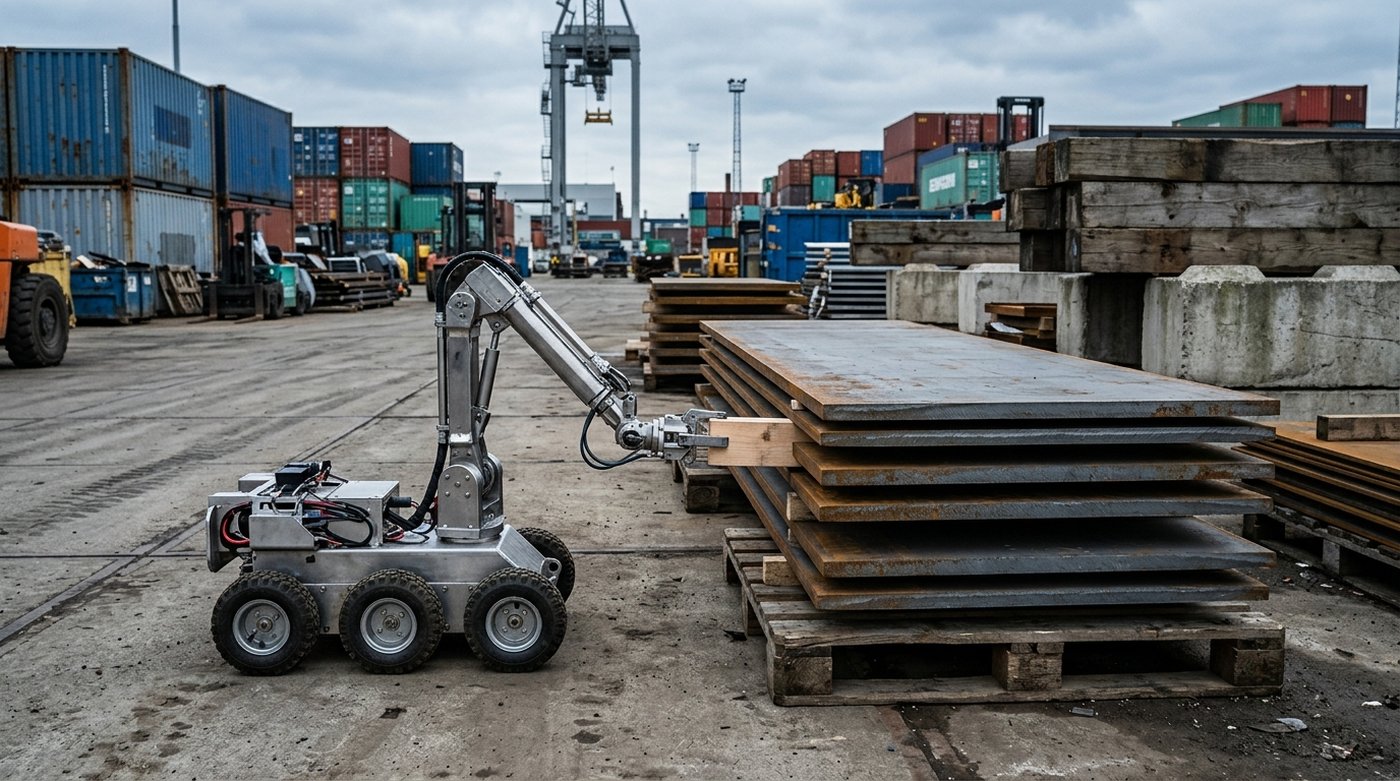
• Mobile Collaborative Robots: An emerging architectural variant where a standard cobot arm is mounted on an autonomous mobile chassis, decoupling the arm from a fixed workstation.
How Each Variant Differs
The technical differentiators between these subcategories extend far beyond simple lifting capacity. As payload increases, the physical footprint, reach, and kinetic energy of the robot scale proportionally, which fundamentally alters the safety and integration profile.
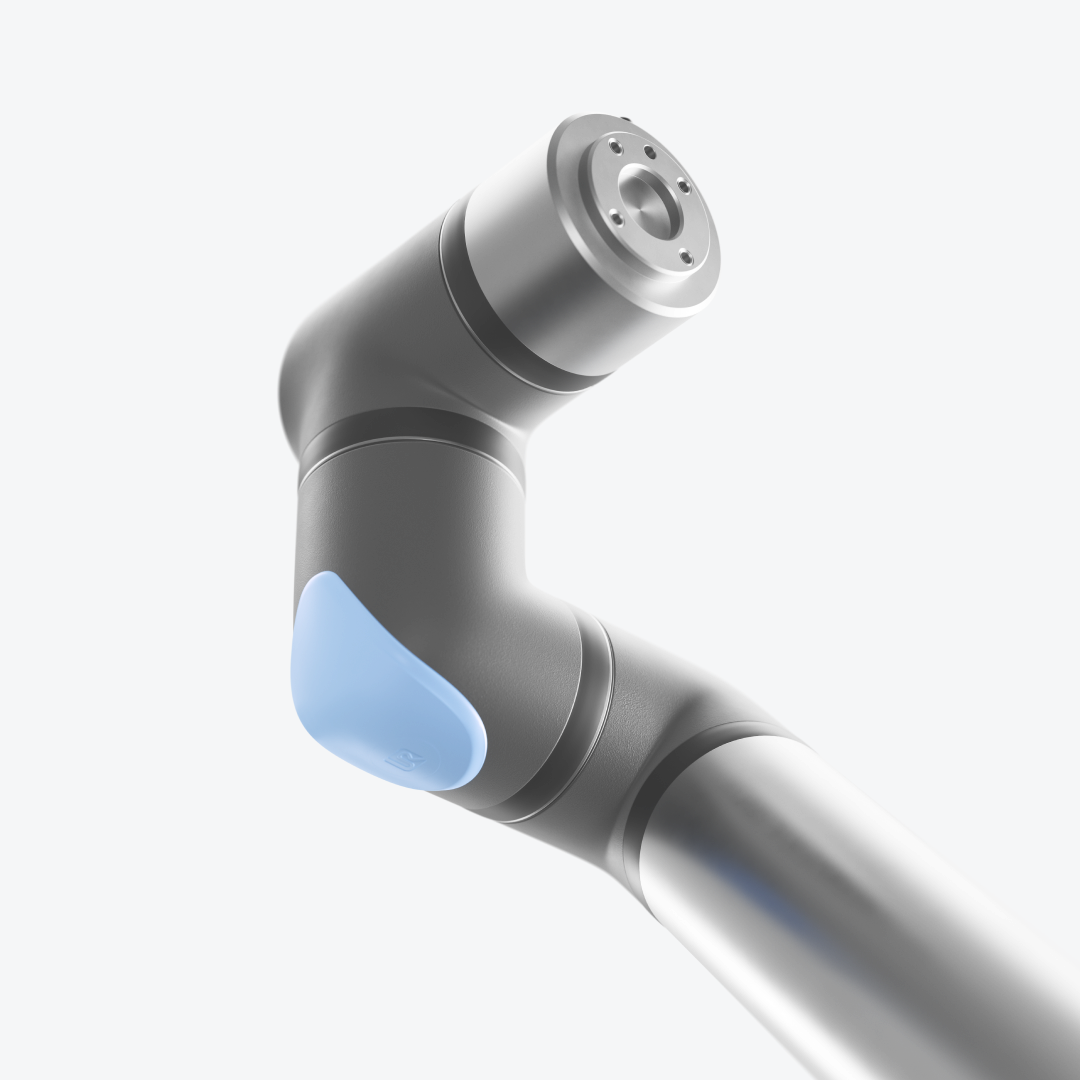
Light duty cobots typically feature a working radius of 500 to 900 millimeters. Their low mass allows for highly sensitive torque monitoring, making them inherently safe for close proximity human interaction without external safety scanners. They excel in precision, with leading models achieving repeatability tolerances of 0.02 millimeters.
Medium duty variants extend their reach to between 900 and 1500 millimeters. The increased mass requires more robust joint actuators and stiffer structural materials to maintain precision at full extension. While still safe for collaborative use, their higher momentum means that risk assessments often mandate slightly reduced operating speeds when humans are in the immediate vicinity.
Heavy duty cobots represent a significant engineering challenge. Models capable of lifting 30 or even 40 kilograms require substantial power. To maintain collaborative safety certification, manufacturers must implement advanced predictive algorithms that anticipate collisions and decelerate the arm proactively. Consequently, these robots often operate at slower speeds than their lighter counterparts to ensure compliance with ISO safety standards.
When to Use Each Variant
Selecting the correct variant requires a rigorous assessment of the specific task, the operating environment, and the required cycle time. Over specifying payload is a common procurement error that leads to unnecessary capital expenditure and wasted floor space.
Light Duty Applications: These models are the optimal choice for electronics assembly, screw driving, circuit board inspection, and pharmaceutical packaging. Their small footprint allows them to be mounted directly on standard workbenches. If the task involves manipulating objects weighing less than two kilograms and requires high precision, a light duty six axis cobot is the most capital efficient solution.
Medium Duty Applications: The medium tier is the workhorse of the modern machine shop. These cobots are ideal for CNC machine tending, where they must handle both the raw metal billet and the heavy pneumatic gripper required to hold it. They are also the standard choice for collaborative welding and end of line packaging. Their extended reach allows them to tend two adjacent machines or stack boxes on a standard pallet.
Heavy Duty Applications: Buyers should only specify heavy duty cobots when the application strictly demands it. Typical use cases include heavy palletizing, handling automotive engine components, and manipulating large metal castings. Because of their size, these units are less easily redeployed and often become permanent fixtures on the line. They are the correct choice when human workers are suffering from ergonomic strain due to lifting heavy objects, but the production layout cannot accommodate the safety fencing required for a traditional industrial robot.
Buyer Decision Matrix: Cobot Subcategories
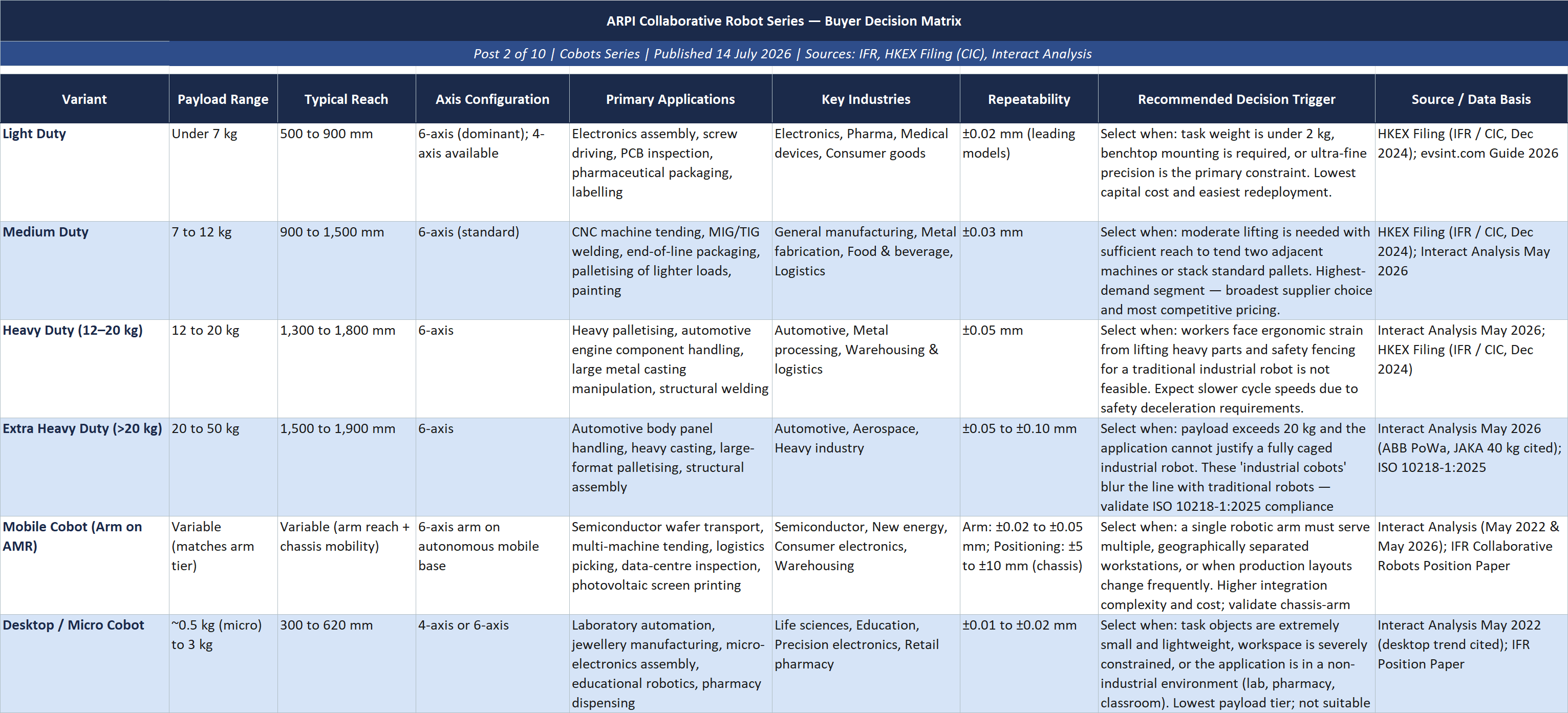
Notes: Payload figures represent rated arm capacity. Always add 20% safety margin above calculated workpiece + tooling weight. Repeatability values are indicative of leading models in each tier and may vary by manufacturer. ISO 10218-1:2025 compliance must be independently verified for all heavy-duty and extra-heavy-duty deployments. Sources: IFR World Robotics 2025; HKEX Filing (Dec 2024, citing IFR and CIC); Interact Analysis Collaborative Robots Report (May 2026).
Emerging Subcategories
As we look toward the remainder of 2026, two specific subcategories are gaining significant commercial traction.
The first is the true mobile collaborative robot. By integrating a cobot arm with an Autonomous Mobile Robot base, manufacturers are creating systems capable of tending multiple machines across a factory floor. Market intelligence forecasts indicate that shipments of collaborative robots will grow at an average annual rate of 17.3 percent through 2030, and mobile variants are expected to capture an increasing share of this expansion [2]. The semiconductor and new energy sectors are the early adopters, utilizing mobile cobots to transport delicate wafers and inspect power infrastructure without human intervention.
The second emerging category is the micro or desktop cobot. These units, with payloads hovering around 500 grams, are stripping away the complexity of larger industrial models to focus purely on ultra fine manipulation. They are finding a home in laboratory automation, jewelry manufacturing, and educational settings, proving that the collaborative robotics market is expanding just as rapidly at the microscopic level as it is in the heavy industrial space.
References
[2] Interact Analysis, "Strong 17.3% growth forecast for collaborative robot shipments from 2025-30"