Physical AI Moves From Models to Data Factories
The main constraint in physical AI is shifting from algorithm design to the collection and validation of reliable real world interaction data. Recent releases in depth sensing, brain to robot interfaces, edge reasoning, and simulation show an industry constructing the data infrastructure required for capable embodied systems. The most durable technical advantage will come from the ability to capture, label, simulate, validate, and reuse physical experience at scale.
Physical AI is entering a more demanding stage in which a model announcement is only as useful as the data and validation system behind it. The market reality is that robots still fail on ordinary tasks when their training data lacks depth, intent, context, or recovery examples. The structural shift is the creation of dedicated data factories that capture human demonstrations and turn them into reusable training material. The implication is that the technical leaders will be the companies that organize physical experience into a reliable, scalable pipeline rather than those that merely claim the largest model.
Orbbec, a Shenzhen, China based 3D vision company supplying depth cameras for robotics and industrial AI, and BrainCo, a Massachusetts based brain computer interface developer working on neural intent decoding and embodied AI data capture, illustrate the new pipeline from different directions. Orbbec is building hardware to record spatial interaction. BrainCo is building interfaces intended to record human motor intent alongside action. Both are addressing the same bottleneck: a physical AI system needs more than video of a task. It needs a structured record of the environment, the action, the context, and the outcome.
High Fidelity Data Becomes the Scarce Input
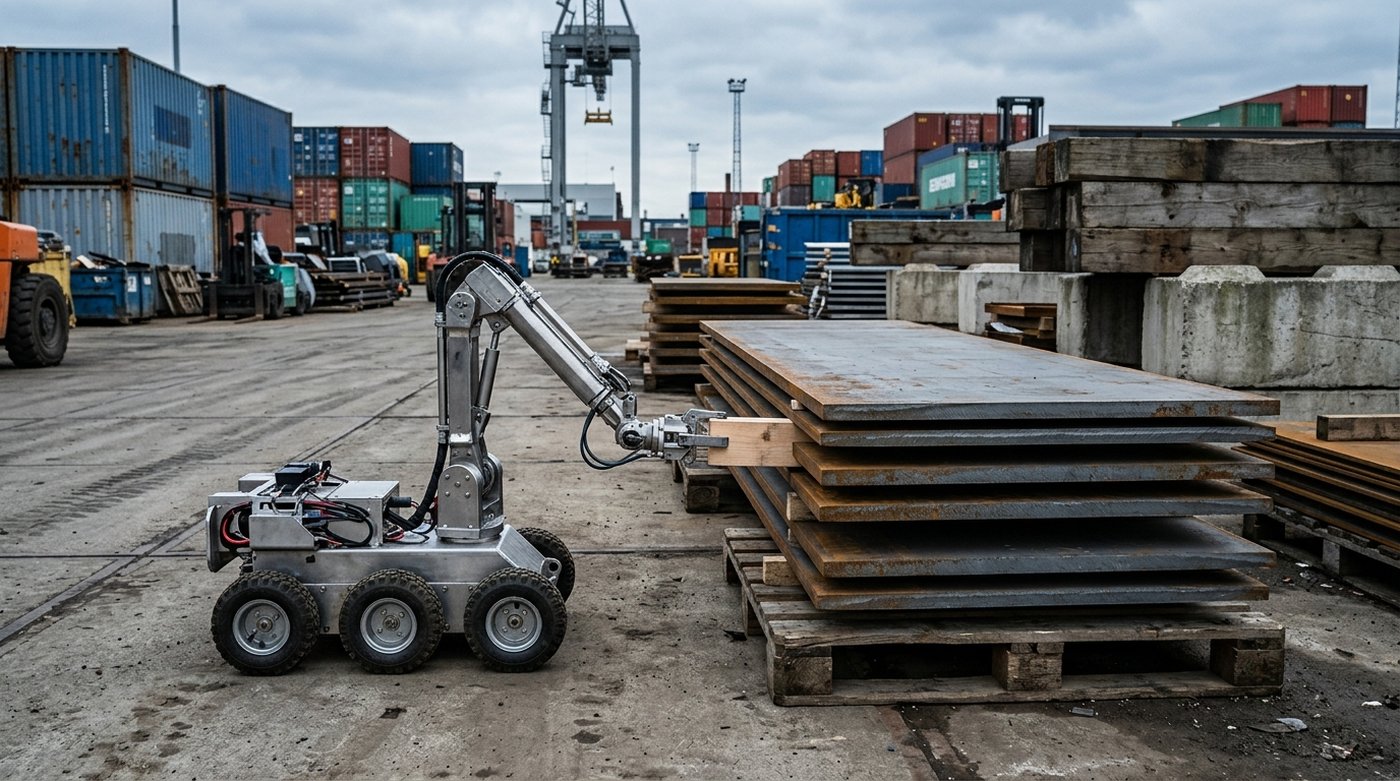
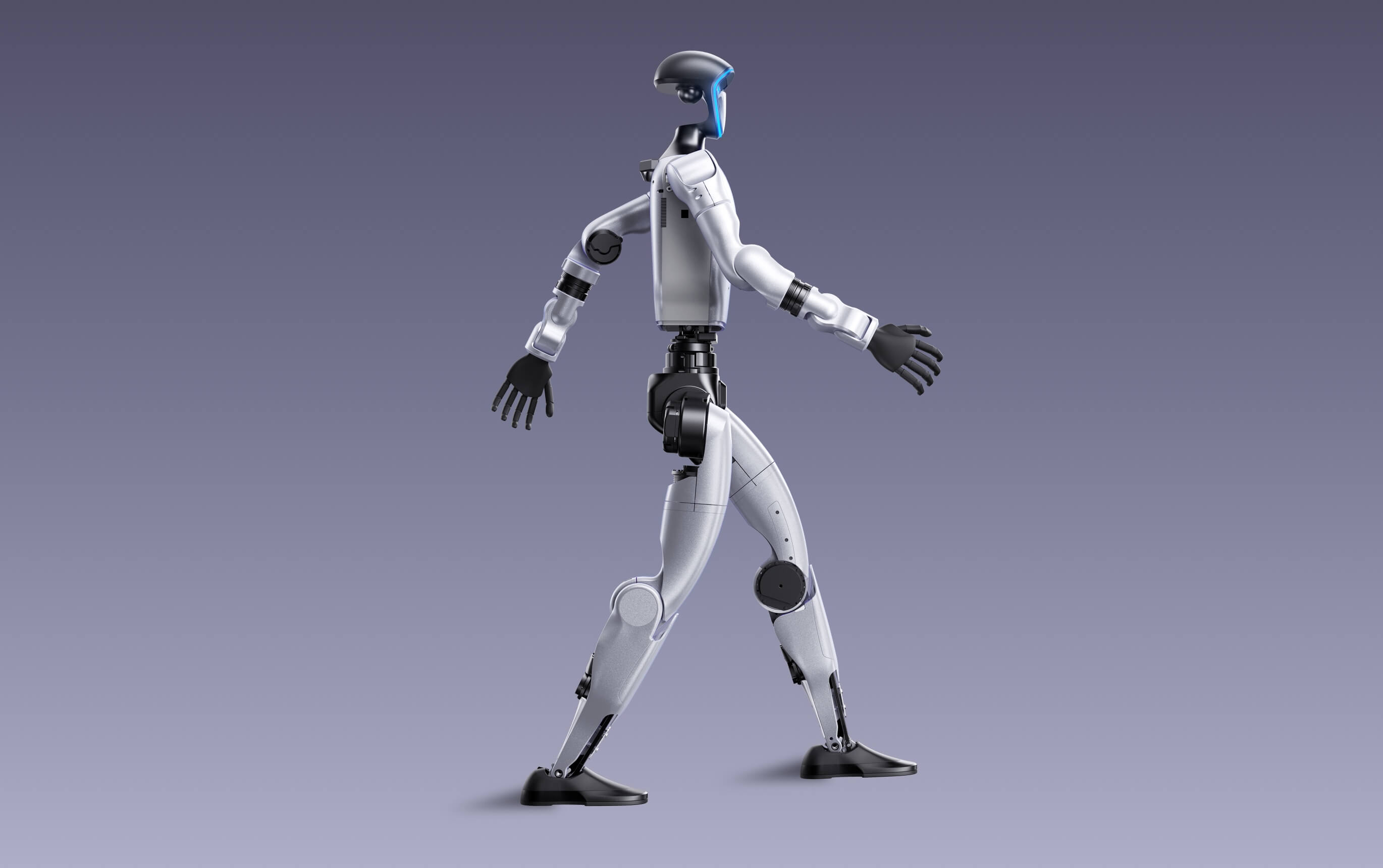
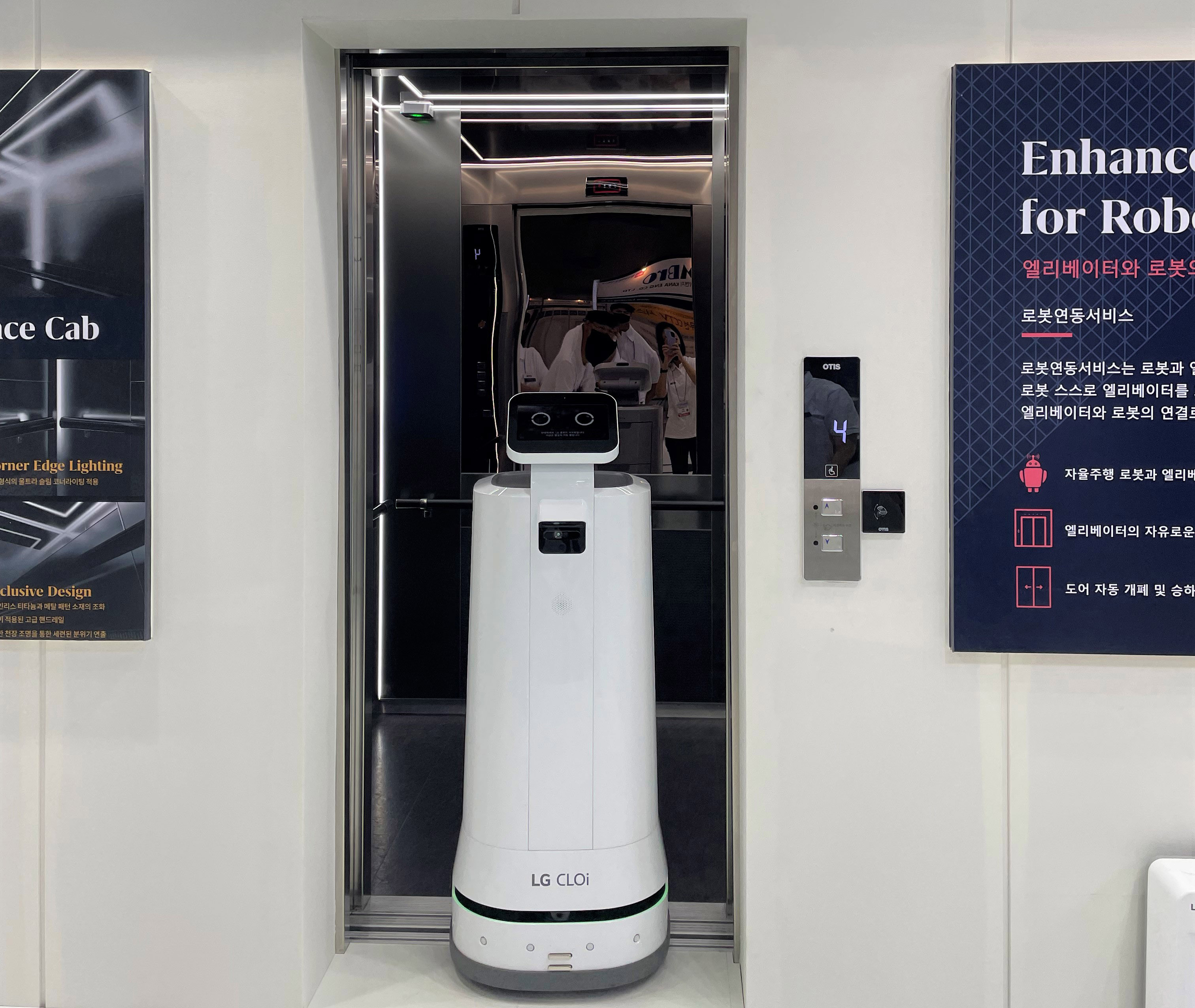
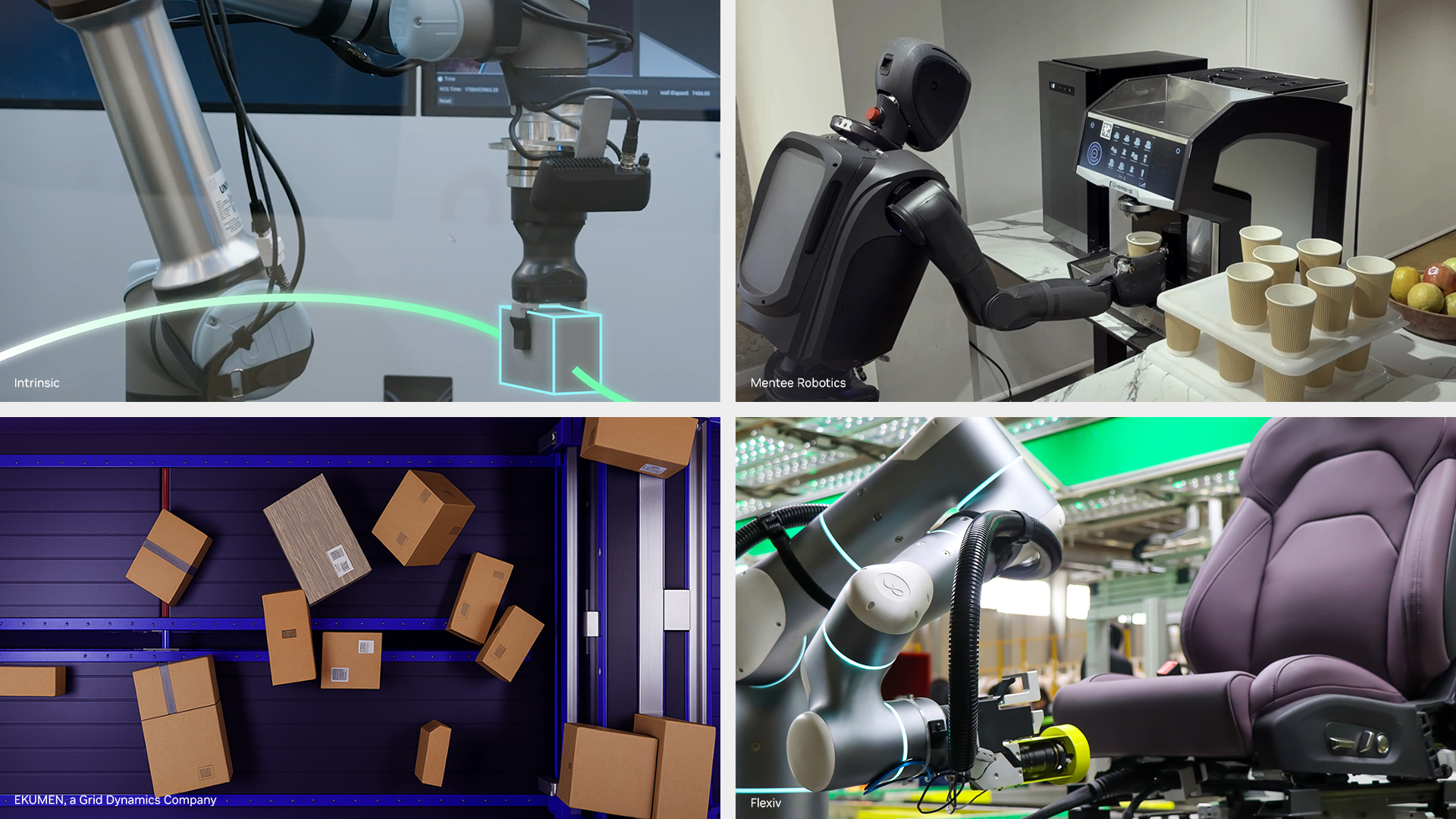
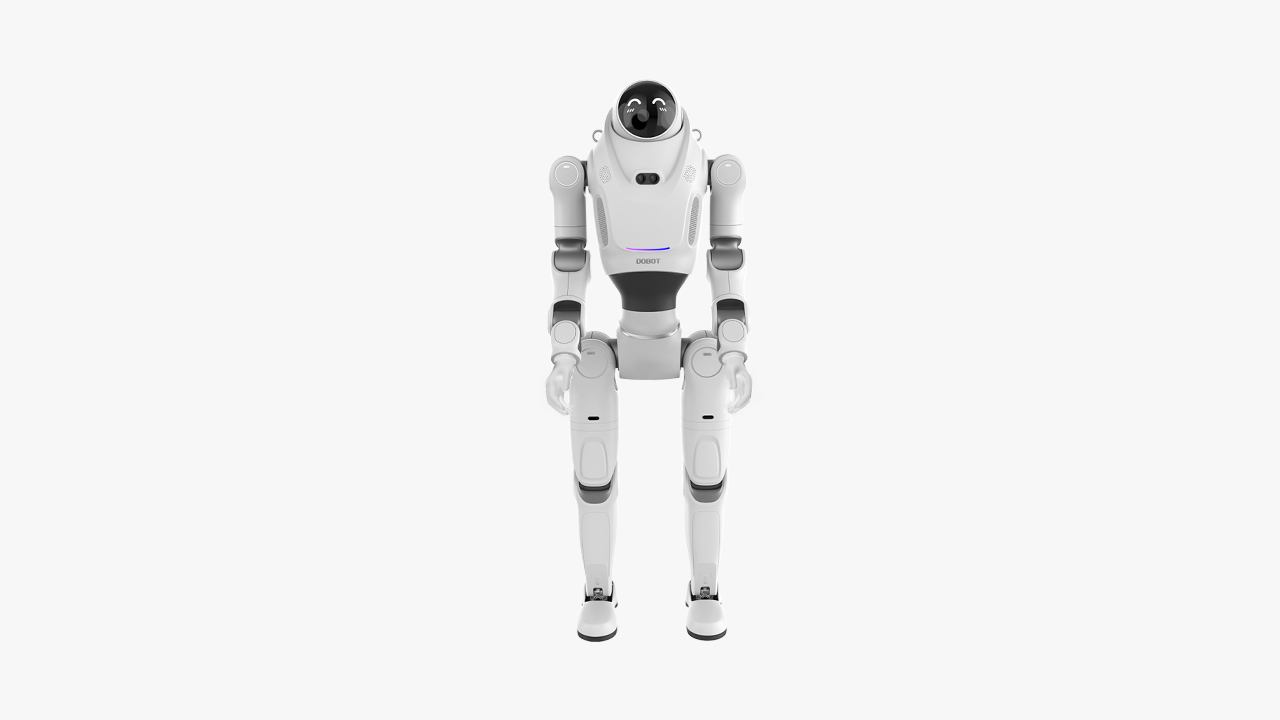
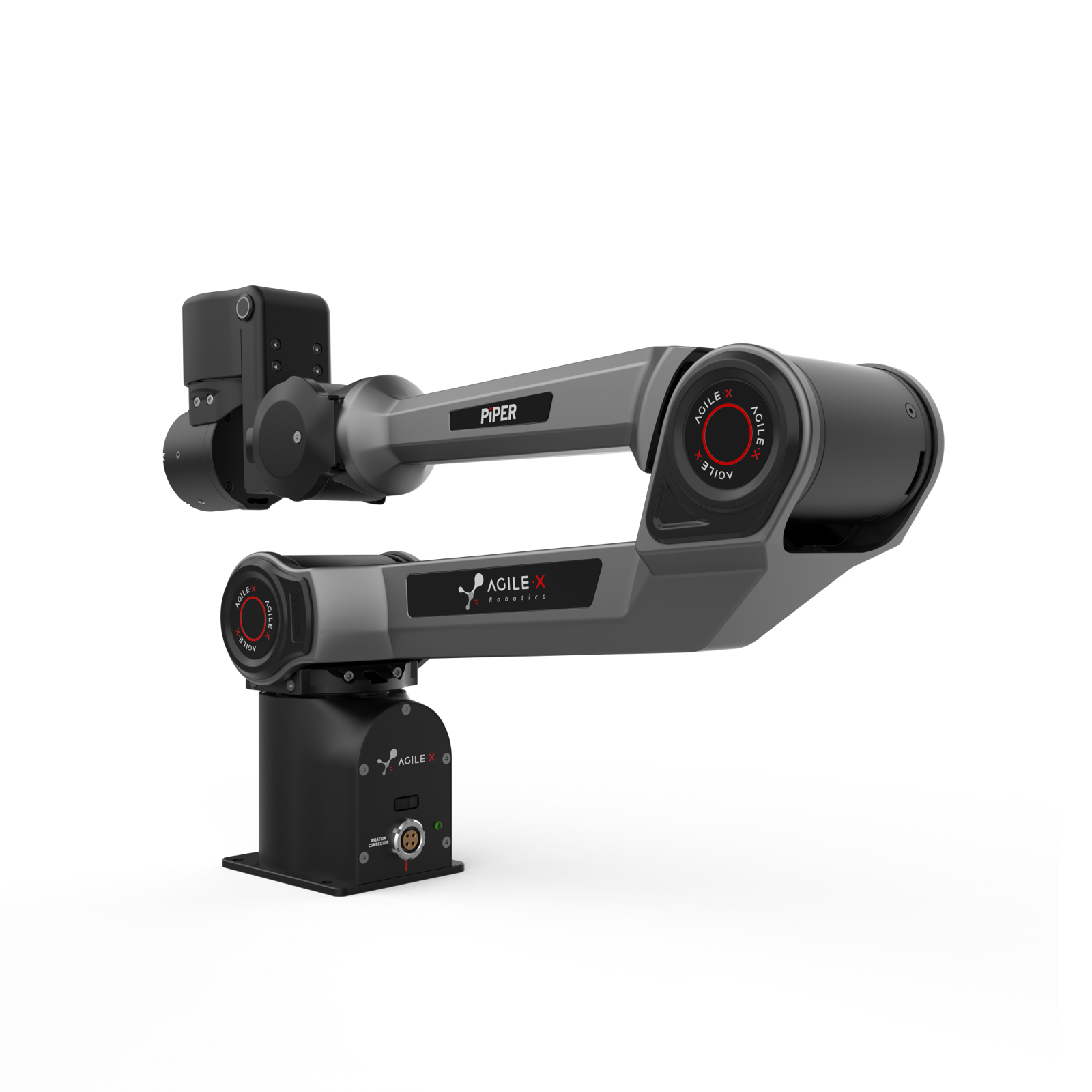
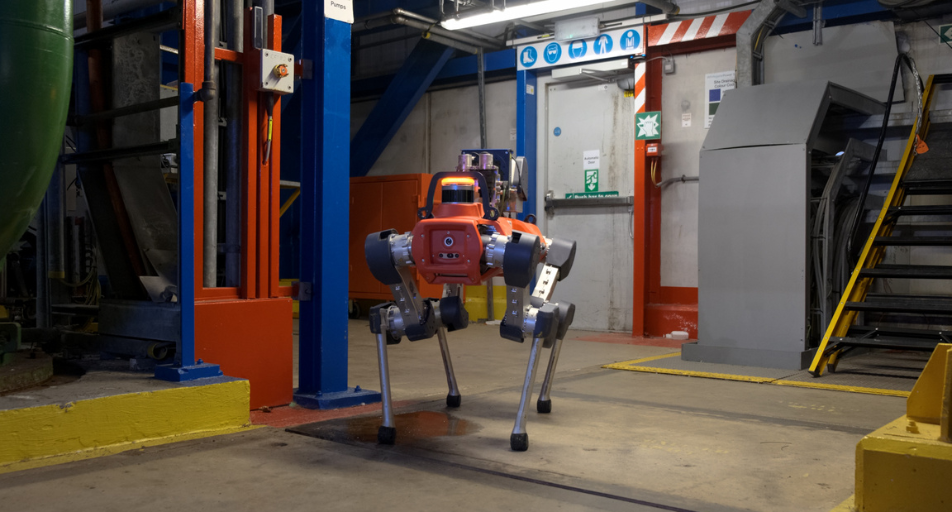
The language of robotics often emphasizes the visible machine. Cameras focus on a humanoid walking through a warehouse, a robotic arm folding fabric, or a mobile base navigating a corridor. Those images are useful because they make the promise tangible. They do not reveal the amount of structured information required to make the behavior dependable.
A robot needs to understand where an object is, what it is made of, how it moves when touched, how much force a task requires, which action comes next, and what to do when the first plan fails. A single video may record an outcome without recording the physical relationships that produced it. A model trained on flat visual data may learn broad patterns while missing the precise geometry needed for a transparent cup, a reflective part, or a partially obscured tool.
This is why the current technical race is becoming a data infrastructure race. The industry is investing in sensors that provide native depth, wearable devices that capture a human’s point of view, gloves that record hand movement, interfaces that detect intent, and simulation systems that multiply rare real world observations. The goal is to turn the messy physical world into training material that can be reused across tasks and robot forms.
The valuable dataset is not simply large. It is representative, synchronized, and connected to a result. It includes ordinary cases, edge cases, recovery events, and proof that a policy worked in the intended environment. The companies able to build this type of dataset will have an advantage that cannot be copied merely by releasing a new architecture.
Depth Sensing Turns Demonstration Into Training Material
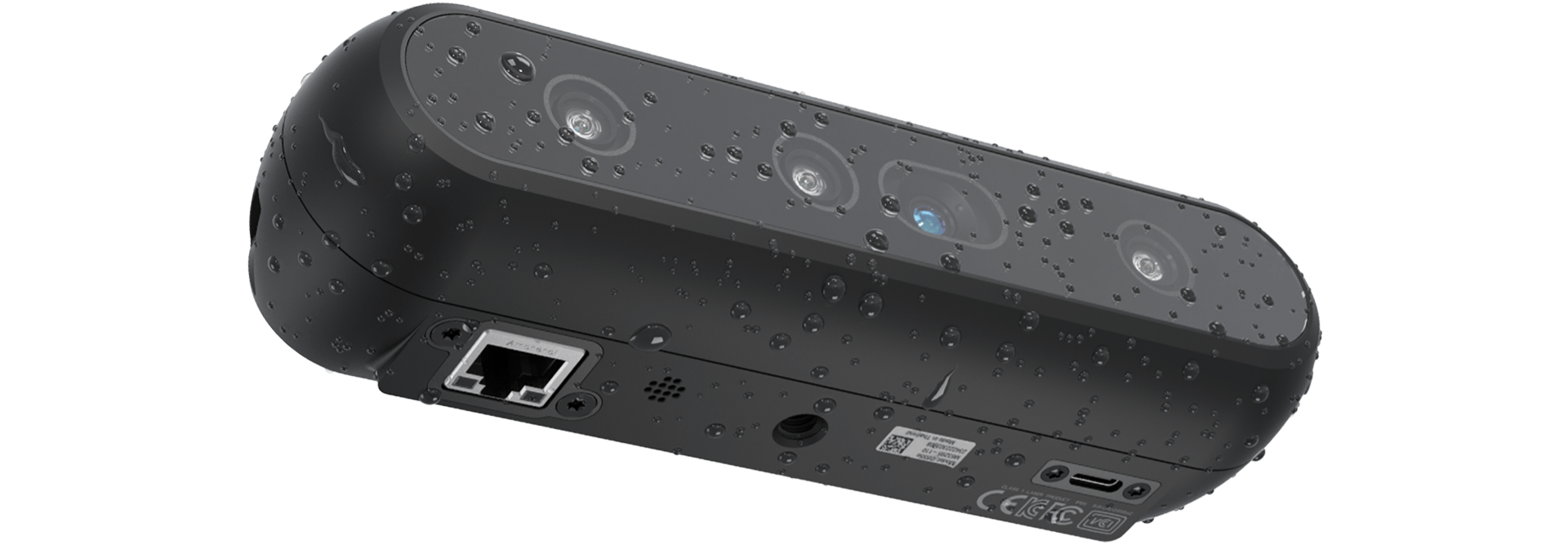
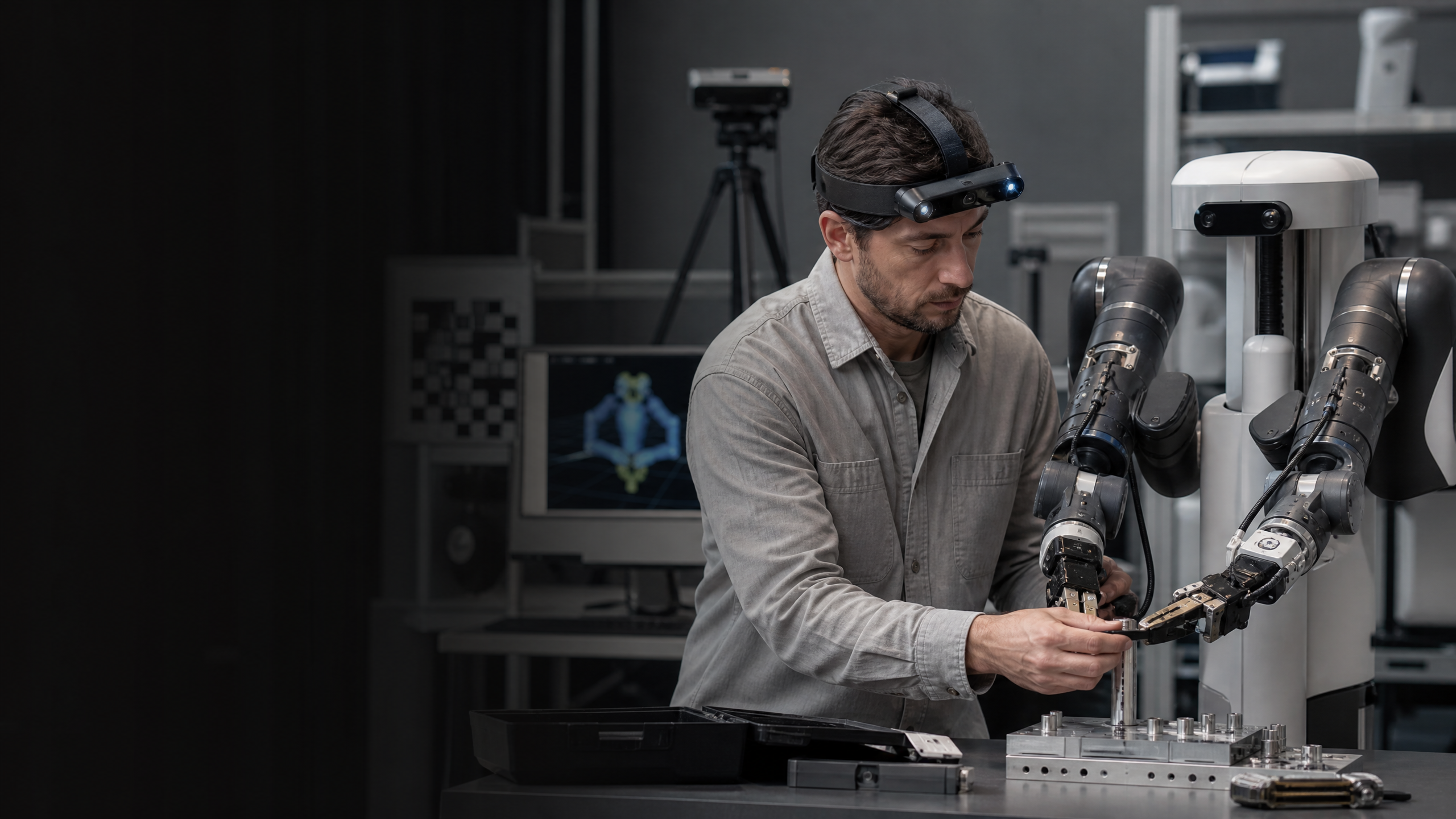
Orbbec’s EGO RGB D series offers a clear example of the new data capture layer. The head mounted system is designed for first person collection of RGB, depth, and inertial measurement data in physical AI and world model training. The purpose is practical: capture a human operator’s perspective while retaining the spatial measurements that a robot must ultimately use.
The system combines the company’s Gemini 330 camera series with onboard depth computation. It is paired with a version of LingBot Depth 2.0 adapted for collection tasks. The hardware records native depth while the model helps fill missing regions, refine object boundaries, and improve spatial information around challenging surfaces. Orbbec reported that its enhancement capability achieved the lowest root mean squared error in 12 of 16 test configurations. The company also described a training dataset of approximately 150 million samples.
Those benchmark results should be treated as company reported performance, but the underlying engineering problem is indisputable. Transparent, reflective, and occluded objects are difficult for robots because visual appearance alone does not provide a stable spatial model. A human can infer that a glass object has depth even when reflections obscure its edges. A robot requires data that makes the same inference dependable under varying light, camera angle, and background conditions.
The EGO system also reflects a shift in who collects robot training data. A data collection team does not need to operate a finished robot in every situation. It can wear a device, perform a task naturally, and create a spatially grounded record of the work. That can lower the cost of collecting examples for manipulation tasks while exposing the model to the rich variability of human behavior.
The potential value reaches beyond a single robot. A head mounted record can be paired with wrist level observations, hand object interactions, and robot execution logs. It can be used for a mobile manipulator, a fixed arm, or a semi humanoid platform. The data layer becomes a common asset even when the final machine changes.
Intent Can Become a Data Channel
BrainCo’s platform extends the data question beyond movement. The company demonstrated a system in which an EEG headset captures neural signals, AI decodes intended motor or control actions, and commands reach a robot in under 200 milliseconds. The WAIC demonstration showed a robot arm carrying out precise actions such as grasping a cup or picking up an apple.
A brain computer interface does not solve the entire robotics problem. Human neural signals are noisy, individual variation is substantial, and meaningful control requires careful calibration. The more consequential contribution may be the platform’s role in data collection. BrainCo described a system that combines a dual arm wheeled data collection platform, a high precision glove, robot execution data, human demonstrations, virtual simulation, and EEG data.
This combination can create a richer observation than a simple motion capture recording. A glove can record finger and hand motion. A camera can record the object and scene. A robot can record the execution path. An EEG channel can add a signal about the operator’s intended action. Virtual simulation can extend the data into variations that are hard to collect physically. Together these layers can help a model distinguish between a movement that happened and the goal that motivated it.
The value of intent data is especially clear in complex tasks. A human may reach toward an object for several reasons. The final grip, path, and force depend on whether the object is being moved, inspected, sorted, opened, or handed to another person. A model that sees only the hand path must infer the goal indirectly. A system that records a stronger signal of intent may train a more useful mapping between context and action.
The immediate commercial challenge will be to determine where this extra capture complexity is worth the cost. It may be most useful in tasks with high variance, delicate manipulation, or a large penalty for error. The technology does not need to replace ordinary robot programming to matter. It needs to shorten the time required to teach a machine a valuable new skill.
Simulation Multiplies What the Field Captures
Physical data is expensive. A demonstration takes time. A robot trial can create safety risk. An uncommon failure may occur only once in thousands of hours. Simulation is the necessary multiplier that turns scarce real experience into a broader training and validation resource.
NVIDIA introduced Cosmos 3 Edge, a four billion parameter model intended to bring vision reasoning and robot policy generation onto Jetson systems. The move toward on device reasoning matters because a robot cannot always wait for distant cloud processing when it must react to a moving object, a changing workspace, or a safety event. Local inference can reduce latency and allow an operator to keep sensitive task data closer to the site.
The wider ecosystem around the release is equally important. NVIDIA stated that AIRoA, FANUC, Fujitsu, Hitachi, Kawasaki Heavy Industries, Kubota, NEC, SoftBank, Sony, and Yaskawa intend to join its Cosmos Coalition. Fujitsu is exploring a collaborative control platform with FANUC, Yaskawa, and Kawasaki that combines models, simulation, digital twins, robot learning, simulation to real workflows, and validation.
This is not a generic partnership announcement. It identifies the technical handoffs required to make physical AI useful. A model needs a digital twin in which it can be tested. The twin needs accurate plant data. The policy needs to transfer from the simulated environment to real equipment. The real equipment needs telemetry that exposes failure modes. The resulting data needs to flow back into the training loop. The system only works when each step retains enough fidelity for the next one.
The Factory Floor Is the Final Dataset
The final test of a physical AI system is neither a benchmark nor a conference demonstration. It is a live operating environment in which the machine has to perform repeatedly, safely, and with an understandable recovery path. That test transforms the factory floor into the final dataset.
Every deployment can generate valuable information: how long a task takes, when objects are missed, which lighting conditions reduce perception accuracy, how workers adapt, and which recovery actions succeed. This information is more commercially important than a broad model claim because it tells a robot maker what must change before the next installation.
The industry will soon separate into two groups. One group will collect impressive demonstrations and promote generalized capability. The other will build disciplined pipelines that capture each interaction, simulate the relevant variations, validate the policy, and carry the learning into the next customer environment. The second group will create a compounding advantage.
A field engineer adjusts a head mounted depth sensor, guides a robot through an unfamiliar assembly task, watches the machine recover from a misplaced part, and adds one more high value sequence to the training pipeline.
This analysis synthesizes company statements and public market activity.