UBTECH Built a Robot That Can't Do Chores. 2,110 People Ordered One.
China's most battle-tested industrial robot company just launched a $30,000 android that can't do household chores, can't climb stairs, and can't be reprogrammed. It sells on JD.com and 2,110 people reserved one in under a week. The rest of the humanoid industry is racing to make robots more capable. UBTECH just built one that is deliberately less capable — and charged more for it.


The product is not the robot. The product is the presence.
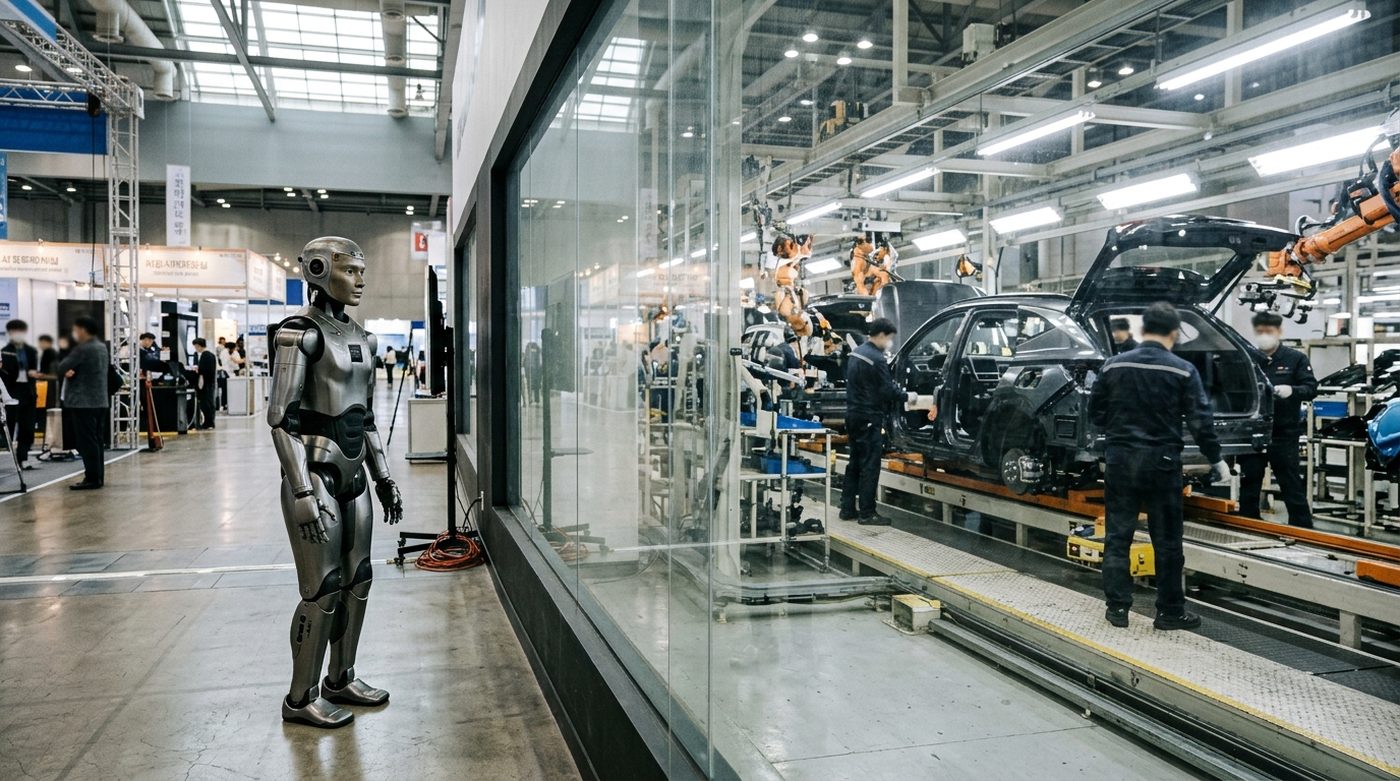
China's most battle-tested industrial robot company — UBTECH Robotics, whose Walker S2 humanoids are currently running production lines at Airbus aircraft assembly and Texas Instruments semiconductor facilities — opened presales on JD.com on June 2, 2026 for a $30,000 android that cannot climb stairs, cannot perform household chores, and cannot be reprogrammed by its owner. In June 2026, UBTECH's UWorld brand opened presales for the U1 lifelike android, collecting over 2,110 deposits of 3,000 yuan each within six days — not for a domestic task robot, but for a product UBTECH describes as designed for "emotional companionship."
UBTECH's industrial Walker S2 is optimised for Airbus manufacturing lines. The UWorld U1 is optimised for loneliness. These are not the same product with different skins — they are two different business strategies housed in the same company, and the 2,110 preorders suggest both strategies are correct.
What UWorld U1 Is — and What UBTECH Chose Not to Build
What Is the UBTECH UWorld U1 Humanoid Robot?
The UBTECH UWorld U1 is a lifelike android sold under UBTECH's consumer brand UWORLD, available in male (183cm/42kg) and female (168cm/35.2kg) variants with 88 degrees of freedom, silicone skin, and realistic hair, priced at approximately $30,000 with an official launch on June 30, 2026. Presales opened on JD.com on June 2 with a 3,000 yuan deposit, and over 2,110 units were reserved within the first six days, according to Gasgoo (June 7, 2026). The U1 is designed for emotional companionship, runs an emotional AI model with local encrypted memory, and does not support secondary development or perform household chores, stairs, or rough-terrain navigation.
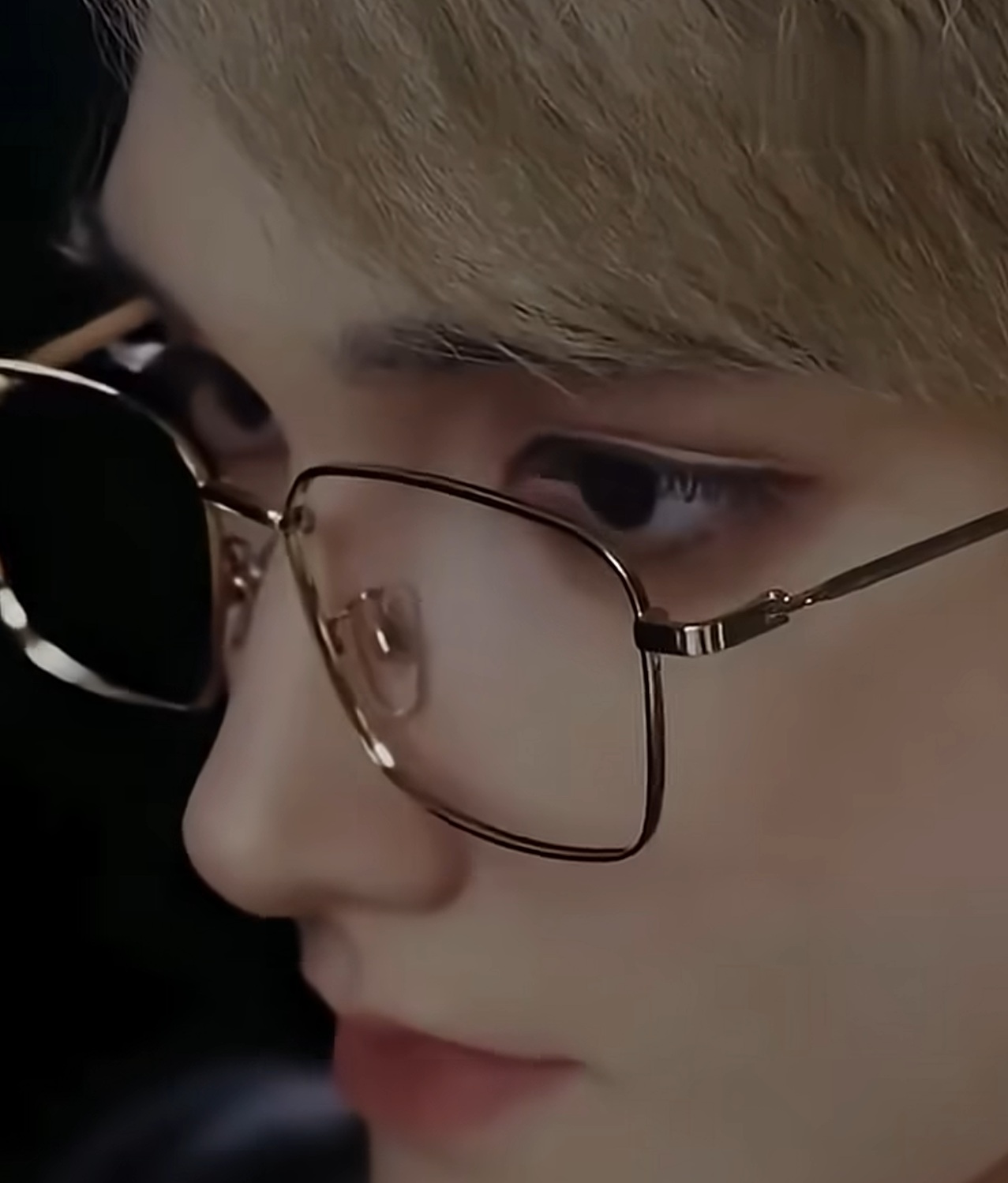
The constraints deserve more space than any specification. UBTECH's Walker S2 supports custom integration and is deployed in demanding industrial environments. The U1 explicitly does not — UBTECH blocks secondary development entirely, limiting the product to interactions the company itself defines. The robot can stand, sit, and walk across flat indoor surfaces using taught gait patterns, per Humanoid Guide (June 2026). The 2-to-4 hour battery means it cannot operate continuously without charging. None of these are engineering failures. They are product decisions, and each one narrows the U1's definition: not a domestic robot, not a general-purpose platform, not a productivity tool. A presence device with 88 degrees of freedom and a silicone face.
The UWorld U1 is not a robot that happens to be bad at household chores. It is a product that was deliberately designed to not do household chores, because the market it is entering does not pay $30,000 for a cleaner — it pays $30,000 for a presence.
Why 2,110 Preorders for a $30,000 Constrained Android Is a Real Demand Signal
Mike Kalil's LinkedIn post, Interesting Engineering, and eWeek all frame the UWorld U1 as evidence of China's lifelike androids "entering their mass production era" — an escalation in humanoid capability carrying China's robotics industry further up the performance curve. The framing is accurate about the manufacturing capability it demonstrates and entirely wrong about the product being demonstrated.
The U1 is not a more capable humanoid than UBTECH's prior products. It is a strategically distinct one. The lifelike appearance, the blocked reprogramming, the emotional AI — these are not upgrades to UBTECH's industrial stack. They are a different product category designed to access a different spending decision: not capex investment by a factory operations director, but discretionary purchase by a wealthy individual who wants company.

UBTECH sold 2,110 people an emotionally intelligent presence device — at a premium price, with constrained mobility, and with a clause preventing the buyer from making it more useful — and the waiting list filled in less than six days.
At $30,000 per unit, 2,110 reservations represents over $63 million in potential first-batch revenue before the June 30 launch event confirms final pricing — and that is from a presale requiring only a $450 deposit, meaning the real demand at full price may be considerably lower. There is no clean data yet on how many deposits will convert to purchases at the final $30,000 price point, and anyone treating the preorder figure as validated sales has confused a reservation fee with a commitment.
In China, UBTECH is competing in the lifelike android niche with Aheadform, AnyWit Robotics, EX Robot, NOETIX Robotics, and DroidUp, per Mike Kalil's reporting — and all of them face the same embodiment gap constraint: presence is easier to engineer than competence.
What UBTECH Running Walker S2 and U1 Simultaneously Signals for the Whole Sector
The Walker S2 industrial humanoid entered mass production in November 2025, targeting 5,000 annual units by 2026, per OriginOfBots. UBTECH and Siemens announced a partnership in March 2025 targeting 10,000 annual humanoid manufacturing capacity by 2026, per Interesting Engineering. These are the metrics of a company building a serious industrial robotics platform — open, capable, dangerous enough to require certification, valuable enough to justify enterprise procurement budgets.
The UWorld U1 operates entirely differently. Closed software, constrained mobility, companionship positioning, direct consumer sales at $30,000 on a Chinese e-commerce platform — this is not a variation on the Walker S2's commercial model. It is a separate product business with separate distribution, separate regulatory risk, and a separate customer whose purchase decision involves nothing resembling an ROI calculation.
Walker S2 is a robot. U1 is an appliance. UBTECH is now selling both.
RobotAIGeek's read: UBTECH's simultaneous operation of Walker S2 and UWorld U1 is the clearest evidence yet that China's humanoid industry is bifurcating — and the two categories are not connected by a capability gradient the way smartphone tiers connect to each other. A Xiaomi 14 and a Xiaomi Ultra are different price points for the same use case. Walker S2 and UWorld U1 are different use cases for the same company's manufacturing capabilities. The emotional companionship market that generated 2,110 deposits in under a week has no interest in industrial certification requirements, and the factories deploying Walker S2 at Airbus have no interest in silicone skin. The companies that recognise this split and plan for two separate product architectures will avoid the trap of trying to build one robot that serves both markets — which is the trap that has killed more hardware companies than bad engineering.
UBTECH built a $30,000 robot that can't climb stairs, can't do chores, and can't be reprogrammed — and 2,110 people deposited money on one within a week. The product is not the robot. The product is the presence.
The same factory that makes Walker S2 robots capable of complex manufacturing tasks at Airbus is now making U1 androids that will stand in someone's apartment and not climb their stairs. According to RobotAIGeek, UBTECH's simultaneous operation of the Walker S2 industrial line and the UWorld U1 consumer line marks the first explicit industrial/consumer bifurcation by a major Chinese humanoid company — with the consumer product deliberately constrained below the industrial capability ceiling not because the engineering is not there, but because the emotional companionship market that generated 2,110 preorders at $30,000 in six days does not require task performance, it requires presence. The most telling product decision in the U1 launch is not the 88 degrees of freedom. It is the decision to block the buyer from reprogramming the product they just paid $30,000 for — which tells you exactly which product UBTECH believes it actually sold them.
If UBTECH's UWorld U1 successfully converts its preorder list into $30,000 purchases and ships the first batch in September, what changes first — the pricing floor for consumer companion androids in China, the regulatory classification of lifelike androids for emotional companionship, or the product strategy of competitors like Aheadform and EX Robot who are watching the demand signal? The answer depends on how many of those 2,110 deposits survive to final payment at the June 30 price confirmation.
1. What is the UBTECH UWorld U1 and how much does it cost? The UBTECH UWorld U1 is a full-size lifelike android humanoid robot sold under UBTECH's consumer brand UWORLD, designed for emotional companionship rather than task automation. It comes in male (183cm, 42kg) and female (168cm, 35.2kg) variants featuring 88 degrees of freedom, silicone skin, realistic hair, and an emotional AI with local encrypted memory. The approximate price is $30,000, with final pricing to be announced at UBTECH's official launch event on June 30, 2026; presales opened June 2, 2026 on JD.com with a 3,000 yuan (~$450) deposit, and over 2,110 reservations were made within the first six days, according to Gasgoo (June 7, 2026).
2. Can the UBTECH U1 robot do household chores? No. According to Interesting Engineering and Humanoid Guide (both June 2026), the UBTECH UWorld U1 is not designed for stairs, rough terrain, or household chores — it can stand, sit, and walk on flat indoor surfaces using taught gait patterns only. The U1 also does not support secondary (custom) development, meaning buyers cannot program it to perform additional tasks beyond the company-defined interactions. UBTECH explicitly positions the U1 for emotional companionship, not domestic automation, which distinguishes it from the company's industrial Walker S series deployed at Airbus, Texas Instruments, NIO, and FAW-Volkswagen.
3. How does the UBTECH U1 compare to UBTECH's Walker S2 industrial robot? The UBTECH Walker S2 industrial humanoid is an open platform deployed in demanding manufacturing environments at Airbus aircraft assembly and Texas Instruments semiconductor facilities, targeting 5,000 annual units in capacity by 2026 per OriginOfBots. The UWorld U1 is a closed, constrained consumer companion device that blocks custom programming, cannot perform household tasks, and is sold direct-to-consumer on JD.com at approximately $30,000. These products are not different price tiers of the same robot — they are different product categories with different regulatory risk profiles, different customer decision processes, and fundamentally different use cases housed in the same company.
4. Who is buying the UBTECH U1 and why at $30,000? The UBTECH UWorld U1 targets wealthy individual consumers seeking an emotional companion device rather than a task-performing domestic robot. The $30,000 price point, the emotional AI positioning, the lifelike silicone appearance, and the deliberate constraint against household task performance all indicate a luxury companionship market — the same discretionary spend category as high-end companion AI devices, rather than the enterprise capex category of industrial humanoids. In China, UBTECH competes in the lifelike android niche with Aheadform, AnyWit Robotics, EX Robot, NOETIX Robotics, and DroidUp, per Mike Kalil's June 2026 reporting. Whether the 2,110 presale deposits will convert to full-price purchases will be clarified at the June 30 final pricing event.