Noetix Robotics Files Confidentially for Hong Kong IPO
Noetix Robotics, the Beijing-based maker of the sub-US$1,400 Bumi humanoid, has confidentially filed for a Hong Kong IPO seeking several hundred million US dollars, Bloomberg reported on October 22, 2026, with a listing possible as early as 2027. The company raised 1 billion yuan in March 2026 in a round led by a CATL-affiliated investment platform, and would join a crowded 2026 field of Chinese robotics IPO filers including Excelland, RoboTechnik and YOUIBOT.


Noetix Robotics has confidentially filed for a Hong Kong initial public offering seeking several hundred million US dollars, Bloomberg reported on October 22, 2026, citing people familiar with the matter, with a listing possible as early as 2027. The Beijing-based humanoid maker, whose legal entity is Songyan Power Beijing Technology Co., raised 1 billion yuan, about US$150 million, in a March 2026 round led by an industrial investment platform affiliated with battery giant CATL. Noetix did not respond to Bloomberg's request for comment, and the filing's size and timing could still change.
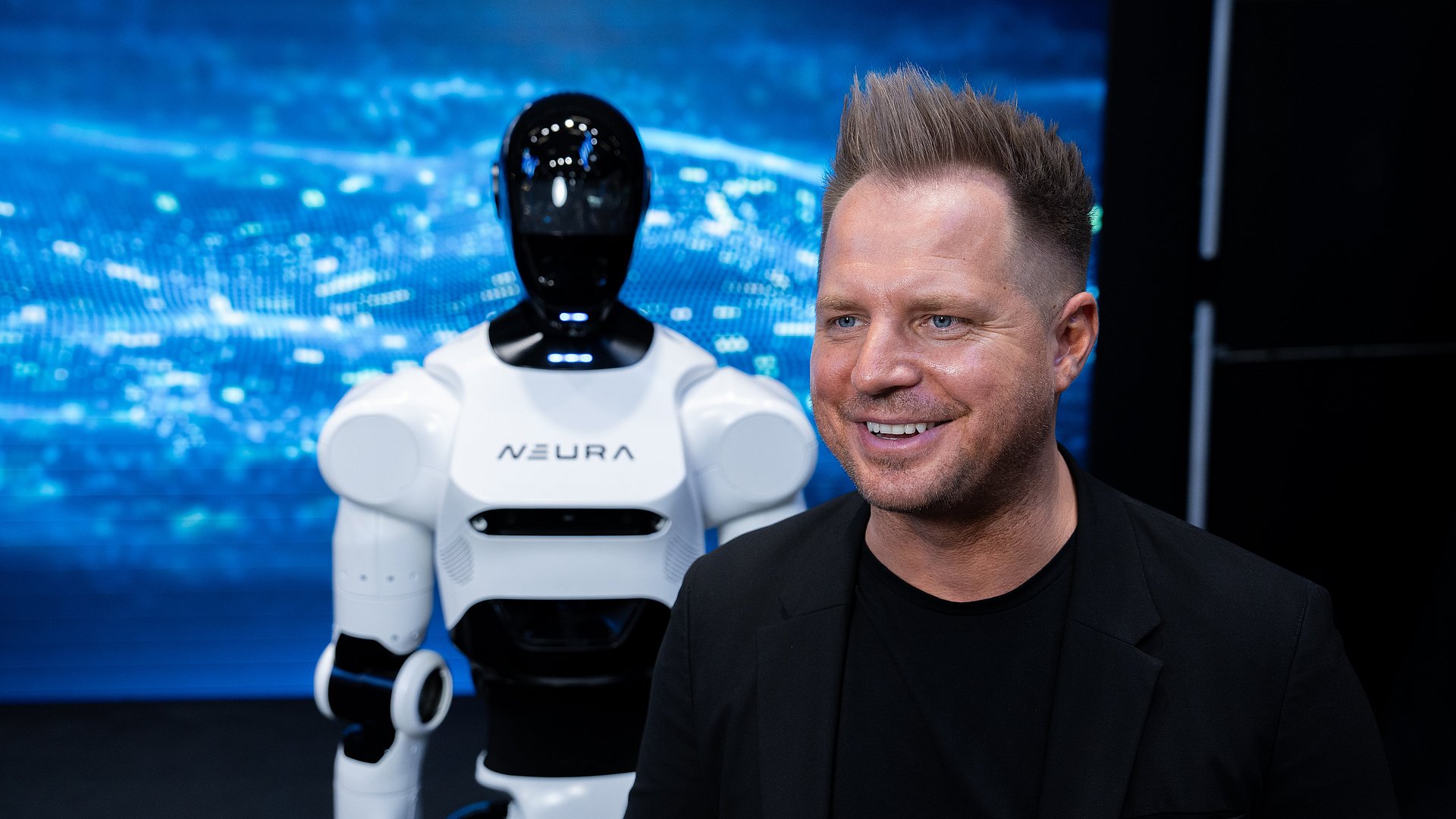
Noetix is a newer name on international readers' radar than its funding history suggests, and worth placing before the filing itself: the company builds consumer and educational humanoid robots, led by the Bumi model that launched at roughly 9,998 yuan, under US$1,400, and sold out quickly on domestic platforms, alongside the taller N2 and E1 models aimed at research and light commercial use. That positioning, consumer-facing hardware at a price point closer to a smartphone than an industrial robot, is precisely what separates Noetix from most of the humanoid names chasing Hong Kong listings this year.
A Listing Queue Already Crowded With Humanoid Names
Noetix would be joining a Hong Kong humanoid IPO pipeline that has grown busy through 2026, with Excelland Robotics, RoboTechnik and YOUIBOT among the names that have already priced, filed or cleared regulatory review this year. That queue reflects a structural shift in how Chinese robotics startups are funding later-stage growth: mainland venture capital has grown more selective about writing nine-figure checks into a sector still proving out unit economics, while Hong Kong's exchange has actively courted technology listings as mainland capital controls make offshore fundraising more attractive for companies with international ambitions. A CATL-affiliated lead investor backing Noetix's March round fits that pattern closely, since CATL's own investment arm has been one of the more active strategic backers steering portfolio companies toward public listings rather than relying solely on successive private rounds.
What distinguishes Noetix within that crowd is price positioning rather than pure specification. Industry coverage puts Bumi at about 94 centimeters tall and 12 kilograms with 21 degrees of freedom, built primarily as an education and programming platform rather than a factory or warehouse worker. The N2 configuration adds a reported top running speed of 3.2 meters per second and finished second in what organizers called the world's first half-marathon for robots, held in Beijing in April, while the E1 stands about 1.36 meters tall with 21 degrees of freedom. None of those figures has been independently verified against company specifications beyond Noetix's own disclosures and event results, but the pattern across all three models is consistent: Noetix is racing toward volume and brand recognition in a lower price tier most of its listed or listing-bound peers have left uncontested.
Why a Lower Price Point Changes the IPO Pitch
Most humanoid companies currently marketing toward a public listing lean on industrial or logistics deployment numbers, the metric investors have learned to expect from Unitree, UBTECH and the wave of warehouse-focused entrants. Noetix's pitch has to work differently, because a consumer and education buyer is a fundamentally different revenue base than a factory operator signing a multi-unit industrial contract: more units, thinner per-unit margins, and demand that depends on continued retail and education-sector interest rather than enterprise procurement cycles. A company that reportedly moved meaningful Bumi volume through retail channels and a widely viewed state television appearance has a consumer brand story few of its industrial-focused peers can tell, but it also carries the demand-forecasting risk that comes with selling into households and schools rather than signed enterprise contracts with predictable renewal cycles.
That distinction matters for how investors should read the "several hundred million dollars" figure Bloomberg's sources cited. A raise of that size for a company selling sub-US$1,400 consumer robots implies either an aggressive unit-volume growth plan, a pivot toward higher-margin research and commercial models such as the N2 and E1, or some blend of both, since consumer hardware at that price point rarely supports the kind of valuation multiples industrial humanoid makers can point to when every unit sold carries a five- or six-figure contract value. Noetix's confidential filing status means none of that strategy has been disclosed publicly yet, which is itself a signal worth noting: a company this far into its CATL-backed funding relationship choosing a confidential rather than public filing track suggests it wants more room to finalize investor terms before its consumer pricing strategy faces public market scrutiny.
The CATL Connection Investors Will Scrutinize
CATL's involvement deserves more scrutiny than a single line in a funding table usually gets. The world's largest battery maker has spent the past two years building out a venture arm that backs companies adjacent to its core business, from energy storage integrators to robotics firms that could eventually become battery customers at meaningful scale. A humanoid robot draws a fraction of the power an electric vehicle does, so Noetix is not a battery customer in any volume that matters to CATL's core revenue today. The more plausible rationale is strategic positioning: CATL gains early visibility into, and potential influence over, a robotics supply chain that may eventually standardize around specific battery and power-management suppliers as humanoid production scales, the same logic that led several automakers to take early equity stakes in battery and chip suppliers before those relationships became commercially material.
That strategic motive matters for how a Noetix IPO prospectus will likely be read once it becomes public. Investors evaluating the listing will want to know whether CATL's platform intends to maintain, increase or exit its position post-listing, since a strategic investor using an IPO as a partial exit sends a different signal than one treating the raise as a step toward deeper supply chain integration. Noetix's confidential filing status means that detail remains unknown for now, and it is the kind of disclosure that typically only becomes public once a listing document is formally submitted to Hong Kong's exchange rather than circulated confidentially among prospective underwriters.
Regulatory Timing Adds Its Own Uncertainty
A Hong Kong listing path for a mainland Chinese robotics company carries its own regulatory sequencing that has tripped up other filings this year. Companies pursuing an offshore listing typically need clearance from the China Securities Regulatory Commission alongside Hong Kong Exchange approval, a dual-track process that has occasionally stretched well beyond the timeline companies initially targeted, as happened earlier this year when a competing mobile robotics filer saw its own CSRC clearance process run longer than its original listing announcement implied. Bloomberg's sources described Noetix's potential listing size and timing as still subject to change, language that in practice usually reflects exactly this kind of regulatory sequencing risk rather than purely commercial negotiation over valuation.
None of that uncertainty is unique to Noetix. It is, if anything, now the default condition for any mainland robotics company pursuing a Hong Kong listing in 2026, given how many have joined the queue simultaneously. What is more specific to Noetix is the question of whether regulators and underwriters will treat a consumer-education humanoid maker the same way they have treated the industrial and logistics-focused filers that preceded it, or whether Noetix's different customer base and unit economics will require a materially different disclosure and valuation framework before the listing can proceed.
What Procurement Teams Should Actually Watch
For buyers evaluating humanoid suppliers rather than investors evaluating the stock, a Noetix listing matters less for its price-per-share than for what it would do to Noetix's balance sheet and delivery capacity. A successful Hong Kong raise would give Noetix the kind of permanent capital base that lets a hardware company commit to multi-year component contracts and expanded manufacturing capacity without returning to venture investors for every production scale-up, the same dynamic that let Unitree accelerate shipment volumes after its own Shanghai STAR Market listing in August. A buyer currently sourcing education or light-commercial humanoid units from Noetix, or considering it as a lower-cost alternative to pricier research platforms, should treat a confirmed public listing as a reasonable signal of longer-term supply stability, not as confirmation that Noetix's technology has matured beyond its current consumer-education tier.
The number that will actually test Noetix's public-market pitch is not the IPO size Bloomberg's sources floated, but the gross margin Noetix discloses once its prospectus becomes public: a consumer humanoid maker that cannot show a credible path to profitability at a sub-US$1,400 price point will struggle to justify a valuation built on the same multiples industrial humanoid makers currently command.
The broader signal for anyone tracking China's humanoid sector is that the Hong Kong listing route has become normalized enough, with Excelland, RoboTechnik, YOUIBOT and now Noetix all moving through it within months of each other, that filing confidentially no longer reads as a company hedging against a weak market. It reads as standard sequencing for any Chinese robotics company that has reached Noetix's stage of growth, a sign the public-market exit path for this generation of humanoid makers is maturing faster than the underlying hardware and software technology itself has had time to prove out at scale.
This article synthesizes Bloomberg's October 22, 2026, reporting and Noetix's publicly disclosed funding and product history. It is for general information purposes only and does not constitute investment, financial or professional advice.