Breaking Down the Subcategories of Servo Motor and Drives
A buyer-focused guide to servo motor and drive subcategories, from rotary, direct-drive, and linear motion to feedback, packaging, and emerging integrated actuators.

A robot joint might use an alternating-current permanent-magnet motor, built as a frameless kit, coupled through a gearbox, monitored by an absolute encoder, and powered by one channel of a multi-axis drive. Each label answers a different engineering question.
That distinction matters commercially. A buyer who compares only motor power can miss the transmission, feedback, drive, safety, cabling, and commissioning choices that determine whether an axis will meet its duty cycle. The useful approach is to classify the system twice: first by how motion reaches the load, then by how the motor is energized, sensed, and packaged.
Overview of Variants
The first layer is motion geometry. Yaskawa’s official servo portfolio separates rotary, direct-drive rotary, and linear motors. A conventional rotary servomotor turns a shaft and usually transfers motion through a gearbox, belt, screw, or another mechanism. It is the broadest category because one motor can be paired with many ratios and mechanical layouts.
A direct-drive rotary motor removes the intermediate transmission and couples directly to the rotating load. This category includes housed torque motors, cartridge designs, and frameless motor kits embedded inside a joint or machine. Removing a gearbox or belt eliminates transmission backlash and wear items, although bearings, cooling, feedback, and load support then demand careful integration.
A linear servomotor produces straight-line motion without first converting rotation through a ball screw, rack, or belt. It is direct drive in a line. Linear slides combine that principle with guidance, feedback, and supporting mechanics in a more complete assembly.
The second layer is electrical and control architecture. Kollmorgen’s official comparison distinguishes brushed direct-current motors, brushless direct-current motors, and alternating-current permanent-magnet servo motors. Brushed designs use a mechanical commutator. Brushless direct-current designs use electronic switching, commonly with stepped phase energization. Alternating-current permanent-magnet servos shape current sinusoidally across three phases for smoother control.
Drive architecture creates more variants. A single-axis drive powers one motor. Dual-axis and multi-axis drives place several channels in one package or share power and communications resources. Integrated servo products combine the motor, encoder, drive, and sometimes the controller in one housing. Feedback may come from Hall-effect sensors, incremental or absolute encoders, or resolvers. These are not competing labels on one shelf. They are design dimensions that combine.
How Each Variant Differs
The first trade-off is mechanical multiplication versus direct coupling. A geared rotary servo lets a smaller, faster motor produce useful output torque at a lower joint speed. Designers can change the ratio without changing the motor family. The cost is added inertia, compliance, friction, backlash, lubrication, and wear. Precision reducers can reduce some penalties, but cannot make the transmission disappear.
Direct-drive rotary motors reverse that compromise. Kollmorgen’s documentation states that eliminating gearboxes, belts, pulleys, and lead screws removes backlash and transmission losses while reducing maintenance. The designer gains responsiveness and mechanical simplicity, but must obtain the required torque directly from the motor and manage diameter, heat rejection, bearings, and load disturbances. A frameless motor pushes integration further because it arrives as a separate wound stator and permanent-magnet rotor without housing, bearings, output shaft, connectors, feedback device, or brake.
Linear servos remove rotary-to-linear conversion. They fit processes where the motion itself is linear and speed, repeatability, or smooth reversal matters. The system still needs guides, feedback scale, cable management, thermal design, and contamination protection. A simpler force path can therefore require a more demanding machine architecture.
Electrical variants differ in commutation, smoothness, maintenance, and control complexity. Brushed direct-current servos offer relatively simple control and strong starting torque, but brushes and commutators wear. Brushless direct-current motors remove those contact parts and can run efficiently at higher speed. Their stepped commutation can create torque ripple during slow, smooth motion.
Alternating-current permanent-magnet servos apply sinusoidal current to three phases according to rotor position. Kollmorgen describes this architecture as the preferred choice for many precise position and speed applications. It offers high torque density, low rotor inertia, and smooth operation, but depends on sophisticated drive electronics and correct tuning. Buyers should verify the commutation method rather than rely on a generic “brushless servo” label.
Feedback is another performance boundary. Yaskawa describes the encoder as the device that detects motor angle, while the servo amplifier converts host position, speed, or torque commands into motor output. Encoders generally serve high-precision positioning. Resolvers tolerate heat, vibration, shock, and electrical noise, but require conversion electronics and are generally less accurate than optical encoders. Hall-effect sensors support low-cost commutation and coarse position information, yet may need an encoder beside them for high-resolution control.
Drive packaging changes cabinet space, wiring, thermal concentration, and fault isolation. Single-axis drives are easy to distribute and replace. Multi-axis units can reduce volume and simplify synchronization, but place more axes behind shared hardware. Integrated motor-drive units shorten power and feedback cabling, though electronics then sit closer to heat, vibration, and motion.
When to Use Each Variant
Use a geared rotary servo when an application needs substantial output torque, compact motor dimensions, and a practical way to match motor speed to joint speed. This is a sensible default for many robot joints, packaging axes, machine tools, and material-handling mechanisms. Size the motor and transmission as a pair because ratio, reflected load, inertia, duty cycle, backlash, and emergency stopping behavior interact.
Choose direct-drive rotary motion when backlash, maintenance, acoustic noise, or rapid torque response matters more than minimum motor diameter. Index tables, semiconductor handling, precision scanning, gimbals, and some robotic joints fit this profile. Frameless kits are useful when the machine structure can serve as the housing and the engineering team controls bearings, alignment, cooling, sealing, and feedback integration.
Choose a linear servo when a load must move directly along a path at high speed or with frequent reversals, and removing screws or belts provides a process advantage. Compare the full stage rather than only the motor, because guides, scale feedback, covers, magnets, cabling, and controls determine the installed result.
Brushed direct-current servos still suit legacy equipment, simple low-voltage systems, or applications where easy control and low-speed torque outweigh maintenance. Brushless direct-current motors fit compact equipment that values efficiency, long life, and higher speed but can tolerate commutation ripple. Alternating-current permanent-magnet servos are the stronger default for demanding industrial positioning, synchronized axes, and broad speed ranges.
Select feedback around environment and control objective. Start with an encoder for fine positioning. Consider a resolver in high-temperature, high-vibration, electrically noisy, or otherwise severe settings. Hall-effect feedback can be sufficient for commutation or simpler velocity tasks. For vertical axes, safety design must also determine whether a mechanical holding brake is required, because removing commanded torque does not physically support a suspended load.
Single-axis drives suit modular machines and widely separated axes. Multi-axis drives suit dense machines where shared power, coordinated motion, and reduced cabinet volume justify greater commonality. Integrated servo units suit decentralized machines, mobile systems, conveyors, and compact robots when less wiring and assembly effort outweigh the environmental burden placed on embedded electronics.
Emerging Subcategories
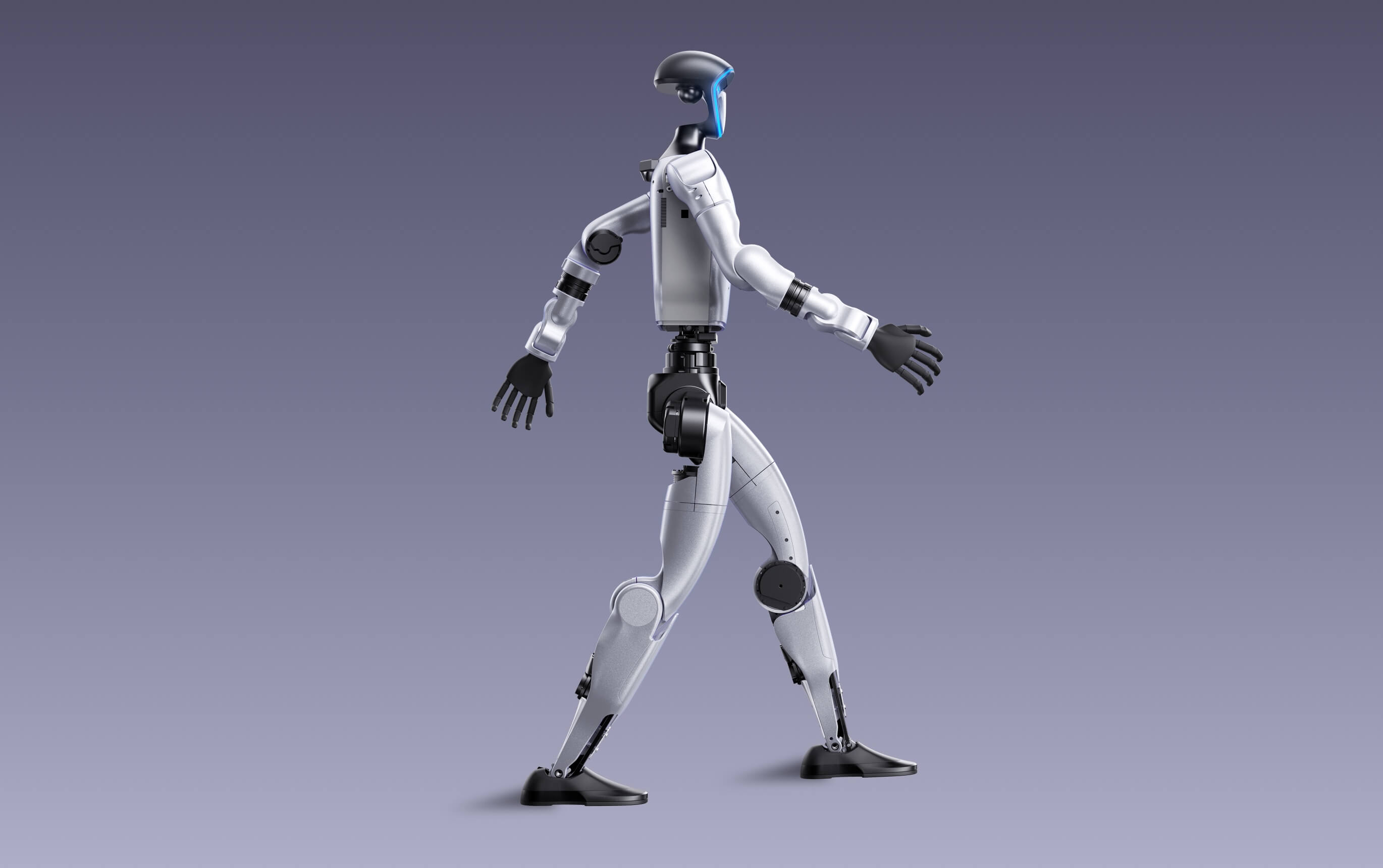
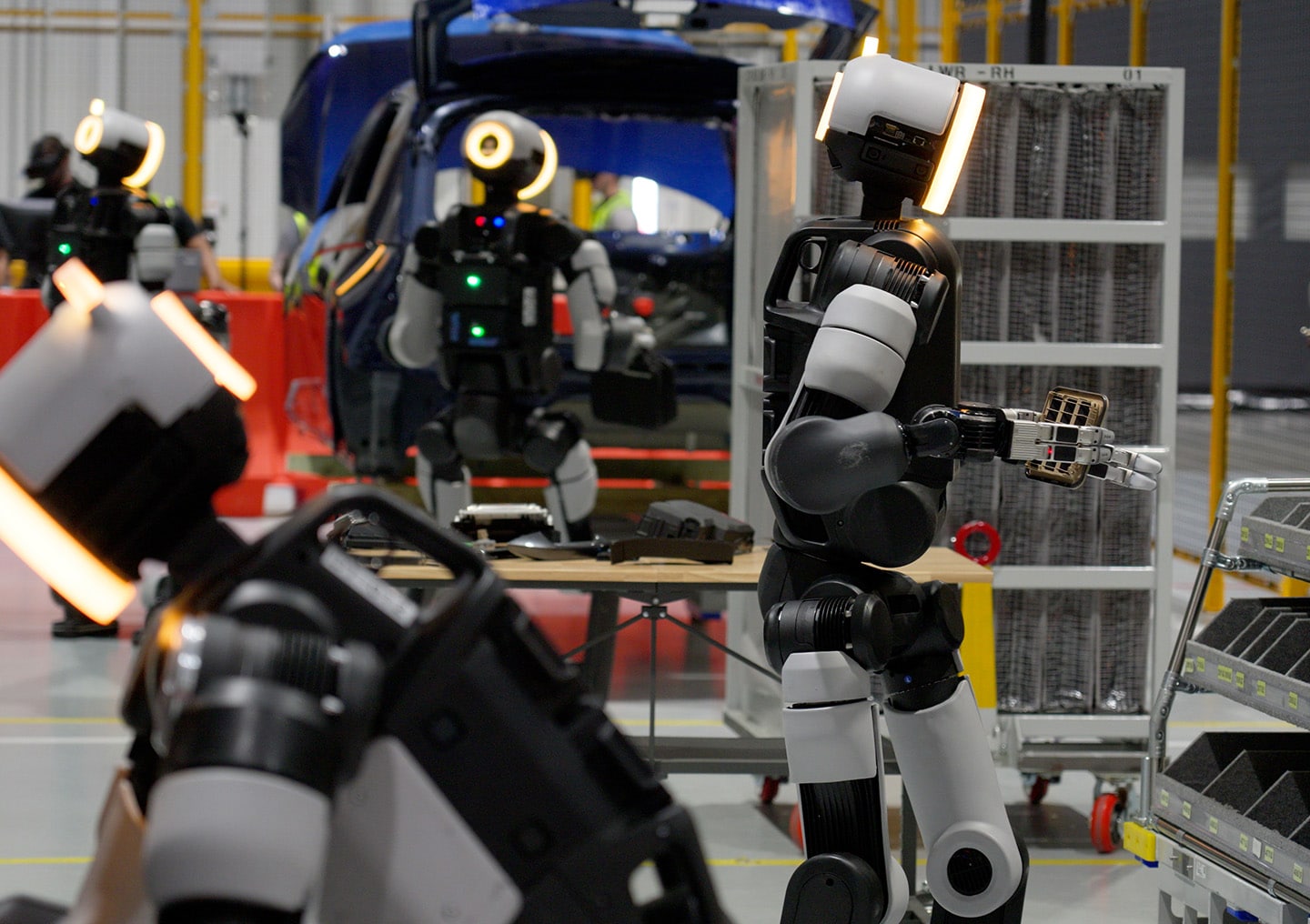
The most important emerging category is the integrated actuator, not merely the integrated motor. In July 2026, Stabilus and Synapticon announced plans to develop humanoid joint actuators combining drive electronics, software, functional safety, sensors, mechanics, industrialization, assembly, and logistics. The planned range spans head and wrist through hip and knee joints. This is a development partnership, not proof of production deployment, but it shows where the boundary is moving. Buyers may increasingly procure a controlled joint module instead of assembling the motor, reducer, encoder, drive, and housing separately.
A second emerging branch is the hybrid stepper-servo platform. Applied Motion Products’ June 2026 announcements describe a family supporting open-loop stepper, closed-loop stepper, and full closed-loop servo operation. This does not erase the differences between steppers and servos. It shows that one drive platform can span several control modes, letting machine builders standardize hardware while choosing the right feedback and performance level per axis.
Drive architecture is also splitting by power density and safety integration. Elmo’s June 2026 release described compact dual-axis drives, a multi-axis controller, gallium-nitride and silicon-carbide switching technologies, and safety functions implemented at drive level. Some certifications were still in process when announced, so buyers should verify final status. The broader direction is clear: the drive is becoming a computing, communications, and safety node, not merely a power converter.
Frameless torque motors are also moving from specialist option toward standard building block for compact robotics. Their appeal comes from removing duplicate housings, shafts, and couplings. Their risk is that integration work shifts from supplier to machine designer. The more integrated the purchased component becomes, the more important it is to define ownership of thermal performance, calibration, sealing, braking, safety validation, and serviceability.
The Better Buying Question
There is no single best servo subcategory. The better question is which combination of motion geometry, commutation, feedback, transmission, drive packaging, network, safety functions, and environmental protection fits the axis. A disciplined specification starts with the load and duty cycle, then works backward through mechanics and controls. That prevents a premium motor from being undermined by unsuitable feedback, transmission, or drive architecture.
For procurement teams, the conclusion is simple: compare complete axis architectures, not motor nameplates. The winning servo system will be the one whose category choices remain coherent from the load all the way back to the controller.
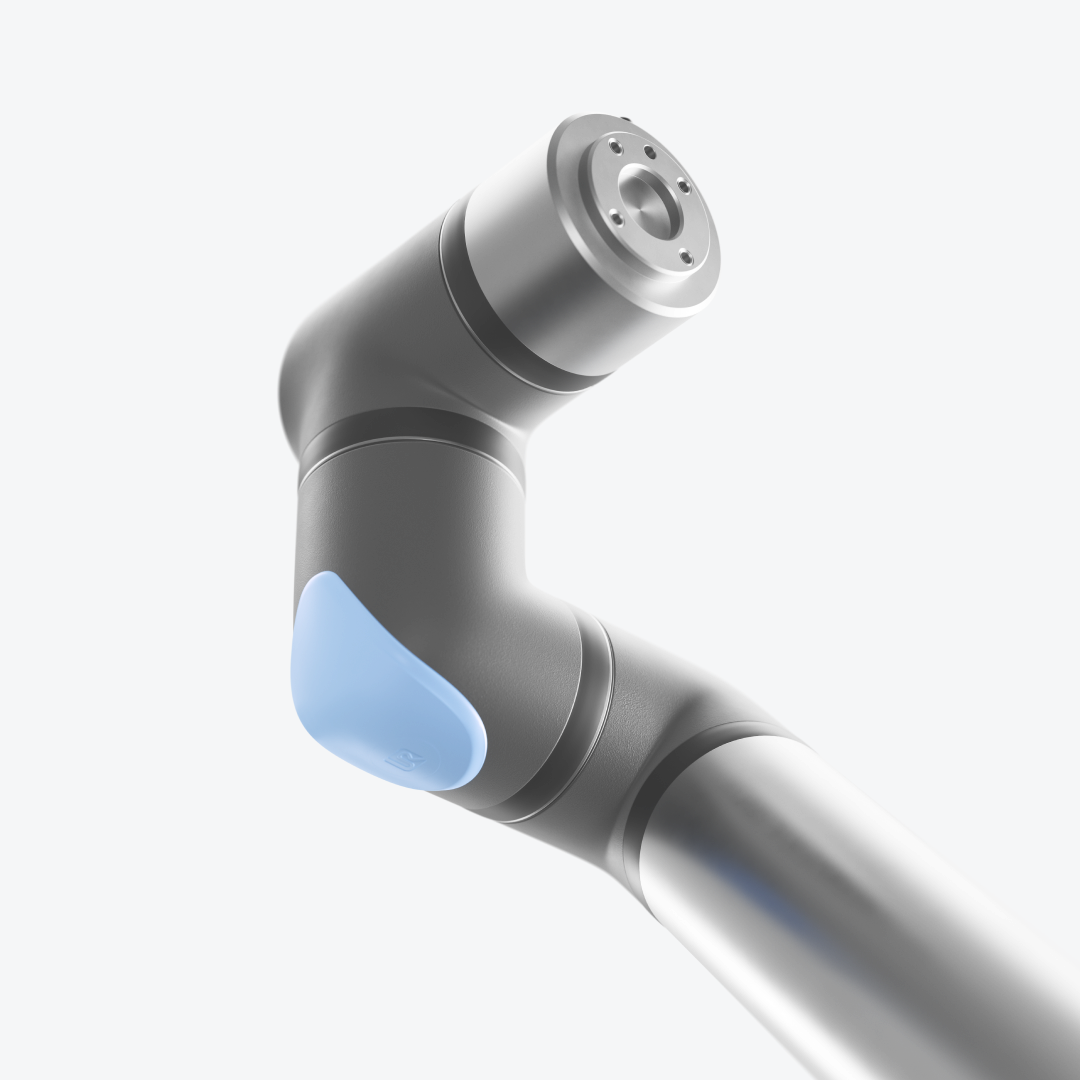
Hero image: Yaskawa official servo and automation product-family photograph, center-cropped to 16:9.
Disclaimer: This article is for general information purposes only and does not constitute engineering, safety, legal, investment, or procurement advice. Buyers should validate the complete axis design and applicable standards with qualified specialists.