UBTECH Runs a 1:1 Production Line Replica at WRC 2026
UBTECH replicated a customer's automotive production line inside its WRC 2026 booth, running Cruzr wheeled humanoids continuously through the five-day show alongside new Walker C1 and U1 models, while disclosing 2025 revenue above US$276 million and 13,838 robots sold.

A Robot Line That Never Comes Out of Beta
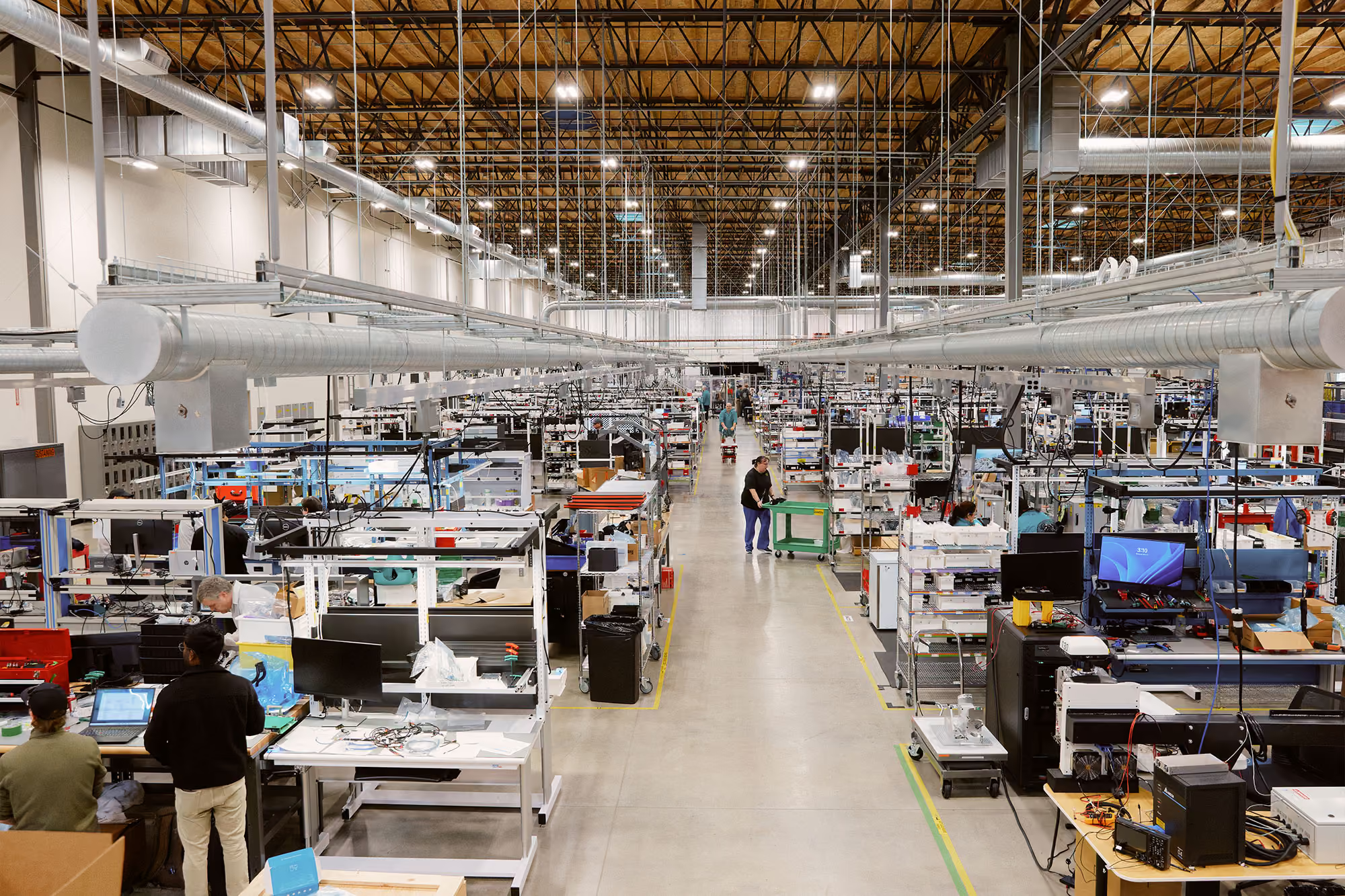
UBTECH Robotics rebuilt a customer's factory line inside a Beijing exhibition hall this week, and the point was not the spectacle. On Saturday, August 22, at the World Robot Conference in Beijing's Yizhuang district, the Shenzhen-based, Hong Kong-listed humanoid maker ran a 1:1 replica of an automotive parts line continuously through the show, with wheeled industrial humanoids loading, stacking, and sorting at a sustained rate of roughly 1,100 pieces an hour and sub-millimeter positioning accuracy, without a human minder resetting the demo between visitors.
That distinction, a working line instead of a choreographed routine, is the argument UBTECH is making to buyers rather than to conference crowds. Founded in 2012 and one of China's earliest humanoid robotics companies, UBTECH has spent the past year shifting its public messaging from dance routines and stage performances toward uptime, cycle time, and order volume, the vocabulary of a procurement department rather than a trade show.
The Line That Runs Without a Script
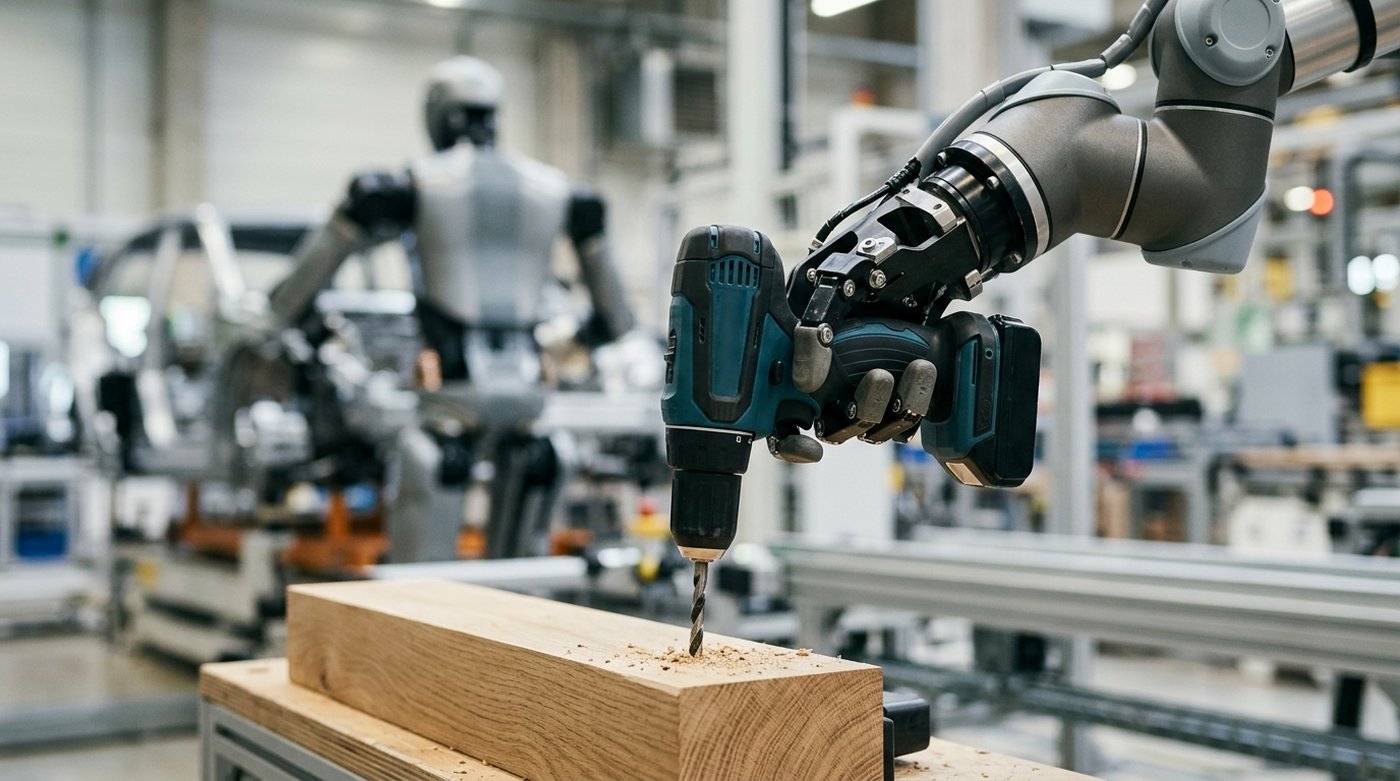
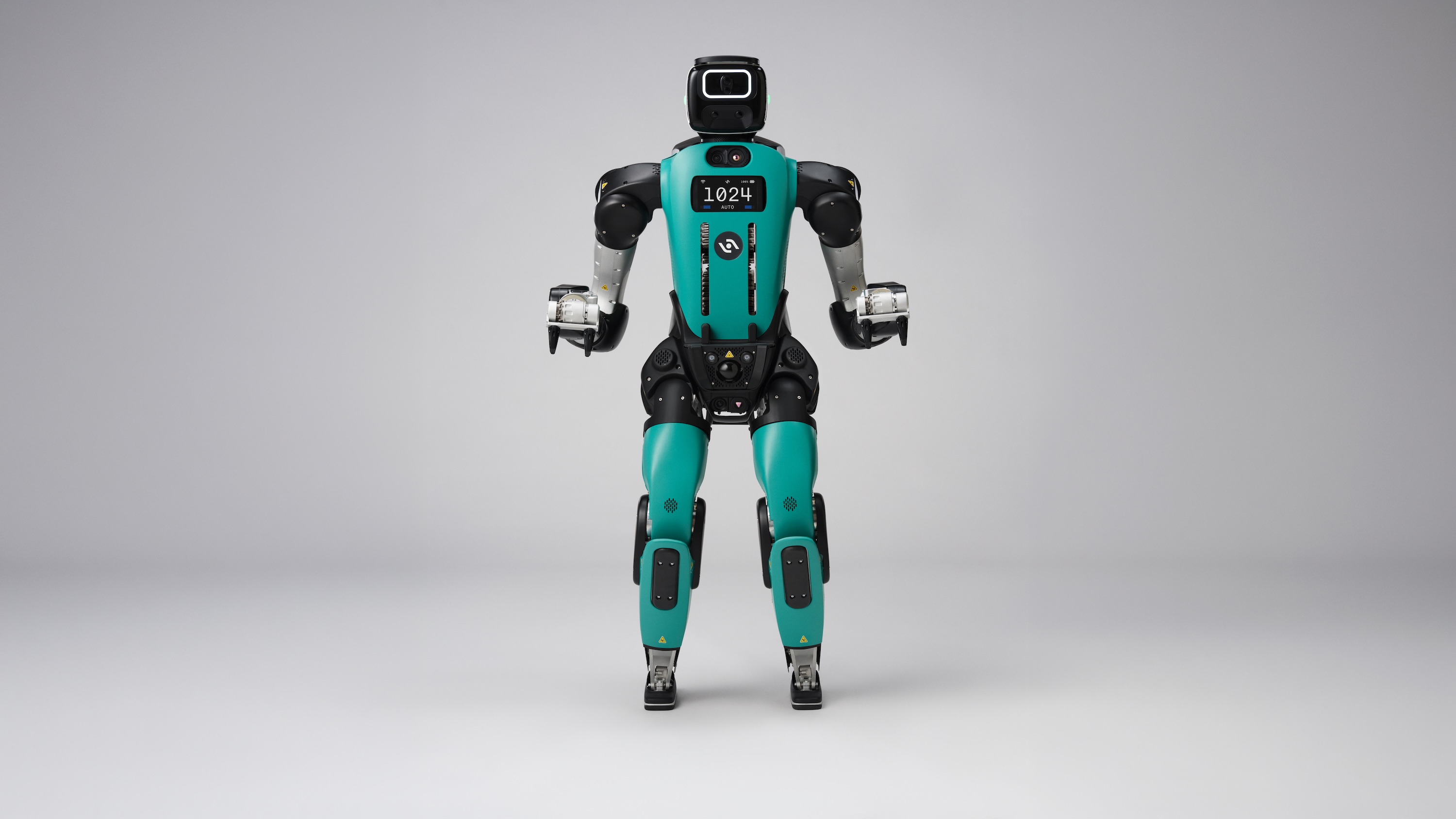
The exhibit centers on Cruzr S2 and Cruzr Y1, wheeled industrial humanoids that trade a biped's balance problem for a mobile base and greater payload margin, the same design compromise most Chinese manufacturers have converged on for factory work. At the Beijing show, the pair handled automotive parts loading and unloading, stacking and destacking, and logistics sorting in a loop that ran for the length of the conference, a five-day stress test rather than a rehearsed two-minute segment.
The headline numbers, an average pick-and-place rate near 1,100 pieces per hour and positioning accuracy under one millimeter, matter less on their own than in combination. Sub-millimeter placement is a specification every automation vendor claims; sustaining it across thousands of cycles on a line built to mirror an actual customer's tolerances, without recalibration between demo runs, is the harder proof point, and it is the one UBTECH chose to show rather than describe. Jiao Jichao, the company's vice president, framed the priority directly: customers weigh hardware stability and scenario understanding, he said, above benchmark performance, a line that reads as much like a rebuttal to the industry's habit of leading with speed and dexterity numbers as a description of UBTECH's own approach.
Beyond the Factory Floor
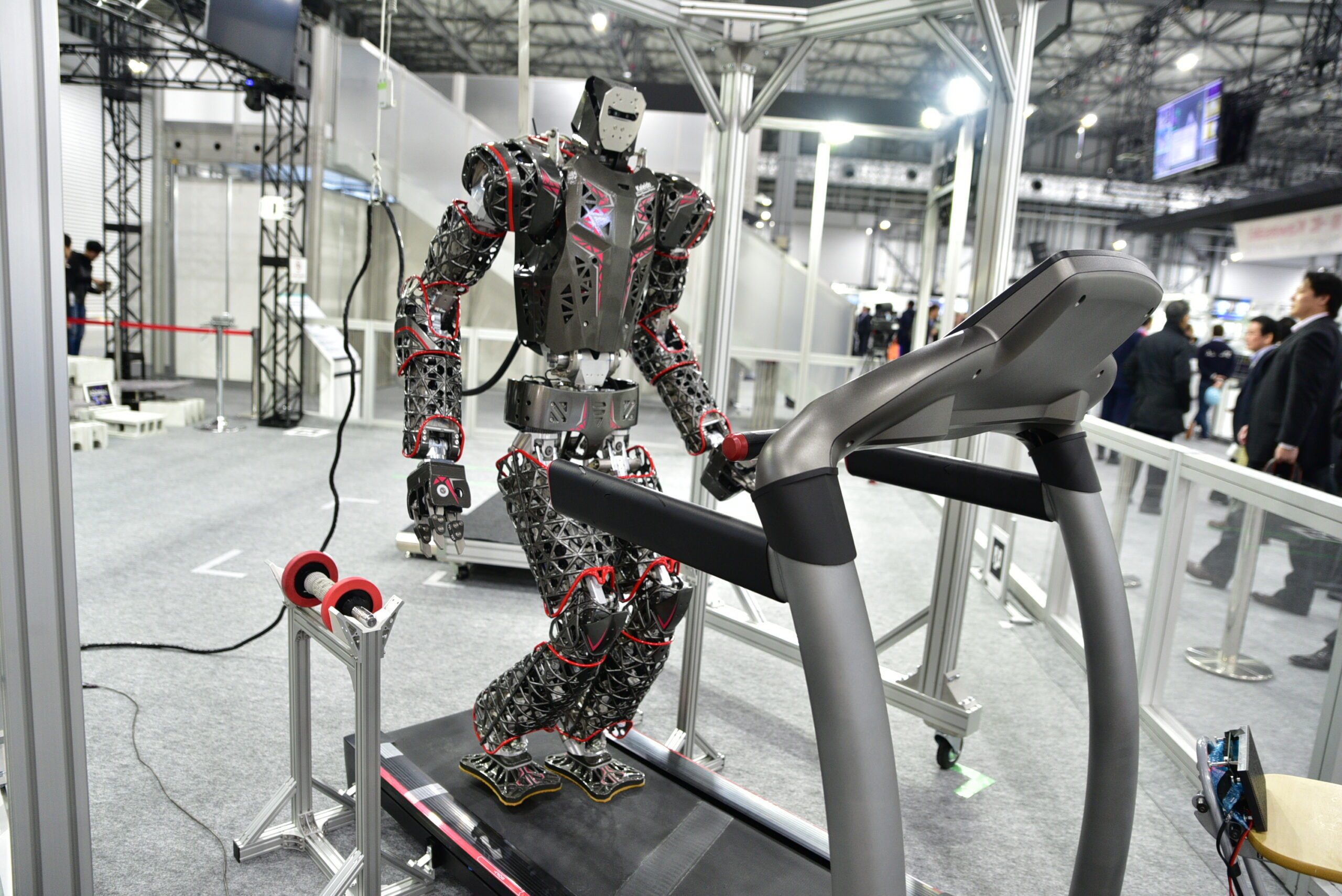
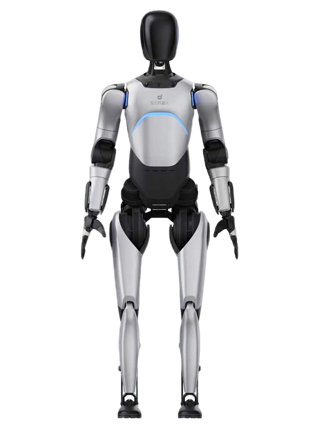
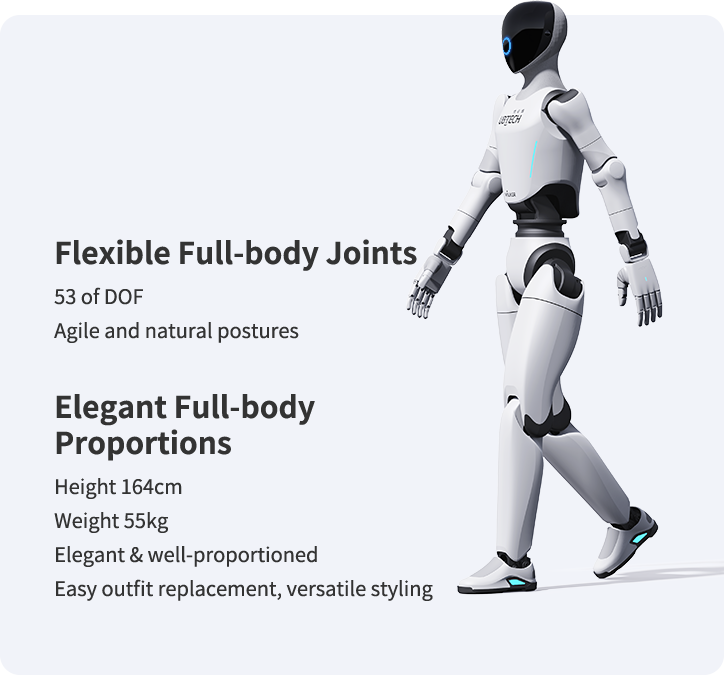
The Beijing booth was not limited to industrial hardware. Walker C1, UBTECH's commercial service humanoid, appeared in a new configuration built around reception, entertainment, and education work, extending the platform beyond the choreographed stage performances that made it a recognizable name earlier this year. U1, the company's consumer-facing model, debuted alongside it with an onboard emotional-response system UBTECH calls Resonance-LM, aimed at the home and small-business market rather than the factory floor.
The three-tier lineup, industrial, commercial, and consumer, is itself a statement about where UBTECH expects the humanoid market to fragment. Few competitors are running all three simultaneously; most Chinese humanoid makers have picked a lane, either industrial deployment or consumer-facing demonstration, and built their public narrative around it. UBTECH's bet is that a single hardware and software base can serve all three without diluting performance in any one segment, an assumption the Beijing demonstrations were designed to test in public.
What the Order Book Actually Shows
UBTECH disclosed 2025 revenue of more than RMB 2 billion (approximately US$276 million) and cumulative sales of 13,838 humanoid robots, a scale few humanoid manufacturers globally can currently match. Of that total, 1,079 units were industrial-grade machines, with more than 80 percent deployed across automotive, logistics, and semiconductor manufacturing, the three verticals where Chinese factory automation spending has concentrated this year.
The company also said its fleet now generates more than 1,000 hours of raw machine data daily, a figure that matters less as a marketing statistic than as an input. Every additional operating hour on a real line, rather than a lab bench or a trade-show floor, feeds back into the imitation-learning and reinforcement-learning pipelines that determine how quickly a robot can be retrained for a new task, and data volume at that scale is one of the harder advantages for a newer entrant to replicate quickly, regardless of how capable its hardware is on a spec sheet.
The Buyer's Calculus
For a procurement team evaluating humanoid or wheeled-industrial robots for a production line, the UBTECH demonstration narrows rather than widens the list of open questions. Positioning accuracy and pick rate are now table stakes among the leading Chinese vendors; the differentiator UBTECH is pushing toward is continuous, unsupervised operation across a full show cycle, which is closer to what a plant manager actually needs than a single successful demo run.
What the announcement does not resolve is cost. UBTECH has not published per-unit pricing for Cruzr S2 or Y1, and the 2025 revenue figure blends industrial, commercial, and consumer sales without breaking out margin by segment, so a buyer cannot yet infer whether the reported 1,079 industrial units represent a profitable product line or a subsidized one built to accumulate the operating data the company is now citing as an asset. The other open question is integration timeline: a robot that performs well on a line built to replicate a customer's environment is not the same as one already installed on that customer's actual floor, and UBTECH's disclosure does not distinguish between validated pilots and the underlying replica exhibited in Beijing.
Where the Segment Is Heading
The scale UBTECH is now citing, more than 13,000 units sold and over a thousand of them industrial-grade, puts the company ahead of most of the humanoid start-ups that have dominated headlines over the past two years on unit volume, if not always on individual robot capability. That gap between commercial scale and technical novelty is becoming the defining split in China's humanoid sector: newer entrants chase capability records on flexible, general-purpose tasks, while incumbents like UBTECH compete on the duller metrics of uptime, cost per unit, and repeat orders.
Buyers evaluating vendors for 2027 deployment should weight the Beijing demonstration accordingly. A five-day continuous run on a replica line is meaningful evidence of reliability engineering, the kind of unglamorous work that rarely shows up in a highlight reel but determines whether a robot survives its first year on an actual production floor. The number worth tracking next is not another accuracy specification but whether UBTECH's industrial unit count grows meaningfully beyond 1,079 in the next disclosure, the clearest signal of whether this month's demonstration converts into next year's order book.
The Crowded Beijing Show Floor
UBTECH's replica line was one demonstration among hundreds at a conference that has grown into China's largest annual allocation event for embodied-AI capital and orders. Competing humanoid and quadruped exhibitors at the same show, from newer wheeled-humanoid entrants to heavy-industry incumbents building their own robotics divisions, made similar claims about factory validation this week, and the pattern across the hall was consistent: companies are increasingly choosing to prove reliability on the show floor itself rather than rely on recorded demo footage, because buyers have grown skeptical of clips that cannot be independently verified in person.
That shift changes what a procurement team should ask a vendor before a plant visit. A live, continuously running line answers the question of whether a robot can operate unsupervised for days at a time; it does not answer how the same robot performs on a customer's actual product mix, which changes far more often than an exhibition demo does. UBTECH's own data figures, the 1,000-plus hours of daily machine data and the 1,079 industrial units already in the field, suggest the company has more real-world variation behind its claims than a single trade-show run could provide, but the company has not published a breakdown of task types, failure rates, or mean time between interventions for those deployed units, the numbers that would let a buyer compare UBTECH directly against a competing vendor on reliability rather than on marketing language.
Pricing and the Missing Number
The absence of published per-unit pricing is not unusual in China's humanoid sector, where most vendors negotiate custom packages tied to service contracts and data-sharing terms rather than publish a list price the way an industrial-arm manufacturer would. But it does mean a buyer cannot yet weigh UBTECH's reliability claims against its cost per deployed unit, the ratio that decides in the end whether wheeled industrial humanoids compete with conventional automated guided vehicles and fixed robotic arms on total cost of ownership, or whether they remain a premium option justified only by tasks those older systems cannot handle.
For now, the clearest actionable signal from Beijing is operational rather than financial: UBTECH is prepared to run its hardware unsupervised, in public, for the length of a major industry event, and it is choosing to make that the centerpiece of its pitch instead of a scripted routine. Whether that translates into a materially larger industrial order book by UBTECH's next disclosure is the test that will separate this demonstration from the dozens of others staged in the same hall this week.
Disclaimer: This article is for general information purposes only and does not constitute investment, legal, or procurement advice. Readers should verify details with primary sources before making business decisions.