Humanoid Claims 99 Percent Bimanual Task Reliability With KinetIQ Ascend Framework
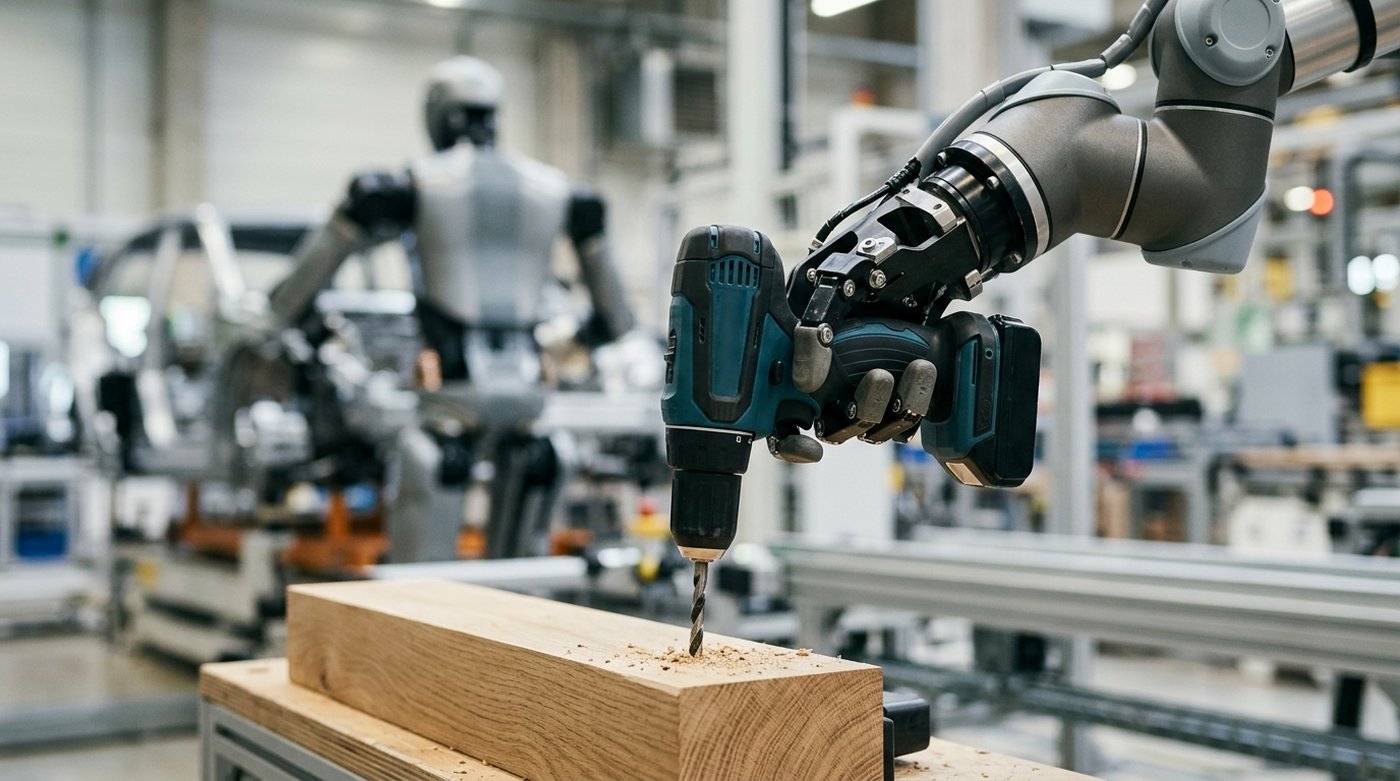
London based robotics company Humanoid has introduced KinetIQ Ascend, a reinforcement learning approach that the company claims pushes bimanual manipulation success rates from 78 percent to 99 percent while operating faster than human demonstration speed.
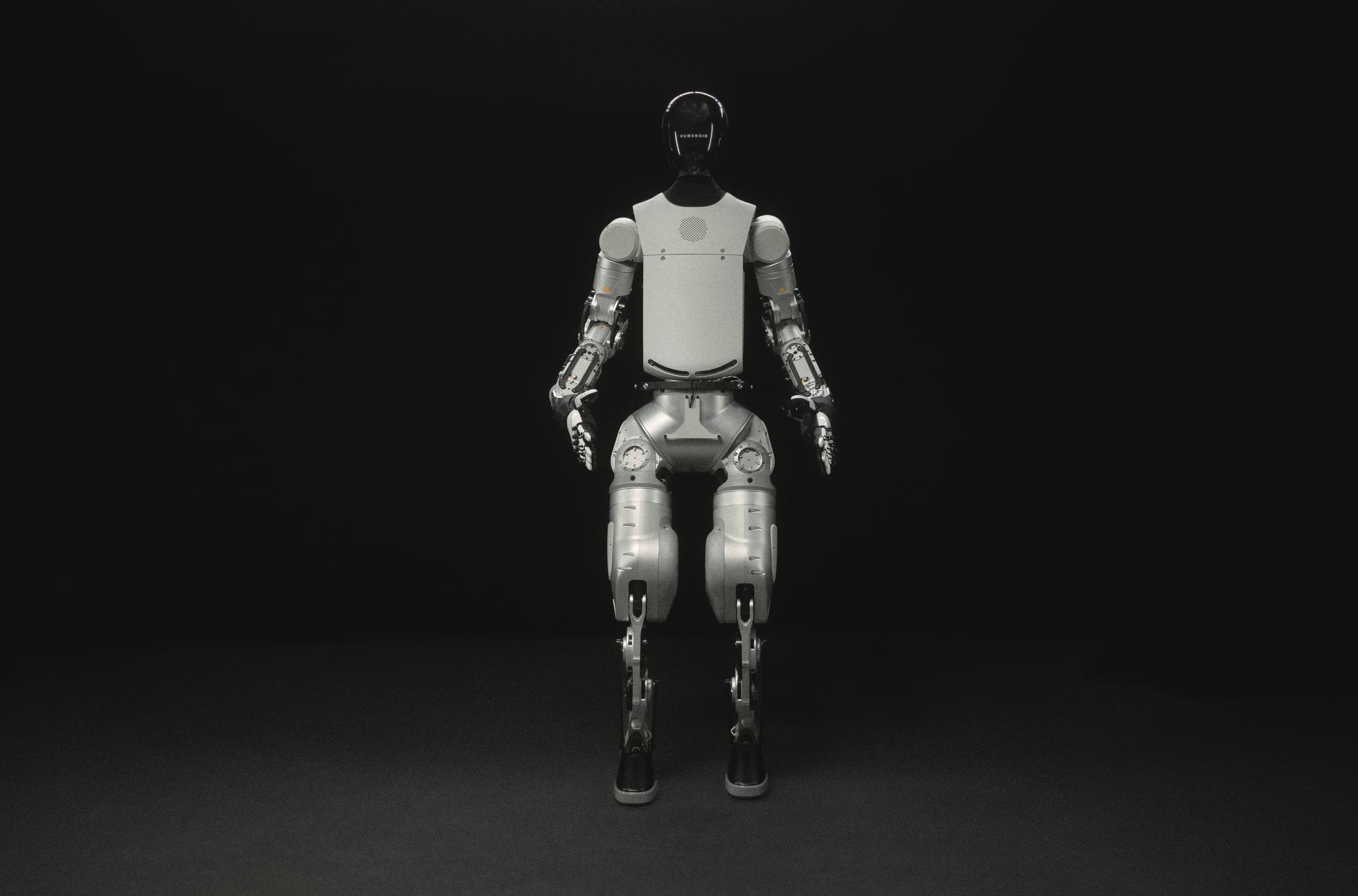
London based robotics company Humanoid has introduced a new reinforcement learning framework that it claims solves one of the most stubborn problems in physical AI: getting robots to perform complex bimanual tasks with near perfect reliability at industrial speeds. The company announced KinetIQ Ascend, a real world RL method targeting 99.9 percent manipulation reliability, describing it as a scaling breakthrough akin to the leap seen in large language models.
Closing the Reliability Gap
Humanoid, founded in 2024 and now employing over 250 engineers across offices in London, Boston, Vancouver, and San Diego, has been building toward scaled industrial deployment following a production partnership with Bosch and Schaeffler announced in May. The core challenge for the HMND robots has been bridging the gap between impressive lab demonstrations and the unforgiving reliability requirements of factory floors.
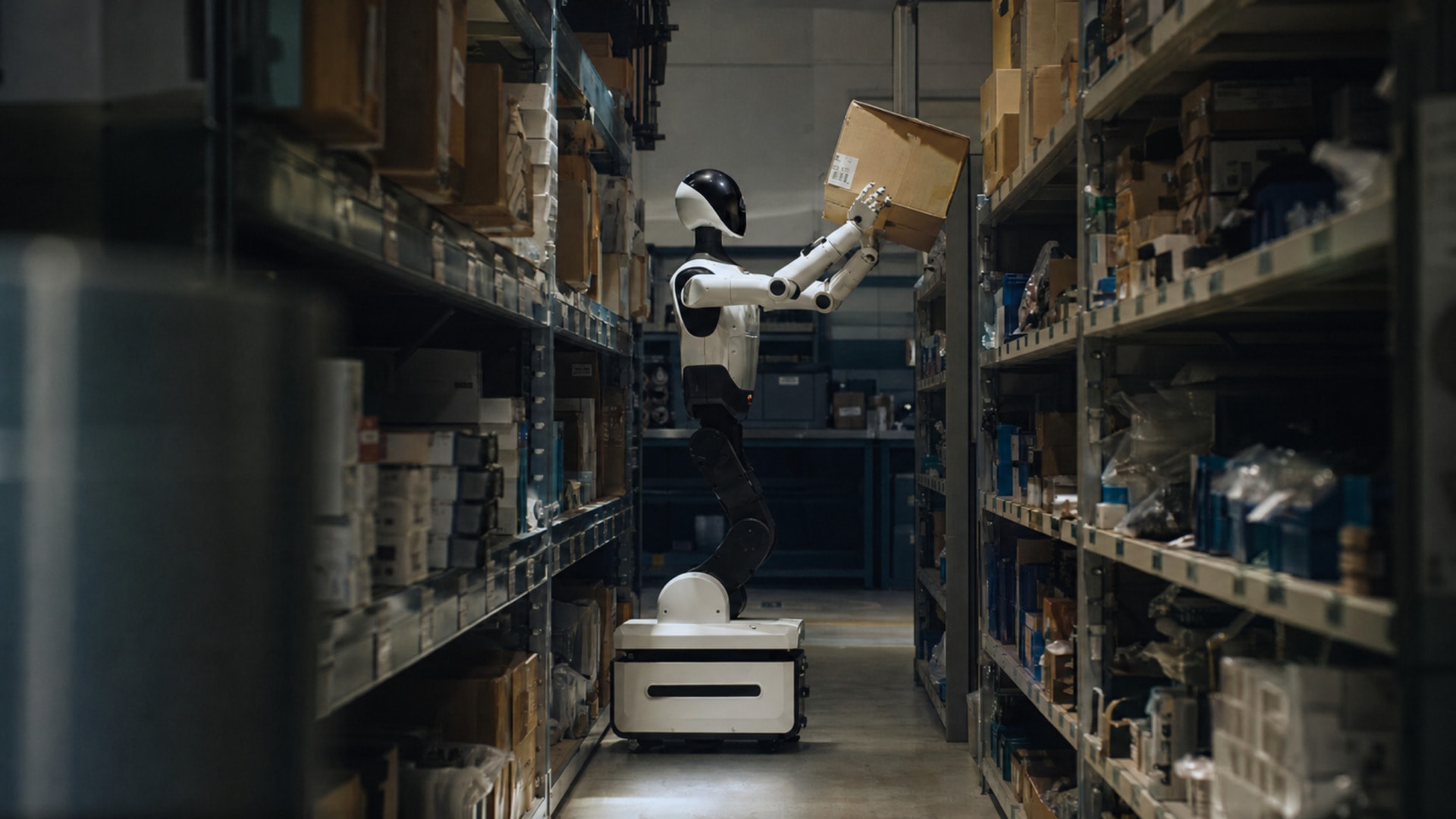
According to the company's technical report, KinetIQ Ascend addresses this by shifting away from pure imitation learning, which often hits a performance ceiling, toward a highly optimized reinforcement learning pipeline. The results published by the company show dramatic improvements across several benchmark tasks. In a machine feeding task handling steel bearing rings, the system achieved a 42 percent throughput increase while operating at 1.5 times the speed of the human demonstrations used to seed the model. In a cluttered tote pick and handover task, throughput increased by 85 percent, and the success rate jumped from 80 percent to 98 percent.
The most significant gain came in a complex bimanual tote lifting operation, where throughput more than doubled and the success rate climbed from 78 percent to 99 percent. This represents a roughly twenty fold reduction in failure events, achieved after only days of training.
The Capability Factory
Chief Technology Officer Jarad Cannon framed the development as a structural shift for the industry. The humanoid race is becoming a question of scale, Cannon said, describing the new framework as a capability factory rather than a series of bespoke engineering solutions. The company claims the RL approach shows clear scaling trends and generalizes well to unseen objects, providing a credible path toward the 100 percent reliability demanded by industrial customers.
For the broader robotics market, the KinetIQ Ascend results add weight to the argument that reinforcement learning, when properly scaled and anchored to real world physics, can overcome the brittleness that has historically plagued robotic manipulation. As companies like Humanoid move from pilot programs to full production deployments with partners like Bosch, the ability to rapidly train and verify these high reliability skills will likely become the primary differentiator between hardware providers.
Sources
· The Robot Report, July 5, 2026: Humanoid announces KinetIQ Ascend reinforcement learning approach. https://www.therobotreport.com/humanoid-announces-kinetiq-ascend-reinforcement-learning-approach/
· Humanoid Technical Report: KinetIQ Ascend. https://thehumanoid.ai/technology/kinetiq-ascend/