Figure AI's Index Platform Bets US$1B on Crowdsourced Robot Data
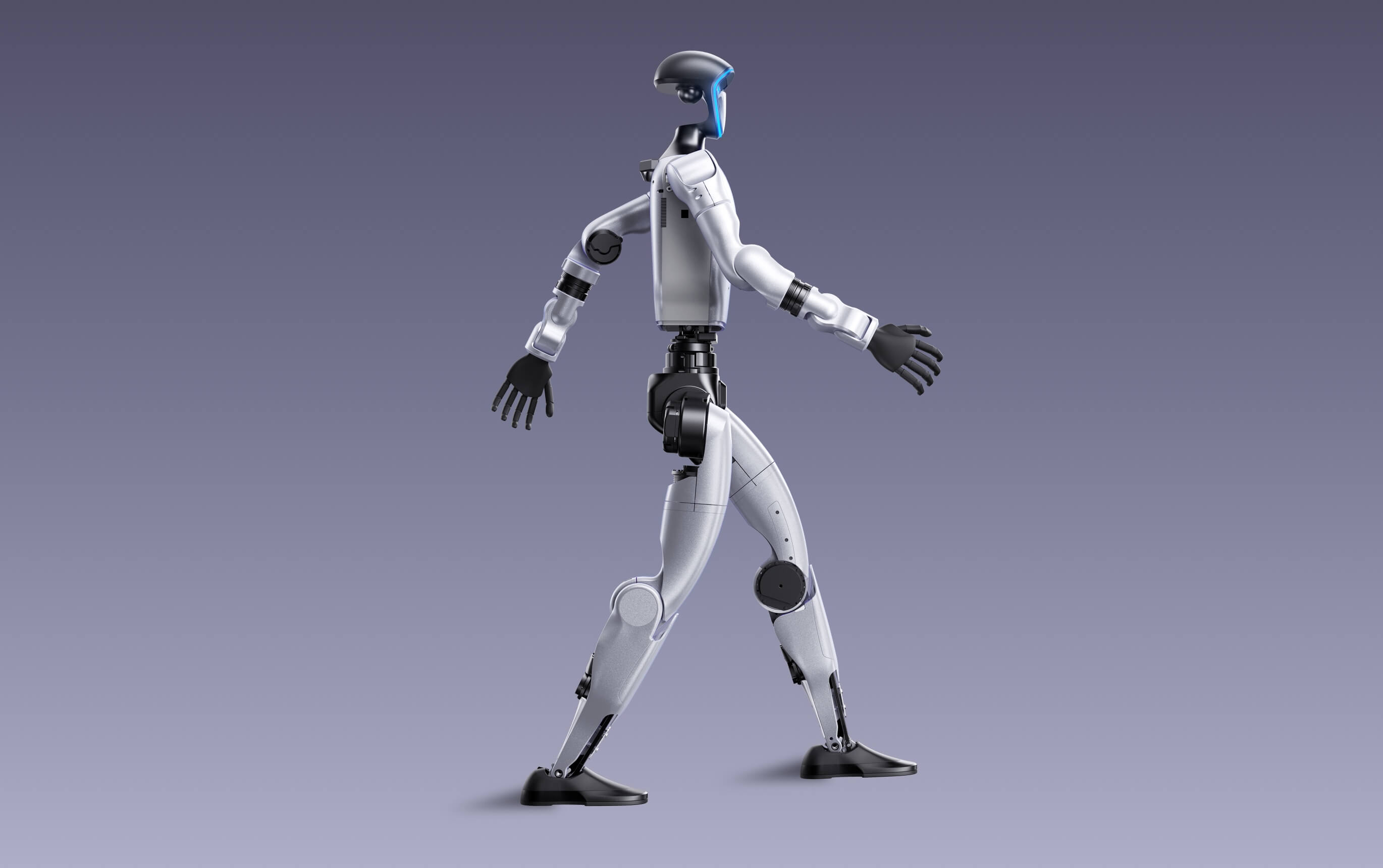
Figure AI's crowdsourced data platform Index has logged 16 million contributor videos and paid out US$15 million, as the company commits over US$1 billion to data and compute, a bet that consumer-sourced physical-task video, not just robot teleoperation, is the fastest path to closing humanoid robotics' data bottleneck.


The Data Bottleneck Humanoid Robotics Cannot Buy Its Way Out Of
Figure AI announced Tuesday that its crowdsourced robot-training data platform, Index, has passed 264,000 app downloads across more than 100 countries since launch, with 44,000-plus weekly active users uploading over 16 million videos of everyday physical tasks. The company disclosed it has paid out US$15 million to contributors so far and committed more than US$1 billion in spending over the next 12 months on data and compute, a figure that reframes Index from a side project into what is, by dollar commitment, one of the largest standing bets any humanoid robotics company has placed on a single strategic thesis: that the physical-world data needed to make a general-purpose robot does not exist on the internet and has to be captured from scratch, one household chore and warehouse task at a time.
The thesis itself is not new. Every serious humanoid and embodied-AI developer has said some version of "the data doesn't exist yet" for at least two years. What makes Index worth examining closely is that Figure has now put a specific, falsifiable operating model behind that claim rather than leaving it as a talking point, and the model it chose, a consumer app that pays ordinary people to record themselves performing physical tasks, is a meaningfully different bet than the approach most competitors have taken.
Why Robot Data Cannot Simply Be Scraped
The internet-scale training-data approach that built large language models does not transfer cleanly to robotics, and Figure's framing of the problem is worth taking at face value rather than as marketing gloss. "The data needed to scale a truly general purpose robot doesn't exist on the internet, it has to come from the real world: a global sampling of physics captured across every environment on earth," the company said in its announcement. Text and images exist on the internet in effectively unlimited quantity because humans have spent three decades generating them as a byproduct of communication. Video of a person loading a dishwasher from a specific angle, with depth and force information a robot's manipulation model can learn from, does not exist at anywhere near that scale, because nobody was recording chores for that purpose before robotics companies started asking them to.
That scarcity is the actual constraint behind the industry's much-discussed "sim-to-real gap." Simulation can generate unlimited synthetic training data, but a policy trained purely in simulation tends to fail in the messy, physically inconsistent conditions of a real kitchen or warehouse floor, the exact gap Index is built to close by capturing real physical interactions at volume. Figure's own metrics disclosure gives a sense of just how granular that capture effort is: for every 1,000 hours of video collected, the platform logs 373 unique tasks, 1,146 unique objects, and 116 unique environments, a density of variation that is difficult to replicate through any single company's internal data-collection operation, no matter how well-funded, because it requires access to genuinely diverse homes, kitchens, and workspaces rather than a controlled lab environment.
A Different Data Strategy From the Rest of the Humanoid Field
Most humanoid robotics companies build training data through one of two paths: teleoperation, where a human operator remotely pilots a physical robot to perform tasks while the system logs the resulting sensor and action data, or internal fleets of contracted data collectors performing scripted tasks under company supervision. Both approaches produce high-quality, well-labeled data, but both are also expensive to scale linearly, since doubling the data volume roughly requires doubling the number of robots, operators, or contracted collectors involved. Index inverts that cost structure by using a consumer smartphone app rather than robot teleoperation hardware as the capture device, letting contributors record tasks with their phones rather than requiring access to an actual robot, and paying them per contribution rather than employing them directly.
That inversion has an obvious tradeoff. Smartphone video lacks the precise force, torque, and proprioceptive data a teleoperated robot session captures natively, meaning Index data likely serves a different, earlier stage of model training than teleoperation data does, providing broad visual and task-structure coverage rather than the fine-grained manipulation data a robot needs for the final stages of dexterous control. Figure's US$1 billion commitment across data and compute for the next 12 months suggests the company is treating Index as one leg of a broader data strategy rather than a full replacement for teleoperation and lab-based collection, but the scale of that commitment, and the fact that it is disclosed alongside a specific per-1,000-hour task and environment density, indicates Figure sees breadth of coverage, not just depth of any single data type, as the bottleneck most worth solving right now.
What the Payout Structure Signals About Contributor Economics
The US$15 million paid to contributors to date, against a platform with 44,000-plus weekly active users, implies a modest average per-contributor payout, consistent with a model built around high-volume, low-friction micro-contributions rather than a small number of professionally compensated data specialists. Figure's disclosed model also includes an on-demand tier, where contributors can be booked for specific chores or business tasks rather than only self-directed recording, which functions as a hybrid between pure crowdsourcing and a more structured, on-demand labor marketplace. That structure matters for any company evaluating whether a similar crowdsourced approach could work for its own data strategy: the economics only function at scale if the per-task payout stays low enough that a US$1 billion annual commitment can fund millions of contributions rather than tens of thousands, which in turn requires the underlying task library to be simple enough that ordinary consumers, not trained data-collection specialists, can complete it reliably without a robot present.
The Buyer-Facing Question Behind a Consumer Data Platform
For procurement and technology-evaluation teams assessing humanoid robotics vendors, Index is a useful lens for a question that rarely gets asked directly in vendor conversations: where is this company's training data actually coming from, and does that source scale at the rate the company's roadmap requires? A vendor relying primarily on internal teleoperation data is data-constrained by its own fleet size and operator headcount, a bottleneck that scales roughly linearly with capital spent on hardware and staffing. A vendor with a working crowdsourced pipeline at Index's reported scale, 16 million videos and growing, has a structurally different, and potentially faster, path to the task and environment diversity a general-purpose robot needs before it can be deployed reliably across the varied physical settings a real commercial buyer's facilities actually present, as opposed to the narrower set of tasks and environments a lab-trained model was validated against.
That distinction should shape how a buyer reads any humanoid vendor's capability claims going forward. A robot demo performing a task cleanly in a controlled setting says relatively little about how that same robot handles the same task in a buyer's actual facility, with its own lighting, clutter, and object variation, unless the underlying model was trained on data that captured something close to that variation during development. Asking a vendor directly what fraction of their training data comes from environments resembling the buyer's own deployment setting, rather than accepting a demo at face value, is a more useful diligence question than it might initially sound, and Figure's decision to disclose granular density metrics, tasks, objects, and environments per 1,000 hours, gives buyers a template for the kind of specificity worth requesting from any vendor making general-purpose capability claims.
The Structural Bet Behind the Billion-Dollar Number
The quotable fact for anyone tracking capital allocation in humanoid robotics is that Figure is now committing more than US$1 billion over 12 months specifically to data and compute, a category of spending that produces no physical robot, no shippable hardware unit, and no immediate revenue, at a scale that rivals or exceeds what many competitors spend on hardware manufacturing across an entire product line. That allocation is itself a claim about where the industry's actual constraint sits. If Figure is right that data, not actuators, sensors, or manufacturing capacity, is the binding constraint on general-purpose robot capability, the company betting the largest, most visible sum on solving that specific problem gains a structural advantage that is difficult for a hardware-focused competitor to close quickly, since building an equivalent data pipeline requires years of contributor-network growth rather than a single large capital infusion. If Figure is wrong, and manipulation-grade physical data still requires the kind of teleoperated, robot-in-the-loop collection that a consumer app cannot fully replicate, the billion-dollar commitment becomes a costly detour rather than a moat. Which outcome holds will become visible not through Figure's next funding announcement but through whether its next generation of Helix-powered robots demonstrates measurably broader real-world task generalization than competitors relying primarily on teleoperated or lab-collected data, a comparison the industry will be in a position to make within the next several product cycles.
Disclaimer: This article is for general information purposes only and does not constitute investment, legal, or procurement advice. Readers should verify details with primary sources before making business decisions.