
AI & Robotics
Our AI & Robotics in-depth articles
263 articles found • Page 14 of 22

China’s Embodied AI Boom Faces Its First Real Test: Can 370 Startups Survive the IPO Gauntlet?
China’s embodied AI sector has attracted 370 startups in two years, with approximately 50 now pursuing public listings in Hong Kong or mainland China. While companies like AgiBot claim production records of 15,000 robots and Unitree reports profitable operations, industry insiders acknowledge that humanoid robots score just “15 out of 100” on capability and that the AI software powering them “lingers at about 3.” The sector’s first wave of IPOs will force companies to prove commercial viability under the discipline of quarterly earnings.
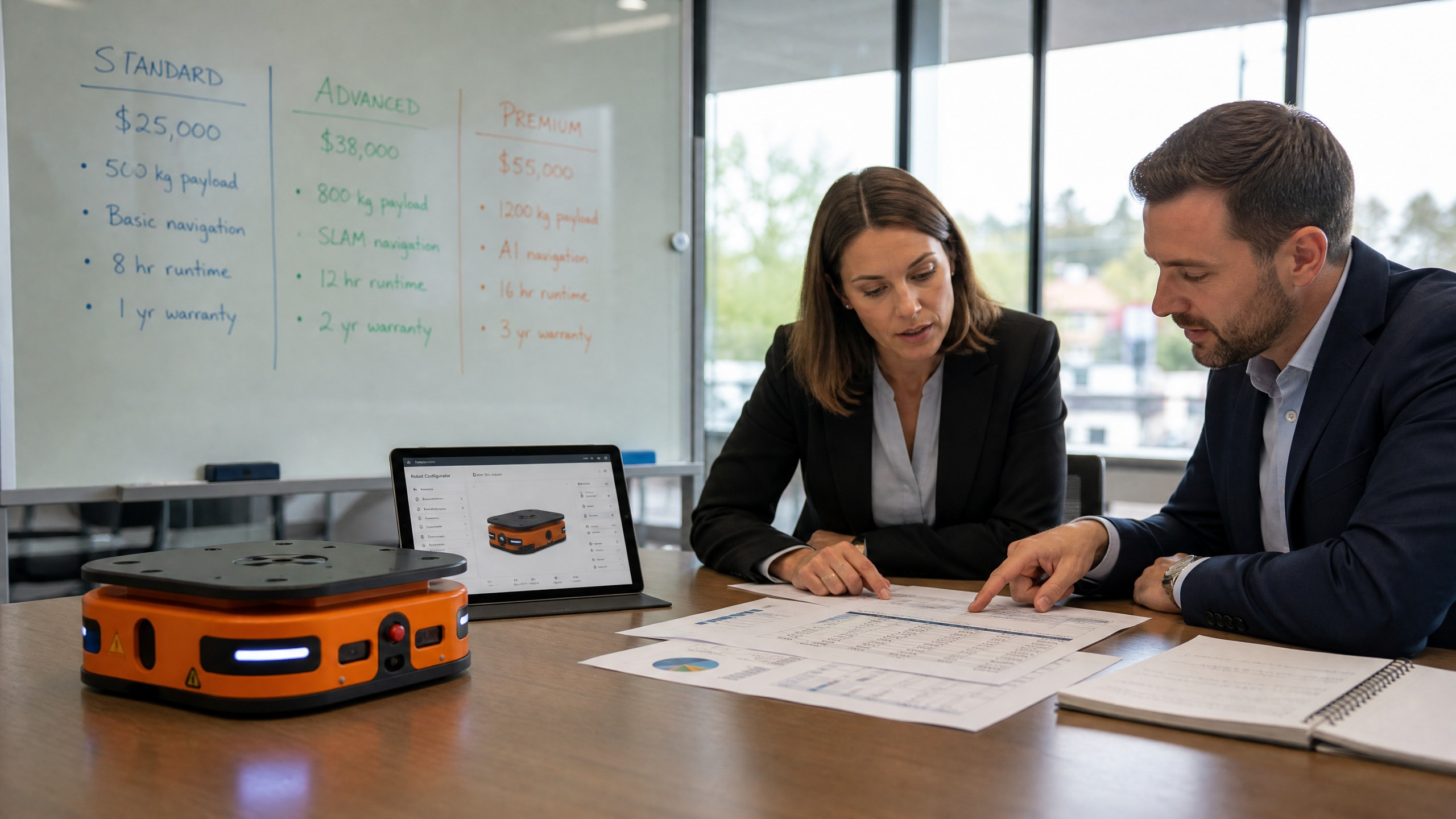
Budgeting for an AMR and AGV: Current Market Prices Explained
A mid-range Chinese autonomous mobile robot that cost RMB 100,000 to RMB 150,000 (about USD 14,000 to USD 21,000) in 2020 now ships for roughly half that, while Western list prices have barely moved. Post 4 of our AMR/AGV foundations series turns that spread into a working budget: current price bands for every major vehicle class from USD 40,000 flat-platform units to USD 300,000 autonomous forklifts, the structural forces behind the China versus global gap, the five cost drivers that explain any quotation, and the ARPI Price Architecture Map, our original benchmark reference for a market with no audited price index.
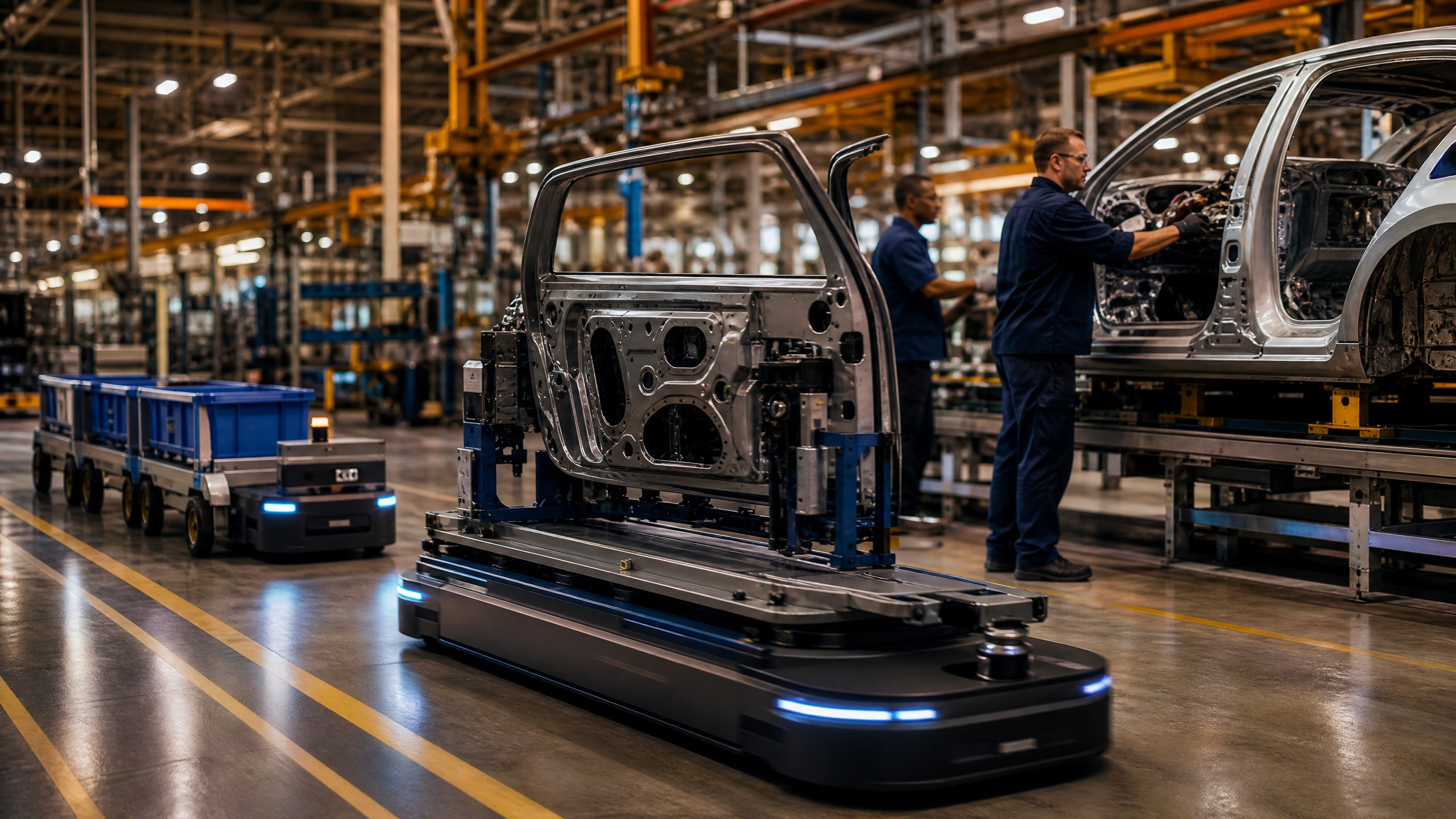
From Factory Floor to Warehouse: How AMR and AGVs Are Deployed
Amazon runs more than one million robots across 300-plus facilities while a family-owned logistics firm is going live with exactly 24, and everything a buyer needs to know sits between those two numbers. Post 3 of our AMR/AGV foundations series maps where mobile robots are actually deployed: the four industries that dominate the verified record, the task patterns that repeat across them, flagship cases from BMW Regensburg to FAW Toyota's 2,000-robot fleet, and an original readiness framework that matches four deployment archetypes to the organisations realistically able to copy them.

The Robot Economy Stopped Asking Venture Capital for Permission
The last week of July 2026 marked physical AI's shift from venture funding to infrastructure capex. Nvidia's US$1.01 billion Naver stake, Brookfield's up-to-US$9 billion financing, Japan's PASTEC chip hub, and Korea's US$950 billion framework show states, asset managers, and chipmakers now fund the robot economy, changing what gets built and who captures the value.
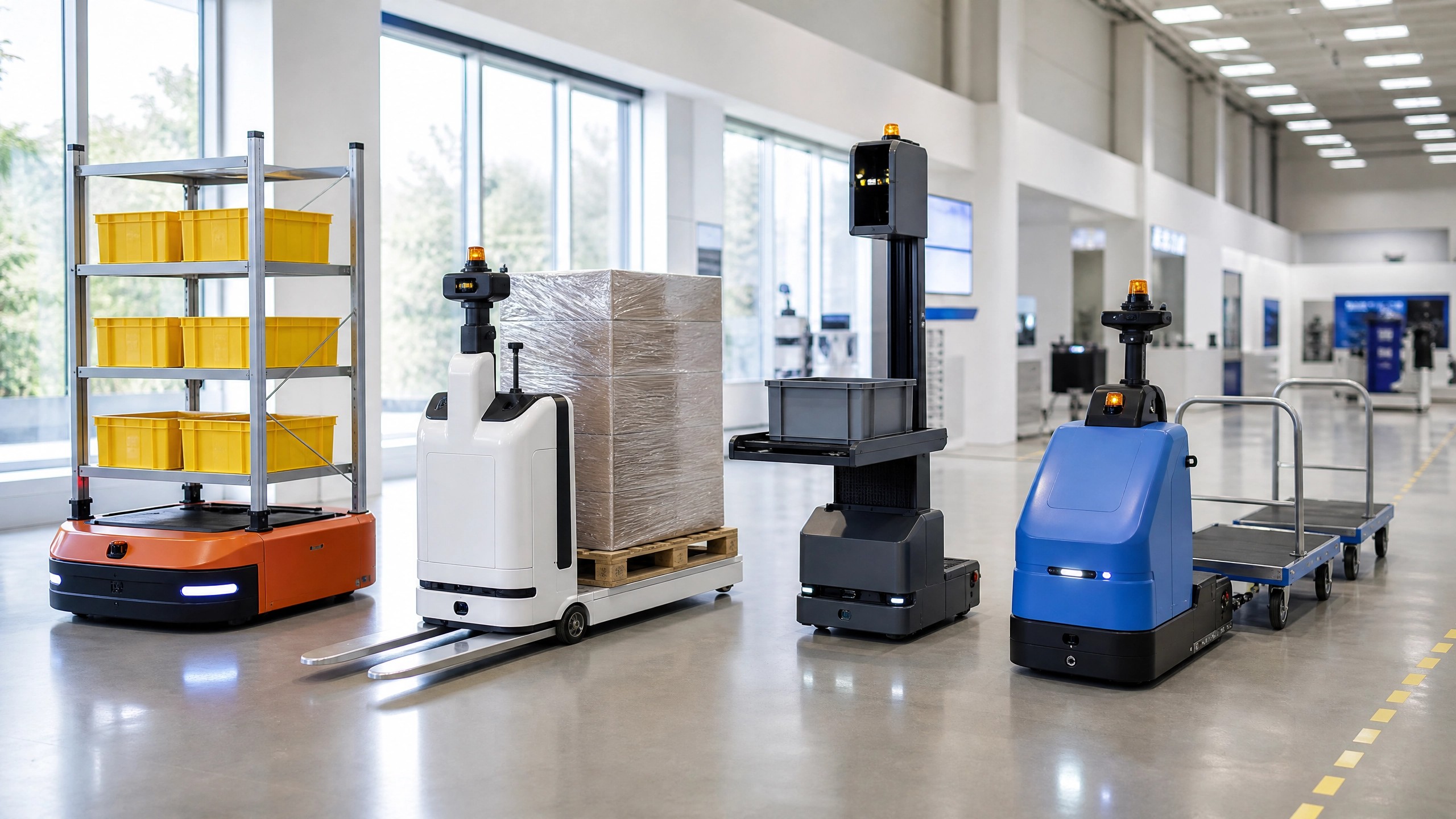
Navigating the Different Classes of AMR and AGVs
Ninety-six new mobile robot products reached the market in the first half of 2026 alone, and they are not interchangeable. This guide maps the six working classes of AGVs and AMRs that matter to buyers, from tuggers and pallet movers to shelf-carriers, tote-handling robots, and the fast-rising mobile manipulator category, explains how each differs in payload, navigation, and facility demands, and provides an original class selector matrix so procurement teams can shortlist the right vehicle type before talking to a single vendor.
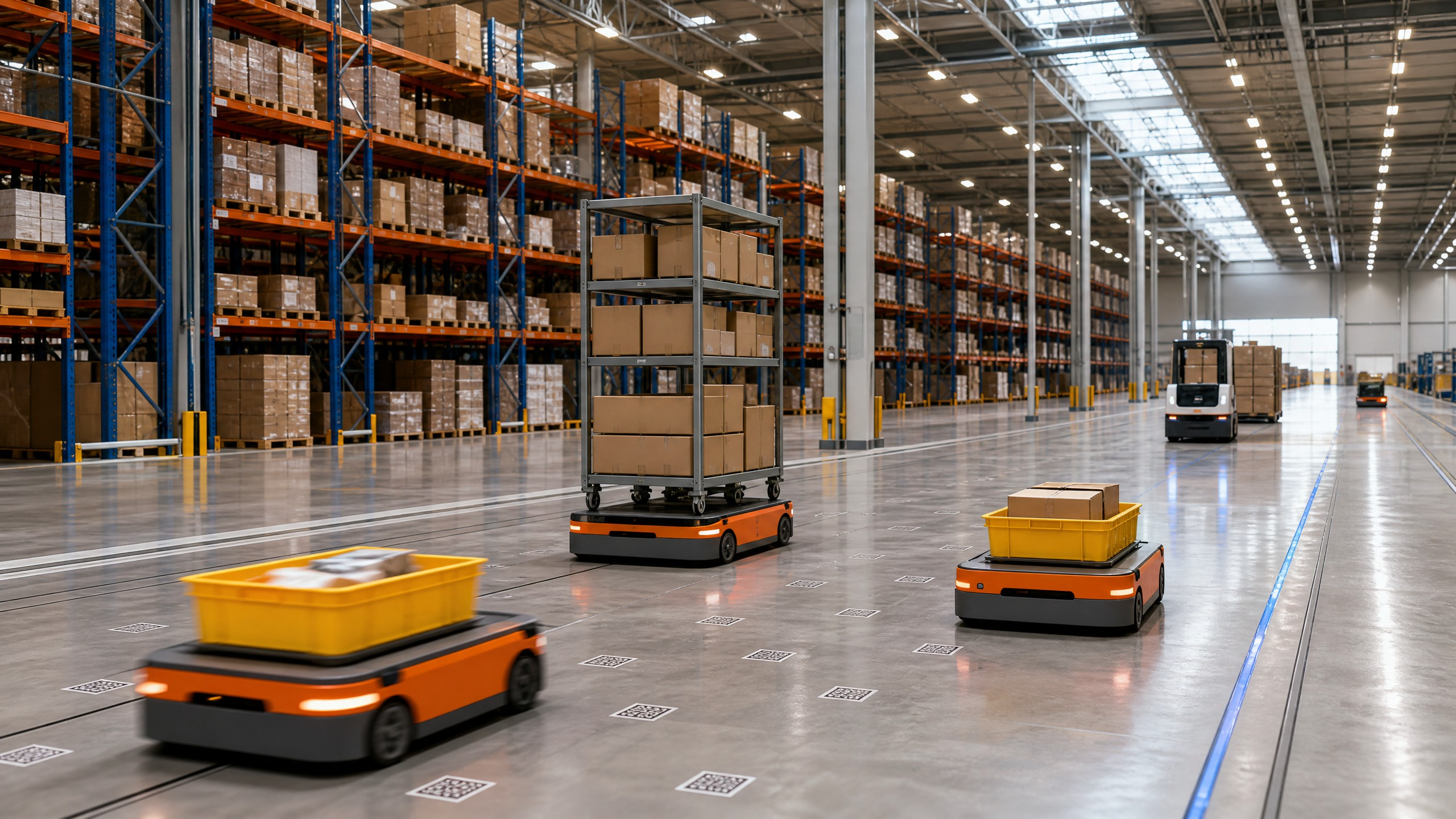
The Fundamentals of AMR and AGV Technology Explained
Mobile robots for moving goods are now the largest professional service robot category sold worldwide, with 102,900 transportation and logistics units shipped in 2024 according to the IFR. This series opener explains the fundamentals: what separates an automated guided vehicle from an autonomous mobile robot, how SLAM navigation actually works, the six subsystems every machine shares, the safety standards that govern them, and an original decision framework comparing AGVs, AMRs, and fixed conveyors for buyers planning their first project.

The Smart Money in China’s Robot Boom Is No Longer Betting on Robots. It Is Betting on the Exit.
In a single day, AgiBot hired three banks for a Hong Kong IPO, Horizon Robotics borrowed US$450 million at zero interest, PsiBot became China’s 22nd embodied AI unicorn of the year on a carmaker’s money, and Washington voted to bar the Pentagon from Chinese humanoids. Read together, these are not four stories but one: the smart money in China’s robot boom has repositioned from funding deployment proof to engineering exits. This analysis traces the capital cycle from venture rounds through strategic money to public listings, examines what the rush to price the sector says about its operating reality, and identifies the signals that will mark the exit window’s closing.

July 2026 Robotics Funding Wrap-Up: Capital Splits Into Three Layers
July 2026 closed with humanoid robotics venture funding at 8.7 billion dollars year to date, but the month's defining pattern was structural rather than volumetric: capital split into three distinct layers with different instruments, buyers, and risk appetites. Listed platforms raised at near-zero cost through convertible bonds and IPO pipelines, strategic and industrial acquirers moved on control positions, and angel investors repriced the component layer of hands, actuators, and perception. The monthly conclusion is that investors are no longer buying a single robotics story but underwriting three different businesses.

July 2026 Exhibitions Wrap-Up: Conventions Become Procurement Events
July 2026 was the month robotics convenings stopped functioning as showcases and started functioning as allocation events. WAIC drew roughly 400,000 attendees and anchored a wave of product launches and signings, Korea flew its entire AI supply chain to San Francisco for a week of state-orchestrated deal-making, and Chinese provinces converted exhibition momentum into production lines within weeks. The next test is the World Robot Conference in Beijing this August, which now carries procurement expectations rather than demonstration expectations.
July 2026 Technology Wrap-Up: Trust Became the Bottleneck
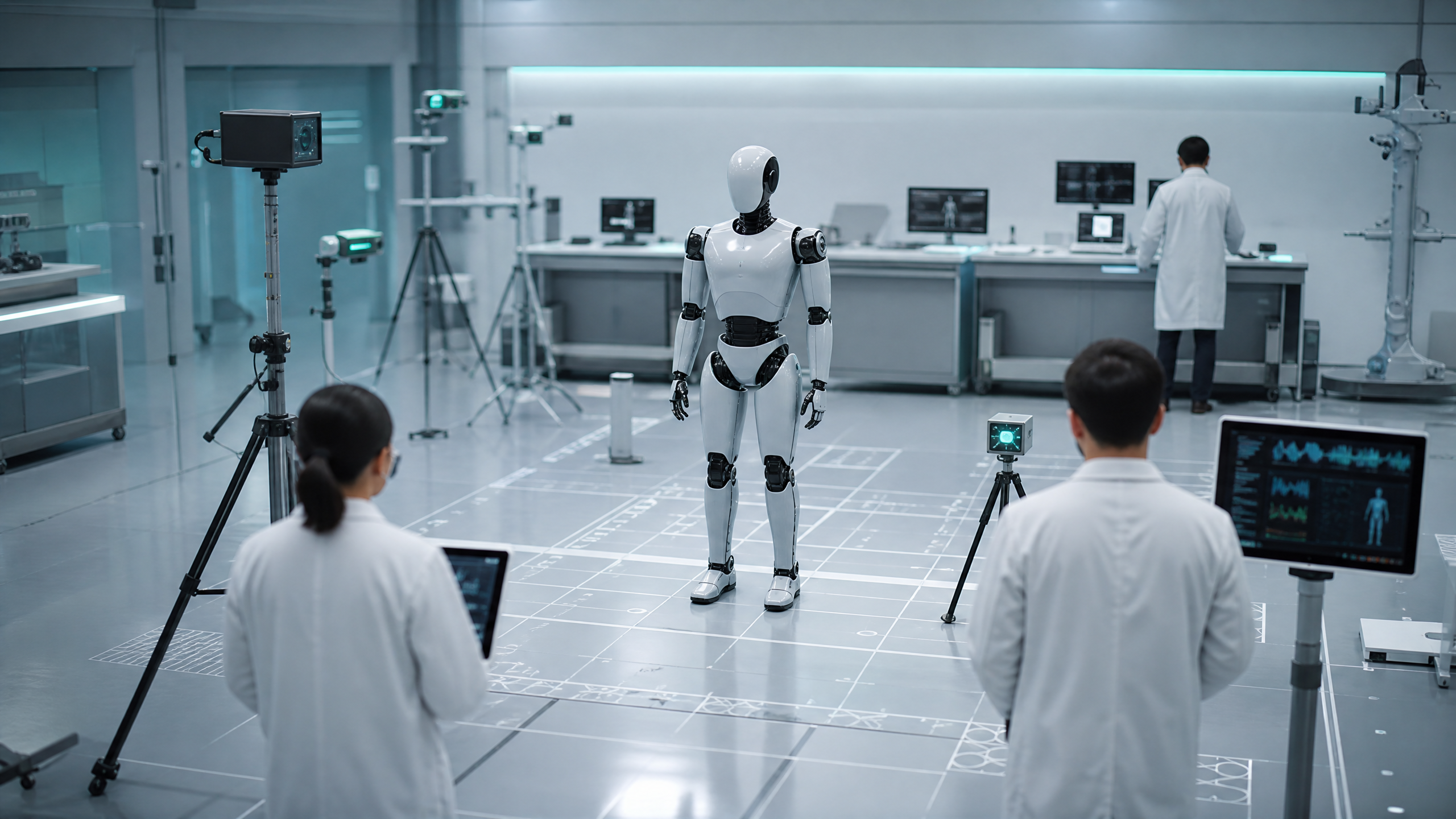
July 2026 produced more robot foundation models than any prior month, and the technical center of gravity shifted in response: the scarce layer is no longer models or data but evaluation, certification, and standards. China's MIIT convened its humanoid standardization plenary and stood up a data working group, Europe's ISO 10218:2025 transition began sorting prepared vendors from unprepared ones, and a wave of benchmarks emerged to measure what the model flood actually delivers. The trust layer is becoming the product.

July 2026 Robot Economics Wrap-Up: The Human Layer Sets the Price
July 2026 exposed the missing line item in robot cost models: the negotiated human layer. Hyundai's wage reform talks, a paused 57,590 dollar school robot pilot in New York, Washington state's bounded delivery permits, and a Texas shipyard promising 10,000 jobs around its robots all show deployment economics being decided by labor contracts, permits, and community approval rather than sticker prices. Unit costs kept falling in July while the cost of permission kept rising, and the second curve is now the one buyers need to model.

The Humanoid Industry's Map Is No Longer Drawn by Engineers. It Is Drawn by Flags.
In a single week, the House voted to bar the Pentagon from Chinese humanoids, Korea's president flew his chaebol chairmen to San Francisco to sign AI pacts, a Chinese province with 98 million people shipped its first locally built humanoids from a factory financed by state capital, and AMD tied its robotics ambitions to a politically connected defense robot maker. These are not separate stories. They are one story: governments have concluded that humanoid robots are strategic infrastructure, and the industry's supply chain is being redrawn along political lines before the market has picked its winners. This analysis maps the three national models now competing, and what the politicization means for anyone building, buying, or backing robots.