July 2026 Exhibitions Wrap-Up: Conventions Become Procurement Events
July 2026 was the month robotics convenings stopped functioning as showcases and started functioning as allocation events. WAIC drew roughly 400,000 attendees and anchored a wave of product launches and signings, Korea flew its entire AI supply chain to San Francisco for a week of state-orchestrated deal-making, and Chinese provinces converted exhibition momentum into production lines within weeks. The next test is the World Robot Conference in Beijing this August, which now carries procurement expectations rather than demonstration expectations.
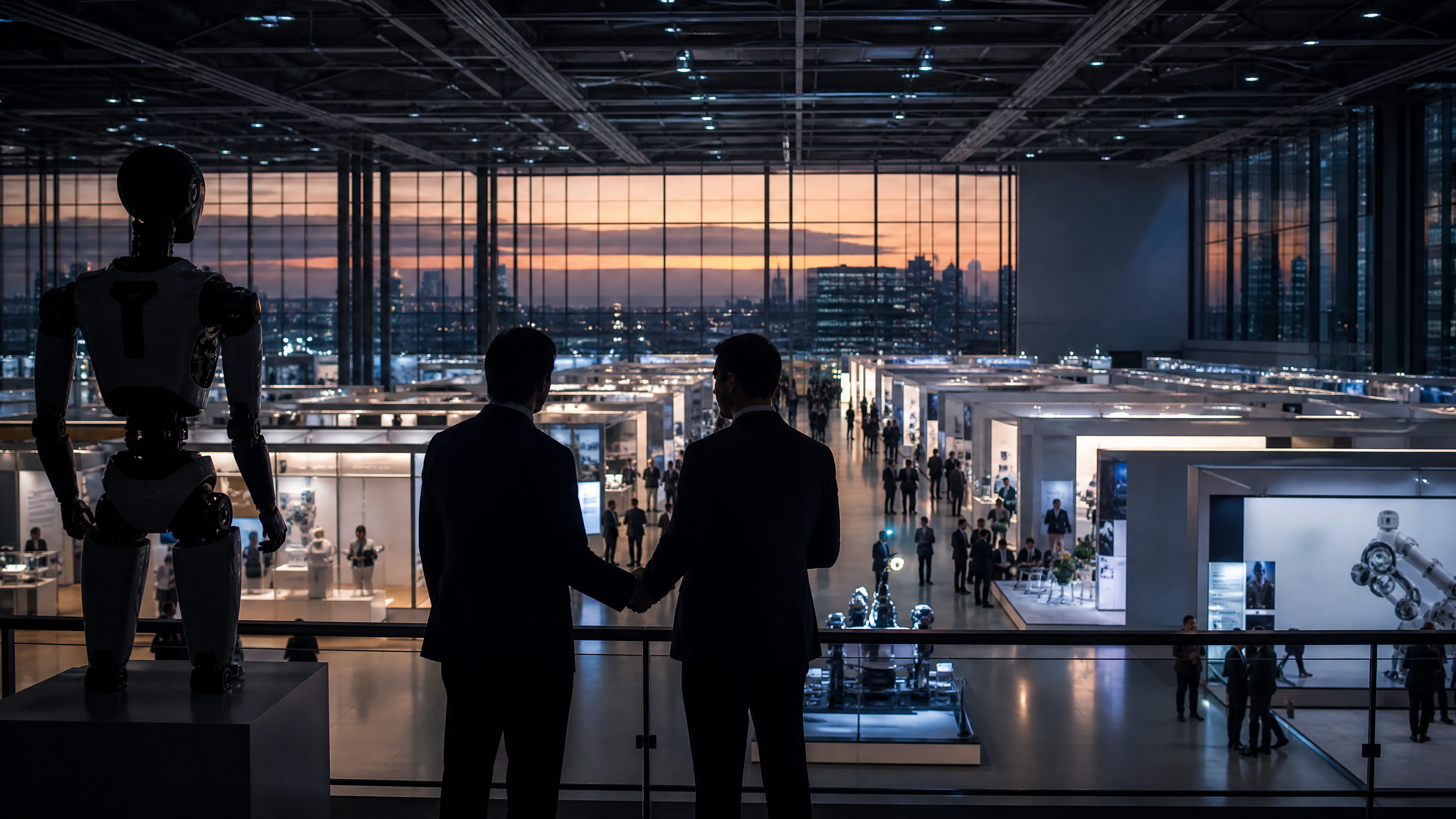
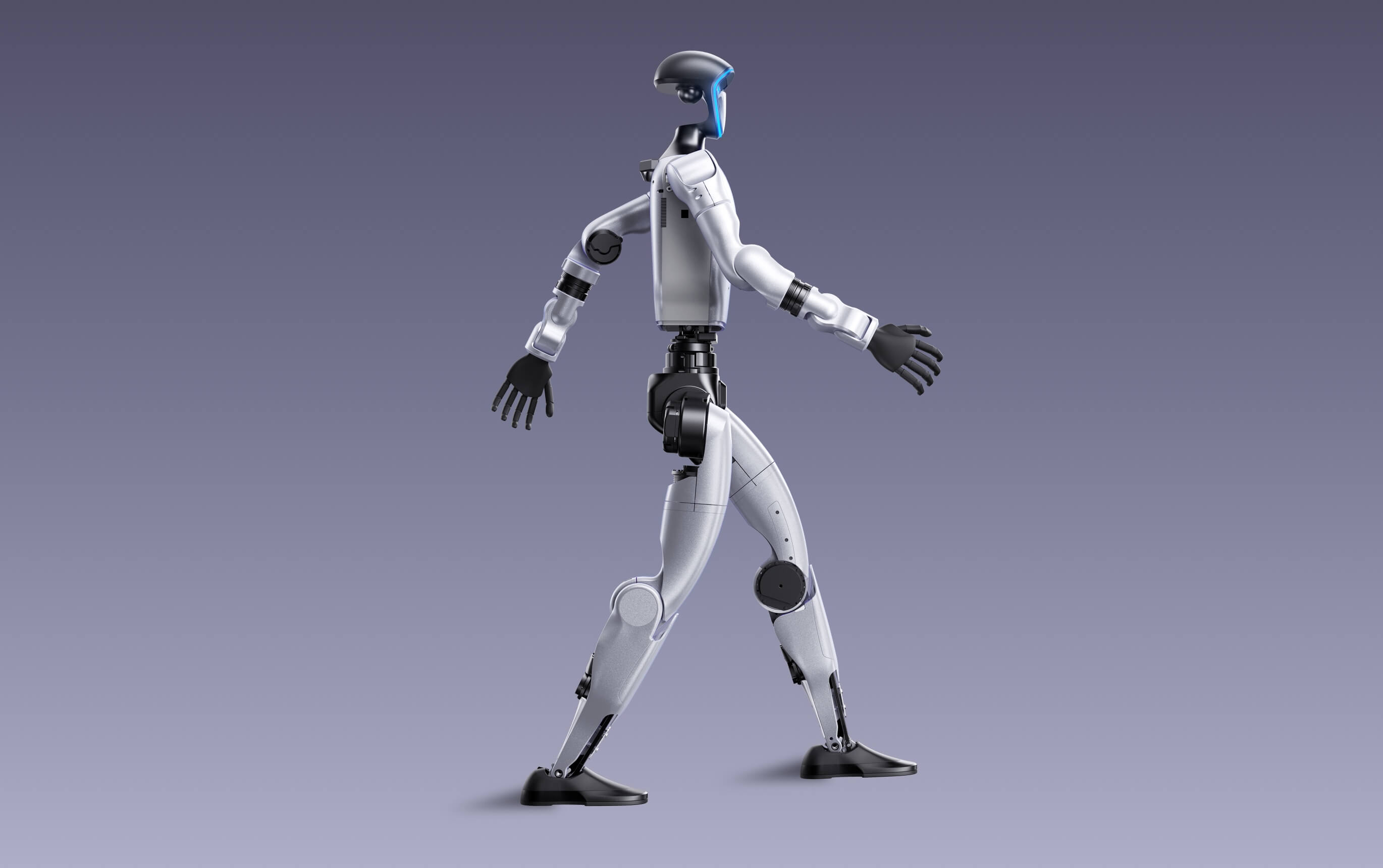
The World Artificial Intelligence Conference closed in Shanghai on July 20 after drawing approximately 400,000 attendees, and the most revealing statistic from the month that followed is not an attendance figure at all. It is a production date. On July 24, four days after WAIC's final forum, the first Henan-built T800 humanoid robots rolled off a new line in Zhengzhou operated by EngineAI, the Shenzhen-based humanoid maker whose bipedal robots target traffic management, commercial service, industrial work, and education. The facility went from empty floor to functioning production in roughly two months with provincial state capital behind it. That compression, from exhibition-season visibility to inland production line in a single quarter, is what July did to the global robotics ecosystem. The convening is no longer the end of the pipeline. It is the beginning of an allocation process that now moves at industrial speed.
The Exhibition Calendar Became an Industrial Calendar
WAIC 2026 itself completed a transformation that had been building for two editions. Companies no longer treat the Shanghai event as a display window; they anchor product launches, strategic signings, and commercial rollouts to its dates. The launch cycle around the show included flagship model releases, embodied-intelligence platforms, and component stacks presented not as research but as purchasable product. The exhibition floor's own composition told the story: the supply chain went upstream, with data factories, joint modules, dexterous hands, chips, and simulation infrastructure taking floor space that whole-robot demonstrations held a year ago. Sellers of picks and shovels outnumbered sellers of gold pans, which is what a maturing extraction economy looks like.
The follow-through events confirm the pattern. The 2026 World Robot Contest South China Championship opened in Sanya on July 21, one stop in a competition circuit that now runs continuously between the marquee gatherings. The World Robot Conference, scheduled for Beijing from August 19 to 23, has announced more than 300 exhibiting companies and over 2,000 exhibits, and the A-share robotics complex rallied on the date announcement alone earlier in the month. In December, the IEEE-RAS Humanoids conference convenes in Santa Clara under the special topic Humanoids and the Future of Work, with its Loco-Manipulation Challenge explicitly designed to benchmark commercial platforms against academic research robots on a published, comparable circuit. Each of these events now carries a different commercial function: WAIC allocates supply-chain attention, WRC allocates orders and provincial investment, and the IEEE gathering will allocate credibility through the first direct published comparison of research and commercial state of the art.
The competitive economics of exhibiting have shifted accordingly. When a booth functions as a procurement interview rather than a brand exercise, the exhibitors who win are the ones who arrive with deliverable product, reference deployments, and a supply chain that can absorb an order. That standard explains why July's exhibition coverage was dominated by component and infrastructure suppliers rather than headline humanoids: buyers walking WAIC's halls were sourcing actuators, data services, simulation seats, and safety sensors they can integrate this quarter, not admiring prototypes they might buy in three years. It also explains the rising presence of evaluation and certification vendors on exhibition floors, since the ability to prove a claim on the spot has become part of the sales motion itself.
States Joined the Exhibition Circuit as Exhibitors
The clearest July signal came from governments behaving like exhibitors. South Korean President Lee Jae Myung landed in San Francisco on July 24 to open an eleven-day tour built around back-to-back meetings with the chief executives of Anthropic, OpenAI, Nvidia, and Broadcom, followed by a 150-person summit at which the heads of Samsung, SK, and Hyundai were scheduled to sign memoranda with American technology companies. The trip packages Korea's chaebol hardware base with American compute in a single state-orchestrated offer, and physical AI and robotics carry much of the industrial weight in the government's three AI mega projects. A head of state flying a national supply chain to another country's technology capital for a week of coordinated deal-signing is exhibition logic elevated to foreign policy.
China's version of the same logic operated at provincial level. Henan's Zhengzhou line-off gave the inland province three humanoid production lines assembled in under a year, following a playbook that recruits the robot brand first and pulls the supply chain inland to meet it. Tianjin's TEDA zone hosts manufacturing hubs for UBTech and Unitree established earlier in the month. The Ministry of Industry and Information Technology forecast in early July that China's humanoid output would exceed 100,000 units in 2026, and provincial governments are competing to host the capacity that forecast implies. Japan answered with a 6.2 billion dollar physical AI program and a national physical AI cloud built on 27,500 Nvidia Rubin GPUs backed for Noetra. Europe's ecosystem event of the month was corporate rather than governmental: UMA debuted its Northstar humanoid with real-time learning and a Europe-first deployment plan, positioning itself inside a continental market where, as of July, no ISO standard yet governs bipedal machines on factory floors.
The Deployment Floor Is the New Exhibition Floor
The month's most consequential ecosystem signals came from inside factories rather than convention halls, which is itself the point: the demonstration venue has migrated to the customer site. Figure deployed 40 of its Figure 03 humanoids at the BMW plant in Spartanburg following an eleven-month pilot with the prior generation that supported production of more than 30,000 vehicles, and the company states its BotQ factory now produces one robot per hour. Agility's Digit works commercial shifts at a Toyota facility in Ontario and a GXO warehouse in Georgia, with more than 65,000 hours of live operation across nine customer facilities. Apptronik opened Robot Park, a facility near 90,000 square feet in Austin where fleets of Apollo robots perform production tasks continuously to generate training data under its partnership with Google DeepMind. Boston Dynamics committed all 2026 Atlas deployments to Hyundai's robotics application center and to Google DeepMind. These sites function as permanent private exhibitions with an audience of one customer and a feedback loop measured in shifts rather than show days.
The ecosystem's connective tissue also thickened during the month in ways that exhibitions alone cannot show. AgiBot expanded its robots-as-a-service network to Australia and New Zealand, extending a Chinese operating model into English-speaking commercial markets. Hitachi and Nvidia built an orchestration layer for physical AI operations aimed at customers who own fleets from multiple vendors. Ocado secured a European automated fulfilment agreement that pulls warehouse robotics deeper into continental grocery logistics. Each deal routes around the exhibition circuit entirely, negotiated between operators who already know each other from prior deployments, which is what an ecosystem looks like once it stops needing an introduction service.
That migration changes what the public gatherings are for. When the machines already work in front of paying customers, the exhibition's remaining jobs are allocation and comparison: which provinces get the factories, which national blocs get the compute partnerships, which platforms win the published benchmarks, and which component suppliers get designed into next year's builds. July's calendar shows every major convening being retooled around those jobs, from Shanghai's launch-cycle anchoring to Seoul's diplomatic supply-chain roadshow to Santa Clara's planned head-to-head scoring.
The next test arrives quickly. The World Robot Conference opens in Beijing on August 19 with more than 300 companies exhibiting into a market where MIIT's 100,000-unit output forecast, three new provincial production bases, and a crowded IPO pipeline have raised the stakes of every booth. Watch what gets signed there rather than what gets demonstrated. If July's pattern holds, the orders, provincial agreements, and supply-chain designations announced during those five days will tell the industry more about 2027 than any robot on the floor, because the exhibition has become the place where the ecosystem allocates its next year, and Beijing in August is the largest allocation event left on the 2026 calendar.