Europe Calls It Robot Sovereignty. The Chips Say Otherwise.
A single day of NVIDIA GTC Berlin announcements shows European robotics firms building almost entirely on American chip platforms. Only the one deepest in American investment capital, Generative Bionics with AMD, called it sovereignty; the other seven building on NVIDIA's stack did not need to.

On a single day this week, eight companies connected to NVIDIA's GTC Berlin event put out robotics news built from the same three ingredients: NVIDIA's Jetson Thor compute, its Isaac GR00T software, and its Omniverse simulation tools. A Munich company founded by former German Aerospace Center researchers used all three to build NVIDIA's own reference humanoid. A London startup used them to shrink two onboard robot computers into one. A century-old German conglomerate used them to rehearse a French warehouse in simulation before touching the real floor. Only one of the eight reached for a specific word to describe what it was doing: sovereignty.
European humanoid sovereignty, as one Italian company used the phrase this week, turned out to mean a data center built on American chips, funded in part by an American chipmaker's own venture arm. That is not an argument against the project. It is a sign that the word has drifted so far from its old meaning that almost nobody else at the same event bothered using it at all, because building on someone else's compute platform is now simply how European robotics gets built, named or not.
Start with the company that used the word. Generative Bionics, an Italian humanoid-robot maker spun out of the Italian Institute of Technology, announced plans for a three-site "Physical AI Data Factory," beginning with a facility in Italy the company says will be running by the fourth quarter of 2027. The announcement's own headline frames this as a step to advance what it calls "European humanoid sovereignty." Read past the headline and the mechanics are specific: the network runs on AMD's Helios rack-scale infrastructure, the robot at the center of it, GENE.01, already carries AMD compute onboard, and AMD Ventures backed the company's seed round in the first place. By the company's own account, AMD has been a partner "since day one." Whether or not the sovereignty framing was a deliberate choice, the infrastructure underneath it is not European. It is a second American semiconductor company instead of the first.
The companies that did not bother with the word
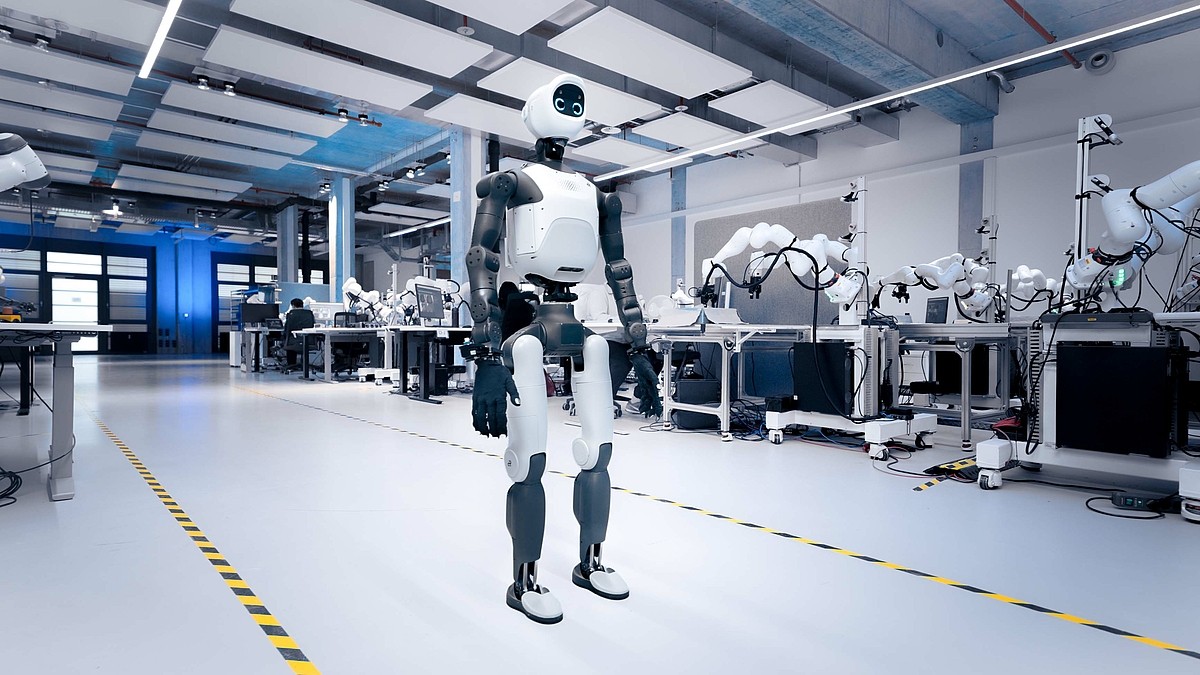
The other seven releases that day make the contrast sharper, because none of them tried to claim independence. Agile Robots, a Munich company founded in 2018 by researchers out of the German Aerospace Center, used GTC Berlin to unveil Agile ONE SN, a reference humanoid that NVIDIA's own vice president of robotics and edge AI, Deepu Talla, says "combines NVIDIA Isaac GR00T and Jetson Thor in a single system." Agile Robots' founder and chief executive, Zhaopeng Chen, described the company's work as moving "Physical AI products from the lab to industry," with no sovereignty language attached at all. A company whose own origin traces to a European state research institute is now the company building NVIDIA's reference design for the rest of the industry to copy.
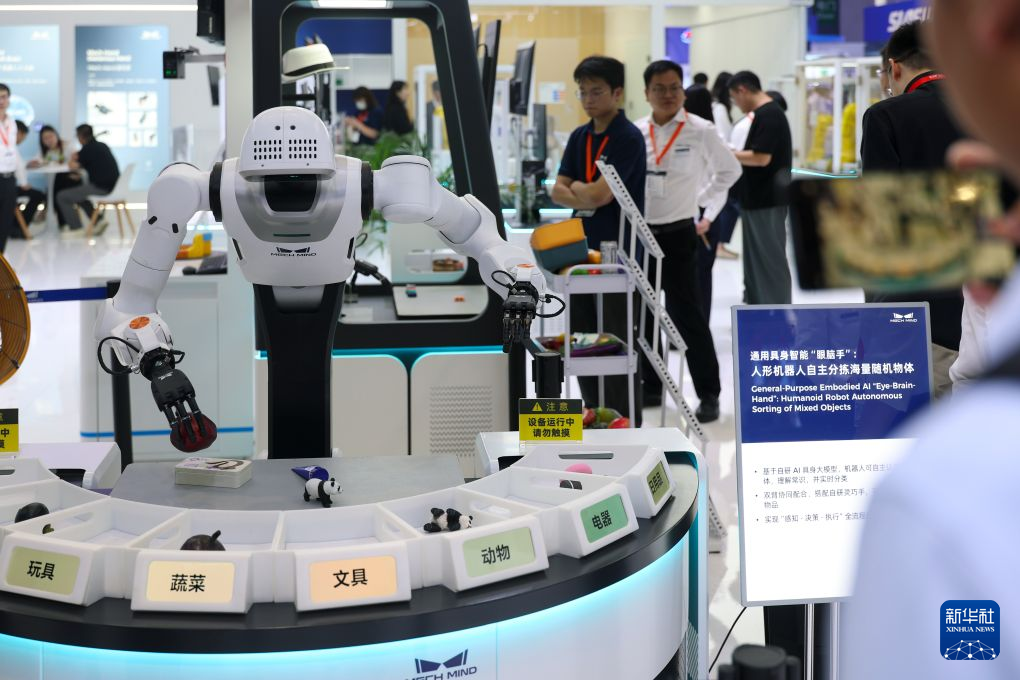
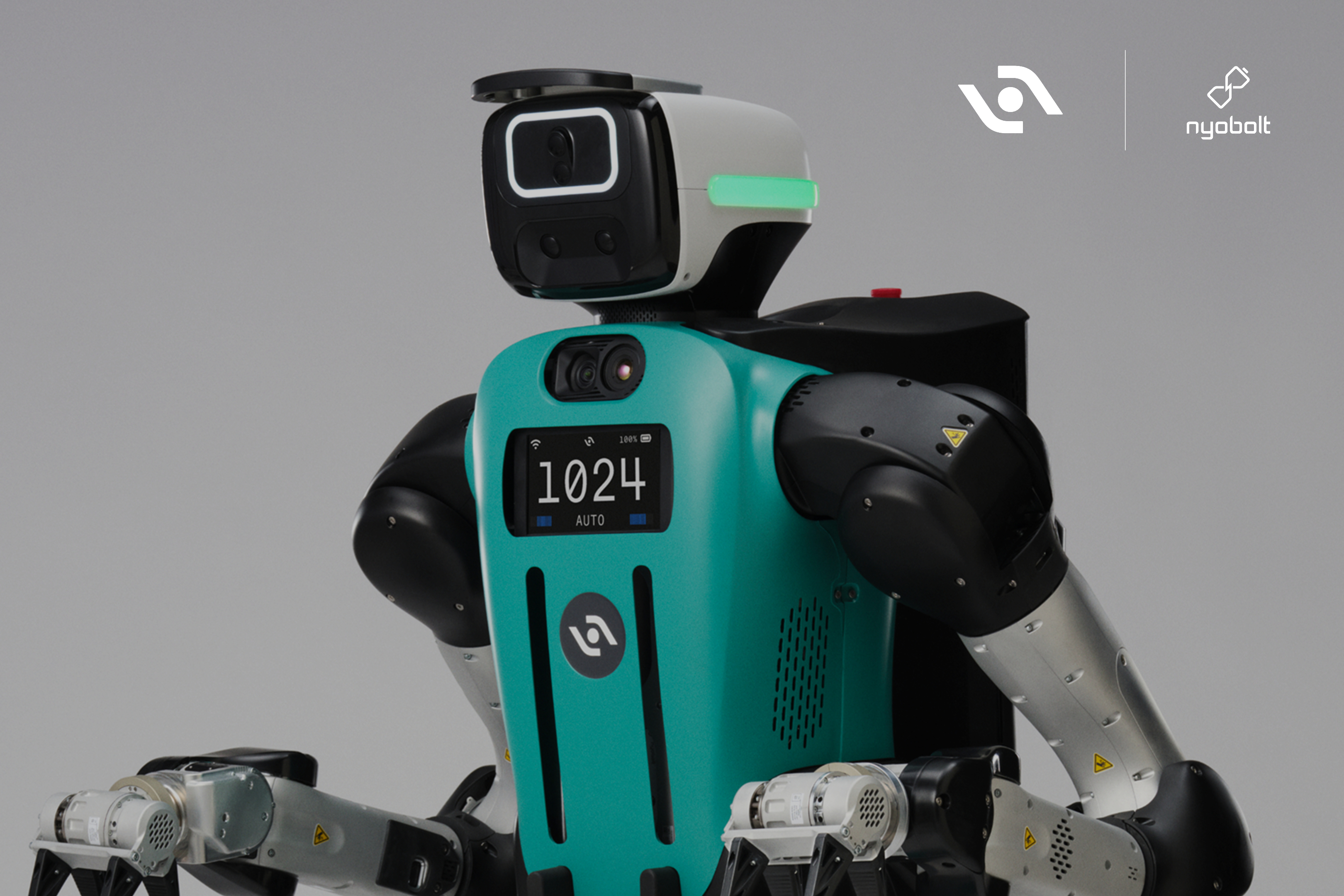
KION Group, the warehouse-automation conglomerate, used its own GTC Berlin release to describe Physical AI as, in chief executive Rob Smith's words, "a strategic enabler for orchestrating end-to-end solutions across the entire supply chain," built around NVIDIA's Halos safety concept and an Omniverse-based digital twin that Accenture built for a GXO logistics site in Epinoy, France. Humanoid, a London startup, used the event to announce it had collapsed two onboard robot computers into one by switching to NVIDIA's Jetson Thor chip, with founder Artem Sokolov calling NVIDIA "an important technology partner for Humanoid from the early stages of our journey." None of these companies called any of this sovereignty. They called it what it plainly is: using the best available platform.
The tell is in who reaches for the word
That asymmetry is the real story here, more than any single partnership. The word "sovereignty" shows up exactly where the dependence is deepest and most recently formed, not where it is shallowest. Generative Bionics took AMD's investment capital before it took AMD's compute. Agile Robots, KION, and Humanoid each built years of engineering relationship with NVIDIA first and are now simply extending it, with no need to dress the extension up as independence, because nobody is asking them to prove it. Sovereignty, used this way, is not a description of infrastructure. It is a marketing answer to a question a company is worried someone might eventually ask.
A facility built in Italy, staffed in Italy, and governed under European data rules is a genuine, defensible thing to build. It solves real problems: data residency, latency, local jobs, regulatory comfort. It does not solve the one problem the word "sovereignty" implies it solves, which is dependence on a single foreign supplier for the compute everything else sits on.
What sovereignty would actually cost
The European Union has been trying to answer the deeper version of this problem since well before GTC Berlin existed, through its own chip-manufacturing subsidy program aimed at growing the continent's share of global semiconductor production. That effort is years away from changing whose silicon sits inside a humanoid robot shipping in 2027. Until it does, every sovereignty claim attached to a European robotics announcement is really a claim about where the data center sits, not about who could, in theory, turn it off. A buyer evaluating one of these projects would do better to ask the harder of the two questions: not where is this built, but whose export-control list, whose supply allocation, and whose pricing power sits upstream of it.
The more honest signal to watch from here is not whether another European company reaches for the word "sovereignty" at the next NVIDIA event. It is whether any of them build something, even a narrow one, on a chip or software stack that is not American at all. A genuinely European alternative to Jetson Thor or Isaac GR00T would be a far bigger story than another data center announcement, and a far rarer one. I track company and robot records across this industry for a living, and in the taxonomy I maintain today, that alternative does not exist yet in anything close to production. Until it does, sovereignty in European robotics means something much smaller than the word suggests, and seven of the eight companies at GTC Berlin this week already seemed to know it.
This analysis reflects the author's own reading of NVIDIA's own October 2026 GTC Berlin announcements, Generative Bionics' own press release on its Physical AI Data Factory plan, Agile Robots' own announcement of the Agile ONE SN humanoid, and KION Group's and Humanoid's own GTC Berlin press releases, alongside the author's own operational experience maintaining RobotAIGeek's company and robot database. It is provided for general information purposes only and does not constitute investment, procurement, or professional advice.
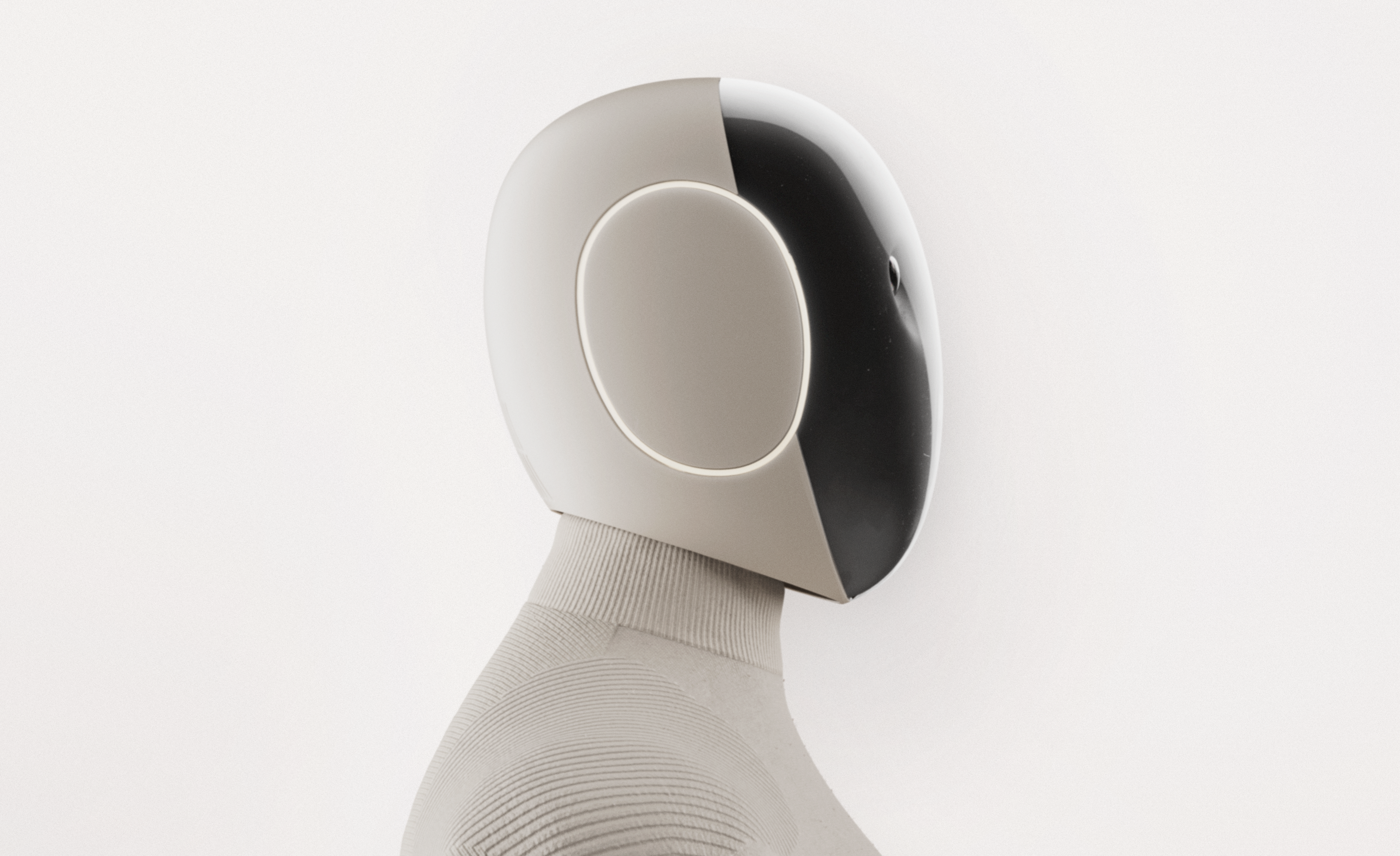
Hero image: Agile Robots' Agile ONE SN humanoid, built on NVIDIA Jetson Thor and Isaac GR00T, inside an Agile Robots facility. Photo: Agile Robots.