Navigating the Different Classes of AMR and AGVs
Ninety-six new mobile robot products reached the market in the first half of 2026 alone, and they are not interchangeable. This guide maps the six working classes of AGVs and AMRs that matter to buyers, from tuggers and pallet movers to shelf-carriers, tote-handling robots, and the fast-rising mobile manipulator category, explains how each differs in payload, navigation, and facility demands, and provides an original class selector matrix so procurement teams can shortlist the right vehicle type before talking to a single vendor.
The mobile robot market is now launching new products faster than most buyers can evaluate them. Statistics compiled by the China Mobile Robot Industry Alliance and the New Strategy Mobile Robot Industry Research Institute count 96 new mobile robot models introduced globally in the first half of 2026, a rise of nearly 60 percent over the same period in 2025, or more than three launches every week. For a procurement team, that volume is a filtering problem, because the vehicles behind those launches do fundamentally different jobs: some tow carts in trains, some slide under pallets, some carry entire shelves to a picking station, and a fast-growing group now has arms. Yesterday's series opener explained what separates an AGV from an AMR at the level of navigation and intelligence. This second installment maps the classes within those two families, because the most expensive mistake in mobile robotics is not choosing the wrong brand. It is choosing the wrong class of vehicle for the workflow.
Overview of Variants
The cleanest way to organise the market is by what the vehicle moves and how it interacts with the load, rather than by marketing labels. Six working classes cover nearly everything a buyer will encounter.
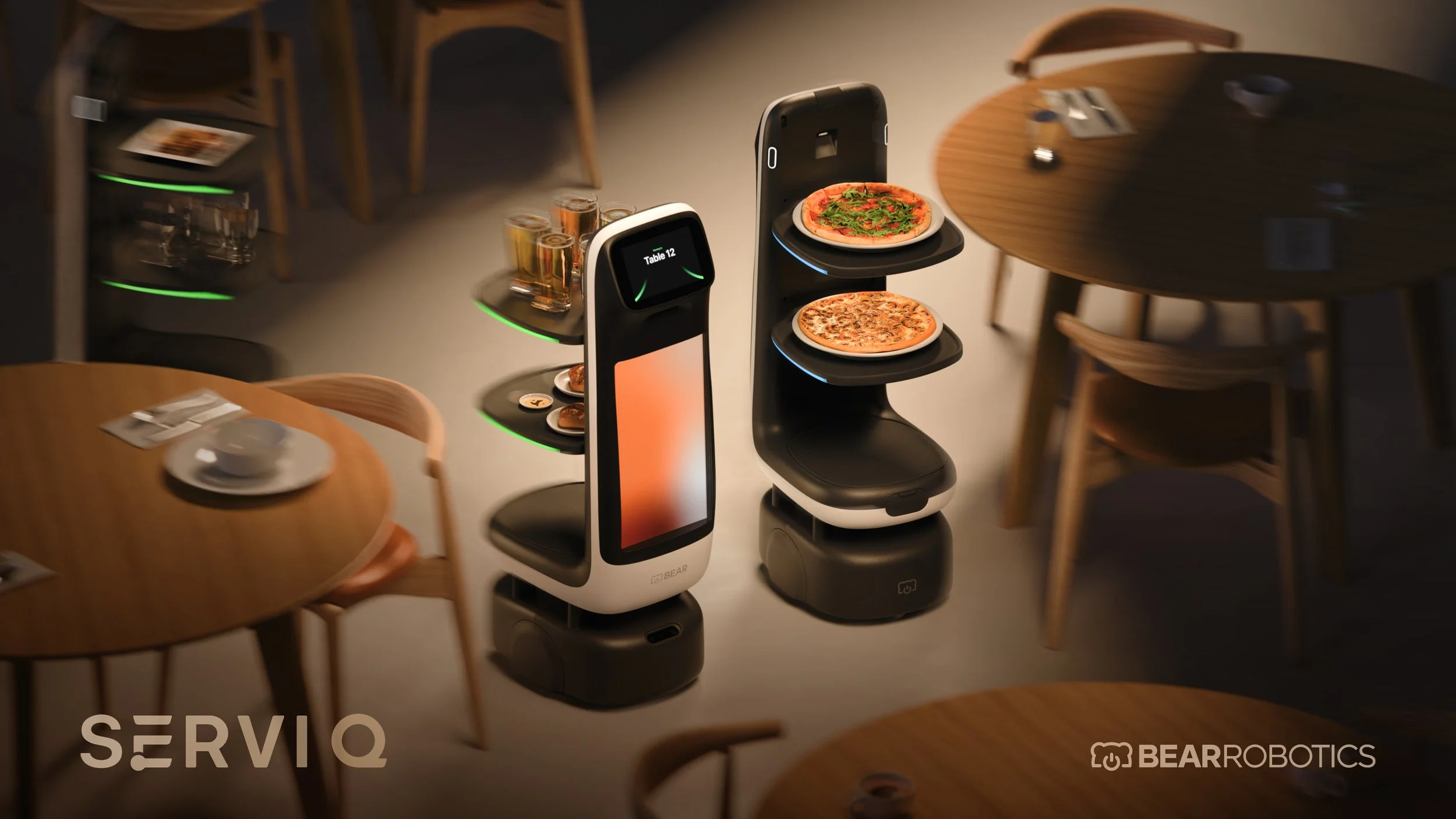
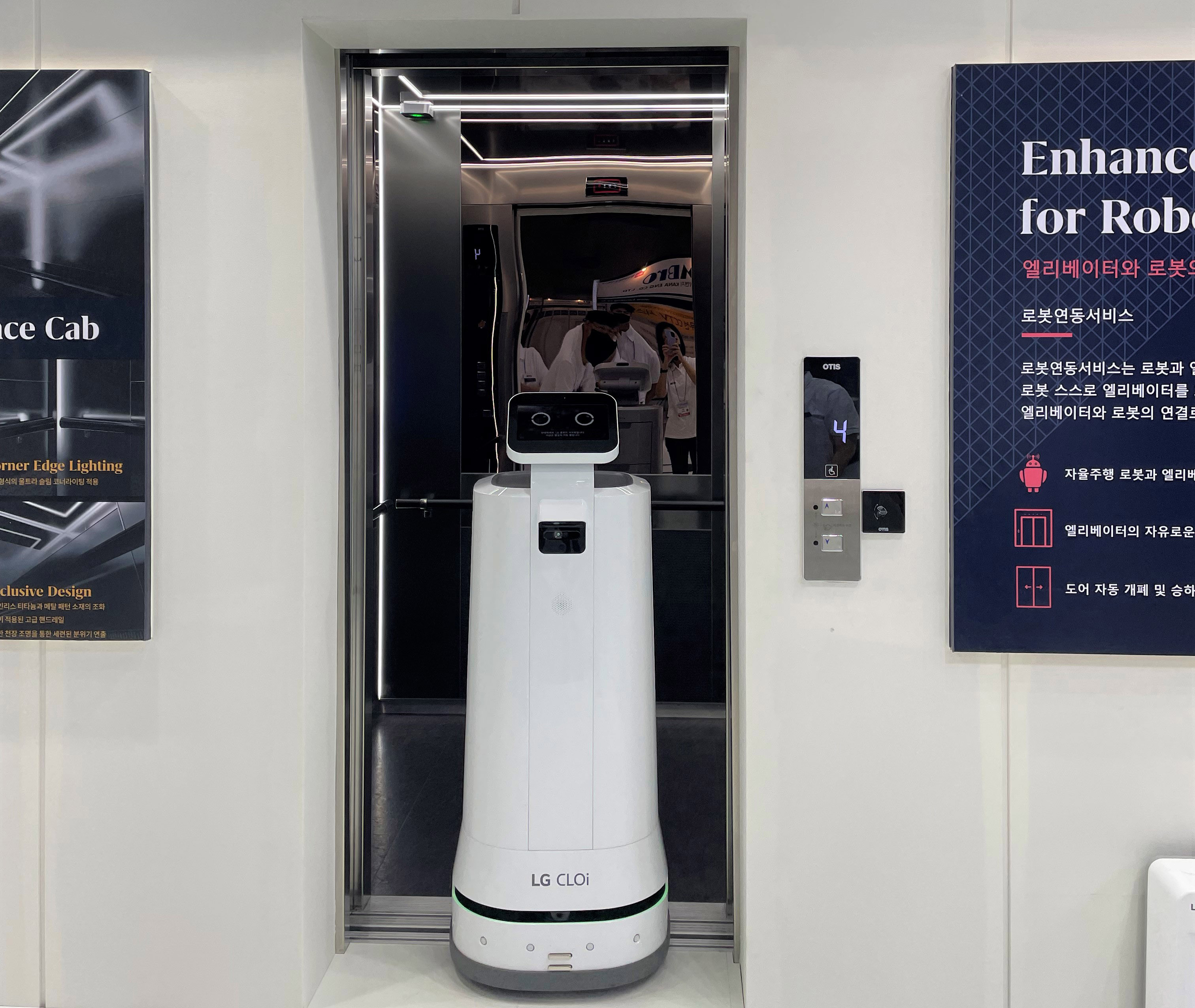
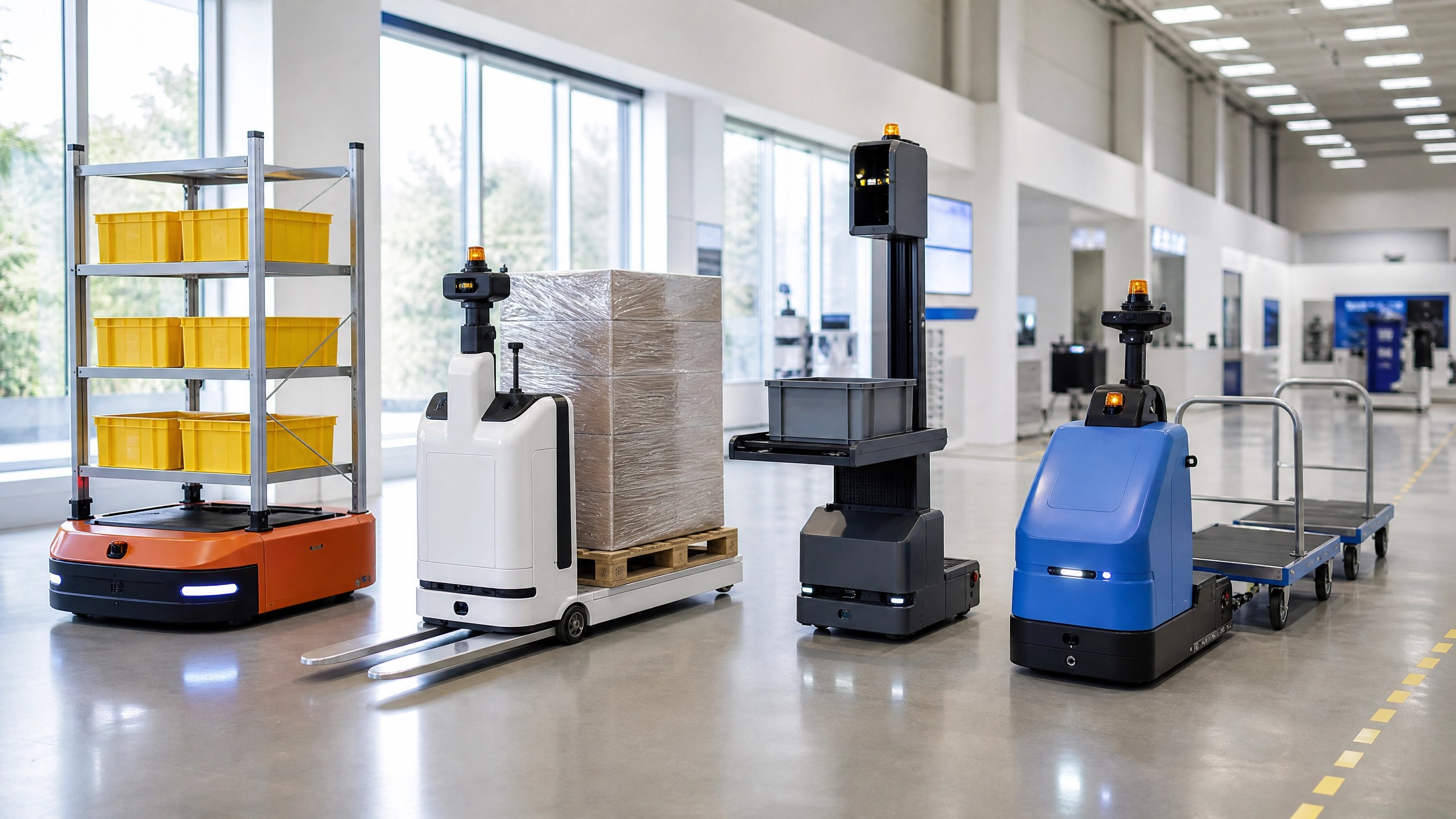
The first class is the tugger, a vehicle that tows one or more carts in a train behind it. Tuggers descend directly from the earliest guided vehicles of the 1950s and remain the highest-capacity way to move mixed materials along repeatable routes, because a single vehicle can pull several loaded carts at once. The second class is the unit-load or platform carrier, a deck-topped vehicle that carries a single discrete load such as a pallet, bin, or workpiece on its back. Modern base-platform AMRs extend this class with interchangeable top modules; Omron's next-generation LD-150 and LD-300, announced at the Automate 2026 show in Chicago and expected to ship in the fourth quarter of 2026, are current examples of Western incumbents refreshing exactly this category with higher payload in a smaller footprint.
The third class is the pallet and forklift family, vehicles that engage pallets with forks and, in taller variants, lift them to racking height. This family has fragmented remarkably: the same H1 2026 launch statistics show 30 new unmanned forklift models, spanning latent vehicles that slip under pallets, reach and high-reach trucks, side loaders, stackers, narrow-aisle designs, and counterbalanced machines such as Stäubli's FL1500, which lifts loads beyond three metres and has been orderable since October 2025. The fourth class is the goods-to-person shelf carrier, the low-profile lifting robot that drives beneath an entire mobile shelf and delivers it to a stationary picker. Geek+, the Hong Kong-listed company that reported revenue of RMB 3,171 million (about USD 443 million) for 2025 with growth of 31.6 percent, built the largest AMR business in the world largely on this class.
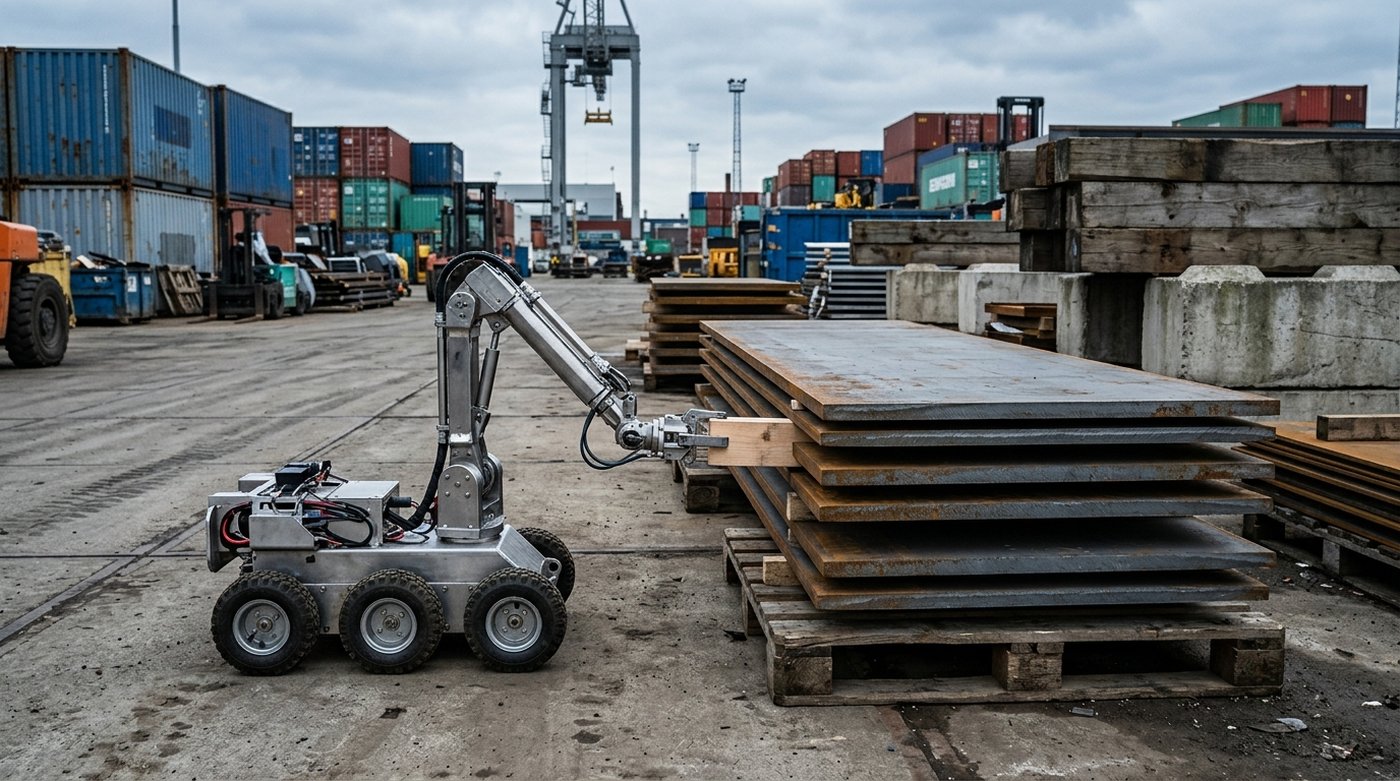
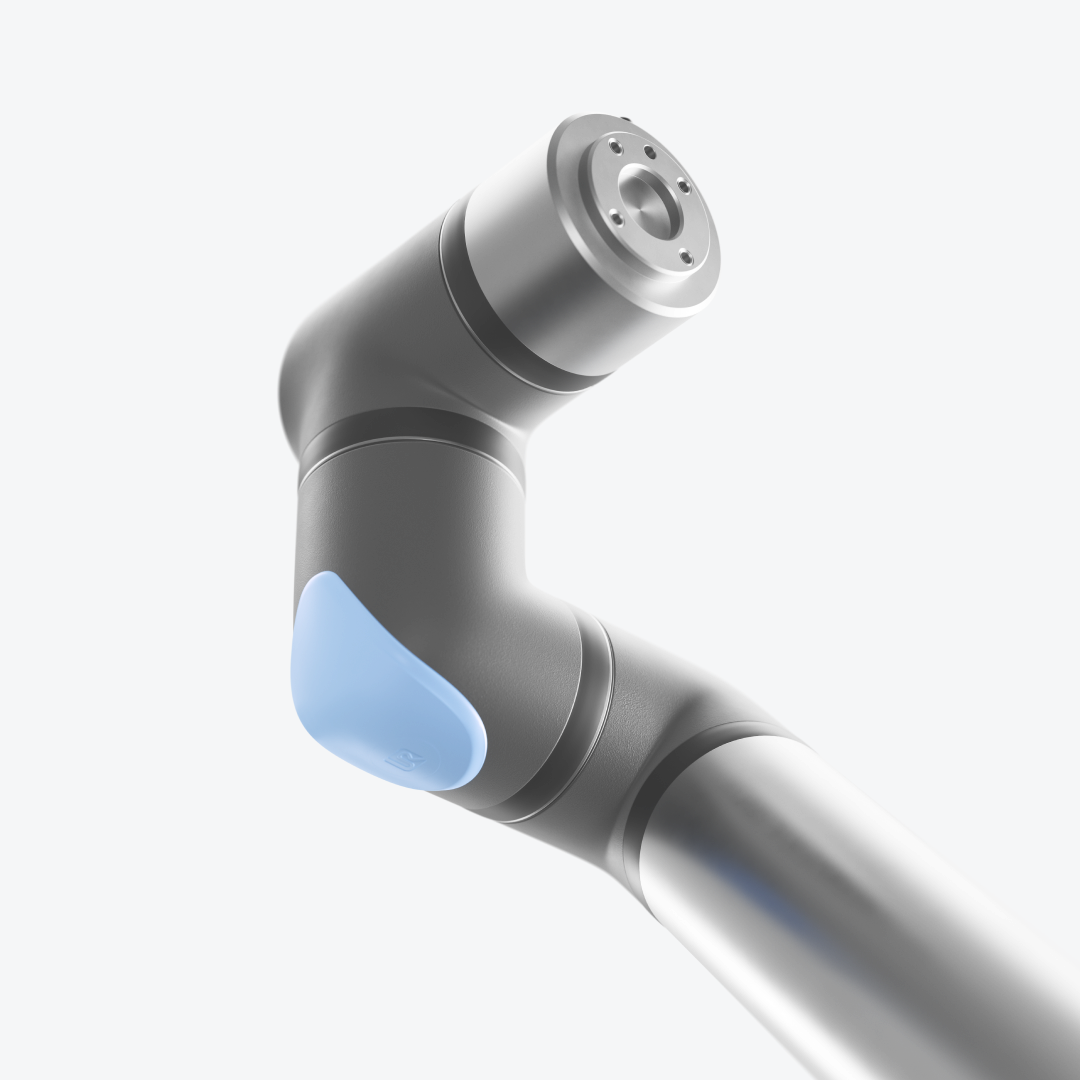
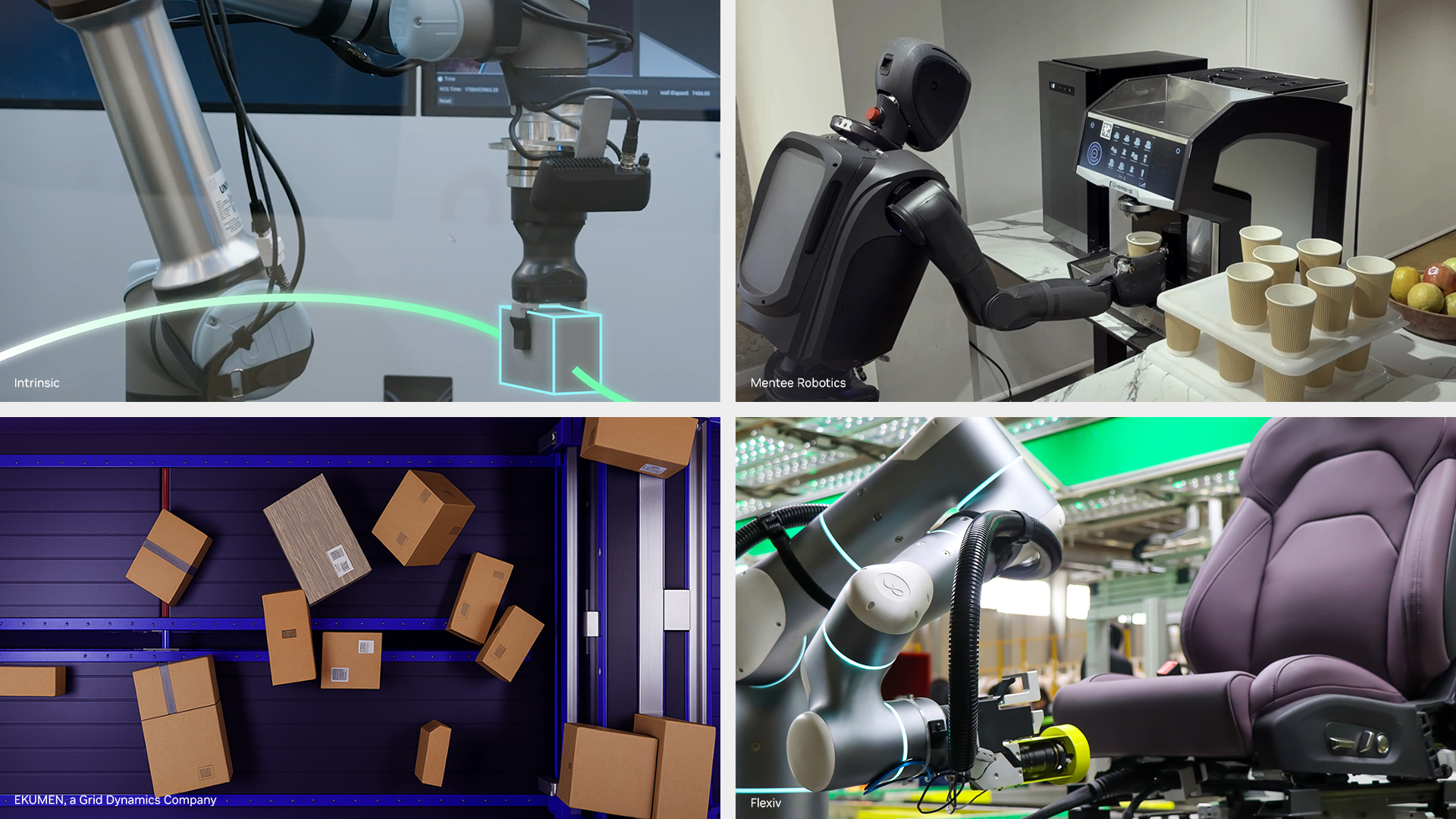
The fifth class is the tote-handling robot, often called an autonomous case-handling robot or ACR, which retrieves individual totes or cartons from racking using onboard masts, telescopic arms, or climbing mechanisms, and brings cases rather than whole shelves to the picker. The sixth and youngest class is the mobile manipulator, also called a composite robot: a mobile chassis carrying one or two robotic arms, increasingly in wheeled humanoid form. This class barely existed as a commercial category three years ago, yet composite designs accounted for 41 of the 96 new products launched in the first half of 2026, more than any other category and ahead of unmanned forklifts for the first time.
How Each Variant Differs
The classes differ along three axes that matter commercially: the load interface, the navigation and infrastructure requirement, and the degree of workflow coupling.
The load interface determines what the vehicle can physically move and at what cost of peripheral equipment. A tugger needs compatible carts and coupling hardware but almost no changes to the goods themselves. Unit-load carriers need consistent load footprints or top modules such as conveyors and lift decks. Fork vehicles engage standard pallets, which is why they retrofit most easily into pallet-based operations, while shelf carriers require the operator to adopt the vendor's mobile shelving, a deeper commitment that pays back in picking density. Tote-handling robots go further still, demanding disciplined tote standardisation and racking dimensioned to the robot's reach. Mobile manipulators offer the most flexible interface of all, since an arm can in principle grasp anything, but that flexibility is exactly what makes their engineering and validation the most demanding.
Navigation and infrastructure requirements separate the AGV lineage from the AMR lineage within every class. Guided variants follow magnetic tape, embedded wire, floor-mounted QR grids, or laser reflectors, and their strength is deterministic, repeatable behaviour under standards written for driverless industrial trucks, at the price of infrastructure installation and route rigidity. Autonomous variants navigate by simultaneous localization and mapping ("SLAM") against the building's natural features, adapt to layout changes and fall under the industrial mobile robot safety standard rather than the industrial truck standard. As covered in yesterday's fundamentals article, that regulatory boundary, between ISO 3691-4 for driverless industrial trucks and ANSI/RIA R15.08 for industrial mobile robots, it is also a practical procurement boundary because it changes what safety documentation a vendor must produce.
Workflow coupling is the least discussed axis and often the decisive one. A tugger or unit-load AMR is loosely coupled: if the process changes, routes are redrawn and the fleet keeps working. A goods-to-person system is tightly coupled, since shelving, software, picking stations and robots form one integrated system that is costly to unwind. Tote-handling systems sit between the two. Mobile manipulators promise the loosest coupling of all, a machine that adapts to the task rather than the reverse, but as of 2026 that promise is mostly demonstrated in pilots rather than proven at production scale.
When to Use Each Variant
Class selection becomes straightforward when the buyer starts from the dominant material flow rather than from the technology. Where the flow is repetitive line-side replenishment of mixed parts, as in automotive and general manufacturing, the tugger train remains the workhorse and its guided variants suit routes that will not change for years. Where discrete loads move point to point between processes or dock doors, the unit-load and platform class fits, with AMR variants preferred in facilities that reconfigure often and AGV variants where paths are stable. Where the operation is pallet-centric, in food and beverage, third-party logistics and finished-goods warehousing, the forklift family is usually the shortest path to value because it automates the exact moves human truck drivers make today, including vertical ones.
Goods-to-person shelf carriers belong in e-commerce and omnichannel fulfilment with broad SKU ranges and high pick rates, where the economics of eliminating picker walking time justify adopting the vendor's shelving and software stack. Tote-handling ACRs suit dense case-picking and buffering operations, particularly brownfield sites that want higher storage density without replacing the entire racking system. Mobile manipulators are, for now, the class to pilot rather than to standardise on: machine tending, inspection rounds, and loading tasks with high variability are the credible early duties, and the sensible posture for most buyers in 2026 is a bounded pilot with clear success criteria rather than a fleet commitment.
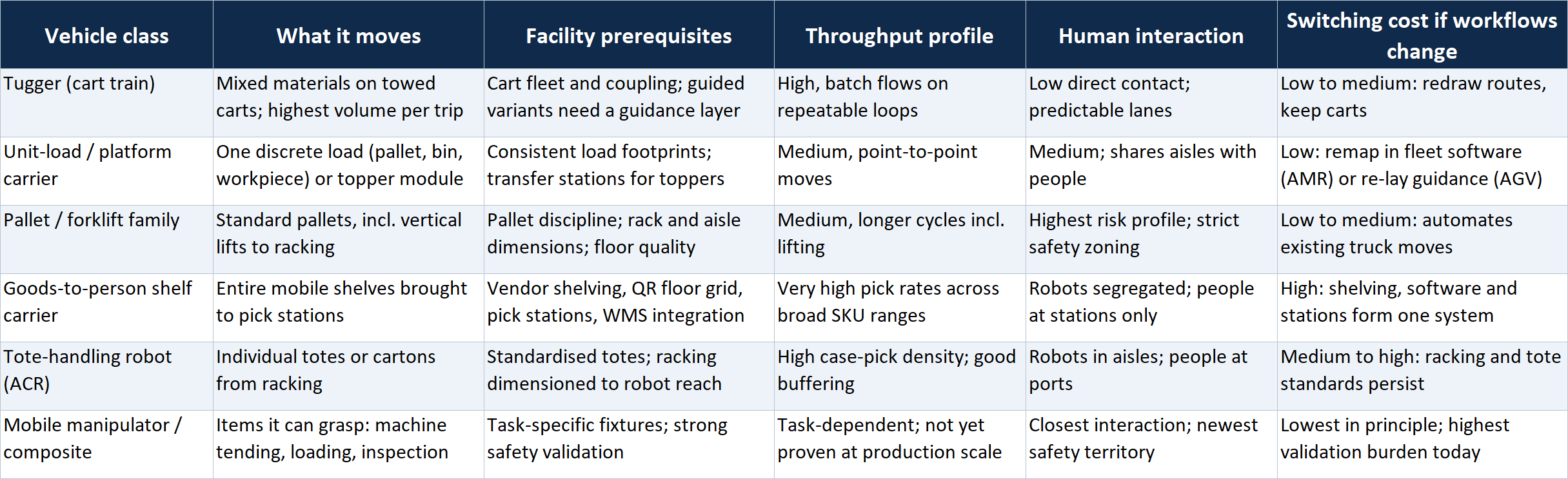
Table 1 consolidates this guidance into the ARPI Class Selector, an original matrix that scores the six classes across five buyer-facing dimensions: load type, facility prerequisites, throughput profile, human interaction, and switching cost if workflows change. The matrix reflects class-level typical characteristics compiled from the standards scopes, organiser materials, and vendor technical documentation reviewed for this series; individual models vary, and the matrix is a shortlisting tool, not a substitute for a site survey and vendor-specific validation.
Table 1: The ARPI Class Selector for 6 Mobile Robot Classes across 5 Buyer Dimensions
Emerging Subcategories
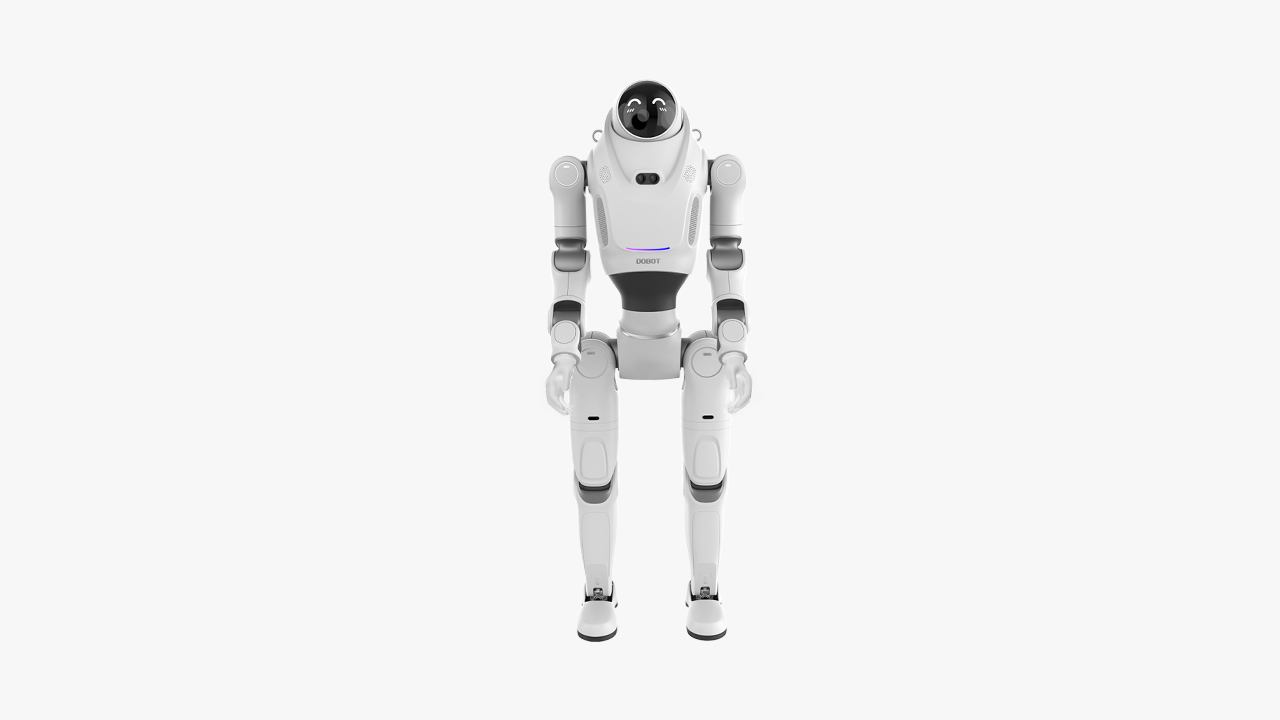
The variant landscape is not static, and the first half of 2026 redrew it in one important way: the composite or wheeled humanoid category became the most prolific launch class in the industry. Of the 41 composite products introduced, 33 were wheeled humanoid designs, launched not only by humanoid specialists but by established mobile robot makers and cross-industry entrants. The direction of travel is clear even if production-scale evidence is not yet in: mobile robots are evolving from moving things to doing things, and buyers planning five-year automation roadmaps should treat manipulation as a coming attribute of the mobile fleet rather than a separate purchase.
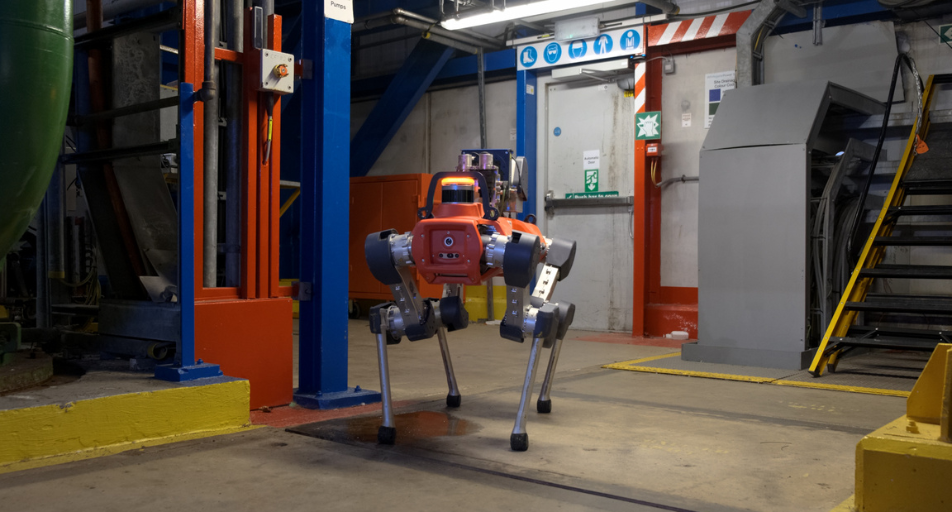
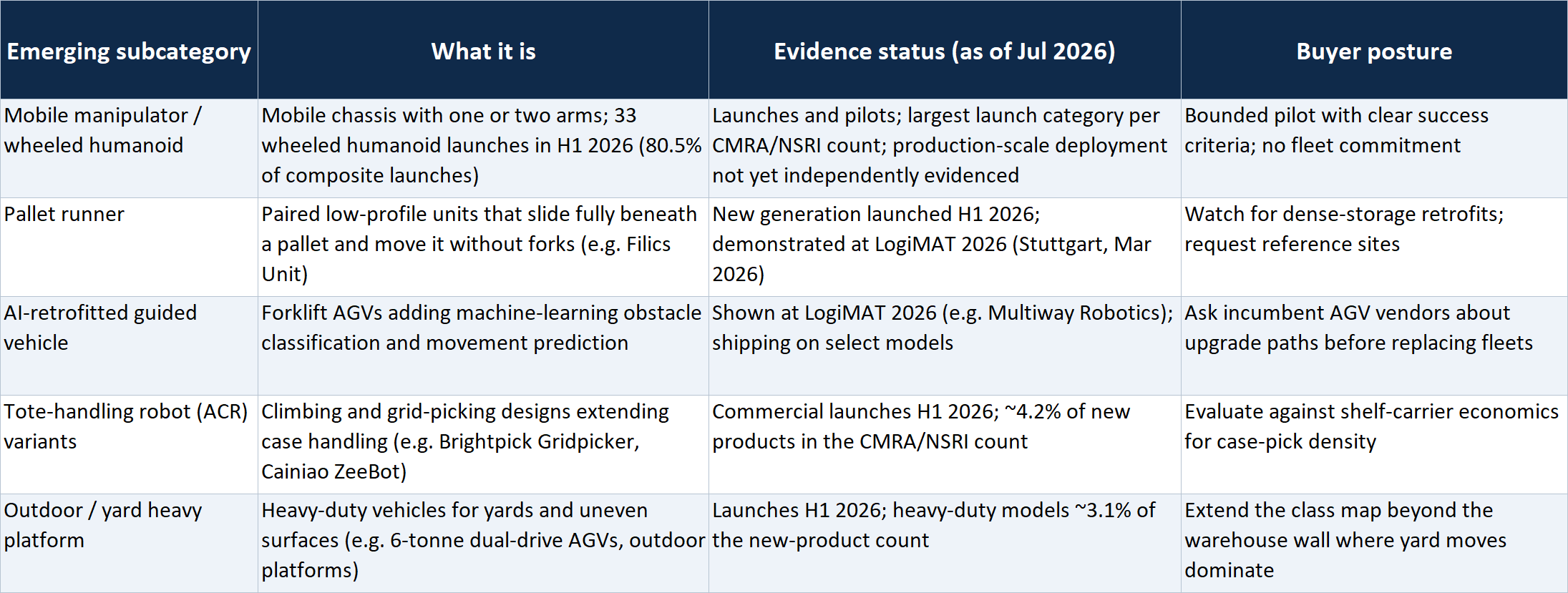
Three further subcategories deserve a place on the watchlist. The first is the pallet runner exemplified by Filics, whose paired units slide entirely beneath a pallet and move it without forks, a mechanically novel approach to the densest storage problems, shown at the LogiMAT intralogistics fair in Stuttgart in March 2026. The second is the AI-retrofitted guided vehicle: established forklift AGV makers are adding machine-learning obstacle classification to formerly rigid vehicles, blurring the AGV and AMR boundary from the AGV side and extending the life of guided fleets. The third is the outdoor and yard robot, heavy-duty platforms built for surfaces and weather that indoor vehicles cannot handle, which extends the class map beyond the warehouse wall. Table 2 summarises the emerging subcategories with their evidence status, because a launch, a trade-show demonstration, and independently evidenced production deployment are three different levels of proof, and buyers should price that difference into their planning.
Table 2: Emerging Mobile Robot Subcategories from 2025 to 2026
The ARPI Bottom Line
The class map, not the brand shortlist, is where a mobile robot procurement succeeds or fails. A buyer who knows whether the dominant flow calls for a tugger train, a platform carrier, a fork vehicle, a shelf carrier, or a tote robot has already eliminated most of the 96 products launched this half-year, and can negotiate among the few that remain from a position of clarity. The next distinction that matters is cost, and the class chosen here drives it directly: the same warehouse can be automated with vehicles priced like a car or like a house, a question Thursday's pricing guide takes up in full. On the evidence of the launch data, the structural story of the next three years is the arrival of manipulation on mobile bases; the disciplined buyer watches that class closely, pilots it narrowly, and standardises on the classes whose economics are already proven.
Disclaimer: This article is for general information only and does not constitute procurement, investment, or legal advice. Figures are drawn from sources believed reliable as of the information cut-off of 27 July 2026, with original currencies stated and approximate US dollar equivalents given at indicative exchange rates (RMB 7.15 per USD). Readers should verify current specifications, standards applicability, and pricing with vendors and advisers before making decisions.