China’s Embodied AI Boom Faces Its First Real Test: Can 370 Startups Survive the IPO Gauntlet?
China’s embodied AI sector has attracted 370 startups in two years, with approximately 50 now pursuing public listings in Hong Kong or mainland China. While companies like AgiBot claim production records of 15,000 robots and Unitree reports profitable operations, industry insiders acknowledge that humanoid robots score just “15 out of 100” on capability and that the AI software powering them “lingers at about 3.” The sector’s first wave of IPOs will force companies to prove commercial viability under the discipline of quarterly earnings.

The numbers are staggering by any measure. Over the past two years, approximately 370 startups have entered China’s embodied AI sector. At least five companies are now valued above RMB 20 billion (US$3 billion), and six more exceed RMB 10 billion. Several have doubled in valuation within months. Roughly 50 companies are pursuing public listings in Hong Kong or on the Chinese mainland, and the first, Unitree Robotics, is set to begin trading on the STAR Market around August 20.
Yet beneath the headline figures lies a fundamental tension that the coming wave of IPOs will expose: the gap between production milestones and commercial deployment. According to extensive reporting by Caixin Global, published on July 31, 2026, the sector is trapped between investor enthusiasm for a potentially transformative technology and the stubborn reality that humanoid robots cannot yet perform most useful tasks reliably enough to generate sustainable revenue.
The Investment Thesis
The appeal driving capital into embodied AI is straightforward. If humanoid and other intelligent robots can achieve shipment volumes comparable to the smartphone while selling at prices closer to those of passenger vehicles, the sector could become one of the largest commercial opportunities in modern history. Alex Zhou, managing partner at Qiming Venture Partners, articulated the logic: “Private and public markets alike are exceptionally bullish about this sector right now, primarily because it may be the only industry that combines the scale of two massive markets.”
This framing explains the rush to go public. Startups are competing to list early, hoping to benefit from scarcity before the field becomes crowded. “When the first one or two companies in a massive new sector go public, a lack of alternatives allows them to reap oversized capital dividends, pushing stock prices and valuations far beyond conventional logic,” Zhou noted.
The race to list has created a dynamic where companies are motivated to reach public markets before their technology is fully mature, using public capital to fund the long and expensive research-and-development cycle that remains ahead. As one startup executive told Caixin: “If you don’t go public, you might be out of the game.”
The Commercialization Gap
The most striking aspect of the Caixin investigation is the candor with which industry participants acknowledge the technology’s limitations. Han Fengtao, founder and CEO of Spirit AI, offered a blunt assessment of where the industry actually stands:
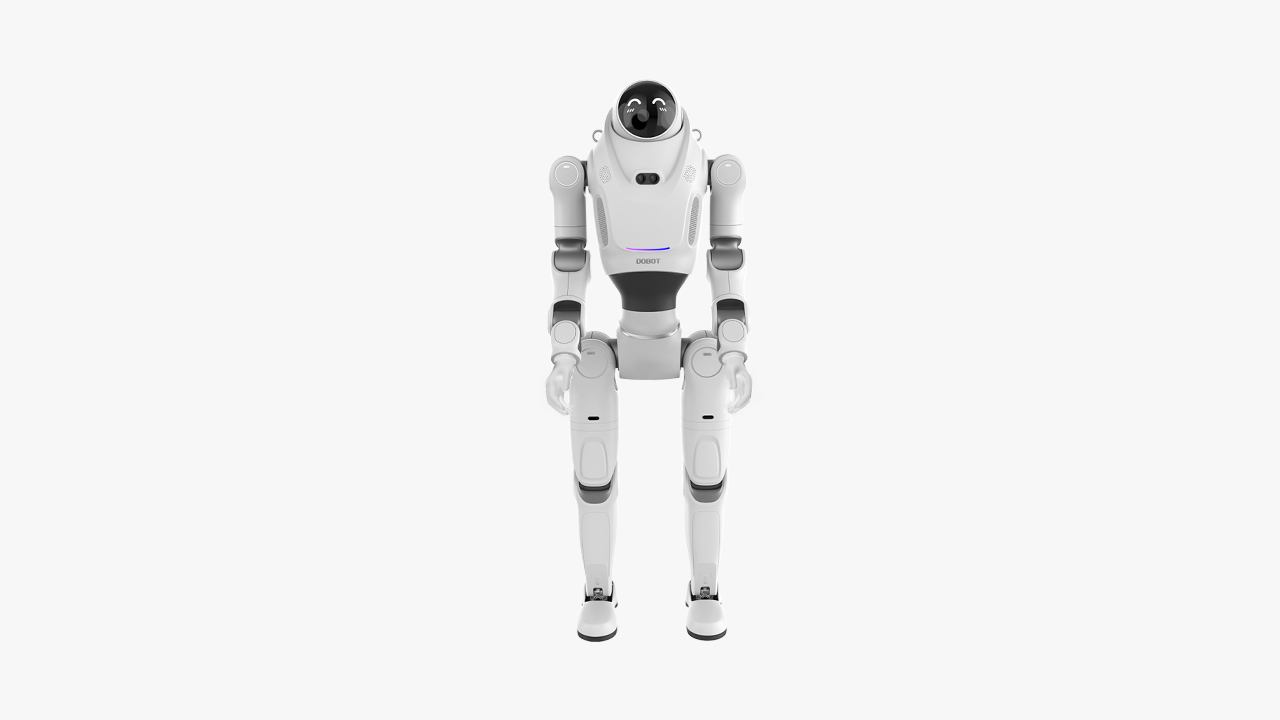
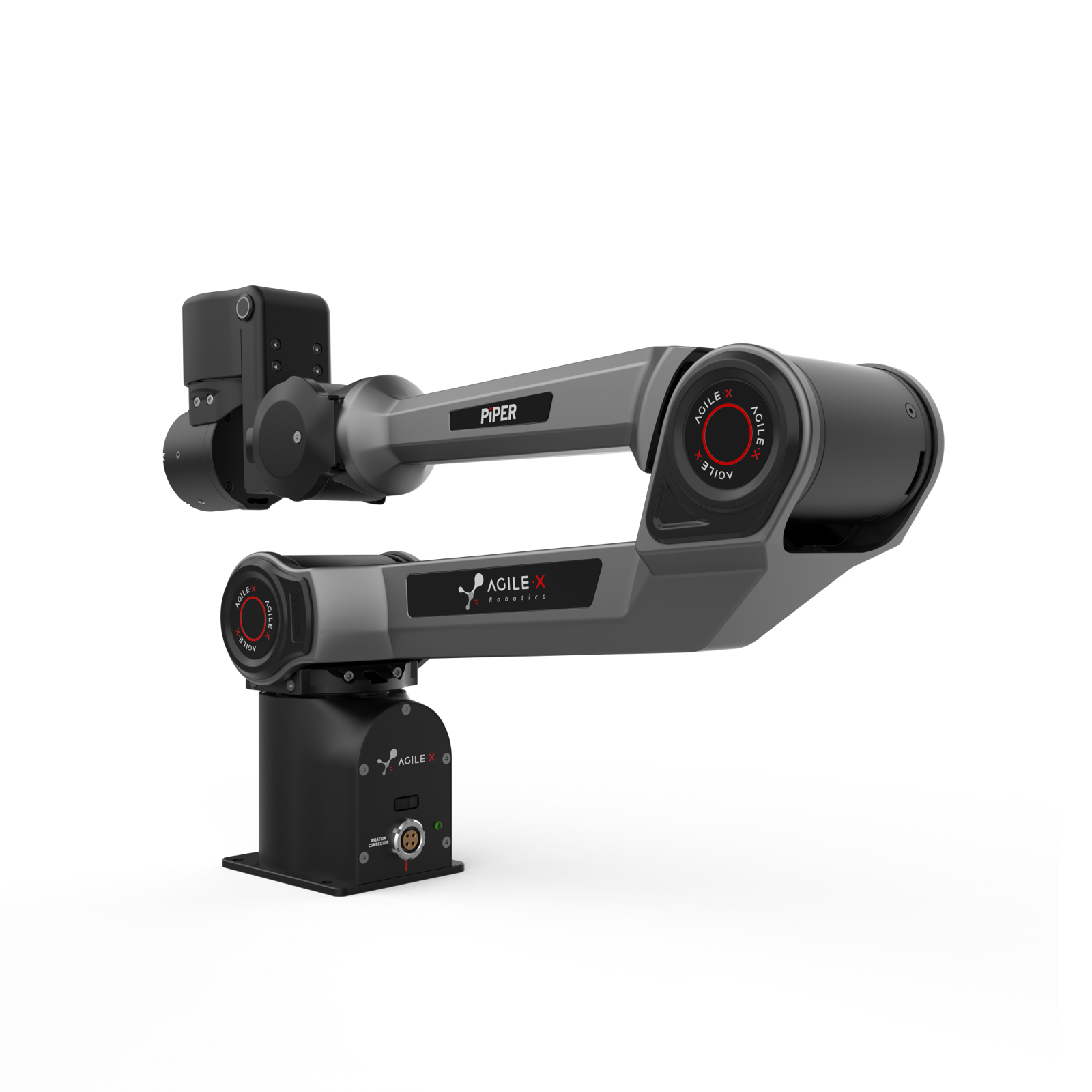
“If a perfect robot is a 100 on a 100-point scale, the most mature industrial robotic arms today score about 50, wheeled robots 40 and four-legged robotic dogs 30. Bipedal humanoid robots score only 15, and dexterous hands a mere 5. As for the AI software powering them, that is lingering at about 3.”
This assessment from an industry insider contrasts sharply with the production milestones being announced. AgiBot recently claimed its 15,000th robot had rolled off the assembly line, calling it a global production record. Unitree and UBTech have also promoted production capacity in the tens of thousands. But production is not deployment.
Gao Jiyang, chief executive of Galaxea AI, was equally direct: “No robotics company is currently operating effectively in real productive environments.” He warned that “chasing sales too aggressively can simply create more liabilities.”
Investors are increasingly asking how many humanoid robots are actually at work rather than sitting idle. Zhang Yaqin, dean of Tsinghua University’s Institute for Artificial Intelligence, noted that global robot production in 2025 was only 20,000 units, “negligible beside the scale of the auto industry.”
The Data Bottleneck
The main technical bottleneck is data. Unlike large language models, which are trained on vast quantities of internet text, robotics data is fragmented and expensive to collect. Moving from simulation to the noisy reality of daily life remains a formidable challenge.
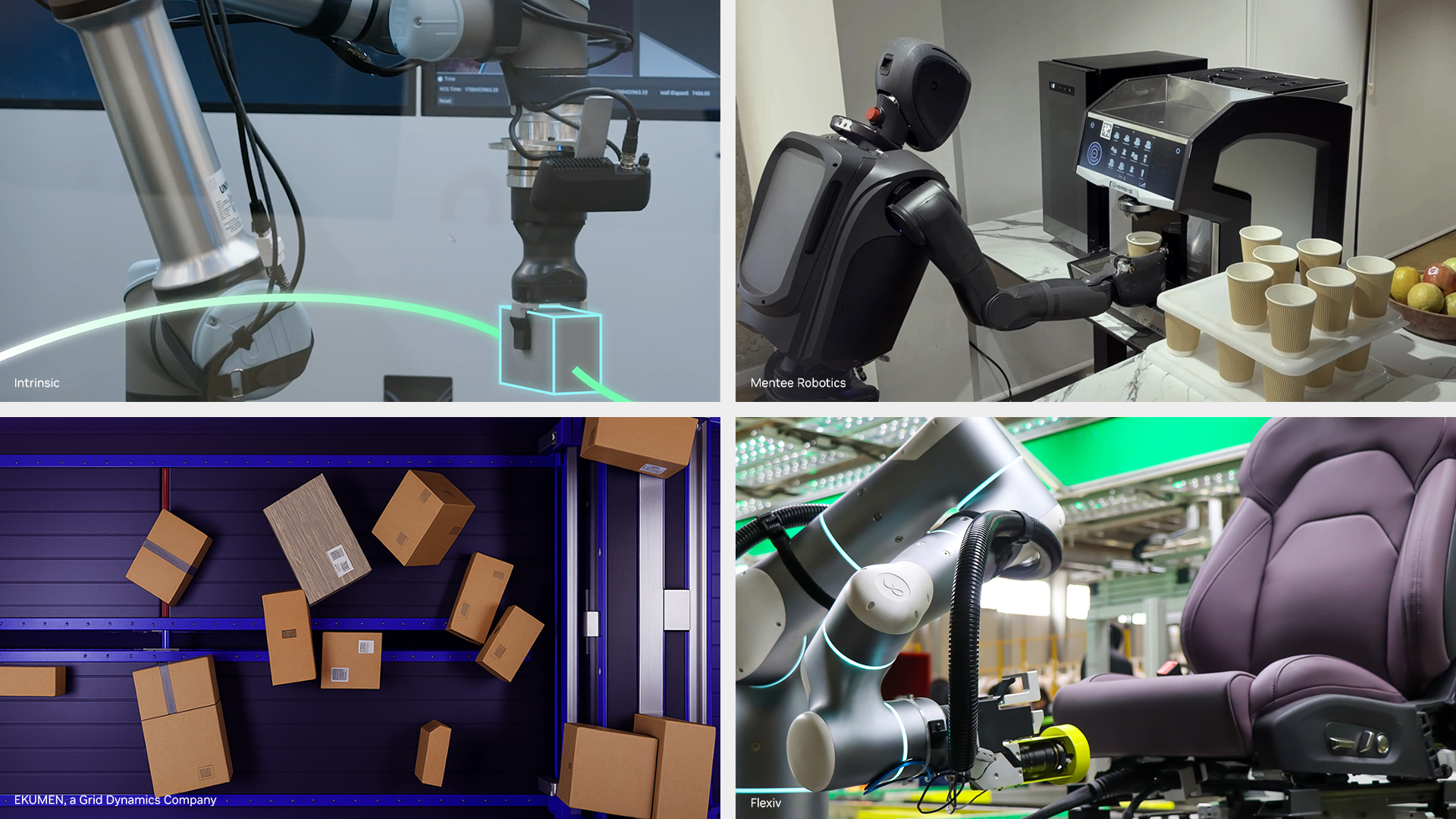
Many eye-catching demonstrations, from sorting parcels to cooking meals, are still confined to controlled lab settings or rely heavily on human teleoperation. Adapting a robot to a new factory task can require months of coding and calibration, driving deployment costs prohibitively high.
Wang Hao, co-founder and CTO of X Square Robot, stated that moving a robot from a successful lab benchmark to reliable operation in a messy real-world setting “requires substantial capital just to achieve a baseline task-success rate.”
The World Model Pivot
To address these limitations, the sector is shifting its technological narrative. Until recently, Vision-Language-Action (VLA) models were the favored approach among venture capitalists. But as VLA systems proved difficult to generalize and costly to deploy, a new concept gained momentum: the world model.
World models aim to capture the physical rules of reality, such as gravity, motion, and spatial relationships, so that robots can better predict and respond to changes in their surroundings. Chinese startups have quickly embraced the concept, with X Square Robot, Astribot, and AgiBot all announcing world-model initiatives since the start of 2026.
Investor response has been swift. Manifold AI, a Beijing-based embodied AI startup built around world models, completed six funding rounds within a year of its launch, with pre-A financing totalling nearly RMB 1 billion. GigaAI raised RMB 1 billion in a B2 round, bringing fundraising over three months to RMB 3.5 billion.
However, some researchers remain skeptical. Fu Zipeng, a computer science researcher at Stanford University’s AI Lab, suggested that “world model” functions partly as a fundraising label, while the underlying technical logic remains broadly similar to existing approaches. Even advocates like Fei-Fei Li have cautioned that while demonstrations of VLA and world-action models have been striking, “none has been truly validated in real-world conditions.”
Financial Divergence
The financial profiles of companies approaching IPO differ dramatically, revealing which business models have achieved commercial traction and which remain dependent on external support.
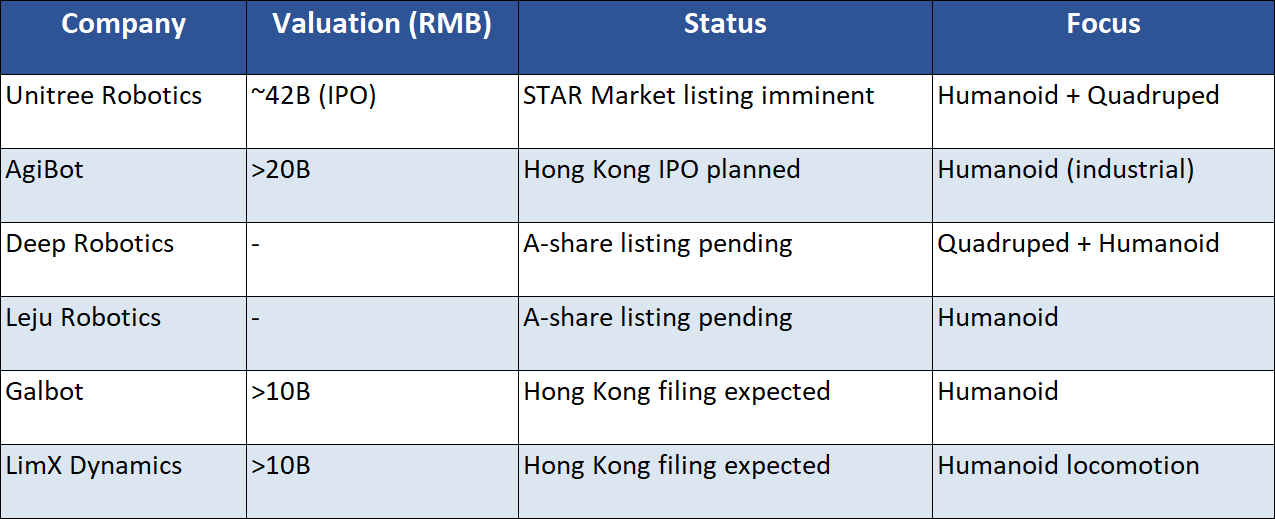
Unitree stands out as one of the few hardware manufacturers achieving scalable profitability, with a 60% gross margin on core businesses. Its success derives partly from starting with quadruped robots, which found commercial applications in industrial inspection and entertainment before the humanoid wave began. Rivals like Deep Robotics and Leju rely more heavily on government subsidies and state-backed contracts, raising questions about the sustainability of their revenue once public market investors demand commercial validation.
What Happens After Listing
Much now hinges on Unitree’s market performance. Some investors argue that if its market capitalization rises to RMB 200-300 billion, private market enthusiasm could persist for several more months. If it fails to reach RMB 100 billion, roughly 100 times earnings, investors may begin marking down valuations across the sector, potentially pushing some unlisted startups into funding stress.
The discipline of quarterly earnings reporting will force a reckoning that private markets have so far avoided. Public companies must disclose revenue composition, customer concentration, deployment rates, and return metrics. The gap between “robots produced” and “robots generating revenue in productive environments” will become visible in financial statements.
Cao Wei, a partner at Lanchi Ventures, predicted that the sector could eventually produce hundreds of listed companies, similar to innovative drugs and smart manufacturing. But he estimated that only five to ten companies are likely to emerge as dominant players, implying that the vast majority of the 370 current startups will either consolidate, pivot, or fail.
China’s Embodied AI Listings: A Make-or-Break Test for Global Humanoid Robotics
China’s embodied AI IPO wave is not merely a local market phenomenon. It represents the first large-scale test of whether the humanoid robotics industry can transition from venture-funded research into self-sustaining commercial businesses. The outcomes will influence investment decisions, talent allocation, and policy priorities globally.
If the first cohort of listed companies demonstrates growing commercial deployments and improving unit economics, it could validate the sector’s enormous valuations and attract additional capital. If they reveal that production milestones are running far ahead of commercial reality, it could trigger a correction that affects robotics companies worldwide, regardless of geography.
The honest assessments from industry insiders suggest that the technology remains years away from the kind of reliable, autonomous operation that would justify current valuations on a fundamental basis. The question is whether public market investors will provide the patience and capital needed to bridge that gap, or whether the discipline of quarterly reporting will force a more rapid reckoning with commercial reality.
Disclaimer: This article is for informational purposes only and does not constitute investment, financial, or professional advice. Readers should conduct their own research and consult qualified professionals before making decisions based on this content.