The WAIC Shanghai Final Preview
As the 2026 World Artificial Intelligence Conference (WAIC) prepares to open in Shanghai, the pressure on hardware manufacturers to demonstrate functional, world-model-integrated robotics has never been higher. This preview analyzes the expected product debuts, the shift from static displays to embodied AI capabilities, and the strategic implications for the global robotics ecosystem.
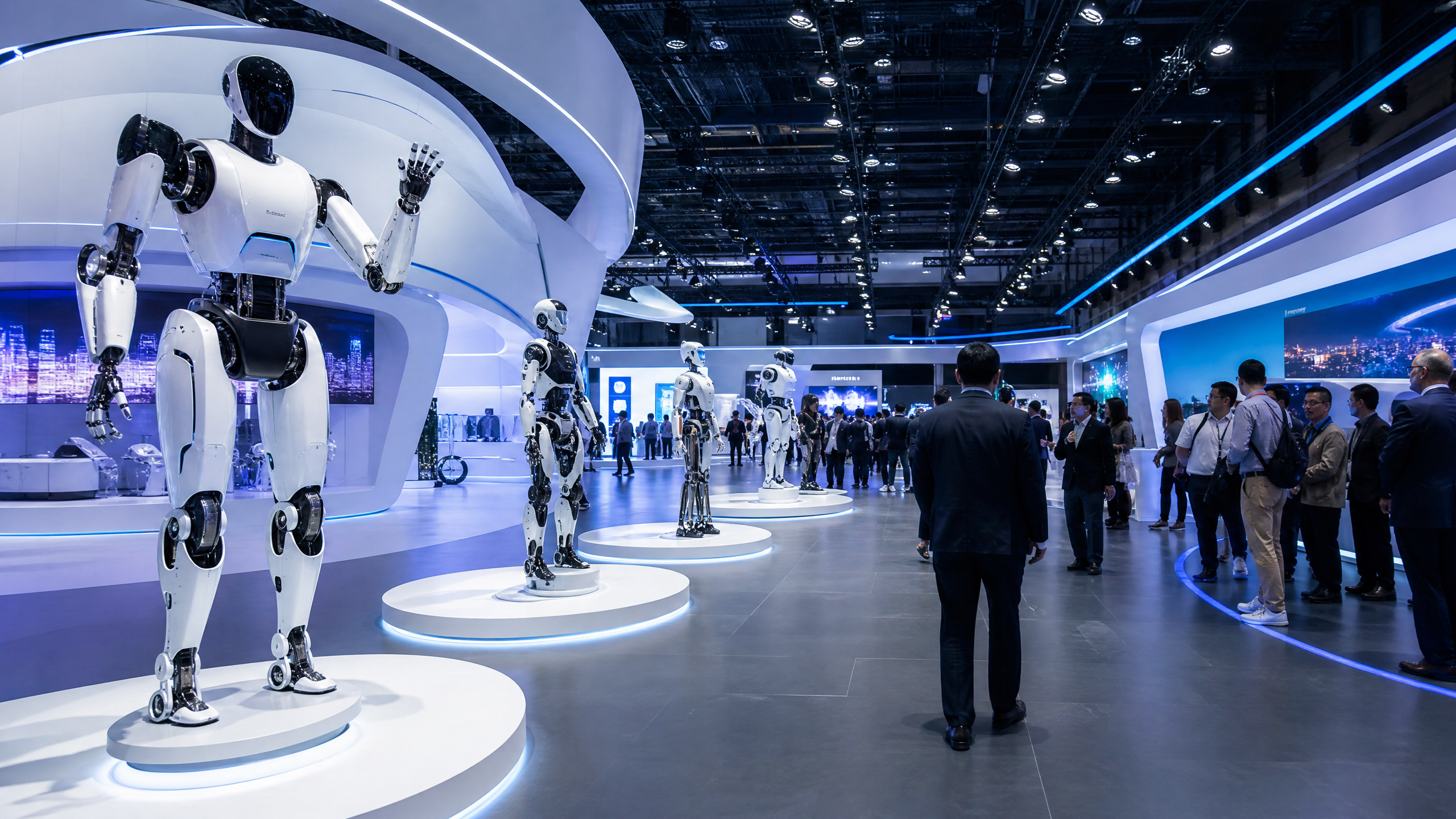
The exhibition floor of the Shanghai World Expo Exhibition and Convention Center is currently a landscape of intense, final hour preparation. When the 2026 World Artificial Intelligence Conference opens on July 17, it will host over 1,100 companies and feature more than 3,000 advanced exhibits. But the sheer volume of participants is not the defining characteristic of this year's event. The defining characteristic is the immense pressure on hardware makers to move beyond conceptual prototypes and demonstrate working intelligent systems.
The era of the static humanoid display is over. The market now demands embodied AI, which are robots capable of perceiving, reasoning, and acting within dynamic physical environments. At the 2026 conference, the focus is squarely on the integration of multimodal foundation models with advanced robotic hardware. Companies that fail to demonstrate this integration risk being categorized as mere hardware vendors in an industry increasingly defined by software intelligence.
The Humanoid Proliferation
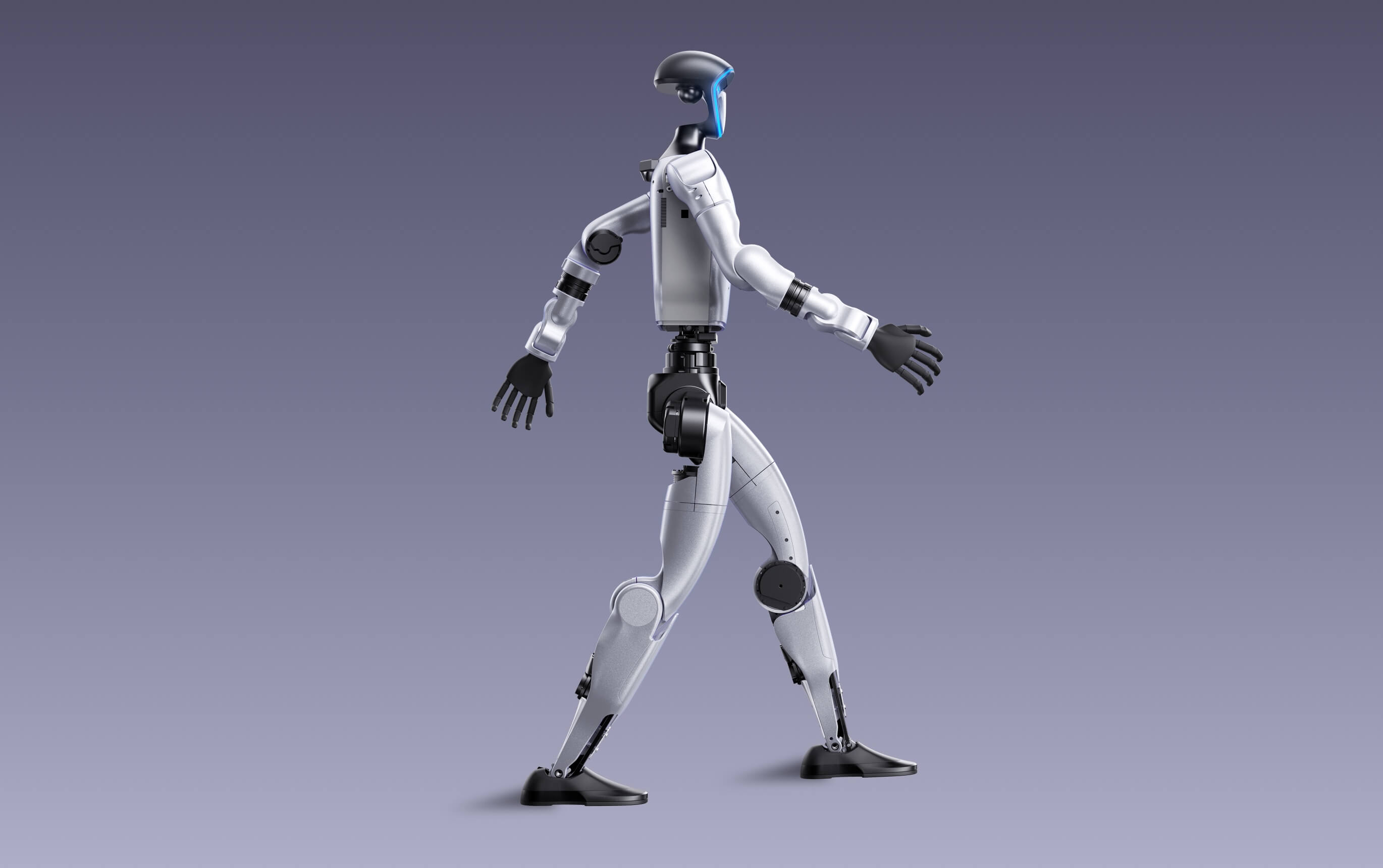
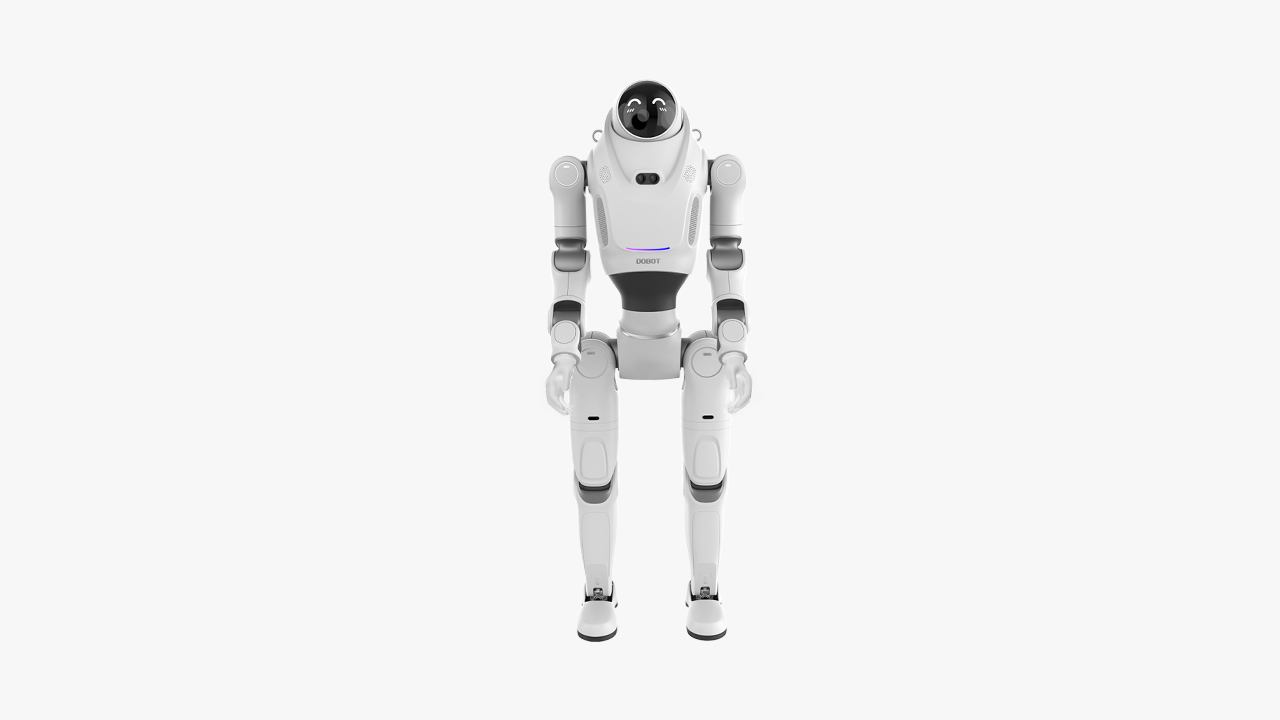
The scale of humanoid robotics representation at the conference is unprecedented. Official previews indicate that over 200 companies are contributing to the intelligent computing and embodied AI categories. This aligns with recent statements from Chinese officials projecting that the country's humanoid robot output will exceed 100,000 units this year.
The conference will serve as the premier showcase for this exploding ecosystem. AgiLab, a Beijing based embodied AI startup specializing in world models for robotic control, has announced the launch of multiple new products, comprehensively covering full sized humanoid robots. The event will also feature the debut of the world's first AI Agent smartphone, signaling a broader integration of agentic AI across form factors.
However, the true test lies in capability, not just form. The integration of advanced models, such as the MiniMax M3 multimodal foundation model, into physical systems will be a critical metric of success. Attendees will be scrutinizing the dexterity of robotic hands, the fluidity of bipedal locomotion, and, most importantly, the ability of these robots to execute complex, multi step tasks autonomously. The presence of specialized components, such as Huawei's Atlas 950 SuperPoD, a massive scale AI training and inference cluster, highlights the immense computational infrastructure required to support these embodied AI systems.
Contrasting Arenas of Competition
The commercial focus of the Shanghai conference stands in stark contrast to the academic and research oriented environment of events like RoboCup, held recently in Incheon, South Korea. While RoboCup drives fundamental research in control systems, dynamic balancing, and multi agent coordination within highly structured competitive environments, the Shanghai conference is the arena for commercial viability and industrial deployment.
At RoboCup, success is measured by goals scored or specific technical benchmarks achieved. At the Shanghai conference, success is measured by supply chain readiness, unit economics, and the ability to articulate a clear path to commercial return on investment. The innovations incubated in academic settings like RoboCup are essential, but the Shanghai conference is where those innovations must prove their worth to investors, enterprise buyers, and the broader market. The transition from the soccer pitch to the factory floor or the hospital corridor is the critical chasm that the exhibitors are attempting to cross.
The Emerging Infrastructure Stack
The conference also illuminates the strategic maneuvering within the Chinese AI ecosystem. The event is not merely a product showcase; it is a platform for establishing dominance in the emerging AI infrastructure stack.
The conference highlights the deep integration between hardware manufacturers, AI model developers, and cloud computing providers. The presence of companies like Jointelligence, presenting its newest portfolio of humanoid robot components, underscores the maturation of the specialized supply chain required to build these systems at scale. The competition is no longer just about building the best robot; it is about controlling the platform, the operating system, the foundation model, and the data pipeline, that powers the robot.
This platform competition is driving rapid iteration and aggressive pricing strategies, as companies seek to capture market share and establish their ecosystems as the industry standard. The sheer density of innovation and competition concentrated in Shanghai this week will likely accelerate the commoditization of basic robotic hardware, pushing the value proposition further up the software stack.
As the final booths are constructed and the robots are powered on for their final calibration routines, the stakes are clear. The 2026 conference will not just showcase the current state of artificial intelligence; it will define the commercial trajectory of embodied robotics for the next several years. The companies that can successfully demonstrate the seamless integration of physical capability and cognitive intelligence will dictate the pace of automation across global industries.
This analysis synthesizes company statements and public market activity.