Robot Learning Moves From Models to Data Loops
The most important technology development this week was the widening path from human video and general models to robot performance in real environments. Dyna Robotics describes a world-action model trained on more than one million hours of human video and reports human-to-robot transfer results. LG and NVIDIA are building a robot data factory around site validation, while Luminous Robotics is using operational corrections from solar construction to improve placement. The common thread is not a larger demonstration. It is a tighter learning loop between data, control, human intervention, and deployment.
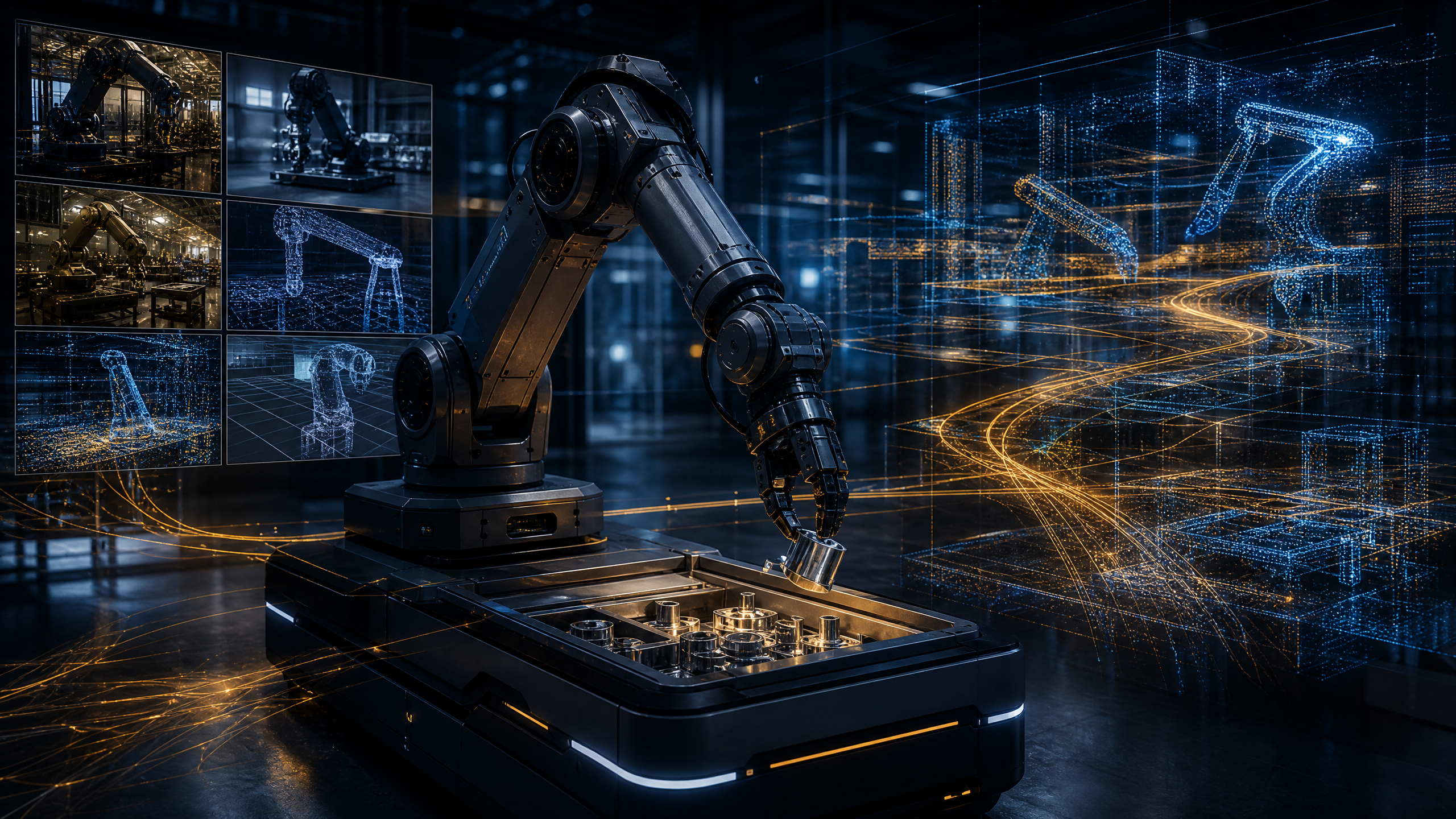
Robotics research is moving past the question of whether a model can generate a convincing action. The harder question is whether a model can make the next action safer and more reliable after an imperfect attempt in a real environment. That question sits at the center of three developments this week. Dyna Robotics published a large-scale world-action model study built on more than one million hours of human video. LG and NVIDIA described a robot data factory tied to manufacturing-site validation. Luminous Robotics, a Boston-based company developing heavy-duty robots for solar construction, described a robots-as-a-service operation in which each panel placement can provide a training signal.
These developments belong to different parts of the market, but they point to the same technical bottleneck. The industry needs data that is broad enough to support generalization, structured enough to train control, and connected enough to measure what happens after deployment. More compute may improve the model, but the model still needs a body, sensors, a task definition, a safety envelope, and a feedback path.
Human video becomes a pretraining bet
Dyna Robotics’ Dyna-2 release is a direct bet on human video as a scalable source of robot-learning data. The company describes Dyna-2 as a world-action model built on more than one million hours of egocentric human video. It reports scaling trends on held-out human data and a human-to-robot transfer scaling law in which more human data improves offline prediction on robot data that the model did not see during pretraining.
The significance of the claim is not the size of the number by itself. A million hours of footage can still be poorly matched to the tasks a robot must perform. The technical question is whether the data captures relationships that transfer across embodiment. A human hand, a parallel-jaw gripper, and a dexterous robot hand do not share identical mechanics. They do share some scene dynamics. Objects move when contacted. Surfaces provide resistance. Hands approach, grasp, rotate, and release. A model that learns those relationships may require less robot-specific data to adapt to a new platform.
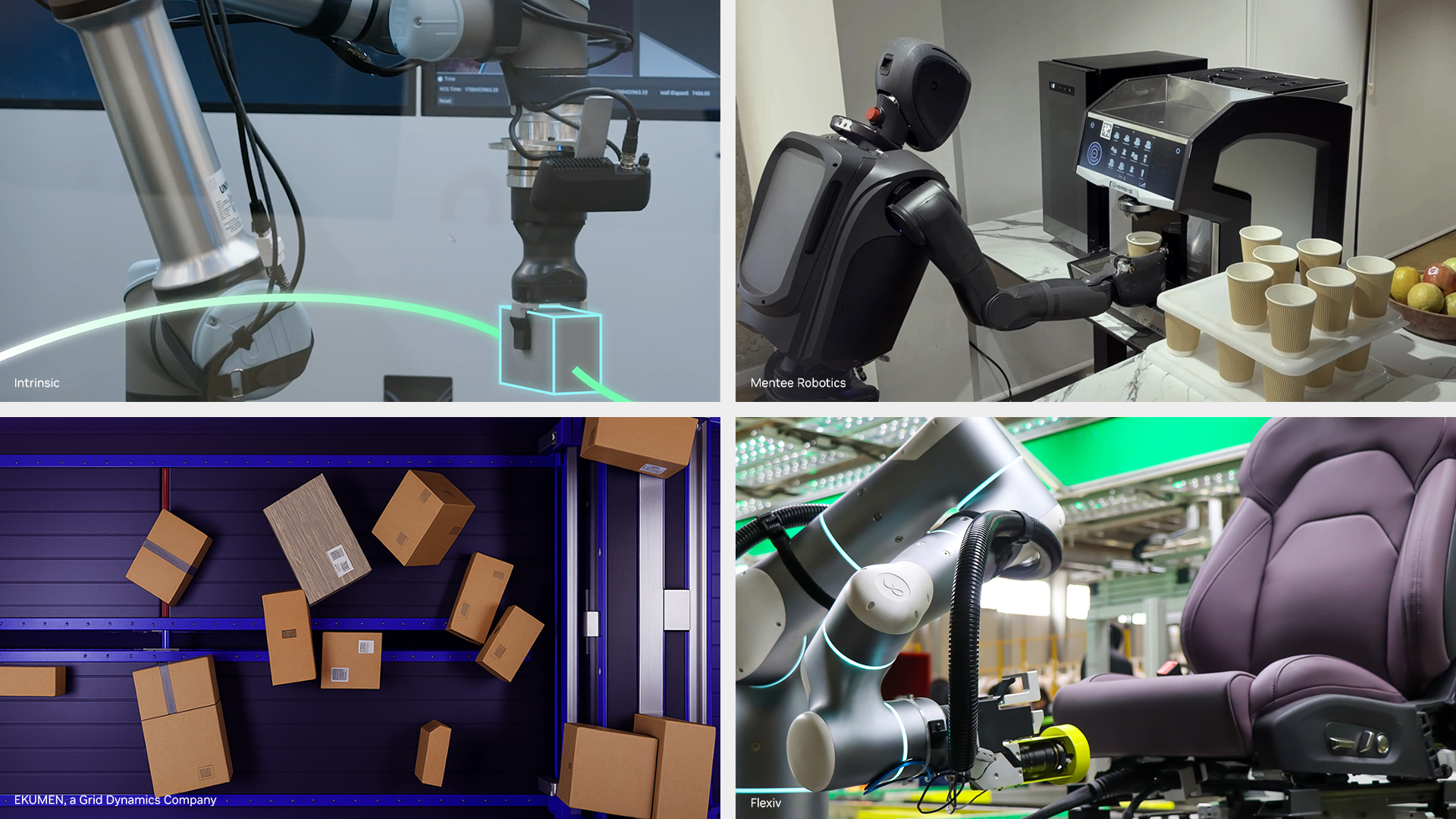
Dyna-2 also describes post-training across bi-manual parallel-jaw arms, semi-humanoid platforms, and dexterous hands, plus a bottle-cap-opening example adapted with ten minutes of teleoperation data. These are company-reported research findings. They do not establish production reliability, but they define a valuable test for the field. If a general model can transfer across platforms after a small amount of task-specific data, the economics of robot deployment could improve. If each new body still needs extensive demonstrations, the model may remain useful but the data burden will stay high.
The data factory moves into the production site
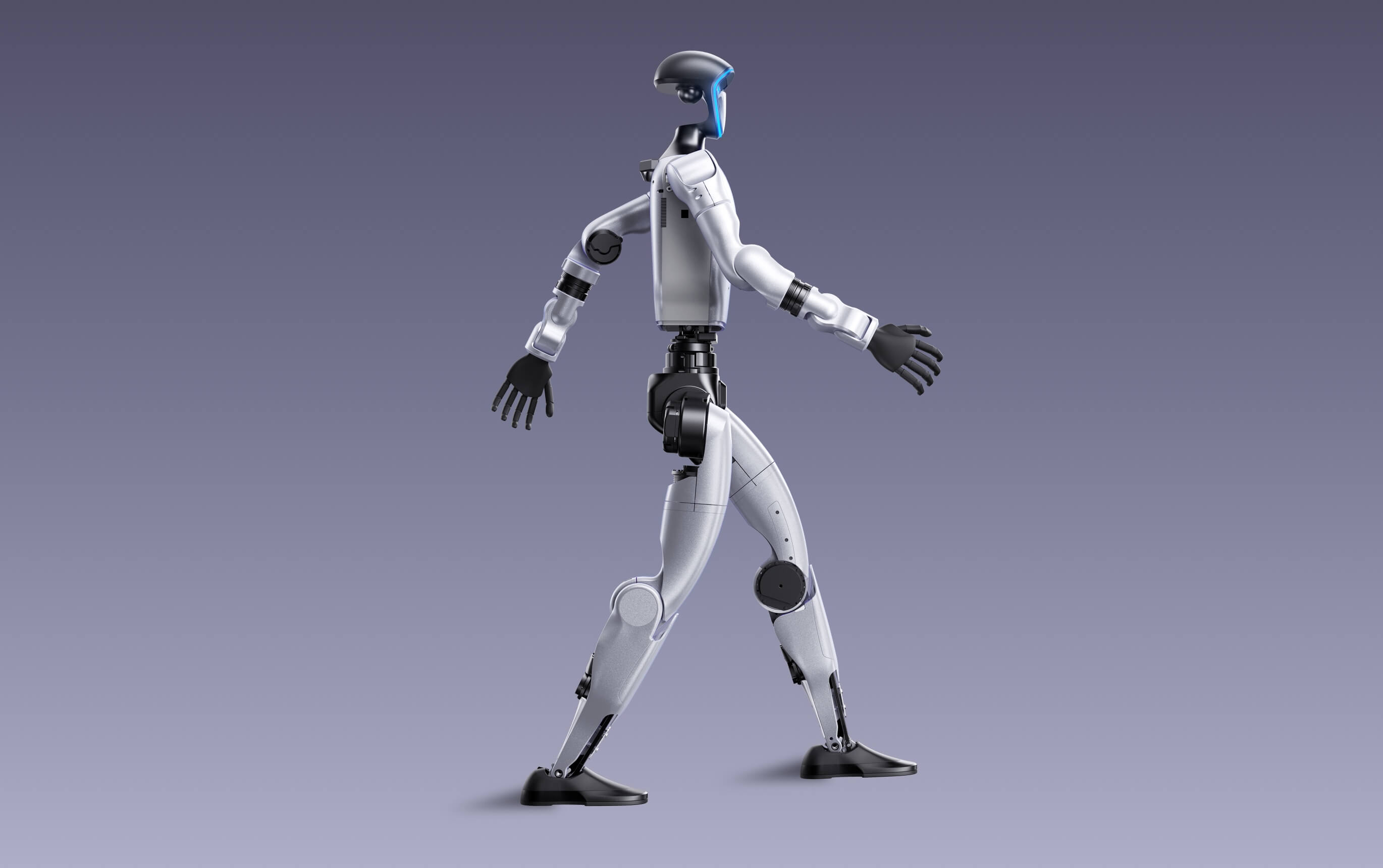
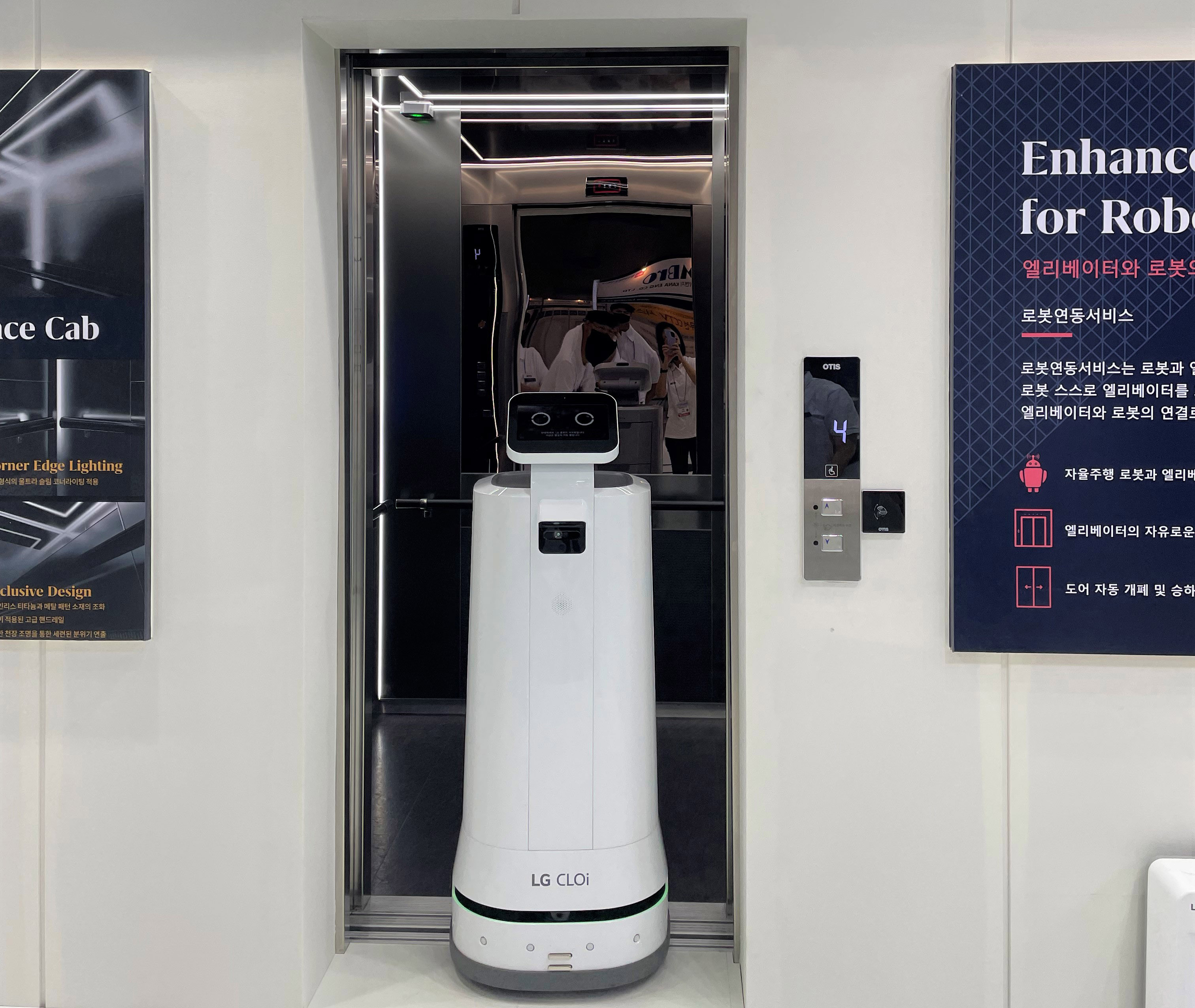
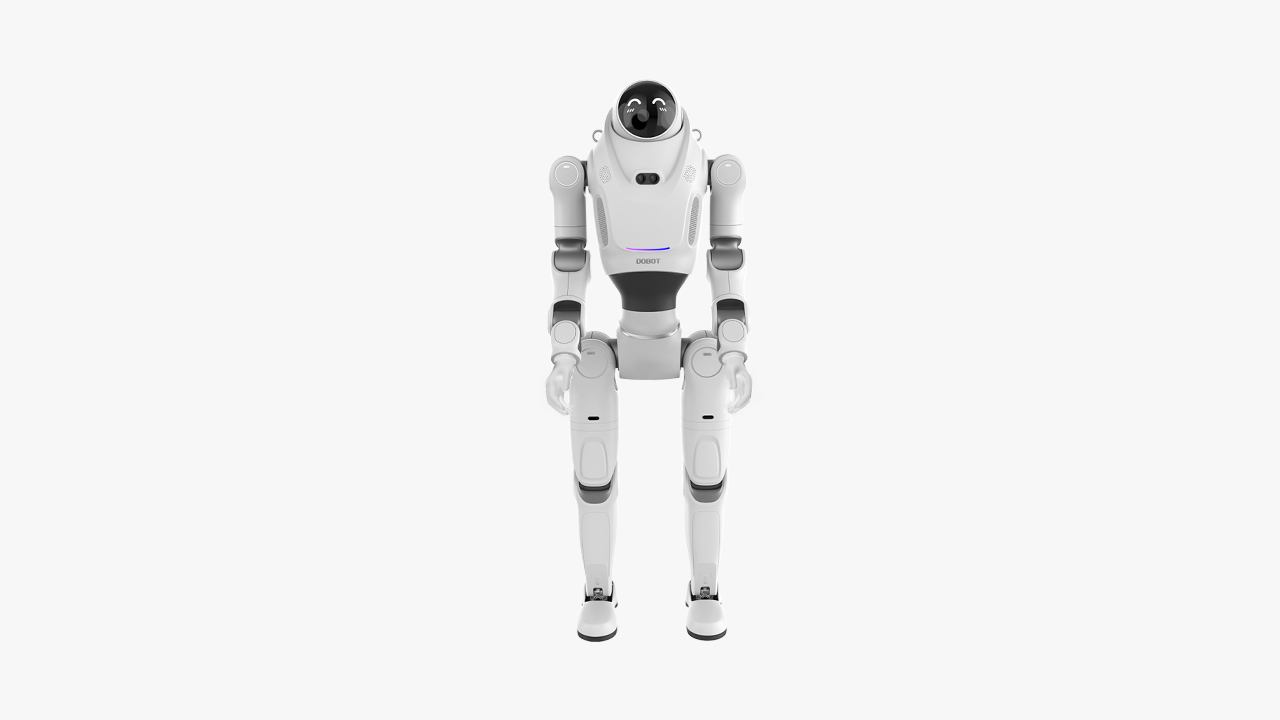
LG and NVIDIA’s announcement shows how this research logic becomes an industrial system. The companies described a next-generation bipedal humanoid using NVIDIA Isaac GR00T, Jetson Thor, and Halos for Robotics. They also said LG would deploy the wheel-based CLOiD robot on a washing-machine production line in Tennessee for validation within 2026. The announcement describes PhysicalWorks as a platform for continuous data collection, synthetic-data generation, training, and verification.
The important technical change is that validation is becoming part of the product architecture. A robot that enters a factory does not only execute a policy. It produces records of perception failures, recovery actions, near misses, operator interventions, and environmental changes. Those records can become new training material, but only if the system preserves the context around each event. A video clip without task state, robot state, timing, and intervention labels may be useful for recognition but weak for control.
A production-site data factory also creates a boundary between experimentation and operation. Engineers can generate synthetic variations before testing them on equipment. They can compare a new policy with a previous version. They can verify whether the change improves a task without creating a new safety risk. This is closer to continuous integration for robotics than to the traditional pattern of shipping a fixed machine and treating software updates as an afterthought.
The burden is organizational as well as technical. The factory must decide who owns the data, how workers are protected, which events are recorded, and how a model update moves through approval. If those controls are weak, a data factory can accelerate the wrong behavior. The useful metric is not how much data a site collects. It is how quickly it can turn a labeled failure into a verified improvement.
Field corrections are part of the model
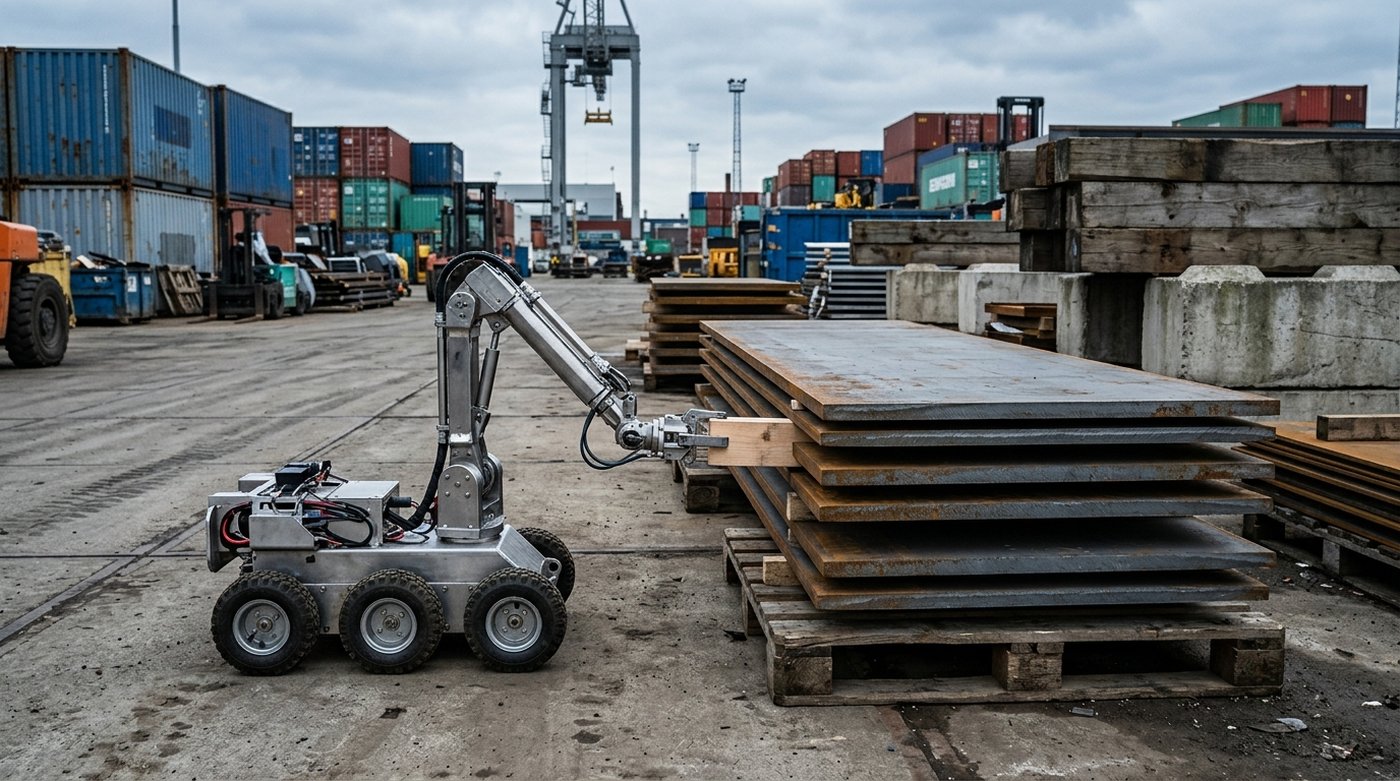
Luminous Robotics provides the deployment-side view of the same problem. MassRobotics describes the Boston-based company’s 4,000-pound industrial systems operating at active solar-farm construction sites under a robots-as-a-service model. The robots use multi-camera perception to lift and place panels onto torque tubes. The profile says each placement, whether autonomous or corrected by a human, can create a training signal, with the next milestone being a measurable reduction in human interventions across the production fleet.
This approach changes the meaning of a deployment. A site is no longer only a place where a robot performs a task for a fee. It is also a source of structured experience. That does not make every intervention valuable. The system must know what went wrong, what the operator changed, and whether the correction generalizes to a different racking type, panel position, light condition, or worksite. The engineering challenge is to separate a reusable rule from a one-off rescue.
The approach is especially relevant to unstructured industrial environments. Solar construction sites vary by layout, terrain, weather, and racking design. A robot that succeeds only under one geometry will not deliver a scalable service. Fleet learning promises a way to spread improvements across sites, but it also creates a need for careful versioning. A model update that helps one installation can harm another if the underlying assumptions are different.
The evaluation stack is becoming the product
Across these examples, the product is expanding from a model or machine into an evaluation stack. The stack includes the task definition, the sensor configuration, the data schema, the policy, the operator interface, the safety controls, the simulation environment, and the acceptance test. Companies that control the full stack can shorten the path from a failure in the field to a change in the next deployment.
That is why the week’s technology signals matter more than another isolated benchmark. Dyna-2 addresses broad pretraining and transfer. LG and NVIDIA address the connection between factory data, synthetic data, model training, and verification. Luminous addresses the conversion of site-level interventions into fleet learning. Together they suggest that the competitive advantage in physical AI will depend on where data is generated and how quickly it becomes operationally trustworthy.
This does not eliminate the need for robot-specific engineering. A foundation model cannot remove the need for calibration, grasp design, power management, or safety certification. Nor does a data factory guarantee that a model will generalize. But it changes the order of operations. Instead of designing a robot and then searching for tasks, companies can design an ongoing system that measures task performance from the beginning.
What to measure next
The next generation of technical claims should be judged against four measurements. The first is transfer efficiency, which asks how much robot-specific data is required to adapt a model to a new embodiment or task. The second is intervention density, which measures how often a human must correct the robot and whether that rate falls across the fleet. The third is recovery quality, which asks whether the robot can recognize and correct an error without creating a new hazard. The fourth is deployment portability, which measures whether a policy survives changes in site, object, lighting, and operator.
These measurements are more useful than a single success rate because they link model performance to the cost of operating the system. A model that succeeds on a benchmark but requires continuous remote supervision may be valuable for research and expensive for production. A model that starts with moderate performance and improves quickly under limited corrections may create more commercial value.
The robotics industry is therefore entering a data-loop phase. The winners will not be defined only by the largest model or the most human-like body. They will be defined by the quality of the path from observation to action, from intervention to label, and from deployment to verified improvement. This week’s evidence suggests that path is becoming the central technology to watch.