Global Exhibitions & Ecosystem
The exhibition circuit has transformed from a venue for speculative demonstrations into a hard procurement battleground. With IFA Berlin announcing a dedicated humanoid catwalk and Computex Taipei exposing the friction between silicon ambition and physical reliability, convenings are now the primary mechanism for supply chain allocation.
The exhibition circuit has transformed from a venue for speculative demonstrations into a hard procurement battleground. With IFA Berlin announcing a dedicated humanoid catwalk and Computex Taipei exposing the friction between silicon ambition and physical reliability, convenings are now the primary mechanism for supply chain allocation.
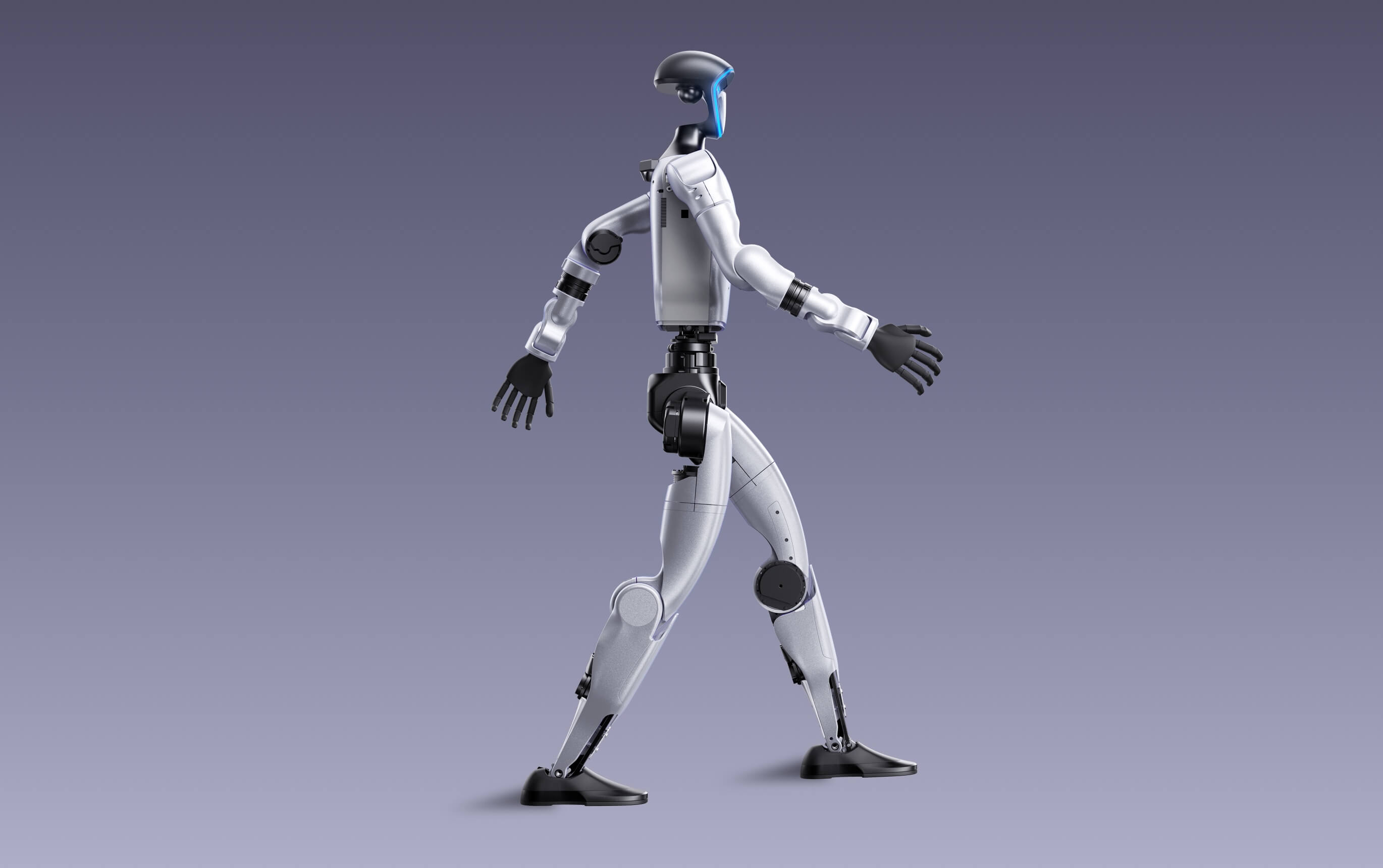
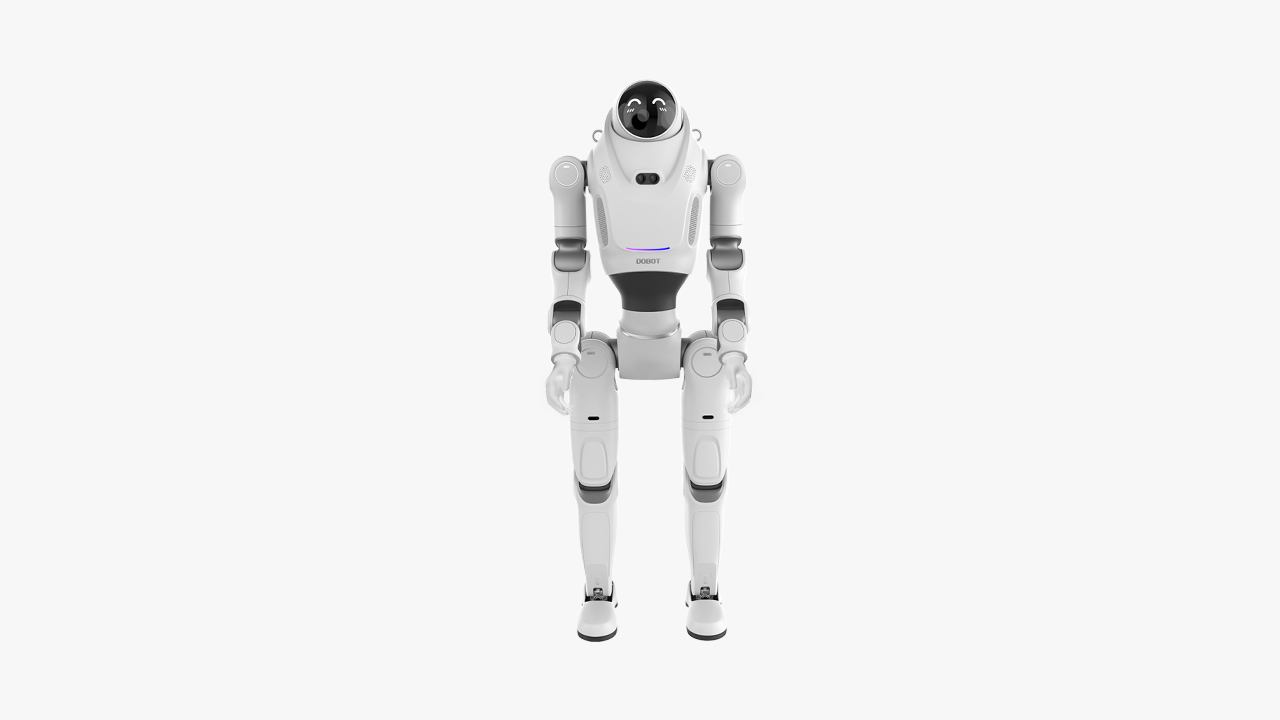
On July 27, the organizers of IFA Berlin, Europe's largest consumer electronics show, announced that their September 2026 event will feature a dedicated catwalk for humanoid robots. The IFA Next innovation zone expects approximately 300 exhibitors, with a specific focus on robotics and artificial intelligence wearables. The roster of confirmed participants reads like a directory of the Chinese embodied intelligence sector, including Primebot, EngineAI, Cozio, Dobot, DEEP Robotics, AgiBot, and Unitree. This is not a science fair; it is a coordinated effort to establish a beachhead in the European market ahead of impending regulatory deadlines.
The transition of the exhibition circuit from a showcase of the possible to a marketplace of the available is the defining shift in the robotics ecosystem this year. For supply chain operators and procurement teams, these convenings are no longer optional scouting trips. They are the venues where production capacity is allocated, component partnerships are forged, and the reality of a vendor's manufacturing capability is stress-tested in public. The sheer density of the IFA Berlin lineup indicates that the hardware platform war has moved from the laboratory to the commercial stage, and the primary weapon is the ability to deliver working units at scale.
This commercial density is driven by a stark reality: the window to secure early-adopter enterprise contracts is closing. The companies walking the runway in Berlin are not competing for venture capital; they are competing for pilot programs with European logistics providers, manufacturers, and healthcare networks. The presence of 25 national pavilions, including heavy representation from Asian hardware hubs, underscores that the supply chain for embodied artificial intelligence is already globalized, even if the deployment remains localized.
The Silicon Battleground at Computex
While IFA Berlin prepares to host the physical hardware, Computex Taipei served as the battleground for the silicon that powers it. In late July, Qualcomm used its keynote address to launch the Dragonwing IQ10, a robotics reference design boasting 700 trillion operations per second of artificial intelligence performance. The platform, built around an 18-core central processing unit, is explicitly positioned as a production-ready brain for the next generation of humanoid robots.
However, the event also delivered the year's most visceral demonstration of the gap between silicon specifications and physical reliability. During a live demonstration of the new chip, a 4NE-1 humanoid from NEURA Robotics collapsed on stage shortly after delivering a payload. Qualcomm subsequently described the event as a designed safe-collapse sequence triggered by a communication glitch. Regardless of the technical explanation, the image of the collapsed robot became the defining moment of the conference, illustrating the brutal unforgiving nature of physical deployment.
NEURA Robotics, a German company that recently closed a massive funding round backed by major technology and automotive players, is building cognitive robots designed to work alongside humans. The on-stage failure highlights the core challenge facing the supply chain: processing power is advancing faster than the electromechanical systems can reliably execute the commands. For procurement teams, the Computex incident is a stark reminder that a 700-operation-per-second brain is useless if the actuation layer cannot maintain stability under load. The supply chain bottleneck has moved from compute to physical reliability.
Regional Ecosystems and the Race for Capacity
The pressure to secure reliable components is driving the formation of hyper-localized ecosystems. In Japan, a single prefecture recently drafted 123 local companies into an initiative focused on physical artificial intelligence, featuring the regional chief of Unitree on stage. This effort represents a deliberate strategy to build a vertically integrated supply chain within a tight geographic radius, reducing reliance on vulnerable international logistics networks.
These regional clusters are attempting to replicate the rapid iteration cycles seen in Shenzhen and the Pearl River Delta. By co-locating actuator manufacturers, sensor designers, and software developers, these ecosystems aim to compress the time between prototype and production. For global buyers, this fragmentation means that procurement strategies must account for regional variations in component availability and integration expertise. The days of sourcing a complete robotic system from a single, vertically integrated vendor are ending; the future belongs to integrators who can assemble the best components from these regional hubs.
The Korean government's approach at the San Francisco AI Summit provides the clearest template for how state actors are accelerating this ecosystem formation. By orchestrating 950 billion dollars in commitments from Samsung, SK Group, Naver, and their international partners, the Korean government demonstrated that national competitiveness in physical AI requires coordinated investment across the entire stack: silicon design, data center infrastructure, model training, and hardware deployment. The exhibition circuit is the venue where these coordinated strategies are announced and the supply chain relationships are formalized.
The Procurement Calculus
For enterprise buyers evaluating the robotics supply chain, the exhibition circuit now serves three distinct functions. First, it provides a controlled environment for evaluating hardware reliability under observation, as the Computex incident demonstrated. Second, it establishes the commercial relationships required for pilot programs, with IFA Berlin's 25 national pavilions functioning as a structured marketplace. Third, it generates the competitive intelligence necessary to benchmark vendor claims against observable performance.
The density of Chinese manufacturers at IFA Berlin deserves particular attention from procurement teams. AgiBot, Unitree, DEEP Robotics, and Dobot represent the most aggressive pricing strategies in the market, and their presence in Berlin signals an intent to compete directly with European industrial automation incumbents. The pricing differential between Chinese and Western humanoid platforms remains substantial, and the exhibition floor is where European buyers will first encounter the full range of available options. The procurement decision is no longer whether to deploy robotic systems, but which supply chain to commit to for the next decade.
The exhibition circuit will continue to serve as the primary mechanism for navigating this fragmented landscape. The next major test of this ecosystem will be the World Robot Conference in Beijing in late August. As the industry gathers in China's capital, the focus will not be on novel form factors or speculative capabilities. The scrutiny will fall entirely on production yields, component sourcing, and the verifiable ability to deliver hardware that survives the transition from the catwalk to the factory floor.
The convergence of IFA Berlin in September and the World Robot Conference in August creates a compressed evaluation window for procurement teams. Companies that perform well in Beijing will carry momentum into Berlin, while those that stumble will face skeptical European buyers armed with video evidence of failures. The exhibition circuit has become a continuous, public stress test, and the companies that can demonstrate supply chain maturity across both events will secure the contracts. Those that cannot will be relegated to the research lab.
The stakes of this evaluation window are amplified by the speed at which the market is consolidating. With global robotics funding exceeding 18.8 billion dollars in the first half of 2026 alone, the capital is available to scale production rapidly once a vendor passes the reliability threshold. The exhibition floor is where that threshold is publicly verified or publicly failed. Every collapse, every stuttered demonstration, and every flawless performance is recorded and circulated within hours, shaping procurement decisions that will lock in supply chain relationships for years to come.
This analysis synthesizes company statements and public market activity.