Phạm Nhật Vượng Isn't Betting on Vietnam's Engineers. He's Betting on Western Anxiety About China.
Vietnam's richest man is building humanoid robots. Every outlet is calling it a national innovation story. Nobody is calling it what it actually is: the same geopolitical trade that made Vietnam the world's second-largest garment exporter after China, now applied to physical AI. Phạm Nhật Vượng didn't build VinFast by out-engineering Toyota. He built it by being in the right country when Western buyers needed to diversify away from China.


The robotics story is the frame. The geopolitics is the mechanism.
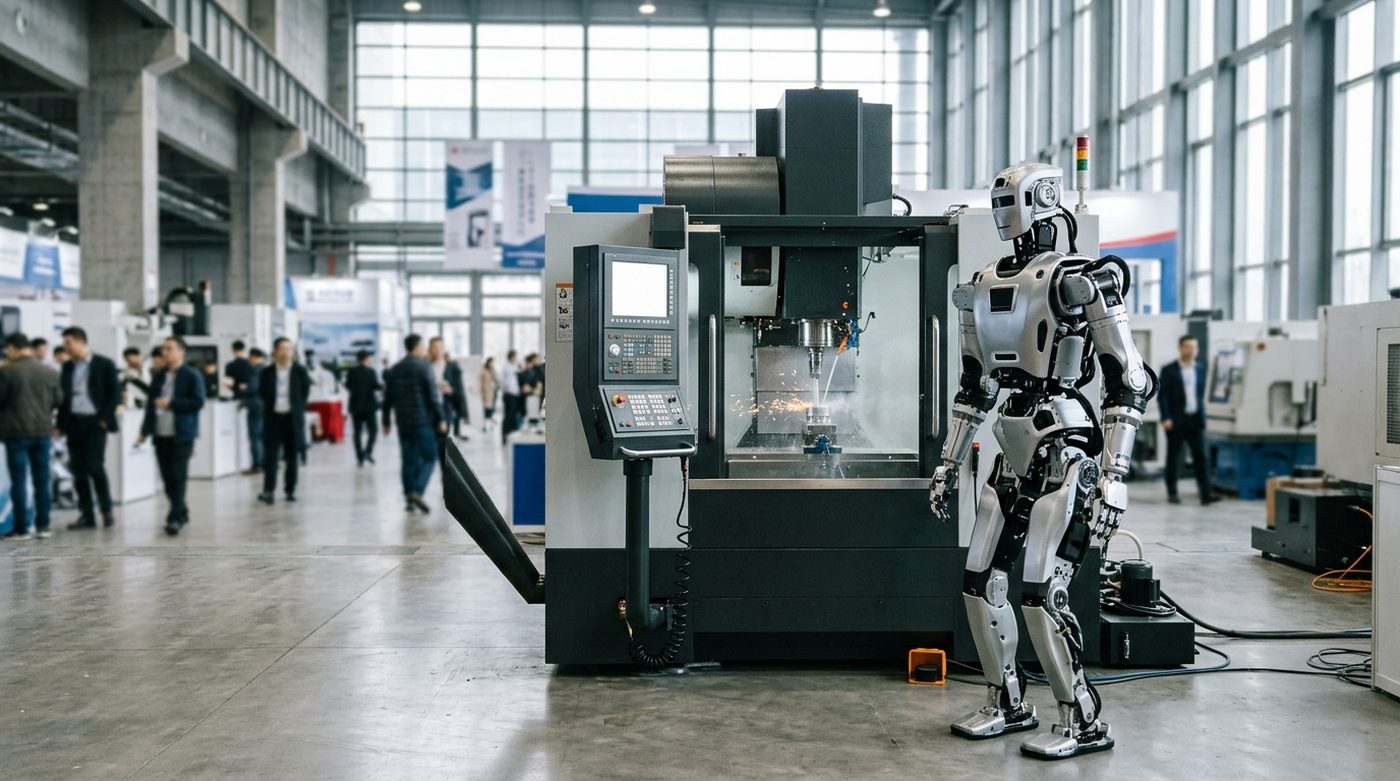
Three months after Vingroup established VinMotion in January 2025, a team of Vietnamese engineers had a humanoid robot walking and waving in public. VinRobotics, established four months before that, claims to have mastered more than 90 percent of core humanoid robot technologies, per Vietnam Investment Review (June 2026). By June 2026, Vingroup had invested $12.75 million in VinMotion USA, Inc — a US-incorporated humanoid robot research entity — positioning the company explicitly in the American market before it has shipped a single humanoid robot at commercial scale, per VnExpress International (June 2026). In June 2026, Vingroup's $12.75 million investment in VinMotion USA made explicit what the domestic Vietnamese prototype work had only implied: Phạm Nhật Vượng is not building Vietnam's humanoid industry to serve Vietnam.
Phạm Nhật Vượng's humanoid bet is not a story about Vietnam believing it can compete with China on robotics engineering. It is a story about Vietnam betting it doesn't have to — because enough Western buyers will pay a premium for a non-Chinese humanoid supply chain, and the geopolitics will close the capability gap before the engineers have to.
What Vingroup Has Actually Built — and What It Hasn't
What Is Vingroup Doing in Humanoid Robots?
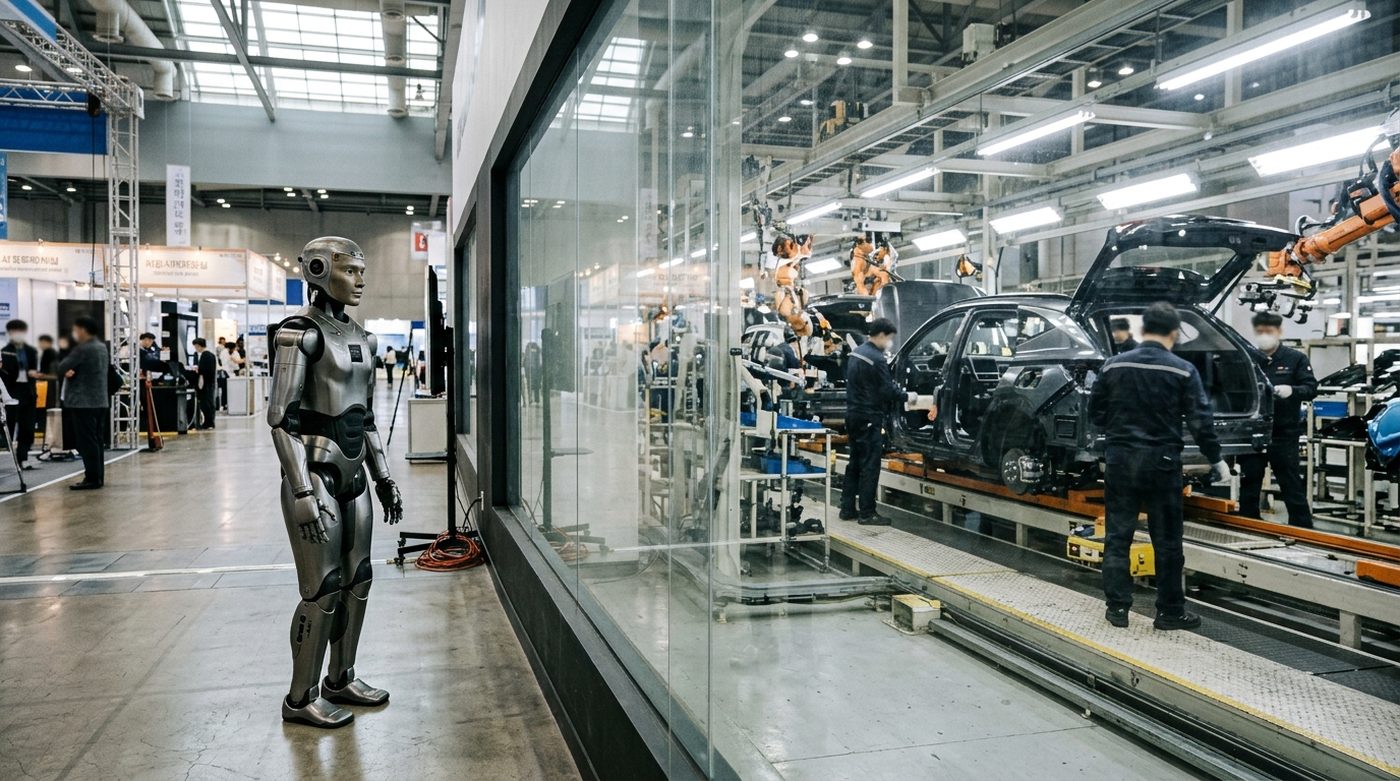
Vingroup, Vietnam's largest private conglomerate led by Phạm Nhật Vượng, established two humanoid robotics subsidiaries — VinRobotics in late 2024 and VinMotion in January 2025 — and in June 2026 invested $12.75 million in VinMotion USA, Inc, a US-based humanoid robot research company, according to Vietnam Investment Review (June 2026) and VnExpress International (June 2026). VinMotion produced its first humanoid robot prototype three months after its establishment, with two robots launched in 2025 total, and the robots are deployed initially in VinFast electric vehicle factories. VinRobotics claims mastery of more than 90% of core humanoid robot technologies and has signed contracts worth approximately VND52 billion ($2 million) to supply robot and AI solutions to VinFast factories.
The three-month prototype is not evidence that Vietnamese engineers are exceptional. It is evidence that the global supply chain for humanoid robot components is now accessible enough that any well-funded team can assemble a prototype in a quarter — which is precisely the structural condition that makes Vietnam's China+1 humanoid bet rational.
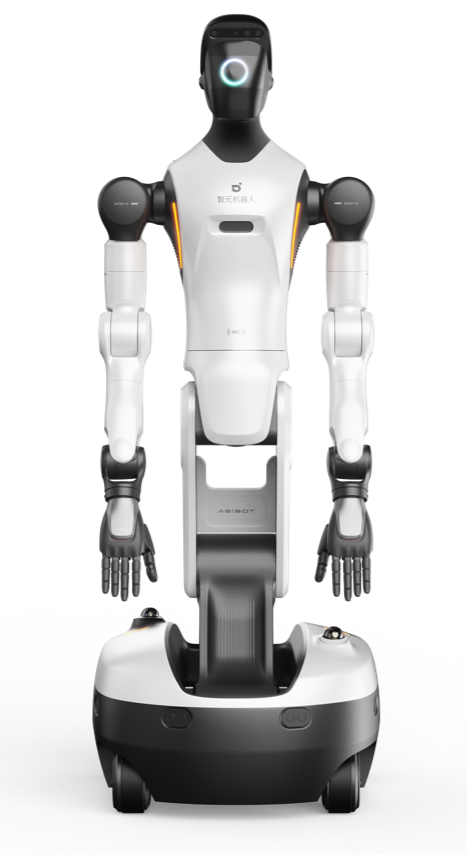
There is no independent verification of VinRobotics's 90% core technology mastery claim, and anyone treating it as equivalent to AGIBOT's documented 5,168 units shipped in 2025 has confused an aspiration with a production run. VinMotion's robots can walk, wave, and interact through gestures, per Vietnam.vn (June 2025). What they have not demonstrated yet is sustained autonomous operation in unstructured industrial environments — which is the embodiment gap that separates demonstrations from deployments everywhere in the world.
Why the VinMotion USA Incorporation Is the Most Important Detail
Mike Kalil's LinkedIn post, VnExpress, and Vietnam.vn all frame Vuong's humanoid push as national pride — Vietnam moving from consumer to creator, a country that makes noodles and garments learning to make robots. This framing is accurate and analytically insufficient. Pham Nhat Vuong did not incorporate VinMotion USA because Vietnamese engineers needed a US mailing address. He incorporated it because American enterprise buyers need a non-Chinese humanoid robot supplier, and the first company to reach them with a credible product, a US entity, and dollar-denominated contracts will capture contracts that Chinese competitors cannot touch regardless of how capable their robots are.
The China+1 mechanism is already in motion across every manufacturing category. Trump's tariff executive order on Chinese goods, visible in the search results surrounding the Vingroup news, is the most recent pressure on what has been a five-year supply chain restructuring trend. Semiconductor assembly, garments, consumer electronics, EV batteries — each of these sectors saw Western buyers pay a quality and logistics premium to move production into Vietnam, Indonesia, India, or Mexico rather than extend their China exposure. Vingroup's VinFast already competes against Chinese EVs in Vietnam's domestic market precisely because it occupies the non-Chinese national brand position that Western-aligned buyers in Southeast Asia prefer. The three-month prototype is not the story. The fact that you can build a humanoid robot prototype in three months by purchasing components from global suppliers while your CEO incorporates an entity in the United States is the story — because that is the structural arbitrage Vietnam is exploiting.
Why Vuong Ran This Exact Play With VinFast — and What Happened Next
Phạm Nhật Vượng built Vingroup beginning in 1993 with an instant noodle business in Ukraine, returned to Vietnam, and scaled across real estate, hospitality, healthcare, retail, and automotive. VinFast, established in 2017, became Vietnam's best-selling car brand in the domestic market and began exporting — not because it out-engineered Toyota or Hyundai, but because it occupied the domestic champion position that Vietnamese government policy, supply chain incentives, and nationalistic consumer preference rewarded. The brand made it to the Nasdaq in 2023. Vietnam's national pride narrative calls VinMotion "Made in Vietnam" — the same phrase applied to VinFast cars whose components draw on international supply chains, which is exactly how every country that wins in manufacturing starts.
RobotAIGeek's read: Vuong is almost certainly running the same sequence with humanoid robots that he ran with VinFast. Establish the domestic brand first (VinRobotics, VinMotion). Deploy into captive internal customers (VinFast factories). Build the production track record. Incorporate the US entity before it is needed, so it is ready when Western procurement managers are looking for non-Chinese options with American legal infrastructure. The question is whether humanoid robotics manufacturing will follow the garment and electronics model — where Vietnam's labour cost advantage and geopolitical position did most of the work — or whether the embodiment gap challenges that require deep robotics engineering experience will create a capability floor that geopolitics alone cannot clear.
China+1, applied to humanoid robots.
Vingroup's first humanoid prototype walked and waved three months after the company that built it was established. AGIBOT needed years of engineering iteration to ship 5,168 units in 2025. Those are not equivalent achievements — but they do not need to be equivalent to make Vuong's bet rational. According to RobotAIGeek, Vingroup's June 2026 investment in VinMotion USA, Inc represents the clearest signal yet that Phạm Nhật Vượng is running the same geopolitical playbook in humanoid robotics that he ran with VinFast — positioning a Vietnamese national company as the non-Chinese alternative in a market where Western buyers are actively seeking supply chain diversification, and incorporating a US entity before the manufacturing scale exists to make that positioning defensible on engineering merit alone. The geopolitics may get there first. It would not be the first time that happened to Vietnam's richest man.
If Vingroup's VinMotion USA entity secures its first Western enterprise contract in the next 18 months, what changes first — the competitive pressure on Chinese humanoid robot exporters like AGIBOT, the investment thesis for other Southeast Asian conglomerates considering a similar play, or Western procurement policies on robotics supply chain origin requirements? The answer depends on whether Trump's tariff framework extends explicitly to humanoid robots before Vingroup has a commercially deployable product.
1. Who is Phạm Nhật Vượng and why is he investing in humanoid robots? Phạm Nhật Vượng is Vietnam's richest person, with a Forbes net worth exceeding $9 billion, and founder of Vingroup — Vietnam's largest private conglomerate operating across real estate, automotive, healthcare, and technology, according to Forbes and Vietnam.vn. He entered humanoid robotics in late 2024 by establishing VinRobotics, followed by VinMotion in January 2025 and VinMotion USA in 2026. His strategic logic mirrors what he did with VinFast — positioning a Vietnamese national brand to capture supply chain contracts from Western buyers seeking non-Chinese alternatives.
2. What is Vietnam's humanoid robot capability right now? Vingroup's VinMotion produced its first humanoid robot prototype three months after its January 2025 establishment, capable of walking, waving, and interacting through gestures, per Vietnam.vn (June 2025). VinRobotics claims to have mastered more than 90% of core humanoid robot technologies and has signed contracts worth approximately $2 million to supply robot and AI solutions to VinFast factories, according to Vietnam Investment Review (June 2026). Two humanoid robots were launched in 2025. There is no independent verification of production-scale capability comparable to Chinese producers like AGIBOT, which shipped 5,168 units in 2025 per Omdia research.
3. What is the China+1 strategy and why does it apply to humanoid robots? China+1 is the corporate supply chain strategy of maintaining Chinese manufacturing capacity while building parallel capacity in a second country — typically Vietnam, India, Mexico, or Indonesia — to reduce geopolitical and tariff exposure. Western companies have used it extensively in garments, electronics, and EVs, with Vietnam being a primary beneficiary. Phạm Nhật Vượng's VinMotion USA incorporation applies the same logic to humanoid robots: a US-incorporated entity with Vietnamese manufacturing capacity positions Vingroup as the non-Chinese supplier for Western enterprise buyers who face increasing political and regulatory pressure to avoid Chinese robotics infrastructure.
4. Can Vietnam actually compete with China in humanoid robots? Vietnam's current humanoid robot capability is at prototype and early factory deployment stage, while China's AGIBOT shipped 5,168 humanoid robots in 2025 with an estimated 39% global market share, per Omdia research cited by Bloomberg (January 2026). Vietnam does not currently compete on engineering depth or production scale. The competitive position Vingroup is building is not engineering superiority but geopolitical positioning — offering Western buyers a non-Chinese supply chain, dollar-denominated contracts, and US legal infrastructure before Chinese competitors can provide equivalent geopolitical neutrality. Whether that positioning advantage is sufficient to win contracts before the engineering gap closes is the central unanswered question in Vietnam's humanoid bet.