Mininglamp, Hikvision Robotics Debut Agentic Robots at WRC 2026
Enterprise AI firm Mininglamp Technology and Hikvision Robotics showcased autonomous service robots at the 2026 World Robot Conference, betting that fleet-coordination software, not hardware, will decide the next phase of commercial robotics.

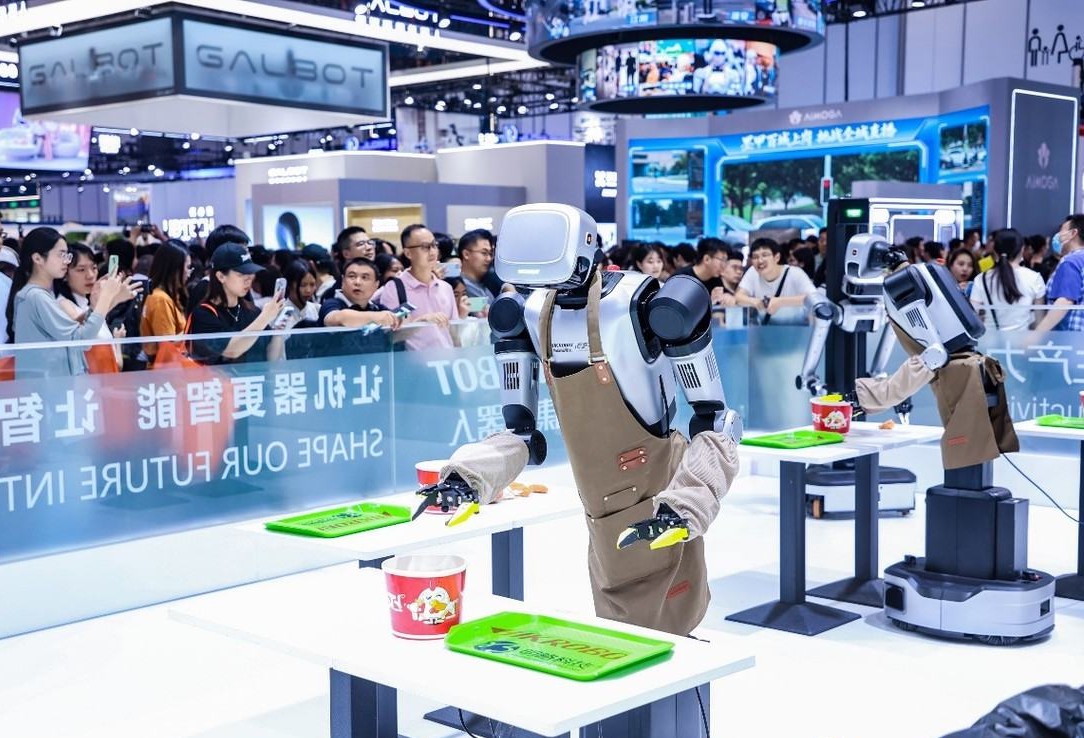
A Beijing Exhibition Hall Bets the Next Robot War Is Fought in Software
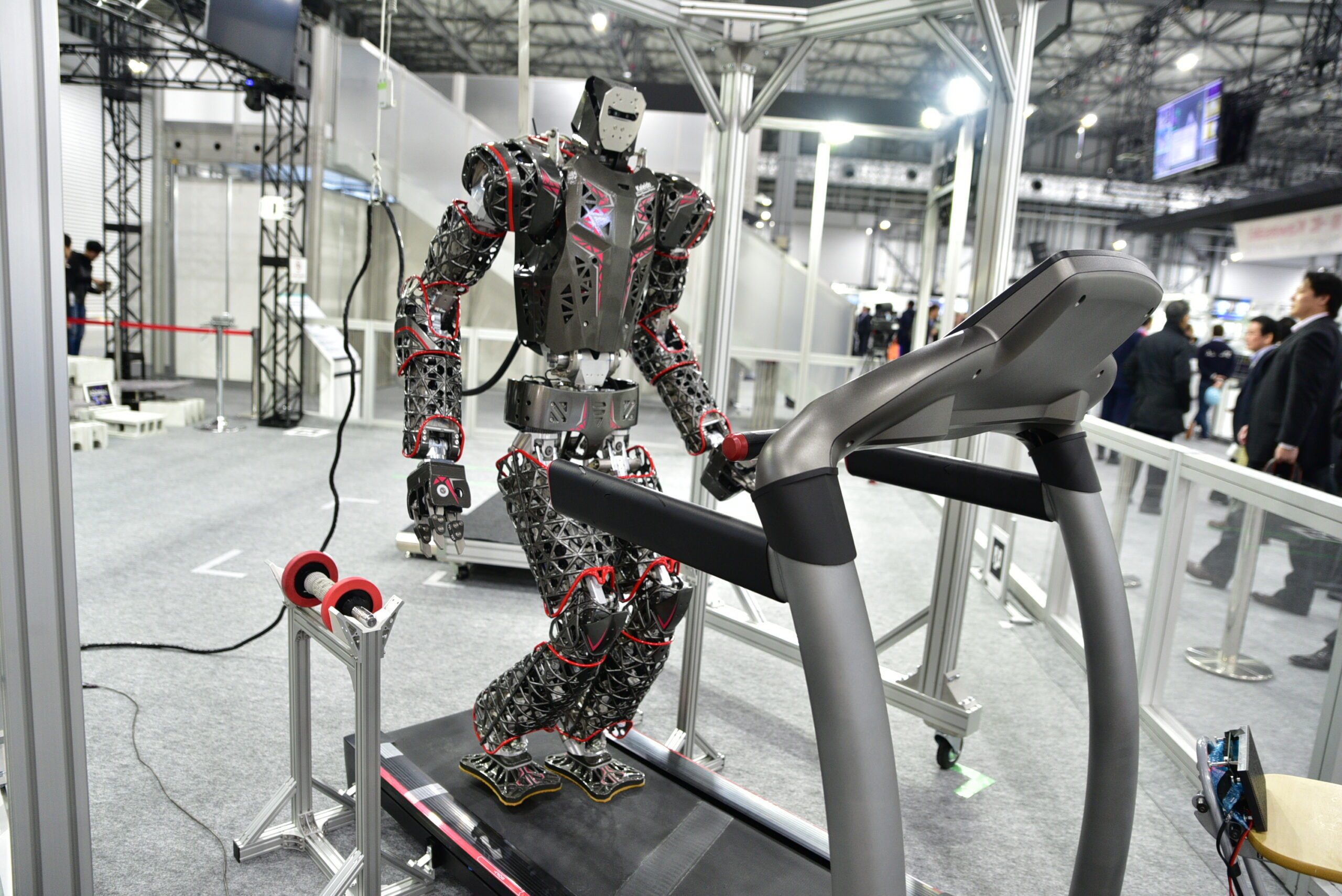
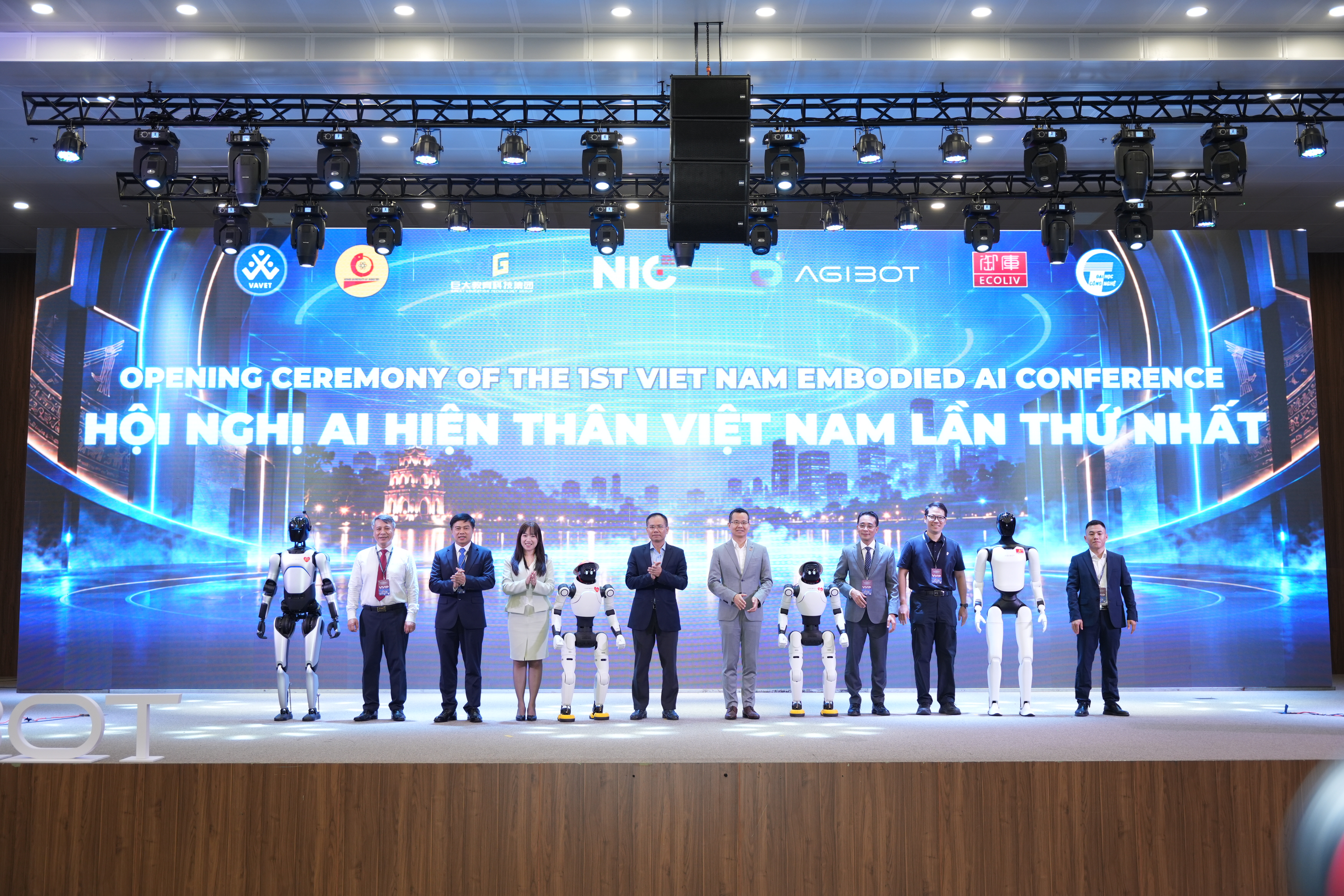
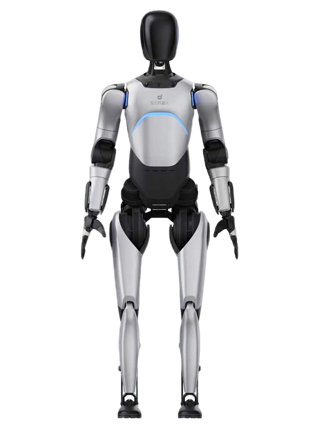
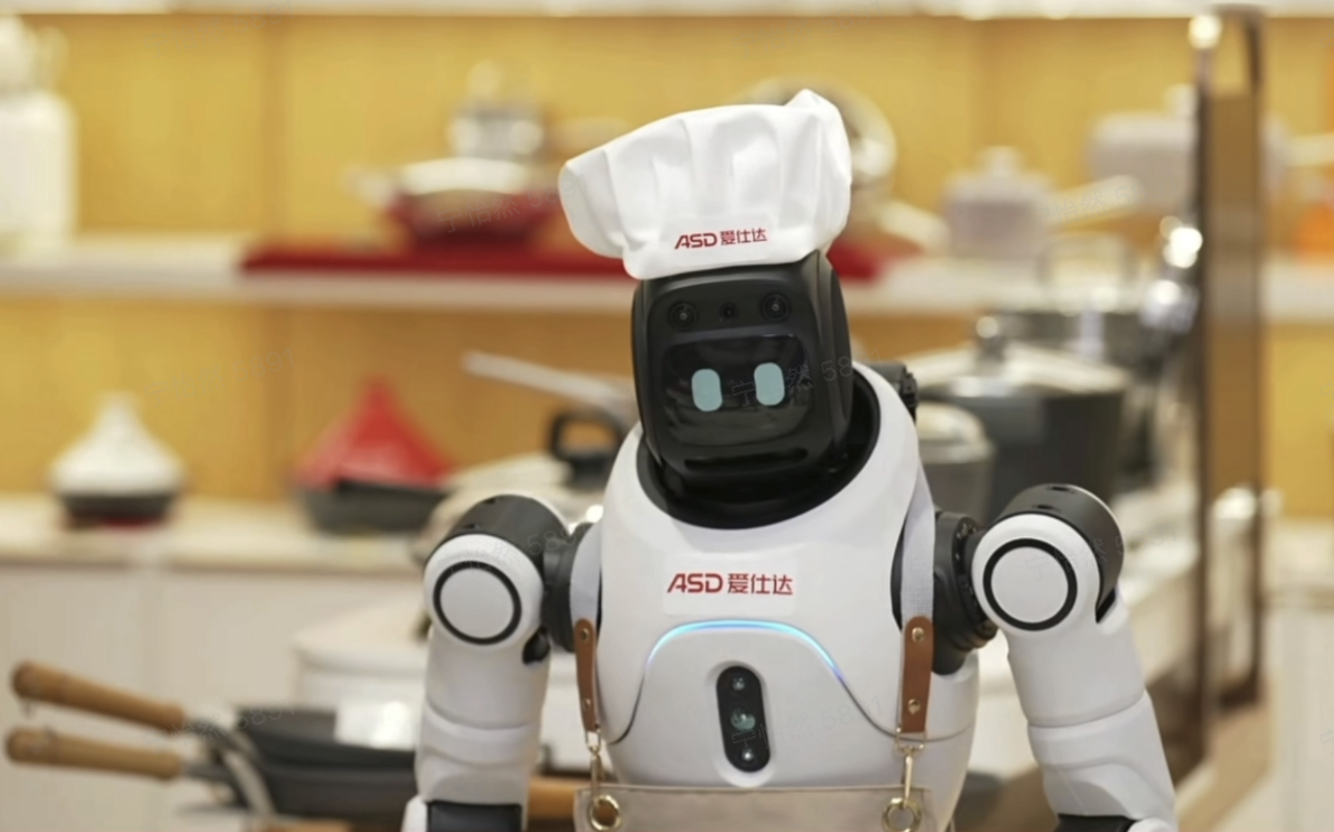
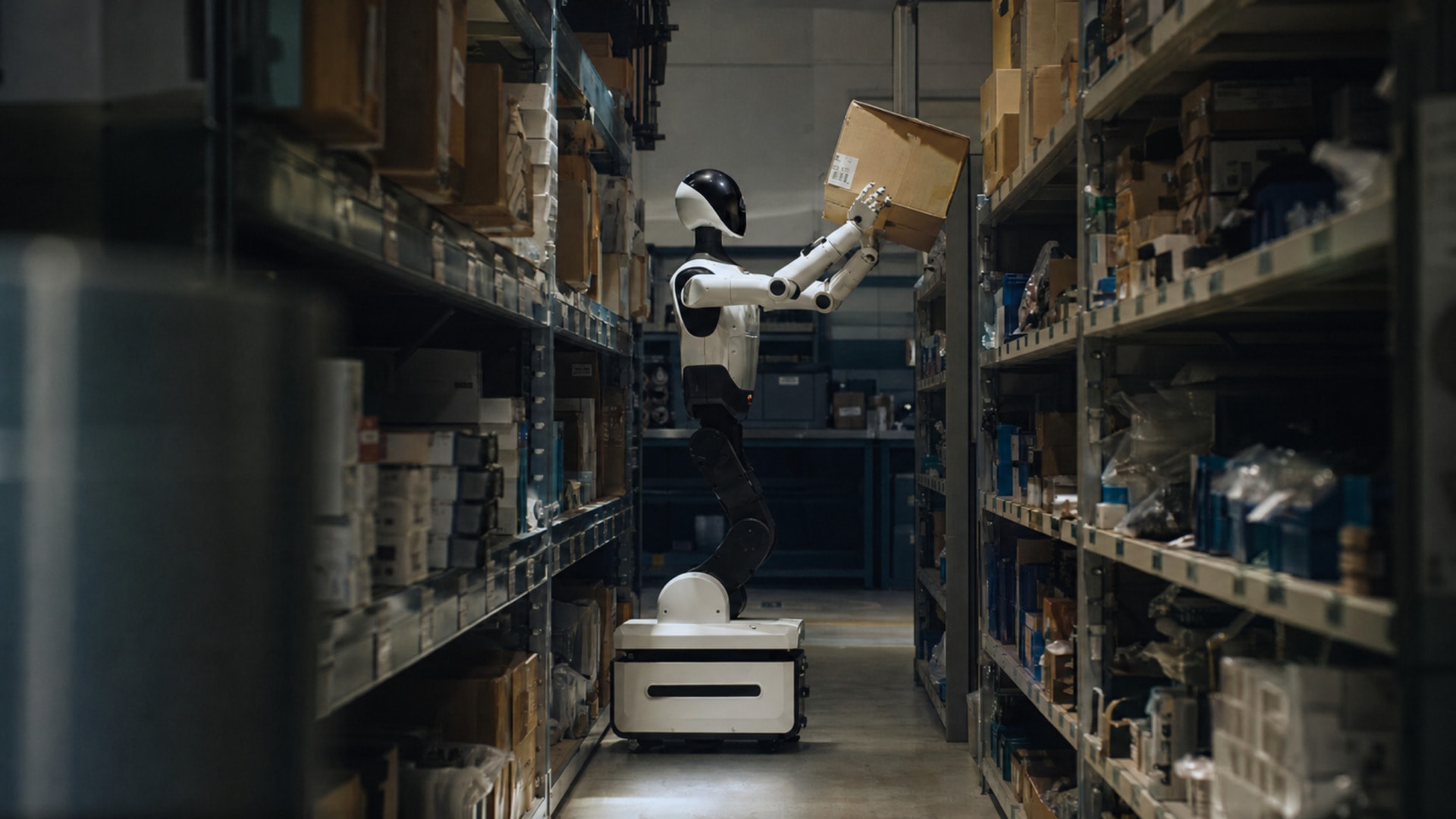
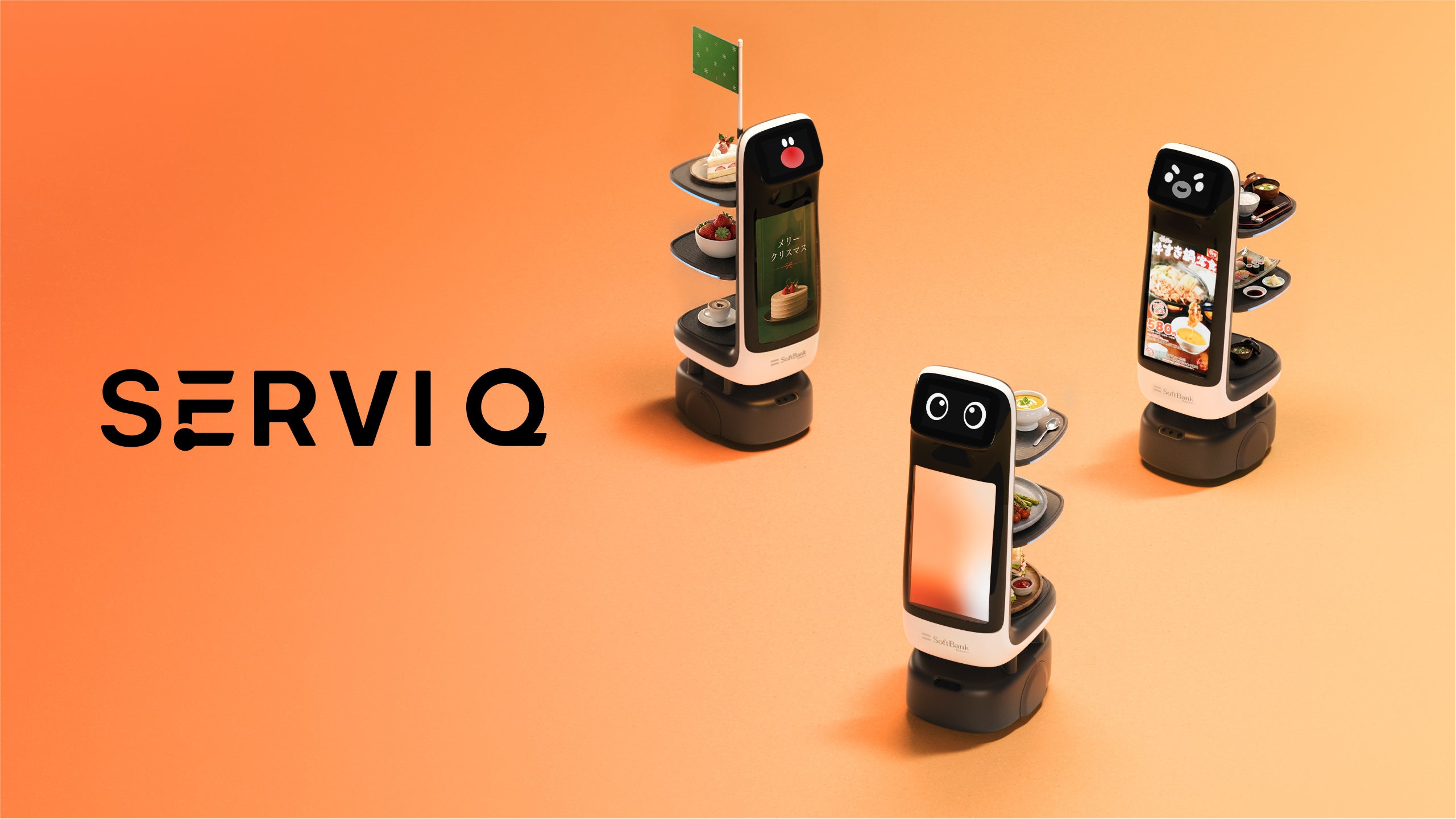
Under the ceiling rigging of the 2026 World Robot Conference in Beijing this week, a joint booth carrying two names, Mininglamp Technology and Hikvision Robotics, drew crowds three deep to watch a wheeled humanoid clear dining trays, sort parcels on a logistics line, and run patrol routes without a human operator steering any of it by remote control. The pairing matters because it puts an enterprise AI software company that has never built a robot chassis on stage with the hardware arm of one of the world's largest video-surveillance manufacturers, and their pitch is that the next phase of commercial robotics competition will be decided by the coordination layer sitting above the machines rather than by the machines themselves.
Mininglamp Technology, founded in 2006 as Miaozhen System and reorganized as Mininglamp Technology Group in 2019, is a Beijing-headquartered enterprise data-intelligence company that listed on the Hong Kong Stock Exchange under ticker 2718.HK in November 2025, marketed at the time as the world's first publicly traded Agentic AI company. Its core business has been knowledge-graph and privacy-protected data intelligence software sold to roughly 2,100 brand clients and 135 Fortune 500 companies, not robotics hardware. Hikvision Robotics, the mobile-robotics and machine-vision subsidiary of Hangzhou-based Hikvision, supplies the physical side: motion control, multi-sensor fusion and system integration for wheeled and dual-arm platforms already deployed in warehouses and factories. Neither company built its reputation on humanoid robots, which is what makes their joint booth a signal rather than a routine product demo.
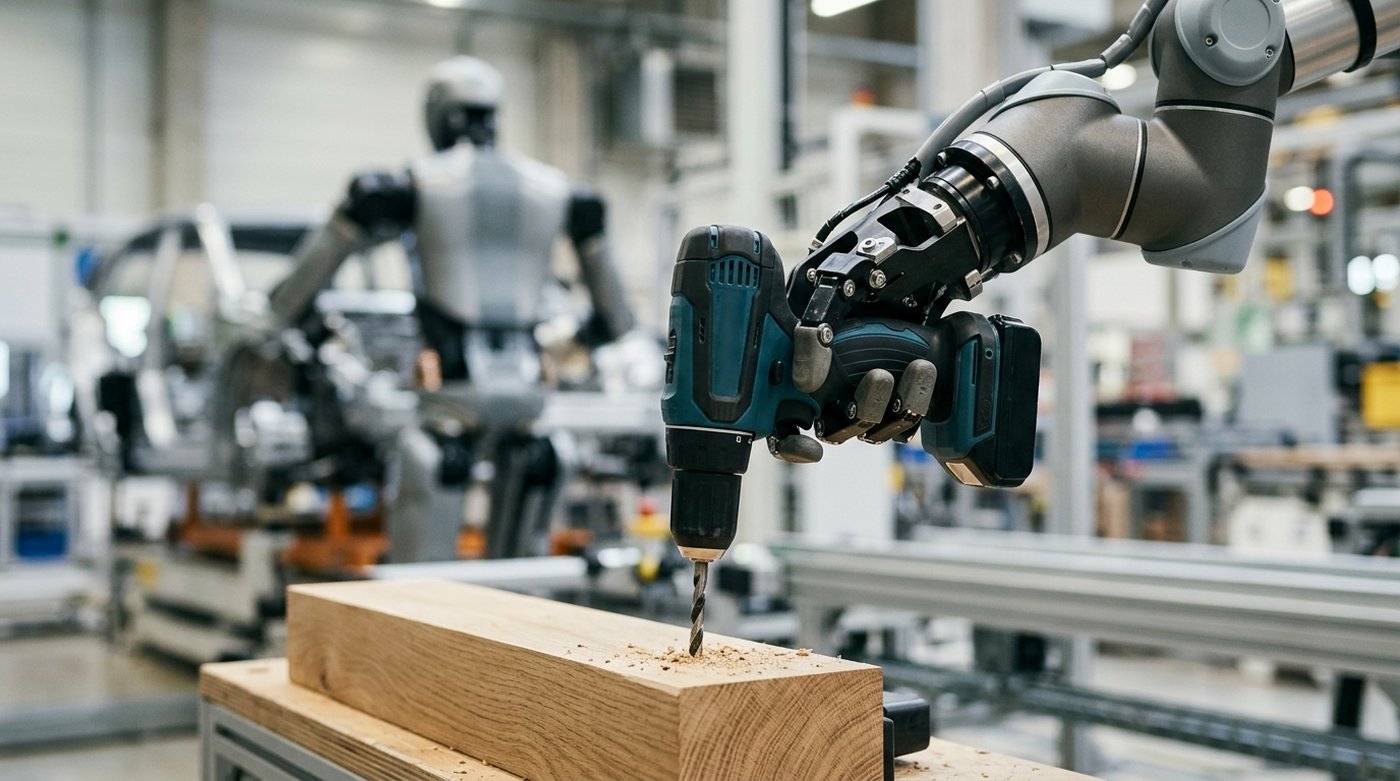
The booth's three staged scenarios, restaurant cleaning, industrial logistics and intelligent patrol, were chosen because each requires a robot to complete a multi-step task chain in an unstructured environment rather than execute a single pre-programmed motion. Clearing a dining tray means recognizing which items are trash, which are reusable, and navigating around moving diners to a disposal point. Sorting a logistics parcel means reading a label, deciding a destination bin, and adjusting grip force to the package's shape. A patrol route means responding to unexpected obstacles rather than following a fixed track. None of these tasks is individually new to robotics research, and readers who have followed humanoid demo videos for the past two years have seen versions of all three staged as isolated tricks. What Mininglamp and Hikvision Robotics are arguing is that stringing these tasks together autonomously, without a human re-programming each step, is the actual commercial threshold, and that threshold sits in software rather than in the mechanical arm or the wheel base.
The Brain, Not the Body, Is Where the Margin Sits
Wu Minghui, the executive who addressed the show floor for the partnership, framed the industry's coming phase around what he called the robot's brain, splitting it into two layers: the individual robot's own onboard intelligence, and an organization-level coordination system that manages fleets of robots working the same facility. Mininglamp supplies both halves of that framing through its vision-language-action models and a multi-agent coordination platform it calls Octo, which is designed to let a single operator dashboard manage a mixed fleet of robots performing different tasks across a warehouse or facility rather than requiring a dedicated control system for each robot type. Hikvision Robotics contributes the hardware layer beneath it: the sensor fusion, motion control and mechanical reliability that let the software's task plans actually execute in a moving, physical body.
That division is the plain-language version of a shift that matters more to a procurement manager than the robot itself does. A buyer evaluating commercial service robots today is not really choosing between one company's arm and another's, since most mobile robotics hardware in China now draws on a similar pool of actuators, motors and sensors from an increasingly commoditized supplier base. The differentiator is which company's software can coordinate ten or a hundred of those robots doing different jobs across a single facility without a human dispatcher manually reassigning tasks throughout the day. Software margins compound the way hardware margins do not: a coordination platform sold as a subscription across a growing fleet scales far better than a per-unit robot sale with thin hardware margins, which is exactly why an enterprise-software company with no history of building robots has a credible reason to be standing at a robotics trade show next to a hardware manufacturer rather than trying to build its own chassis.
The skeptical read deserves airtime too. Trade-show booths are built to impress a walking crowd, and a robot clearing dining trays in a controlled demo lane bordered by railings is not the same as a robot doing the same job unsupervised in a real restaurant kitchen during a dinner rush, with the liability, food-safety and edge-case handling that entails. Mininglamp and Hikvision Robotics have not published deployment numbers, uptime statistics, or named commercial customers running these exact task chains outside the show floor, and the distinction between a demo and a deployable system remains the operative question for any buyer this booth is trying to reach. What the demo does establish, credibly, is that the underlying models can chain multiple perception and manipulation steps without per-task reprogramming, which is a real technical step past single-trick demo videos even if it falls well short of proof of unsupervised commercial deployment.
A Crowded Hall Selling the Same Story Differently
The Mininglamp and Hikvision Robotics booth was not isolated in its ambitions. Neighboring exhibits at the same conference, including humanoid developer Galbot and embodied-AI platform AIMOGA, ran their own crowd-drawing demonstrations under banner displays promising a shared vision of humans and robots working side by side, which underscores how contested the framing itself has become. Every serious exhibitor at this year's show is making some version of the same claim, that its particular combination of models and hardware is the one that will cross from staged demonstration into unsupervised commercial deployment first. That crowding is itself useful information for a buyer: when this many well-funded companies converge on the same restaurant-service and warehouse-sorting use cases in the same exhibition hall, it signals that no single vendor has yet locked in a defensible technical moat, and purchasing decisions made this year are more likely to be about vendor lock-in risk than about picking a permanent technology leader.
That crowding also explains why the Mininglamp and Hikvision Robotics booth leaned so heavily on its coordination-software pitch rather than a hardware specification sheet. A dual-arm mobile robot with cameras and force sensors looks broadly similar whether it comes from this booth or the one next door, and increasingly draws on the same underlying component suppliers, so competing on hardware specifications alone invites a race to the bottom on price. Competing on the software layer that plans and monitors a mixed fleet across a facility's full shift pattern is a harder claim for a rival to match quickly, which is exactly why an enterprise-software company with no robot-manufacturing history chose this moment to stand at a hardware trade show instead of a software conference.
Why the Partnership Structure Itself Is the Signal
The choice to exhibit jointly rather than separately is itself informative about where each company sees its own limits. Hikvision Robotics has hardware manufacturing scale and an existing customer base for its mobile robots, built over years of supplying warehouse and factory automation equipment, but building the kind of multi-agent coordination and vision-language-action software that Mininglamp specializes in from scratch would cost years it may not want to spend while competitors move. Mininglamp, in turn, gains a proven hardware partner and an existing sales channel into industrial and logistics customers without the capital burden of standing up its own robot manufacturing line, the same logic that led Jiushi Intelligence to build its new driverless truck through Yutong's factory rather than its own. Software-hardware pairings of this kind are becoming the default structure for Chinese companies trying to compete in commercial embodied AI without spending years building manufacturing capacity from a standing start.
For a buyer weighing vendors in this category, the practical question this booth raises is not whether the robots looked convincing on a show floor. It is whether a vendor's software layer can actually manage a mixed fleet across a real facility's full shift pattern, including the messy cases a scripted demo lane is built to avoid, and whether that vendor has named paying customers running it unsupervised rather than staged customers running it for a trade-show crowd. Mininglamp and Hikvision Robotics have made the more interesting claim: that the fight for commercial embodied AI share will be won in the coordination software above the robots rather than in the actuators and grippers themselves. The next concrete test of that claim will not be another conference booth but a named facility willing to publish how many shifts its mixed robot fleet ran without a human intervening, and that is the number worth watching for next.
This article is provided for general information purposes only and does not constitute investment, procurement, or engineering advice. Figures cited are drawn from public company statements and product disclosures as of publication and may change without notice.
This analysis synthesizes company statements, product demonstrations, and public market activity observed at the exhibition.