Joint Modules Explained: Why Quanzhibo Just Raised an A+++ Round to Build the Muscle of Physical AI
A three year old hardware startup founded by a thirty three year old engineering PhD has closed its seventh funding round in eighteen months, signaling a massive consolidation in the robotics supply chain. Quanzhibo secured an undisclosed A+++ round led by Hillhouse Capital's GL Ventures, with strategic participation from humanoid developer AgiBot and dexterous hand maker LinkerBot. The company is building high torque robot joint modules, the critical electromechanical "muscles" that power physical AI, and has already shipped over 120,000 units in the first half of 2026. This article explains what joint modules are, why they represent the largest cost bottleneck in humanoid robotics, how Quanzhibo's manufacturing approach differs from global incumbents like Harmonic Drive, and what this funding surge signals for the broader physical AI ecosystem.
What Is a Robot Joint Module, and Why Does It Matter Now?
For the past several years, public attention in robotics has focused on the "brain" of the machine, the large language models and vision systems that allow robots to understand their environment. However, physical AI requires more than just intelligence to operate in the real world. It requires the ability to move heavy loads with extreme precision, absorb impact, and maintain balance. A robot joint module is the integrated hardware package that makes this movement possible.
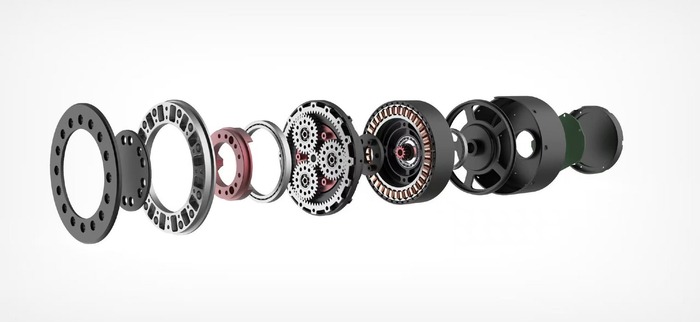
A joint module represents a paradigm shift from discrete components to integrated power delivery. Instead of a robot manufacturer buying a separate motor, a separate gear reducer, a separate encoder, and a separate motor controller, they buy a single, sealed joint module. In essence, a joint module is a plug and play muscle. It allows humanoid developers to focus on software and system integration rather than spending years engineering the perfect shoulder or knee actuator.
The urgency behind joint modules in 2026 stems from two converging pressures. First, the humanoid robot industry is attempting to scale from laboratory prototypes to mass production. A typical humanoid robot requires between twenty eight and forty joint modules, making these components the largest single line item on the bill of materials. Second, traditional industrial actuators are too heavy and rigid for dynamic human environments. Humanoids need joints that are powerful enough to lift a box but compliant enough not to shatter a glass table if they bump into it. Joint modules offer a solution by packing high torque density into a lightweight, standardized package that can be manufactured at scale.
Where Joint Modules Are Already Being Used
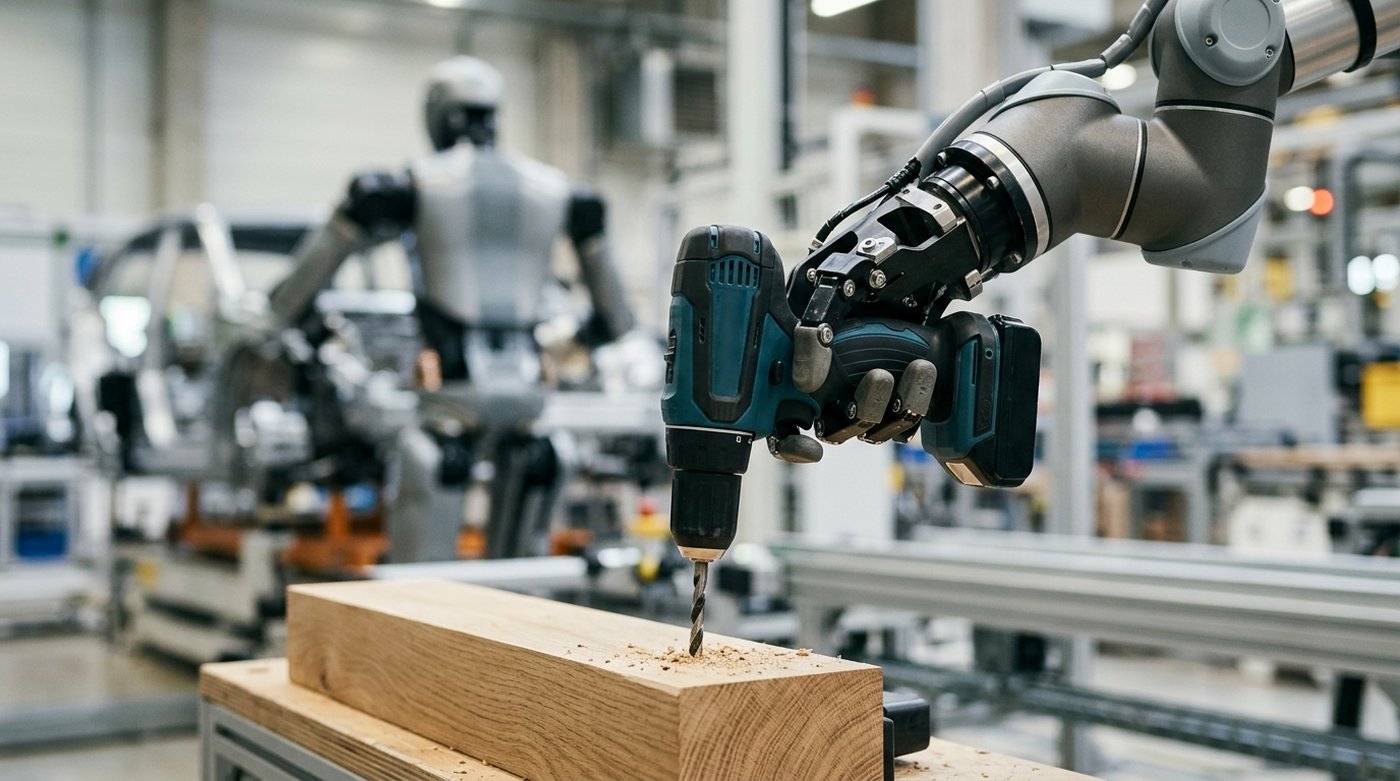
The most mature application for advanced joint modules is the collaborative robot arm market. Companies like Universal Robots and Rokae have long used integrated joints to build arms that can work safely alongside humans on assembly lines. The integration of the motor and reducer into a single housing allows these arms to be sleek, safe, and highly reliable. The efficiency gain is substantial, as standardized joints reduce assembly time and simplify maintenance for factory operators.
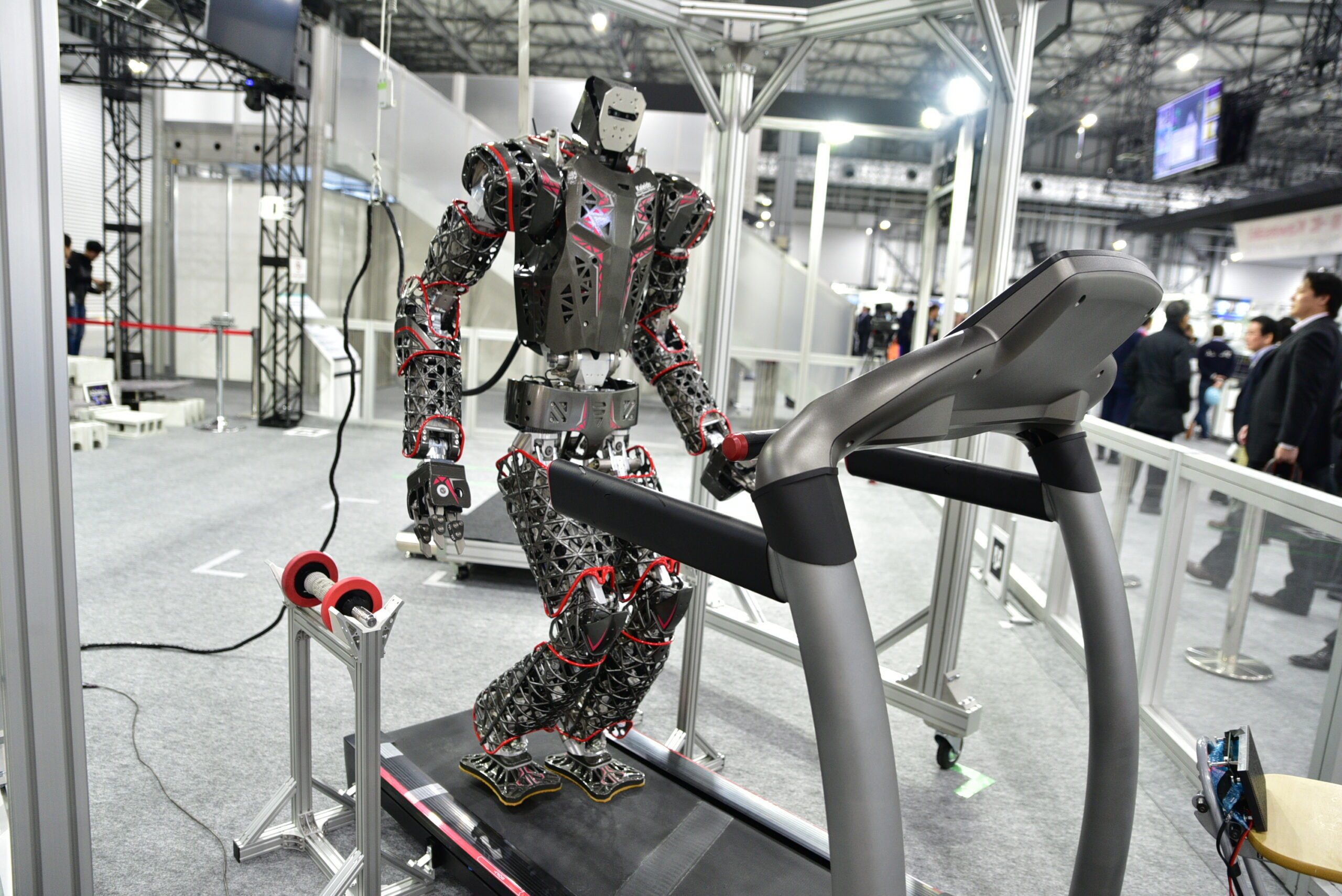
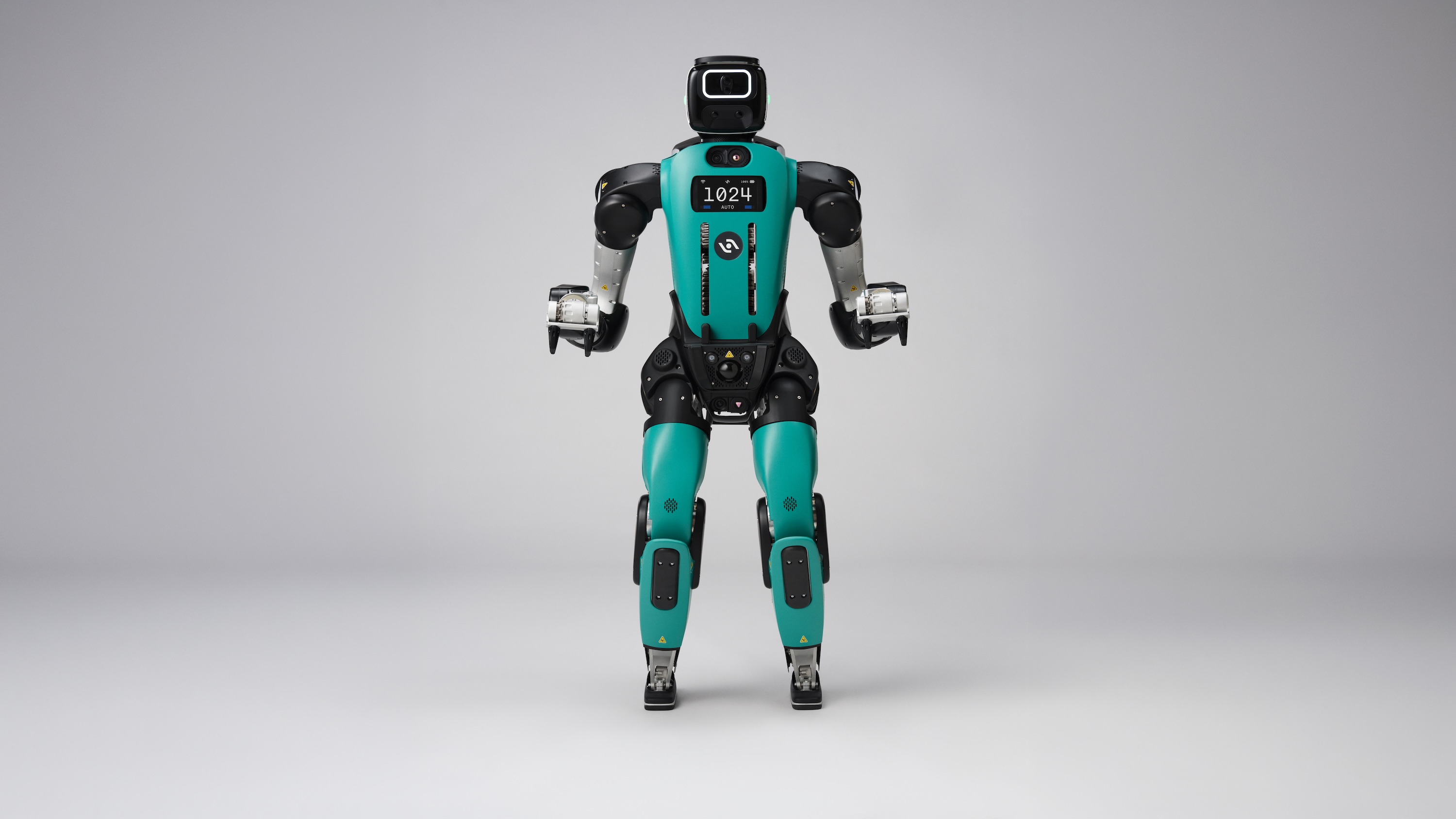
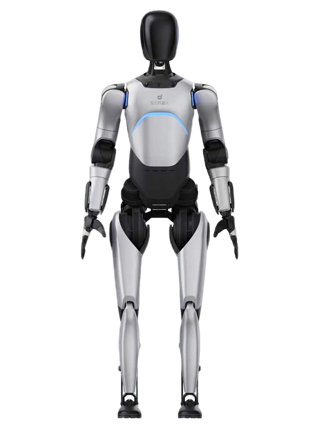
However, the central challenge in 2026 is scaling these modules for humanoid robots and embodied AI platforms. Unlike a stationary factory arm, a humanoid robot must carry its own weight and manage dynamic forces while walking. Leading humanoid companies including Figure AI, Unitree, and AgiBot are integrating specialized joint modules into their development pipelines to solve this. Quanzhibo's modules, which deliver between two and four hundred Newton meters of torque, are specifically designed to handle the explosive forces generated by humanoid locomotion.
Quanzhibo: The Newcomer With a Mass Production Thesis
Founding Story
Chen Wankai was born in 1993. He completed his undergraduate studies at Huazhong University of Science and Technology and the University of Melbourne before earning his PhD at Jilin University under the supervision of Professor Liu Chunbao. His doctoral work focused on fluid transmission and control, giving him a deep understanding of power density and mechanical efficiency.
After completing his studies, Chen recognized that the impending boom in physical AI would create a massive bottleneck in hardware supply. In June 2023, he founded Quanzhibo in Wuxi, Jiangsu Province. His core thesis was that the robotics industry did not just need better joint modules, it needed a company capable of manufacturing them at automotive scale.
The Funding
Within eighteen months of founding, Quanzhibo completed seven funding rounds, culminating in the A+++ round announced on July 3, 2026, though the transaction was completed in June. The investor roster includes GL Ventures, the early stage arm of Hillhouse Capital, alongside previous investors like Qiming Venture Partners and Northern Light Venture Capital. Notably, the round also includes strategic industrial investors: AgiBot, one of China's leading humanoid robot companies, and LinkerBot, a prominent dexterous hand manufacturer. The presence of AgiBot and LinkerBot as both investors and customers signals that Quanzhibo's infrastructure is becoming the default hardware backbone for China's physical AI sector.
Technical Architecture and Manufacturing
Chen Wankai's core argument is that a great joint design alone is insufficient. Delivering reliable joints to humanoid companies requires an entire system of automated assembly, quality control, and supply chain logistics. Quanzhibo's Wuxi plant demonstrates this approach. The facility boasts an eighty five percent automation rate, allowing a finished joint module to roll off the line every ninety seconds.
The company claims a first pass yield rate of ninety six percent, a critical metric for profitability in hardware manufacturing. By aligning their production lines with automotive industry standards, Quanzhibo achieved orders totaling RMB 150 million for 2025 and shipped over 120,000 modules in the first half of 2026 alone, with 60,000 units shipping in June. This scale allows them to drive down the per unit cost, directly addressing the bill of materials bottleneck for their humanoid customers.
Global Competitive Landscape
The joint module space in 2026 is highly competitive. To understand Quanzhibo's position, it helps to map the field. At the top tier are global incumbents like Japan's Harmonic Drive Systems, which has dominated the precision reducer market for decades. Harmonic Drive offers unmatched precision but at a premium price point that challenges the economics of mass market humanoids.
In China, Quanzhibo competes with established component makers like Leaderdrive and Zhaowei, who are also racing to capture the humanoid supply chain. Quanzhibo's strategy is to outflank these competitors by focusing exclusively on the highly integrated joint module rather than selling standalone reducers or motors. By providing a complete, plug and play solution, Quanzhibo reduces the engineering burden on robot developers.
What This Means for Robotics Adoption
The consolidation of the component layer is a necessary precursor to the mass adoption of humanoid robots. Just as the smartphone industry relied on standardized components from suppliers like Foxconn and TSMC, the physical AI industry requires reliable, high volume suppliers for its core hardware. Quanzhibo's rapid scaling and backing by top tier venture capital demonstrate that the market is placing massive bets on the companies building the picks and shovels of the robotics revolution.
Hard Truth Rebuttal
Some critics argue that hardware component manufacturing is a race to the bottom, suggesting that margins will inevitably collapse as more competitors enter the market. However, Quanzhibo's specific focus on highly integrated, high torque modules requires deep engineering expertise and massive capital expenditure to achieve reliable mass production. Startups may try to copy the designs, but they lack Quanzhibo's automated assembly lines and ninety six percent yield rates. The race will be decided by who can manufacture reliable hardware most efficiently at scale.
Sources:
1. National Business Daily: Quanzhibo Funding Announcement (July 3, 2026)
2. Eastmoney: Robotics Supply Chain Analysis (July 3, 2026)
Disclaimer: This article is for informational purposes only and does not constitute investment advice. The information presented is based on publicly available sources and may not reflect the most current developments. Readers should conduct their own research before making any investment or business decisions.